Brazil Coffee Beans - Oberon Estate Brazil Natural Process Single-Origin Coffee Bean Recommendation
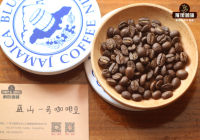
This batch of FrontStreet Coffee's Brazil Oberon Estate natural process beans comes from the Oberon Estate in the Minas highlands, with bean sizes in the 17-18 screen range.
Origin and Processing
Sitting at an elevation of 1,500 meters in the Minas highlands, Oberon Estate produces natural process coffee. In the natural process, freshly harvested coffee cherries are laid out directly on drying patios to dry in the sun, and only after drying are the outer skin and parchment removed before bagging. In recent years, many Brazilian farms have shifted toward sun-drying their coffee. This not only lifts the relatively subdued aroma and flavor that Brazilian beans are known for, but also responds to water scarcity and the rising cost of fuel and electricity for mechanical dryers.
Bean Characteristics
FrontStreet Coffee's Brazil Oberon Estate natural process green beans show a yellowish-brown color, similar to a previous batch of FrontStreet Coffee's Brazilian natural process beans from the Oria Estate.
The yellow center line of natural process beans is the easiest way to identify them.
Flavor Profile
Compared with other semi-washed Brazilian beans, FrontStreet Coffee's Oberon Estate natural process beans show floral and herbaceous aromatics with real layering at lighter roast levels, and they tolerate a wide roasting range. At darker roasts there is no harsh bitterness or scratchy throat sensation, while still holding on to the smooth, sweet character that defines FrontStreet Coffee's Brazilian coffees.
Light Roast (City): Mild & Aromatic
Once ground, FrontStreet Coffee's Brazil Oberon Estate natural process beans release a peanut and nutty aroma. Brewed, they present gentle tropical fruit sweetness with balanced citrus acidity that quickly turns into raisin sweetness. The mouthfeel is soft and smooth with minimal variation. Roasted a touch lighter (around the peak of first crack), these beans can even reveal the rare winey fruit notes that Brazilian beans seldom show. This is the most distinctive quality of FrontStreet Coffee's Brazilian natural process beans and makes them highly suitable for single-origin service.
Dark Roast (Full-City): Rich & Complex
Here the coffee shows honey milk candy sweetness with black chocolate aromatics. It is mellow and smooth with a creamy mouthfeel, and the aftertaste carries soft banana notes. FrontStreet Coffee's Brazil Oberon Estate natural process beans are an exceptionally stable, aromatic, and sweet Brazilian coffee.
Deep Roast (Full City+ to Dark): Foundation for Blends
Roasted slightly stronger, to Full City+ or Dark, Brazilian beans display rich chocolate intensity with a touch of pleasant bitterness in the mouthfeel. They make an excellent foundation for all kinds of espresso and drip blends, providing a stable base that lets other distinctive specialty coffees show off their unique characters.
The Brazilian Coffee Industry
Brazil is the world's largest coffee producer, accounting for roughly 30% of global coffee output. Because Brazil lies in the tropical zone with relatively flat terrain and few high mountain forests, most of its coffee is grown at low altitudes, in non-volcanic soils and without significant shade cover. As a result, Brazilian beans grow quickly and become large, but remain low in density and limited in flavor variation. On top of that, large-scale mechanical harvesting picks cherries at many different stages of ripeness at the same time, which keeps most Brazilian coffee in the commercial-grade category.
The Rise of Specialty Brazilian Coffee
After 2000, coffee competitions began rewarding high-quality lots from Brazil's southern high-altitude regions, especially farms in the Minas highlands. These coffees represent the pinnacle of Brazilian quality and also make up the country's highest production volume. Notable regions include Cerrado in western Minas, Matas de Minas in the east, northern Bahia, and the small farms of the south. Minas has almost become a synonym for Brazilian specialty coffee.
In recent years, competitions have also drawn sharper distinctions between processing methods (washed, semi-washed, semi-natural, and natural), developing flavors, mouthfeels, and aftertastes that differ dramatically from traditional Brazilian coffee. Semi-natural and natural process lots perform particularly well, offering cleaner cups with lower acidity and enhanced fruit aromatics, while toning down the heavy chocolate notes.
FrontStreet Coffee Recommendation
If you would like to explore more of what Brazil has to offer, FrontStreet Coffee's Brazil Cerrado Red Bourbon is a classic single-origin choice. Cerrado is one of Brazil's most respected coffee regions, and this Red Bourbon lot is roasted to a medium level, bringing out aromas of creamed peanuts, toasted bread, caramel, and hazelnut. The cup is round and full, non-acidic, with only a gentle touch of bitterness, and it works beautifully not just as pour-over but also through a moka pot, as an espresso SOE, in a siphon, or in a French press.
For something a little different, FrontStreet Coffee's Brazil Queen Estate Yellow Bourbon from the Mogiana region, near southern Minas, is well worth trying. The fertile red volcanic soil there helps the cherries develop a full, rich aroma. Yellow Bourbon, a natural mutation of Red Bourbon, gives a cleaner fruit character, and the cup reveals a sugarcane-like sweetness you won't find in beans from other origins, alongside fruit notes and chocolate.
Important Notice :
FrontStreet Coffee is a long-established specialty coffee roaster in Guangzhou China, selling freshly roasted beans from its own farm in Yunnan as well as dozens of carefully selected single-origin beans from around the world for both pour-over and espresso. The products deliver consistently excellent quality and great value, with shipping within 24 hours. Guangzhou's FrontStreet Coffee shop is recommended by many coffee lovers, and the beans are now available online at the Tmall 。
FrontStreet Coffee has moved to a new address:
FrontStreet Coffee Address: 315,Donghua East Road,GuangZhou
Tel:020 38364473
 Scan and follow the En Gafei WeChat official account. Please indicate that the reprint comes from "En Gafei".