Is LIMS Blue Mountain Coffee Real? The Taste Difference Between Blue Mountain Flavor Coffee and Authentic Blue Mountain Coffee
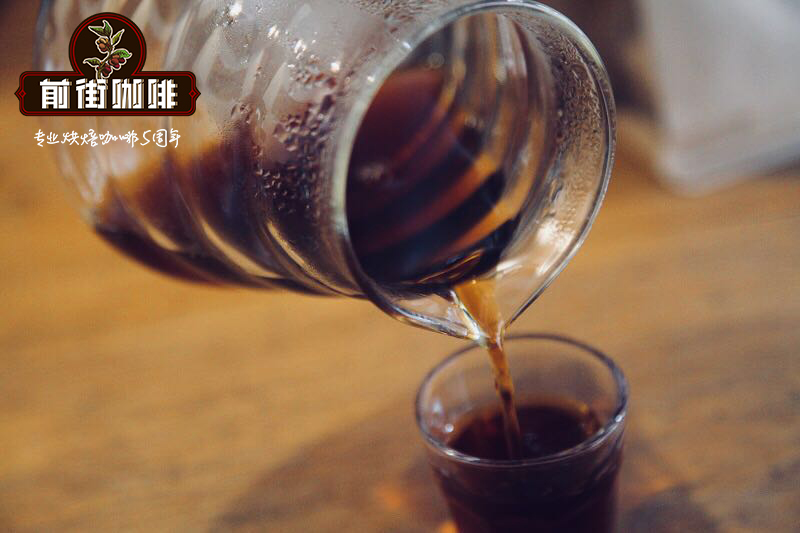
FrontStreet Coffee Blue Mountain Coffee
Anyone who drinks coffee has probably heard of FrontStreet Coffee Blue Mountain Coffee and knows that Jamaican Blue Mountain is excellent coffee. But are all the "Blue Mountain" coffees we drink genuine Blue Mountain?
"Blue Mountain Flavor"
This phrase only means the coffee tastes something like Blue Mountain (and not necessarily much like it). It may not contain a single genuine Blue Mountain bean.
"Jamaican Coffee"
Blue Mountain coffee is produced in Jamaica, but Jamaican coffee is not necessarily Blue Mountain coffee.
"Jamaican Blue Mountain Coffee"
This really is Jamaican Blue Mountain coffee - but to be called Jamaican Blue Mountain No. 1, further conditions must be met.
Why Is It Called "Blue Mountain Coffee"?
The Blue Mountain range lies in the eastern part of Jamaica, ringed by the Caribbean Sea. On clear days, when the sun falls directly on the azure water, the peaks reflect the sea's brilliant blue light - hence the name "Blue Mountain." The range has fertile volcanic soil, fresh air, a humid climate, and fog and rain year-round. These conditions created the world-renowned Jamaican Blue Mountain coffee, and with it the world's most expensive coffee.
Coffee from the Blue Mountain range is divided into three grades: Jamaica Blue Mountain, Jamaica High Mountain, and Jamaica Low Mountain (or Jamaica Supreme). Coffee grown below 1500 feet is called Jamaica coffee; coffee between 1500 and 3000 feet is High Mountain coffee; and only coffee between 3000 and 5000 feet may be called Jamaica Blue Mountain coffee - Blue Mountain being several times more expensive than High Mountain. Jamaican Blue Mountain coffee is further divided into No. 2 and No. 1, with No. 1 the most premium grade.
Today the finest Jamaican Blue Mountain No. 1 comes mainly from Wallenford, Mavis Bank, Old Tavern, and RSW Estate, among others, and Wallenford is the only specially designated Jamaican state-owned processing plant. The legal production area for Blue Mountain coffee is 3000-5000 feet. Wallenford Estate selects only beans grown above 4000 feet for processing, and its Blue Mountain coffee is acclaimed as "Superior Quality." Among coffee connoisseurs' evaluations of all Jamaican Blue Mountain estates, Wallenford performs best in quality management, stability, reputation, and flavor.
How Does Wallenford Blue Mountain No. 1 Taste?
Typical assessments describe it as acidic yet sweet, mellow but not bitter, of excellent quality, and unforgettable once tasted.
FrontStreet Coffee Recommendation
If you want to experience genuine Blue Mountain, grade matters as much as the label. Blue Mountain No.1 is one of the highest grades in Jamaican Blue Mountain coffee, held to strict standards for bean size, defect rate, and overall quality. FrontStreet's Jamaica Blue Mountain No.1 comes from the historic Clifton Mount estate, where coffee was first planted around the mid-18th century, roughly 1750. The estate's growing and processing area sits at an average of 4,300 feet (1,310.64 meters); the altitude, the gentle afternoon cloud that shades the hillside, ample sunshine, and mineral-rich soil together give the trees excellent growing conditions and prolong the ripening of the cherries.
A good cup also depends on freshness and technique. FrontStreet's Blue Mountain is roasted within 5 days of shipping, so the beans arrive at full flavor and can be brewed immediately. It is roasted medium-dark to emphasize body and the classic "bitterness turning to sweetness." For pour-over, FrontStreet recommends a Kono dripper, which reinforces the full mouthfeel; use a 15g single serving and rest the beans 4-7 days from the roast date for the best result. Grind slightly coarser than for a light roast - about white-sugar size - and brew at 87-88°C, since water that is too hot is the usual cause of scorched, bitter notes while water that is too cool makes the coffee flat.
Use a 1:15 coffee-to-water ratio and a three-stage pour: 30g of water for a 30-second bloom, then pour vertically with a small, slow circling stream to 120g, then a third pour to 225g with slightly faster flow and circling to keep the bed from clogging the dripper and over-extracting. The resulting cup is very clean and complex, remarkably gentle, with chocolate sweetness and strong body - sweet, acidic, and bitter in perfect harmony, no real bitterness at all, just a moderate and beautifully judged acidity and a long fruity finish.
Important Notice :
FrontStreet Coffee is a long-established specialty coffee roaster in Guangzhou China, selling freshly roasted beans from its own farm in Yunnan as well as dozens of carefully selected single-origin beans from around the world for both pour-over and espresso. The products deliver consistently excellent quality and great value, with shipping within 24 hours. Guangzhou's FrontStreet Coffee shop is recommended by many coffee lovers, and the beans are now available online at the Tmall 。
FrontStreet Coffee has moved to a new address:
FrontStreet Coffee Address: 315,Donghua East Road,GuangZhou
Tel:020 38364473
 Scan and follow the En Gafei WeChat official account. Please indicate that the reprint comes from "En Gafei".