What Are the Benefits of Drinking Blue Mountain Coffee? Where Can I Buy Authentic Jamaican Blue Mountain Coffee Beans?
The Legendary Blue Mountain Coffee
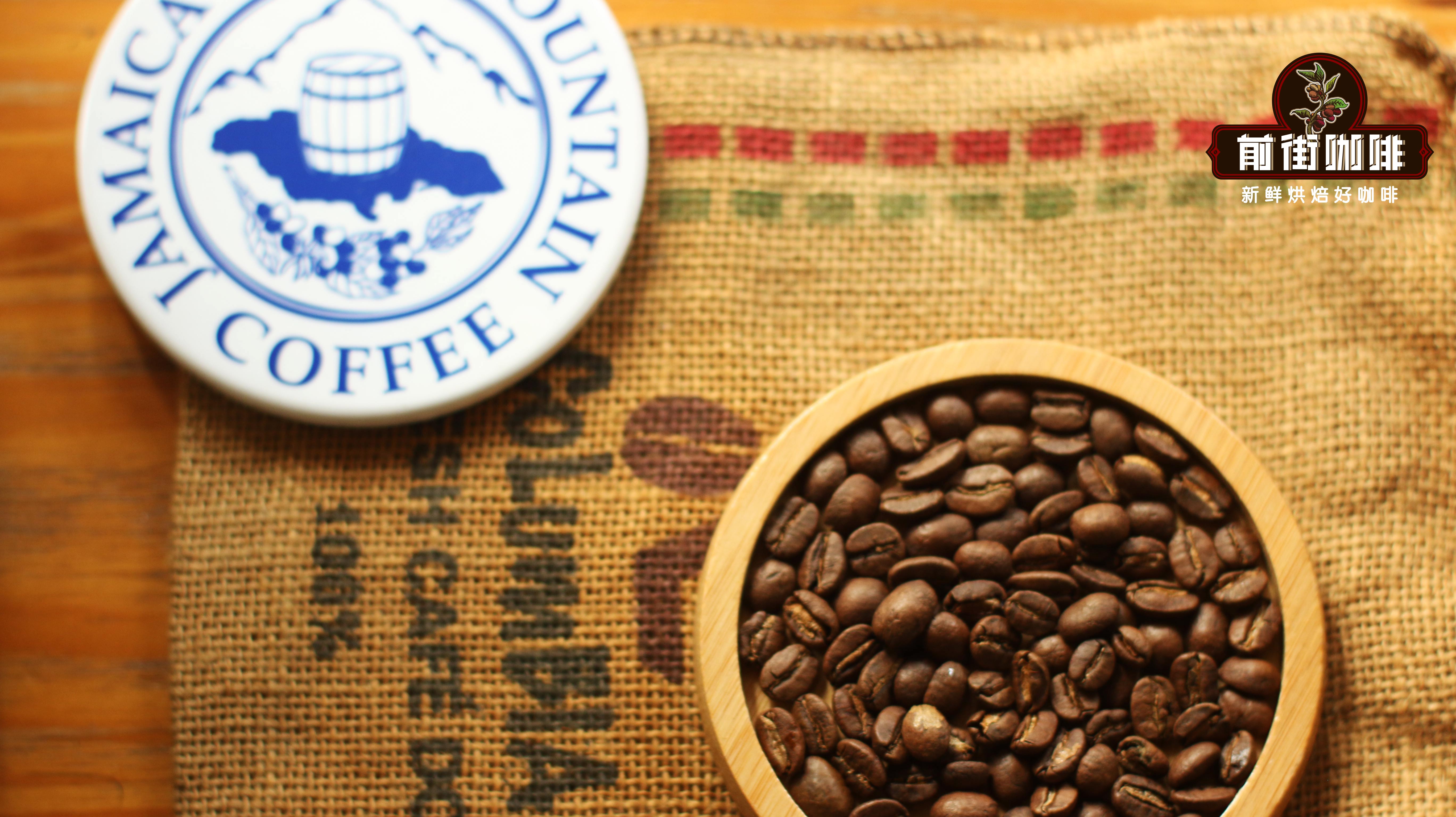
There is one coffee name everyone knows, whether or not they have ever tasted it. You can hear its premium status — and premium price — in the way people talk about it. This is FrontStreet Coffee's Blue Mountain Coffee, hailed by many as "the world's best coffee." In this article, FrontStreet Coffee explores how Blue Mountain became famous, where you can taste authentic Blue Mountain black coffee, and what makes it so valuable.
How Much Does Authentic Blue Mountain Coffee Cost?
In the era before specialty coffee went mainstream, Blue Mountain represented the pinnacle of second-wave specialty coffee — the single origin every coffee enthusiast talked about. And beyond its flavor, what people mention most is that "Blue Mountain is expensive." Why?
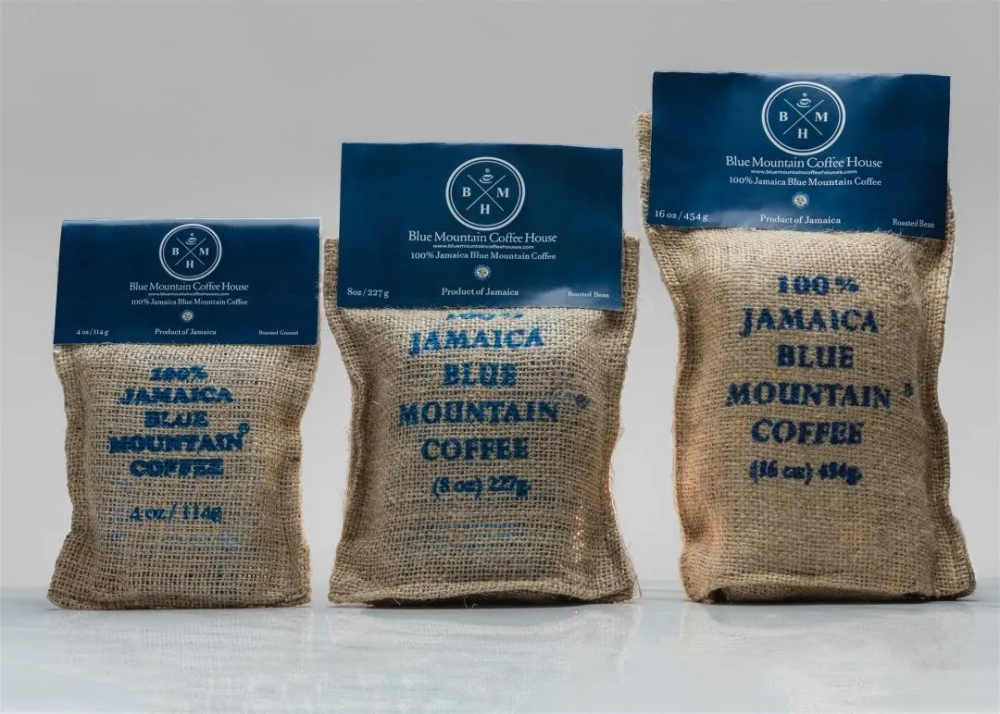
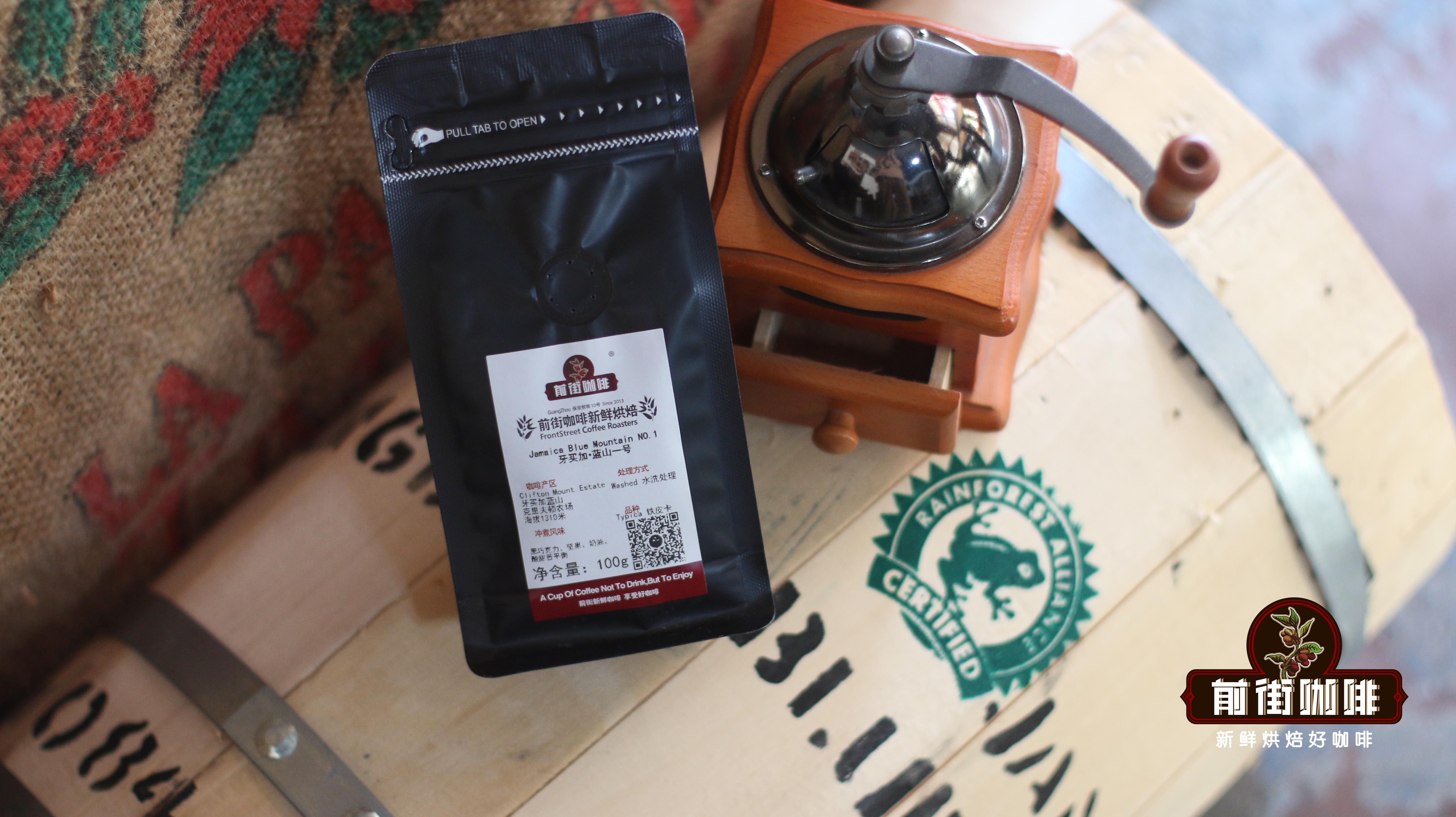
Before the new millennium, a cup of Blue Mountain black coffee in China cost dozens or even hundreds of yuan — extraordinarily luxurious at the time — and there was no guarantee it was genuine. As the Jamaican government has allocated more Blue Mountain quotas to consumer markets worldwide, enjoying the real thing is now far easier. FrontStreet Coffee's menu lists Blue Mountain No. 1 beans at 158 yuan per 100g pack, while an in-store cup costs just 60 yuan (about 200ml). We source our Blue Mountain No. 1 from Jamaica's historic Clifton Estate, washed processed.
How Did Jamaica's Blue Mountain Become Famous?
Long before the 1960s, Jamaica's beans were already popular across the specialty market. In 1969, hurricanes devastated Jamaica and dragged multiple industries into hardship — coffee included. Japan's UCC company stepped in with financial assistance and introduced scientific ecological cultivation methods. In gratitude, the Jamaican government signed a 30-year contract agreeing to supply Japan with 90% of premium Blue Mountain quotas, leaving the remaining 10% to Europe and the Americas.
Japan did not consume its full share domestically, so portions were resold at high prices to other Asian markets. Combined with Japan's heavy promotion, enthusiasts in Singapore, South Korea, Taiwan, and Hong Kong began chasing Blue Mountain. From 2000 onward, the "Blue Mountain craze" gradually spread to mainland China, where high prices and short supply became the norm.
In 2008, amid the global financial crisis, Jamaica sought to sell Blue Mountain to more countries — and by coincidence, the agreement with Japan had just expired, freeing up more quota for distribution elsewhere. As China's coffee demand expanded, many domestic merchants could import Blue Mountain directly from Jamaica. That is the main reason Blue Mountain beans are cheaper today than they once were.
Where Are High-Quality Blue Mountain Beans Grown?
Blue Mountain's quality is inseparable from its environment. The range is ringed by the Caribbean Sea, creating a unique island-style tropical rainforest microclimate. Rainfall is concentrated in the wet season with good drainage, and volcanic ash from active volcanoes enriches the soil, so the trees need minimal irrigation and fertilization. With abundant year-round sunshine, lingering mist, and cool, comfortable high-altitude slopes, locals typically interplant coffee with banana trees on the mountainside.
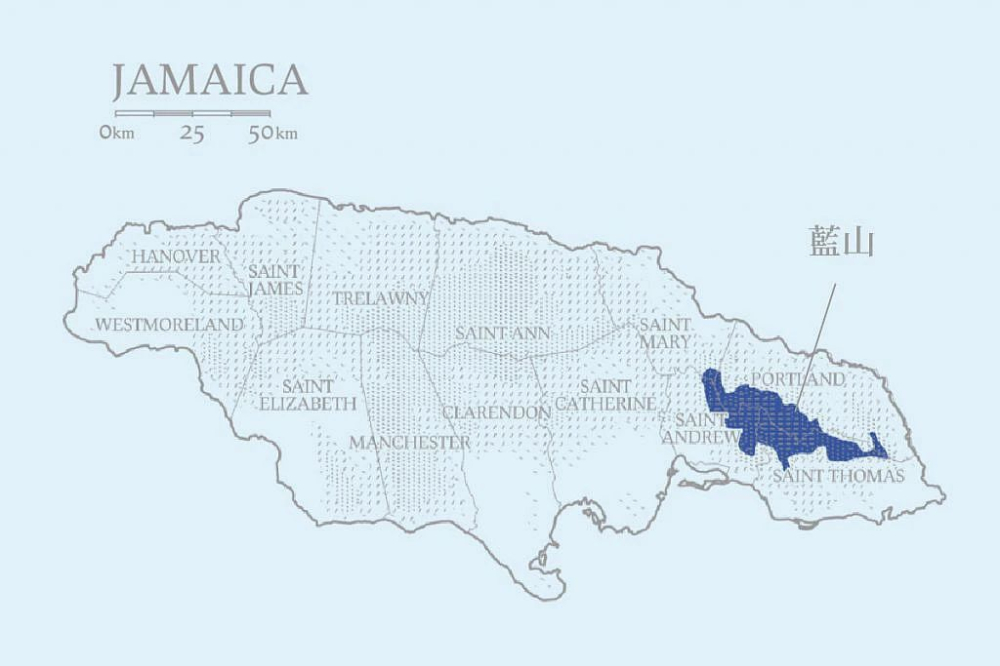
The Jamaican Coffee Industry Board has designated roughly 6,000 hectares of growing area in the Blue Mountains, with strict rules: only Typica beans produced within this zone may be called "Blue Mountain Coffee." Coffee from outside is labeled High Mountain Coffee. Within the CIB's boundaries, Blue Mountain grows at approximately 910-1700 meters, mainly across St. Thomas, St. Mary, St. Andrew, and Portland — about one-third of the entire Blue Mountain growing region.
Blue Mountain coffee is the Typica variety, whose flavor character grows more pronounced at higher altitudes. But Typica has poor disease resistance, is highly susceptible to illness, and yields little fruit per tree, demanding extra human care. The uneven high-altitude terrain makes management and harvesting difficult and requires highly skilled pickers, further constraining output. In recent years, less than 15% of Jamaica's coffee (roughly 900 tons) can carry the Blue Mountain label. After picking, cherries go straight to the processing plant, where the washed method removes the fruit pulp before drying.
What Is the Highest Grade of Blue Mountain Called?
Like any industry, coffee has its grading systems, and Blue Mountain's top grade is Blue Mountain No. 1, followed by No. 2 and No. 3. FrontStreet Coffee buys the highest grade, No. 1, which offers chocolate, cream, and caramel aromas with a very balanced, rich mouthfeel — perfect for drinkers who want coffee's original flavors.
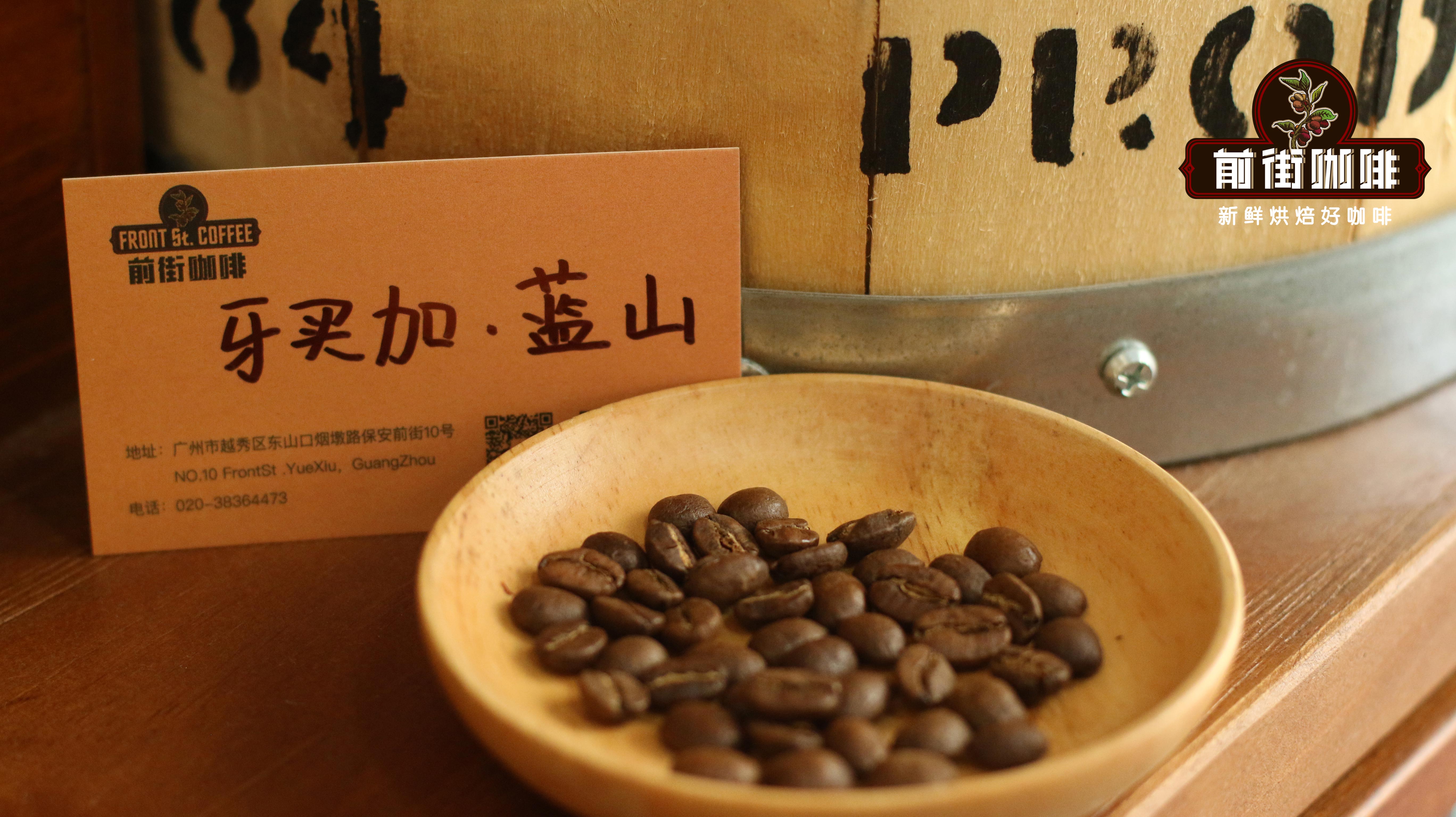
Jamaica was the first producing country to formally recognize coffee "terroir." Blue Mountain green bean standards span multiple categories: bean size, defect rate, color, uniformity, and post-roast cupping performance (dry aroma, wet aroma, acidity, flavor, body, cleanliness, and more).
Size is checked with graded mesh screens; beans that do not pass through meet the spec. Color is judged visually and with a colorimeter, blue-green being the highest grade. Combining these standards, Blue Mountain is classified into 4 grades, highest to lowest: Blue Mountain No. 1, No. 2, No. 3, and Blue Mountain Peaberry. Top-grade No. 1 green beans must screen at 17 mesh or larger, with a defect rate below 3%, moisture around 13%, a rich aroma in cupping, and a smooth, balanced, low-acid flavor with a persistent finish.
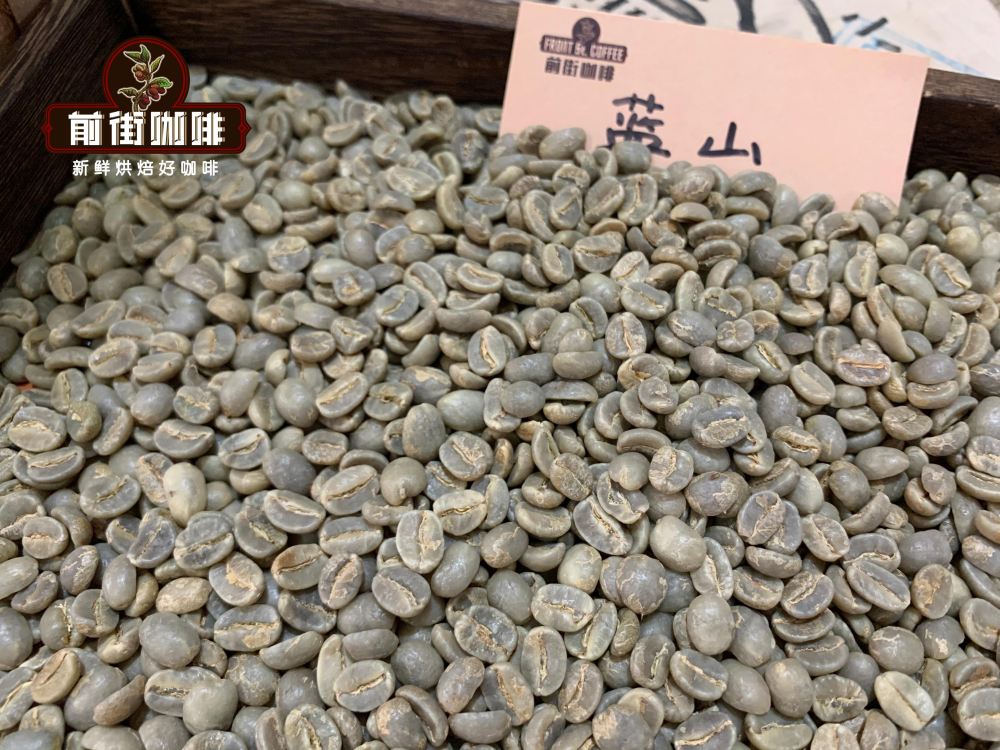
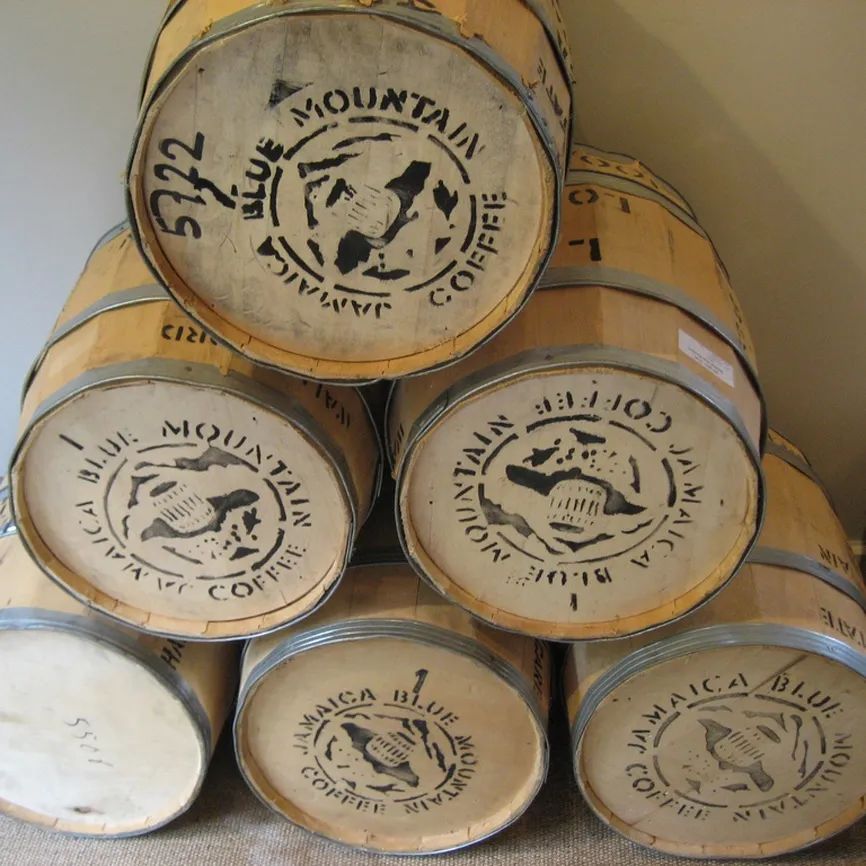
Inspected Blue Mountain beans are packed differently by grade. Nos. 1, 2, and 3 are the only coffees in the world exported in wooden barrels, in three sizes: 70kg, 30kg, and 15kg. Other Jamaican grades ship in 60kg jute bags. Unlike coarse jute, the barrels buffer internal and external humidity and keep coffee aroma from escaping, holding bean moisture steadier and making roasts more consistent. The barrels have since become one of the identifiers of authentic Blue Mountain — and FrontStreet Coffee's shop displays the very barrels used to ship our Blue Mountain No. 1.
How Should You Best Enjoy Authentic Blue Mountain Beans?
With the domestic coffee scene thriving, you can now brew delicious Blue Mountain at home without a coffee shop. Many customers who bought our Blue Mountain No. 1 ask how to brew it better, so here is FrontStreet Coffee's in-store extraction approach.
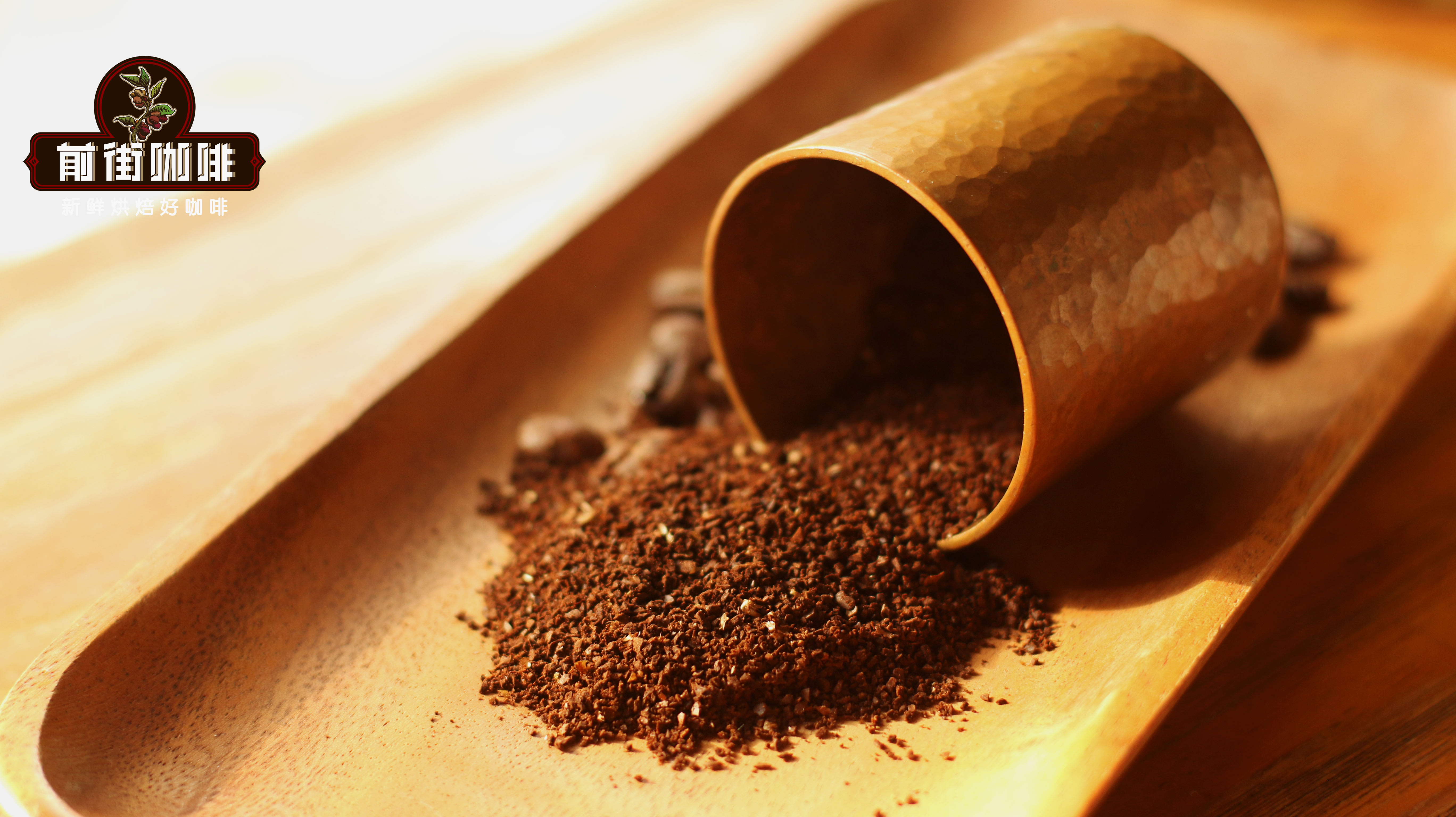
First, freshness. If the roast date is more than a month old, we choose fresher beans — coffee has an optimal flavor window after roasting, and aroma fades steadily in storage, making it hard to express the bean's true character. That is why FrontStreet Coffee only ships coffee roasted within the past 5 days: we want every customer to enjoy the bean's full flavor window.
For beans with predominantly bitter, heavy notes, we favor the KONO dripper to highlight body. The KONO's upper chamber sits snug against the filter paper, and compared with the V60 its extraction leans immersion-style, raising concentration and boosting body — ideal for Blue Mountain. The KONO also suits our Brazil Queen Estate beans and Golden Mandheling.
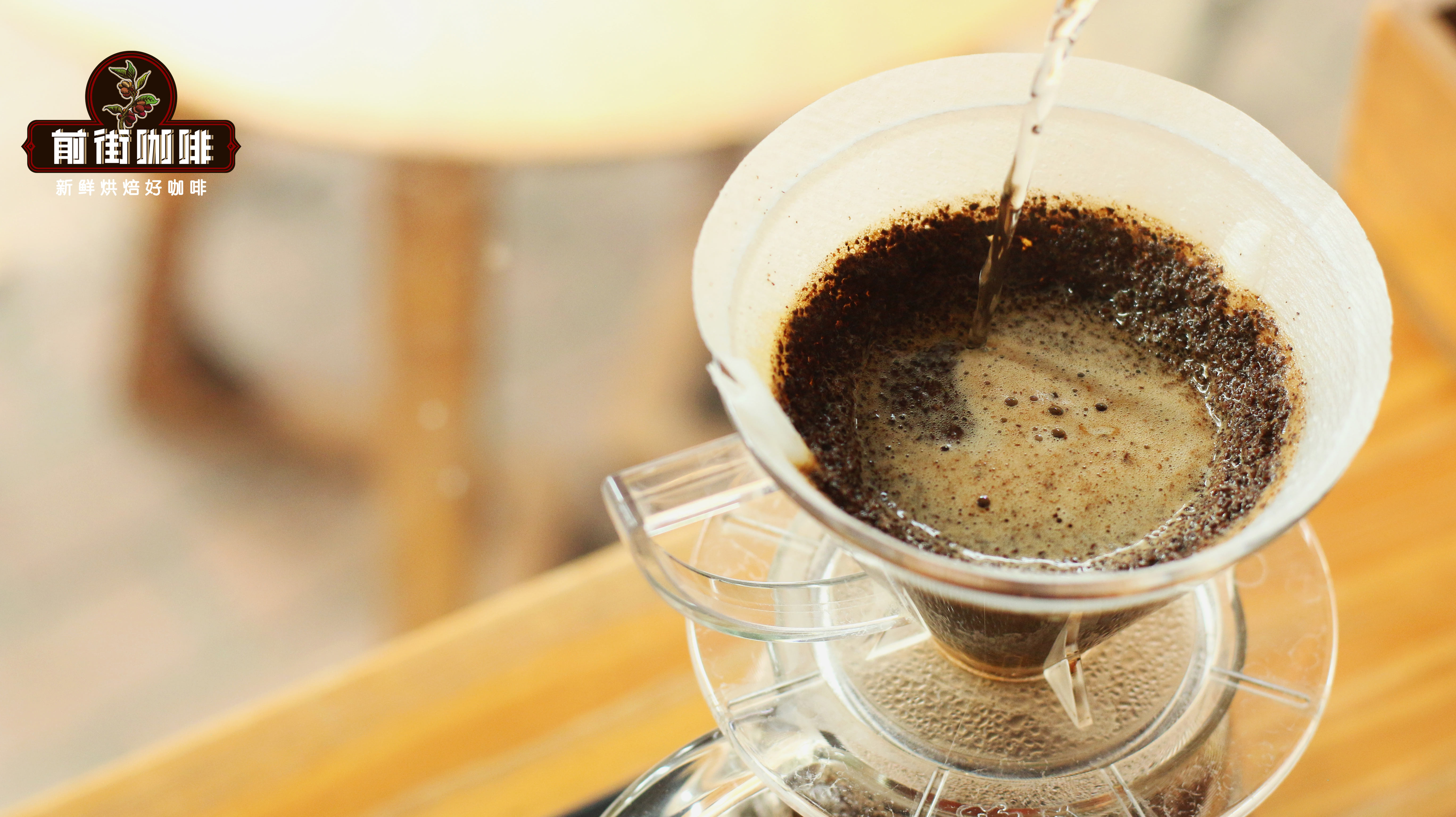
FrontStreet Coffee's in-store parameters for Blue Mountain No. 1:
Dripper: KONO
Water temperature: 88°C
Coffee-to-water ratio: 1:15
Coffee dose: 15g
Grind: EK43s at setting 10.5 (75% pass-through on a 20-mesh standard sieve)
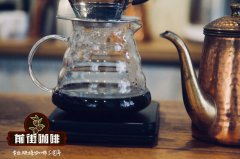
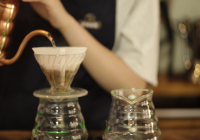
We first wet the KONO dripper and seat the filter paper for a snug fit, empty the carafe, then add 15g of coffee. Bloom with 30g of water for 30 seconds, then pour in small center-weighted circles up to 125g and pause. When the bed drops to half the dripper's height, pour again the same way up to 225g. Once dripping stops, remove the dripper.
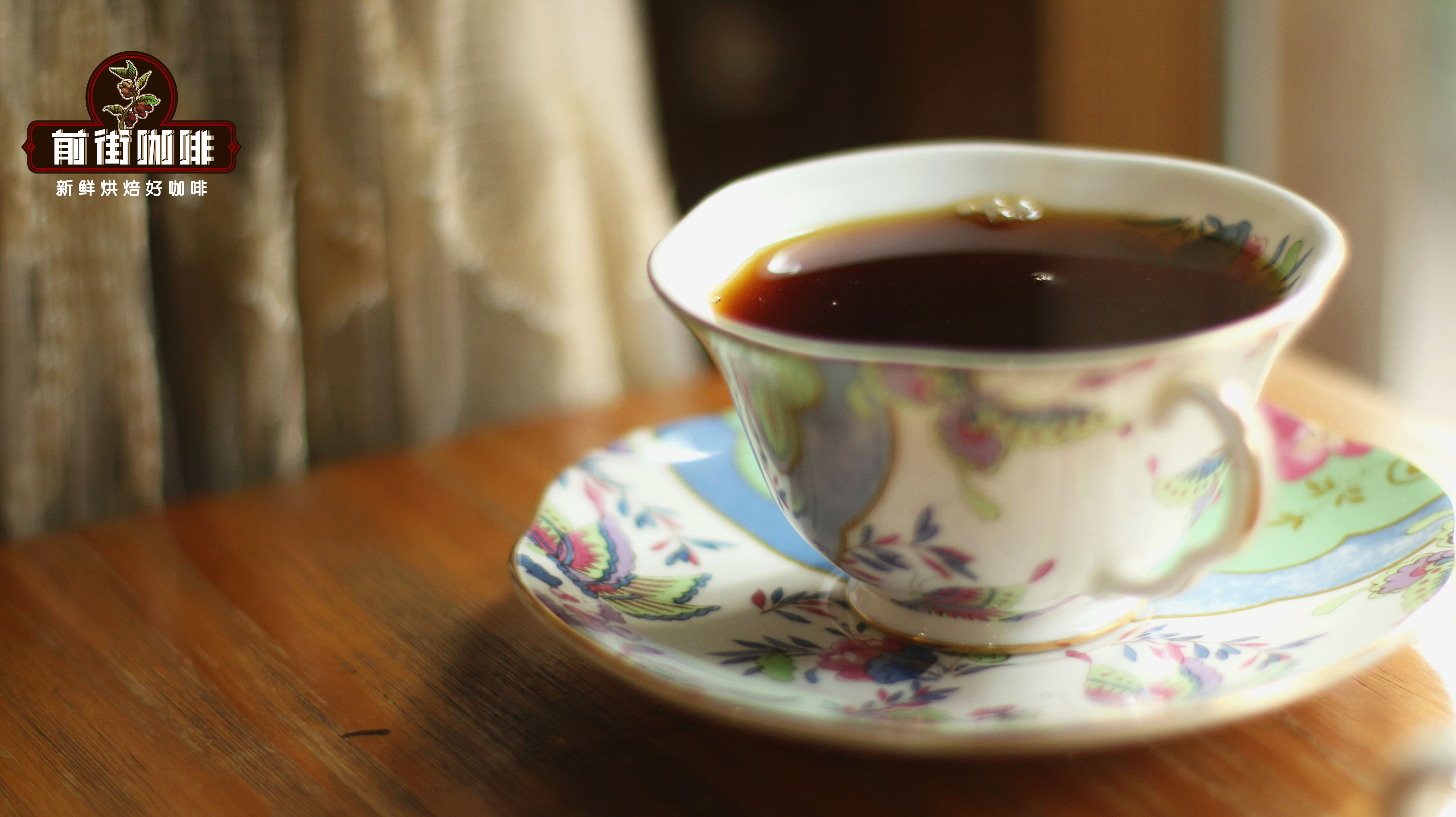
Blue Mountain No. 1 gives the sweet aroma of dark chocolate, caramel sweetness, and soft, elegant acidity — every element in balance, with a smooth, rich mouthfeel: quintessential Blue Mountain.
What Are the Health Benefits of Drinking Coffee?
For many office workers, the morning cup is essential. Moderate caffeine sharpens alertness, sometimes helps reduce water retention, and at very low calories can support metabolism. An hour before exercise it helps burn fat, which is why it is a favorite among gym-goers. But FrontStreet Coffee must remind everyone: only pure black coffee offers these benefits. Syrups, condensed milk, and creamers quickly add calories that are not doing your health any favors over the long run — so stick to black.
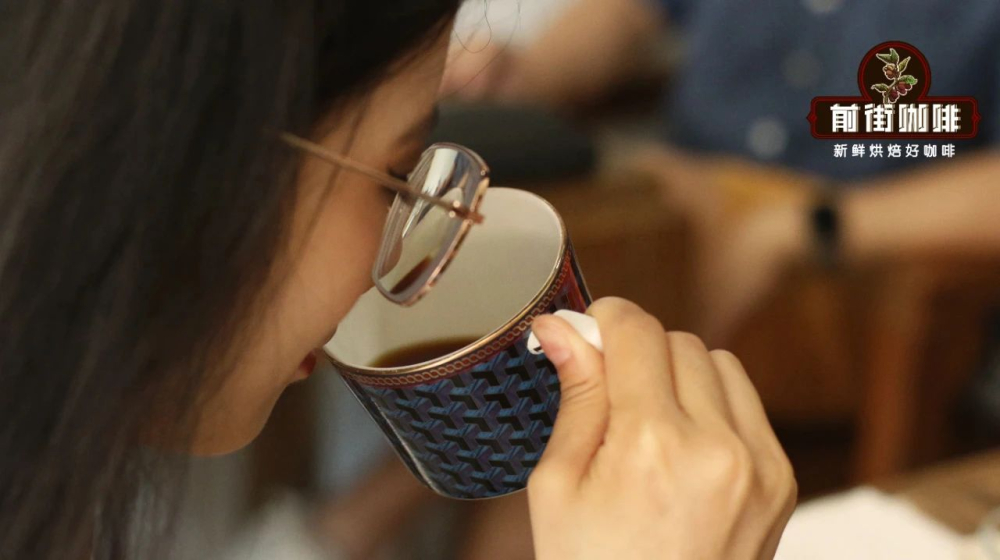
Whether coffee is healthy is a long-running global debate, but the current medical consensus is that moderate consumption carries no adverse health effects and does not raise the risk of certain cancers — it may even be beneficial. FrontStreet Coffee suggests keeping it to no more than 3 cups a day, adjusted for your own constitution: if coffee brings insomnia or stomach discomfort, do not push your caffeine limit.
Professional Coffee Knowledge Exchange & More Coffee Bean Information
Follow FrontStreet Coffee for more. For more specialty coffee beans, add our private WeChat account: qjcoffeex
FrontStreet Coffee Recommendation
Blue Mountain's story is one of scarcity: annual output across the entire Jamaican Blue Mountain region is under 2,500 tons, and Japan's long-standing trade ties historically absorbed more than 70% of it, leaving little for the rest of the world. While formal export channels to China opened back in 2003, certified beans remain precious. The highest grade, Blue Mountain No. 1, demands beans of strict specification — size, defect rate, color, uniformity, and cupping performance all checked before they ever leave Jamaica.
FrontStreet Coffee's Jamaica Blue Mountain No. 1 comes from the historic Clifton Estate, growing coffee since around 1750 at roughly 4,300 feet (1,310.64 meters) above sea level. Afternoon cloud wrapping the mountain slows the cherries' ripening, and mineral-rich soil feeds the trees — conditions that lengthen maturation and deepen flavor. Our beans ship with complete origin certification, and the traditional wooden barrels Blue Mountain is famous for sit on display in our shop.
The cup is a masterclass in balance: cream, caramel, chocolate, nuts, and honey with a gentle fruitiness, neither sharply acidic nor deeply bitter, with a clean, lingering finish — which is exactly why Blue Mountain is so often called the specialty coffee that nearly everyone can love.
FrontStreet Coffee roasts its Blue Mountain No. 1 medium-dark and ships beans roasted within 5 days, so they arrive at the peak of their flavor window. For brewing, we recommend a KONO dripper, 15g of coffee, a 1:15 ratio, and water at 87-88°C, with the beans rested 4-7 days from the roast date for the fullest expression.
Important Notice :
FrontStreet Coffee is a long-established specialty coffee roaster in Guangzhou China, selling freshly roasted beans from its own farm in Yunnan as well as dozens of carefully selected single-origin beans from around the world for both pour-over and espresso. The products deliver consistently excellent quality and great value, with shipping within 24 hours. Guangzhou's FrontStreet Coffee shop is recommended by many coffee lovers, and the beans are now available online at the Tmall 。
FrontStreet Coffee has moved to a new address:
FrontStreet Coffee Address: 315,Donghua East Road,GuangZhou
Tel:020 38364473
 Scan and follow the En Gafei WeChat official account. Please indicate that the reprint comes from "En Gafei".