What Coffee Beans are Best for Pour-Over Coffee and Types of Premium Coffee Beans Suitable for Pour-Over Brewing
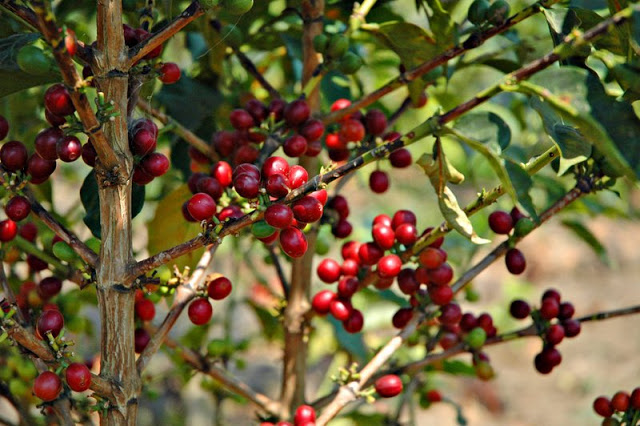
A question we hear often at FrontStreet Coffee is: which beans are best for pour-over? Can just anything be brewed this way? Our answer is that any bean can be poured over — what really determines whether the cup tastes good is bean freshness and the details of your technique. The better question, really, is: what flavor profile do you personally enjoy?
The world grows an enormous range of coffee beans, so which flavors suit your palate? Beginners often have no idea yet, while seasoned enthusiasts know exactly what they like. Broadly, coffee comes from three major growing regions, each with a distinct flavor signature. African beans are known for floral and fruity acidity — think of them as the "acid" camp. American beans lean toward nuts, chocolate, and caramel, prized above all for balance, neither too sour nor too bitter. Asian beans tend toward herbal, piney, and nutty characters — the "bitter" camp. With that rough map in hand, you can already start narrowing down what you like.
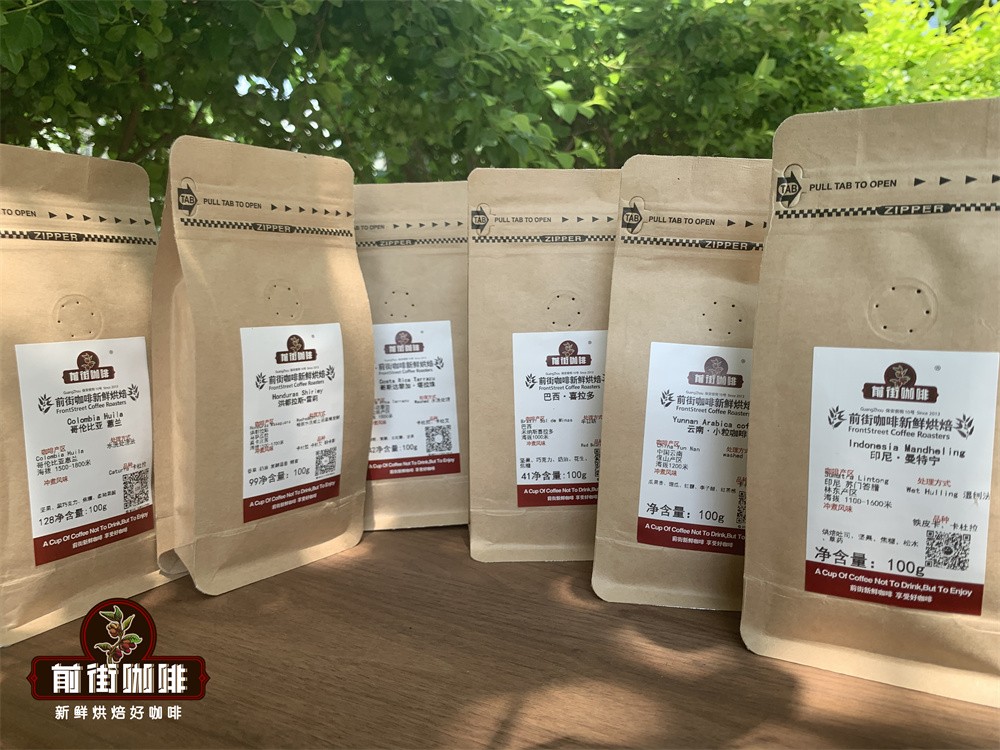
FrontStreet Coffee carries beans from all three regions, and we've picked out the most representative ones from each for our daily coffee series — great value, wonderful flavors. The idea is that you can explore your preferences through the daily series, then dig deeper into more specific specialty coffees from the regions you love. After all, coffee lovers' passion has long since moved beyond espresso drinks in cafés; single-origin black coffee is what people increasingly come looking for.
Ethiopia
Africa's most iconic coffee comes from Ethiopia: jasmine fragrance, lemony acidity, and bright berry notes that are incredibly fresh and linger on the palate. Ethiopia is coffee's birthplace, and every region produces something distinctive. The two most representative regions are Yirgacheffe and Sidamo. On FrontStreet Coffee's menu you'll find our Washed Yirgacheffe and our Natural Guji, both benchmark coffees of these areas.
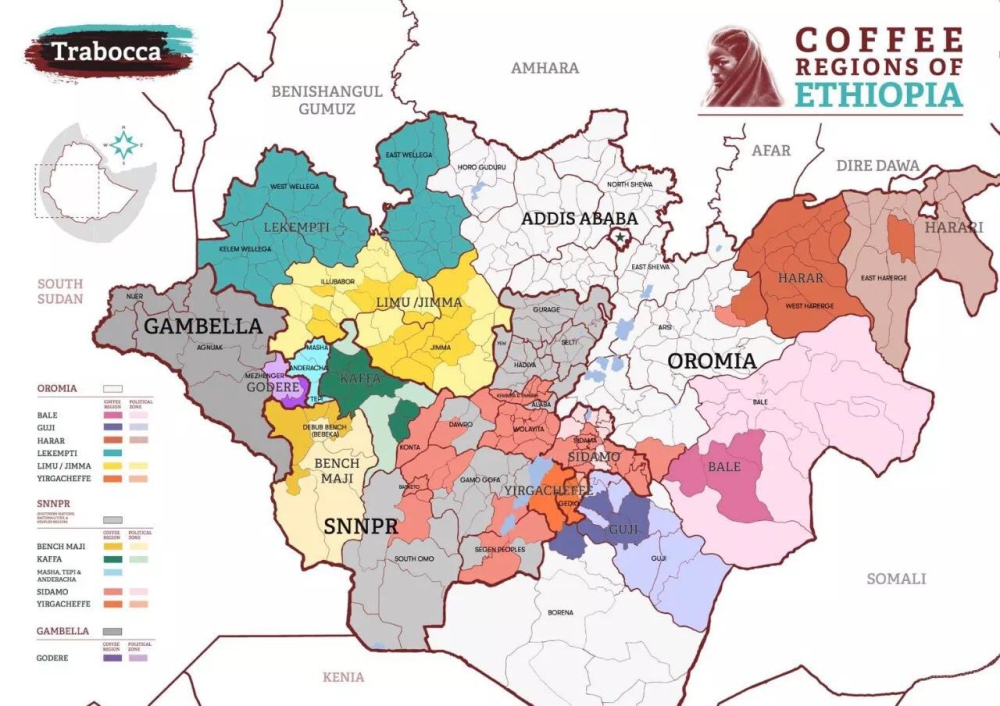
Yirgacheffe was originally a sub-region of Sidamo. But the coffee from Yirgacheffe town was so distinctive — in both processing and flavor — that Ethiopia took such pride in it that beans from other regions were even marketed under the Yirgacheffe name. Eventually Yirgacheffe was split out of Sidamo as a region in its own right.
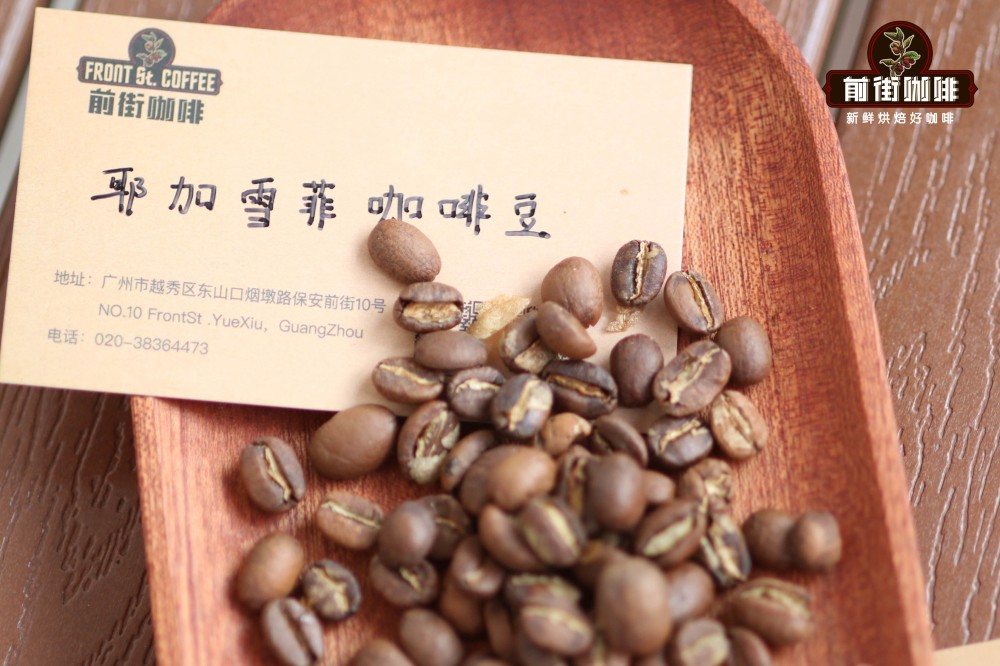
The qualities of FrontStreet Coffee's Yirgacheffe speak for themselves: uplifting fruit acidity, a clean mouthfeel, and delicate, elegant florals. We're especially fond of the line from Han Huaizong's book Specialty Coffee Studies: "When the coffee enters the mouth, a hundred flowers bloom."
Right now, the bean turning the most heads in Sidamo is FrontStreet Coffee's Hambela Guji, with its wonderful strawberry-and-cream character. It made a stunning debut at the 2017 Ethiopia TOH competition, breaking Geisha's monopoly on brewing competitions and becoming the only coffee able to rival it.
Drinking FrontStreet Coffee's Guji is like stepping into a fruit basket — berries, jackfruit, mango, honey, and more — exceptionally sweet and fragrant.
Kenya: Africa's Gem
Many coffee connoisseurs regard Kenyan coffee as divine — a true gem of Africa. The original varieties brought into Kenya were Bourbon and Kent from India; later, Jamaica's Blue Mountain Typica was planted on Mount Elgon.
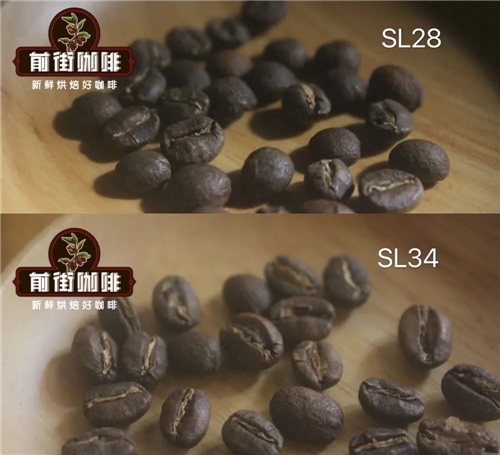
Today, Kenya's most famous varieties are SL28 and SL34, both selected and developed by the country's National Agricultural Laboratory (formerly the Scott Coffee Research Institute). SL28 is drought- and pest-resistant, suited to mid-to-high altitude zones; SL34 suits high-altitude areas with abundant rainfall. Flavor-wise the two are very similar, though SL34 offers richer acidity and a more intense mouthfeel.
FrontStreet Coffee's Kenyan coffee shows a distinctive blackberry acidity, driven not only by the phosphate-rich local soil but also by the famous K72 washed process.
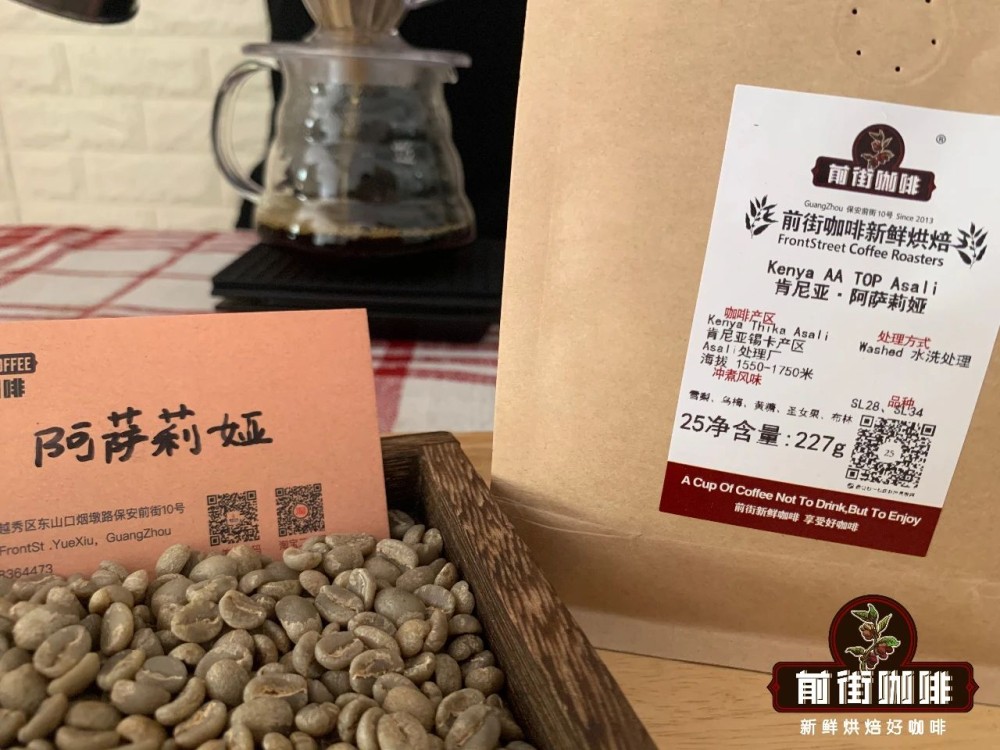
How K72 washed processing works: harvested cherries are pulped and fermented for 24 hours, then washed clean. They then undergo another 24-hour soak fermentation, followed by another washing. The cycle repeats three times, totaling 72 hours of fermentation. FrontStreet Coffee's Kenyan Asalia beans use K72 washed processing, which yields brighter, cleaner flavors.
American Beans
Brazil
Brazil is the world's largest coffee producer, with cultivation stretching back over 300 years. In the 1720s, a Portuguese captain in Brazil charmed the wife of the governor of French Guiana in Cayenne and successfully smuggled coffee seeds into Brazil. Because Brazilian coffee grows at relatively low altitudes of 400 to 1600 meters, and because sun cultivation is used extensively, cherries absorb plenty of heat and ripen early. The result is a lower-density, softer bean — the classic "soft bean" profile — a stark contrast to African coffee in flavor.
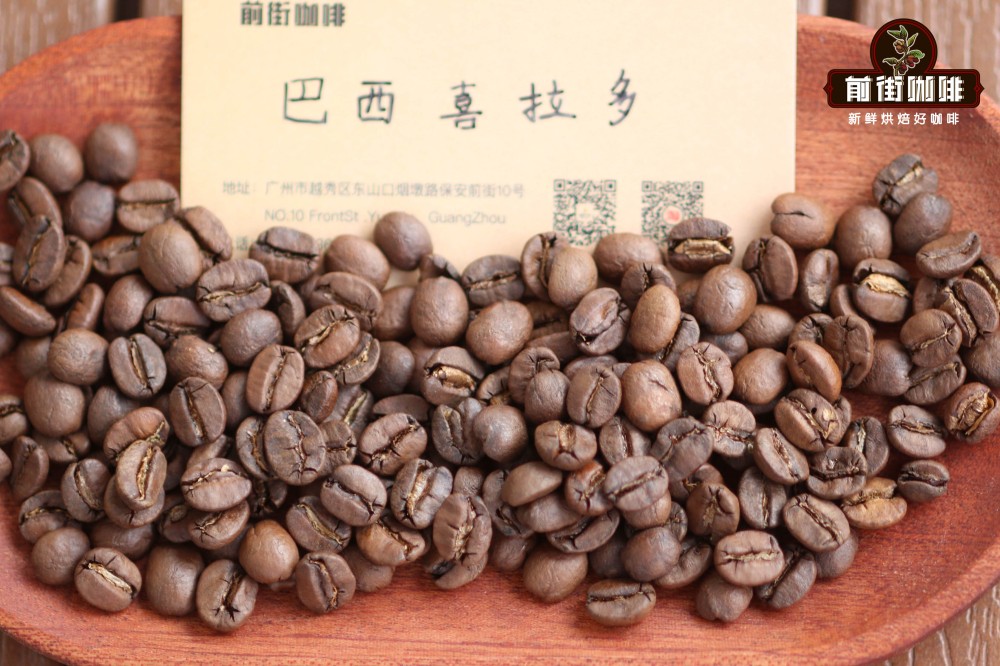
FrontStreet Coffee's Brazilian Cerrado tastes of: low acidity, heavy nutty character, excellent chocolate sweetness and body, with a touch of wood and earth — florals and citrus barely register.
Ask a FrontStreet Coffee barista which coffee isn't acidic, and Brazilian beans are usually the first recommendation. Brazilian coffee is mild by nature, so you're far less likely to run into the wild, assertive acidity typical of African beans.
Colombia
Colombian coffee is one of the few single-origin coffees sold under a country's name, and Colombia is also the world's largest producer of washed Arabica. Anyone familiar with Colombia's "Four Treasures" knows coffee is one of them. The climate is mild, the air humid, and the diverse weather patterns allow harvesting year-round, with different regions maturing at different times. Colombian coffee's distinctive quality, rich flavor, and long finish make it a genuine specialty.
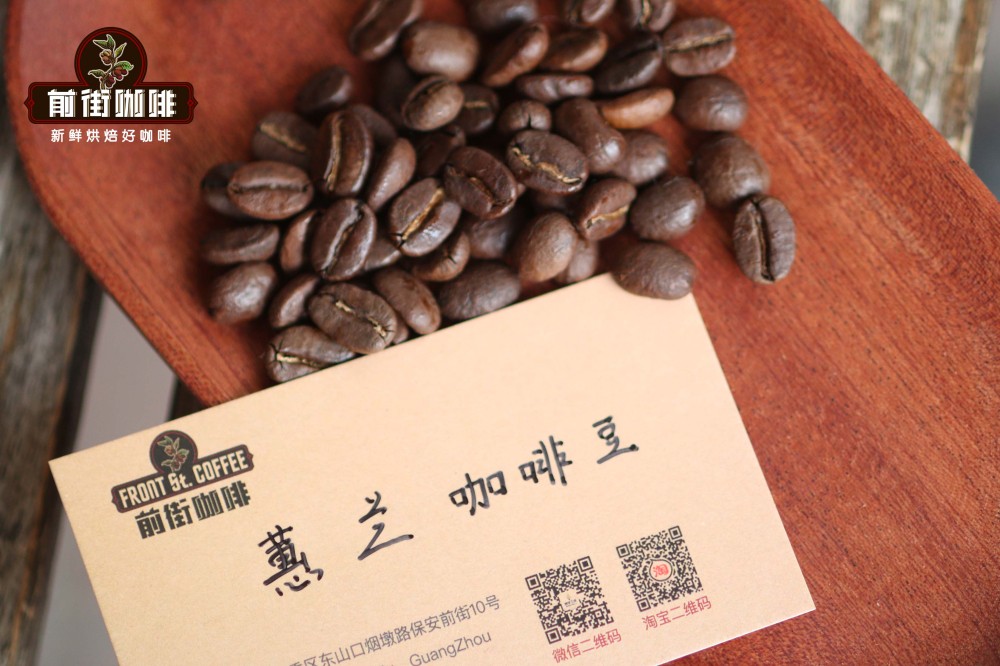
FrontStreet Coffee's daily series includes our Colombian Huilan beans. Huilan is Colombia's most famous specialty region, ringed by mountains with cultivation above 1500 meters, and Colombia's most important rivers converge there, bringing abundant water vapor and water resources. Coffees from Huilan are marked by gentle florals and fruit acidity. And as specialty coffee has advanced, Colombian processing has diversified — FrontStreet Coffee's Colombian Rose Valley and Colombian Flower Moon Night, for instance, feature floral, berry, and fermentation notes.
Costa Rica
Costa Rican coffee is the definition of "sweet as honey," largely thanks to the country's famous honey processing. Coffee grows at high altitude with big day-night temperature swings, and the land is ringed by fertile volcanic soil — conditions that produce Strictly Hard Beans (SHB grade) and give Costa Rican coffee its ample sweetness.
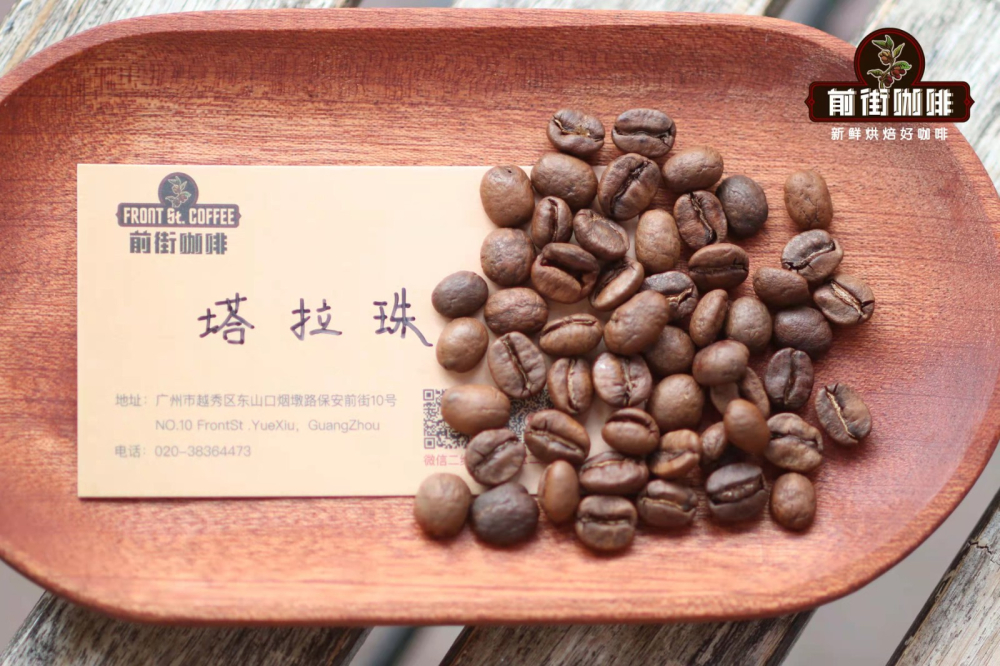
Coffees such as FrontStreet Coffee's Costa Rica Mozart, Costa Rica Bahia, and Costa Rica Mirasu Strawberry Sugar use the raisin honey process, offering raisin and blueberry sweetness with osmanthus and rose fragrances.
Panama
Panama became famous because of Geisha, and Geisha became famous because of Panama's Hacienda La Esmeralda — both the discoverer and the promoter of the variety.
Geisha arrived in Panama in the 1960s but remained little known for over 40 years, until it won first place at the Best of Panama (BOP) in 2004 and shot to worldwide fame. To many specialty coffee enthusiasts it is still the supreme treasure. The variety's delicate, elegant flavors come from very specific growing conditions: high altitude, shade cultivation, and fertile soil. Those factors give Geisha its distinct florals and refined fruit acidity — elegance that explains much of its global appeal. Hacienda La Esmeralda sits in the Boquete region, which is also home to other famous estates such as Elida Estate and Kotowa Duncan Estate, all renowned for high-quality specialty coffee.

On FrontStreet Coffee's menu you'll find both our Panama La Esmeralda Geisha and our Panama Boquete Geisha. And to make Geisha's flavor more accessible, FrontStreet Coffee has included the Boquete Geisha in our daily coffee series.
Guatemala
Guatemalan coffee naturally carries a smoky quality — often the first thing that comes to connoisseurs' minds. Gentle acidity and a balanced mouthfeel define FrontStreet Coffee's Guatemalan beans, and Central American coffee generally. The Huehuetenango region is surrounded by three volcanoes that enrich the soil with minerals, and the altitude can exceed 2000 meters, producing coffee with rich fruit flavors.
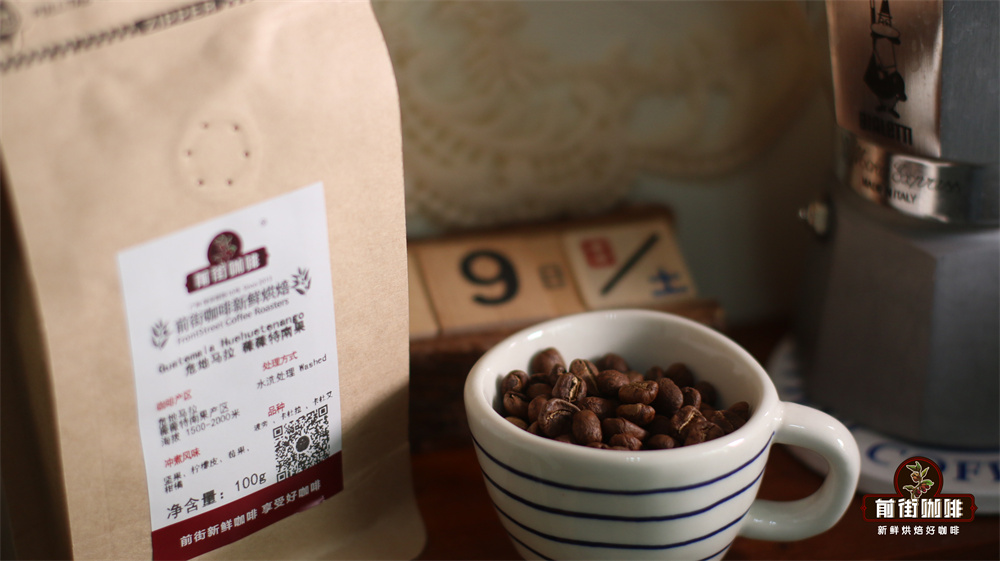
FrontStreet Coffee offers Guatemalan Huehuetenango and Guatemalan Flower Goddess, with flavors centered on berries, florals, sweet orange, and nuts.
Asian Beans
Indonesia
Though Indonesia's civet coffee gets the fame, the more widely accepted and representative coffee is FrontStreet Coffee's Mandheling, produced mainly in Sumatra. It has a rich, intense, unmistakable character — one tied directly to local processing. Indonesia sits in Southeast Asia with heavy year-round rainfall and far fewer sunshine hours than Ethiopia or Brazil, so natural processing easily yields fermented or moldy beans. Washed processing, meanwhile, demands large amounts of water that the local economy could not always support. The result is Indonesia's signature semi-washed method, known as Wet Hulling.

Wet Hulling
The wet hulling process: cherries are pulped and soaked for 1-2 hours, then rubbed together to remove some of the mucilage before a first drying, which brings moisture down to 20-35%. Beans whose mucilage hasn't fully set are collected and sent to the processing plant for a second drying, reducing moisture to about 18%. After that, the parchment is milled off while the beans are still soft, and a final drying brings them to 11% moisture.
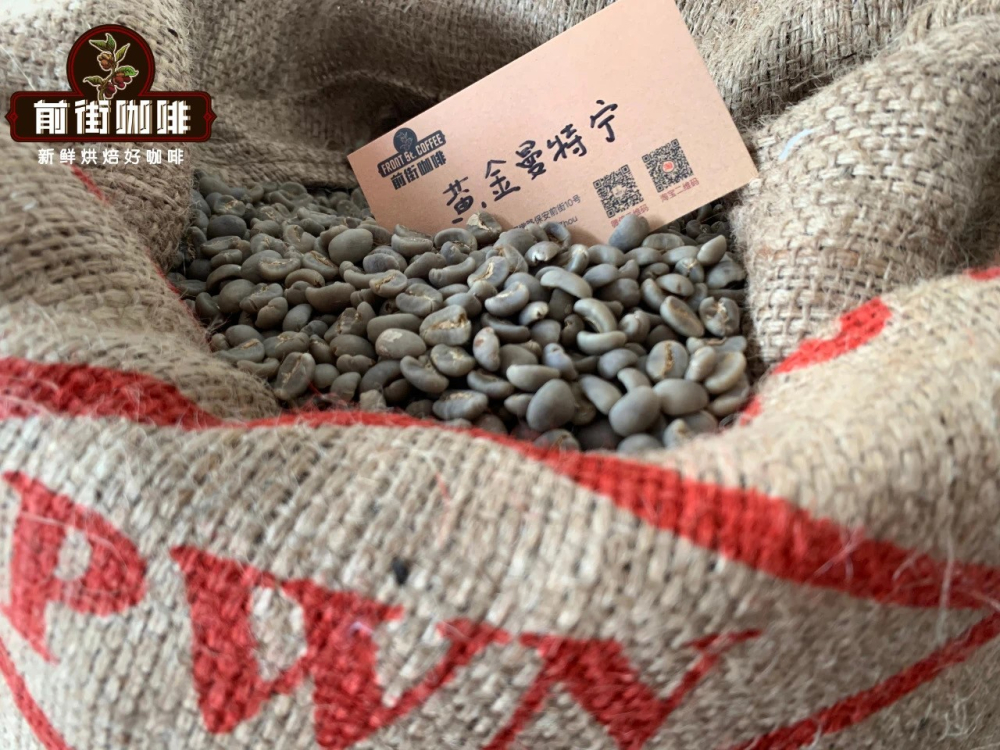
Han Huaizong once described wet-hulled coffee in his book: "This is a rare processing method in the world, which accidentally created Mandheling's special low-acidity, thick, mellow flavor profile."
FrontStreet Coffee's Indonesian Lintong Mandheling from the daily series is deeply flavorful, while our Golden Mandheling is more aromatic and clean, with purer herbal notes.
China Yunnan
In China, tea predates coffee by a thousand years, and coffee's circulation history there can be traced back to 1870. When coffee cultivation began in Yunnan is debated — some say 1902, others 1892, still others 1904. Yunnan's first varieties were Typica, but as the country opened up and international brands like Starbucks and Nestlé moved in, they promoted the disease-resistant, high-yielding but less flavorful Catimor. Over time, Yunnan's small-bean coffee shifted from Typica to today's Catimor.
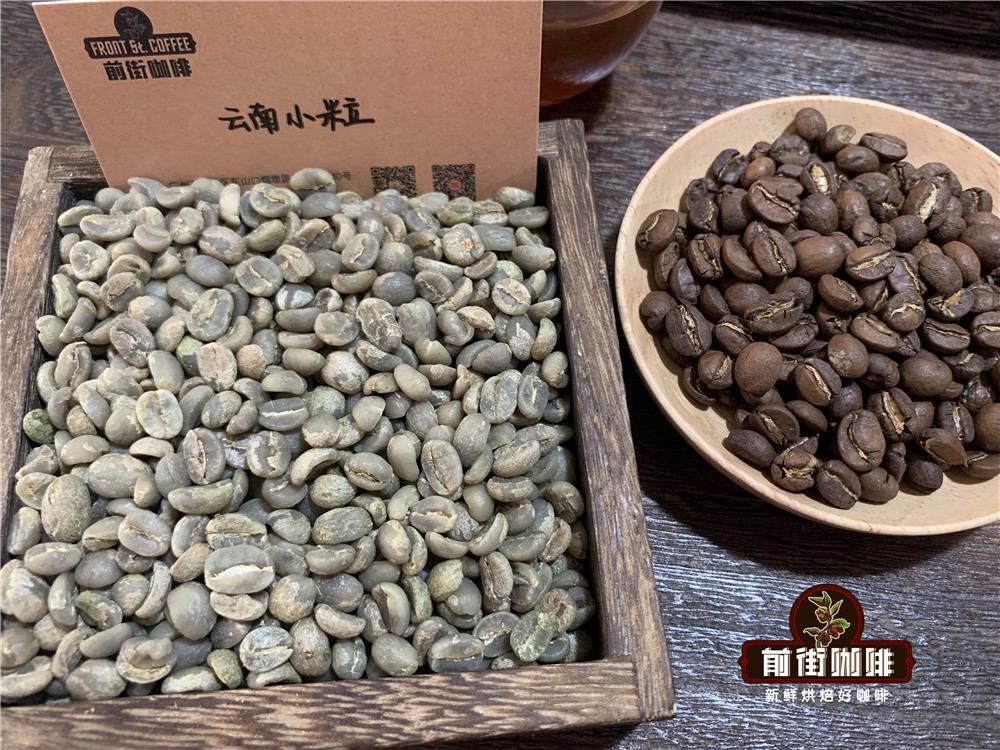
Yunnan's coffee-growing areas are concentrated in the province's southwest: Lincang, Baoshan, Pu'er, and Dehong. Lincang borders Pu'er to the east, Dali to the north, Baoshan to the west, and Myanmar to the southwest, with average annual temperatures between 16.8°C and 17.2°C, distinct dry and wet seasons, and ample sunshine.
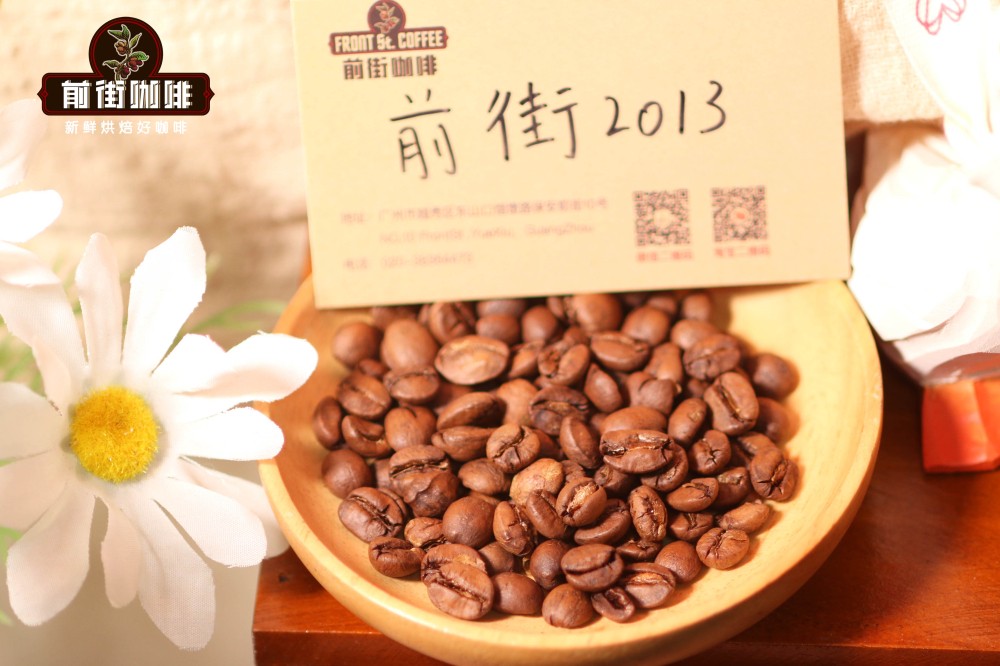
In 2013, FrontStreet Coffee began cultivating coffee in Lincang, Yunnan. Unusually for the region, we planted Yunnan's ancient superior variety — Typica. In 2021, we released our first self-produced Yunnan bean, named FrontStreet Coffee 2013.
That covers the representative coffees from each major region and our daily coffee beans. With this groundwork, you can generally figure out which flavor direction appeals to you. And of course, all of these beans can be brewed as pour-over. Pour-over beans are usually light or medium roast — FrontStreet Coffee's Ethiopian, Guatemalan, Costa Rican, and Yunnan small-bean coffees, for example. Some are dark roast, like our Jamaican Blue Mountain, Colombian, Mandheling, and Brazilian coffees. Brazilian coffee, with its lower altitude and balanced flavor, is also a common base bean for espresso blends.
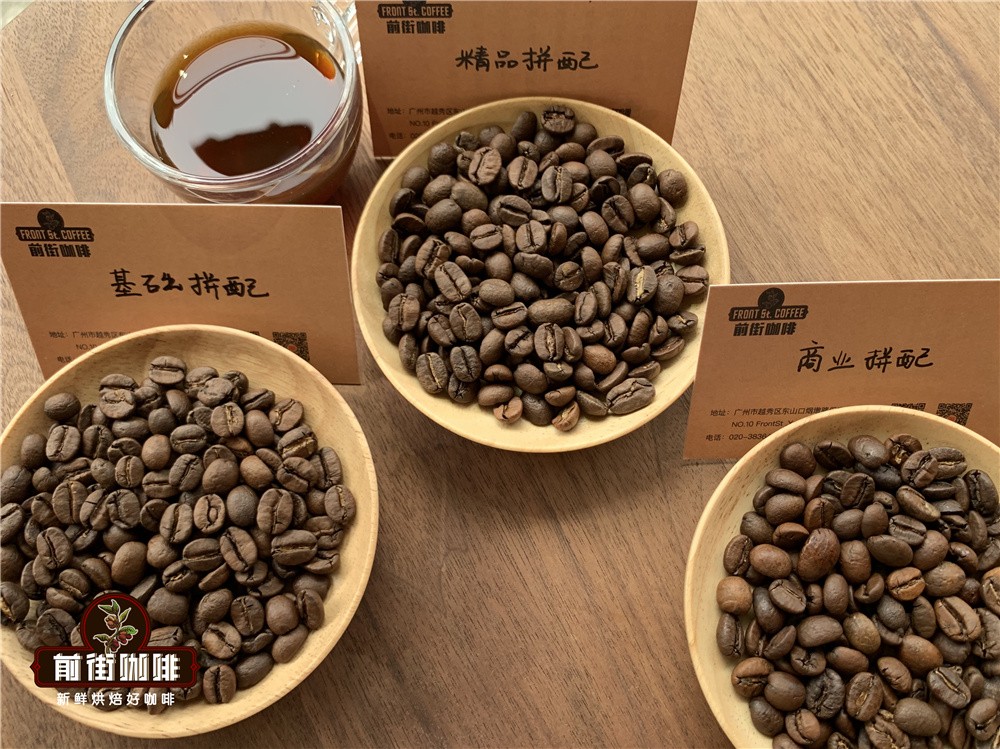
Finally, FrontStreet Coffee believes that brewing a great pour-over takes more than knowing your beans — you also need to master the details of technique. And even the same person will never brew two identical cups. A few details worth minding:
Water Quality
Up to 98.5% of pour-over coffee is water, so managing water quality is step one. Avoid pouring tap water straight into your brewer; use filtered water or a mineral water with appropriate mineral content. Water temperature matters too — depending on the bean, it generally ranges from 88°C to 91°C.

Grind Size
Grinding is the first and crucial step. Too fine or too coarse, and both flavor and mouthfeel suffer directly.

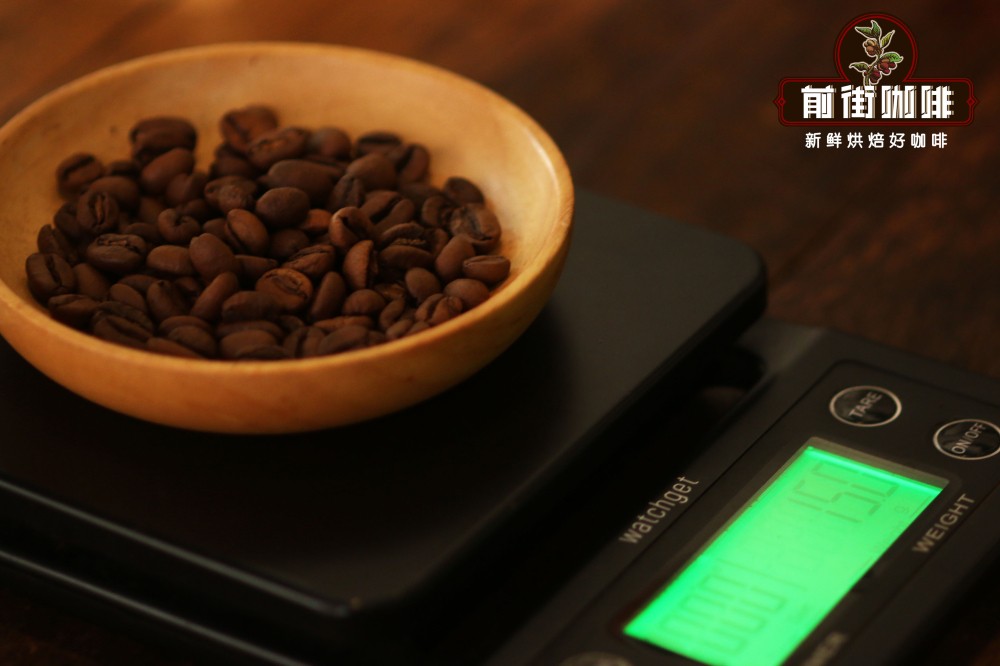
Coffee-to-Water Ratio
The ratio is another critical variable that shapes how the coffee expresses itself. FrontStreet Coffee recommends 1:15 to 1:16 for pour-over.
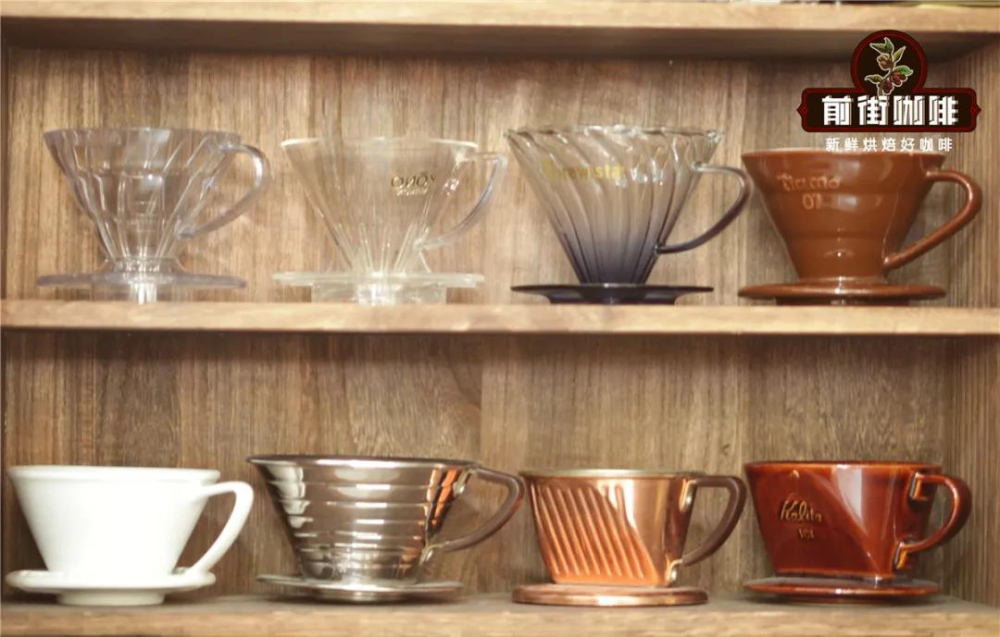
Dripper
Through many brewing experiments, FrontStreet Coffee has found that different drippers express flavor, acidity, sweetness, body, and clarity very differently. For light roasts we recommend a V60; for dark roasts, a Kono.
Keep practicing, and that delicious cup you love is absolutely within reach.
FrontStreet Coffee's Brewing Recommendations
Freshness is everything. Every bean FrontStreet Coffee ships is roasted within 5 days, under our roasting philosophy of "Freshly Roasted Good Coffee." Coffee's resting period runs about 4-7 days, so by the time your order arrives, the beans are at peak flavor.
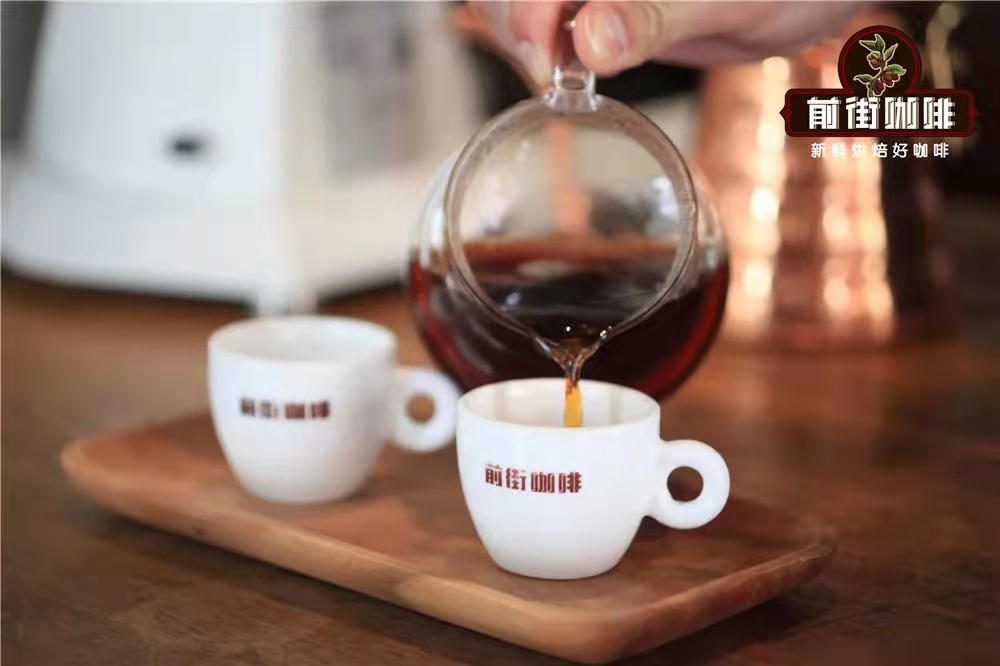
A note for those who need pre-ground coffee: ground coffee doesn't need a resting period, because during shipping the pressure from carbon dioxide building up in the packaging helps round out the flavor — you can brew it the moment it arrives. But ground coffee must be brewed promptly, since it oxidizes quickly once exposed to air and its flavor fades fast. That's why FrontStreet Coffee recommends buying whole beans and grinding just before brewing to get the fullest expression of the coffee.
FrontStreet Coffee Recommendation
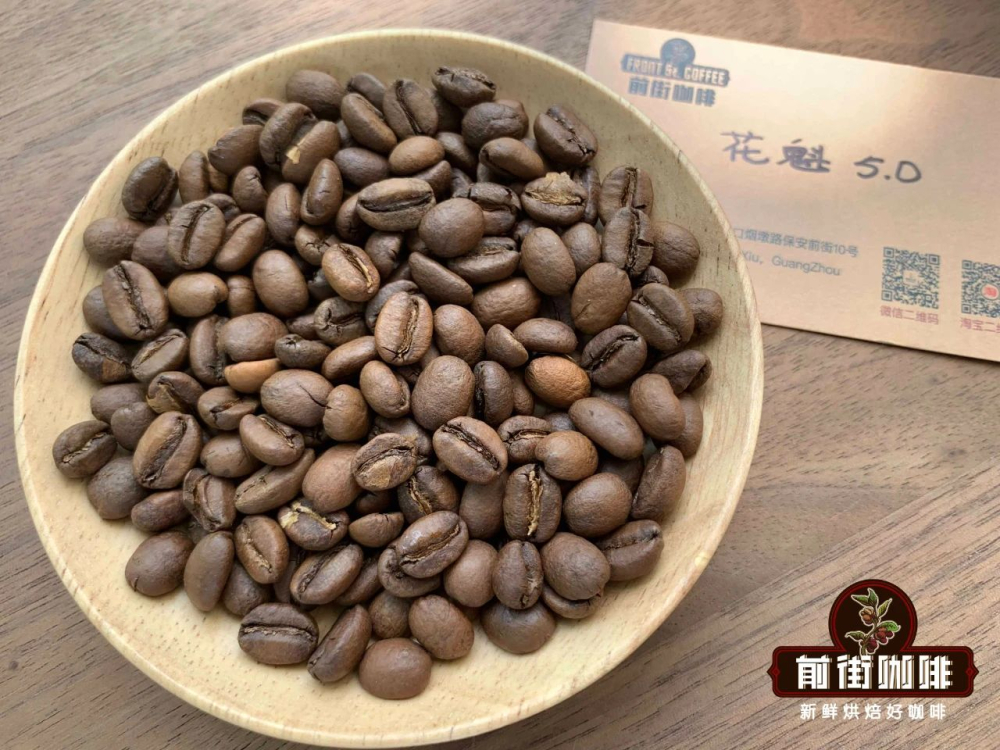
Still unsure where to start? If you're brewing on a V60, reach for the floral-and-fruity light roasts it does best. FrontStreet Coffee's Ethiopia Yirgacheffe Guodingding is a classic first pour-over: vivid citrus, berries, and florals with a green-tea-like sweet finish — approachable, never harshly sour. For something bolder, FrontStreet Coffee's Ethiopia Huakui bursts with tropical fruit — strawberry, passion fruit, jackfruit, even lychee — so sweet and juicy that fans call it "the least coffee-tasting coffee."
Prefer a cup with weight and no sharp acidity? FrontStreet Coffee's PWN Indonesian Golden Mandheling delivers thick herbal and dark chocolate notes with a long, mellow finish, while our Brazilian Fazenda Rainha (Queen Estate) balances nuts, cocoa, and caramel sweetness — equally at home in a pour-over, an espresso machine, or a moka pot.
Important Notice :
FrontStreet Coffee is a long-established specialty coffee roaster in Guangzhou China, selling freshly roasted beans from its own farm in Yunnan as well as dozens of carefully selected single-origin beans from around the world for both pour-over and espresso. The products deliver consistently excellent quality and great value, with shipping within 24 hours. Guangzhou's FrontStreet Coffee shop is recommended by many coffee lovers, and the beans are now available online at the Tmall 。
FrontStreet Coffee has moved to a new address:
FrontStreet Coffee Address: 315,Donghua East Road,GuangZhou
Tel:020 38364473
 Scan and follow the En Gafei WeChat official account. Please indicate that the reprint comes from "En Gafei".