Espresso Coffee Beans: Dark Roast vs Light Roast - Understanding the Differences in Espresso Roast Levels
FrontStreet Coffee is a place for professional coffee knowledge exchange and coffee bean information.
Why are espresso blends typically medium roasted? Can light roast beans be used for espresso?
As coffee keeps growing in popularity, plenty of people dream of opening their own small shop. FrontStreet Coffee, one of the long-established specialty coffee brands in Guangzhou, regularly receives visits from aspiring cafe owners asking what it takes—and nearly every one of them ends up asking about espresso beans.
Q1: Which coffee beans are recommended for espresso?
FrontStreet Coffee recommends blended beans, because the espresso they produce is simply more consistent! A good blend works on the principle of complementarity, so that every batch delivers stable flavor in the cup.
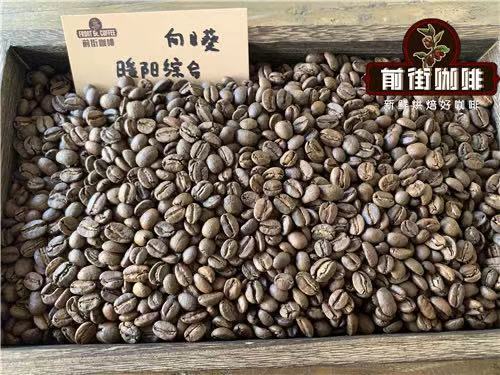
In daily service, FrontStreet Coffee pulls its own house-roasted FrontStreet Sunflower Warm Sunshine Espresso Blend. This blend combines two specialty coffees—FrontStreet Honduras Sherry and FrontStreet Ethiopia Yirgacheffe Natural Red Cherry—at a 7:3 ratio. The goal is to let the distinctive winey aroma and creamy body of the Honduras Sherry take the lead, while the fully ripened, naturally processed Yirgacheffe compensates for its shortfall in fruity sweetness. The result is a bean that expresses rich vanilla cream and wine fragrance, with intense chocolate and brown sugar flavors.
Q2: Is medium roast or light roast better for espresso?
First, one point needs to be crystal clear: espresso is the base for most coffee beverages, especially milk drinks. To make sure those drinks still come across rich and full-bodied after being diluted with other ingredients, FrontStreet Coffee suggests that newcomers use beans roasted to medium level or darker for espresso extraction.
Why not light roast? Because light-roast beans carry noticeably more acidity than medium-roast ones. Turn them into milk or water-based drinks without carefully adjusting your extraction parameters and ratios, and the result tastes thin and hollow. Pulled straight as espresso, the cup can come across sharply sour with a heavy astringency.
Q3: How are roast levels actually defined?
Over the course of roasting, beans go through drying, yellowing, then first crack and dense first crack; push further and you reach second crack and dense second crack. Different references describe roast levels in all sorts of ways—which is where Agtron values come in handy.
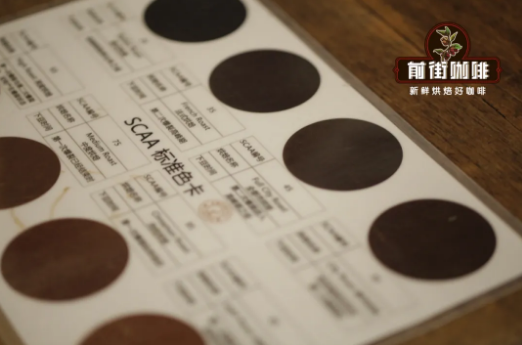
Light roasts break down as follows: Agtron #95: Light Roast—dropped as dense first crack is about to end; Agtron #85: Cinnamon Roast—dropped around the end of first crack.
Medium roasts: Agtron #75: Medium Roast—dropped after first crack finishes; Agtron #65: High Roast—dropped during the quiet stretch between first and second crack.
Medium-dark roasts: Agtron #55: City Roast—dropped at the start of second crack; Agtron #45: Full City Roast—dropped just before dense second crack.
Dark roasts: Agtron #35: French Roast—dropped in the middle of dense second crack; Agtron #25: Italian Roast—dropped once oil begins to surface on the beans.
Q4: Why does acidity fade as roast level rises?
During roasting, once the temperature reaches roughly 170-200°C—the first-crack stage—caramelization begins, breaking sugars down further. This reaction deepens the beans' color and generates caramel, roasted-nut, and related aromas. At the same time, the chlorogenic acid lactones and phenylindanes behind coffee's acidity gradually convert into bitter compounds as the roast deepens—so the darker the roast, the less acidic the cup.
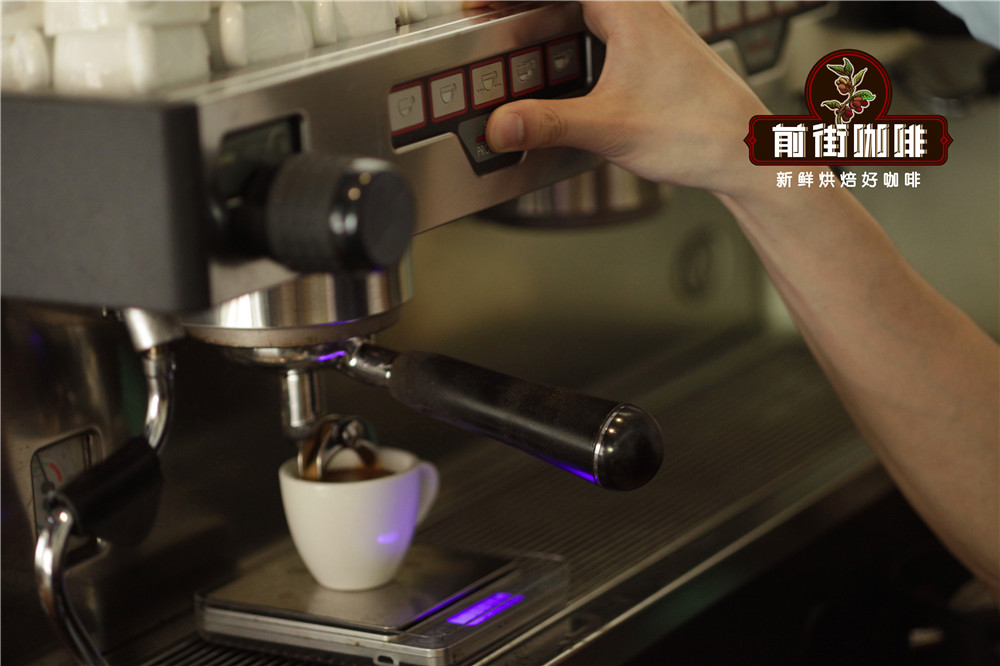
Q5: So light roast beans are off the table for espresso?
Not at all. Everything above is a suggestion, not a rule that espresso must come from medium-dark beans. More and more shops now offer SOE—Single Origin Espresso. An SOE picks beans to spotlight regional character, and the roast is generally kept on the lighter side, delivering flavors quite different from traditional darker Italian espresso blends.
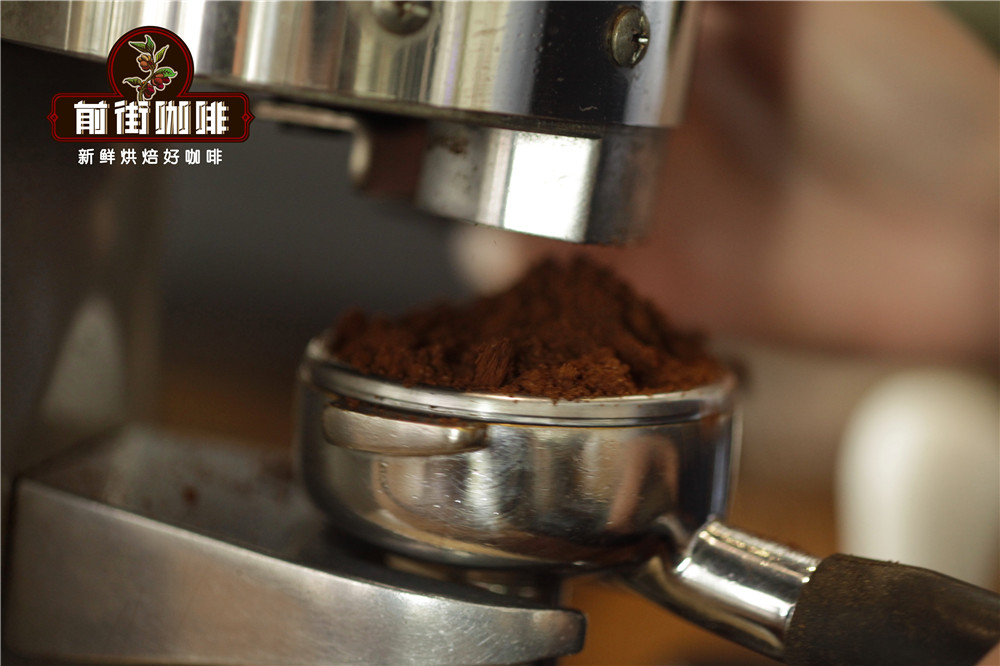
When brewing an SOE, you must tune the extraction to raise yield—extend the shot time, grind finer, increase the dose, and so on. And when an SOE serves as the base for milk or water drinks, rebalance the ratio: cut back the milk or water so the coffee character still shines through instead of washing out.
For more specialty coffee beans and coffee knowledge, FrontStreet Coffee is always glad to share.
FrontStreet Coffee Recommendation
Since this article touches on light-roast, single-origin espresso, FrontStreet's Yirgacheffe lineup is a natural place to start. FrontStreet Washed Yirgacheffe Daily is the classic entry point for anyone exploring Ethiopia: known for white jasmine florals, bright citrus and lemony acidity, and a tea-like finish, all at an affordable price—many drinkers' very first specialty bean. Yirgacheffe itself is a small town in Ethiopia's southern Sidamo region at roughly 1,700-2,100m, with coffee grown above 1,800m, making it one of the highest coffee regions in the world; the area was historically wetland, and its striking white floral character and lemon-citrus acidity made the name a byword for Ethiopian specialty coffee—in 2010 the Ethiopian Commodity Exchange formally split it from Sidamo because its fame had grown so large.
FrontStreet Guodingding Cooperative comes from Worka at Yirgacheffe's southeastern edge—originally part of the Worka cooperative under the Yirgacheffe Union (YCFCU), later dug out by coffee hunters worldwide as a "single-origin" zone as demand for traceability grew. Using the most traditional washed processing, it shows none of the conventional bitter tones—just fresh, bright citrus and lemon acidity plus jasmine fragrance, love at first sip for many coffee people.
FrontStreet Natural Red Cherry comes from the same region and uses full-red-cherry natural processing: only fully ripe, defect-free cherries are picked, screened once at the station, then laid on raised beds to dry, turned every 2-3 hours during the first days to prevent uneven heating and over-fermentation. After three to five weeks of sun-drying, workers scrape off the outer pulp by machine as weather and temperature allow, and the beans go to the warehouse. Because the fruit dries with the pulp intact, the cup keeps classic Yirgacheffe character while gaining tropical fruit from the natural process—citrus-like acidity, a berry-juice mouthfeel, honeyed sweetness, and a creamy smoothness. It is, in fact, one of the two components of FrontStreet's Sunflower Warm Sunshine Espresso Blend mentioned above.
Brewing suggestion for these Yirgacheffes: V60 dripper, 90-91°C water, 15g dose, 1:15 ratio, grind at EK43s setting 10 (fine-granulated-sugar size, 80% pass on a No. 20 sieve). Technique: pour 30g to bloom for 30 seconds, then pour to 95g (scale reading about 125g) finishing around 1 minute; when the water drops to two-thirds of the bed, pour the remaining 100g (scale reading about 225g), finishing around 1:35. Drawdown completes at 2:00-2:10—remove the dripper and the extraction is done.
Important Notice :
FrontStreet Coffee is a long-established specialty coffee roaster in Guangzhou China, selling freshly roasted beans from its own farm in Yunnan as well as dozens of carefully selected single-origin beans from around the world for both pour-over and espresso. The products deliver consistently excellent quality and great value, with shipping within 24 hours. Guangzhou's FrontStreet Coffee shop is recommended by many coffee lovers, and the beans are now available online at the Tmall 。
FrontStreet Coffee has moved to a new address:
FrontStreet Coffee Address: 315,Donghua East Road,GuangZhou
Tel:020 38364473
 Scan and follow the En Gafei WeChat official account. Please indicate that the reprint comes from "En Gafei".