What Happens When You Use Espresso Beans for Pour-Over Coffee? Characteristics and Flavor Recommendations for Espresso Blend Coffee Beans
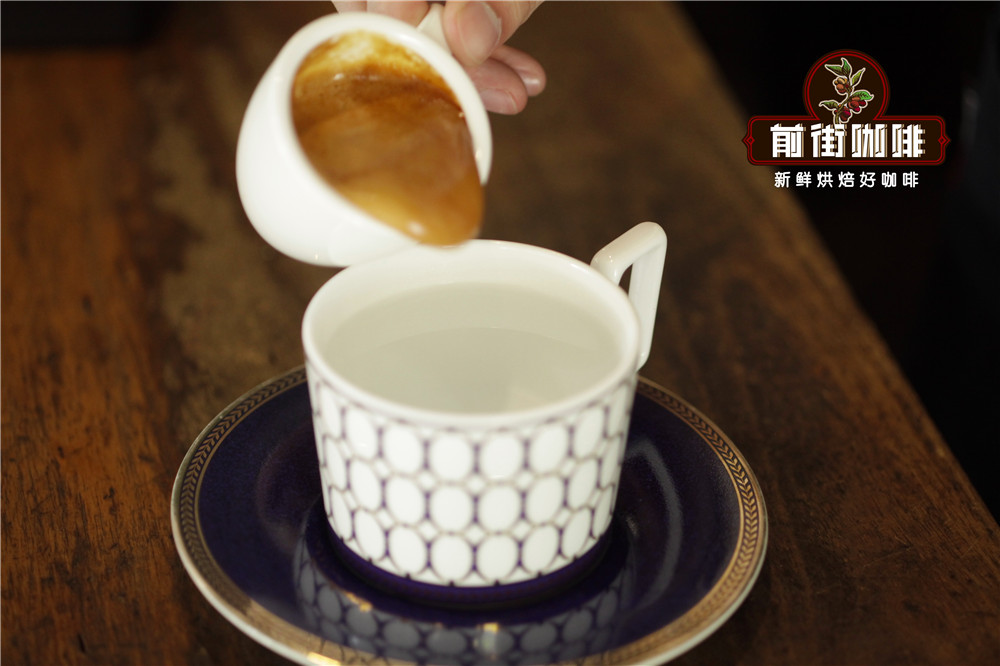
As the specialty coffee market grows, more and more people are exploring espresso and pour-over coffee. Enthusiasts who drink espresso regularly know that espresso typically uses blends while pour-over uses single origins. So what's the actual difference — and can espresso beans be used for pour-over? FrontStreet Coffee digs into the question here.
What is Espresso Blend Coffee?
As noted above, blended beans are mainly used for espresso. A blend mixes beans from different origins and varieties — typically two or three. The purpose is obvious: combine the strengths of different coffees into a completely new, more balanced flavor profile, and create the shop's signature blend in the process.
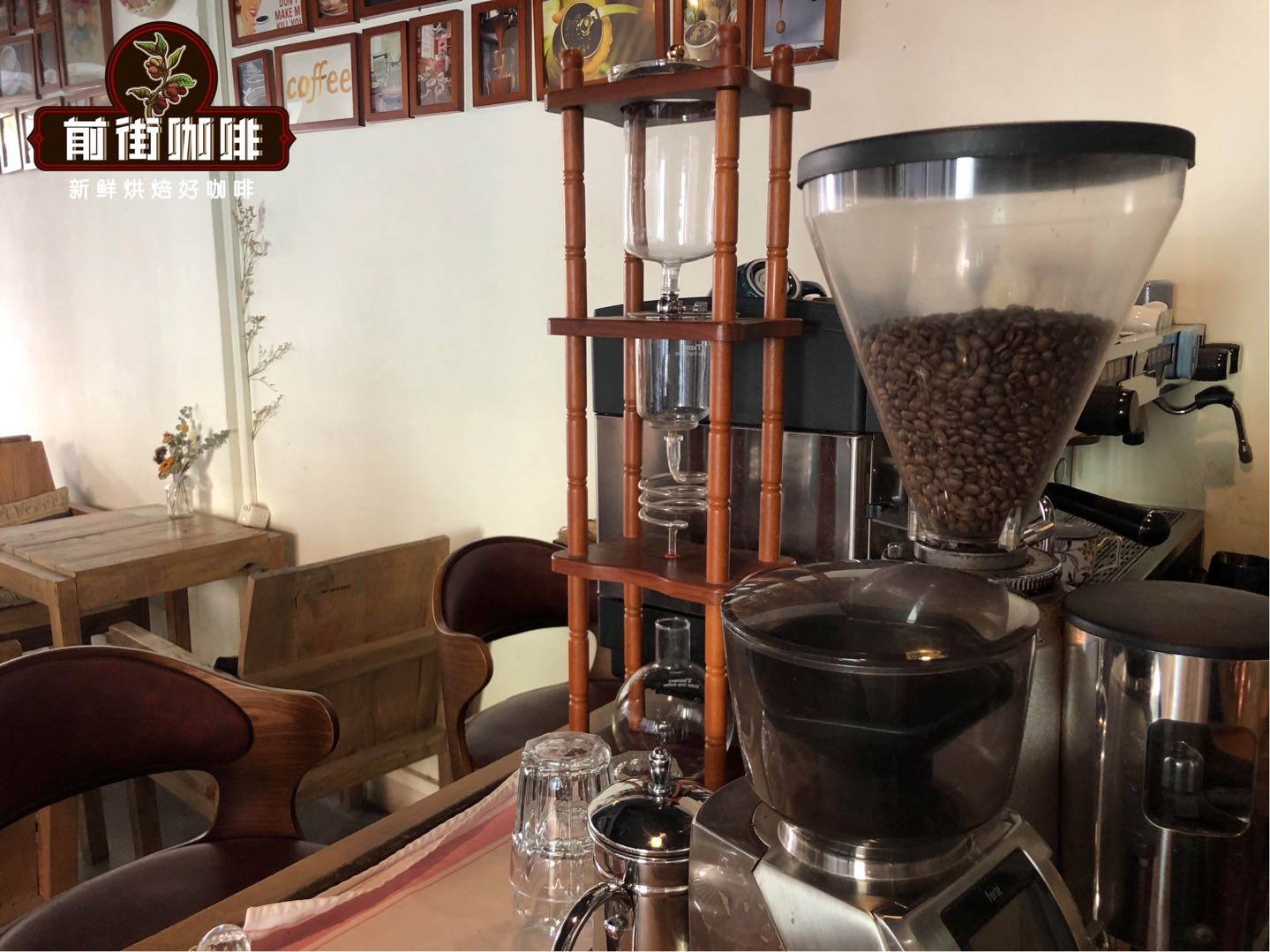
For example, if one bean is smooth but lacks aroma, an aromatic bean can be added so the two complement each other. Another purpose of espresso blends is cost control. Traditional espresso blends often include Robusta, whose rich, mellow flavors may not reach single-origin cupping scores but, paired with specialty beans, deliver richer, thicker crema for espresso and a thick, smooth base for milk drinks.
Blends also trace back to Italian coffee culture: the espresso drinkers of the time loved a rich, bitter cup, while single origins have pronounced strengths and weaknesses — and premium single-origin beans were expensive. A blend offered better value: cheaper than single origin yet with its own distinct character. That's how blending grew popular and survives to this day.
What is Pour-Over Single-Origin Coffee?
Single-origin coffee comes from one place and is drunk straight — no milk, no sugar. Its character is distinct: sometimes fresh and gentle, sometimes fragrant and smooth. The cost is relatively high, which makes it pricier.
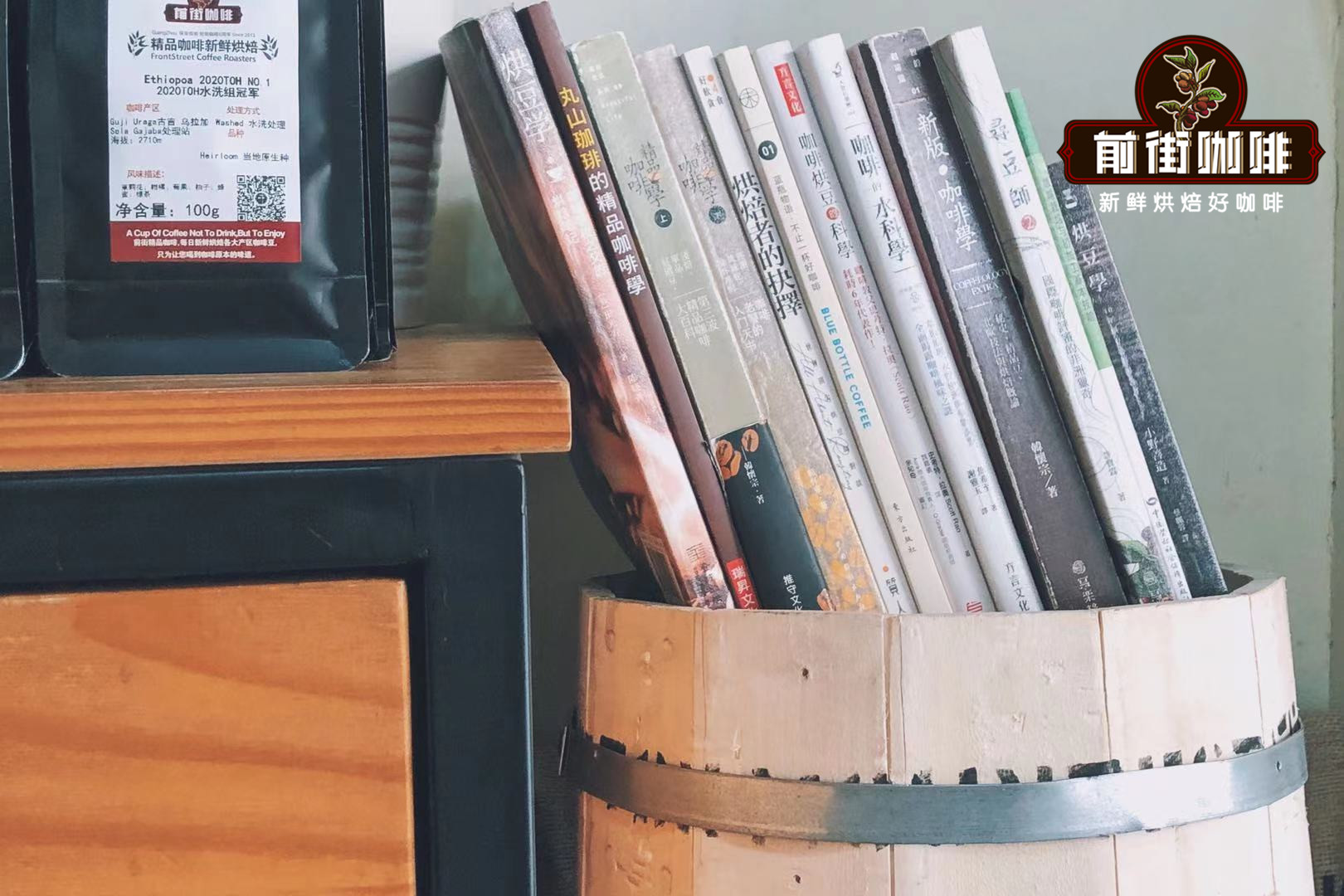
FrontStreet Coffee's best-known single origins include Jamaica Blue Mountain, Ethiopia Yirgacheffe, and Indonesia Mandheling — all named after where the beans come from, each expressing its region's flavor signature. Single origin also lets you trace the beans back to a specific estate and its story: growing conditions, processing quality, and other details that guarantee flavor. That's why FrontStreet Coffee prints relevant information on every bag.
The Difference Between Blended and Single-Origin Coffee
To summarize: a blend combines several coffees from different regions, while a single origin comes from one region alone. The distinction matters because espresso machines tend to amplify the bitter flavors of coffee beans. FrontStreet Coffee would not pull espresso from a single variety alone — the resulting cup would be badly unbalanced. That's why espresso calls for blended beans.
That said, single origins can be used in an espresso machine — a style called "SOE" (Single Origin Espresso). But the parameters need constant adjustment and the flavor is quite unstable. FrontStreet Coffee was founded to let enthusiasts taste stable regional flavors, so we don't yet dare risk launching SOE coffee.
Can Espresso Blend Coffee Beans Be Used for Pour-Over Coffee?
And conversely, yes — espresso blends can be brewed as pour-over. The flavor will simply differ from what the espresso machine produces, the grind parameters need adjusting, and the result can be rather "special." It mostly comes down to personal taste. For the curious, FrontStreet Coffee offers pour-over parameters below.
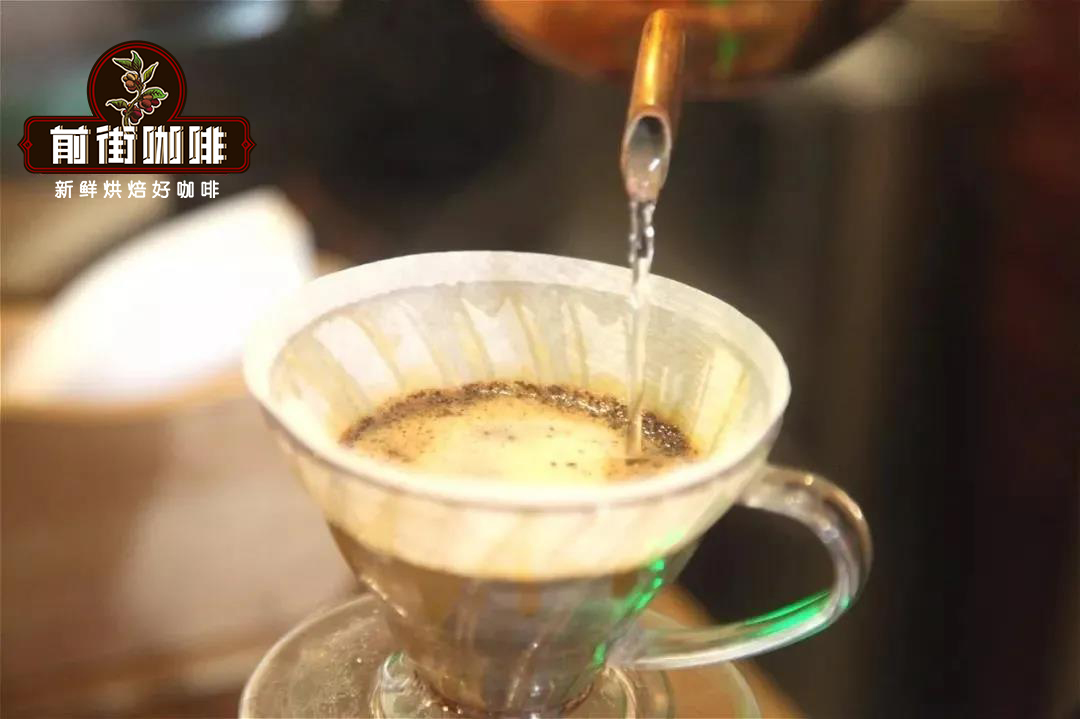
FrontStreet Coffee's pour-over parameters: V60 dripper, 15g coffee dose, 90°C water temperature, 1:15 coffee-to-water ratio, grind size (80% pass-through on #20 standard sieve, coarser than espresso grind)
FrontStreet Coffee's brewing method: segmented extraction, bloom with 30g water for 30 seconds, small circular pour until reaching 125g then segment, continue pouring to 225g when water level is about to expose the coffee bed, remove dripper when water level is about to expose the coffee bed again (timing starts from bloom), extraction time 2'00".
FrontStreet Coffee's Espresso Blend Coffee Bean Recommendations
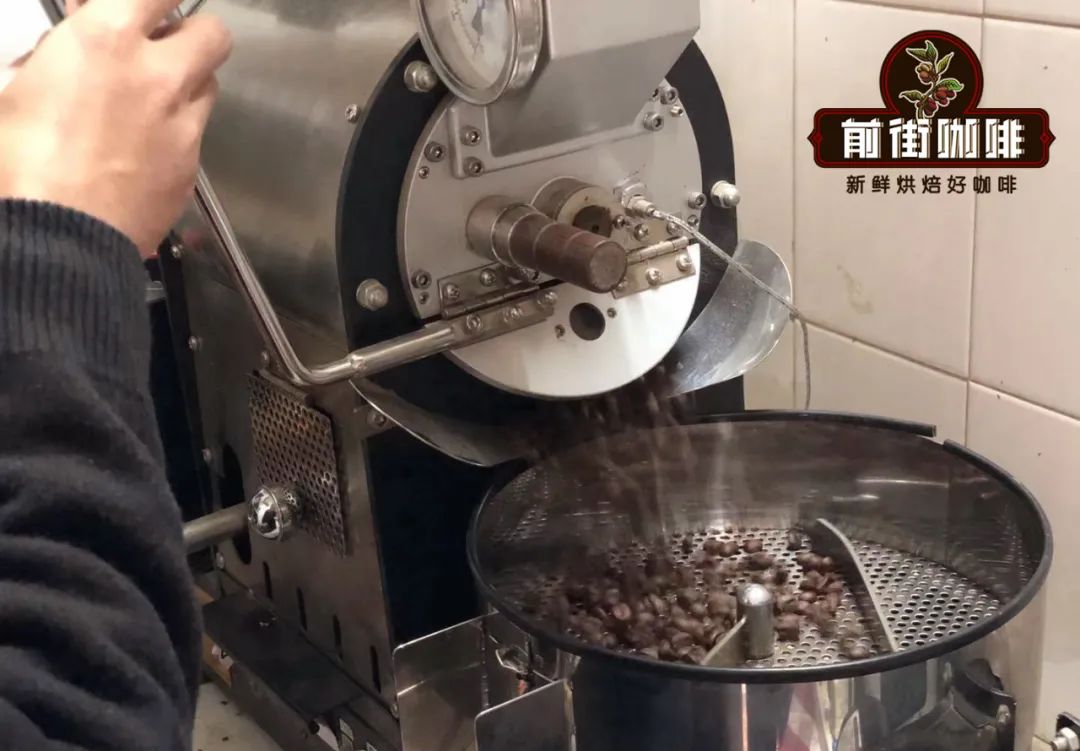
Blending is an art: the blender must understand the flavor characteristics of coffees from many regions to compose enticing aromas, which demands wide tasting experience, inspiration, and precise ratio calculations. Calling blend design an art form is no exaggeration. Below, FrontStreet Coffee shares the flavor profiles of four blends our blenders developed over several years.
FrontStreet Coffee Sunflower Warm Sunshine Blend
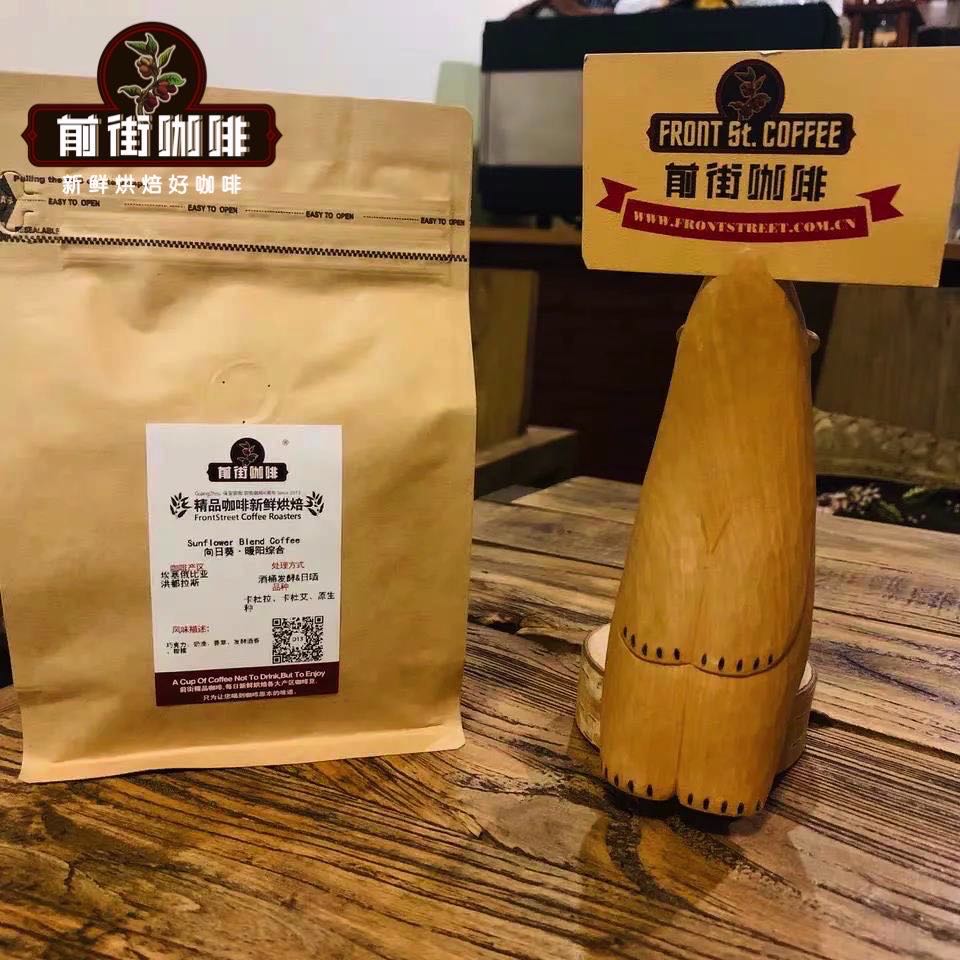
Flavor: Noticeable fruit acidity, light berry aroma, wine notes, rich chocolate flavor, obvious sweet aftertaste.
Formula: FrontStreet Coffee Honduras Sherry : FrontStreet Coffee Yirgacheffe Red Cherry = 6:4
This blend pairs our natural Yirgacheffe Red Cherry with our Honduras Sherry, and its design concept is dual-purpose: espresso and pour-over. As espresso it gives off noticeable fermented wine notes, with citrus and berry acidity arriving immediately on the palate, a whiskey-like aroma, and a black chocolate finish.
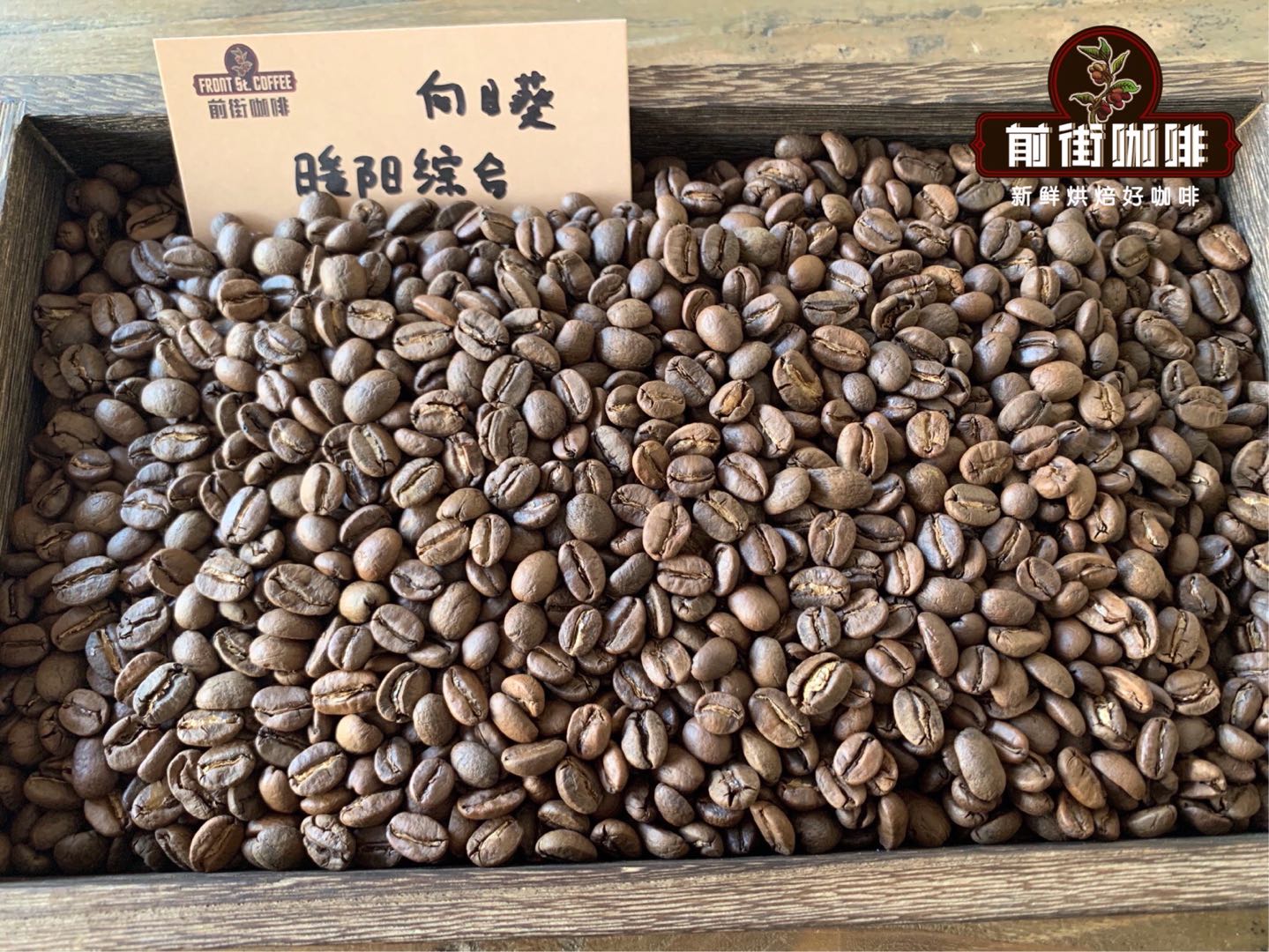
Brewed as pour-over, the Warm Sunshine blend is less intense than as espresso: fermented wine notes and a hint of citrus after brewing, tasted hot as wine notes and a black chocolate finish; as it cools, the citrus and berry acidity become slightly apparent, with an overall clean, fresh profile and no vanilla-cream texture.
FrontStreet Coffee Premium Blend
Flavor: Gentle slight acidity, clean sweetness, nutty aftertaste, overall feeling is not too stimulating, balanced, medium crema.
Formula: Colombia : Brazil = 3:7
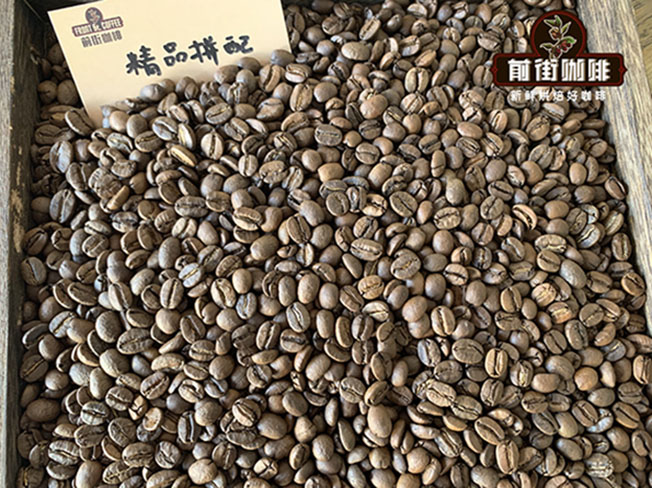
This blend pairs Brazil with Colombia. In the cup there's a light roasted grass aroma, a fresh fragrance with slight bitterness, sweet and smooth, with a pleasant aftertaste. Colombian Huila beans bring pleasant acidity, fragrance, and intriguing richness, while Brazil Cerrado beans contribute comfortable bitter-sweetness and extreme smoothness. The combination simply works.
FrontStreet Coffee Commercial Blend
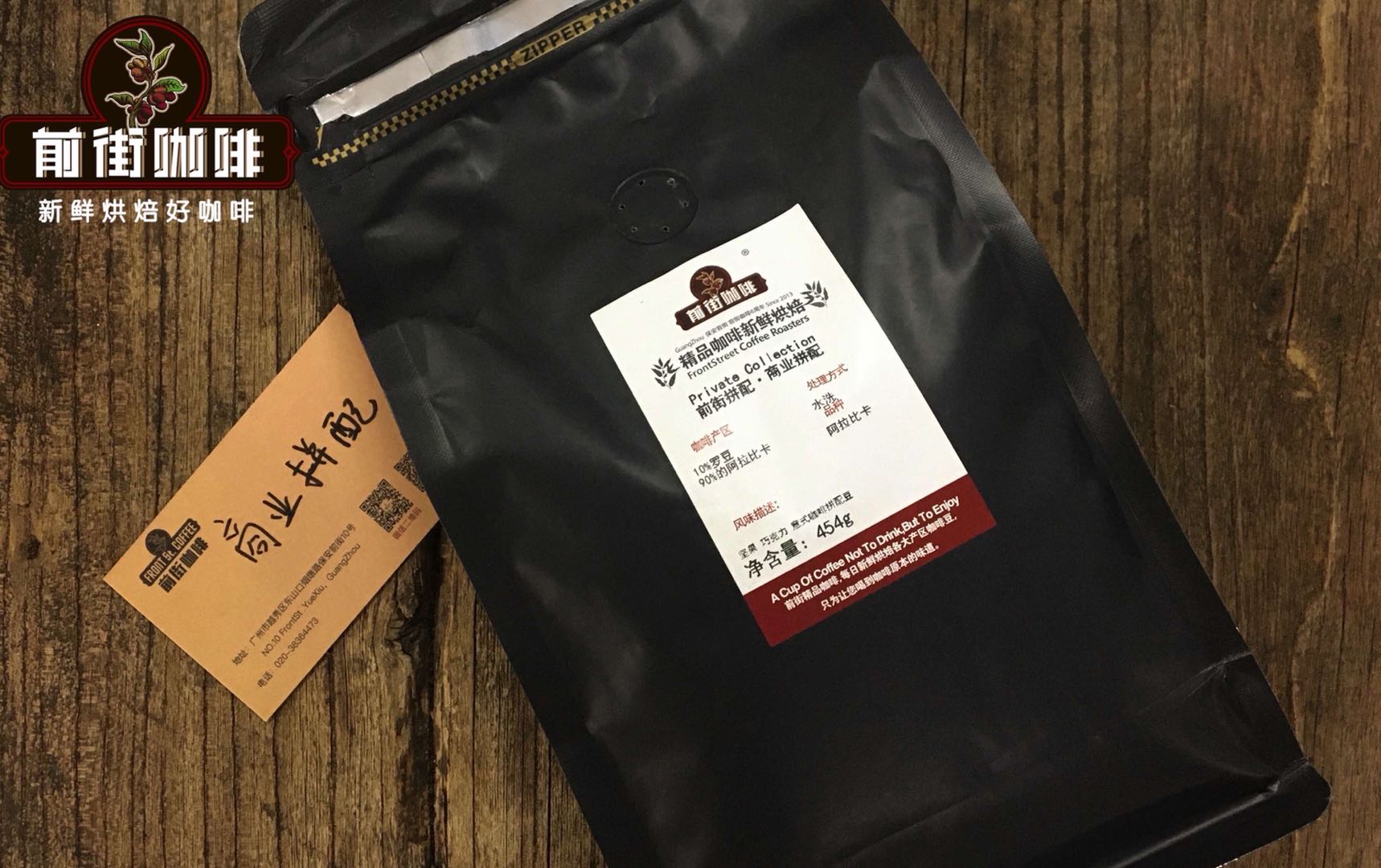
Flavor: Caramel sweetness, nuts and cocoa, black chocolate flavors, balanced sweet and sour, slight bitterness, long aftertaste.
Formula: Colombia : Brazil : Robusta = 3:6:1
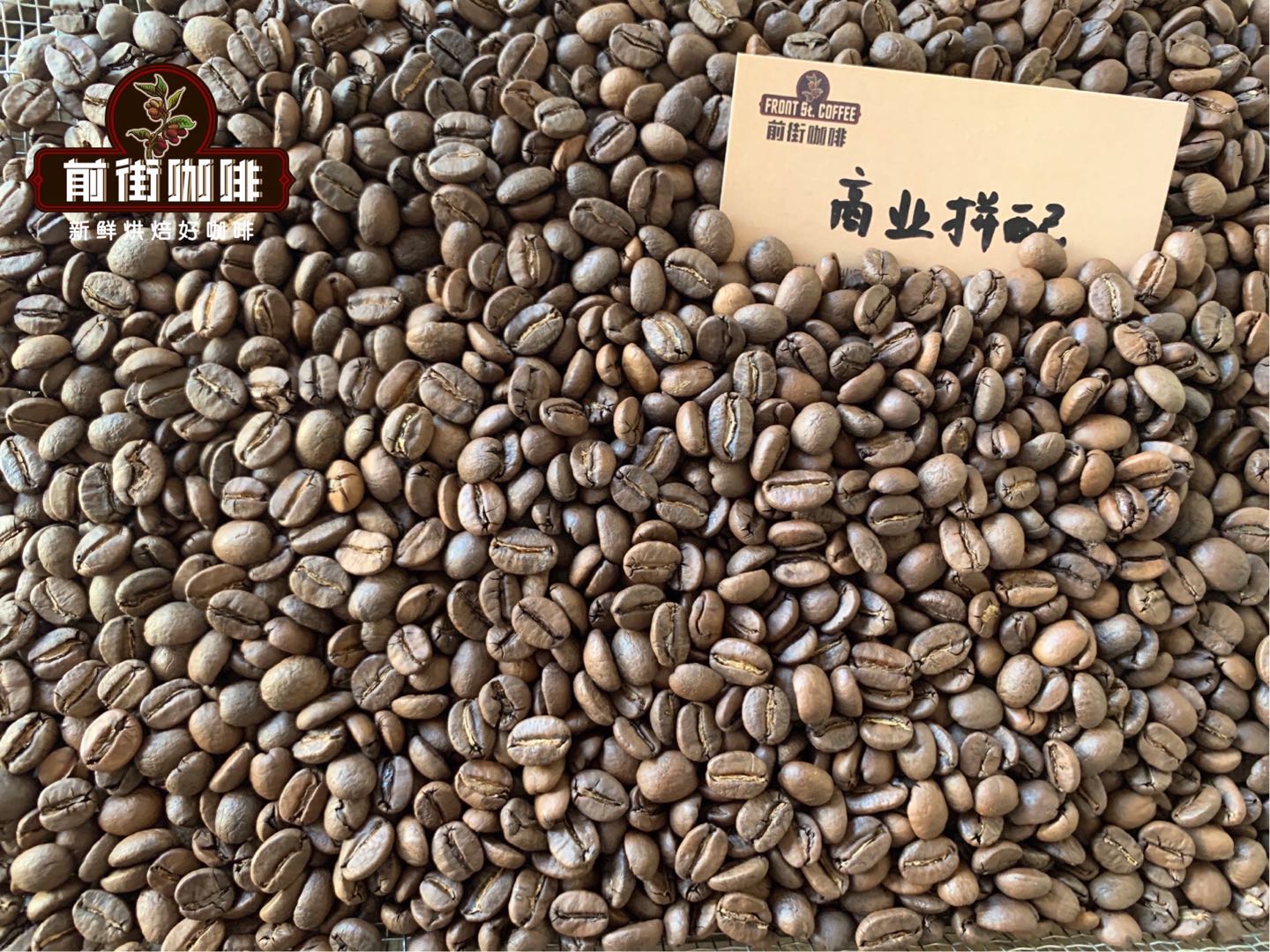
This blend uses Brazilian and Colombian beans plus 10% Robusta — a classic taste. FrontStreet Coffee believes it delivers rich crema and texture with caramel sweetness, plus nuts, cocoa, and dark chocolate flavors, balanced sweet and sour, slight bitterness, and a long aftertaste. Like FrontStreet Coffee's Premium Blend it's built on Colombian and Brazilian beans, but the added Robusta provides rich crema and an even mellower texture.
FrontStreet Coffee Basic Blend
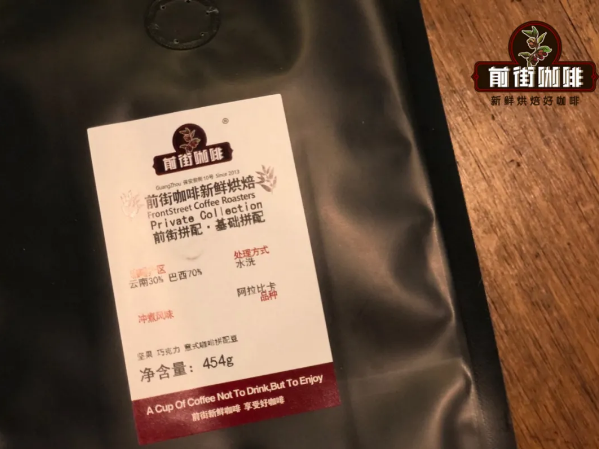
Flavor: Gentle fruit acidity, caramel sweetness, nuts, black chocolate flavors, smooth and thick, but flavor is relatively light.
Formula: Yunnan : Brazil = 3:7
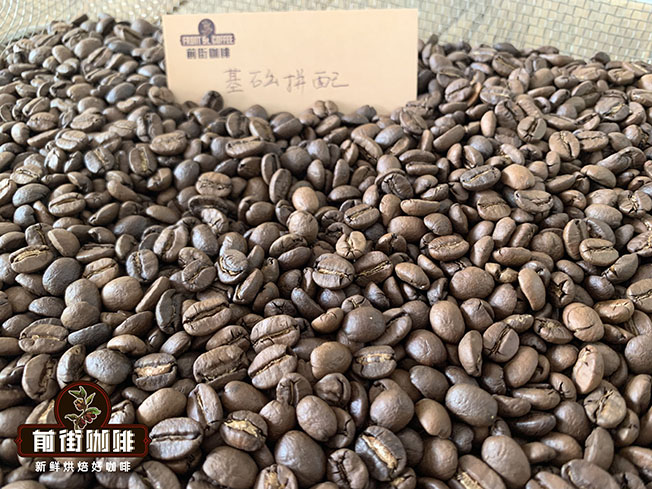
This blend pairs Brazil with Yunnan. The cup shows gentle fruit acidity and caramel sweetness, nuts and dark chocolate, smooth and thick, though relatively light in intensity. Yunnan's natural conditions resemble Colombia's — high altitude, large day-night temperature swings — giving a mellow flavor, moderate acidity, rich taste, uniform beans, high oil content, and fruit aroma; its quality and texture are similar to Colombian coffee, just a touch lighter. Combined with Brazil Cerrado's comfortable bitter-sweetness and smoothness, the result is genuinely good — and the Basic Blend offers excellent value, ideal for espresso beginners and small cafés.
The above is FrontStreet Coffee's organized information about the differences between espresso blend coffee and pour-over coffee. We hope this helps coffee enthusiasts better understand related knowledge to choose coffee beans with flavors suitable for them in the future.
FrontStreet Coffee Recommendation
If you're new to pour-over, the Hario V60 is the dripper veterans will almost inevitably recommend. Hario, founded in Tokyo in 1921 as a maker of heatproof laboratory glassware, redesigned the V60's prototype in 2004 and launched it the following year, named for its distinctive 60° cone angle and "V" shape. The cone and single large aperture force water to flow toward the center before dripping, extending contact between water and grounds so aromas and flavors extract fully — and flow speed depends almost entirely on the brewer's pour control, which shows directly in the cup. FrontStreet Coffee's favorite is the resin version: it insulates against heat loss and, in mass production, offers the most precise, consistent molding.
Beans to match the V60's fast extraction and lively acidity: FrontStreet Coffee's Worka (Guodingding) washed Yirgacheffe, with vivid citrus, berry, and floral notes and a green-tea-like finish — the classic entry point; and the natural Ethiopia Hua Kui, packed with tropical fruit aromas of strawberry, passion fruit, jackfruit, and lychee, sweet, nearly bitterness-free, and often described as "the coffee for people who don't like coffee."
Important Notice :
FrontStreet Coffee is a long-established specialty coffee roaster in Guangzhou China, selling freshly roasted beans from its own farm in Yunnan as well as dozens of carefully selected single-origin beans from around the world for both pour-over and espresso. The products deliver consistently excellent quality and great value, with shipping within 24 hours. Guangzhou's FrontStreet Coffee shop is recommended by many coffee lovers, and the beans are now available online at the Tmall 。
FrontStreet Coffee has moved to a new address:
FrontStreet Coffee Address: 315,Donghua East Road,GuangZhou
Tel:020 38364473
 Scan and follow the En Gafei WeChat official account. Please indicate that the reprint comes from "En Gafei".