The Story of Starbucks Verona Espresso Beans - Verona Coffee Classroom Packaging Symbolism
Verona Coffee: A Tale of Romance and Deep Roasting
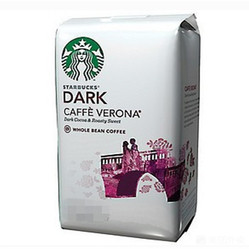
Verona is a dark roast coffee bean. On the old packaging, there was a stamp depicting a castle nestled among red flowers, with a couple embracing on a bridge outside the castle, gazing deeply into each other's eyes.
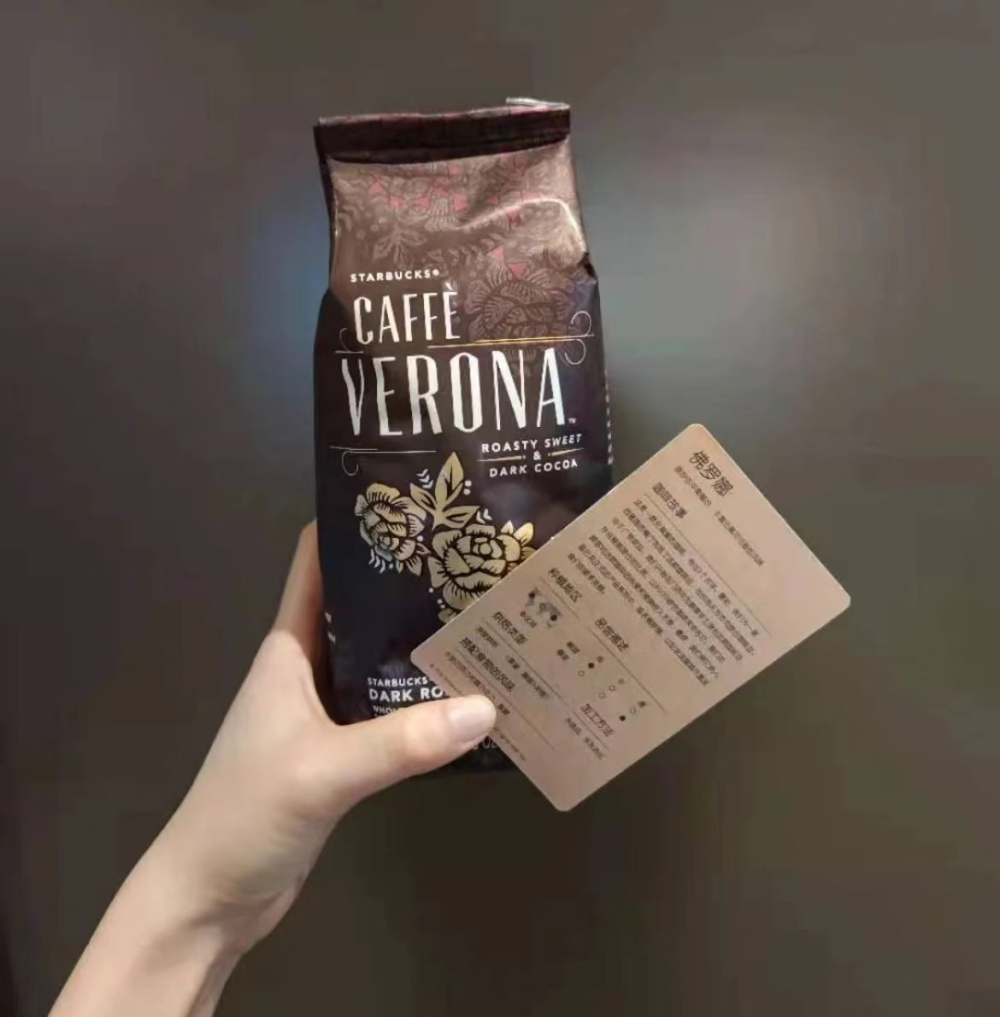
Later, Starbucks redesigned the Verona coffee bean packaging. The golden rose precisely echoes this coffee's theme: a romantic love story.
The triangular geometric decorative pattern is inspired by European mosaic tile designs, conveying a classical and romantic European atmosphere. It also resembles rose thorns, describing this coffee's flavor profile: a fusion of roasted sweetness with the bitterness of dark cocoa notes. Just like a rose, mixing floral fragrance with the stimulation of thorns, creating a taste that is as sweet, bitter, and romantic as love itself.
The Story Behind the Name
Verona is a small city in northwestern Italy, the setting of Romeo and Juliet's story. Juliet's courtyard and house have now become tourist attractions. Starbucks named this coffee after Verona, and even the coffee's logo features the silhouette of Romeo and Juliet, hoping that romantic love would continue eternally amidst the rich aroma of coffee.
Origins and Composition
However, the coffee's origins actually have little to do with Verona. According to Starbucks' official introduction: Verona Blend, representing lovers' sweet whispers, is composed of Latin American and Asia/Pacific coffee beans, with an additional 20% Italian roast coffee blended in, enhancing its flavor complexity and sweetness.
Blended coffee, also known as mixed coffee, combines various single-origin coffee beans to fully showcase the strengths of each. Blended beans are made from coffee beans of different origins to create a more balanced flavor profile.
Tasting Experience
When extracted through pour-over drip brewing, the dark-roasted Verona reveals rich notes of smoky dark chocolate, with a relatively smooth mouthfeel and moderate bitterness.
Understanding Starbucks' Coffee Categories
In coffee workshops, some netizens who are accustomed to espresso-based beverages find this Italian-style coffee unfamiliar and uncomfortable. As Teacher Will explained, Starbucks' coffee is divided into two categories: espresso-based beverages (classic coffee) and black coffee.
The former consists of espresso combined with other ingredients, such as lattes, which are espresso mixed with milk and milk foam. Black coffee is the soul of coffee - the most concentrated expression of coffee essence. Starbucks has many beverages created by partners (employees) that were later adopted as menu items. What you refer to as innovation is called personalization at Starbucks. It involves making coffee according to customers' specific requests.
FrontStreet Coffee Recommendation
A dark, romantic roast like Verona leans on its crema and body, and that is exactly where FrontStreet Coffee's classic blend is built to deliver. Designed for espresso and moka pot alike, it produces outstanding crema - even a beginner with a modest home machine can pull a dense, fine layer of it. The lattes, cappuccinos, and Dirty coffees we drink day to day all depend on good crema, and this traditional Mamba-style blend offers a full, mellow, rounded cup that both seasoned drinkers and newcomers find easy to enjoy, at home or in a cafe.
For those who want an even more cost-conscious everyday option, FrontStreet Coffee's Black Cacao blend uses 100% Arabica beans and still delivers generous crema and a full body at an approachable price. Its balanced, gently sweet cocoa profile suits milk drinks and black coffee alike, which is why it is a favorite of cafe owners who need consistency without stretching the budget. FrontStreet Coffee's premium blend, meanwhile, is built on Brazilian Cerrado and Colombian Huila beans for the familiar classic espresso taste, and FrontStreet Coffee's Commercial Blend rounds out the range as a dependable workhorse for high-volume service.
Important Notice :
FrontStreet Coffee is a long-established specialty coffee roaster in Guangzhou China, selling freshly roasted beans from its own farm in Yunnan as well as dozens of carefully selected single-origin beans from around the world for both pour-over and espresso. The products deliver consistently excellent quality and great value, with shipping within 24 hours. Guangzhou's FrontStreet Coffee shop is recommended by many coffee lovers, and the beans are now available online at the Tmall 。
FrontStreet Coffee has moved to a new address:
FrontStreet Coffee Address: 315,Donghua East Road,GuangZhou
Tel:020 38364473
 Scan and follow the En Gafei WeChat official account. Please indicate that the reprint comes from "En Gafei".