What Grade is Geisha Coffee and Is It Expensive? Geisha Coffee Bean Story, Pour-Over Flavor Characteristics
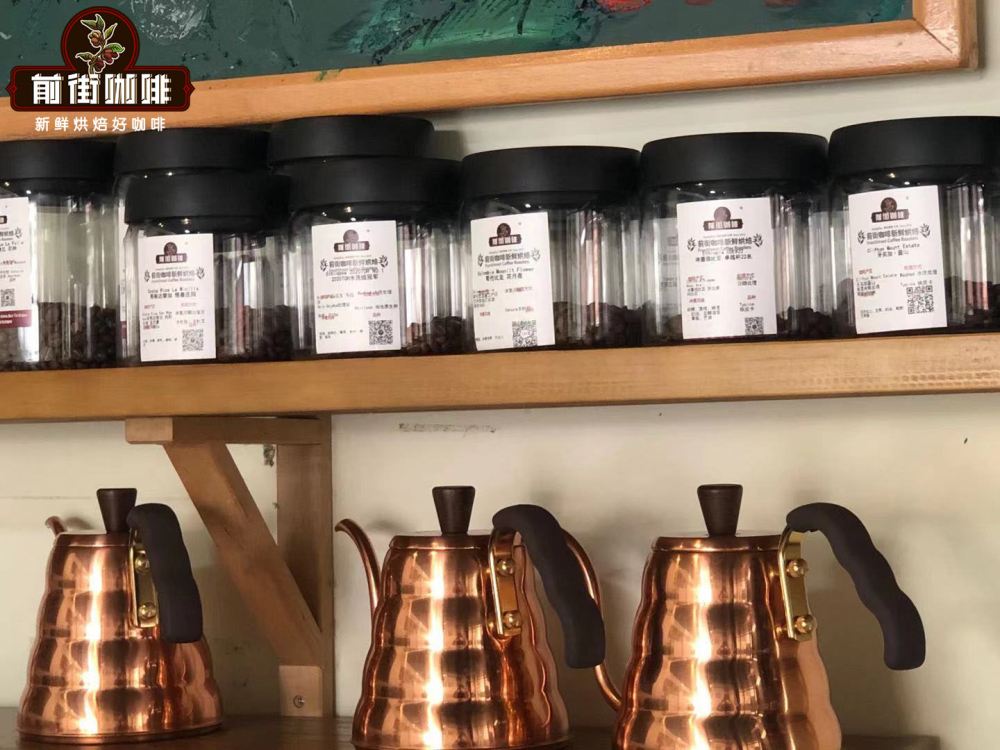
Geisha coffee boasts full-bodied sweetness, an exceptionally clean mouthfeel, and rich aromas that range from berries and citrus to mango, papaya, and peach. A distinctly prominent bergamot-like aftertaste is another of its typical cupping characteristics. To this day, Geisha remains the champion among coffee varieties.
The History of Geisha
In 1931, the variety was quietly exported from Geisha Mountain in southwestern Ethiopia, a name that happens to share its pronunciation with the Japanese word for geisha, and sent to Kenya. It wandered through Tanzania and was later incorporated by Costa Rica's CATIE agricultural research institute as the T2722 variety. In the 1960s it reached Panama, where it stayed for nearly half a century before stunning the world by defeating long-time champions such as Bourbon, Caturra, Catuai, and Typica, sweeping the top prizes at Panama's national coffee cupping competition for three consecutive years in 2005, 2006, and 2007.
In 2007, at the international famous-bean cupping competition hosted by the Specialty Coffee Association of America (SCAA), Geisha again took the championship, with a winning bid of $130 per pound, setting the highest price record in competition-bean history. It is said that later Panama national competitions were split into Geisha and non-Geisha categories to keep Geisha from overshadowing the other varieties. Geisha belongs to the Typica family, yet it gained fame more than seventy years after leaving Ethiopia, which confirms Ethiopia's status as a genetic treasure trove of Arabica coffee, having given the world a single variety capable of reshaping the coffee market.

Geisha is now cultivated in many regions and has become the new king of specialty coffee. Latin American countries such as Panama, Guatemala, and Colombia produce higher-quality, more expensive Geisha. Because every producing country has its own terroir, Geisha from different origins shows distinct flavor profiles, with Panamanian Geisha representing the most classic expression of the variety.
Characteristics of Geisha Coffee Beans
Green Beans
The beans show a beautiful blue-green color with a jade-like, warm texture. They emit aromas of fresh grass, peach, and berries, along with the unique milky sweetness of oolong tea, something rarely found in most coffee beans. Aroma and flavor often require imaginative association, but the subtle tea-like notes are clearly perceptible.

To highlight the beans' unique characteristics and aromas, the roast level is taken to the verge of second crack. Approaching second crack, and the first crack of second crack, are commonly used roast levels that better bring out the bean's inherent character. Too light a roast may introduce undesirable flavors, while too dark a roast would diminish the floral aromas and fruit acidity. This too should be adjusted based on the bean's characteristics and the roaster's understanding of it.
Roasted Beans
Roasted Geisha beans appear somewhat "wrinkled." Beans with these "sexy wrinkles" are that way because the roast is designed to emphasize their original flavors and fruit acidity. If the quality of the green beans is not high, however, undesirable flavors may emerge, such as stale earthy notes, grassy flavors, and astringency, all of which roasters should strive to avoid. Properly roasted Geisha carries captivating lemon-citrus aromas and an exceptionally sweet honey-cream fragrance.

Geisha Flavor Profile
Floral notes, tropical fruits, and intense sweetness: these are the sensations Geisha has consistently delivered. With proper roasting, they offer an experience akin to sipping the fragrance of a fresh flower bouquet. You may not yet be familiar with the story of Geisha coffee: it began as an ancient heirloom variety from Ethiopia, brought to a Costa Rican coffee experimental garden as a sample and distributed to several small farms for trial cultivation.
For a long time Geisha drew little attention, until one day Panama's Hacienda La Esmeralda separated it from the other varieties, and it went on to win the national coffee competition championship.

It was so extraordinary, with fruit flavors and florals reminiscent of Yirgacheffe from Ethiopia on the African continent. Of course, that is all old news now. Some small farms have also acquired Geisha varieties and are eager to cultivate their own.
The results have varied. Influenced by weather, soil, and altitude, this "star" variety seems to show different taste profiles when cultivated in different places. Still, in the Chiriqui region we observe the typical Geisha characteristics: an elongated bean shape, distinctive changes during roasting, and elegant, refined flavors in the cup.
Take the Panama Deborah Estate Savage Series Geisha from FrontStreet Coffee's selection as an example.
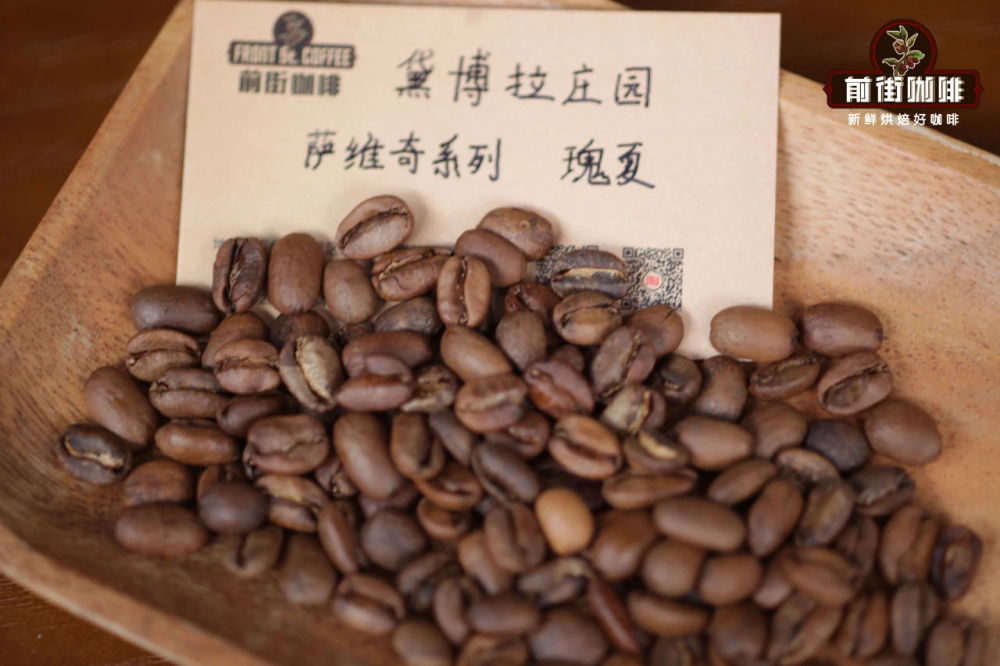
FrontStreet Coffee: Deborah Estate Savage Series Geisha
Origin: Volcan region, Panama
Estate: Finca Deborah
Owner: Jamison Savage
Altitude: 2000m – 2350m
Variety: Geisha
Grade: SHB
Processing: Anaerobic natural processing
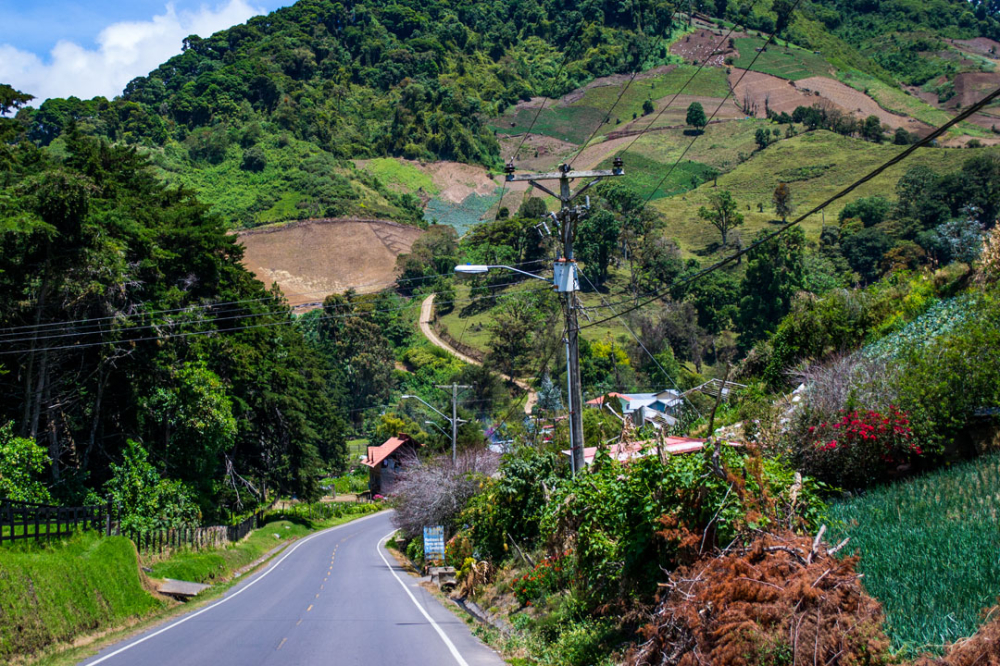
Finca Deborah is one of the highest-altitude and most remote coffee estates in Panama. Its Geisha trees are planted above 1900 meters. Because it sits close to Baru Volcano, the soil is fertile volcanic earth. The wide temperature difference between day and night, together with frequent mist and rain, greatly slows the growth rate of the coffee cherries, which means they have more time to absorb nutrients.
The Savage Series coffee consists of Geisha cherries from areas near Finca Deborah with similar growing conditions, acquired by owner Jamison Savage and then processed with Finca Deborah's sophisticated post-harvest methods. At such high altitudes the resulting beans are all SHB grade, extremely hard, yielding a coffee that is necessarily sweet and sour in a delightful way.
When FrontStreet Coffee's roasters received beans of this quality, they used a light roast to highlight the floral and tropical fruit flavors of Panamanian Geisha. For brewing, FrontStreet Coffee suggests 92°C water, a medium-fine grind, and a V60 dripper.

Dripper: Hario V60
Water Temperature: 92°C
Coffee Amount: 15 grams
Coffee-to-Water Ratio: 1:15
Grind Size: 80% pass-through on a China-standard #20 sieve

To give the coffee richer layers, FrontStreet Coffee recommends a three-pour method. First pour 30 grams of water for a 30-second bloom. Then, starting from the center, slowly pour in a small circular motion to reach 125 grams for the second pour. When the coffee bed is about to emerge, continue pouring to 225 grams. Remove the dripper once all the water has dripped through. Total extraction time is approximately 2 minutes.

FrontStreet Coffee's Panama Deborah Estate Savage Series Geisha shows a very bright, prominent dry aroma with rich florals and notes of honey pomelo and citrus. The light roast also reveals nutty aromas. The aroma on entry is gentler and more subtle than the dry aroma, with pineapple juice-like qualities. As the temperature drops slightly, the floral and fruit flavors gradually intensify, presenting a sweet-and-sour sensation reminiscent of fermented dairy drinks.
FrontStreet Coffee Recommendation
Geisha's appeal has always been its florals, tropical fruit, and intense sweetness, delivered with a clean, tea-like clarity. The variety's price swings widely depending on the estate and the lot, so FrontStreet Coffee grades its Geisha selection to make the choice clearer.
Panama is the variety's adopted home and its most classic expression. At the top of the Esmeralda line are the Red Label and Green Label. Red Label, officially Esmeralda Special, is grown between 1,600 and 1,800 meters, must cup above 90 points, and comes from a single plot with its own lot number, such as the Jaramillo plot; Green Label, or Private Collection, blends several plots into one lot and expresses the estate's high-altitude signature for less. For a first taste, the Boquete Geisha is the entry point, with the classic tangerine-honey sweetness, oolong tea texture, and fine fruit acidity. Ethiopia, where the variety began, offers the single-variety Granada Geisha, harvested by hand and dried on raised beds for 14 to 20 days, giving bright citrus acidity, elegant ginger flower, and the full sweetness of ripe fruit.
Geisha is medium-light roasted and the dense bean can settle and clog the dripper, so FrontStreet recommends a grind of about fine sugar, with 78% passing a China-standard #20 sieve, and water at 91°C. Use 15g in a small Hario V60 at a 1:16 ratio: bloom with 30g for 30 seconds, circle slowly to 125g, wait for the bed to drop halfway, then finish at 225g. Total drawdown runs about 2 minutes 10 seconds to 2 minutes 20 seconds.
Important Notice :
FrontStreet Coffee is a long-established specialty coffee roaster in Guangzhou China, selling freshly roasted beans from its own farm in Yunnan as well as dozens of carefully selected single-origin beans from around the world for both pour-over and espresso. The products deliver consistently excellent quality and great value, with shipping within 24 hours. Guangzhou's FrontStreet Coffee shop is recommended by many coffee lovers, and the beans are now available online at the Tmall 。
FrontStreet Coffee has moved to a new address:
FrontStreet Coffee Address: 315,Donghua East Road,GuangZhou
Tel:020 38364473
 Scan and follow the En Gafei WeChat official account. Please indicate that the reprint comes from "En Gafei".