What Are the Different Coffee Bean Drying Methods? Where Are the Marking Differences Between Washed and Natural Coffee Beans?
Introduction to Coffee Bean Processing Methods
When you buy coffee beans, you often see terms like "Washed," "Natural," or "Honey." These all refer to coffee bean processing methods, which are essentially drying methods. But what exactly do they mean? And how do they affect the flavor of the coffee?
Understanding Green Bean Processing
Selecting high-quality green beans is the roaster's responsibility, just as a chef must choose fresh fish, meat, fruit, and vegetables. Without good, fresh ingredients, even the most skilled chef would struggle to make a great dish. Green beans are the "agricultural product" that results from harvesting and drying coffee at the origin. The coffee beans we drink (roasted beans) are the food product made by roasting that agricultural product. Here I hope everyone firmly remembers one idea: coffee is an agricultural product. Put simply, coffee flavor depends on green bean quality, processing method, appropriate roasting, and proper brewing. Let's first look at what a coffee green bean is made of.
Green Bean Structure
When coffee ripens, the outermost skin turns deep red (with a few variety exceptions). Eating the pulp inside directly is unexpectedly sweet. Finally, the "coffee seed" wrapped inside the parchment layer and silver skin is the green coffee bean we normally brew.
Now that we understand the makeup of a green coffee bean, it's easier to understand the processing methods. The following three are the most common.
Natural Process
As the name suggests, this uses sunlight to dry the coffee fruit (the coffee cherries).
The harvested coffee cherries are spread out in the sun, then the dried fruit skin, pulp, and silver skin are removed to extract the green coffee beans inside. Natural processed coffee has soft, layered acidity, fermented flavors, and higher sweetness, making it the most traditional processing method. Average-quality natural beans are less attractive in appearance and easily mixed with unripe and defective beans. High-quality natural beans have ripe fruit flavors, wine-like aromas, and rich layers.
Washed Process
The harvested coffee cherries go into a pulper to separate the beans from the pulp, then the beans go into clean water tanks for fermentation (honey processing skips this step). After the mucilage on the outer layer of the beans is removed, they are sun-dried. This method gives coffee beans clearer, cleaner flavors and higher acidity than natural processing — because they don't dry with the pulp attached!
How to Distinguish Natural and Washed Coffee Beans by Appearance
Harvested coffee beans must enter processing immediately, or they will begin to ferment and develop off-flavors. There are two processing methods — "Natural" and "Washed" — and they produce different aromas and appearances.
Aroma:
Natural processed beans have complete natural mellow flavors, gentle aromas, and more body; washed processing has good mellow flavors, high aroma intensity, and vibrant acidity.
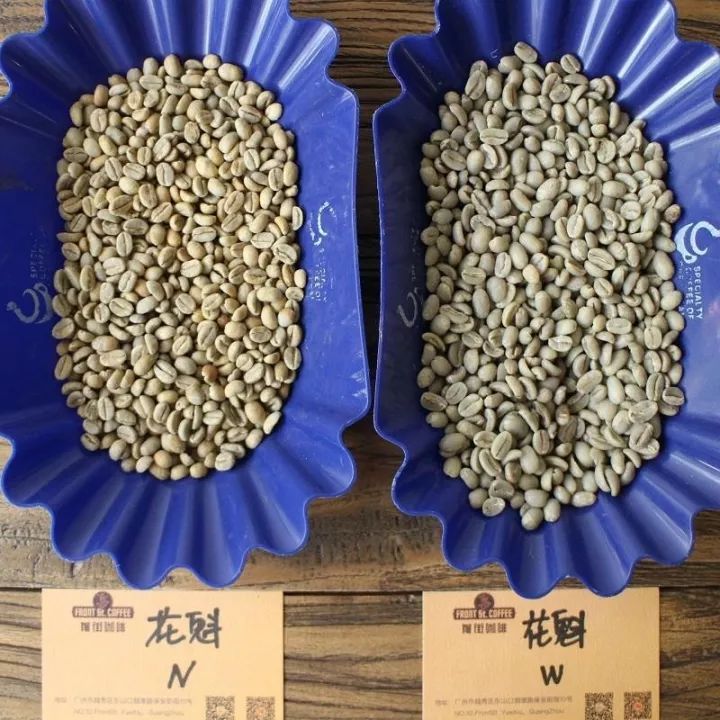
Natural Green Beans: Greenish-yellow, generally poor size uniformity, with more silver skin left on the surface.
Washed Green Beans: Slightly grayish-green, relatively uniform in size, with less silver skin on the surface or none at all.
Natural vs Washed Coffee Beans
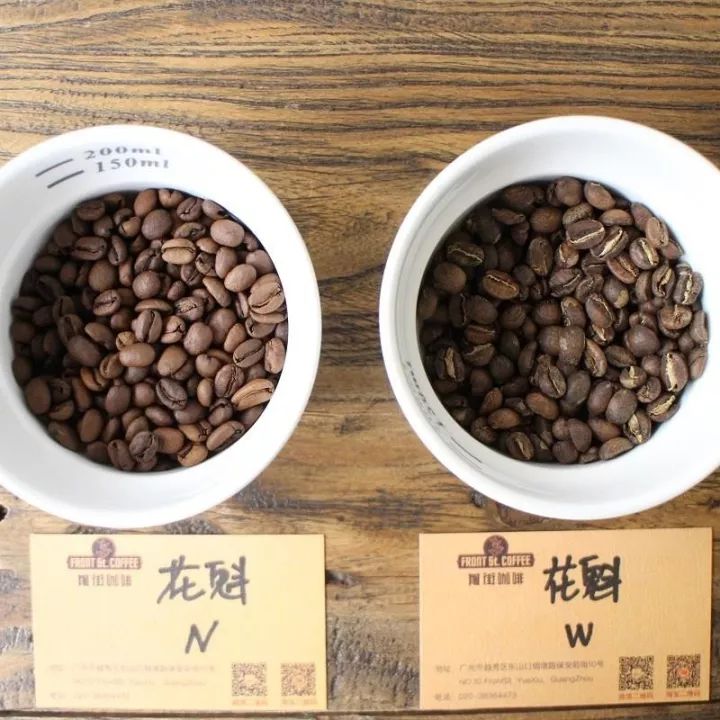
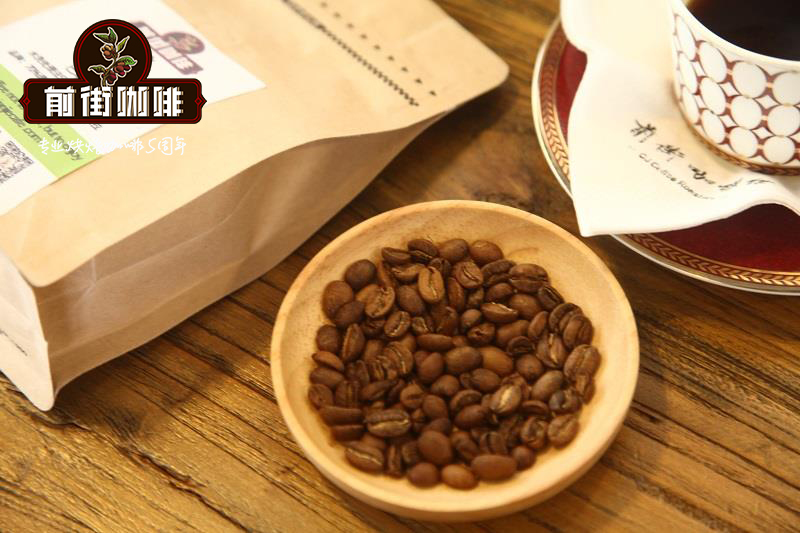
Natural Roasted Beans: Poor roast-color uniformity, a mottled look, and no silver skin along the center line.
Washed Roasted Beans: Better roast-color uniformity, a neat appearance, with residual silver skin along the center line.
Honey Process
Honey processing, as the name suggests, shows more prominent sweetness.
Honey processing is essentially the washed process interrupted midway: it skips the fermentation step and dries the beans directly with the mucilage and pulp still attached. This method reduces acidity and increases sweetness and body, while still keeping the fruit aromas and staying cleaner than natural processed beans.
Sometimes when buying coffee beans you'll see processing methods like "White Honey" or "Yellow Honey." This classification depends on how much mucilage and pulp is left on the beans during drying. Drying with 80% pulp is called "Black Honey"; with 60% pulp it's "Red Honey"; retaining 40% pulp is "Yellow Honey" processing; and with 20% pulp it's "White Honey" processing. In terms of flavor, beans dried with more pulp — black and red honey — move closer to natural processing, with high sweetness and abundant fruit aromas. Conversely, the less pulp retained, as in white honey processing, the cleaner the cup, though still sweeter than typical washed beans. Honey processing is common in Central American countries such as Costa Rica and Panama, where quality is excellent and stable. If you want to combine the clean freshness of washed processing with the sweetness and fruit aromas of natural processing, honey processing is an excellent choice for your cup!
Conclusion
I hope this introduction to processing methods helps you more clearly identify the flavors you want to try when selecting coffee beans.
FrontStreet Coffee Recommendation
Of the methods above, washed processing is the one many drinkers land on first, and for good reason. Soaking the beans in water consumes much of their simple sugar and increases organic acids, so washed coffees keep more of the bean's own aroma while tasting bright, clean, and fresh — a clear, transparent cup that's easy to read.
FrontStreet Coffee's Yirgacheffe Gedeb cooperative coffee shows what that clarity can do in the cup: jasmine florals and bright citrus, then green tea and honey after a medium-light roast, at home as pour-over, cold brew, or espresso. If you prefer a louder, juicier fruit profile, FrontStreet Kenya Small Tomato is double-washed in the classic Kenyan style — cherry tomato, smoked plum, snow pear, and black plum over a sweet-tart, full body that fans of bright acidity tend to love.
For a pure reference point, try FrontStreet Jamaica Blue Mountain No. 1. Jamaica's shorter sunshine hours pushed producers toward washing to reduce moisture and drying time, yielding bright, low-defect beans. In the cup it's hazelnut, cream, chocolate, and caramel with a balanced body — the classic washed profile where acidity, sweetness, bitterness, and aroma all sit in harmony.
Important Notice :
FrontStreet Coffee is a long-established specialty coffee roaster in Guangzhou China, selling freshly roasted beans from its own farm in Yunnan as well as dozens of carefully selected single-origin beans from around the world for both pour-over and espresso. The products deliver consistently excellent quality and great value, with shipping within 24 hours. Guangzhou's FrontStreet Coffee shop is recommended by many coffee lovers, and the beans are now available online at the Tmall 。
FrontStreet Coffee has moved to a new address:
FrontStreet Coffee Address: 315,Donghua East Road,GuangZhou
Tel:020 38364473
 Scan and follow the En Gafei WeChat official account. Please indicate that the reprint comes from "En Gafei".