Narino—The Softness and Clarity from Colombia How to Make Narino Coffee Pour-Over
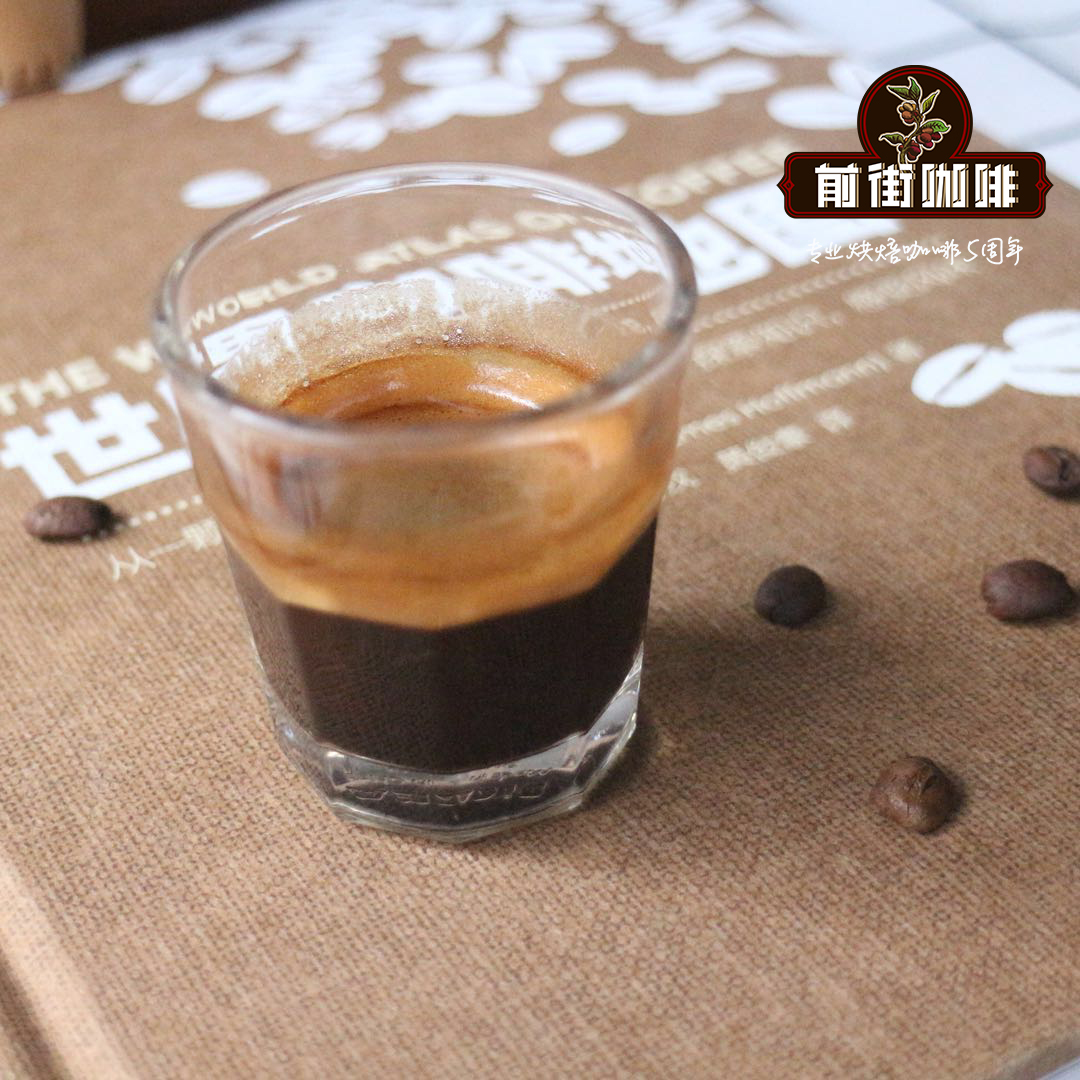
Germany takes 25% of Colombia's total coffee exports, which says something about the quality the country produces. Colombian coffee is graded into three levels: Supremo, Excelso and UGQ (Unusual Good Quality). Within the Excelso grade, Klauss coffee is exported to Germany while Europa coffee goes to the Nordic countries. Most coffee shops stock both Excelso and Supremo. The professional difference between them is that Supremo uses larger beans and is sourced from freshly harvested crop, making quality easier to guarantee, whereas Excelso typically tastes milder with slightly higher acidity. Both sit in the aromatic category, with moderate bean size and excellent fruit character. Colombian coffee is often described as silky, and among all coffees it has the best balance, a soft, smooth mouthfeel that works at any hour.
Colombian growers face a difficult question: whether to replace Bourbon trees with faster-growing, higher-yielding Arabica. Some argue quality will fall; others hold that in the most suitable growing regions the difference will be negligible.
Nariño Province lies in the country's southwest, bordering the Pacific to the west and Ecuador to the south. The Andes run through the entire province, and coffee grows in the high-altitude cloud belt between 1600 and 2300 meters on fertile volcanic geology. The beans are small but plump, with a vivid green colour. Most of Nariño's annual production is bought by large American bean merchants and is very popular in the North American market.
Nariño sits in the Andes near the junction of southeastern Colombia and Ecuador, close to 0 degrees latitude. Daily sunlight hours are almost identical year-round, and the steady swing between morning and evening temperatures combined with annual rainfall generates rich organic matter in the soil, letting coffee trees thrive at very high altitude and develop a distinctive aromatic character.
Colombia's geography is well suited to coffee: low latitude, high altitude, with trees mostly planted in the Andes between 1200 and 1900 meters. The growing area stretches from south to north with staggered harvests through the year, which makes Colombia the world's third-largest coffee supplier. Colombian coffee is Arabica, with a balanced, persistent, bright and mellow profile. It is an easy coffee to brew well, well suited to small households and even office workers relying on a quick American-style machine or a moka pot.
Colombia has two broad kinds of production area today: commercial and specialty. Commercial coffee is grown in the north-central Medellín, Armenia and Manizales regions, collectively known as MAM. Specialty coffee comes from the high-altitude south, such as the San Agustín area of Huila Province, Cauca, Tolima and Nariño.
There is a commercial trap hidden here: how do you know whether the beans you bought are commercial or specialty? Colombian grading is based on green bean size, where 1 mesh equals 1/64 inch. Three grades matter: Supremo (the highest, 17/18 mesh, where 17 mesh is 6.75mm and 18 mesh is 7mm), Excelso Extra (16/15 mesh) and UGQ, or Usual Good Quality (14/12 mesh), which is commercial-grade. When choosing Colombian beans, judge the bean size visually by all means, but confirm the region of origin repeatedly, so you know you are buying genuine specialty coffee.
Nariño Province is one of Colombia's most famous production regions. Its flavour is balanced and delicate, clean, with generous apricot, grapefruit and toffee notes, which is why it is so widely liked. Colombia is known for high altitude: the lower north-central areas mainly produce commercial beans, while the central and southern regions mainly produce specialty beans. That southern belt is also the territory of past Cup of Excellence and SCAA Coffee of the Year winners, and Nariño is one of them. Colombian bean quality is sorted across more than 200 grade levels, with Select (SUPERMO) at the top and Premium (EXCELSO) below it; only Select-grade coffee with beans above 18 mesh, or 18/64 inch in diameter, qualifies as specialty. Nariño is Select (SUPERMO) quality, and that comes down in part to its choice of excellent Caturra varieties and superior natural conditions.
Pour-Over Notes for Colombian Nariño
Day one: bloom ran 30 seconds. During the pour, the nutty aroma, macadamia nut in particular, was pronounced, but the taste opened something entirely new: a vegetable-like tomato note first, followed by lemon fruit acidity, rich and mellow. Tasting a coffee with vegetable notes for the first time is genuinely interesting.
Day two: switching to Brita-filtered water and keeping the 30-second bloom, the vegetable and tomato notes receded on entry while the lemon acidity grew. The cup was richer and more mellow than the first day, and tasted at around 35°C the lemon sourness became even more pronounced.
Colombian coffee may not have the singularity of Ethiopia's Yirgacheffe, but its rich, mellow mouthfeel is just as hard to resist, and it is an excellent choice in a blend.
[Notes] Pour-over tools: stainless steel reusable filter, narrow-spout pour-over kettle. Coffee to water was 12g brewed to 140ml.
FrontStreet Coffee Recommendation
FrontStreet Coffee's Colombia Huilan is the clearest expression of the Colombian profile. Huila province, in the southern central cordillera, is the country's best-known specialty region: surrounded by mountains, planted above 1500 meters, and where Colombia's most important rivers converge, bringing abundant water and humidity. A medium-dark roast brings out black chocolate and nutty sweetness, moderate oil and a full body, and it handles pour-over and French press as easily as moka pot and espresso, so americano and latte both work.
FrontStreet Coffee's Finca Diviso Sidra shows how far Colombian processing has moved. Colombian coffee was long washed almost exclusively, but anaerobic fermentation has become popular as a new kind of sensory experience, whether it is called anaerobic or carbonic maceration: fermentation in a low-oxygen or oxygen-free environment, usually in a pressure-resistant stainless steel tank where temperature, time and pH are controlled. FrontStreet Coffee's Sidra uses anaerobic natural processing, which converts the coffee into far more tropical fruit aroma. Roasted medium-light, it gives complex passion fruit, grape, apricot and dried fruit notes as pour-over, cold brew, drip bag or moka pot coffee.
For anyone with a home espresso machine or a moka pot, FrontStreet Coffee's Boutique Blend is the practical recommendation. Built for cafe service, it pairs the creamy, nutty sweetness of Brazilian coffee with the dark chocolate bittersweetness of Colombian coffee. The extraction shows fine, golden crema, and it takes milk beautifully for a rich, smooth latte, while serving as the base for americano, cappuccino, mocha and other standard espresso drinks.
Important Notice :
FrontStreet Coffee is a long-established specialty coffee roaster in Guangzhou China, selling freshly roasted beans from its own farm in Yunnan as well as dozens of carefully selected single-origin beans from around the world for both pour-over and espresso. The products deliver consistently excellent quality and great value, with shipping within 24 hours. Guangzhou's FrontStreet Coffee shop is recommended by many coffee lovers, and the beans are now available online at the Tmall 。
FrontStreet Coffee has moved to a new address:
FrontStreet Coffee Address: 315,Donghua East Road,GuangZhou
Tel:020 38364473
 Scan and follow the En Gafei WeChat official account. Please indicate that the reprint comes from "En Gafei".