Differences Between Mandheling Tiger and Mandheling: Description of Tiger Mandheling Coffee Bean Variety's Flavor and Taste Characteristics
The most distinctive thing about FrontStreet Coffee's Mandheling is its rich herbal flavor. Some people love it, others dislike it. At FrontStreet Coffee, we approach coffee objectively, and what matters most to us is whether a bean's flavor accurately reflects its growing region.
Whenever FrontStreet Coffee brings in a new bean, we run extensive comparative tastings across growing regions to find the beans that best represent their regional character. Some might ask: do the beans that don't get selected simply serve as filler? FrontStreet Coffee doesn't see it that way. Broad regional comparison doesn't mean every bean has to go on sale. It helps us build a deep understanding of regional character, and that is the philosophy FrontStreet Coffee has always shared.
Back to Mandheling. FrontStreet Coffee currently carries five distinct Mandheling coffees: Indonesian Lintong Mandheling (the most classic Mandheling flavor), PWN Gold Mandheling (a clean cup achieved through repeated hand-sorting), Tiger Mandheling (which carries a pine aroma), Aged Mandheling (the richest body), and Natural Mandheling (fruit-forward, distinct from traditional Mandheling). Each has its own personality. Whether at the Guangzhou store or the online Taobao shop, the more than fifty beans on display each have a clear flavor identity. Today, FrontStreet Coffee is focusing on Tiger Mandheling.

FrontStreet Coffee - Indonesia Tiger Mandheling
Country: Indonesia
Region: Sumatra
Altitude: 1500 meters
Varieties: Caturra, Typica, Sidikalong
Processing Method: Wet Hulling
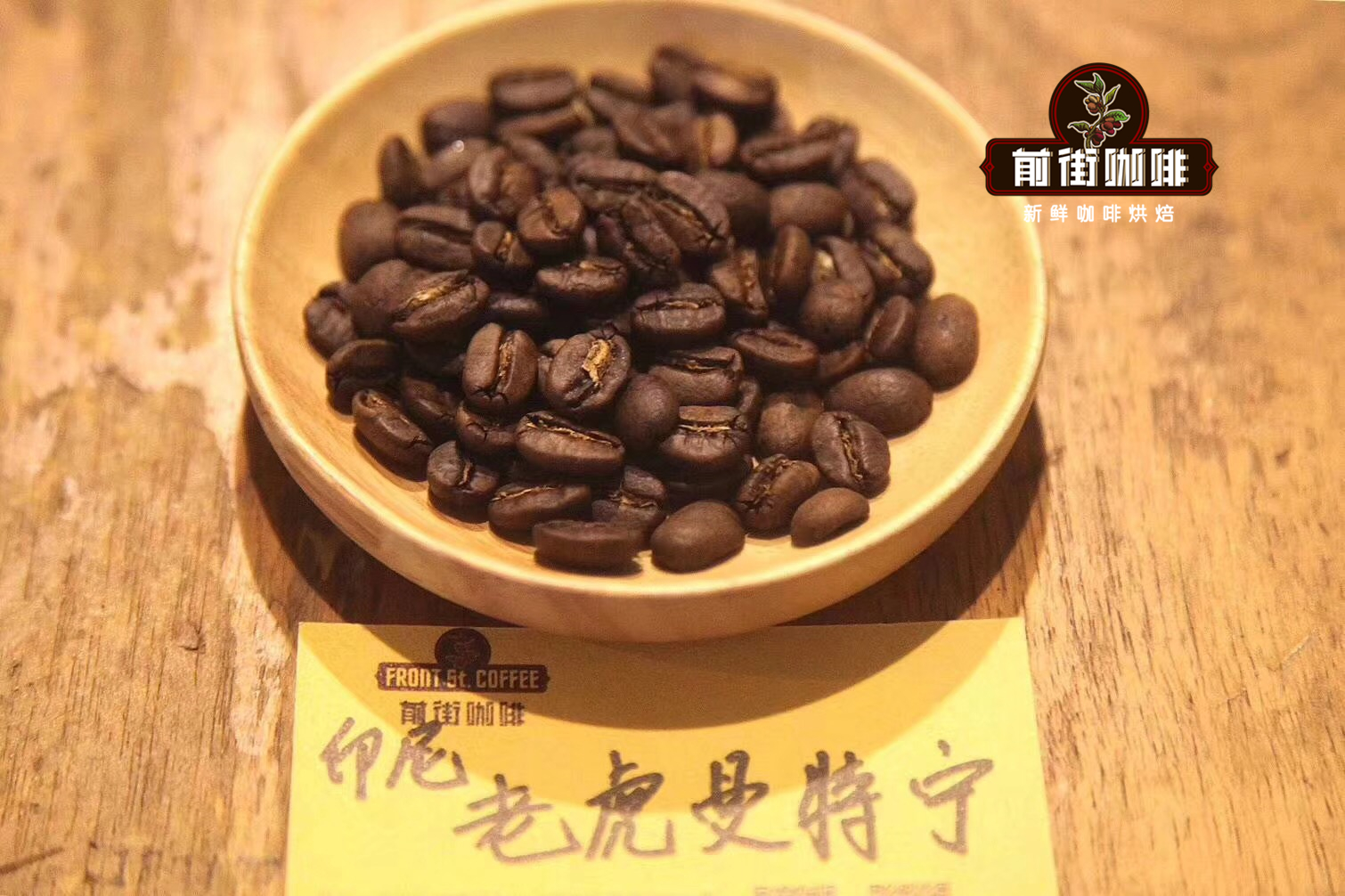
FrontStreet Coffee's Tiger Mandheling grows in Indonesia, with the main producing areas on Sumatra, Java, and Sulawesi. It comes from Tiger Manor, which is why it is also called "Mandheling Tiger" or "Sumatran Tiger Mandheling." Northern Sumatra sits at relatively high altitude, and Aceh Province, home to Lake Tawar, along with North Sumatra, home to Lake Toba, are the main Arabica regions.
Lake Tawar lies in the Gayo Mountains of northern Aceh, Sumatra. Indonesia straddles the equator, giving it a humid tropical rainforest climate, abundant rainfall, and fertile volcanic soil that feeds the coffee. Its remote location and awkward transport, however, meant cultivation did not begin until 1924, largely using traditional shade-grown, pesticide-free organic methods.

Because Indonesia's humidity holds between 70-90% year-round, with annual rainfall reaching up to 2,000 mm and constant typhoons, farmers want a faster return. So they use the wet hulling method. In a normal washed process, the parchment coffee is sun-dried for 2-3 days until it hits 20-24% moisture, and then the parchment is removed. That leaves the beans easy to squeeze and prone to small cracks. These are what we commonly call "horse hoof" or "goat hoof" beans. They carry a higher defect rate, but they create a thick, intense, highly distinctive flavor profile.
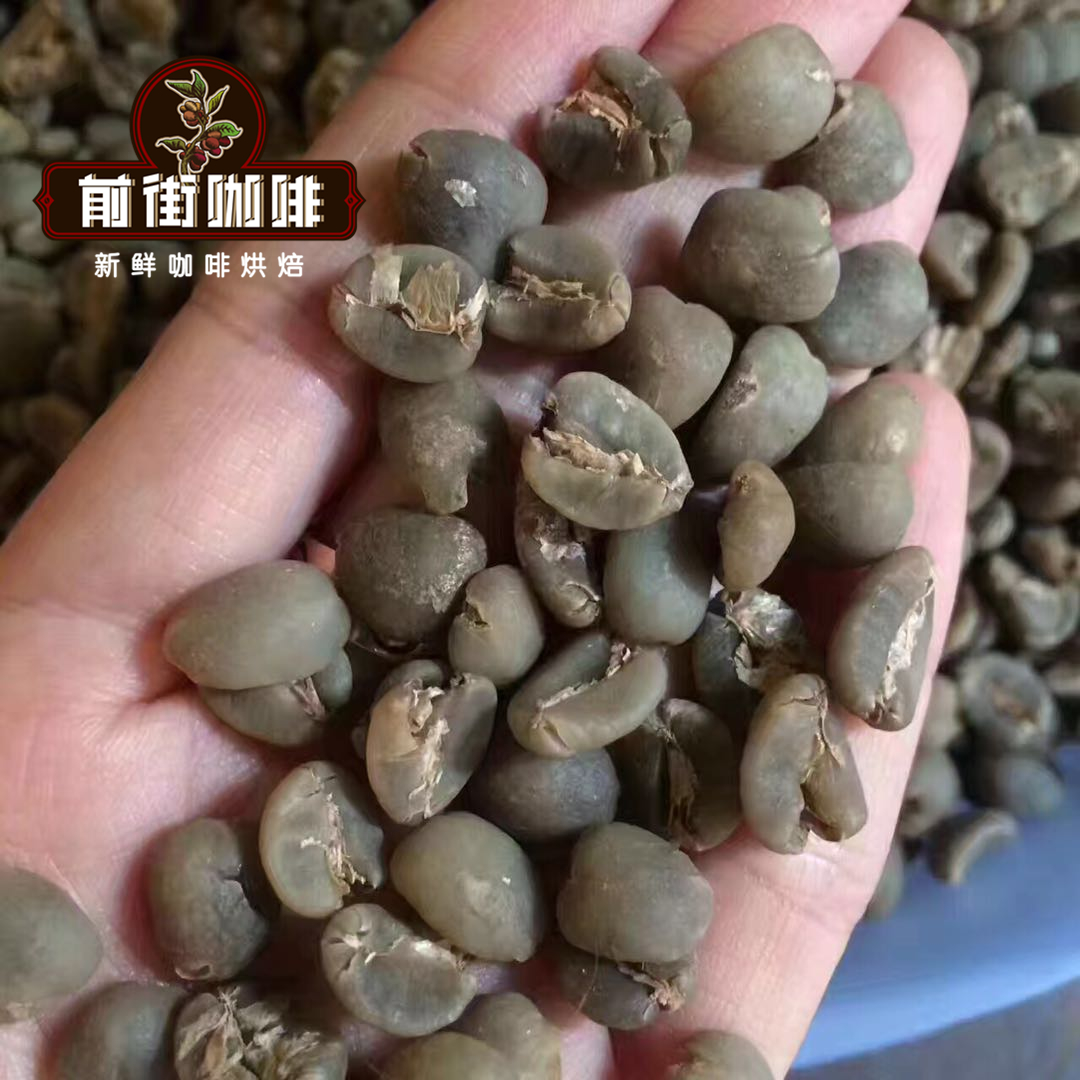
Processing Method
Wet Hulling, also called Wet Dehulling, is known locally as "Giling Basah" and is a traditional Indonesian method. Judging by the name alone, wet hulling sounds similar to wet processing (washed processing), but the cupping flavors of the two are completely different. Coffee processed by wet hulling typically has a thick, intense, and highly distinctive flavor.
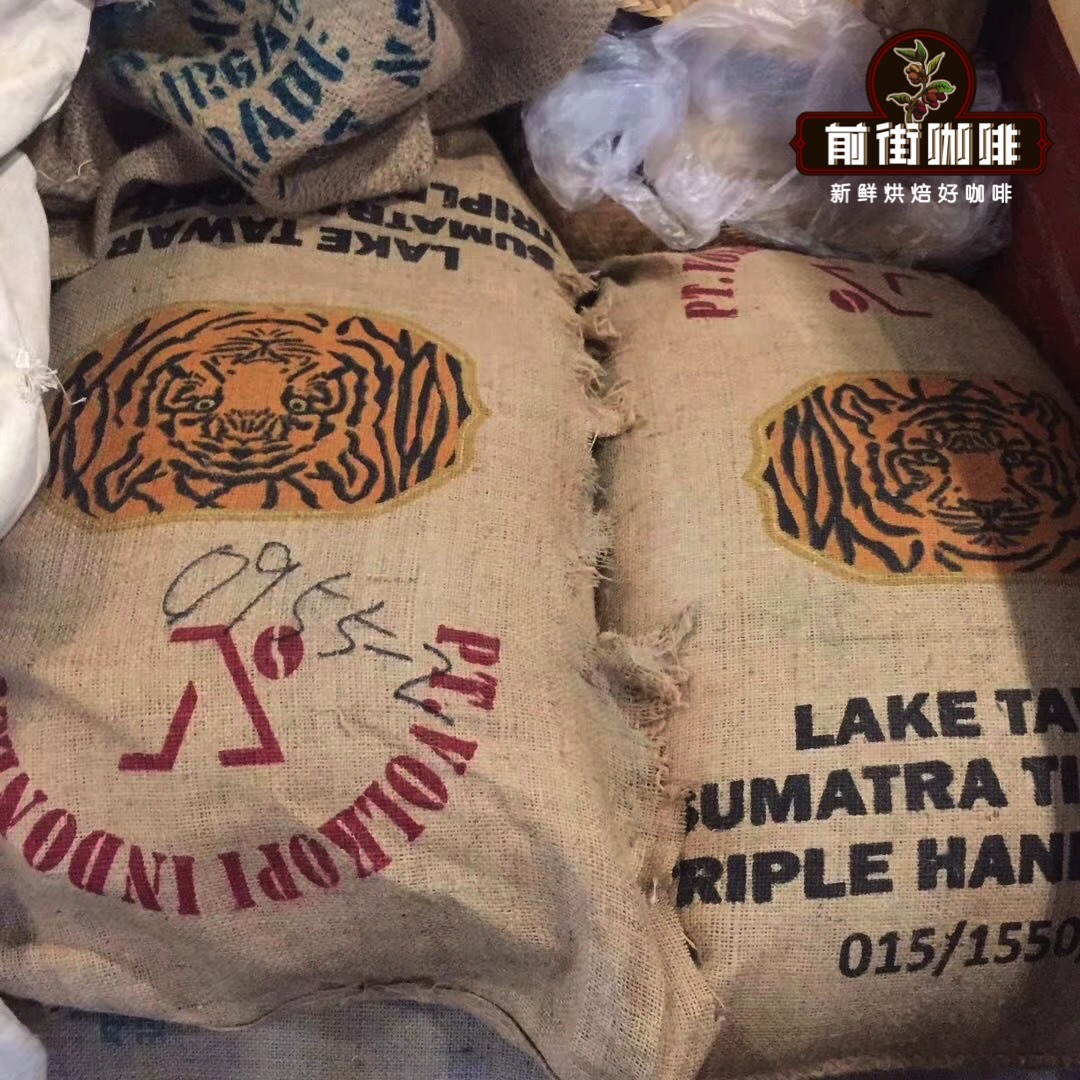
Wet Hulling Process Steps
1. Remove pulp and fruit flesh, retaining parchment and mucilage.
2. Ferment in water tanks.
3. Wash away the mucilage.
4. Sun-dry with the parchment for 2-3 days until 20-24% moisture content.
5. Remove the parchment.
6. Dry the green beans to 12-13% moisture content.
7. Prepare for export.
The extremely fast pace of wet hulling also produces a higher defect rate in Mandheling. At the processing plant, workers are assigned to hand-sort defects, generally DP (double picking) and TP (triple picking). Mandheling that goes through triple picking ends up with fewer defects than double picking.
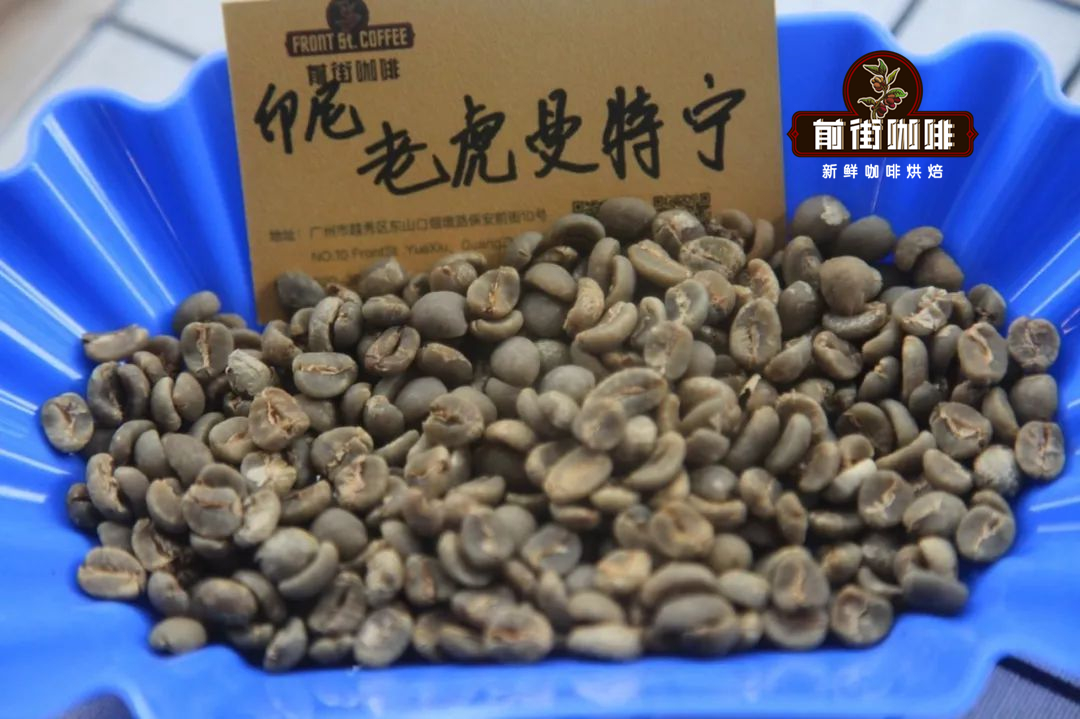
Coffee Varieties
FrontStreet Coffee's Indonesian Tiger Mandheling is made up of Caturra, Typica, and Sidikalong.
Caturra brings lemon or citrus acidity. Where sweetness is concerned, it doesn't match Typica and Bourbon, because Caturra's sweetness depends on how often and how much the grower fertilizes. It is highly productive, but holding that productivity requires continuous fertilization and pruning, producing short trees with many branches. Even so, because the harvest cycle runs 2 years and care costs are high, output stays limited.
Typica is the variety closest to the original species. Its beans are slightly elongated, like stretched eggs, and in Central America it is called Arabigo or criollo. It has clean lemon acidity and a sweet aftertaste, but it resists leaf rust poorly, is hard to manage, yields low per tree, and with a long harvest cycle (once every 2 years), production is never high.

Roasting Analysis
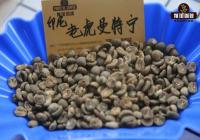
The FrontStreet Coffee Indonesian Tiger Mandheling green beans are round, green with yellow tones, fairly uniform, and high in moisture. FrontStreet Coffee's roasting target is a medium-dark roast, to strip out excess acidity and build up body and balance.
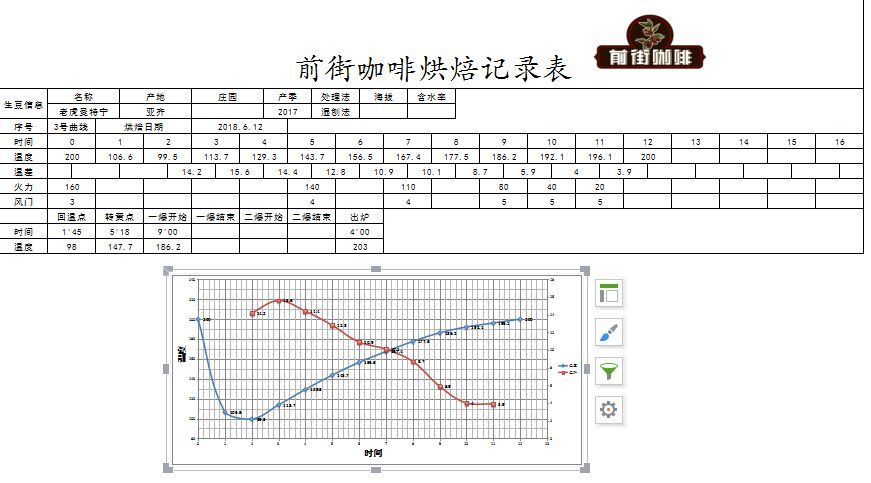
In the first batch, the drop temperature was relatively high, with beans entering at 200°C and fairly high heat. Because this FrontStreet Coffee Tiger Mandheling sits at only medium altitude and the bean density is very soft, FrontStreet Coffee used a technique that extended dehydration time and reduced heat for smooth development, removing excess moisture while avoiding under-dehydration that would cause acidity and astringency. At the yellowing point, once dehydration was complete and before first crack, FrontStreet Coffee reduced the heat in stages to avoid scorching the surface, then dropped the beans 4 minutes after first crack ended and 20 seconds before second crack, extending caramelization to show off the bean's excellent cleanliness and sweetness.
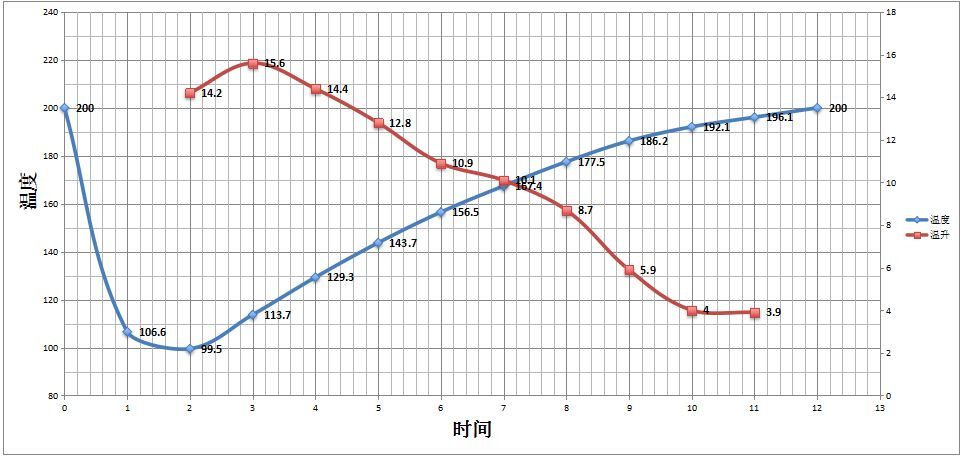
Roasting Machine: Yangjia 600g semi-direct flame
Heat the drum to 200°C, open the air damper to 3, and after 30s adjust the heat to 160°C. Leave the air damper unchanged. The return point comes at 1'45". Hold the heat. At 5'18" the bean surface turns yellow, the grassy smell disappears completely, and dehydration begins: reduce heat to 140°C and adjust the air damper to 4.
At 7'30" dehydration is complete; reduce heat to 140°C. At 8'55" the bean surface shows ugly wrinkles and black spots, the toast smell clearly turns to coffee aroma, and this can be defined as the prelude to first crack. Listen carefully for it. At 9'00" first crack begins; reduce heat to 110°C and fully open the air damper to 5 (adjust the heat very carefully, never so low that the crack sound disappears). Develop for 4'00" after first crack, and drop at 203°C.

How FrontStreet Coffee Brews FrontStreet Coffee Tiger Mandheling
FrontStreet Coffee uses these brewing parameters: a Kono dripper, 88°C water temperature, a 1:15 coffee-to-water ratio, 15 g dose, and a grind size with a 70-75% pass-through rate on the #20 standard sieve.
FrontStreet Coffee takes into account that this Tiger Mandheling uses a relatively dark roast. The darker the roast, the faster the coffee compounds dissolve. To avoid over-extraction, FrontStreet Coffee brews at a lower water temperature and uses the slower-flowing Kono dripper so the coffee still extracts fully at low temperature.

FrontStreet Coffee uses staged extraction, a three-pour method: 30 g of water for the bloom, a 30 s bloom, then a small circular pour to 125 g and stop. When the water level drops to just above the coffee bed, continue the second stage to 225 g to finish extraction. Total extraction time, bloom included, is 2'00.

Flavor Description
The mouthfeel is relatively balanced, with distinct cream, dark chocolate, and nut flavors.
FrontStreet Coffee Recommendation
If wet-hulled Sumatra is your kind of coffee, the top of the house's Mandheling range is FrontStreet's PWN Gold Mandheling. PWN applies unusually strict standards: it starts with beans of 18 mesh and above and requires fewer than 3 defective beans per 300-gram green sample to meet the top G1 grade, then sorts by hand three times over. The result is a cleaner, sweeter Mandheling with a clear woody aroma and caramel sweetness, and the quality and limited output make it the benchmark of the estate's Mandheling line.
For the most approachable everyday cup, FrontStreet's Lintong Mandheling comes from the classic Lake Toba area. Roasted medium-dark, it delivers dark chocolate and caramel while keeping Mandheling's wild herbal streak - a mellow, bittersweet coffee with clove and woody notes, low acidity, and a strong, lasting sweetness. Brew it at 87-88°C with 15 g of coffee at a 1:15 ratio and a coarse-sugar grind, using three pours.
If you want that Mandheling body in an espresso, FrontStreet's Classic Blend adds medium-dark Mandheling to a creamy, nutty Brazilian base, emphasizing butter, roasted chestnut, and caramel while lending the cup sandalwood, herbal, and spice character. A touch of Robusta boosts the crema, so it handles latte art and Dirty-style layering with ease.
Important Notice :
FrontStreet Coffee is a long-established specialty coffee roaster in Guangzhou China, selling freshly roasted beans from its own farm in Yunnan as well as dozens of carefully selected single-origin beans from around the world for both pour-over and espresso. The products deliver consistently excellent quality and great value, with shipping within 24 hours. Guangzhou's FrontStreet Coffee shop is recommended by many coffee lovers, and the beans are now available online at the Tmall 。
FrontStreet Coffee has moved to a new address:
FrontStreet Coffee Address: 315,Donghua East Road,GuangZhou
Tel:020 38364473
 Scan and follow the En Gafei WeChat official account. Please indicate that the reprint comes from "En Gafei".