The Origin Story of Sumatra Tiger Mandheling Coffee Beans: Wet-Hulled Processing Method and Pour-Over Parameters Introduction

Regular customers at FrontStreet Coffee know that we carry several Mandheling coffees, all of which are specialty beans carefully selected by FrontStreet Coffee through multiple rounds of testing. Mandheling is a very famous coffee from Indonesia, with bitterness being the first impression of this coffee — but more accurately, it's a bittersweet taste. Different types of Mandheling present distinct flavor profiles. For example, the famous Golden Mandheling brand offers a cleaner taste with richer layers. Today, however, FrontStreet Coffee wants to share another Mandheling called Tiger Mandheling. This bean also undergoes strict selection processes. So what kind of performance and story does this Tiger Mandheling have?

Indonesia is a coffee-producing country in Asia and a globally renowned major coffee exporter. The country's most famous coffee is Mandheling, which holds a place among global specialty coffees with its rich, mellow taste and intense flavor. This Mandheling coffee can rival Blue Mountain coffee and is particularly loved and welcomed by Japan! Today, FrontStreet Coffee introduces a Tiger Mandheling from Indonesia.

What is Mandheling Coffee?
The name Mandheling coffee came about quite by accident. Originally, it referred to an Indonesian tribal name. When Japanese soldiers asked locals about this delicious coffee, the locals, due to language barriers, thought they were being asked about the tribal name and answered "Mandheling." As a result, while the Japanese popularized this coffee, they also retained the name Mandheling. It was precisely this accident that brought the Sumatra region to the world's attention.
Tiger Mandheling Coffee
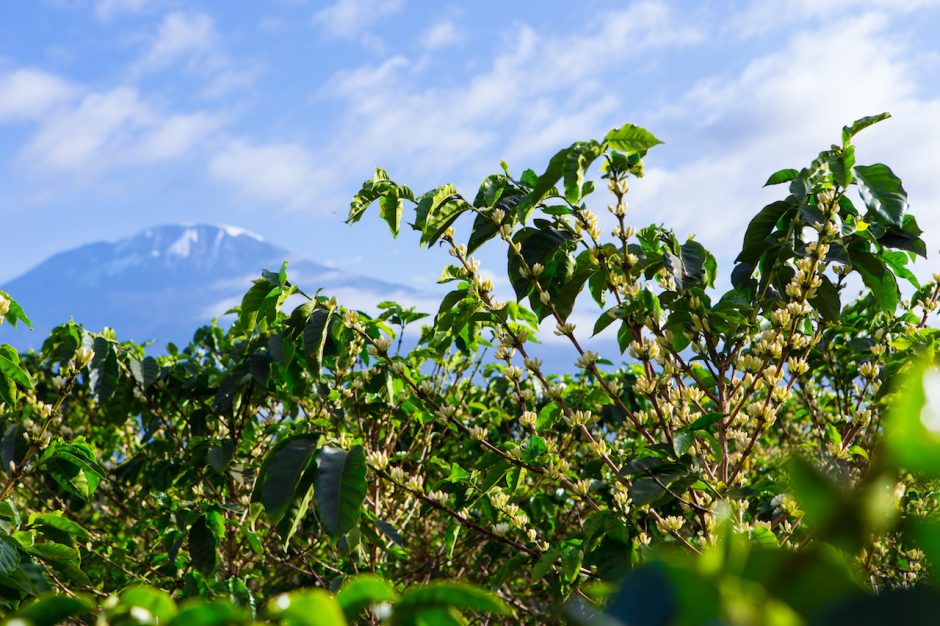
Tiger Mandheling is produced from the Lake Tawa area in Aceh Province, Sumatra Island. Lake Tawa is located in the Gayo Highlands of northern Aceh Province, Sumatra. Indonesia, straddling both sides of the equator, has a humid tropical rainforest climate with abundant rainfall and fertile volcanic soil that provides rich nutrients for coffee. However, due to its remote location and inconvenient transportation, coffee cultivation didn't begin until 1924, mostly using traditional shade-grown, pesticide-free organic cultivation methods.

In Aceh, coffee is the region's second-largest export cash crop. It's estimated that there are about 60,000 small-scale coffee farmers in the area, each owning about 1-2 hectares of coffee cultivation land. Indonesia's traditional coffee trade follows a multi-node supply chain model, starting from farmers and going through multiple intermediaries before gradually accumulating into large export quantities. In Indonesia's coffee trading system, direct trade with a single window collecting from farmers and arranging exports is quite rare locally.
The requirements for Tiger Mandheling are that it must have traditional medicinal herb aromas, and only Mandheling beans of 17 screen size or above with a defect rate below 4% can be called "Tiger."
Furthermore, because Indonesia's annual humidity ranges between 70-90% and annual rainfall can reach up to 2,000mm, with continuous typhoons, farmers seek faster economic returns. Therefore, they use the wet-hulled process, in which beans are dried with their parchment for 2-3 days until they reach 20-24% moisture content, then the parchment is hulled off. This makes the beans more susceptible to compression damage, forming small cracks. This is what we commonly call "horse hoof" or "sheep hoof" beans, which have higher defect rates but create a mellow, intense, and highly distinctive flavor.
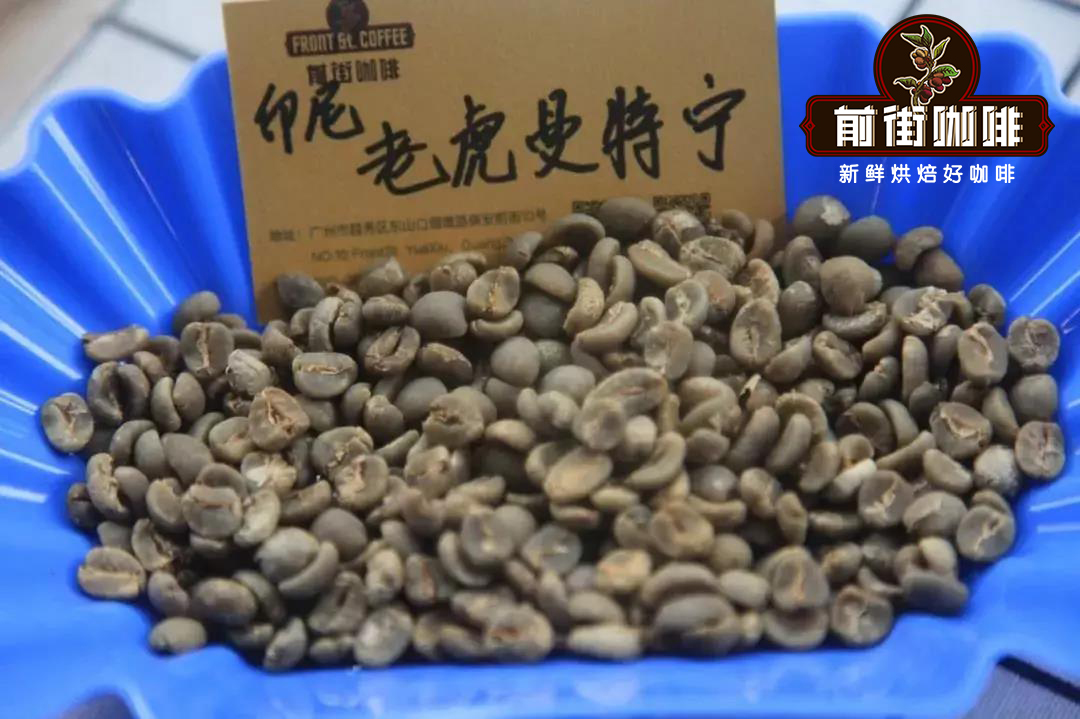
The main varieties of Tiger Mandheling are Catuai, Typica, and Sidikalong, with lemon or citrus acidity, clean lemon acidity, and a sweet aftertaste. This Tiger Mandheling has a relatively balanced taste with high clarity, featuring distinct cream, dark chocolate, caramel, and nut flavors. Its green beans are round, greenish-yellow, with good uniformity and high moisture content. The roasting goal is medium-dark to reduce excessive acidity, enhance its body and balance.
Tamed Charm
Tiger Mandheling, like its name, requires patience and energy throughout the processing and selection, much like taming a tiger. Tiger Mandheling uses Sumatra's unique coffee processing method — the wet-hulled process. Because the local weather is predominantly rainy with continuous typhoons, it's impossible to achieve the long stretches of dry weather required for natural sun-drying, and the local economy isn't strong enough to absorb the higher costs of fully washed processing. For these various reasons, the highly local wet-hulled method was developed. The specification for Tiger Mandheling is 17 screen size or above with a defect rate below 4%.
Additionally, Tiger Mandheling is located near Lake Tawa in Aceh, Sumatra. The Mandheling from this region has distinct fruity sweetness and cream aromas that other regions don't have. With all these favorable factors combined, Tiger Mandheling presents unprecedented flavors — without the typical herbal bitterness of regular Mandheling, but with bright acidity and rich fruit-herbal aromas. However, not everyone appreciates its herbal aroma, which is why it receives polarized reviews.
FrontStreet Coffee Roasting Analysis
Tiger Mandheling green beans are round, greenish-yellow, with good uniformity and high moisture content. The roasting goal is a dark roast to eliminate excessive acidity, enhance its body and balance, and preserve Tiger Mandheling's unique cedar aroma.
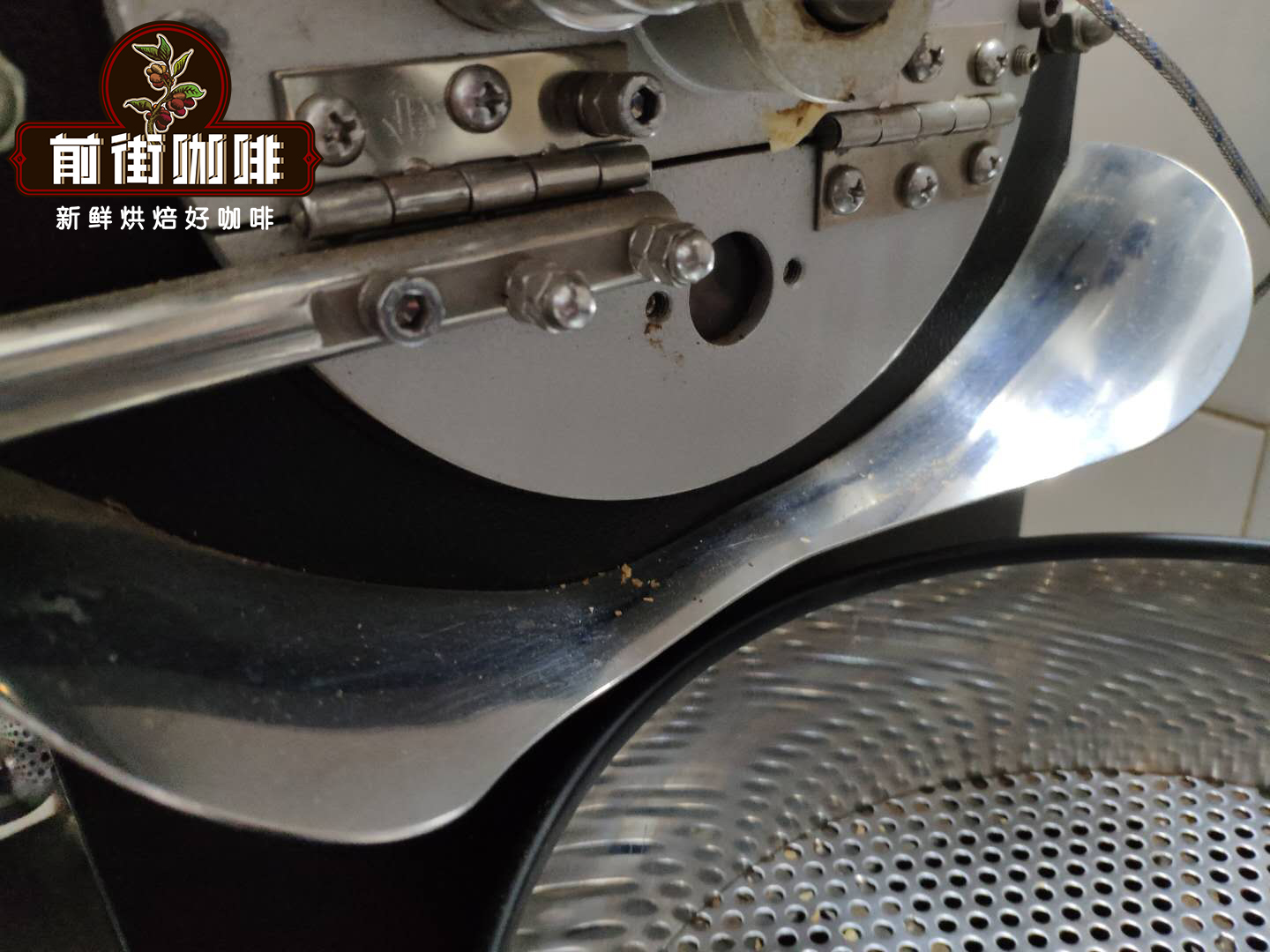
In the first batch of roasting, the drop temperature was relatively high, with an inlet temperature of 200°C and relatively high heat. During the roasting process, because this bean's altitude is only medium and the bean structure is very soft, to remove excess moisture and avoid insufficient dehydration leading to astringency, I used a roasting technique of extending dehydration time with reduced heat sliding. I adjusted the heat finer when the beans reached the yellowing point, completed dehydration, and before first crack, to avoid surface scorching. I chose to drop the beans 4 minutes after first crack ended and 20 seconds before second crack, extending the caramelization reaction time to showcase its excellent cleanliness and sweetness.
Heat the roaster to 200°C, set air damper to 3. After 30 seconds, adjust heat to 160°C, keeping the air damper unchanged. Return temperature at 1'45", maintain heat. At 5'18", the bean surface turns yellow, grassy smell completely disappears, entering dehydration phase. Reduce heat to 140°C, adjust air damper to 4.
At 7'30", dehydration complete, reduce heat to 140°C. At 8'55", ugly wrinkles and black spots appear on the bean surface, toast aroma clearly transitions to coffee aroma, which can be defined as the prelude to first crack. At this point, listen carefully for the sound of first crack. First crack starts at 9'00", reduce heat to 110°C, fully open air damper to 5 (adjust heat very carefully, not so small that there's no cracking sound). Develop for 4'00" after first crack, drop at 203°C.

FrontStreet Coffee Brewing Suggestions
This brewing highlights Tiger Mandheling's mellow, cedar aroma, and rich characteristics, using a KONO dripper for brewing (this dripper was invented to mimic flannel brewing for rich coffee). For medium-dark roasted coffee, choose a medium-coarse grind size (70% passes through #20 standard sieve). For the coffee-to-water ratio, use 1:15, with 15 grams of coffee grounds. Reducing the ratio makes the coffee taste richer. Use water temperature of 87°C.

Brewing process: Pour the coffee grounds in slowly, trying to keep them as level as possible during pouring, and avoid shaking the dripper (shaking will reduce the spacing between coffee grounds, which is not conducive to bloom degassing). For the first stage, pour 40g in small circles in the center for a 30-second bloom. The coffee bed will slowly expand into a "hamburger" shape.
For the second stage, pour 120g in circles from center outward, keeping the pouring height as close to the coffee bed as possible, with slow movements to avoid over-agitation. For the final stage, pour 100g, wait until all the coffee liquid in the dripper flows into the lower pot to complete extraction. Extraction time: 2 minutes.
FrontStreet Coffee Recommendation
Sumatra is now Indonesia's largest source of both Arabica and robusta, accounting for over 60% of the country's production, with the high-altitude provinces of Aceh and North Sumatra leading the way for Arabica. The traditional Mandheling heartland lies around Lake Toba in the Lintong region, where a rich variety of plant species and ideal growing elevations — combined with the distinctive wet-hulled process and local microbial fermentation — create that mysterious, quintessential Mandheling character: intense aroma, heavy body, and powerful flavor.
FrontStreet Coffee's PWN Golden Mandheling is the benchmark for premium Mandheling. Produced to exceptionally strict standards — beans of 18 screen size or above, fewer than 3 defects per 300g sample to meet the top G1 grade, plus three rounds of hand sorting — it delivers outstanding cleanliness and sweetness. Roasted medium-dark alongside FrontStreet's Lintong Mandheling house bean, both showcase dark chocolate and caramel flavors while retaining that wild herbal character born of Sumatra's climate and processing. For pour-over, try 87-88°C water, 15g of coffee, a 1:15 ratio, and a three-stage pour to bring out the full body and caramel sweetness.
Important Notice :
FrontStreet Coffee is a long-established specialty coffee roaster in Guangzhou China, selling freshly roasted beans from its own farm in Yunnan as well as dozens of carefully selected single-origin beans from around the world for both pour-over and espresso. The products deliver consistently excellent quality and great value, with shipping within 24 hours. Guangzhou's FrontStreet Coffee shop is recommended by many coffee lovers, and the beans are now available online at the Tmall 。
FrontStreet Coffee has moved to a new address:
FrontStreet Coffee Address: 315,Donghua East Road,GuangZhou
Tel:020 38364473
 Scan and follow the En Gafei WeChat official account. Please indicate that the reprint comes from "En Gafei".