Can You Add Milk to Pour-Over Single-Origin Coffee? Differences Between Pour-Over Black Coffee and Latte, and How to Make Pour-Over Latte
A good pour-over coffee is crystal clear and bright in color, its enticing aroma flooding your entire mouth the moment you take a sip. You can taste acidity, sweetness, even a whisper of bitterness. But different brewing methods, temperatures, even pouring speeds all shape the coffee's flavor. It is precisely this touch of uncertainty that keeps people fascinated by pour-over coffee and forever exploring.
Pour-over is also the most commonly used brewing method at FrontStreet Coffee. The other is the espresso machine — indispensable for making lattes, since espresso must be extracted first and then combined with different ratios of milk or water to create espresso-based drinks. Generally speaking, pour-over coffee is single-origin coffee, also known as black coffee. So should you add milk when drinking pour-over coffee?
Most people don't add milk to pour-over coffee, but it really comes down to personal preference — no one else has the right to dictate how you enjoy your coffee. FrontStreet Coffee carries more than 50 single-origin beans from different origins. We typically use the simplest three-stage pouring method, because pour-over is affected by many factors that can change the coffee's flavor. Take warming the server, for example: FrontStreet Coffee usually warms the server before pouring to keep the coffee from cooling too quickly, especially in the depths of winter. Then there's rinsing the filter paper and making sure it sits snugly against the filter cone; the first pour washes away paper dust and off-flavors, and through this action the paper conforms better to the cone, which aids extraction.
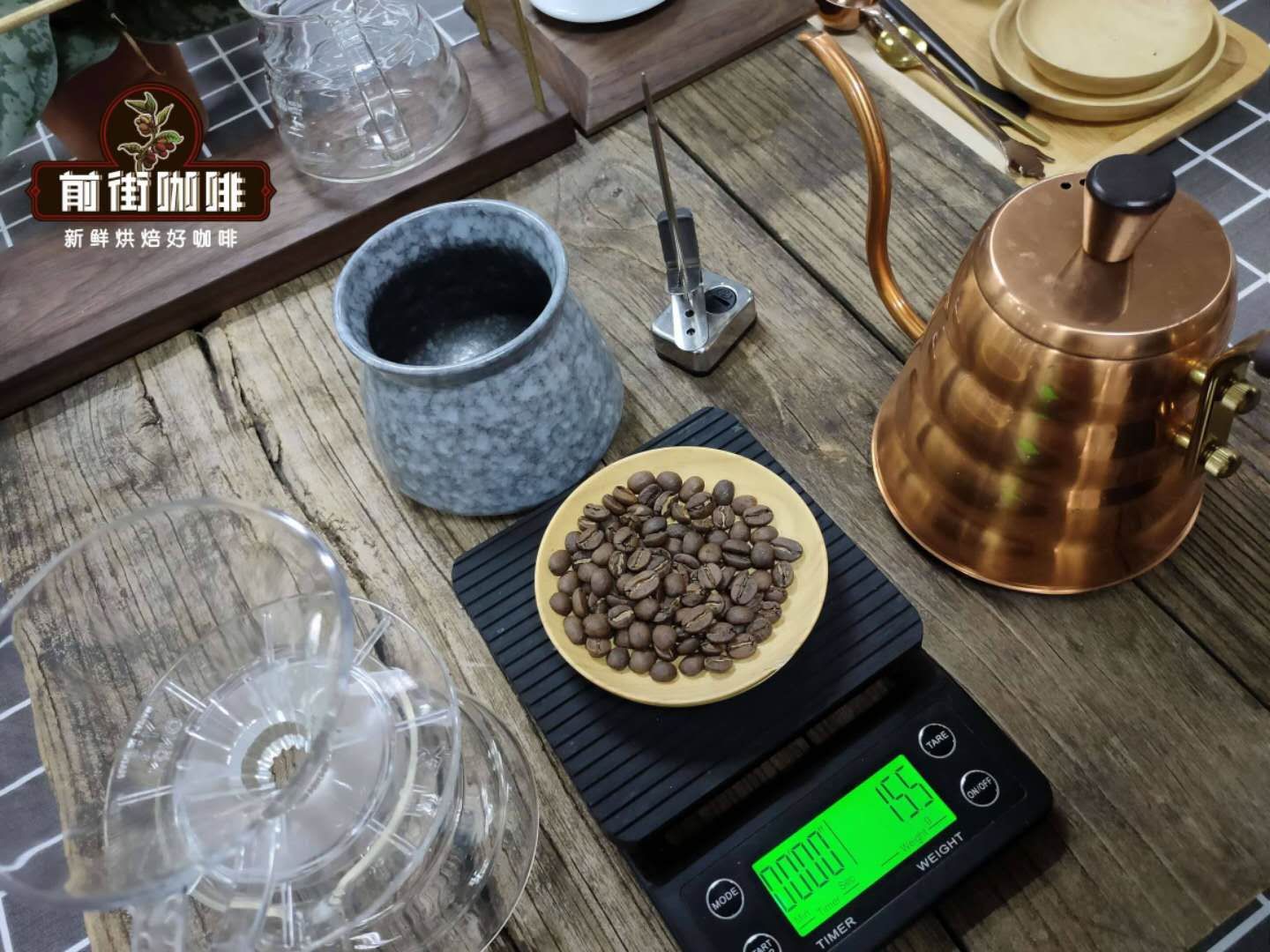
Then there is the bloom — the very first pour after the grounds go into the cone. FrontStreet Coffee typically uses 30 grams of water for a 30-second bloom. If the beans are still within their optimal flavor window, the coffee will absorb water and swell during the bloom, forming a shape like a little hamburger. Also keep a balance between pour rate and drainage rate — neither too fast nor too slow.
FrontStreet Coffee's Common Brewing Method
Use 30 grams of water for a 30-second bloom. With a small water flow, pour in circles until you reach 125 grams, then pause. When the water level is about to expose the coffee bed, continue pouring until you reach 225 grams, then stop. When the bed is about to break the surface again, remove the filter cone. (Timing starts from the bloom.) Total extraction time is 2'00".
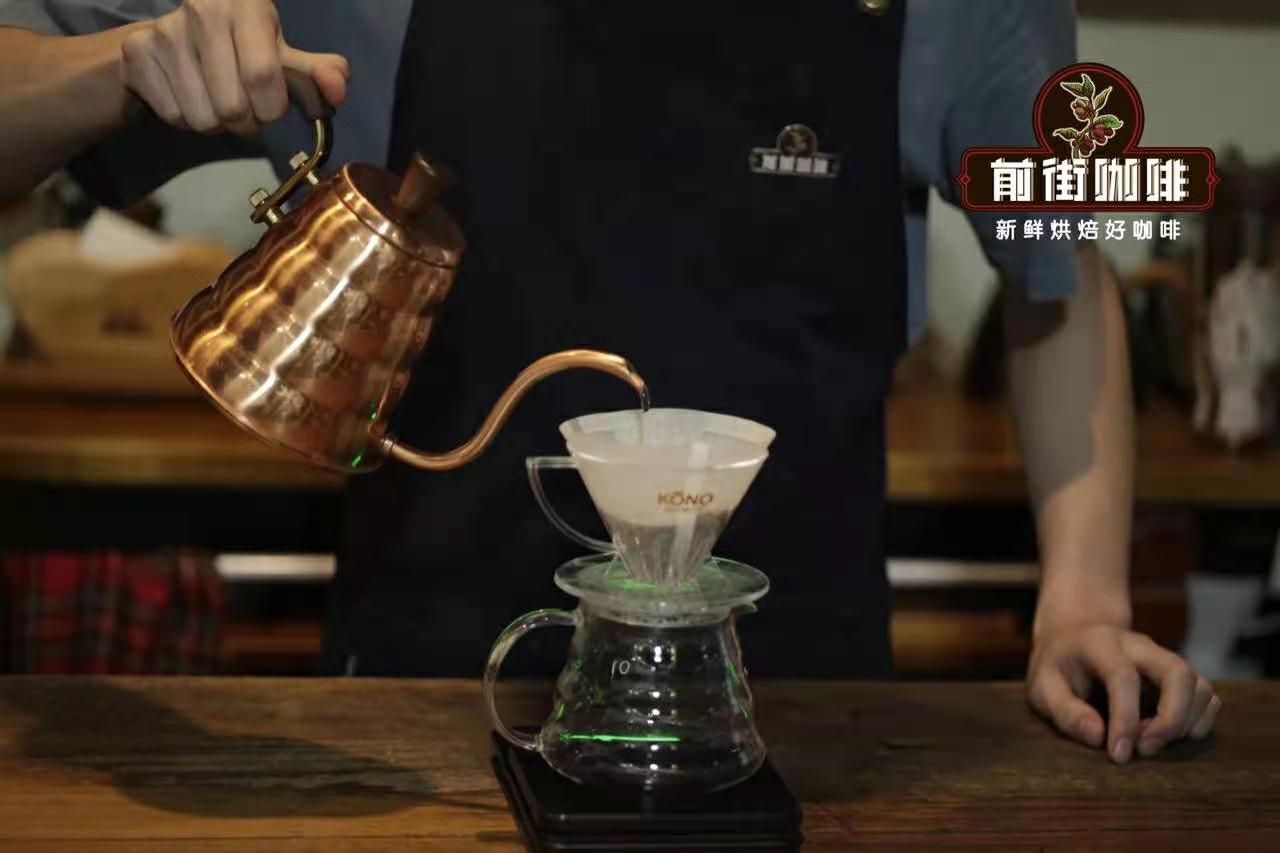
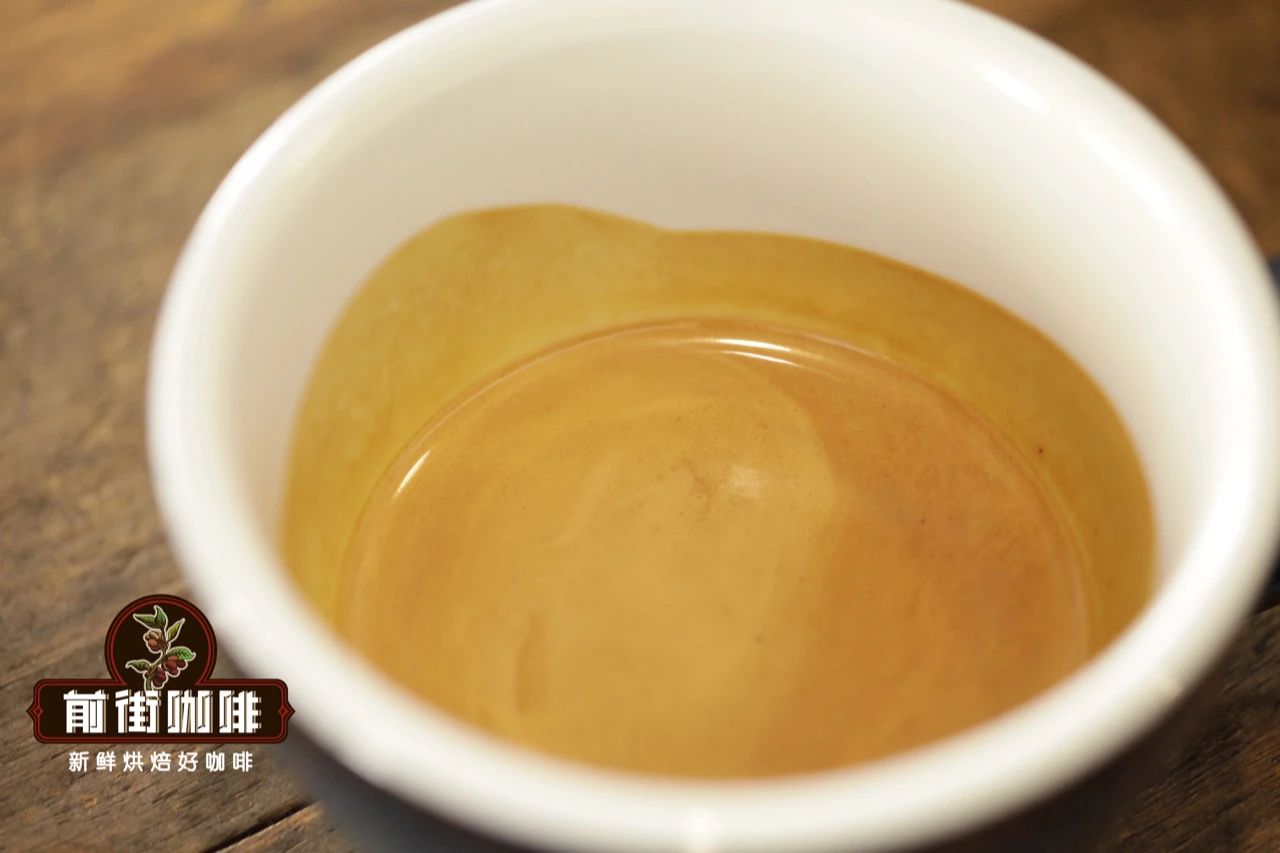
As for the extracted coffee liquid, FrontStreet Coffee typically works with a coffee-to-water ratio of 1:15 — 15g of grounds yields roughly 225ml of coffee. The liquid this produces differs significantly from espresso. Espresso generally has a richer texture, a higher caffeine content, and produces a thick crema — a dense, dark brown foam.
Many espresso bars serve a glass of still water alongside an espresso. Taken straight, many people find espresso too bitter, which is why they add milk in various ratios to create espresso-based drinks.
Differences Between Pour-Over and Espresso Coffee
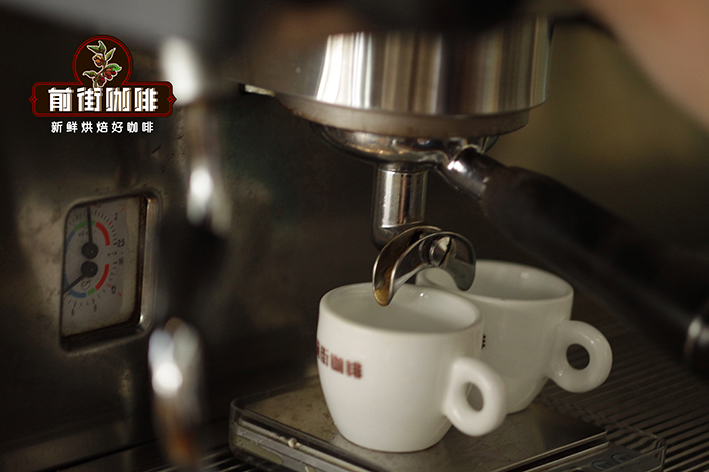
So what separates pour-over coffee from espresso? The basic principle behind both is the same: hot water is poured over coffee grounds, the water passes through the coffee and some form of filter, and then drips into a vessel. The key difference is that filter coffee is not forced through by pressure — it simply percolates through the grounds by gravity. For that reason, the brewing process takes somewhat longer and requires more grounds and more water.
Pour-over coffee, on the other hand, is focused on showcasing the inherent flavors of the coffee's origin, which is why it has become the most common brewing method for single-origin beans. Its flavor profile isn't as intense as espresso's; instead, it gently presents the coffee's own character.
Take the same 30 milliliters of coffee: what you get from pour-over is different from what comes out of an espresso machine. Pour-over coffee is less acidic, allowing us to taste all the flavors and aromas the coffee contains. Espresso, with its higher density and layers, delivers very intense flavors. Good pour-over coffee is clean, clear, and saturated, without any harsh extremes, because the water absorbs the coffee's oils and aromas gradually rather than through high temperature and high pressure. That is why your choice of brewing equipment matters so much to the flavor.
The Charm of Coffee
With an espresso machine, from extraction to milk steaming to latte art, a latte takes only three minutes; pour-over coffee, grinding included, takes only three to four minutes. Two very different cups in about the same amount of time — FrontStreet Coffee believes this is the charm of coffee. We've already walked through the pour-over process, so now let FrontStreet Coffee show you how to make a delicious latte!
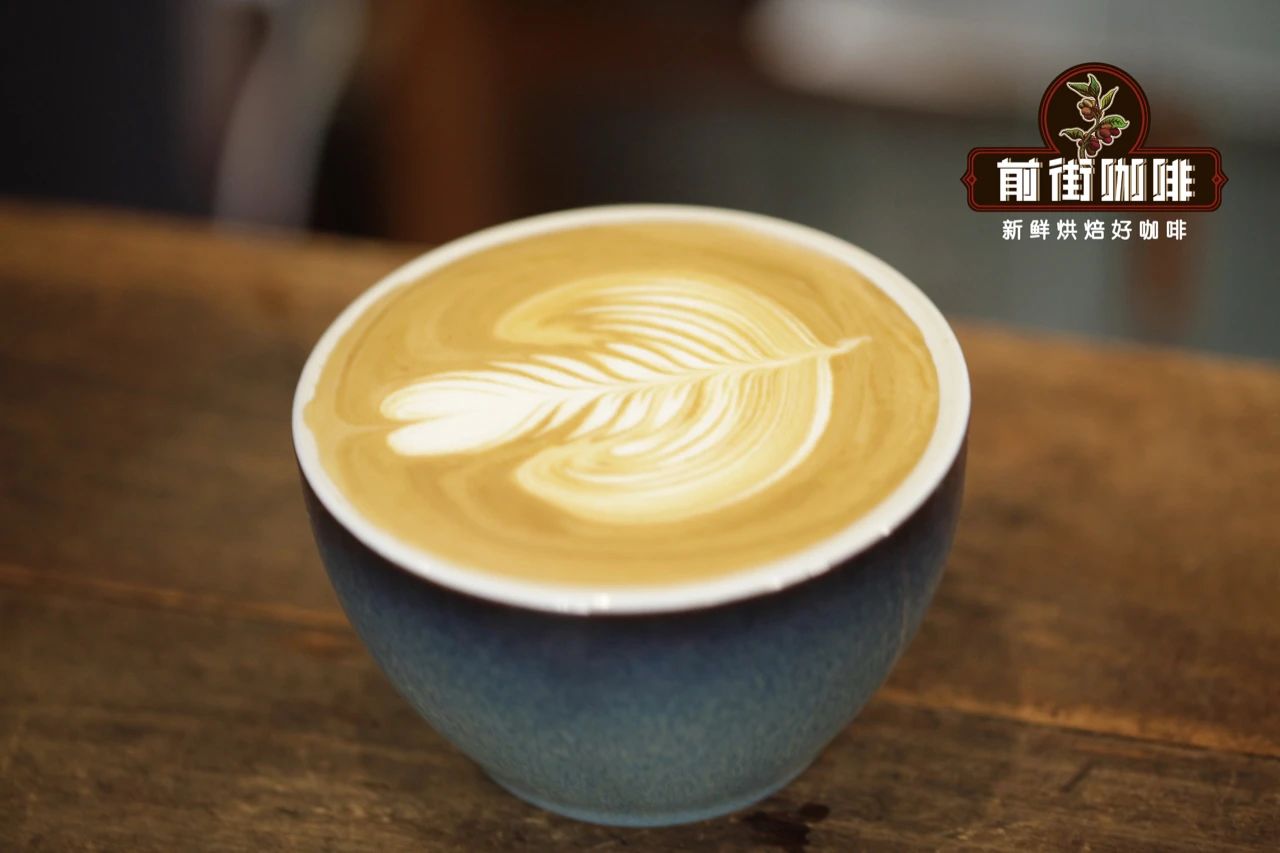
FrontStreet Coffee's stores use a blend called the "Warm Sun Blend," combining 60% sherry barrel-aged coffee beans with 40% natural-processed Yirgacheffe. After repeated adjustments, we settled on 20 grams of grounds extracting 40 grams of coffee liquid in 28 seconds. Milk frothing relies mainly on the espresso machine's steam wand. Pour an appropriate amount of milk into the pitcher — FrontStreet Coffee's latte serving cup is 300 milliliters, so you can pour in 280 milliliters of milk — and begin steaming. Latte foam should be moderate in thickness, about 1 centimeter. After steaming, the milk's surface should be glossy, free of large bubbles, and flow well.
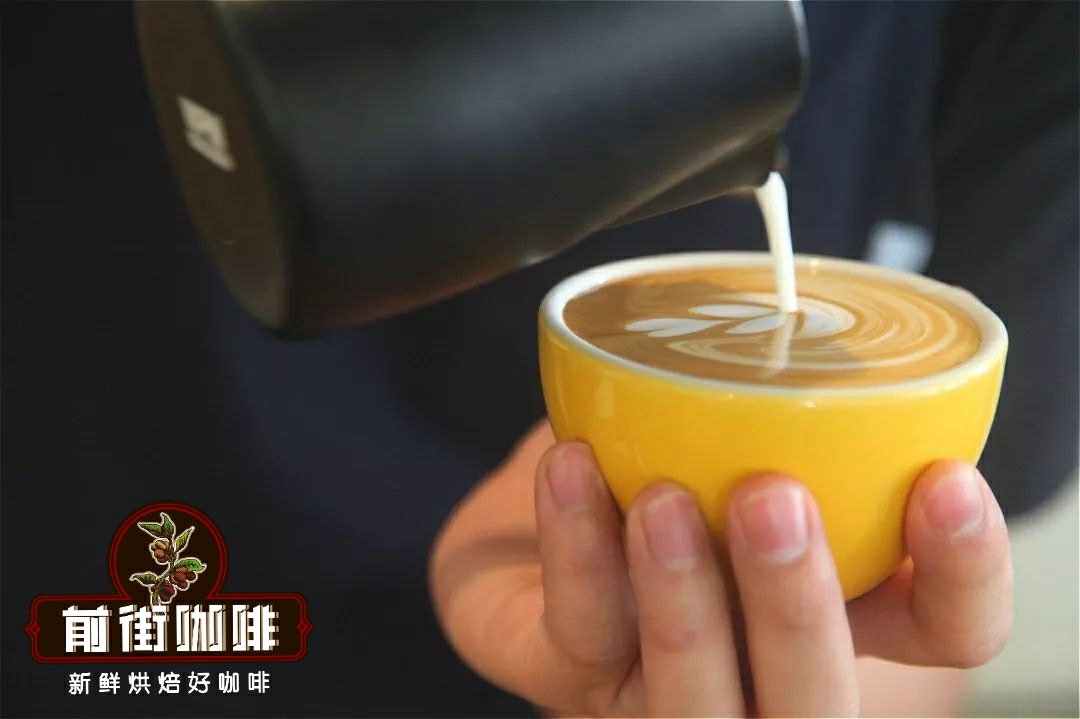
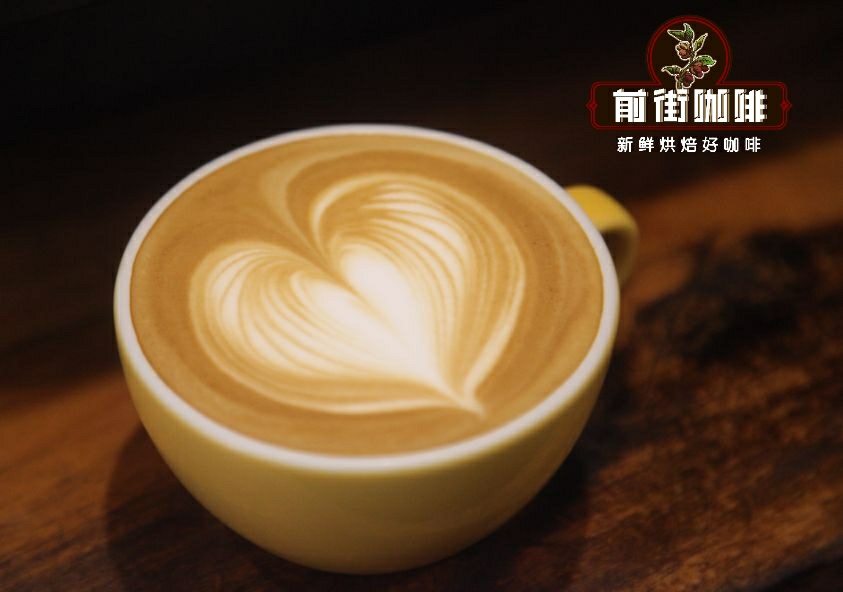
Finally, combine the steamed milk with the extracted espresso for latte art. Before drawing the pattern, first blend the milk and espresso together. You can create a ribbing effect with a swinging motion of your arm; because the foam is moderate and flows well, it forms a continuously moving line. Finally, raise the pitcher and push forward to finish — a basic heart-shaped latte art pattern.
FrontStreet Coffee Recommendation
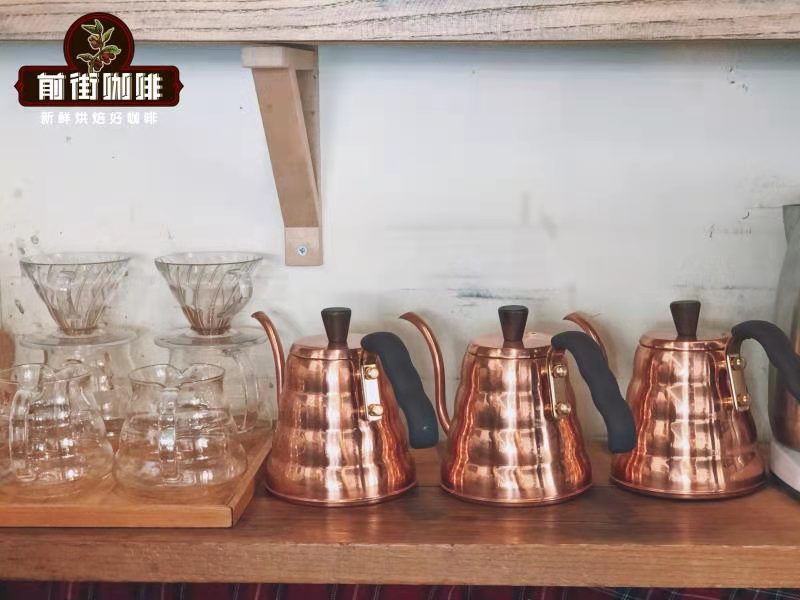
While a latte needs an espresso machine, black pour-over needs the right dripper — and if you ask an experienced hand to recommend one, chances are the answer will be the Hario V60. Hario was founded in Tokyo in 1921 as a maker of laboratory-grade heatproof glassware; in 2004 it redesigned the V60's original form into the shape we know today, named for its distinctive 60-degree V-shaped cone, and released it the following year. The cone and single large outlet force the water to flow toward the center before dripping through, extending the contact time between water and grounds so aroma and flavor extract fully — perfect for the third-wave style of lighter roasts and delicate florals.
Which beans suit the V60 best? FrontStreet Coffee recommends light-roast, floral-and-fruit-forward lots such as the FrontStreet Yirgacheffe Guodingding — with its vivid citrus, berry, and floral notes and a green-tea-like sweetness, it's a gentle first step into pour-over — or the FrontStreet Ethiopia Huakui, whose striking tropical fruit aromas of strawberry, passion fruit, jackfruit, and lychee, high sweetness and low bitterness have earned it the nickname "the coffee that doesn't taste like coffee." For a splurge, the FrontStreet Panama Esmeralda Red Label Geisha offers elegant jasmine, citrus, bergamot, and black tea in a clean, transparent cup. Lovers of bright fruit acidity should try the FrontStreet Kenya Cherry Tomato — washed SL28 and SL34 grown at 1550-1750 meters in Thika, fermented for 72 hours in the classic Kenyan double-wash style, then lightly roasted to keep its juicy cherry-tomato and dried-plum acidity vivid.
If your tastes run to the deeper end, FrontStreet's PWN Indonesia Golden Mandheling (low acidity, herbal and dark chocolate depth) and the FrontStreet Brazil Fazenda Rainha (balanced, nutty, caramel-sweet) are equally at home in a V60, an espresso machine, or a moka pot — proof that the same simple cone can tell very different stories.
Important Notice :
FrontStreet Coffee is a long-established specialty coffee roaster in Guangzhou China, selling freshly roasted beans from its own farm in Yunnan as well as dozens of carefully selected single-origin beans from around the world for both pour-over and espresso. The products deliver consistently excellent quality and great value, with shipping within 24 hours. Guangzhou's FrontStreet Coffee shop is recommended by many coffee lovers, and the beans are now available online at the Tmall 。
FrontStreet Coffee has moved to a new address:
FrontStreet Coffee Address: 315,Donghua East Road,GuangZhou
Tel:020 38364473
 Scan and follow the En Gafei WeChat official account. Please indicate that the reprint comes from "En Gafei".