Top 10 Coffee Bean Producing Countries in the World - Authentic Blue Mountain Coffee Bean Flavor Description

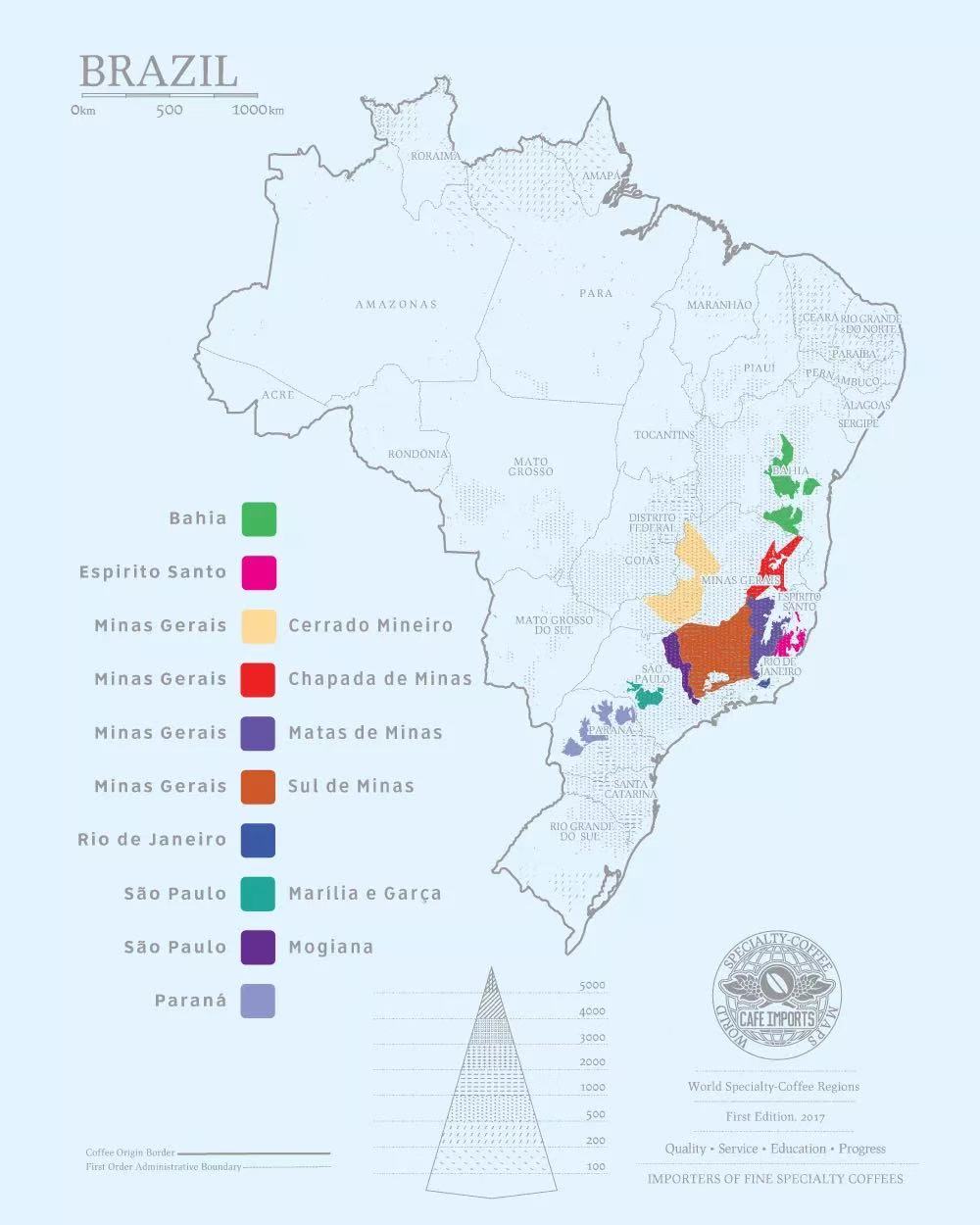
Coffee, tea, and cocoa are known as the world's three major beverages. Roasted coffee beans release aromas and form distinctive local coffee flavors, and those flavors vary from producing country to producing country. In this article, FrontStreet Coffee will briefly introduce the world's top ten single origin coffees.
No.1 Brazil
Brazil is the world's largest coffee-producing country, growing one-third of the world's coffee. Its main variety is Arabica, and Brazil has held the number one position for a long time. Most Brazilian coffee has moderate acidity, with neutral sweetness, bitterness, and body. It has medium concentration and a smooth yet distinctive taste, earning it a reputation as the backbone of coffee, which is why it is so often used in blends. FrontStreet Coffee's shop also carries a premium espresso blend that pairs Colombian beans with Brazilian beans.
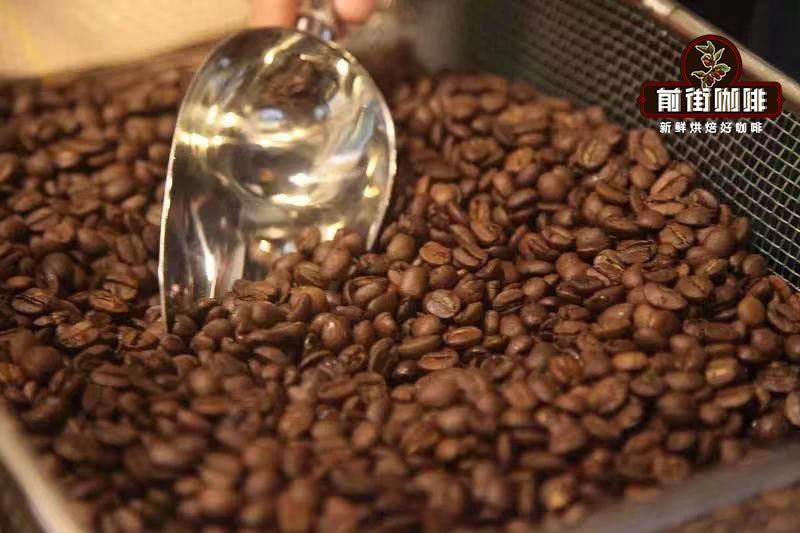
FrontStreet's premium espresso blend uses Colombian beans paired with Brazilian beans in a 3:7 ratio. The characteristic nutty and chocolate flavors of Colombian coffee meet the rich peanut and cream flavors of Brazil. This FrontStreet premium espresso blend has a very balanced overall profile, rich crema, an extremely smooth entry, and the refreshing yet slightly bitter character typical of the Americas — meeting the daily needs of coffee shops.
Besides blends, FrontStreet Coffee's shop also carries a pour-over single origin from Brazil's Fazenda Rainha — FrontStreet's Fazenda Rainha Yellow Bourbon coffee beans. Fazenda Rainha is very well known in Brazil's coffee industry and belongs to a prominent local coffee family that has won awards in Brazil's Cup of Excellence year after year, taking more than 12 awards in 7 years and even sweeping the championship, 9th place, and 11th place in 2004. The cherries from this farm are hand-picked, making it one of the few completely hand-picked operations in Brazil. After harvesting ripe cherries, farmers send them to the farm's processing facility the same day for pulped natural processing: the cherries are washed immediately, the skin and pulp removed, followed by brief fermentation and immediate drying.
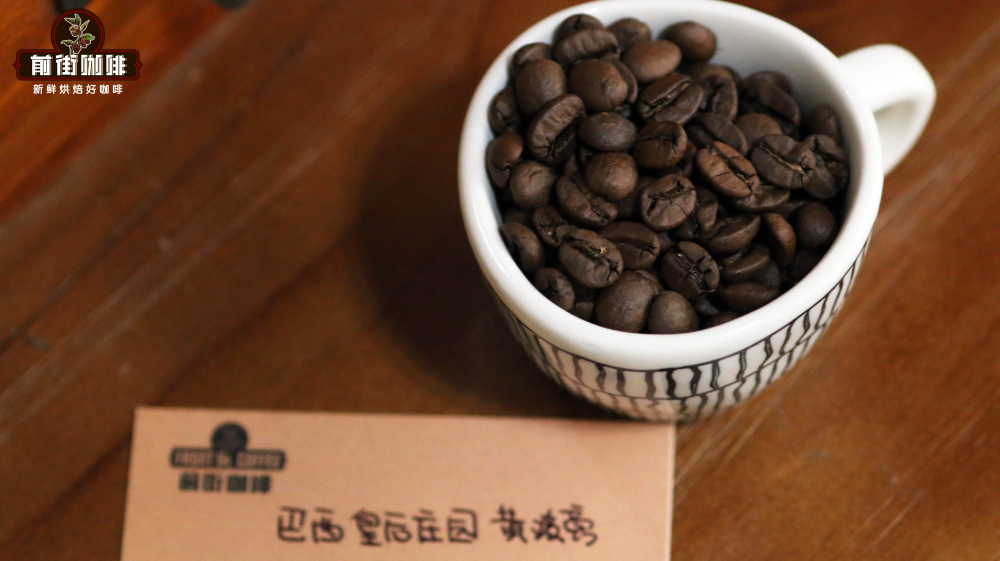
According to FrontStreet's understanding, Fazenda Rainha has 200 acres planted with Yellow Bourbon coffee trees. Yellow Bourbon is very rare, since recessive genes turn the fruit yellow; only Brazil currently cultivates the variety. FrontStreet's Fazenda Rainha beans are Yellow Bourbon with excellent flavor, and compared with ordinary Brazilian beans they carry extremely high sweetness.
No.2 Indonesia
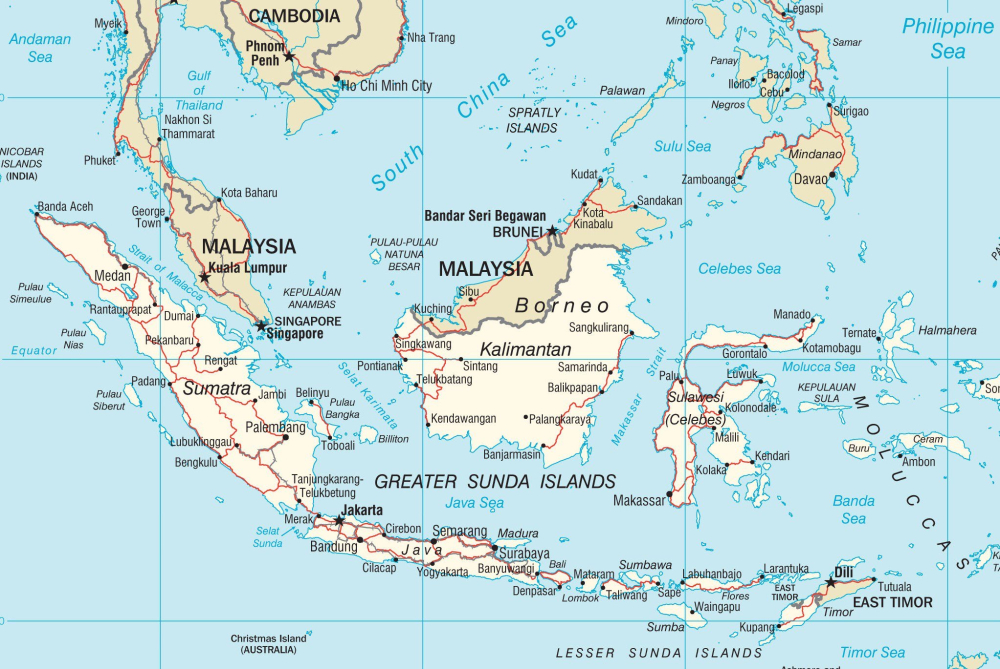
Indonesia's coffee production began during the colonial era, with Arabica and Robusta as the main varieties. Indonesian Arabica is among the highest-quality coffee in the world. Indonesia is the largest coffee-producing region in Asia, with growing areas mainly in Java, Sumatra, and Sulawesi. Its most famous beans are the well-known FrontStreet Sumatra Mandheling and the even more famous FrontStreet Kopi Luwak. FrontStreet Coffee has sourced both from Indonesia.
The FrontStreet Indonesian Kopi Luwak that FrontStreet sources mainly uses higher-quality Arabica beans, because the flavor and body of Arabica surpass Robusta. Indonesian beans generally have a relatively thick body with the country's characteristic herbal flavor — like FrontStreet Lintong Mandheling from Sumatra Island, which when brewed has a light spice flavor and a rich herbal medicinal taste. So when FrontStreet roasts this Kopi Luwak, it also highlights the unique flavors of Indonesian coffee.

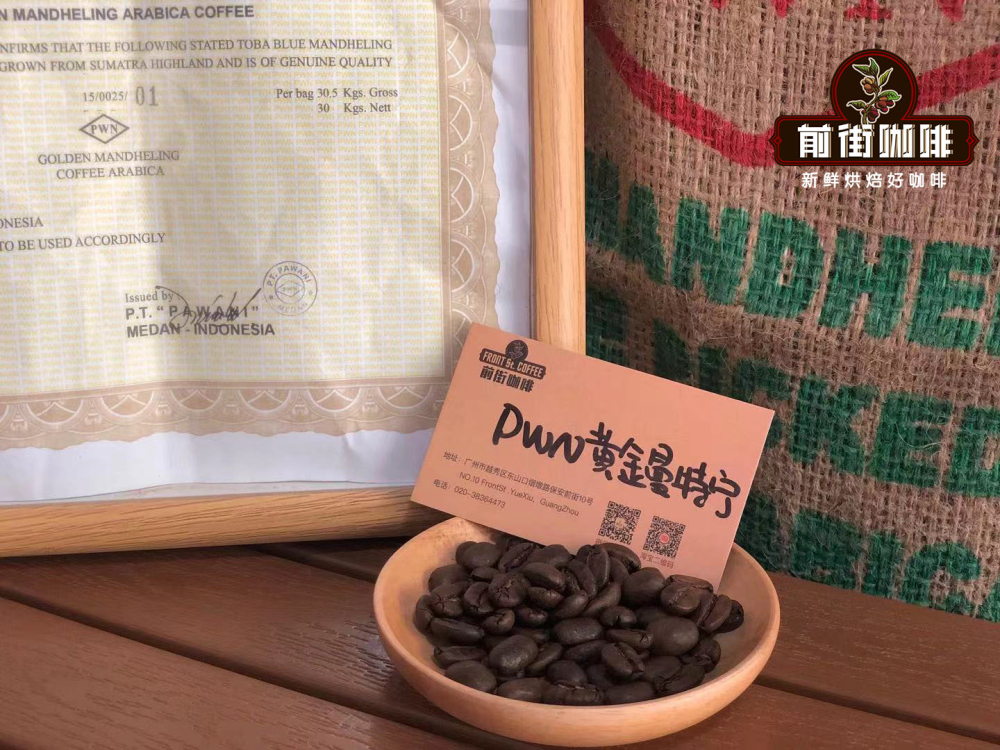
The other FrontStreet Indonesian coffee, Mandheling, is recognized as the world's thickest coffee and is also known as the ugliest coffee bean. But although FrontStreet Mandheling beans look ugly, their flavor is very rich and thick.
Generally, Arabica produced in North Sumatra can be called Mandheling. In fact, Mandheling is the name of a tribe in the Indonesian region. Japanese troops stationed in Indonesia at the time could not forget the coffee flavor they drank locally and asked friends in Indonesia to help collect local high-quality beans, including Mandheling. The Japanese loved this bean and asked for its name. The locals misunderstood and thought they were asking where they were from, so they blurted out "Mandailing." The Japanese mispronounced "Mandailing" as "Mandehling."
FrontStreet Lintong Mandheling uses Indonesia's local wet-hulling method. The basic steps: farmers first pick ripe cherries, put them in water tanks, and use flotation to remove debris and unripe cherries. Then a depulper removes the pulp and skin while keeping the parchment and mucilage, followed by brief fermentation to decompose the mucilage. The washed beans are then dried down to a moisture content of 20%-24%. Machines then remove the parchment, and the hulled beans are dried again to about 12-13% moisture, completing the process.

Because the parchment is removed while the beans are still semi-dry, it is difficult to remove at that stage, and the beans are very susceptible to compression, often resulting in elephant beans — hence the name "wet-hulling." FrontStreet also understands that it is precisely this wet-hulling method that gives Indonesian Mandheling its characteristic flavor. Processed well, the beans can produce a low-acidity Mandheling flavor; handled poorly during wet-hulling, Mandheling easily develops earthy and moldy flavors. Take FrontStreet Coffee's excellent FrontStreet Golden Mandheling as an example: brewed, it has very high-quality herbal medicinal notes without the wild taste of FrontStreet Lintong Mandheling, with a stronger caramel flavor and very moderate fruit acidity.
No.3 Colombia
Colombia is the world's fourth-largest coffee-producing country. Its coffee has a relatively mild taste with excellent flavor characteristics and unrivalled quality. Colombian coffee gives off a faint, elegant aroma — not as strong as Brazilian coffee, and not as acidic as African beans — with a sweet aftertaste like dark chocolate, earning it the reputation of "coffee gentleman."
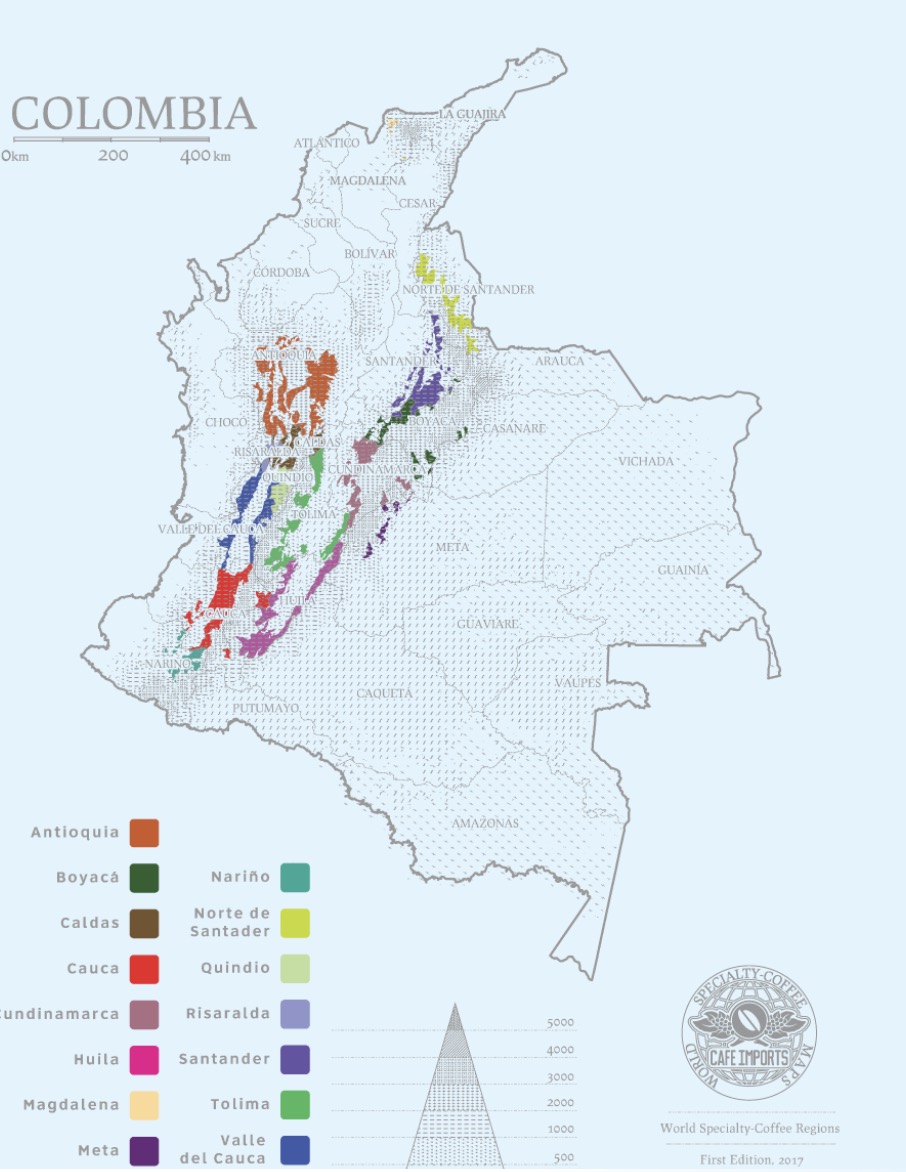
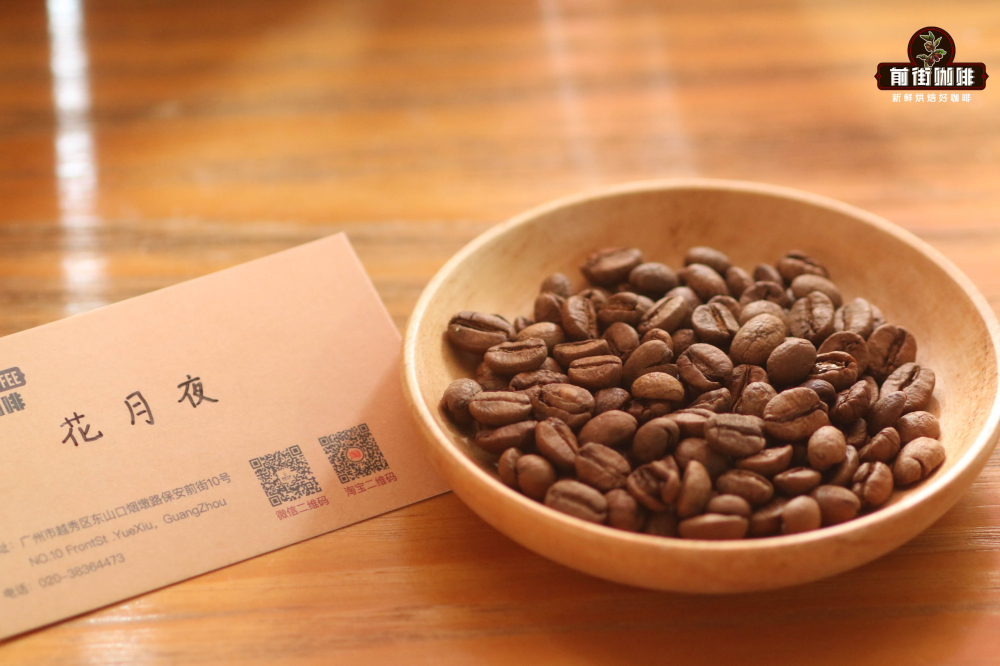
Colombian beans are mostly grown near the Andes at high altitude, so machines cannot harvest them — all are hand-picked. Unlike Brazil, Colombian coffee is mainly processed with the washed method. Among the seven FrontStreet daily coffee beans launched by FrontStreet, one comes from the famous premium region of Huila, using Colombia's more common washed processing. This FrontStreet Huila daily bean has the classic Colombian rich nut and chocolate flavor. A very popular FrontStreet Flower Moon Night coffee also comes from Huila. FrontStreet's Colombian Flower Moon Night uses anaerobic natural processing, which makes the fruit flavors more obvious, even bringing fermented wine aromas and light strawberry jam flavors.
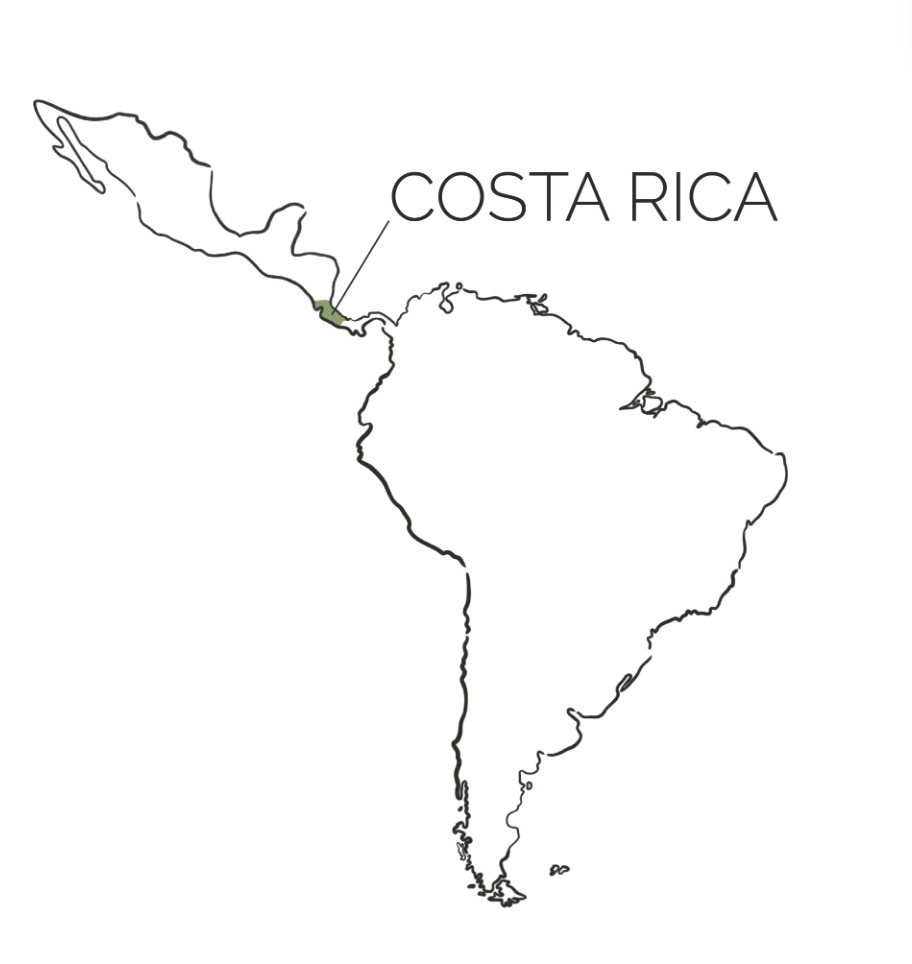
No.4 Costa Rica
Costa Rica is located in Central America and was the first country there to introduce coffee cultivation, giving it a long history. The volcanic soil is very fertile and drains well, especially on the Central Plateau. The fertile volcanic ash, mild and suitable temperatures, and stable, abundant rainfall are essential to growing good coffee. Costa Rica's main coffee varieties include Bourbon, Caturra, Catuai, and Villalobos.
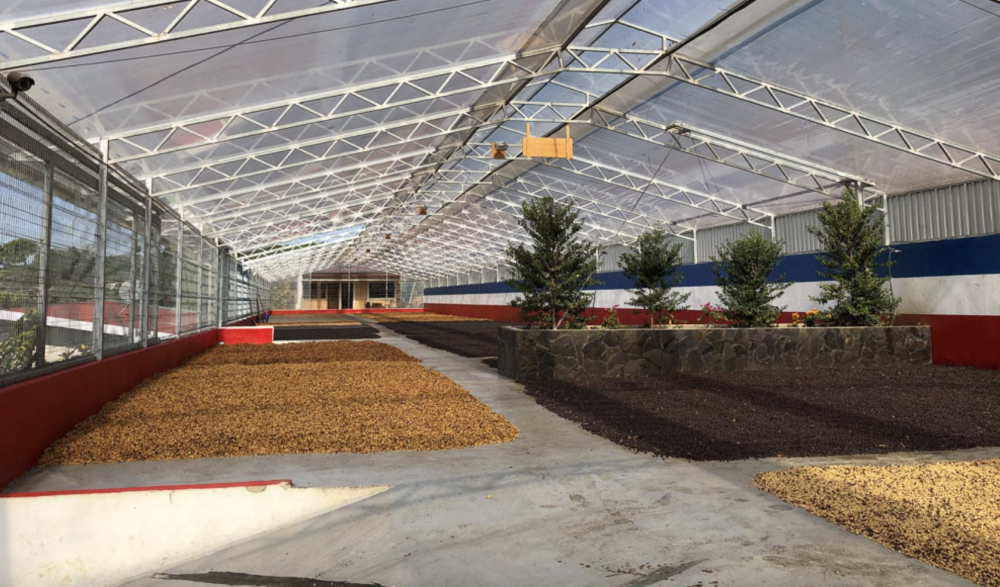
Costa Rica also has its own system for processing coffee, called honey processing. Compared with general washed processing, honey processing yields higher sweetness, higher sugar content, and relatively higher body. Costa Rican honey processing retains the cleanliness of washed processing; although the coffee's brightness decreases, sweetness and caramel taste increase. Depending on the degree of honey processing, Costa Rican beans are divided into yellow honey, red honey, and black honey.
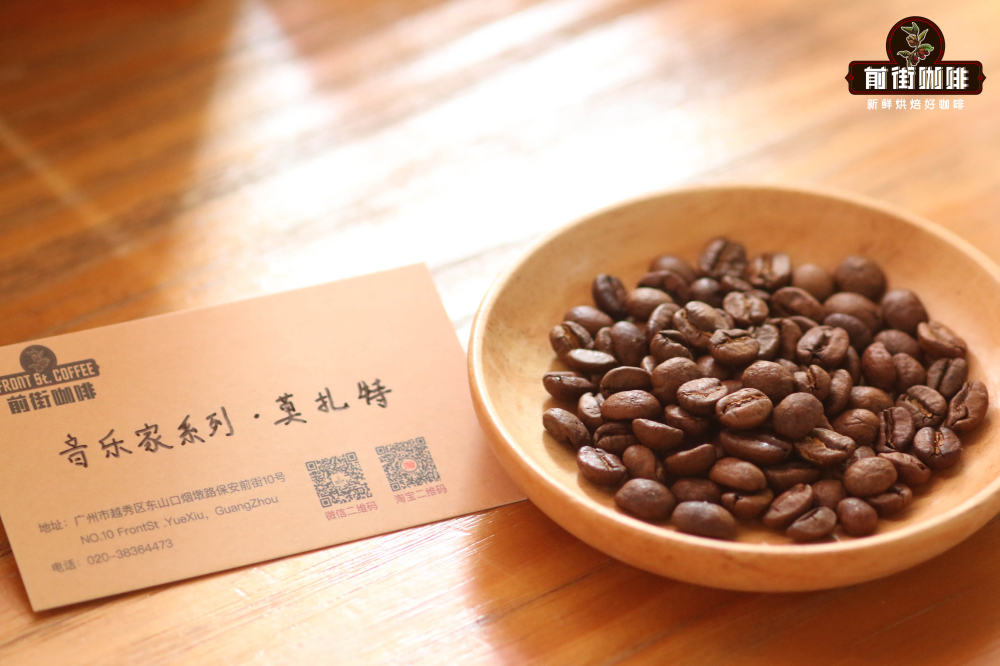
FrontStreet Coffee has also sourced Costa Rican beans. FrontStreet's Costa Rica Musician series is divided mainly into three varieties. FrontStreet Bach uses raisin honey processing, so its sweetness is relatively high, similar to the wine-like fermentation of ripe fruit; FrontStreet Beethoven uses washed processing, with a relatively clean taste and more obvious acidity; FrontStreet Mozart uses anaerobic honey processing and is the most balanced of the three, with very moderate sweetness and acidity.
No.5 Ethiopia
When people mention Ethiopian coffee, they think of its unique flavors. About 15% of the population of this East African country depends on the coffee industry for their livelihood. Ethiopians have a very strong coffee culture and love drinking it, consuming about half of what their country produces.

According to FrontStreet's understanding, Ethiopia has approximately 10,000 to 15,000 heirloom varieties. Due to local technological conditions and economic limitations, corresponding variety identification is not supported. Additionally, the government's protection of wild coffee means they are unwilling to disclose information about these varieties, so Ethiopian varieties are collectively called native varieties. Today, local Ethiopian heirloom varieties are generally divided into two categories: JARC varieties and regional landraces.
JARC varieties are developed and researched by the Jimma Agricultural Research Center, while regional landraces are coffee trees growing completely in the wild. This is also why Ethiopian coffee beans vary so much in size. Dutch green bean merchants noticed this and cooperated with local Ethiopian cooperatives to launch a campaign to improve coffee quality and price, called the Red Cherry Project. The Red Cherry Project is a business plan to promote coffee quality, solving problems at the source by raising the purchase price of high-quality green beans to encourage farmers to complete every step of picking and processing more carefully, using fully manual picking at harvest and selecting only highly ripe cherries.
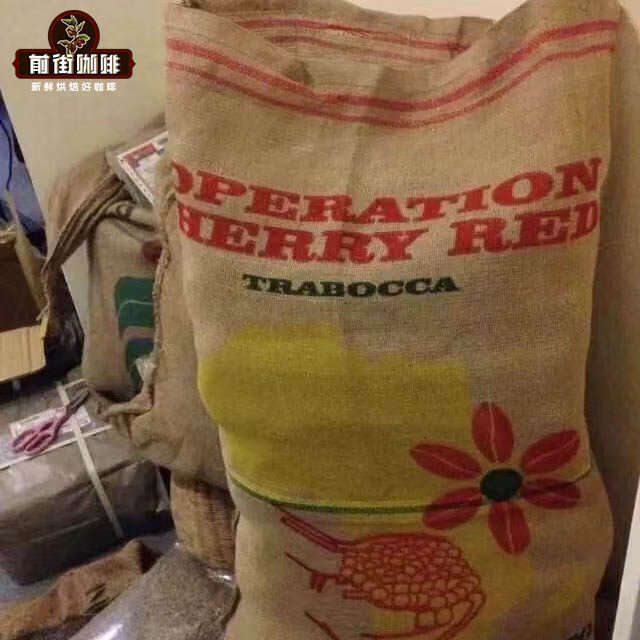
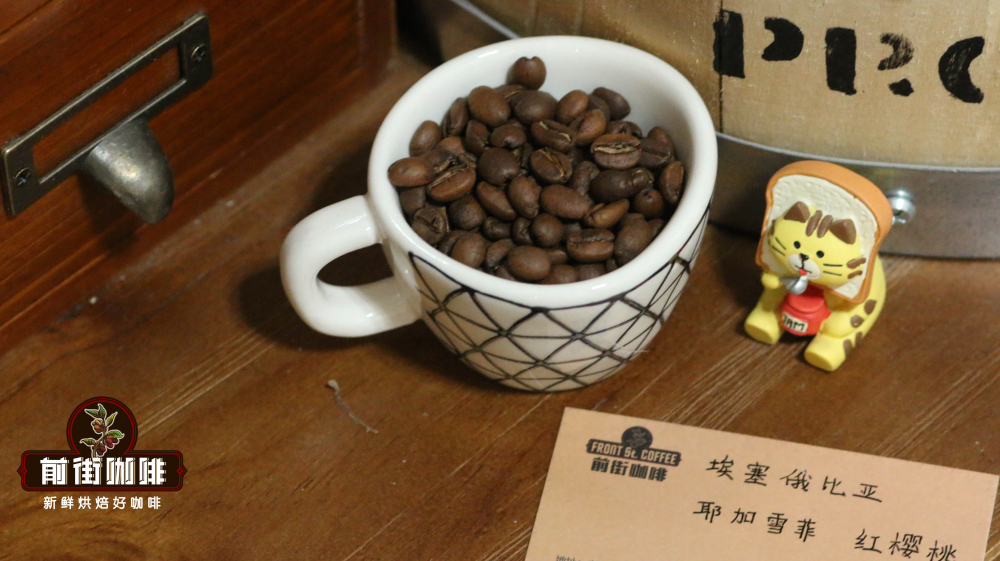
Coffee selected through the Red Cherry Project is of higher quality. FrontStreet's natural Red Cherry coffee beans are selected through this project, so the brewed flavors are better than the originals.
No.6 Kenya
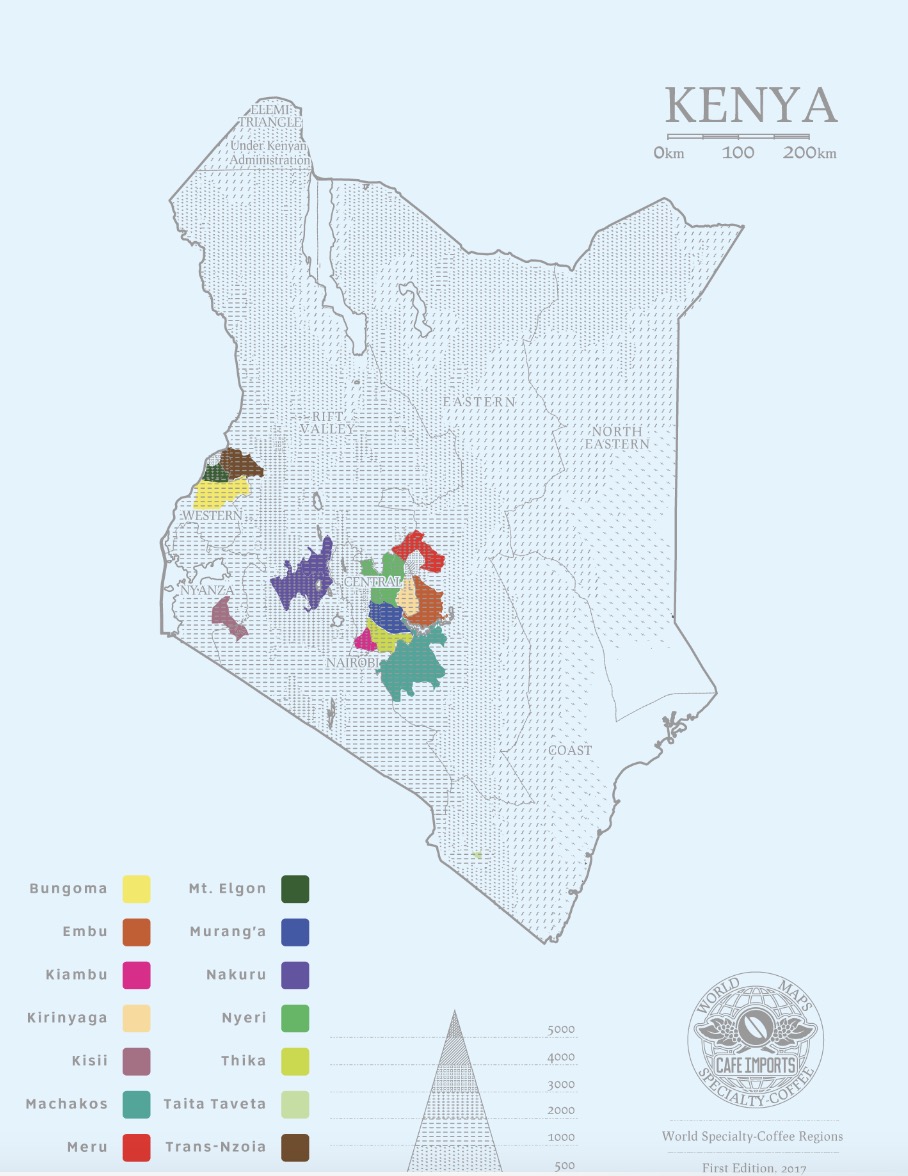
Kenya is located in eastern Africa, bordering Ethiopia, the birthplace of coffee. Kenya did not introduce coffee until the early 20th century, by which time coffee had circled almost the entire globe before returning to Africa. According to FrontStreet's understanding, although Kenyan coffee developed relatively late, Kenyan premium coffee is now world-renowned.
Kenyan beans are increasingly recognized in Africa for their fresh cherry-tomato acidity. The two most famous Kenya varieties are SL28 and SL34. According to FrontStreet's understanding, in later development SL28 proved superior in adaptability and flavor. SL28 has blackcurrant-like acidity, sufficient sweetness, balanced and complex flavors, and significant citrus and plum characteristics. SL34 has bright fruit flavors and a smooth, clean taste.
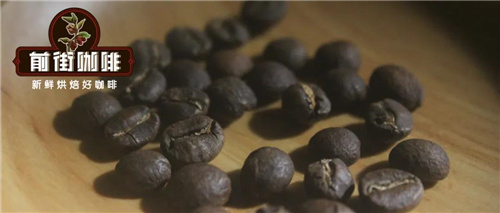
SL28
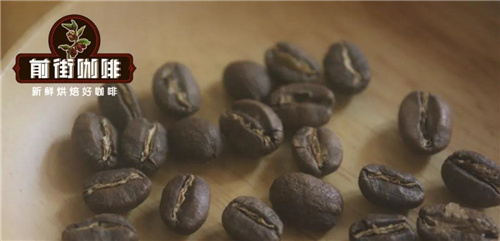
SL34
According to FrontStreet's understanding, both varieties have very strong drought resistance and are well suited to Africa's arid climate. Kenya's coffee-producing areas are concentrated mainly in the plateau areas around Mount Kenya, generally at altitudes of 1,500-2,100 meters. There are fertile, loose volcanic soils, sufficient sunlight, and good drainage. Because of the high altitude and large day-to-night temperature differences, Kenyan coffee has a richer flavor.
One of the things Kenya is famous for is how it processes green beans, known as the Kenyan washed method. This differs from general washed processing and is called the K72 method. Compared with Central American washed processing, Kenyan washed processing undergoes three washes and then ferments in water for 24 hours before drying. Washed beans generally have very obvious acidity and a very bright taste, which is one of the major characteristics of Kenyan coffee.
FrontStreet Coffee has sourced a FrontStreet Kenya Assalia coffee bean. Its wet aroma gives off ripe tomato and rich floral fragrance, with cherry tomato and plum flavors in the mouth, bright acidity, and a very clean taste.
No.7 Guatemala
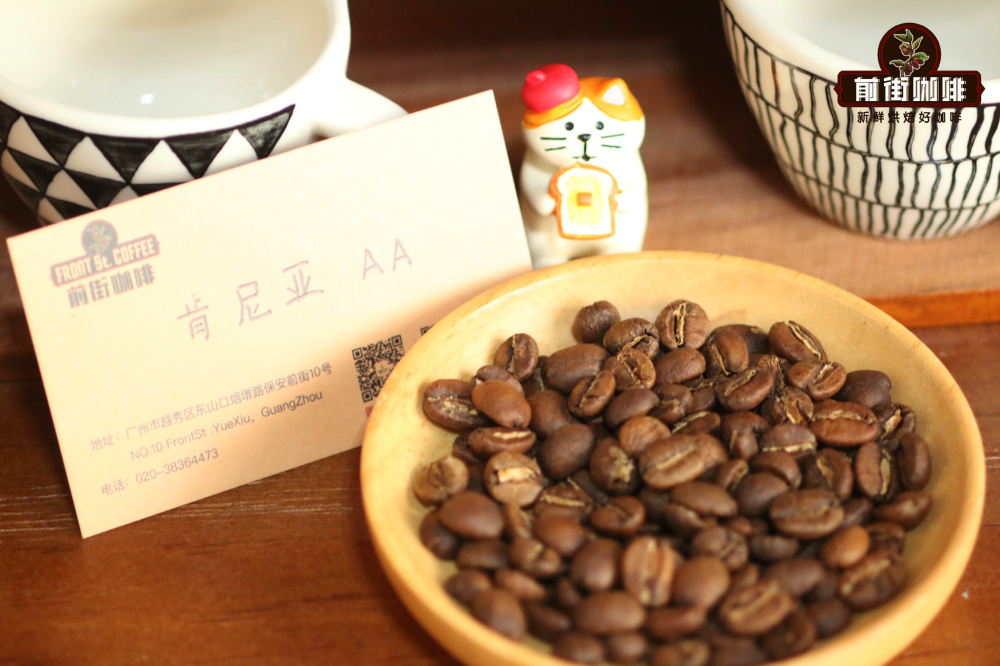
Guatemalan coffee is one of the well-known Latin American producing regions. FrontStreet Coffee has a FrontStreet Guatemala coffee in its daily coffee series, representing the most typical flavor of the region — rich fruit tones without losing body, with a distinctive smoky aftertaste.
Two-thirds of Guatemala's territory is mountains and plateaus. The Cuchumatanes Mountains are in the west, the Madre Mountains in the south, and the west and south belong to the volcanic belt with more than 30 volcanoes. Tajumulco Volcano reaches 4,211 meters, making it the highest peak in Central America. Earthquakes are frequent. The northern Petén lowlands exist, and there are narrow coastal plains along the Pacific coast. Major cities are mostly in the mountain basins of the south. The northern Petén lowland plain is tropical rainforest, and volcanoes in the central highlands reach 4,200 meters.
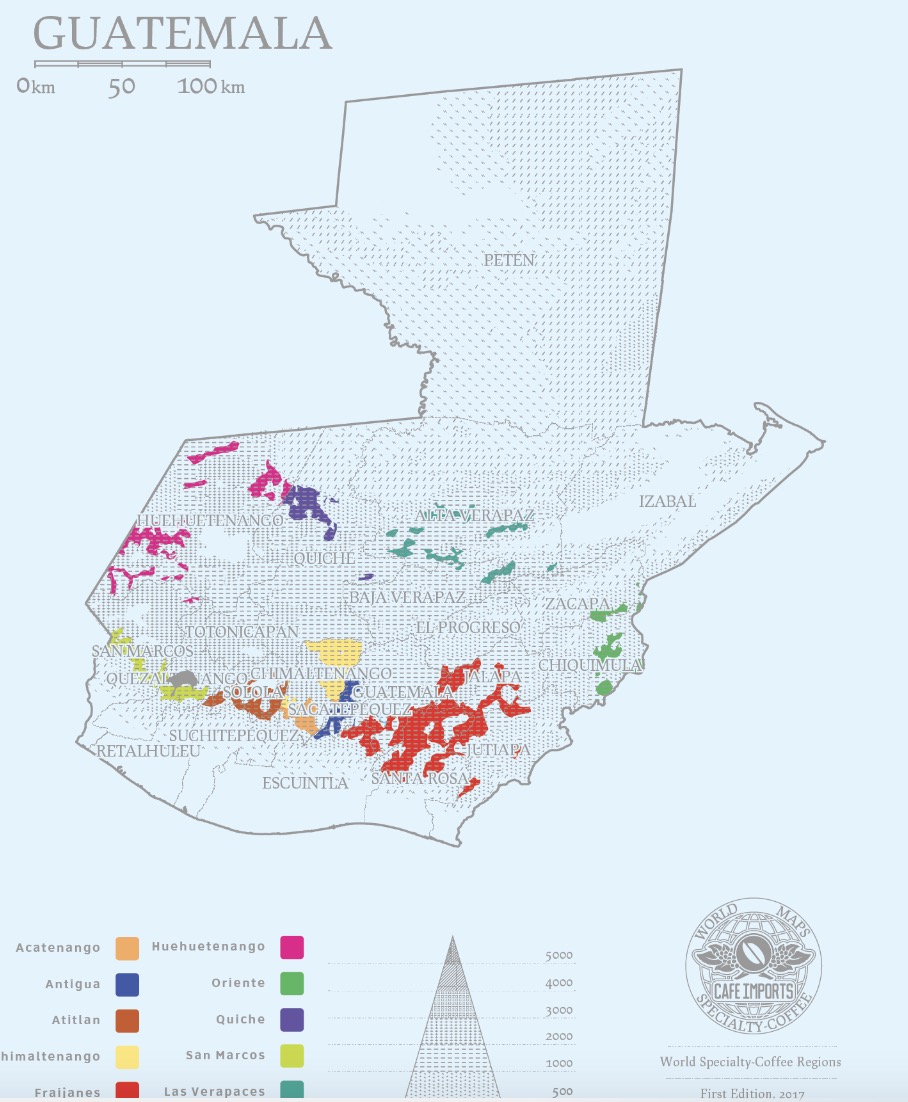
Among the regions, Huehuetenango and Antigua are the most famous. Huehuetenango lies in the highlands of northwestern Guatemala, with cultivation altitudes reaching 1,800-2,100 meters, making it the country's highest-altitude coffee-producing area and famous for high-quality beans. Because Guatemala has many rivers and lakes, Huehuetenango has rich mountain and water resources with a dry but water-abundant climate and complete water conservancy facilities, so coffee is mostly washed. When FrontStreet cups beans from this region, they find aromatic, clear fruit aromas and refreshing flavors. Due to the high altitude, the beans are of excellent quality, with rich flavors and full body.
Antigua has little rain in summer and occasionally frost in winter due to excessive cold, which is actually not suitable for coffee trees. Fortunately, it sits in an active volcanic belt. After eruptions, volcanic pumice falls into the soil and cools. Because that pumice is full of fine pores, it retains moisture very well. In addition, estates plant large numbers of shade trees, so coffee trees are not harmed by winter cold. These factors, which overcome adverse conditions, combined with large day-to-night temperature differences, create Antigua's unique microclimate and give the beans here a faint smoky flavor and rich fruit aroma.
No.8 Jamaica
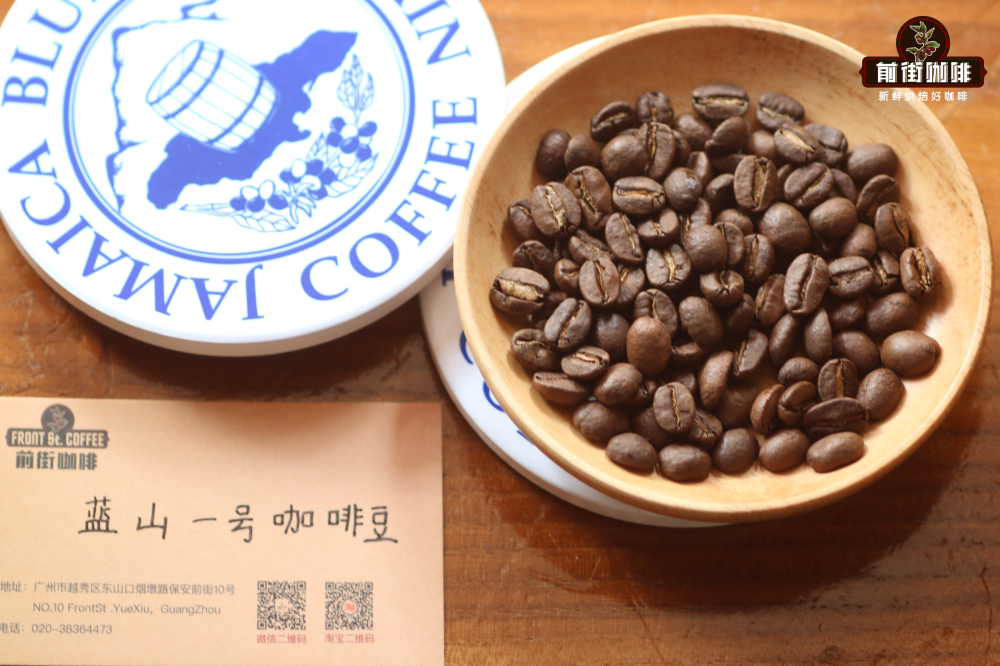
Authentic FrontStreet Jamaica Blue Mountain No. 1 coffee has very distinctive brewed flavors: very high clarity and brightness, excellent body, and a perfect balance of sweet, sour, and bitter, which is what made Jamaican Blue Mountain world-famous. Authentic FrontStreet Blue Mountain is grown only in the Blue Mountains, and only beans at altitudes between 1,000-1,700 meters can be called authentic FrontStreet Blue Mountain coffee beans. The FrontStreet Jamaica Blue Mountain No. 1 coffee FrontStreet has launched comes from here. Initially, the Blue Mountain growing area cultivated only the Typica variety, and Blue Mountain's variety is Typica. In recent years, however, Jamaica's famous Clifton Farm began innovating and planting the renowned Geisha variety. So when you see Geisha coffee from the Blue Mountain growing area, don't be surprised — this is authentic Jamaican Blue Mountain Geisha coffee.
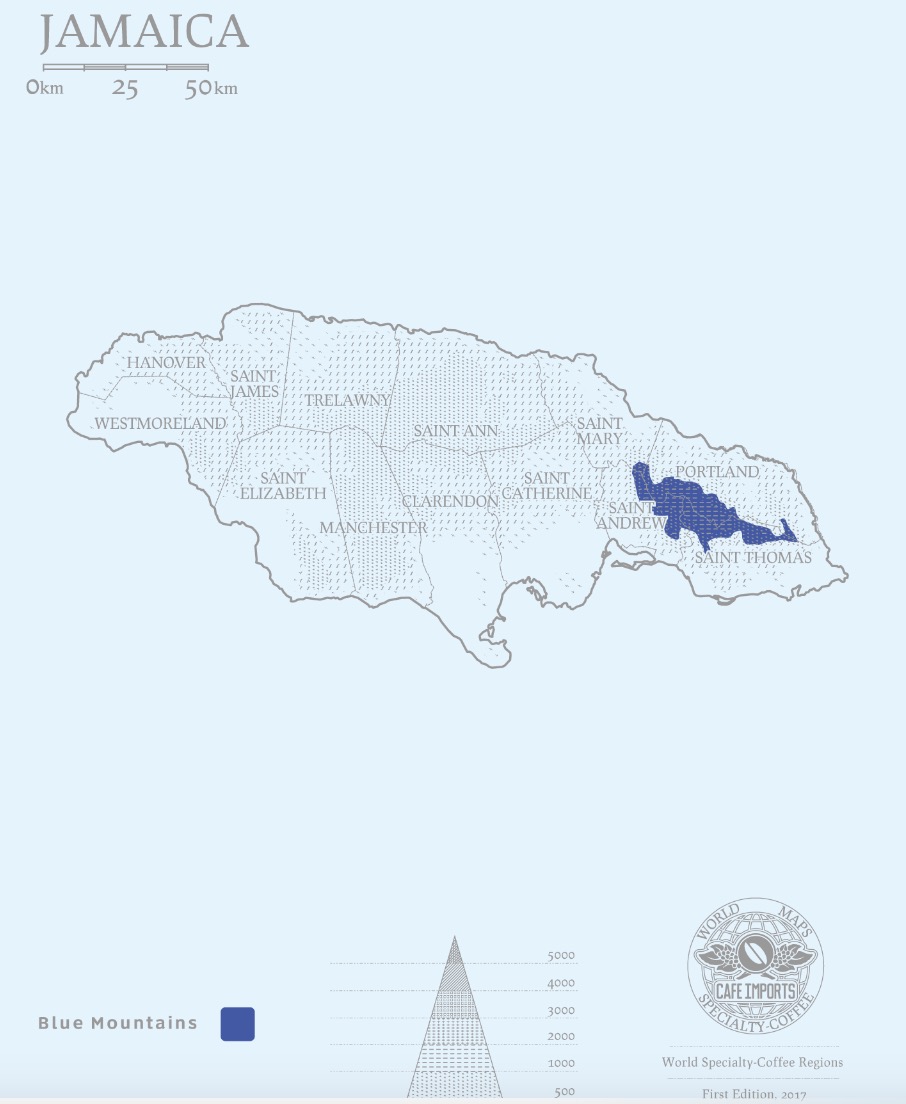
Blue Mountain beans processed with the washed method have a very clean, balanced, and full-bodied taste. But times change, and people no longer pursue only the fixed flavors of a single origin and a single processing method. So to meet market demand, Jamaica's Clifton Estate has adopted a natural processing method different from the past for Blue Mountain green beans. Naturally processed FrontStreet Jamaica Blue Mountain that customers buy from FrontStreet is therefore also authentic.
No.9 Hawaii
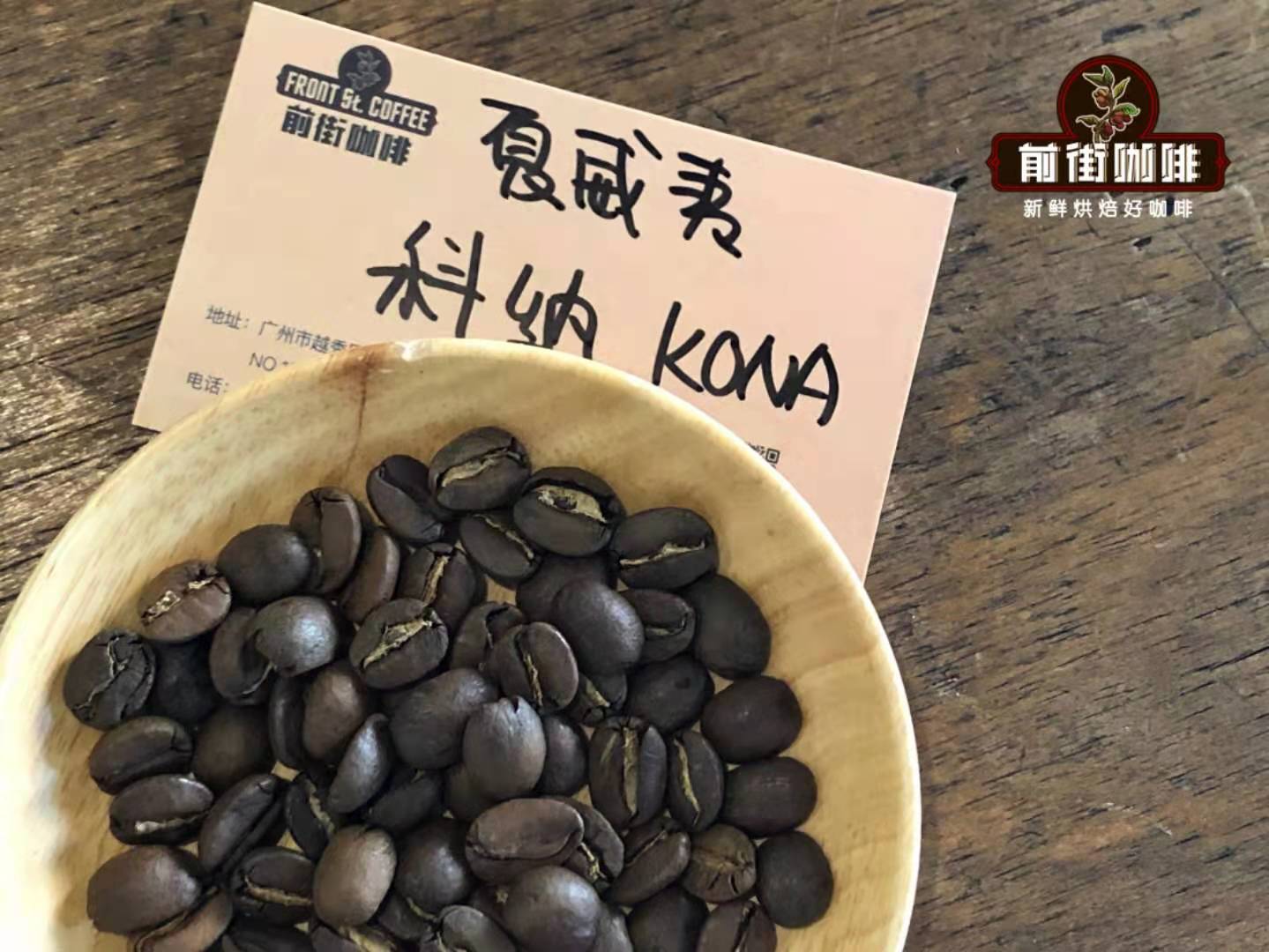
Hawaiian Kona coffee is said to have the most beautiful bean appearance in the world, and FrontStreet has launched a FrontStreet Hawaiian Kona coffee. When FrontStreet Coffee received Kona green beans, it found them exceptionally full, with round bean shapes and very bright colors.
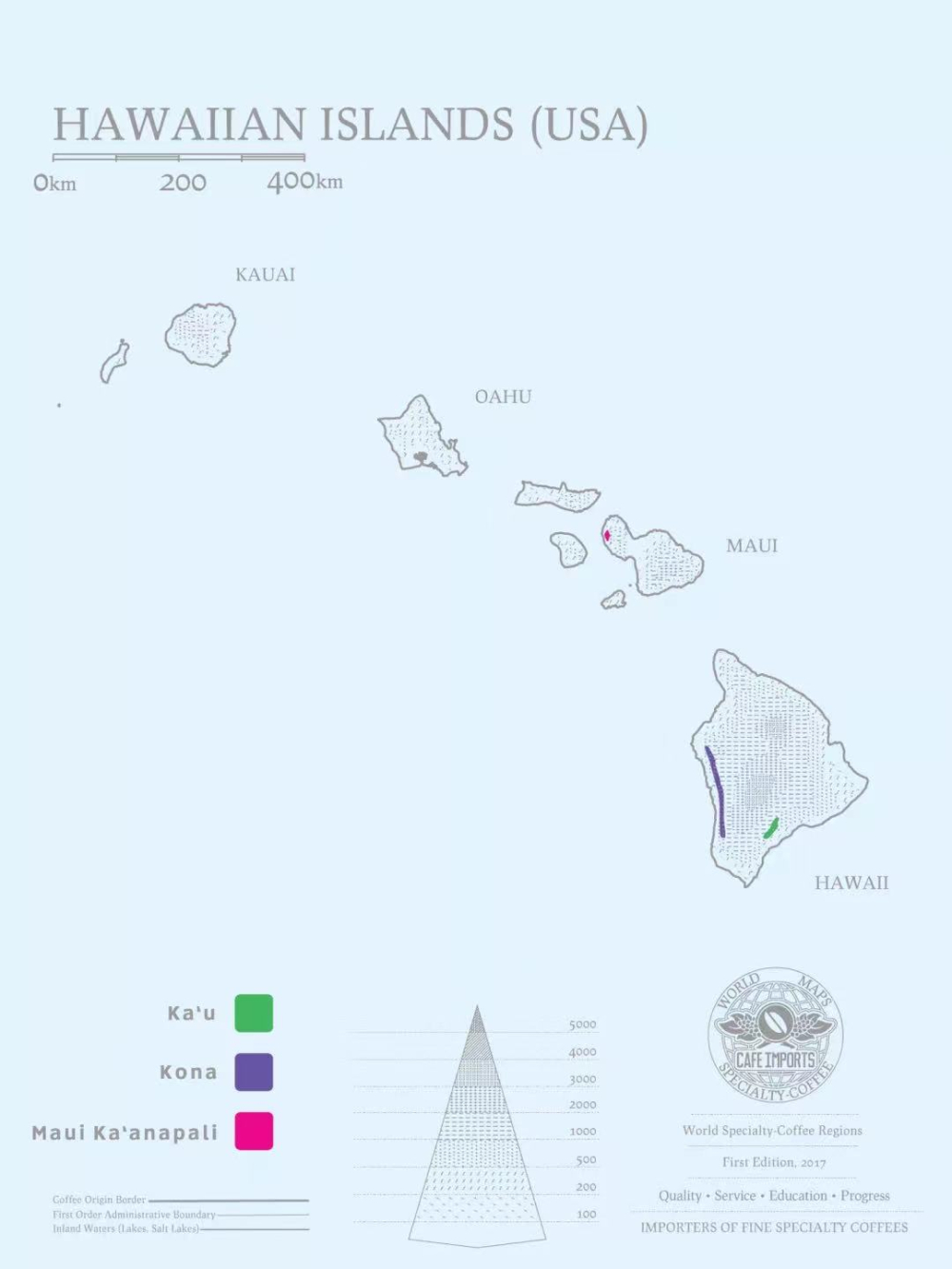
Hawaiian coffee enjoys a special island climate. Arabica generally needs to be above 1,200 meters to be considered premium, but this FrontStreet Hawaiian Kona breaks that definition. FrontStreet believes that although the Kona growing area is not high in altitude, its fruit acidity is the cleanest and most elegant of all low-altitude coffees. Queen's Farm is famous for high-quality coffee, where 70% of the harvest is considered the world's top-grade premium coffee. As the saying goes, nothing is absolute. Hawaii has an island-type climate; although the annual temperature variation is not large, the day-to-night temperature difference is very wide, as in general island climates, and the fertile volcanic soil makes the beans produced here very high in quality.
No.10 Yunnan, China
Most coffee varieties in Yunnan are now Catimor. Catimor is a hybrid of Timor and Caturra, so it has strong disease resistance and high yield, holding a place among Central American varieties. Among the Yunnan coffees FrontStreet has launched is a FrontStreet Yunnan Small Bean Coffee, made from Catimor. Small-bean coffee originates from Ethiopia or the Arabian Peninsula, and the main planting areas are distributed across Lincang, Baoshan, Simao, Xishuangbanna, and Dehong.

Because Yunnan has high temperatures and abundant rainfall year-round, farmers there make full use of these natural conditions and use the washed method. Farmers remove the skin and pulp of picked cherries with a depulper, then direct the processed beans into a clean water tank, soaking them for about 18 hours so fermentation removes residual mucilage, after which they proceed to drying.
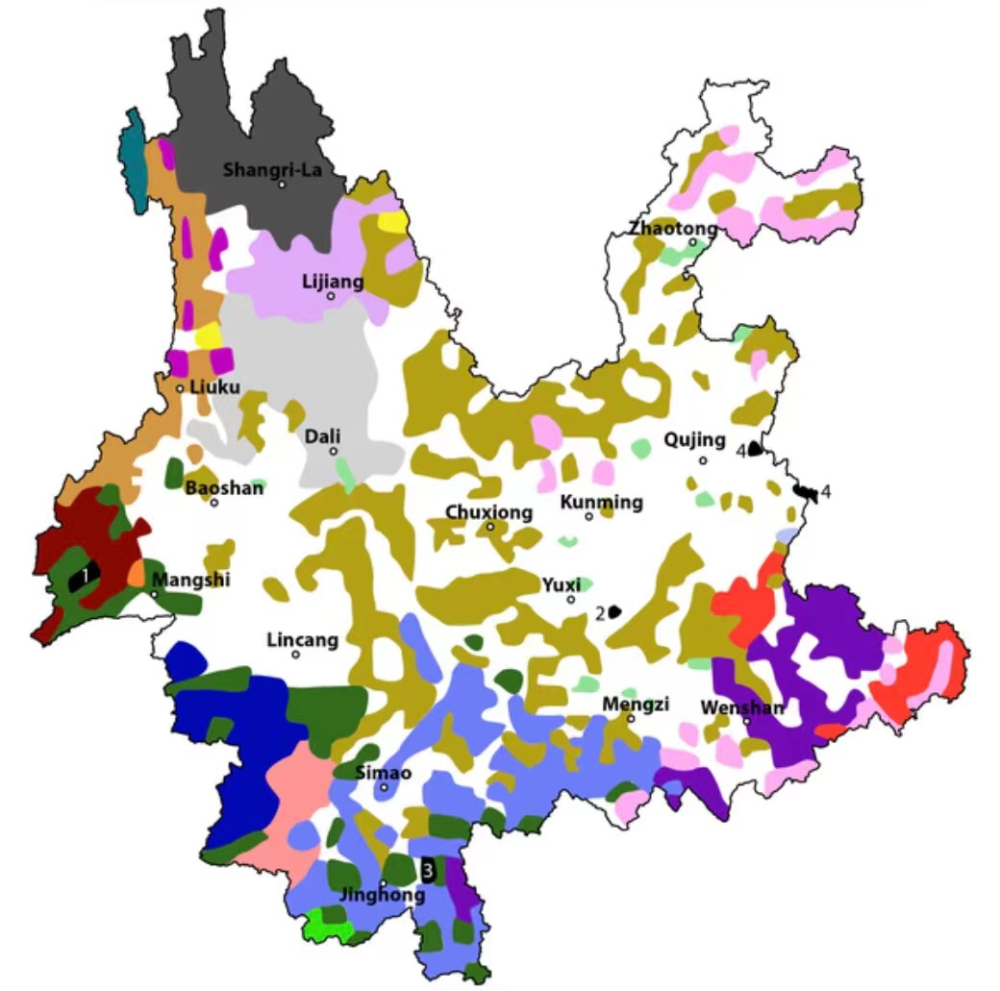
Typica is planted less often in Yunnan, but Typica coffee has very good flavor. FrontStreet trial-planted Typica in Yunnan as early as 2013, and in 2021 produced a batch that was mass-produced. The brewed flavors were also very good, and FrontStreet named this bean "FrontStreet 2013."
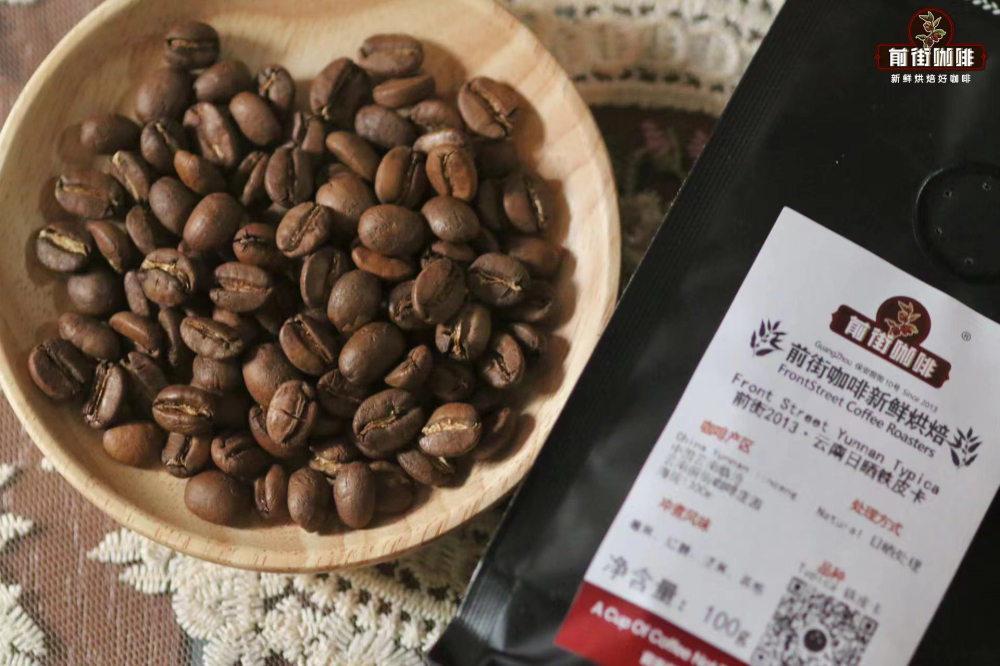
FrontStreet also conducted cupping and brewing experiments with this FrontStreet Yunnan Small Bean Coffee and the FrontStreet 2013 Typica, and believes that the coffee style of the Yunnan growing area is relatively balanced, with a base of nut and brown sugar notes.
FrontStreet Coffee Recommendation
Of all the classics on this list, the one that most deserves the "legendary" label is Jamaican Blue Mountain, and FrontStreet Jamaica Blue Mountain No. 1 is its highest grade. It comes from the historic Clifton Estate, whose growing and processing area sits at an average of 4,300 feet (1,310.64 meters), where ample altitude, mild afternoon cloud cover, plenty of sunlight, and mineral-rich soil lengthen cherry maturation. FrontStreet roasts it medium-dark and ships within 5 days of roasting.
Certification matters when buying Blue Mountain, and FrontStreet's listings show the Clifton Estate certificate along with the wooden barrels used to ship authentic Blue Mountain green beans — traditionally 15, 45, and 70-kilogram barrels, each one a marker of the real thing. Genuine Blue Mountain green beans are uniform and full, slightly raised at both ends, and green in color.
Brew it with a Kono dripper to bring out the full body. Use 15g for one serving, rest the beans 4-7 days from the roast date, grind a little coarser than for a light roast (roughly white-sugar consistency), and brew with water at 87-88°C; too-hot water is a common cause of scorched and bitter cups, while too-cool water leaves the coffee flat. A 1:15 ratio expresses the coffee's overall balance best. Pour in three stages — a 30g bloom for 30 seconds, then to 120g, then to 225g. The result is a very clean, complex, and gentle cup with chocolate sweetness, strong body, and a perfect balance of sweet, sour, and bitter with a lasting fruit finish.
Important Notice :
FrontStreet Coffee is a long-established specialty coffee roaster in Guangzhou China, selling freshly roasted beans from its own farm in Yunnan as well as dozens of carefully selected single-origin beans from around the world for both pour-over and espresso. The products deliver consistently excellent quality and great value, with shipping within 24 hours. Guangzhou's FrontStreet Coffee shop is recommended by many coffee lovers, and the beans are now available online at the Tmall 。
FrontStreet Coffee has moved to a new address:
FrontStreet Coffee Address: 315,Donghua East Road,GuangZhou
Tel:020 38364473
 Scan and follow the En Gafei WeChat official account. Please indicate that the reprint comes from "En Gafei".