Techniques for Describing Coffee Flavors: How to Characterize the Taste and Mouthfeel of Pour-Over Coffee
Flavors Described by Baristas vs. Flavors You Actually Taste
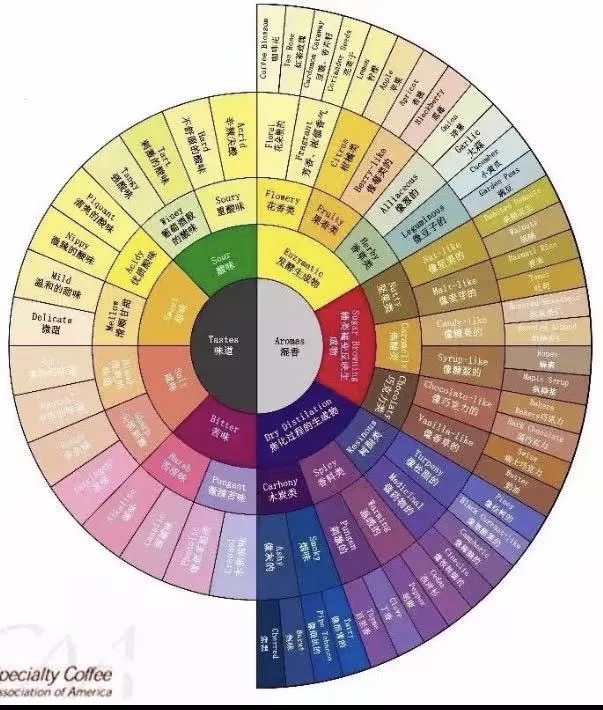
Flavors described by the barista:
Flavors you taste:
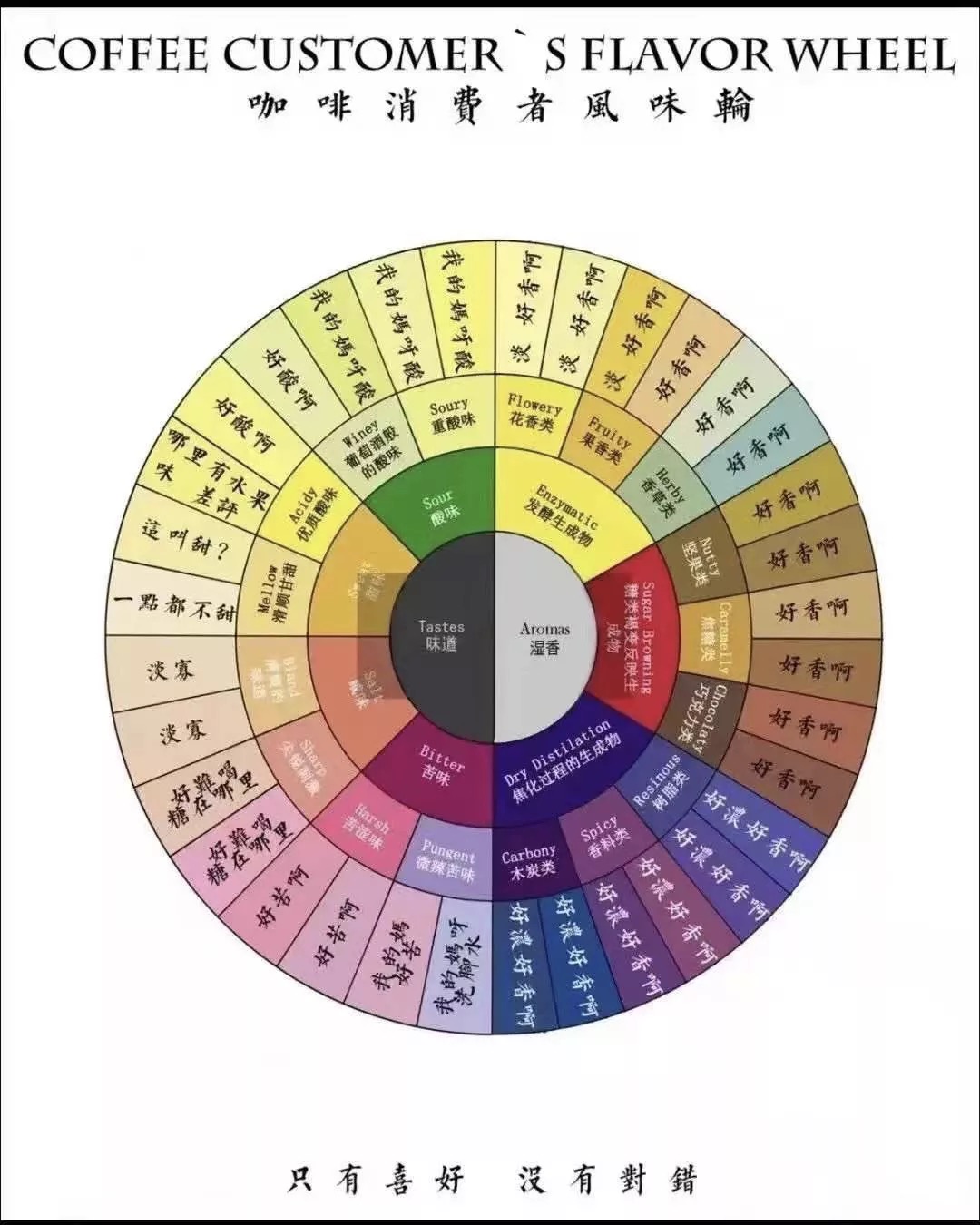
(You, at this moment: "So real...")
Every time you watch a barista sip coffee and exclaim, "Wow, this is good!! It has chamomile, lemon juice, gummy candies (for example)..." - are you straining to recall those same flavors in what you just drank?

FrontStreet Coffee has said in previous articles that if you want to sharpen your sense of coffee flavors, you can practice while eating: pay attention to the aromas that linger in your mouth and nasal cavity after you swallow. The flavors baristas describe are not perceived purely by tasting - they arise after your taste buds register the coffee's acidity, sweetness, and bitterness, and your retronasal olfaction picks up the aromas released on swallowing, letting you associate them with specific foods, flowers, or objects.
Afterwards, some friends pushed back: "I followed every instruction! I even ate fruit and focused on the lingering aromas, then later drank a coffee with the same fruit notes - and I still couldn't taste them!!"

Drink More Coffee Brewed by Others, Share More Coffee You Brew Yourself!
Drink only your own coffee and you go numb - it gets hard to tell whether the cup has turned out poorly. Or perhaps your parameters or method were never right for that particular bean, and you never brought out its best side.

Drinking coffee others brewed and sharing yours is a way to check how far your brewing drifts from everyone else's. The same bean will show different facets under different roasters and brewers, but it should never be worlds apart - the basic flavor profile should still be recognizable. When FrontStreet Coffee's barista brews the "Guava 5.0" beans, it might show strawberry, citrus, melon, and fermented notes; brewed by you, the same bean might express mixed berries, citrus, nectarine, and fermented notes.
Sharing is the greatest joy of drinking coffee. Trade tasting notes, listen to what others find, compare, and hunt down the reasons for the gaps. The key is sincerity and openness - say what you actually taste! Don't be embarrassed: everyone's flavor sensitivity is different, and problems you cannot detect yourself may be corrected in a single sharing session.
Why Can't I Taste Some Flavors on the SCAA Coffee Flavor Wheel?
The SCAA flavor wheel was built largely on flavor analogies common in the United States: grapefruit, cherries, prunes, maple syrup - things Americans see and taste in daily life. Although these can be bought elsewhere too, people rarely eat them, so the flavor memories are shallow and the associations fail in the cup.
So treat the SCAA wheel as a reference that prompts you to think of similar analogies within the same family: for grapefruit, think pomelo; for prunes, think smoked or regular plums. Substitutes familiar to Chinese drinkers are unfamiliar to foreigners - but the categories hold, and the associations never stray far.
Chinese drinkers squint at the SCAA wheel in confusion, and people from other countries have the same trouble. The Belgian roasting company Cuperus created a consumer flavor wheel that simplifies the familiar one into six categories: bright fruity, nutty, sweet fruity, floral, chocolatey, and spicy/vanilla.
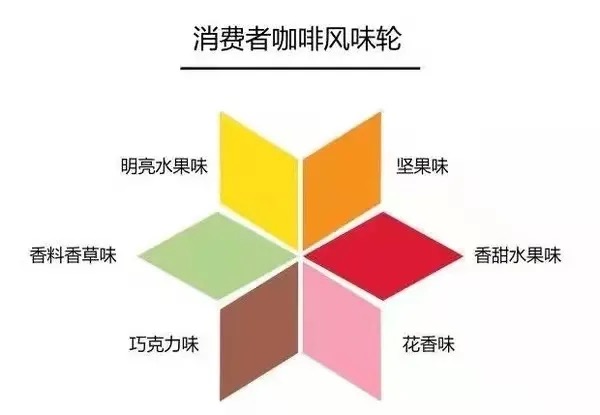
Isn't that far easier to grasp? With such a simple wheel, consumers can read a coffee's flavor tendency - and more people discover that coffee has describable flavors at all. That is the real role of flavor wheels today.
The flavor notes on coffee packaging and the SCAA wheel are references only. Real flavor recognition takes long accumulation and comparative tasting to build a memory bank - eating more of one fruit is no guarantee you will recall it in coffee. Which brings us back to the same point: if you want to taste coffee flavors, drink more coffee brewed by others, and share more of what you brew yourself!
FrontStreet Coffee Recommendation
Training your palate starts with beans whose flavors are vivid and easy to name. Floral-fruity, high-sweetness coffees give you the clearest reference points - and the most rewarding cups.
FrontStreet Coffee Yirgacheffe Guodingding Cooperative
A washed Ethiopian with the classic regional signature: white floral sweetness like fresh jasmine, bright citrus acidity, a green-tea finish, and honeyed sweetness on the mid-palate. As pour-over it offers clear floral-fruity notes with lifted lemon; brewed as cold brew, low-temperature steeping draws out the lighter aromatic molecules for an iced coffee as refreshing as fruit tea.
FrontStreet Coffee Brazil Fazenda Rainha (Queen Estate)
For the other side of the flavor wheel - nuts and chocolate - Queen Estate is the reference: a Yellow Bourbon from a small, finely processed lot, showing Brazil's nuts, cream, roasted peanut, and caramel-cookie flavors with low-key acidity, balanced sweetness, and a long, gentle finish. Equally at home as pour-over, French press, moka pot, or home espresso.
FrontStreet Coffee Kenya Little Tomato
If you want to learn what "juicy" means in coffee, this washed Kenya is the lesson: cherry tomato and dark plum aromas, snow pear and black plum sweetness over brown sugar, and bright, saturated acidity like fresh-pressed juice - a bean with instant, unmistakable flavor signposts.
Important Notice :
FrontStreet Coffee is a long-established specialty coffee roaster in Guangzhou China, selling freshly roasted beans from its own farm in Yunnan as well as dozens of carefully selected single-origin beans from around the world for both pour-over and espresso. The products deliver consistently excellent quality and great value, with shipping within 24 hours. Guangzhou's FrontStreet Coffee shop is recommended by many coffee lovers, and the beans are now available online at the Tmall 。
FrontStreet Coffee has moved to a new address:
FrontStreet Coffee Address: 315,Donghua East Road,GuangZhou
Tel:020 38364473
 Scan and follow the En Gafei WeChat official account. Please indicate that the reprint comes from "En Gafei".