Single Origin Espresso (SOE) Coffee: Characteristics, Differences, and Better Taste? Are SOE Coffee Beans Suitable for Pour-Over?
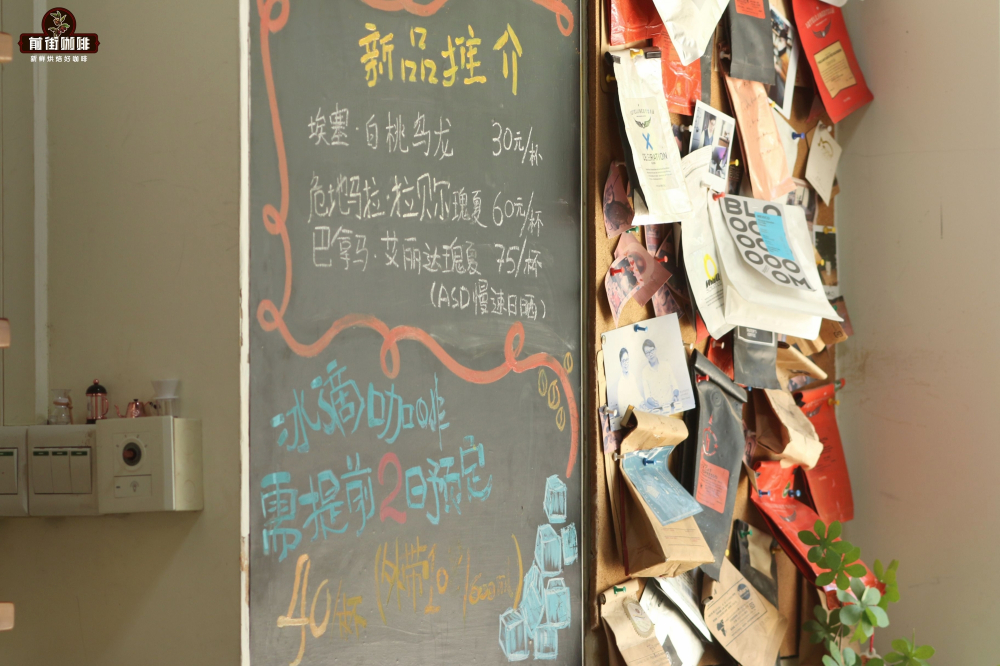
Walk into a coffee shop these days and there's a good chance the barista will ask, "Would you like to try our SOE?" Some customers at FrontStreet Coffee even ask for it unprompted. "SOE" stands for Single Origin Espresso, espresso pulled from a single-origin coffee rather than a blend.
The Rise of SOE
In recent years, as coffee culture has spread and the idea of single-origin coffee has taken hold, specialty shops have popped up on street after street, and many menus now carry an SOE line. With its fresh concept, distinctive personality, and relatively premium price, SOE has become a fixture in countless cafes. Some customers have even come to assume that SOE simply tastes better than a blended espresso. So what is SOE really about?
Where Does SOE Come From?
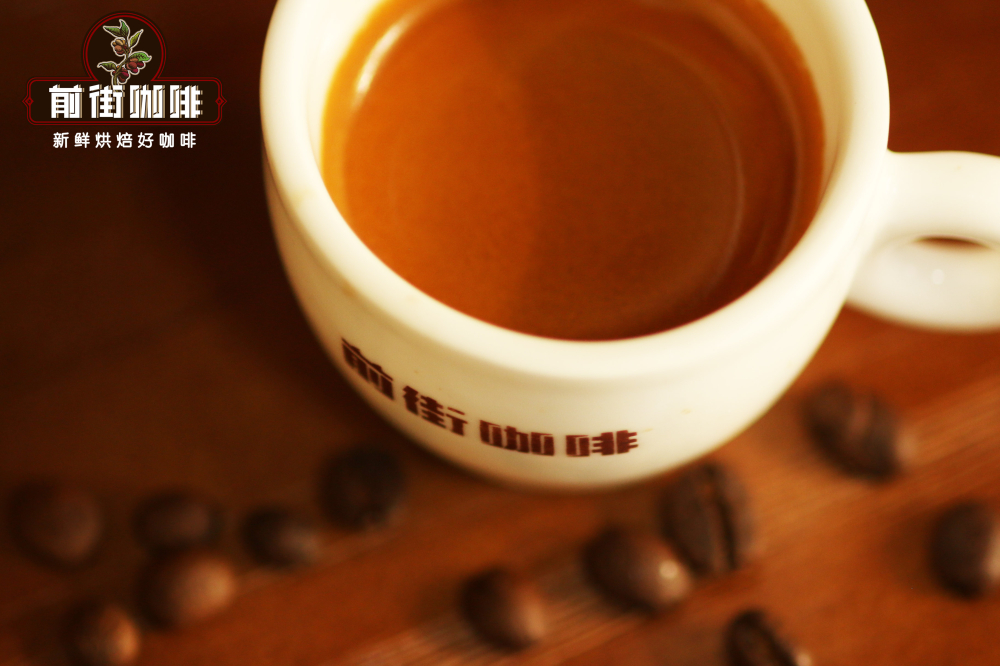
By definition, SOE exists in contrast to blended espresso (house blend espresso), where a roaster selects beans from different origins with complementary flavor and body, and roasts them together, or roasts them separately and blends by ratio, to produce an espresso with rich, balanced flavor. SOE, on the other hand, uses beans from a single origin precisely to spotlight that region's signature character: the floral and fruit aromatics of FrontStreet's Ethiopian coffee, say, or the nutty, chocolatey sweetness of FrontStreet's Colombian coffee.
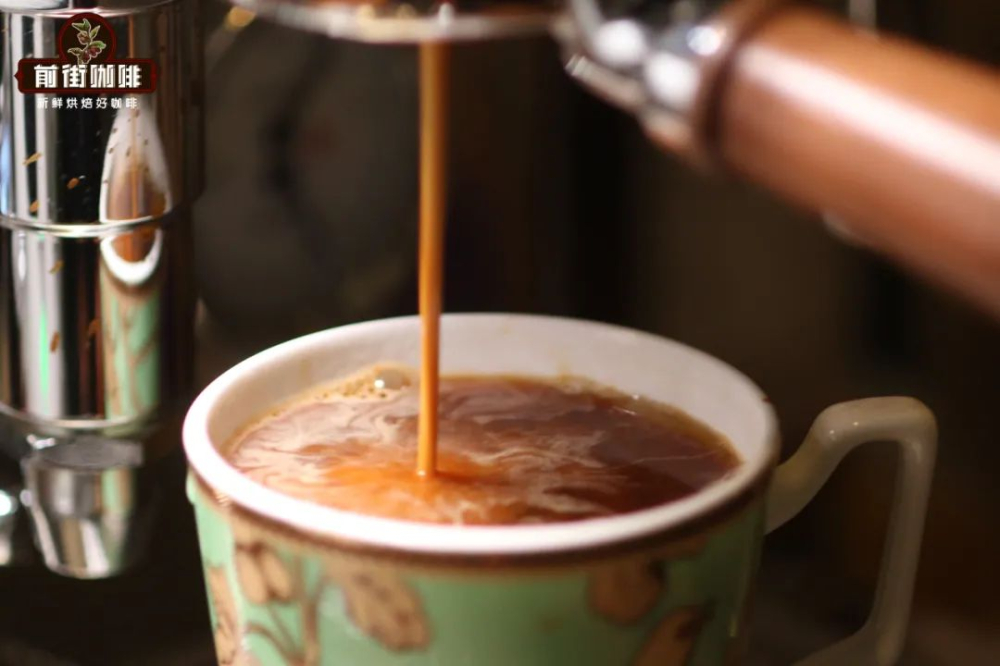
In espresso's early days, shops around the world all used single-origin beans, they simply didn't emphasize origin information. As consumer demand grew, coffee from major producing regions began to show inconsistent quality and unstable flavors. To guard against that inconsistency, merchants started blending beans from different regions so the espresso would taste reliably the same. In recent years, as coffee culture has matured and the industry has embraced traceability, coffee professionals have wanted to taste espresso made from beans traceable to renowned specialty regions, and SOE has come back into fashion.
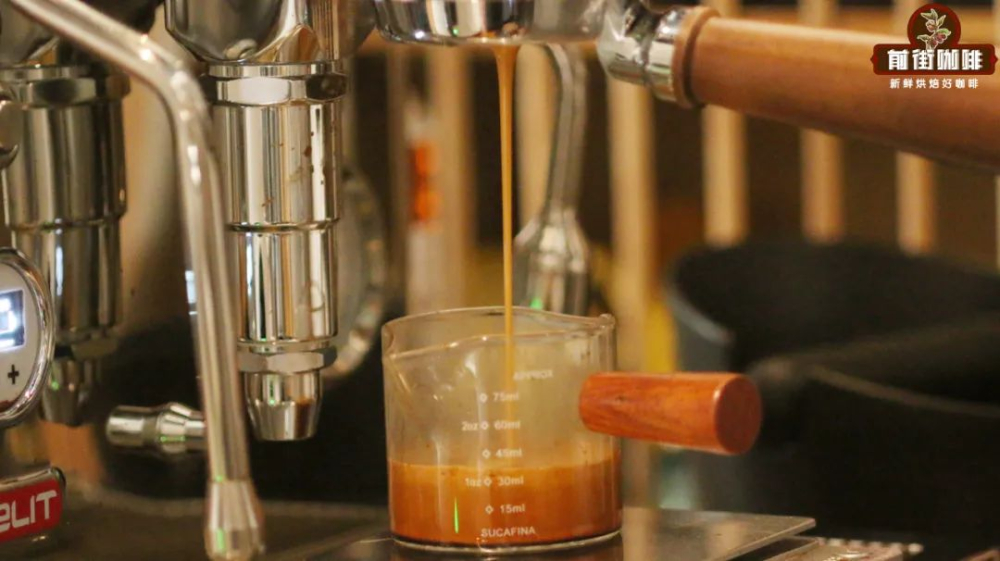
What Are the Characteristics of SOE?
Since SOE comes from a single region, using top-quality beans from that area plus roast and extraction parameters dialed to suit it lets the espresso express the origin's character in full: the juicy acidity of FrontStreet's Kenyan coffee, the creamy-chocolate smoothness of FrontStreet's Brazilian coffee, or the floral citrus of FrontStreet's Ethiopian coffee.
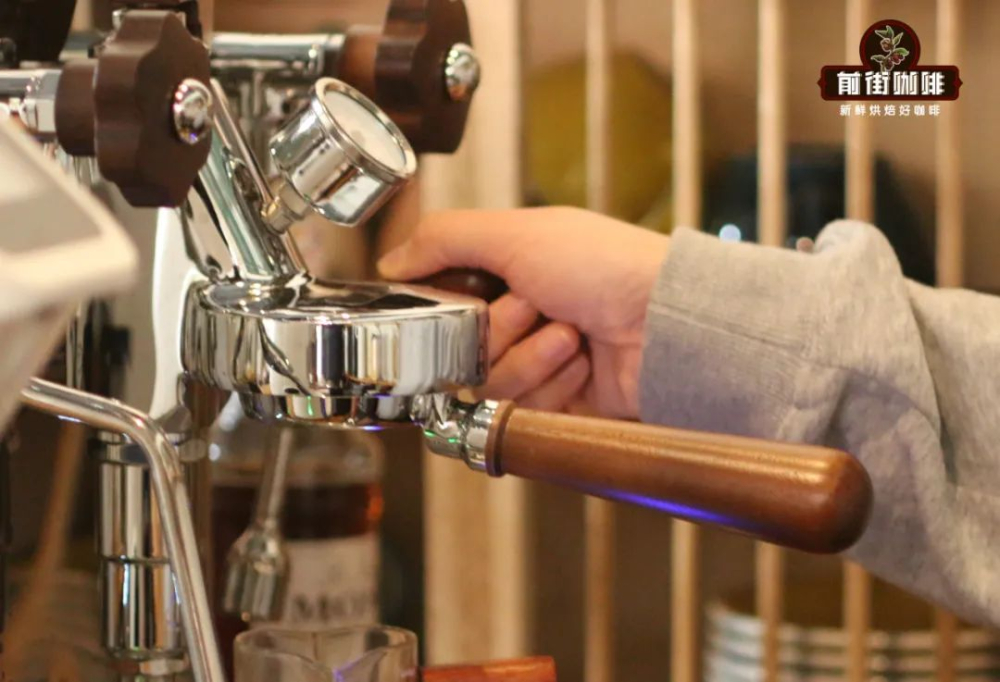
Whether the beans are a blend or a single origin, both go through the same high temperature and high pressure of an espresso machine, which amplifies whatever is already in the cup. Acidity becomes more acidic; bitterness becomes more bitter.
To show off an SOE's "personality," bean quality has to be guaranteed with a low defect rate, and the roast level and extraction must respect the region's flavor signature, a real technical demand on both roaster and barista. Roast too dark and the espresso collapses into bitterness, its aromatics muted; roast too light and the extraction demands spike. Get the grind size or parameters slightly wrong and the SOE tastes thin, worse still when it disappears entirely under milk.
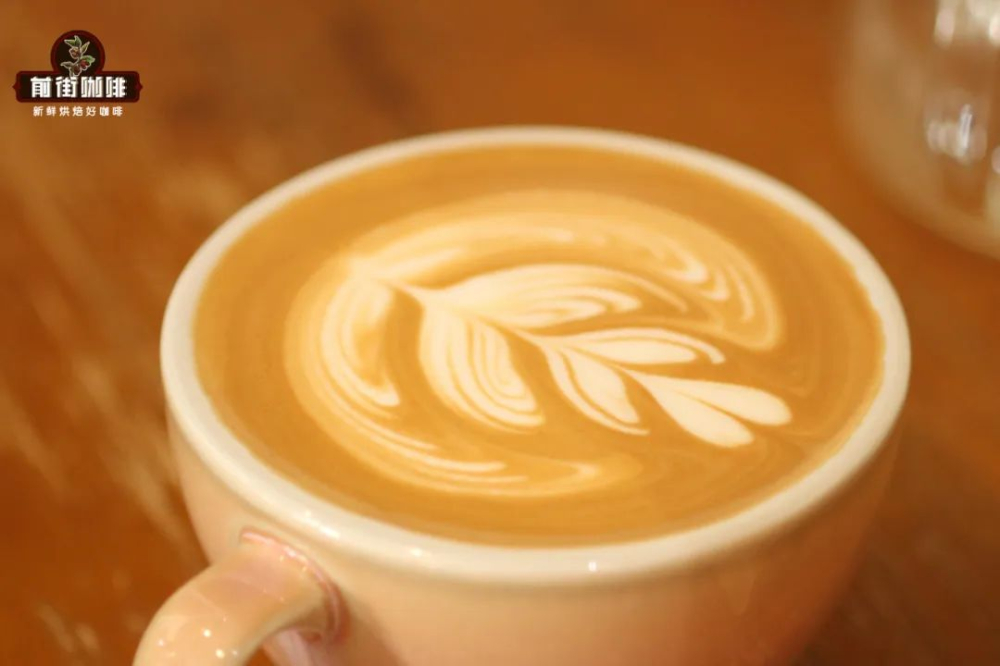
That's why FrontStreet Coffee advises against using beans roasted extremely dark or extremely light for espresso: overly aggressive flavors tend to deliver an unpleasant drinking experience.
Does SOE Taste Better Than Blends?
The point of SOE is to make a particular region's flavors more distinct; the point of an espresso blend is to balance many flavors into harmony. So SOE isn't inherently "better", it simply delivers a different flavor experience than a blend does.
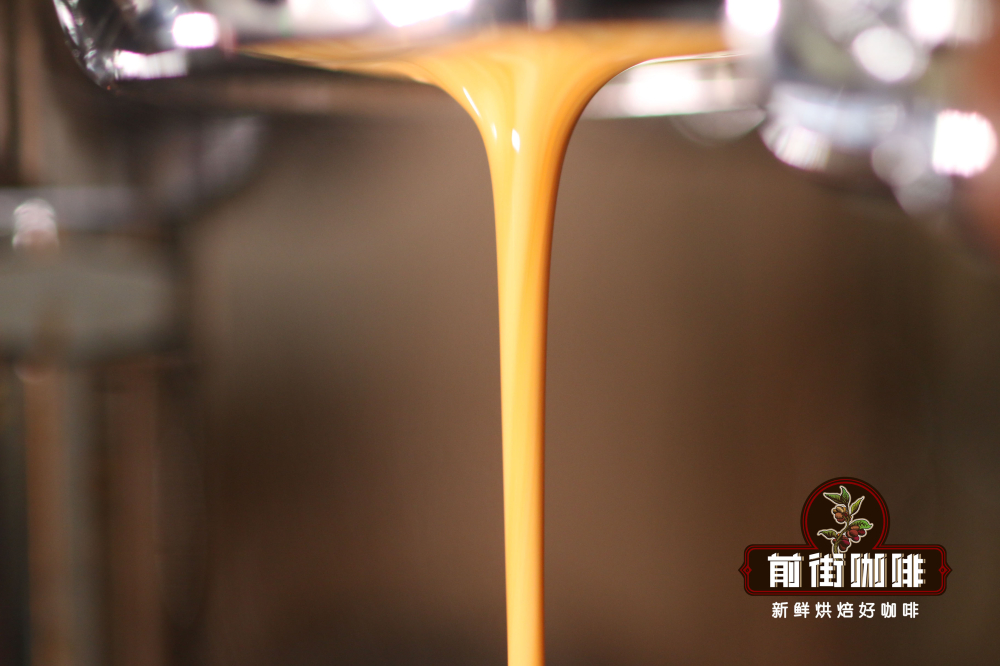
To find the espresso that suits your palate, FrontStreet Coffee suggests paying attention to how origin, roast level, and processing method each shape flavor, it's the fastest way to figure out which flavor family you actually prefer.
What Coffee Beans Are Suitable for SOE?
Explore enough pour-over single origins and you'll notice that flavor profiles fall roughly into three camps: bright acidity, deep bitterness, and fermented aromatics. SOE beans map onto the same three camps, so you can simply pick according to taste.
1. Fresh Fruity Acidity
These are typically washed or natural process coffees showing rich florals and sweet citrus and berry fruit, for example, the hugely popular Yirgacheffe Natural Red Cherry on FrontStreet's menu.
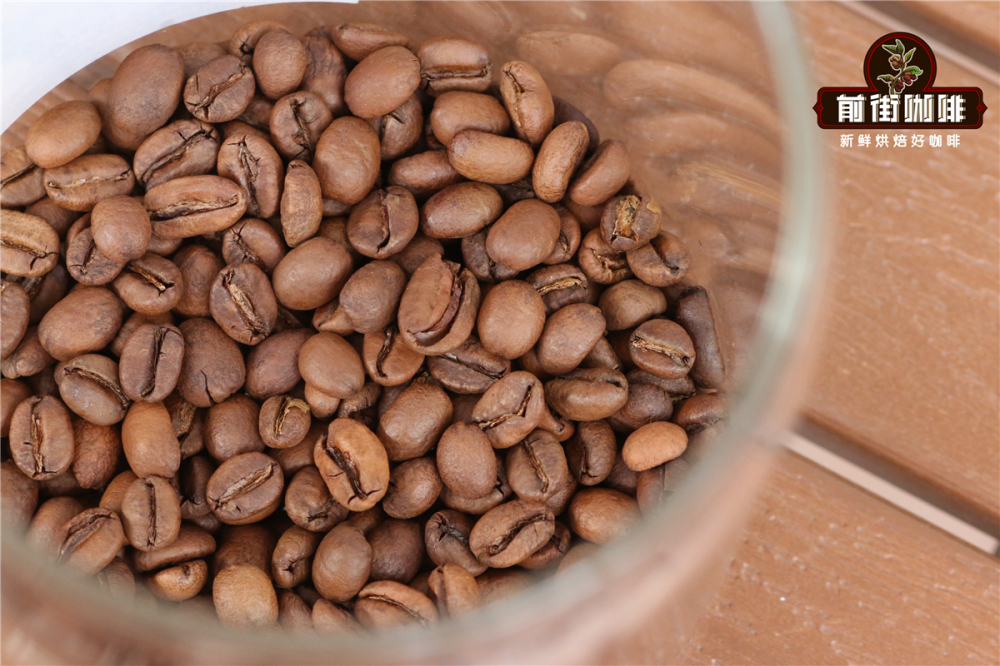
FrontStreet Coffee · Ethiopia Yirgacheffe Natural Red Cherry
Region: Yirgacheffe, Artelelan Estate, G1
Altitude: 1,700–2,200 m
Processing: Natural
Variety: Heirloom
Flavor: Berries, jasmine, lemon
From the famous Yirgacheffe region, FrontStreet's Natural Red Cherry selects only red cherries that meet ripeness standards. During the natural process, the cherries are turned at irregular intervals so the green beans ferment gently with the fruit pulp, building rich tropical-fruit sweetness. As an SOE, it tastes fresh and pleasantly sweet-tart.
2. Fermented Wine Aromatics
To make SOE flavors more vivid, FrontStreet Coffee recommends beans with high flavor recognition, such as the Honduras Sherry Barrel lot.
FrontStreet Coffee · Honduras Moca Estate Sherry Barrel
Region: Masaguara, Honduras
Estate: Moca Estate
Altitude: 1,500–1,700 m
Varieties: Caturra, Catuai, Pacas
Processing: Fine washed, whiskey-barrel fermentation
Flavor: Vanilla, whiskey, cream, chocolate
The washed green beans are rested in oak whiskey barrels and turned regularly so they absorb the wine aromas held in the wood. FrontStreet's Honduras Sherry Barrel SOE carries pronounced wine and vanilla notes, and with milk it takes on a creamy, chocolatey texture.
3. Rich, Deep Bitter Notes
And if the two styles above feel like they don't have enough "coffee flavor" for you, then a rich and intense coffee is your answer, and FrontStreet's Brazil Fazenda Rainha is a very representative pick.
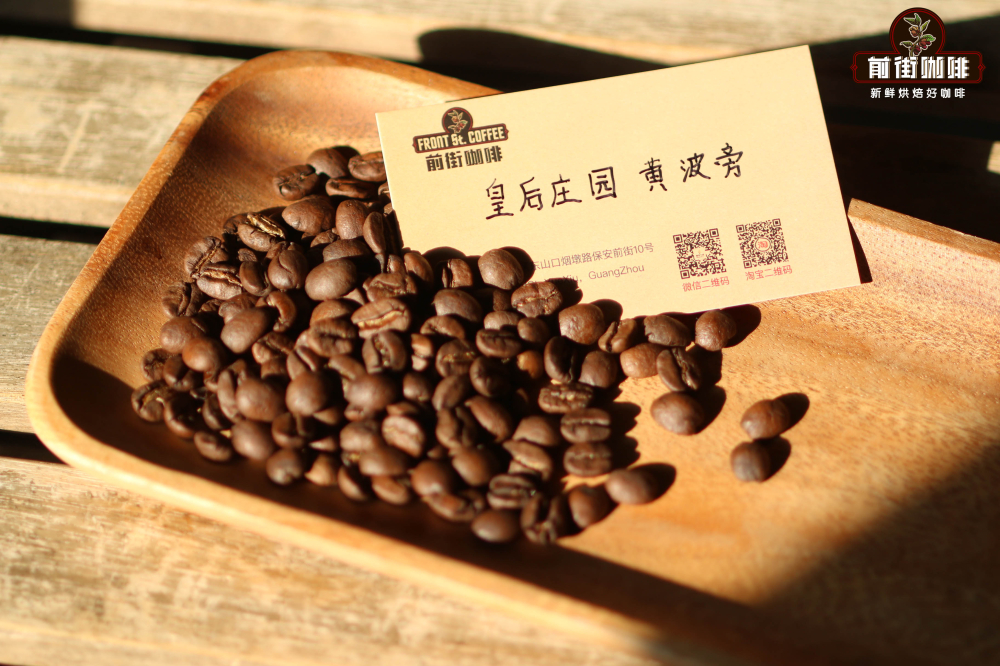
FrontStreet Coffee · Brazil Fazenda Rainha Yellow Bourbon
Region: Mogiana
Estate: Fazenda Rainha (Queen Estate)
Altitude: 1,400–1,950 m
Variety: Yellow Bourbon
Processing: Natural
Flavor: Cream, peanut, sugarcane, nuts, chocolate
Unlike the many commercial beans produced at scale in Brazil, Fazenda Rainha focuses on specialty micro-lots built on excellent Yellow Bourbon. Through natural processing, the coffee shows abundant cream, peanut, and nut flavors, plus an unusually high sugarcane sweetness in the finish. As an SOE it delivers deep coffee aroma and a clearly defined aftertaste.
FrontStreet Coffee Recommendation
Colombian coffee is remarkably versatile: it works in espresso blends and as pour-over single origin alike, and it spans bright fruit-acid profiles, mellow full-bodied cups, and aromatic floral styles, there's a Colombian for almost every taste.
FrontStreet Washed Huila: Huila, in the southern reaches of Colombia's central cordillera, is the country's most famous specialty region, rolling hill country above 1,500 m where Colombia's most important rivers converge, bringing abundant water and humidity. If you want to understand Colombian coffee, start with FrontStreet's washed Huila: a medium-dark roast that foregrounds dark chocolate, the gentle sweetness of nuts, moderate crema, and a full, mellow body. It suits pour-over and French press, but also moka pot and espresso machines, effortless as an Americano or a latte.
FrontStreet Finca La Línea Sidra: Colombia long relied on washed processing, but innovative methods have taken off in recent years. Anaerobic fermentation, sometimes called carbonic maceration, is fermentation in a low- or zero-oxygen environment, typically in pressure-rated stainless steel tanks where temperature, time, pH, and other variables can be tightly controlled. The most famous variants are anaerobic natural and anaerobic washed. FrontStreet's Sidra lot is an anaerobic natural: the oxygen-free fermentation coaxes out extra tropical-fruit aromatics, so at a light-medium roast, brewed as pour-over, cold brew, drip bag, or moka pot, you'll find layered, fragrant notes of passion fruit, grape, apricot, and dried fruit.
FrontStreet Premium Espresso Blend: If you have a home espresso machine or a moka pot, baristas strongly recommend the FrontStreet Premium Blend, a house espresso developed for cafe use that combines Brazil's creamy nuttiness with Colombia's dark-chocolate bittersweetness. It extracts with a fine, golden crema and makes a rich, silky latte, very beginner-friendly, while also serving as a base for Americanos, cappuccinos, mochas, and other classic espresso drinks.
Important Notice :
FrontStreet Coffee is a long-established specialty coffee roaster in Guangzhou China, selling freshly roasted beans from its own farm in Yunnan as well as dozens of carefully selected single-origin beans from around the world for both pour-over and espresso. The products deliver consistently excellent quality and great value, with shipping within 24 hours. Guangzhou's FrontStreet Coffee shop is recommended by many coffee lovers, and the beans are now available online at the Tmall 。
FrontStreet Coffee has moved to a new address:
FrontStreet Coffee Address: 315,Donghua East Road,GuangZhou
Tel:020 38364473
 Scan and follow the En Gafei WeChat official account. Please indicate that the reprint comes from "En Gafei".