What's the Best Water-to-Coffee Ratio for Pour-Over Coffee? How to Calculate the Ratio?
Drinkers often ask FrontStreet Coffee why their pour-over tastes consistent at the shop but never quite the same at home.
In talking with customers, FrontStreet Coffee found that many people rarely use a scale to record how much coffee and water they use each time. Without that record, it is very hard to keep pour-over results consistent.

FrontStreet Coffee's Standard Brewing Parameters
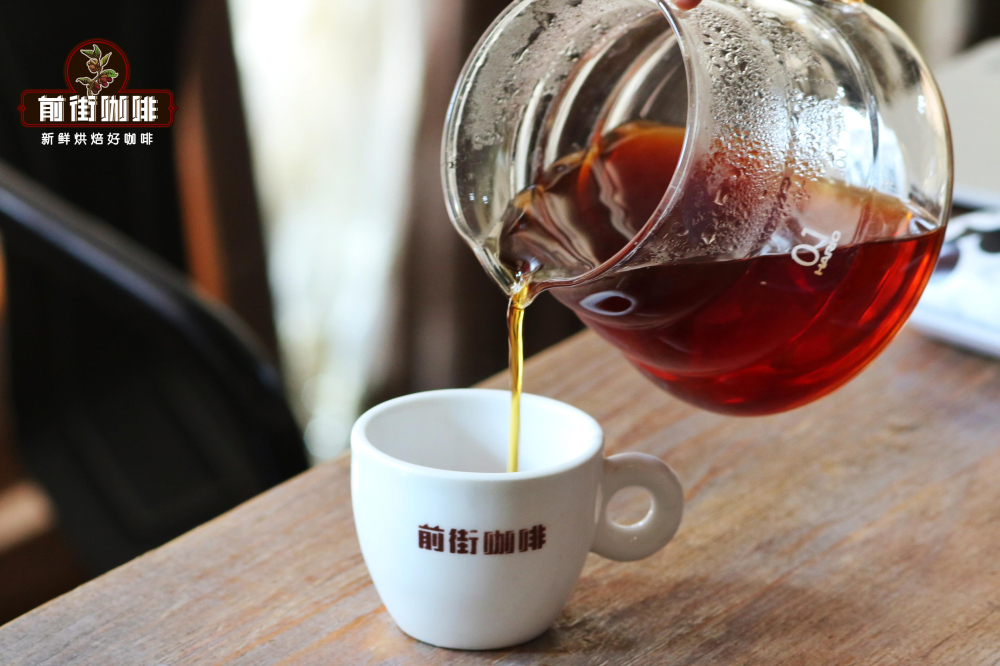
For daily brewing, FrontStreet Coffee defaults to 15g of coffee grounds at a 1:15 coffee-to-water ratio, adding 225g of water. Note that the ratio refers to grounds versus water added. The extracted liquid usually weighs only about 195-200g, because the grounds absorb 25-30g of water during the bloom.
The 1:15 recommendation comes from nearly ten years of brewing experience at FrontStreet Coffee and real customer feedback. Pour-over made at 1:15 delivers relatively balanced flavor and mouthfeel, with a strength most people find agreeable. Light-medium, medium, and medium-dark roasts all use the same ratio — only the water temperature and grind size change.
Grind Size and Water Temperature
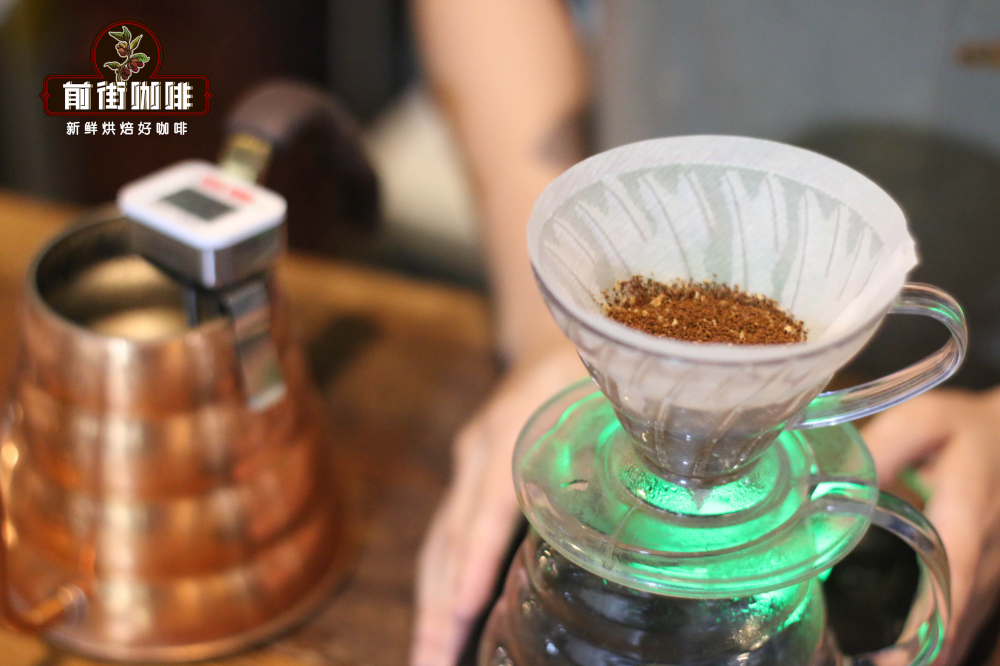
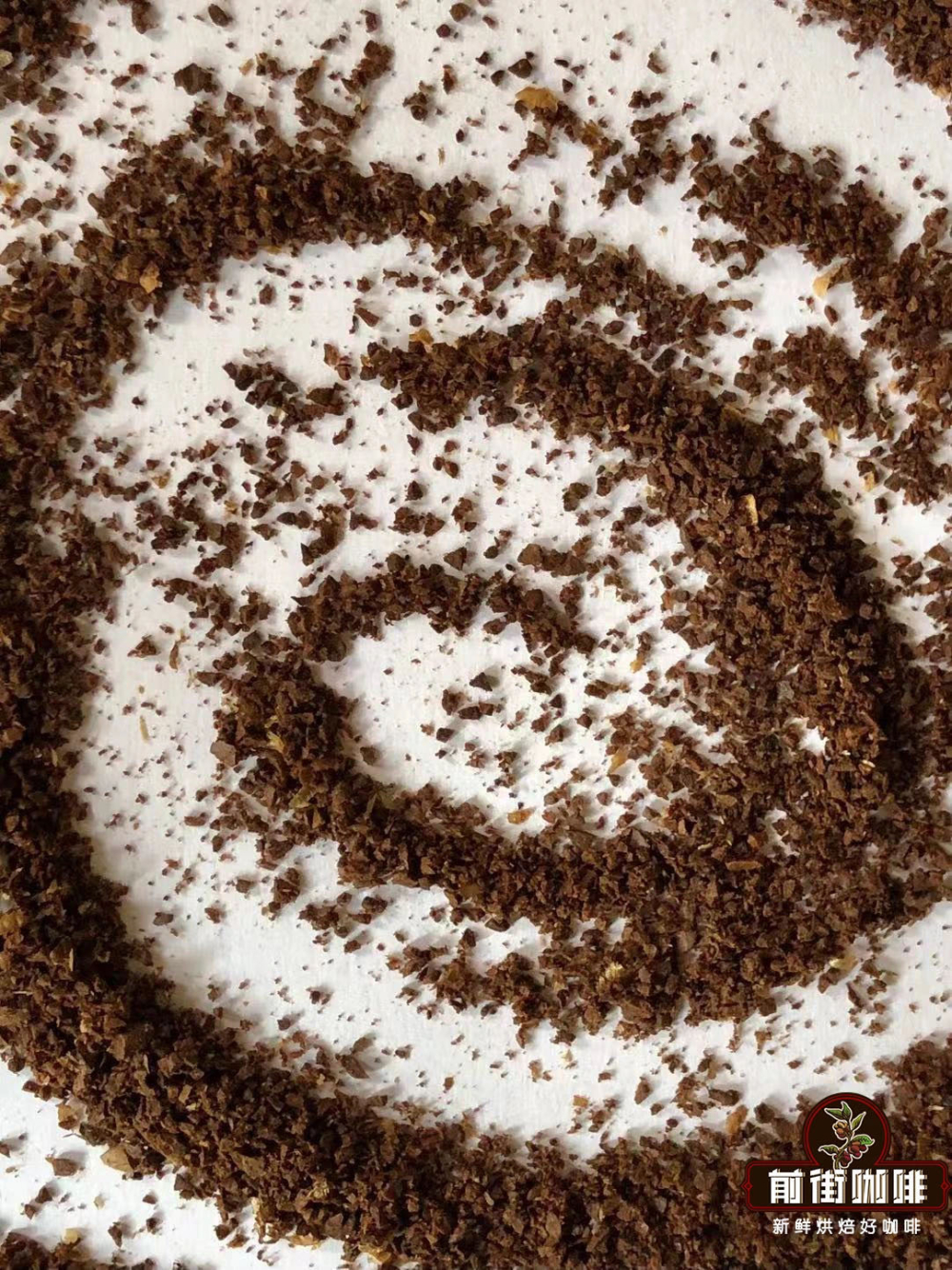
For light-medium roast beans, FrontStreet Coffee uses a medium-fine grind — sugar-sized, with a 75-80% pass-through rate on a China standard #20 sieve — paired with 90-91°C water.
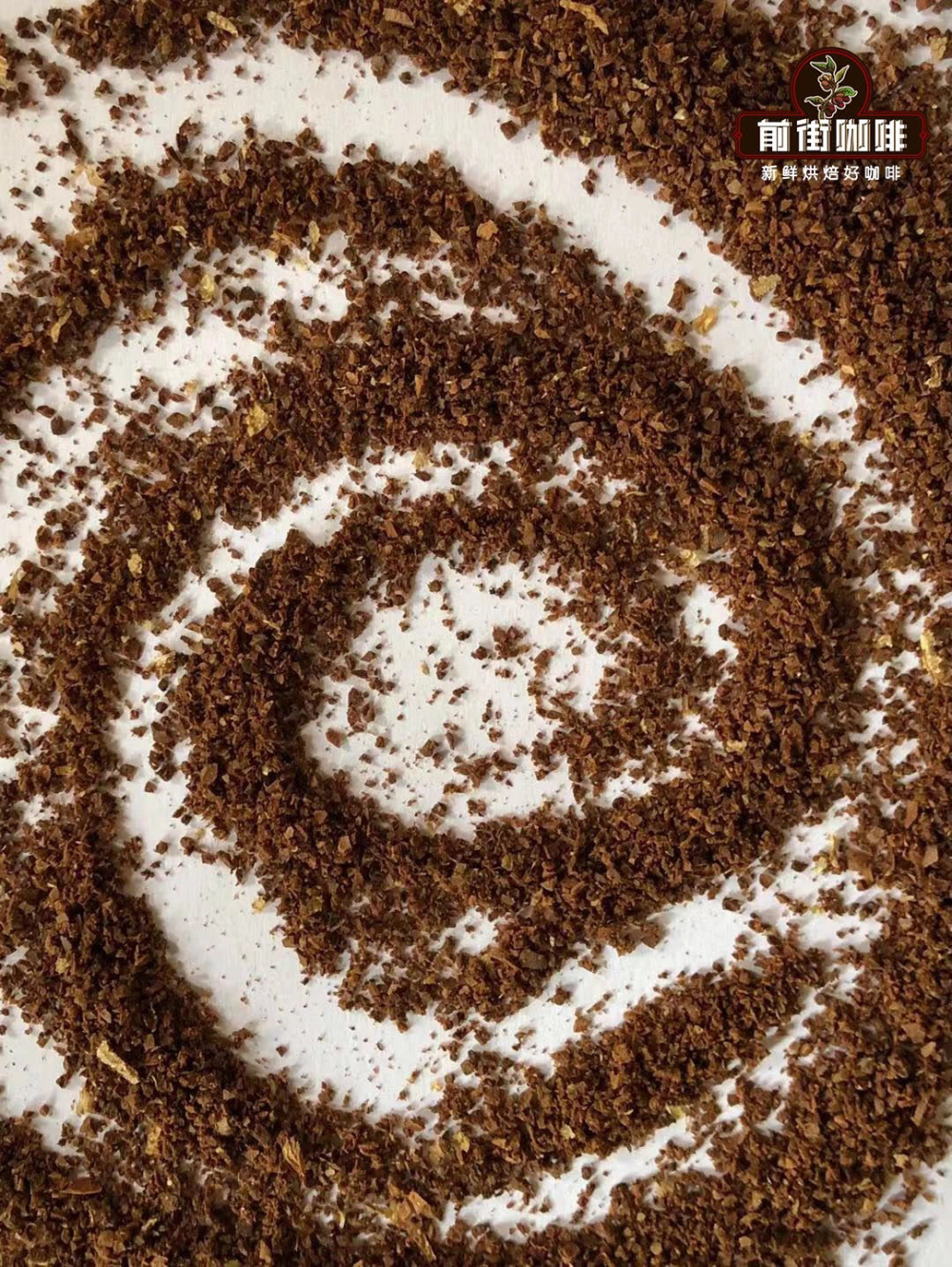
For medium-dark to dark roast beans, FrontStreet Coffee uses a medium-coarse grind — coarse-sugar-sized, with a 65-70% pass-through rate on a China standard #20 sieve — paired with 88-89°C water.
Pour-Over Technique
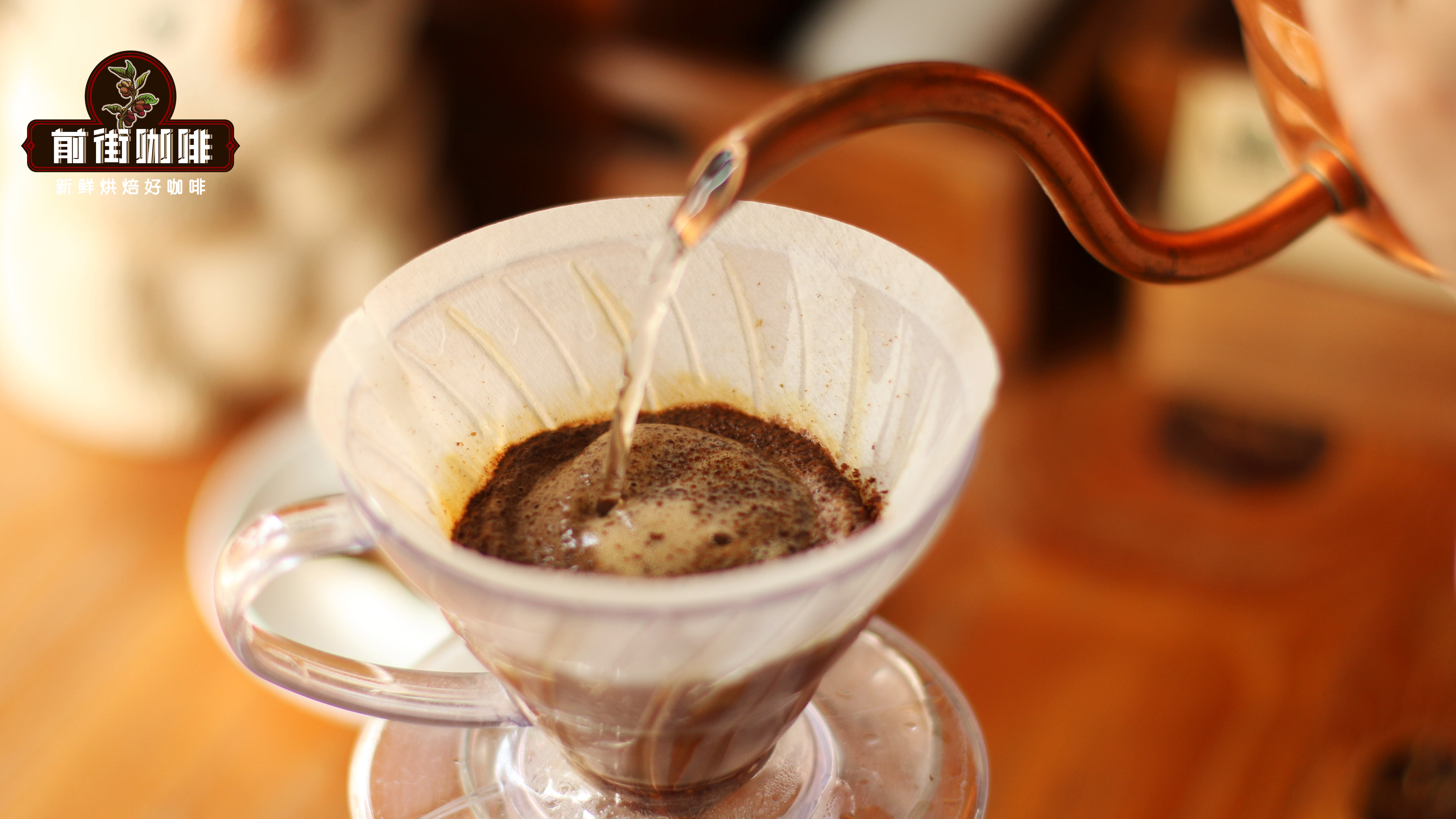
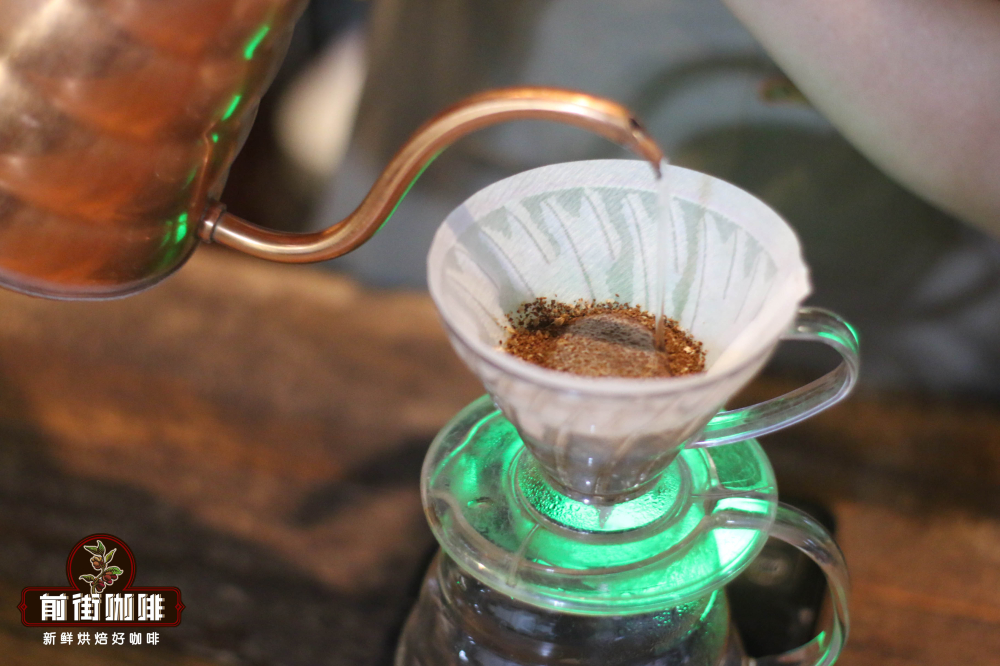
The pour goes like this: use 30g of water to wet 15g of properly ground coffee thoroughly, forming a "hamburger" dome, and bloom for 30 seconds before the second stage. For the second stage, use a steady, medium-fine stream in a circular motion until you reach 125g, then stop. Wait until the water level drops to 2/3 of the coffee bed before the third pour. Continue with a medium-fine circular pour to 225g and stop. Total extraction time is about 2 minutes.
FrontStreet Coffee Recommendation
Once the ratio is dialed in, the dripper and the beans are the two variables left — and they are where the flavor actually comes from. Hario, the company behind the V60, was founded in Tokyo in 1921 as a maker of heat-resistant glass equipment for research institutions, and in 2004 it redesigned the early V60 into the form we know today, named for its 60-degree cone and V shape and released a year later. The cone and 60-degree angle force water to the center before it drips through, extending contact between water and grounds for fuller extraction, while the single large outlet leaves flow rate — and therefore flavor — in the brewer's hands. V60s now come in resin, ceramic, glass, copper, and stainless steel; material affects heat retention and weight, but the geometry is unchanged.
For V60-friendly beans, FrontStreet Coffee's range covers both ends of the spectrum. FrontStreet Yirgacheffe Gedingding, FrontStreet Huakui with its tropical fruit, FrontStreet Strawberry Candy, and FrontStreet Mozart are all floral, fruit-forward coffees that suit the V60's fast, layered extraction, while FrontStreet Jamaica Blue Mountain No.1 and FrontStreet PWN Golden Mandheling represent the fuller classic style that came to define specialty coffee before lightweight roasting took over.
If you like a savory, tomato-and-plum brightness, FrontStreet Kenya Cherry Tomato is a Kenyan washed single origin from the Thika region, grown at 1550-1750 m from the SL28 and SL34 varieties and given Kenya's classic 72-hour double washed fermentation. Light roasted to keep its acidity and layered fruit intact, it delivers clear cherry tomato and smoked plum on the palate, a sweet mid-palate with pear and black plum, and a clean, long finish of brown sugar and faint green tea. Whatever bean you choose, keep the same discipline the article describes: weigh the coffee and the water, match grind to roast level, and use a 1:15 ratio poured in stages so every cup tastes like the last one.
Important Notice :
FrontStreet Coffee is a long-established specialty coffee roaster in Guangzhou China, selling freshly roasted beans from its own farm in Yunnan as well as dozens of carefully selected single-origin beans from around the world for both pour-over and espresso. The products deliver consistently excellent quality and great value, with shipping within 24 hours. Guangzhou's FrontStreet Coffee shop is recommended by many coffee lovers, and the beans are now available online at the Tmall 。
FrontStreet Coffee has moved to a new address:
FrontStreet Coffee Address: 315,Donghua East Road,GuangZhou
Tel:020 38364473
 Scan and follow the En Gafei WeChat official account. Please indicate that the reprint comes from "En Gafei".