Pour-Over Coffee 4:6 Brewing Method Tutorial - Adjusting Pour-Over Coffee Ratios, Time, Water Temperature Parameters

To anyone outside the coffee world, pour-over looks simple enough to pick up in an afternoon. The baristas at FrontStreet Coffee would disagree. Between the sheer number of brewers and the countless small variables at play, adjusting the pour height, the water temperature, the flow rate or the number of pours is enough to turn a familiar routine into a completely new recipe. Regulars at FrontStreet Coffee already know that every hand-poured cup served in our cafe is built on a single technique: the three-stage pour, the same method that shows up again and again in our writing.
Today, though, FrontStreet Coffee is setting the three-stage method aside to walk through five different pour-over techniques you can try at home. Each one steers the same beans toward a different destination, and tasting those differences side by side is the fastest way to learn what any given variable actually does. After all, the cup that suits you best is usually the one you discover through your own experimentation.

Single-Stream Pour
The single-stream pour is the most widespread and most fundamental of all pouring techniques. "Single stream" means you finish the bloom with the first pour, then deliver every remaining drop of water in one uninterrupted stream. It is also the technique most commonly taught to beginners. Because it introduces fewer uncertain variables than a multi-stage brew, it suits newcomers who have not yet built a full mental model of extraction theory. Brewed within sensible parameters, a single-stream pour can taste every bit as good as a more elaborate method.
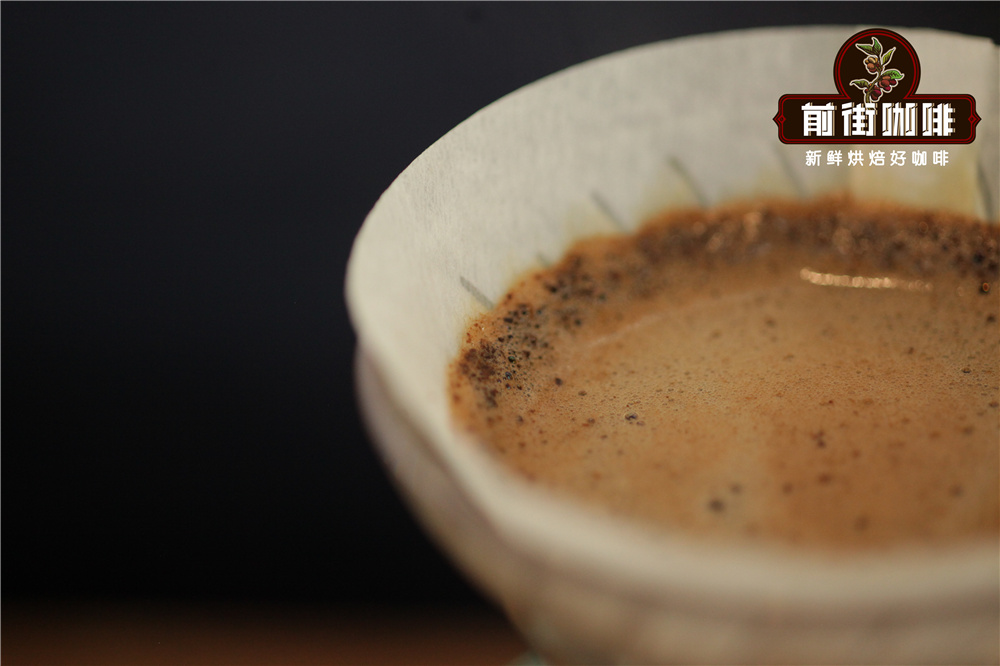
Pouring all the water in one go keeps the water level in the coffee bed relatively high throughout the brew, and the pour itself finishes quickly, usually around 1 minute 10 seconds. The shorter contact time that results tends to yield a cleaner profile with more pronounced acidity, while the mouthfeel stays somewhat lighter than what multi-stage extraction produces.
FrontStreet Coffee Single-Stream Pour Parameters
Taking lightly roasted coffee as the example: 15g of coffee, a 1:15 coffee-to-water ratio, a grind size that passes 80% through a #20 sieve, and a water temperature of 91°C.
Bloom with 30ml, wait 30 seconds, then pour the remaining 195ml in a steady circular motion. Extraction finishes once all the coffee has dripped into the lower pot (1 minute 45 seconds).

Three-Stage Method
The three-stage pour is nearly as common, differing from the single stream only by adding one more pour.
Its difficulty lies in the timing of the third pour, which has no fixed time point. In general, you wait until the water level has dropped to one-half or two-thirds before pouring again.

At one-half or two-thirds, the dripper still holds enough standing water without the coffee bed being exposed by too steep a drop. That matters because an exposed bed extracts unevenly, with the upper layer over-developing while the lower layer lags behind. Pouring into standing water lets the stream penetrate directly and stir the lower coffee bed. If the water level is too high, the column loses its impact, the upper bed over-extracts and the lower grounds are left under-extracted.
The payoff of the three-stage method is a stronger flavor and richer layering than the single stream delivers, and it adapts well to beans of different origins and roast levels.

FrontStreet Coffee Three-Stage Pour Parameters
Taking lightly roasted coffee as the example: 15g of coffee, a 1:15 coffee-to-water ratio, a grind size that passes 80% through a #20 sieve, and a water temperature of 91°C.
First pour: 30ml to wet the grounds, then bloom for 30 seconds. Second pour: 95ml, poured in a steady vertical stream in circles from the center outward. Third pour: when the water from the second stage drops to just before the coffee bed is exposed, begin the third pour of 100ml. Extraction finishes once all the coffee has dripped into the lower pot (1 minute 55 seconds to 2 minutes).

Stirring Method
The stirring method FrontStreet Coffee is introducing here is a favorite among Western pour-over enthusiasts: the Rao Spin, developed by the renowned barista Scott Rao.
Uneven extraction is usually caused by tall, dry walls of coffee clinging to the sides of the dripper, or by an uneven coffee bed. The stirring method applies outside force to even out the gaps between particles, which reduces channeling, promotes a more even extraction and guards against under-extraction.

Rao Spin Brewing Parameters
Pour 30g of water for a 45-second bloom, stirring the coffee layer with a spoon so the grounds absorb water more evenly. After the bloom, pour in one stream up to 225g, then circle the walls of the dripper with a spoon to keep grounds from sticking. When the water level drops to one-half, lift the dripper and gently shake it horizontally three times to rotate the liquid surface. Extraction finishes once the coffee liquid has flowed into the vessel. Total extraction time is approximately 2 minutes.

Four-Six Method
The Four-Six method was developed by 2016 WBrC champion Tetsu Kasuya for his competition routine. Its concept was simple and clear, and it became a much-discussed topic at the time.

The brilliance of the Four-Six method is that it splits the problem in two: the first 40% determines flavor, the remaining 60% determines mouthfeel. That division lets far more beginners brew a genuinely good cup. The method also sidesteps two perennial challenges, timing and pouring technique, by assigning each pour a fixed time, so basic water control is all you need to start.

Interestingly, the flavor-defining 40% is itself split into two pours, and the balance between them sets the coffee's acidity and sweetness: a larger first pour leans more acidic, a smaller first pour leans sweeter. The remaining 60% can be split into any number of pours to control body. For a lighter, cleaner cup, divide that 60% into two pours; for a richer, fuller cup, divide it into four.
Four-Six Method Brewing Parameters

FrontStreet Coffee: Yirgacheffe Red Cherry Coffee Beans
Region: Ethiopia Yirgacheffe
Altitude: 1700-2200m
Variety: Local Heirloom
Processing: Natural Process
For Four-Six brewing, choose beans with higher sweetness and greater density. Use 20g of coffee, a 1:15 ratio (300ml of water in total), and a water temperature of 92°C. Grind coarsely, similar to raw sugar particles (75% pass-through through a #20 standard sieve).

This brew divides the total water into five equal pours of 60ml each.
First pour: 60ml in a circular motion, wait 45 seconds. Second pour: 60ml, wait 45 seconds. Third pour: 60ml, wait 45 seconds. Fourth pour: 60ml, wait 45 seconds. Fifth pour: 60ml. When the coffee liquid has flowed completely into the lower pot, extraction time is approximately 3 minutes 20 seconds.

Kono-Style Method
The Kono-style method takes its name from Kono, the Japanese brand and the family behind it. Kono has considerable influence in the coffee brewing equipment field.
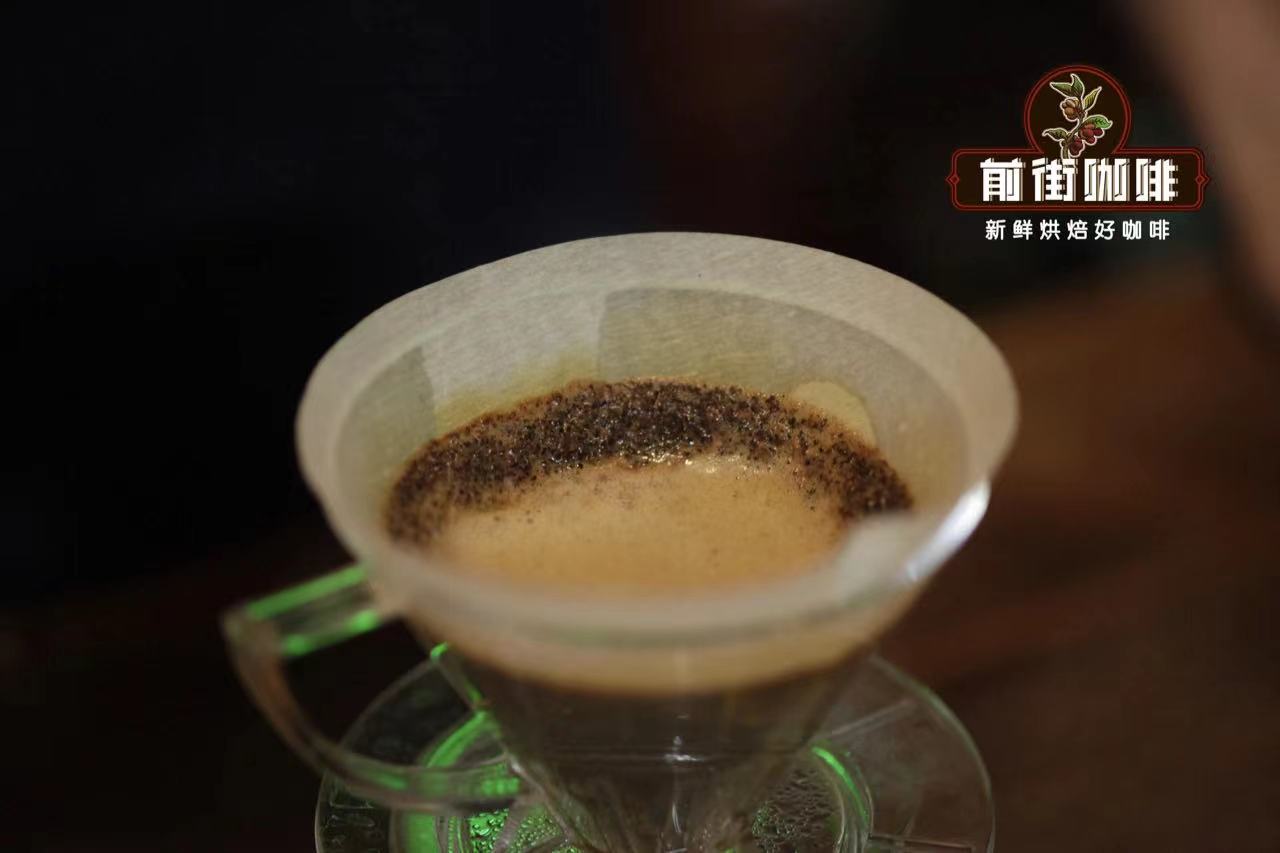
The method opens with a prolonged drip pour that wets the grounds and drives the bloom. Once the grounds have fully expanded through that slow, long absorption, you switch to a large flow to draw out everything delicious in the coffee. This approach typically uses a low coffee-to-water ratio, yielding a more concentrated liquid that emphasizes the beans' sweetness while steering away from sourness, bitterness and off-flavors.
Kono-Style Brewing Parameters

FrontStreet Coffee: Indonesia Golden Mandheling Coffee Beans
Region: Aceh Gayo Mountains, Sumatra, Indonesia
Altitude: 1100-1600m
Variety: Typica
Processing: Wet-Hulled
For Kono-style brewing, darker roasted beans are usually the choice. Use 20g of coffee, 88°C water and a 1:10 coffee-to-water ratio. For the dripper, use a Kono, since it was designed specifically for this method.

Hold the pour-over kettle steady and drip water onto the center of the coffee. Adjust the drip rate according to how the coffee layer responds. Fresher coffee absorbs and expands more vigorously, so slow the drip rate accordingly, and do the opposite for older coffee. When the whole bed has expanded and developed volcanic "cracks," and you can hear water dripping into the server (around 2-3 minutes), switch to a small flow and circle around the "crater." Stop pouring just as the foam is about to erupt.
When the coffee bed is about to collapse, continue with a medium flow in larger circles than before. Stop pouring when the bed expands again. Keep watching the bed, and after the water level drops slightly, use a large flow in wide circles to lift the bed, letting bitter compounds attach to the surface layer. When the coffee-to-water ratio reaches 1:10, stop pouring. Let extraction finish, then remove the dripper. Total time is approximately 4 to 4.5 minutes.
FrontStreet Coffee Recommendation
Choosing a brewer is only half the equation, because the technique above will flatter some beans far more than others. For the single-stream, three-stage and Rao Spin pours, FrontStreet Coffee suggests starting with a washed Ethiopian coffee, where a faster, cleaner extraction rewards the bright acidity the method is built to reveal. The Yirgacheffe Gedingding Cooperative beans make an ideal first stop for anyone new to pour-over: this is a G1-grade washed lot from the Gedingding village washing station in Yirgacheffe, and it leans into jasmine florals, citrus and lemon acidity with a green-tea-like sweetness, all of which come through cleanly when you keep the brew time short. If you want a little more fruit intensity, the Ethiopia Huakui is a naturally processed heirloom variety with pronounced tropical notes, strawberry, mango, jackfruit and blueberry among them, and a high enough sweetness to hold its own when you push the ratio or linger on the pour.
For the Four-Six and Kono-style methods, which reward density and sweetness with a longer or more concentrated extraction, the Yirgacheffe Red Cherry used in the parameters above is a natural fit, and FrontStreet Coffee's Indonesia PWN Golden Mandheling is the classic counterweight. Grown in the Aceh Gayo highlands on Sumatra and wet-hulled in the traditional Sumatran style, it is a low-acid, full-bodied coffee layered with herbal, dark chocolate and sandalwood notes and a long, syrupy finish. Roasted medium-dark, it demands exactly the kind of slow, deliberate brewing the Kono method provides. Between these two poles, a lightly roasted washed Ethiopian and a robust wet-hulled Sumatran, you have everything you need to explore the five methods above and find the cup that belongs to you.
Important Notice :
FrontStreet Coffee is a long-established specialty coffee roaster in Guangzhou China, selling freshly roasted beans from its own farm in Yunnan as well as dozens of carefully selected single-origin beans from around the world for both pour-over and espresso. The products deliver consistently excellent quality and great value, with shipping within 24 hours. Guangzhou's FrontStreet Coffee shop is recommended by many coffee lovers, and the beans are now available online at the Tmall 。
FrontStreet Coffee has moved to a new address:
FrontStreet Coffee Address: 315,Donghua East Road,GuangZhou
Tel:020 38364473
 Scan and follow the En Gafei WeChat official account. Please indicate that the reprint comes from "En Gafei".