Types of Pour-Over Coffee Equipment, Recommended Brands, and Equipment Suggestions
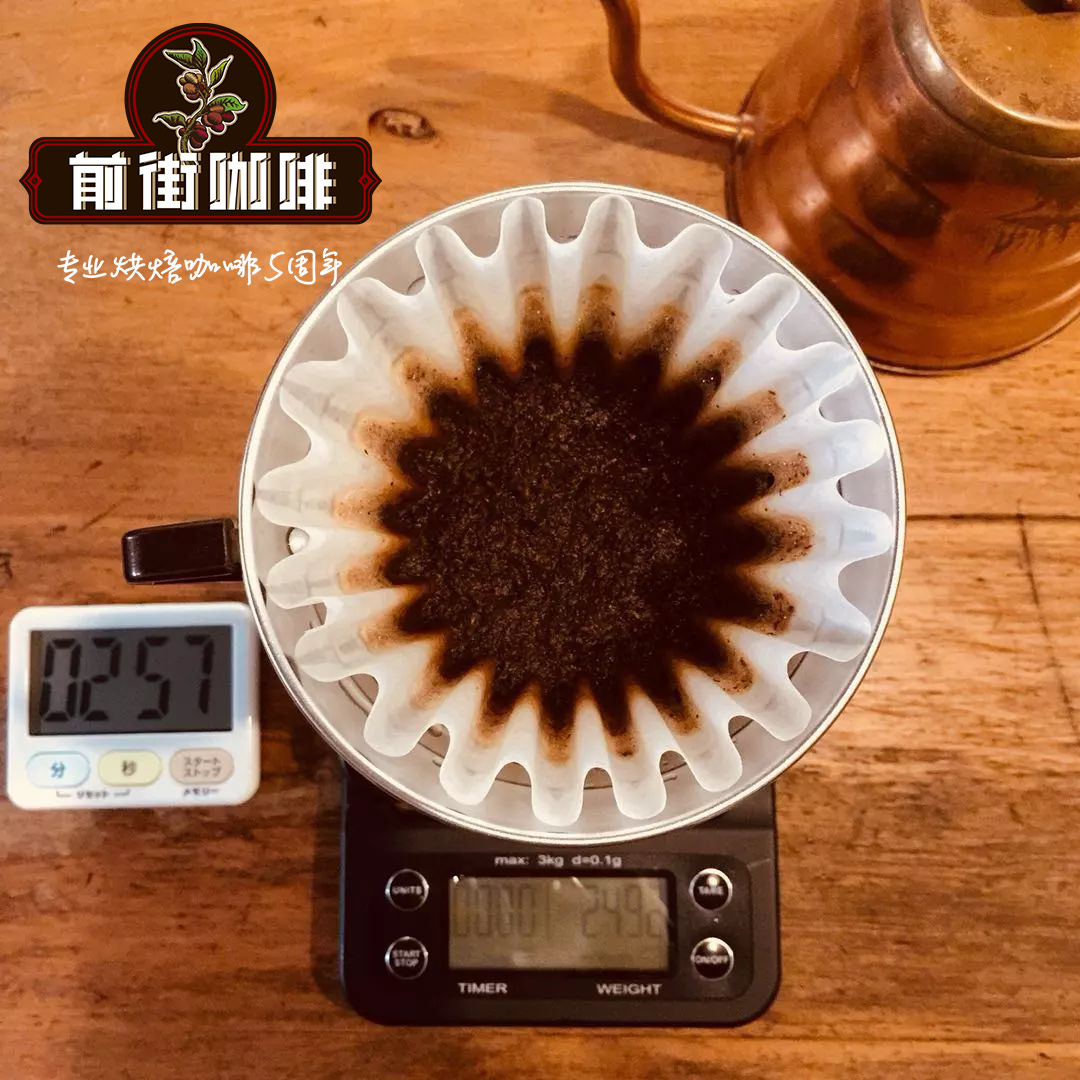
Once you've drunk enough coffee, there comes a day when you want to brew it yourself, trying to recreate the flavors you taste in cafés. Hmm, naive! FrontStreet Coffee is here to tell you it isn't that easy! First, you need a complete set of professional, precise, well-made pour-over gear. Is that enough? No, but it does give you an 80% head start toward a good cup. So what belongs in that set? If you don't even know these basics, you still want to brew coffee? Hmm, childish. Read to the end to truly understand!
Coffee Grinder
Coffee grinders come in manual and electric versions. In principle, both can adjust the coarseness of the grounds, and grind size shapes the final flavor. Generally, a medium-fine grind is recommended, with an 80% pass rate through a China standard #20 sieve.
Manual Coffee Grinder
Manual grinders are more affordable, easy to clean, don't take up much space, and are convenient to carry around. Their only drawback is that they take more time and effort; wooden models in particular are harder to clean, and grounds left behind over time will affect flavor. It's best to choose manual grinders made of glass, plastic, or stainless steel.
Electric Coffee Grinder
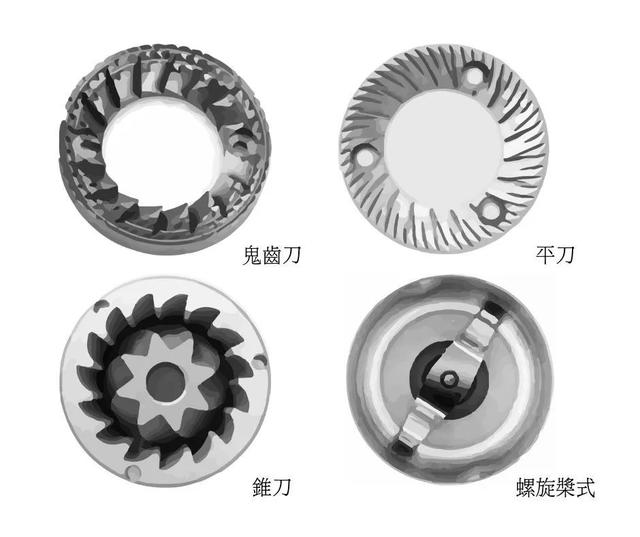
Given their size and price, electric grinders are generally bought by advanced enthusiasts—once pour-over has become an integral part of life, then it's time to consider one. Electric grinders fall into propeller, conical burr, flat burr, and ghost tooth burr designs. Propeller models (commonly called bean choppers) aren't recommended, because chopping leaves the particles very uneven and hurts the taste, though they are cheaper. Flat burrs shave beans into flake shapes; in pour-over they give a rich aroma but relatively simple layers. Conical burrs crush the grounds into block-like shapes and present a fuller taste. Ghost tooth burrs grind each bean evenly into spherical particles, generate less heat during grinding, and won't affect the taste of the grounds, but the price isn't exactly friendly. Those with a sufficient budget can consider this type.
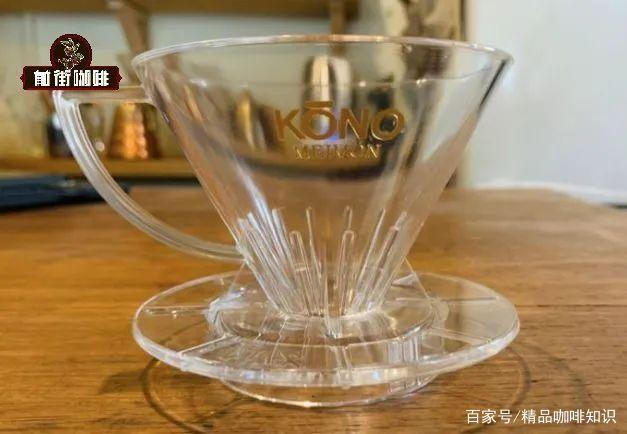
FrontStreet Coffee conical dripper
Dripper
Common dripper types include conical, trapezoidal, and wave. Many different drippers are on the market, each with its own focus. As long as you grasp the two points of flow rate and extraction time and analyze each dripper that way, you can begin to master the taste and flavor of pour-over coffee (the key, still, is to practice diligently).
Conical Dripper
Represented by the Hario V60 dripper, it suits light roast coffee beans. If you're more particular, a Kono dripper works well for medium-dark roasts. Conical drippers have an extremely fast flow rate, so pouring technique demands special attention; poor pouring can lead to under-extraction or over-extraction. Coffee brewed in a conical dripper has a brighter, lighter, cleaner flavor.
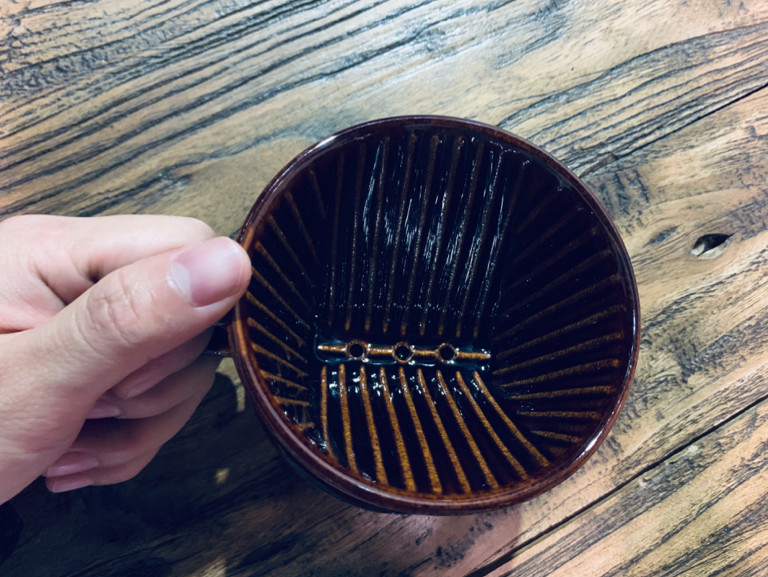
FrontStreet Coffee trapezoidal dripper
Trapezoidal Dripper
This one belongs to the advanced category. On the market they are mainly divided into single-hole, double-hole, and three-hole types. Because the opening is smaller, the number of holes affects the flow rate speed, but overall the flow is slower than a conical dripper. Precisely because of that slower flow, the grounds can be fully extracted and the brewed flavor is richer. If the technique isn't well controlled, it's easy to over-extract and produce heavier bitterness.
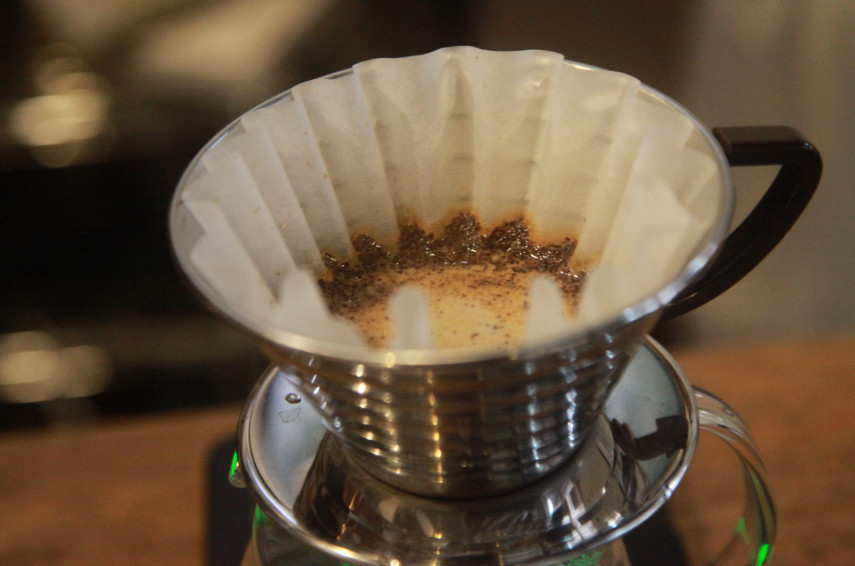
FrontStreet Coffee wave dripper
Wave Dripper
Because its dedicated filter paper resembles cupcake paper, it's also called a cake dripper, and it's very friendly to beginners. The wave-shaped filter paper replaces the dripper's flow channels, reducing the contact area between hot water and the dripper, letting the grounds concentrate in the center, enabling even extraction, and lowering the technical threshold for brewing. Brewing with a wave dripper can achieve a balanced flavor in ideal proportions. Its biggest downside is probably that the matching filter paper costs more—one sheet of wave filter paper runs about twice the price of regular filter paper.
Filter Paper
The main job of filter paper is to filter the coffee liquid. Good filter paper also isolates fine impurities from the beans, keeping them out of the cup so the coffee tastes more aromatic and smooth.
Filter paper is mainly divided into bleached and unbleached types, and the key difference is how heavy or light the paper taste is. Bleached filter paper has less paper taste, though many people worry about the word "bleached." Today's bleached filter paper is treated with oxygen and enzymes, which won't affect health. When using unbleached filter paper, it's best to rinse it first to remove the paper taste, so that flavor isn't extracted during brewing and doesn't affect the coffee. The advantages of filter paper are easy use, fewer impurities, and cleaner-tasting coffee. The disadvantages are that it's less environmentally friendly and can't present the oily mouthfeel of coffee.
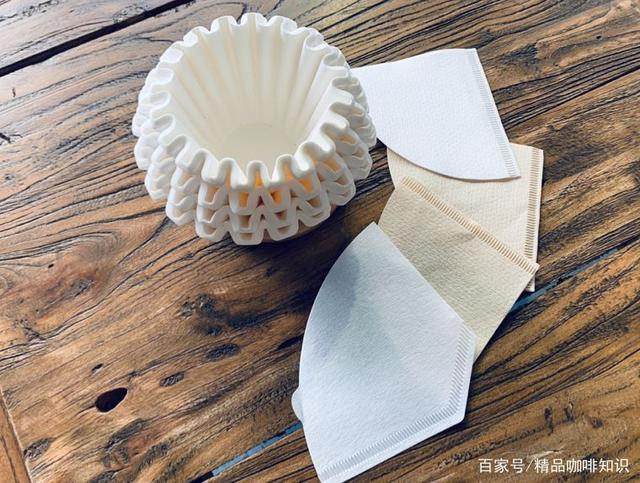
FrontStreet Coffee filter paper
Besides filter paper, you can also use metal filters and flannel cloth. Metal filters let the coffee's oils through, show good layers, and are eco-friendly and reusable. The downside is that they can't hold back fine powder, so you may feel a gritty texture when drinking. Flannel cloth combines the strengths of both filter paper and metal filters, but it's hard to clean and takes skill to use.
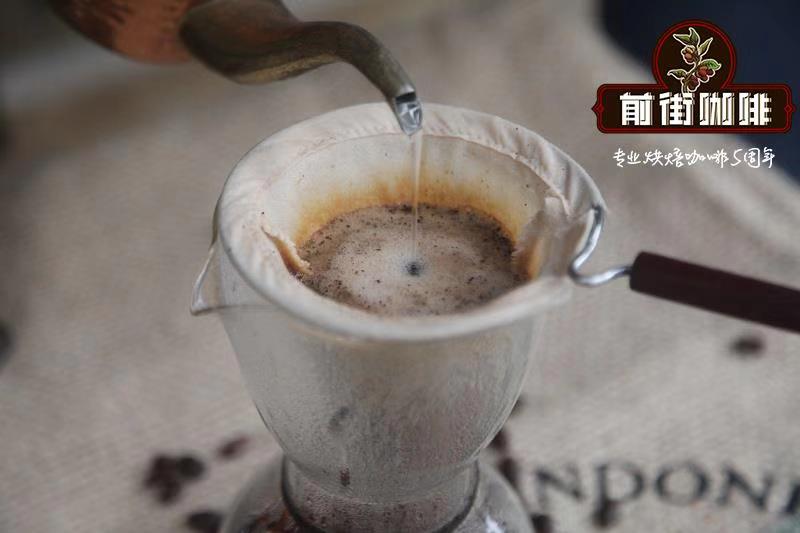
FrontStreet Coffee flannel filter cloth
Pour-over Kettle
Pour-over kettles come in many styles, but in truth they don't matter that much. Choose according to personal preference. What matters is the spout, the opening size, the capacity, and heat retention. The first two directly affect how hard the water flow is to control, capacity affects how much coffee liquid you get, and temperature affects how the flavor comes through.
Narrow-spout kettles suit beginners best. Before you've learned to control the flow, it's easiest to start with a kettle that has a thin spout and a consistent opening. Narrow-spout kettles give a stable flow during the pour, keeping the quality of the brewed coffee consistent. A good choice is a pour-over kettle with an opening of 5mm or less and a large wave-shaped spout, which is easy to control and preserves the complete flavor of the beans.
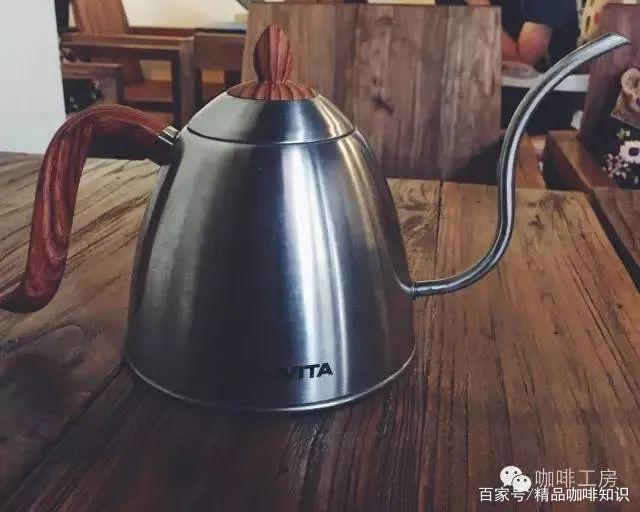
FrontStreet Coffee pour-over kettle
Crane-neck kettles are the expert level. Because their openings are larger, the flow is more controllable—both heavy and light streams are within reach. Paired with variations in water temperature, pouring height, and flow size, they can make the flavor more layered. Using a crane-neck kettle takes long-term practice.
FrontStreet Coffee crane-neck kettle
Serving Pot
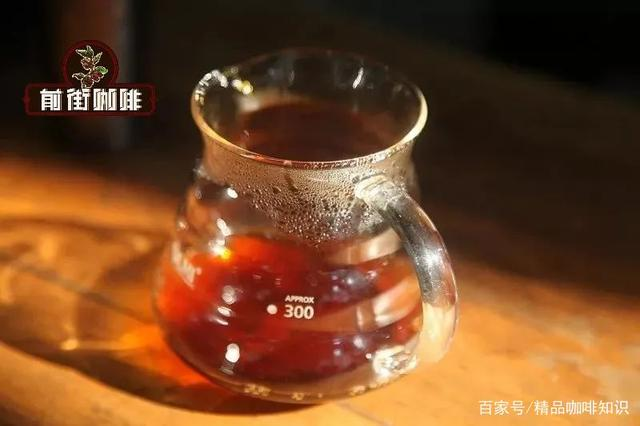
The serving pot holds the coffee. If you're drinking alone, you don't need one—you can drip straight into a mug. For brewing multiple servings, a serving pot is necessary. Thanks to its scale markings and transparent body, you can more easily follow and control the extraction. So a serving pot does more than just distribute cups.
FrontStreet Coffee serving pot
Thermometer
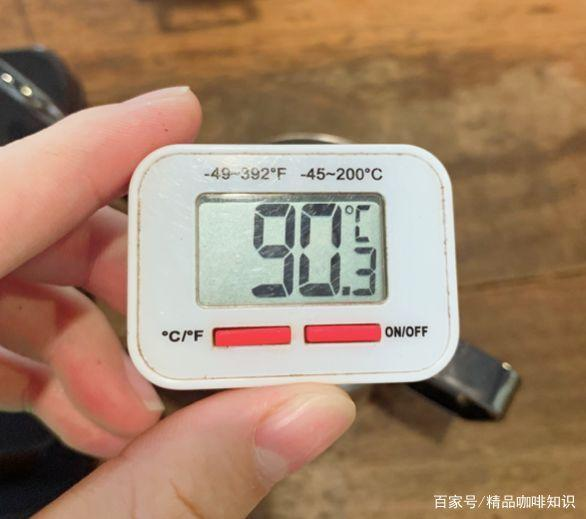
A thermometer measures water temperature. You can also buy a pour-over kettle with a thermometer built into the lid. Water temperature's effect on pour-over cannot be ignored: too high may cause over-extraction, too low may cause under-extraction. FrontStreet Coffee generally uses water around 90°C when extracting light roast beans, and 88°C for medium-dark roasts. Use this as a reference for adjusting the temperature that suits you.
FrontStreet Coffee thermometer
Digital Scale
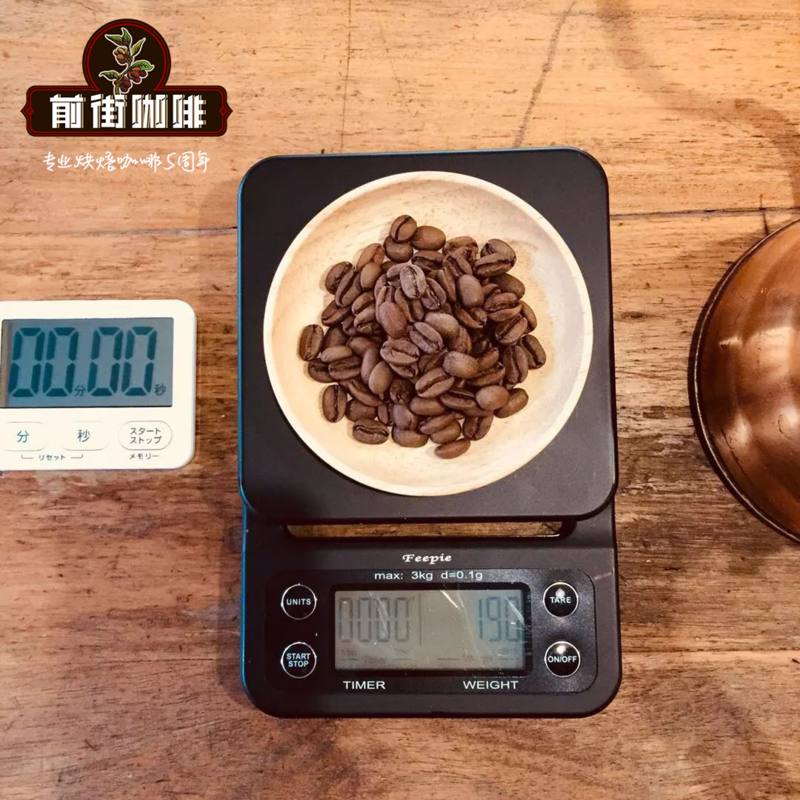
A digital scale mainly lets you accurately obtain the amount of coffee liquid you want. During extraction it can help you avoid over-extraction or under-extraction to a degree. When choosing a scale, look for one with a minimum division of 0.1 grams. If it has a timer, even better, since that lets you track extraction time accurately while brewing.
FrontStreet Coffee Recommendation
Once your setup is ready, the beans matter just as much. For the V60 and other conical drippers, FrontStreet Coffee's Yirgacheffe Guding Ding is an ideal starting point: a washed Ethiopian coffee with jasmine florals, bright citrus and berry notes, and a green-tea finish that the fast, clean flow of a conical dripper shows off beautifully.
If you prefer a sweeter, more fruit-forward cup, FrontStreet Coffee's Ethiopia Flower Queen brings intense tropical aromas of strawberry, passion fruit, and lychee with very little bitterness—a favorite for pour-over and, in summer, cold brew. Both are roasted to order, so the equipment you just assembled has fresh, expressive beans to work with.
Important Notice :
FrontStreet Coffee is a long-established specialty coffee roaster in Guangzhou China, selling freshly roasted beans from its own farm in Yunnan as well as dozens of carefully selected single-origin beans from around the world for both pour-over and espresso. The products deliver consistently excellent quality and great value, with shipping within 24 hours. Guangzhou's FrontStreet Coffee shop is recommended by many coffee lovers, and the beans are now available online at the Tmall 。
FrontStreet Coffee has moved to a new address:
FrontStreet Coffee Address: 315,Donghua East Road,GuangZhou
Tel:020 38364473
 Scan and follow the En Gafei WeChat official account. Please indicate that the reprint comes from "En Gafei".