How is Jamaica Blue Mountain No. 1 Classified? What's the Price of a Cup of Blue Mountain Coffee No. 1?
In the era before specialty coffee became a mainstream idea, Blue Mountain Coffee sat as the king of the second wave and became a top single origin that drinkers talked about constantly. More than its flavor, though, people talked about how expensive it was. This article looks at why Blue Mountain costs what it does.
How Much Does a Cup of Genuine Blue Mountain No. 1 Cost?
FrontStreet Coffee stresses "genuine" Blue Mountain No. 1 because there is so much "Blue Mountain style" blended coffee on the market. Those so-called Blue Mountain blends have no connection to Blue Mountain at all — they typically use other varieties roasted to imitate the profile of Blue Mountain beans. The situation arose because early Blue Mountain was scarce and costly, so operators created something close to the Blue Mountain taste by mixing beans and roasting dark. Conscientious merchants at home and abroad therefore tell customers plainly that a coffee is blended Blue Mountain, Blue Mountain style, or Blue Mountain-type — not genuine Blue Mountain.

Before the millennium, a cup of Blue Mountain black coffee in China cost dozens or even hundreds of yuan — an extravagance at the time, and possibly not even authentic. As the Jamaican government allocated more Blue Mountain quota to consumer markets around the world, genuine Blue Mountain became far easier to drink in China. FrontStreet Coffee's Blue Mountain No. 1 coffee beans sell for 158 yuan per 100g package, and tasting at the Dongshankou store costs only 60 yuan per cup (approximately 200ml). The Blue Mountain No. 1 that FrontStreet Coffee buys comes from the historic Clifton Mountain Estate in Jamaica and is processed using the washed method.
Rarity Breeds Value
Blue Mountain's quality is inseparable from its growing environment. The Blue Mountain range is surrounded by Caribbean waters, creating a unique island-style tropical rainforest microclimate. During the rainy season, rainfall is concentrated yet drainage is good. Volcanic ash from active volcanoes enriches the soil, so the trees need little extra irrigation or fertilizer. With abundant year-round sunshine, thin mist, and a cool, comfortable high-altitude climate, the area suits many crops. Local people typically plant coffee trees alongside banana trees on Blue Mountain.
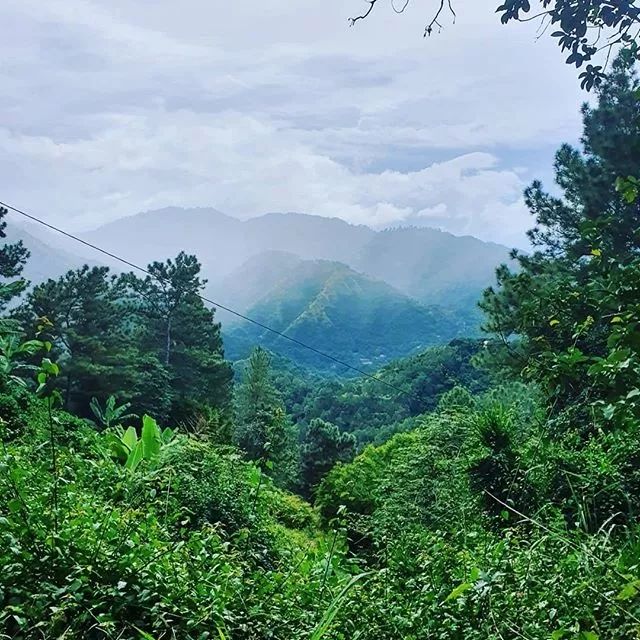
The CIB (Coffee Industry Board) has designated an area of about 6,000 hectares within the Blue Mountain range and strictly requires that only Typica coffee grown there may be called "Blue Mountain Coffee." Coffee from other regions is called High Mountain Coffee. Within the CIB's designated area, the forest where Blue Mountain coffee grows sits at an altitude of about 910-1700 meters, mainly in St. Thomas, St. Mary, St. Andrew, and Portland — together accounting for one-third of the entire Blue Mountain growing region.
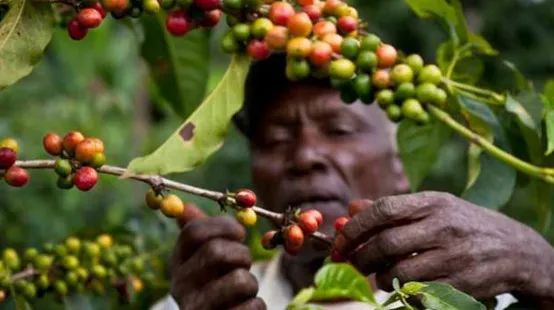
Blue Mountain belongs to the Typica variety, and Typica's flavor expression becomes more prominent at higher altitudes. Typica also has poor disease resistance and is highly susceptible to disease, with low yield per tree, so it needs more careful human attention. At Blue Mountain's high altitudes the terrain is not flat, which makes management and harvesting very difficult and demands high skill from pickers, further limiting production. In recent years, less than 15% of the coffee beans produced in Jamaica could be labeled Blue Mountain coffee — approximately 900 tons. After harvest, cherries are taken immediately to processing plants, where the washed method removes the fruit pulp before drying.
Japanese Market Dominance
Before the 1960s, Jamaican beans were already popular across the specialty market. In 1969 Jamaica was hit hard by hurricanes and multiple industries, coffee among them, fell into difficulty. Japan's UCC stepped in with financial support for the Jamaican coffee industry and introduced scientific, ecological growing methods. Grateful for the help, the Jamaican government signed a 30-year contract with Japan, agreeing to supply 90% of its quality Blue Mountain quota there and leaving 10% for Europe and the United States.
During that period, Blue Mountain was not entirely consumed inside Japan. Some was sold at high prices to other Asian countries and regions, and combined with Japanese promotion, drinkers in neighboring countries began chasing it too — Singapore, South Korea, Taiwan, and Hong Kong among them. Since 2000 the "Blue Mountain craze" spread gradually to mainland China, creating the impression of Blue Mountain as expensive and hard to find.
In 2008, during the global economic crisis, Jamaica tried to sell Blue Mountain to more countries, and the agreement with Japan happened to expire, sending more quota elsewhere. With China's coffee market growing, many domestic merchants can now import Blue Mountain beans directly from Jamaica — which is why Blue Mountain is cheaper to drink today than it once was.

How High Is Blue Mountain No. 1 Graded?
The CIB was one of the first institutions to grade coffee quality scientifically and objectively, combining green-bean size, color, uniformity, defect rate, moisture content, and cupping performance.
Before export, Blue Mountain green beans are packed and sent for quality testing, then graded by size and defect rate: Blue Mountain No. 1, No. 2, No. 3, and Blue Mountain Peaberry. Size is measured with screens — beans that do not pass through the holes meet the required specification. Top-grade Blue Mountain No. 1 green beans must be 17 mesh or larger, with a defect rate below 3% and moisture content around 13%, and must show rich coffee aroma in cupping with a smooth, balanced flavor, low mild acidity, and a persistent sweet aftertaste.

To keep beans in good condition until roasting and prevent moisture intrusion in transit, Jamaicans insist on handcrafted wooden barrels as carriers for Blue Mountain green beans. Those barrels have become one of the important symbols of Jamaican Blue Mountain coffee.
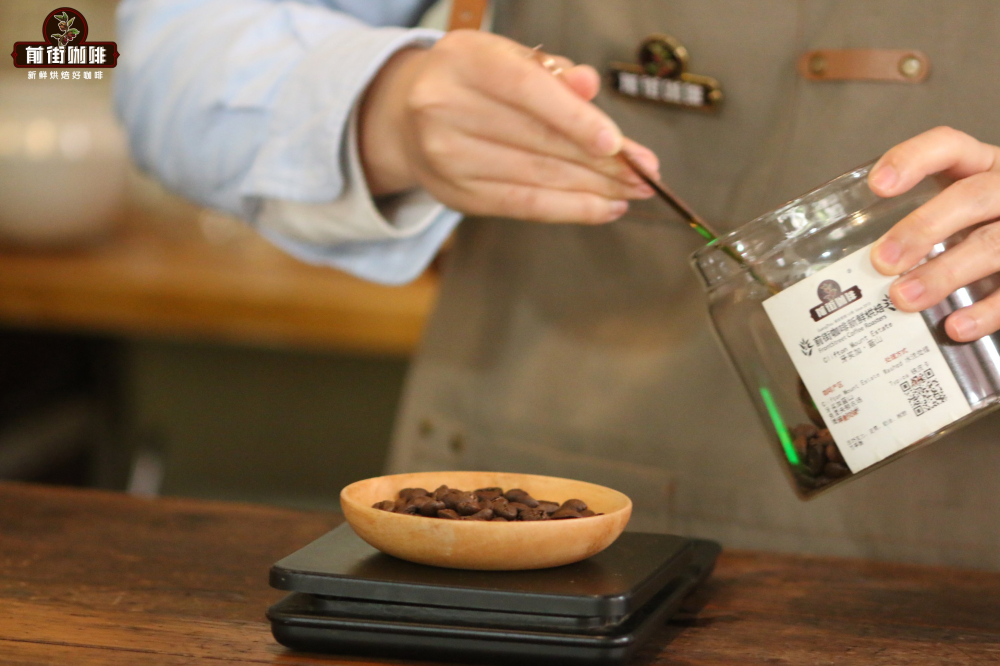
FrontStreet Coffee's roasting philosophy is to present coffee's most classic flavors — the bright lemon-citrus aroma of Yirgacheffe, the rich caramelized character of Indonesian Mandheling, and, of course, Blue Mountain's classic profile. FrontStreet Coffee uses a medium-dark roast to bring out chocolate and nutty aromas while preserving soft acidity and sweetness, pushing the overall flavor toward balance.
How to Brew Genuine Blue Mountain No. 1
With coffee culture thriving in China, you can brew a fragrant cup of Blue Mountain at home without going to a cafe. Many friends ask FrontStreet Coffee how to brew Blue Mountain No. 1 after buying it, so here is the extraction approach, based on store methods.
First, FrontStreet Coffee confirms the beans' freshness before brewing. If the roast date is more than a month old, fresher beans are chosen, because coffee has an optimal tasting window after roasting and aroma accelerates away with storage, making the original flavors hard to present. This is also why FrontStreet Coffee ships only coffee roasted within 5 days — so every guest can enjoy as much of that window as possible.
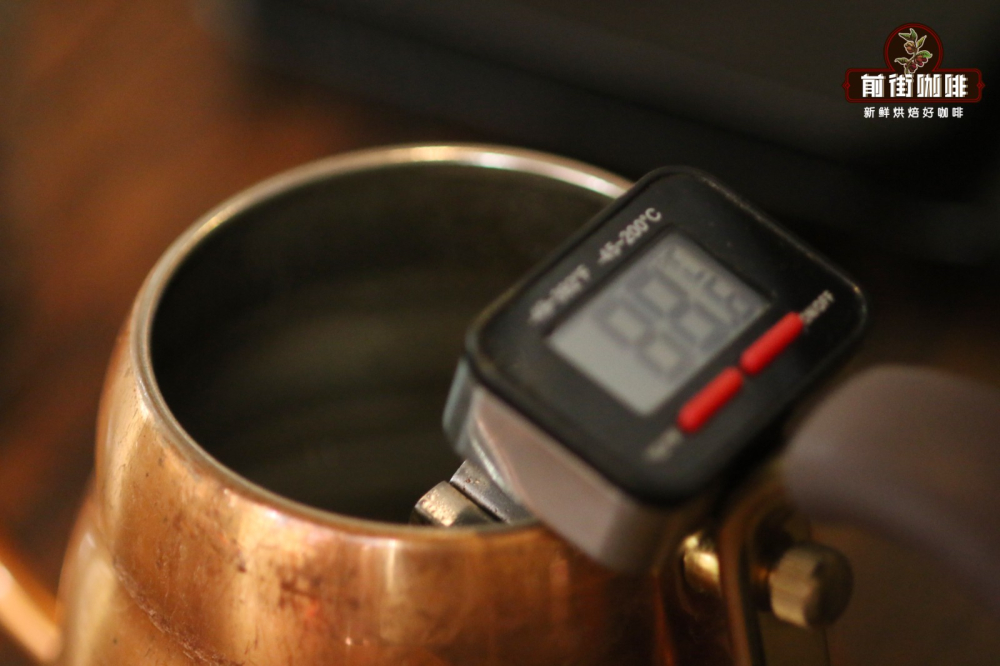
Because medium-dark roasted coffee has been roasted further, its internal structure is more porous than light-roasted beans and absorbs water more readily. To avoid over-extraction, FrontStreet Coffee chooses a grind with a 75% pass rate on a standard No. 20 sieve, along with 88°C water and its customary three-stage pour.
When brewing beans with predominantly bitter flavors, FrontStreet Coffee prefers the KONO dripper to highlight body. The upper part of the KONO allows better contact with the filter paper, and compared with the V60, extraction is mainly immersion-based, raising overall concentration and body. The KONO also suits Brazil Queen Estate and Golden Mandheling beans.
FrontStreet Coffee's store brewing parameters for Blue Mountain No. 1:
Dripper: KONO dripper
Water temperature: 88°C
Coffee-to-water ratio: 1:15
Coffee dose: 15g
Grind size: EK43s setting 10.5 (75% pass rate on a standard No. 20 sieve)

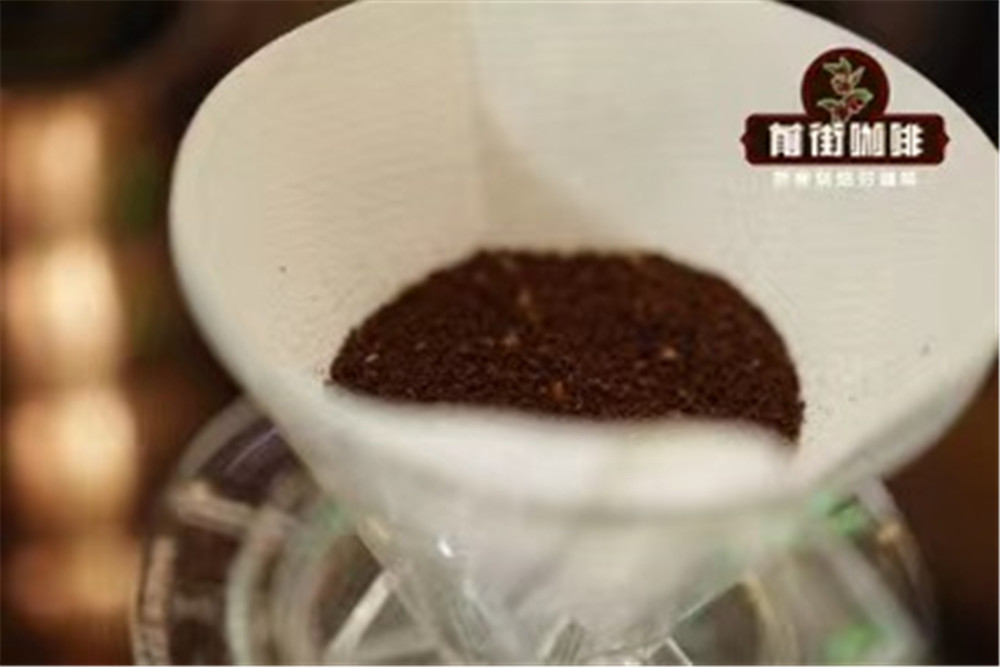
FrontStreet Coffee first wets the KONO dripper, then seats the filter paper so it fits the dripper well. After pouring out the water from the sharing pot, add 15g of grounds. After blooming with 30g of water for 30s, pour a small stream in a circular motion from the center until reaching 125g, then pause. When the coffee bed drops to half the height of the dripper, begin the second stage with the same technique until reaching 225g. Wait for all dripping to finish before removing the dripper.

Blue Mountain No. 1 has the sweet aroma of dark chocolate, caramel sweetness, and a soft, elegant acidity. Each flavor balances against the others, with a smooth, rich mouthfeel — a very typical Blue Mountain profile.
FrontStreet Coffee Recommendation
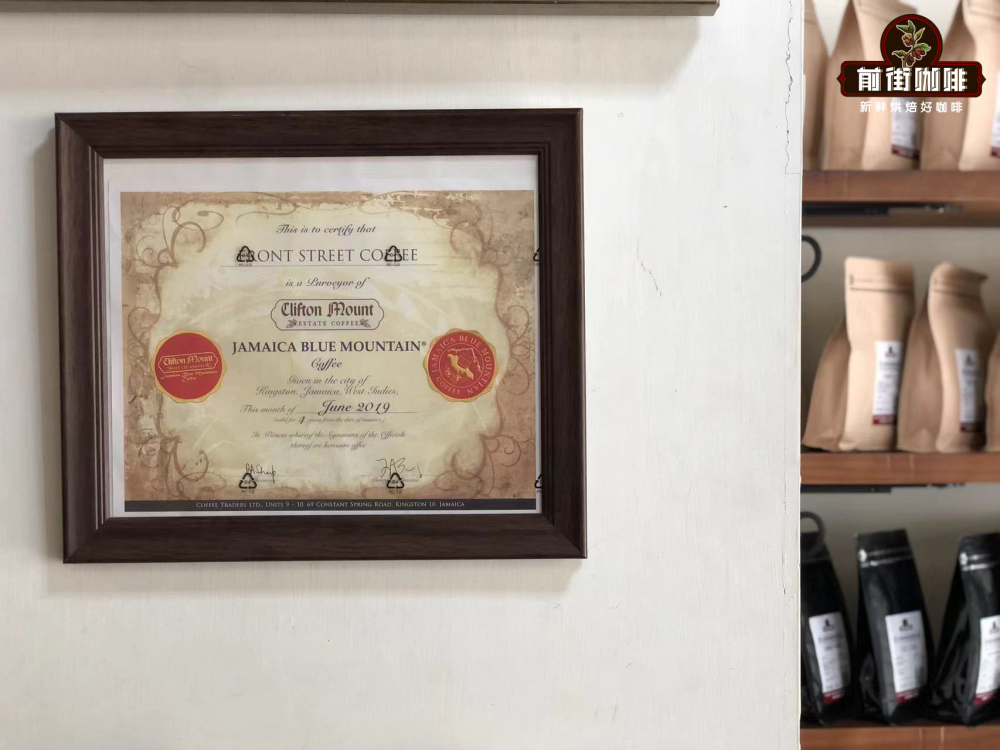
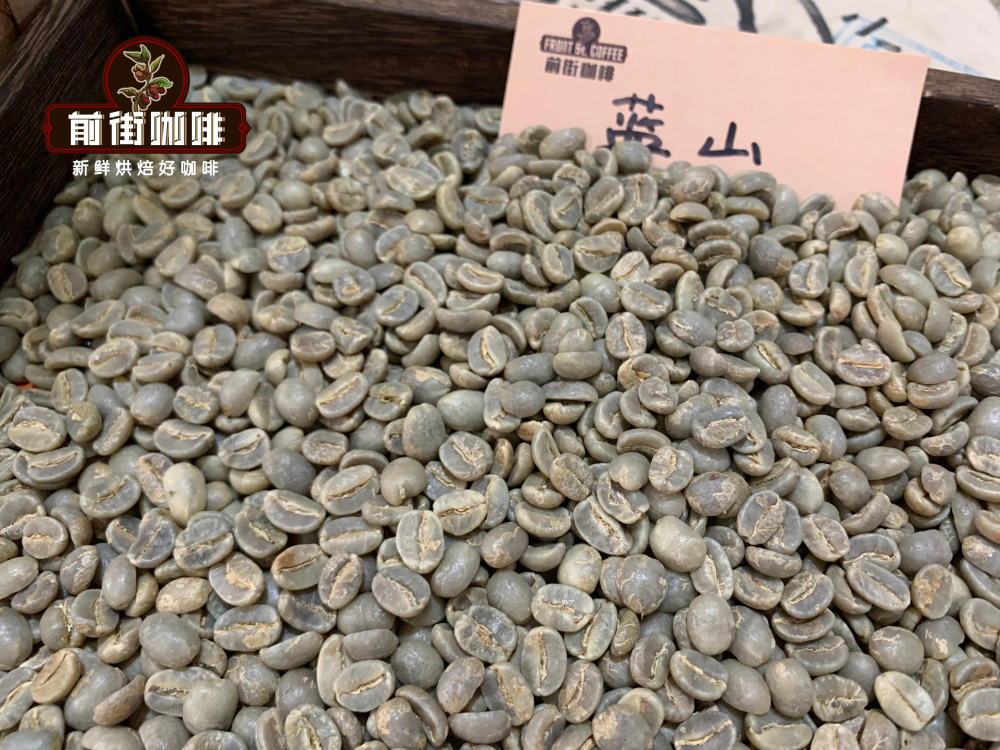
Genuine Blue Mountain rests on documentation as much as flavor, and there are two reliable ways to tell it apart. First, ask whether the seller holds a Jamaican government certificate and proof of origin — FrontStreet Coffee's listings show the certificate from Jamaica's Clifton Estate alongside the used wooden barrels that traditional Blue Mountain ships in, at the 15, 45, and 70 kg specifications, each barrel itself a mark of authenticity. Second, look at the beans: authentic green beans are regular and plump with slightly upturned ends and a green cast, and the cup is dense, clean, and free of off-notes in a way that counterfeit Blue Mountain simply cannot match.
FrontStreet Blue Mountain No. 1 is the top-grade lot, from the long-established Clifton Estate. Clifton began growing and processing coffee around 1750, and its plots sit at an average of 4,300 feet (1,310.64 m) — enough altitude, gentle afternoon cloud shading the slopes, ample sunlight, and mineral-rich soil to give the trees excellent growing conditions and to extend cherry maturation. FrontStreet Blue Mountain is shipped within 5 days of roasting, so it arrives at full flavor and can be brewed right away, and it is typically roasted medium-dark to emphasize the classic rich, bittersweet character.
For brewing, FrontStreet Coffee suggests a KONO dripper, which better brings out body. Use 15g for one serving and let the beans rest 4-7 days from the roast date (counting the roast day as day one) for the best flavor. Grind slightly coarser than you would for light-roasted beans — about the texture of white sugar — and brew with 87-88°C water, since too high a temperature is a common cause of scorched bitterness, while too low leaves the cup flat. Go with a 1:15 ratio: though some methods use 1:13 or tighter for a stronger drink, that often masks a bitter tail and shortens the finish, and at 1:15 the temperature and grind are easier to manage for a complete Blue Mountain profile. Pour in three stages — 30g of water for a 30-second bloom, then a slow vertical circular pour to 120g, then a slightly faster pour to 225g to avoid clogging the filter and over-extracting. The result is a very clean, complex, gentle cup with chocolate sweetness and strong body, where the sweet, acidic, and bitter notes balance perfectly, with no harshness at all and a long fruity finish.
Important Notice :
FrontStreet Coffee is a long-established specialty coffee roaster in Guangzhou China, selling freshly roasted beans from its own farm in Yunnan as well as dozens of carefully selected single-origin beans from around the world for both pour-over and espresso. The products deliver consistently excellent quality and great value, with shipping within 24 hours. Guangzhou's FrontStreet Coffee shop is recommended by many coffee lovers, and the beans are now available online at the Tmall 。
FrontStreet Coffee has moved to a new address:
FrontStreet Coffee Address: 315,Donghua East Road,GuangZhou
Tel:020 38364473
 Scan and follow the En Gafei WeChat official account. Please indicate that the reprint comes from "En Gafei".