How Much Caffeine is in Starbucks Decaf Coffee Beans? Can Pregnant Women Drink Lattes Made with Decaf Coffee Beans?
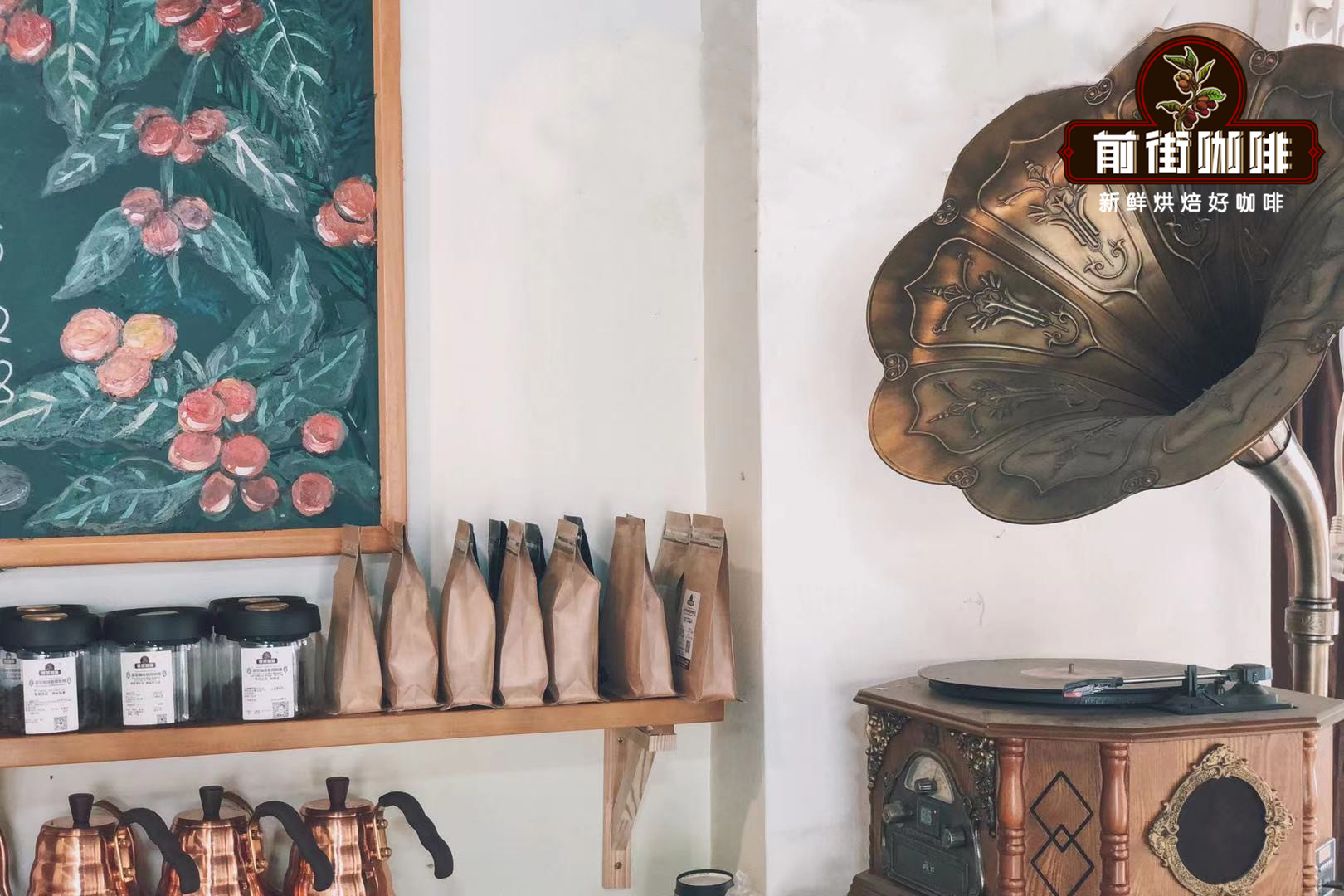
When it comes to decaffeinated coffee, most people probably think of Starbucks. Starbucks introduced decaffeinated espresso more than a decade ago, for customers who want to drink coffee without taking in too much caffeine. As the specialty coffee market has matured, more people have begun to explore specialty coffee, and decaffeinated coffee has gradually drawn more attention. So can only espresso blend beans be made into decaf? Not quite. FrontStreet Coffee recently acquired three decaffeinated single-origin beans from Colombia and Mexico and, after comparing roasting, cupping and brewing, decided to launch a decaffeinated bean from the Huila region of Colombia.
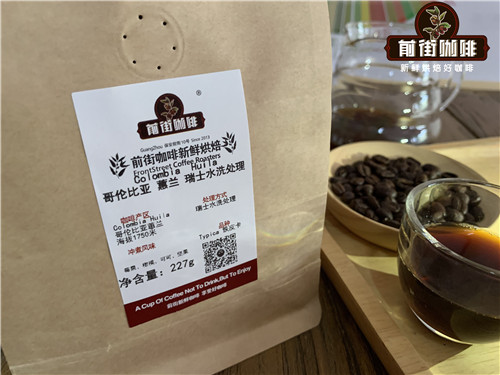
FrontStreet Coffee - Colombia Huila Decaffeinated Coffee Beans
Region: Colombia Huila
Altitude: 1750 meters
Varieties: Typica, Caturra, Castillo
Processing Method: Swiss Water Process
Grade: Supremo
What Is Decaffeinated Coffee?
Decaffeinated coffee, as the name suggests, is coffee with only trace amounts of caffeine. Coffee contains many components, among which caffeine has a significant effect on the human body. For the many coffee lovers who cannot take in too much caffeine for health reasons, decaf is the best choice.
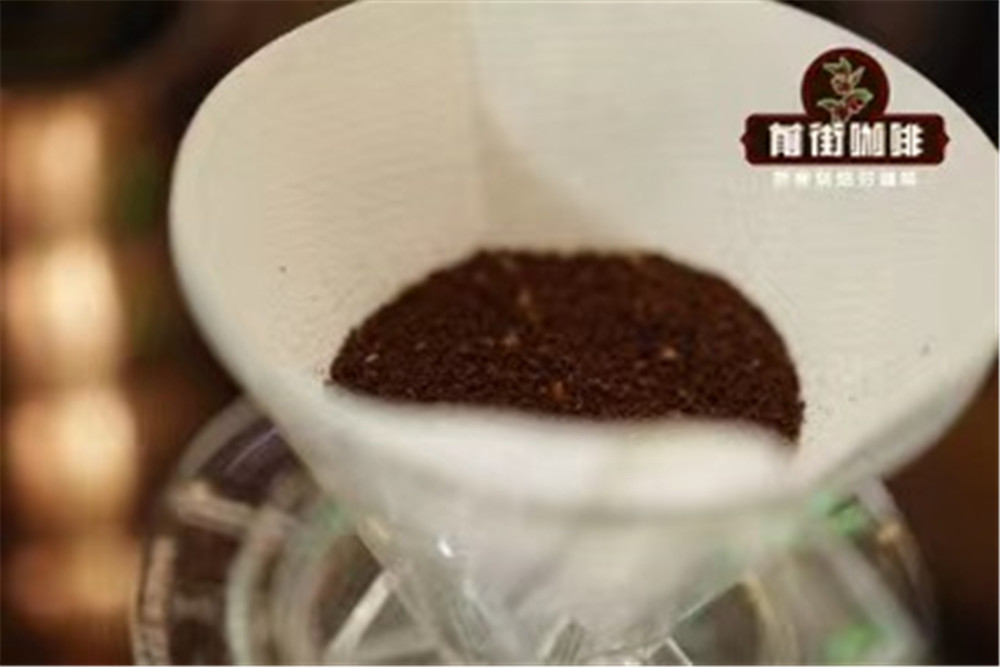
Caffeine Content in Decaffeinated Coffee
Generally, Arabica beans contain 1.1%-1.7% caffeine, while Robusta beans contain 2%-4.5%. The EU standard for artificially processed decaf is that caffeine after processing should not exceed 0.1% of the raw beans, while the US FDA standard is to reduce it to less than 3% of the original caffeine content. So decaffeinated coffee is not caffeine-free.
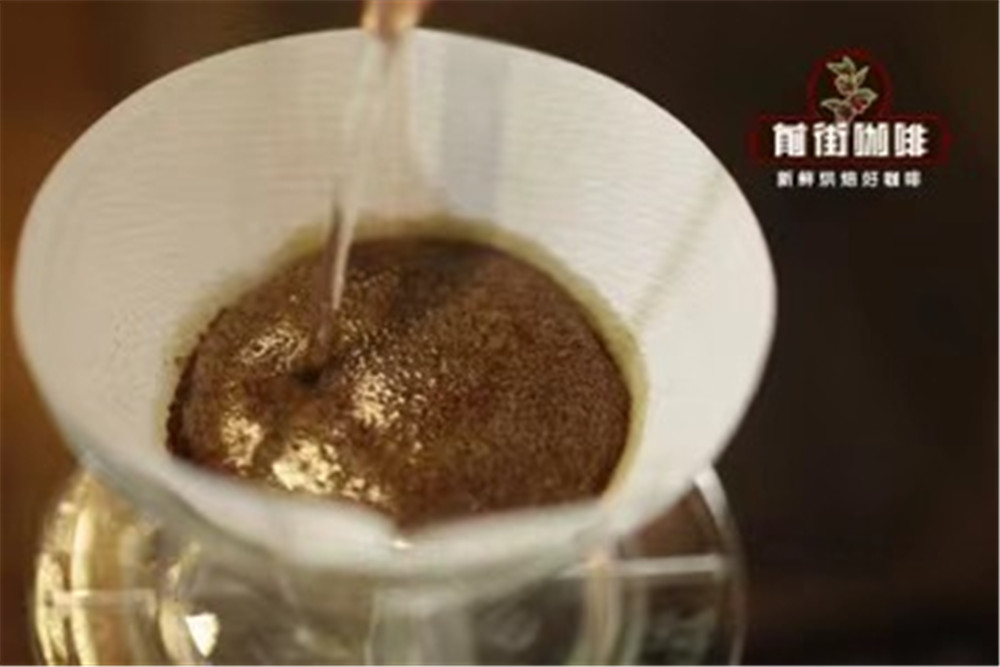
Can Pregnant Women Drink Decaffeinated Coffee?
FrontStreet Coffee's review of research on caffeine's effects on the fetus shows that if a pregnant woman consumes more than 500mg of caffeine a day, the fetal heart rate and respiratory frequency will be faster, affecting development. Caffeine's effect on the fetus is not absolute; it occurs only when the dose reaches a certain level. So as long as you do not drink coffee every day, pregnant women can occasionally have a cup of milk coffee. When choosing, go caffeine-free if available; if not, use less espresso. If you are still worried, it is better to hold off. After all, the baby's health matters most.
Decaffeination Processing Methods
Decaffeination methods fall into four types: direct or indirect solvent processing, supercritical carbon dioxide processing, the Swiss Water Process and mountain spring water processing. The most common are direct solvent processing and the Swiss Water Process. The Colombia Huila decaf beans acquired by FrontStreet Coffee use the Swiss Water Process. This method soaks the green beans in hot water, which already removes some caffeine. The soaking solution is then filtered through activated carbon, and finally the solution is poured back into the beans. This sequence removes caffeine more effectively. Besides requiring no chemical solvents, the soaking solution can be reused across batches, though the coffee still loses some flavor during filtration.
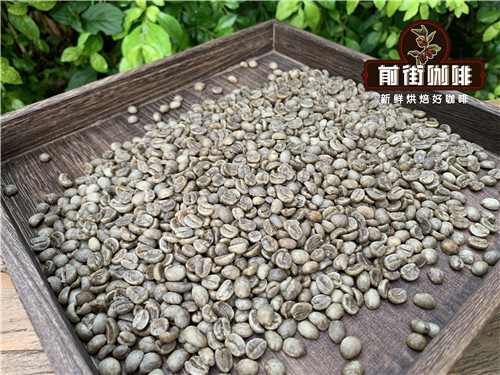
Flavor Profile of Colombian Decaffeinated Coffee
Colombia is blessed with high mountains, good water, rich terrain, clusters of volcanoes, fertile soil and abundant rainfall. FrontStreet Coffee considers it a naturally made coffee paradise. Rich minerals nourish the nutrients in coffee fields, helping the coffee develop more flavors and aromas. Through cupping beans from different regions of Colombia, FrontStreet Coffee finds they have full-bodied, heavy-textured profiles: nut, chocolate and caramel aromas with a smooth, pleasant fruit acidity are the flavor hallmarks of this producing country. The Colombian decaf beans acquired by FrontStreet Coffee have lost much of their flavor to the Swiss Water Process; their main characteristics are a dark chocolate aroma, a slight berry and citrus acidity and a caramel aftertaste.
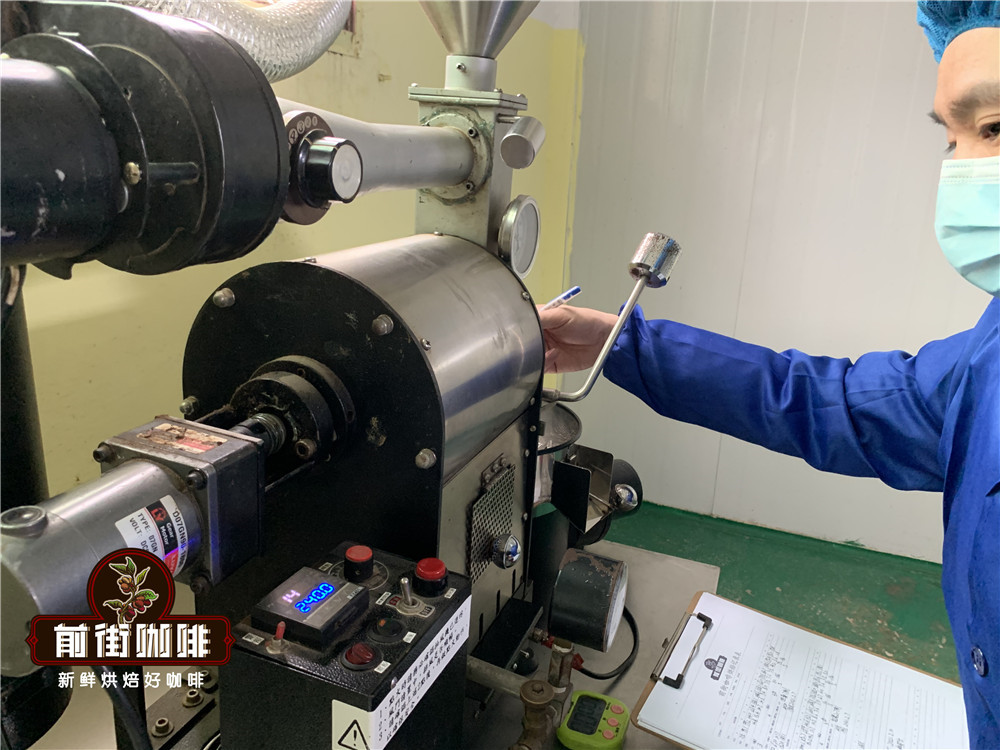
How Does FrontStreet Coffee's Roaster Roast This Decaffeinated Bean?
FrontStreet Coffee's roaster uses medium heat and then steadily increases it. The yellowing point comes at around 6 minutes 15 seconds, after which the heat is reduced and the airflow opened to enter the Maillard reaction. At first crack, the airflow is opened wide while the heat is held at approximately 183.2°C. The beans are removed 2 minutes 30 seconds after first crack.
Preheat the roaster to 200°C before loading, with airflow set to 3. After 30 seconds, start the fire and adjust the heat to 130. The return-to-temperature point comes at 1'32". Maintain the heat; yellowing at 6'15", the grassy aroma disappears and the beans enter the dehydration stage. Increase the heat to 140 and open the airflow to 4. On reaching 151°C, reduce the heat again to 110. Dehydration is complete at 8 minutes. Wrinkles and black spots appear on the bean surface, the toast aroma turns to coffee aroma, and this is the prelude to first crack. Keep the heat constant, open the airflow to 5 and listen carefully for the sound of first crack. First crack begins at 9'57"; open the airflow fully to 5. Development time after first crack is 2 minutes 30 seconds, and the beans are removed at 194.2°C.
How Does FrontStreet Coffee Brew Decaffeinated Coffee?
Decaf beans, after releasing caffeine through soaking, have a different fiber structure from regular beans. Their strong water absorption slows extraction, so the brewing parameters need to be adjusted.
Dripper: Kono dripper
Water Temperature: 88.8°C
Dose: 15g
Coffee to Water Ratio: 1:15
Grind Size: Coarse grind, like raw sugar (62% pass rate through a China standard No. 20 sieve)
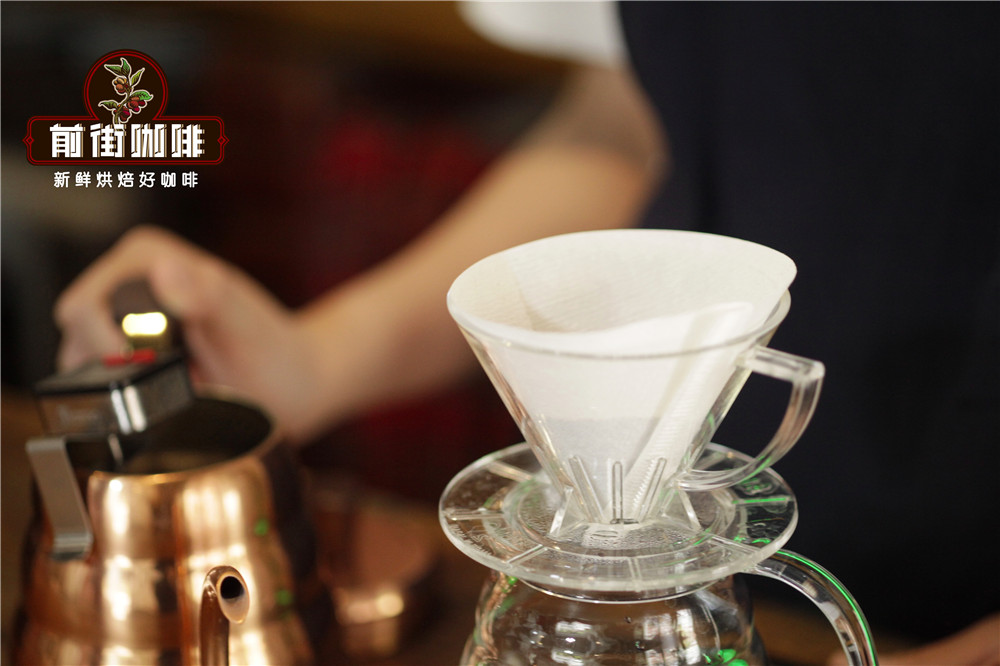
FrontStreet Coffee's Multi-Stage Brewing: Add the grounds, then pour in twice the water amount (30ml) and bloom for 30 seconds. Then make the second pour, gently circling in 150ml of hot water to lift the coffee bed and create a golden foam on the surface. Wait for the water level to drop slightly, then add the final 45ml. Once all the coffee liquid has flowed into the lower pot, remove the dripper to finish extraction. Extraction time is 2 minutes 10 seconds.
FrontStreet Coffee Recommendation
The reference point for Colombian flavor is the Huila region, and FrontStreet Colombia Huila brings out exactly its signature character. A washed, medium-dark roast, it highlights dark chocolate and nutty sweetness with a moderate crema and a full body; it suits pour-over and a French press, and it can also be brewed in a moka pot or espresso machine for an Americano or a latte.
If you want a more fruit-driven Colombian, FrontStreet Colombia Frontera Estate Sidra is a competition-winning line. This Sidra is anaerobically natural processed and roasted medium-light, which keeps its native fruit intact: jasmine and citrus on the nose, then passion fruit, blueberry, grape and apricot in a dense, juicy cup, with bright, soft acidity, a touch of spice in the middle and a long cocoa finish. It is versatile too, working for pour-over, espresso SOE and cold drip.
For those with a home espresso machine or a moka pot, FrontStreet Premium Blend is the barista-recommended choice. Built for cafe use, it combines the creamy nuttiness of Brazil with the dark chocolate bittersweetness of Colombia and yields a fine golden crema, making it ideal with milk for a rich, smooth latte and a dependable base for an Americano, cappuccino or mocha.
Important Notice :
FrontStreet Coffee is a long-established specialty coffee roaster in Guangzhou China, selling freshly roasted beans from its own farm in Yunnan as well as dozens of carefully selected single-origin beans from around the world for both pour-over and espresso. The products deliver consistently excellent quality and great value, with shipping within 24 hours. Guangzhou's FrontStreet Coffee shop is recommended by many coffee lovers, and the beans are now available online at the Tmall 。
FrontStreet Coffee has moved to a new address:
FrontStreet Coffee Address: 315,Donghua East Road,GuangZhou
Tel:020 38364473
 Scan and follow the En Gafei WeChat official account. Please indicate that the reprint comes from "En Gafei".