The Difference Between Starbucks Decaf Coffee Beans and Regular Coffee - Introduction to Decaf Coffee Flavor Characteristics
Understanding Decaf Coffee: Origins, Processing Methods, and Characteristics

As people chase healthier lifestyles, sugar-free and low-fat drinks have flooded into daily life. Coffee, one of the world's three great beverages, is no exception. Low-caffeine coffee — better known as decaf — has arrived and is now widely available in coffee shops. So what exactly makes decaf coffee special? FrontStreet Coffee uses this article to share what we know about it.
The Origin Story of Decaf Coffee
According to FrontStreet Coffee's research, the story of decaf begins with the famous German figure Goethe. He was an enthusiastic coffee lover, but drinking coffee kept him awake at night. Against this backdrop, Goethe asked his friend Runge to analyze the components of coffee beans and find out what was interfering with his sleep. Around 1820, Runge identified caffeine as the culprit and developed a method for separating it from coffee beans — making Runge the pioneer of decaffeinated coffee.
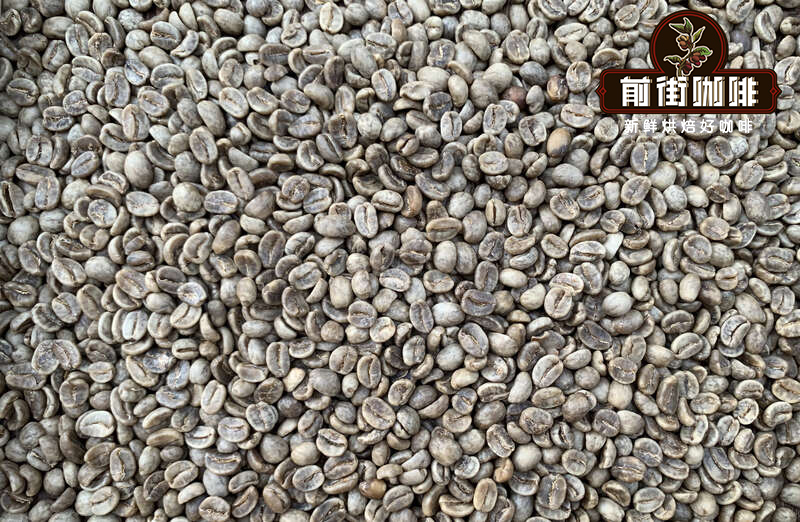
However, even though Runge had identified the sleep-stealing compound, the extraction technology of his day couldn't produce decaffeinated coffee on a large scale. It wasn't until 1903 that the German coffee importer Ludwig Roselius noticed that coffee beans soaked in seawater had markedly less caffeine. He hired a team of chemists to develop caffeine extraction technology, achieving the breakthrough that made mass-produced decaf possible.
What Is Decaf Coffee?
So how low does the caffeine content need to be before coffee can be called decaf? According to FrontStreet Coffee's understanding, decaf coffee beans have had at least 97% of their caffeine removed. That's why decaf is short for "decaffeinated coffee." It still contains trace amounts of caffeine, though — decaf is not 100% caffeine-free.
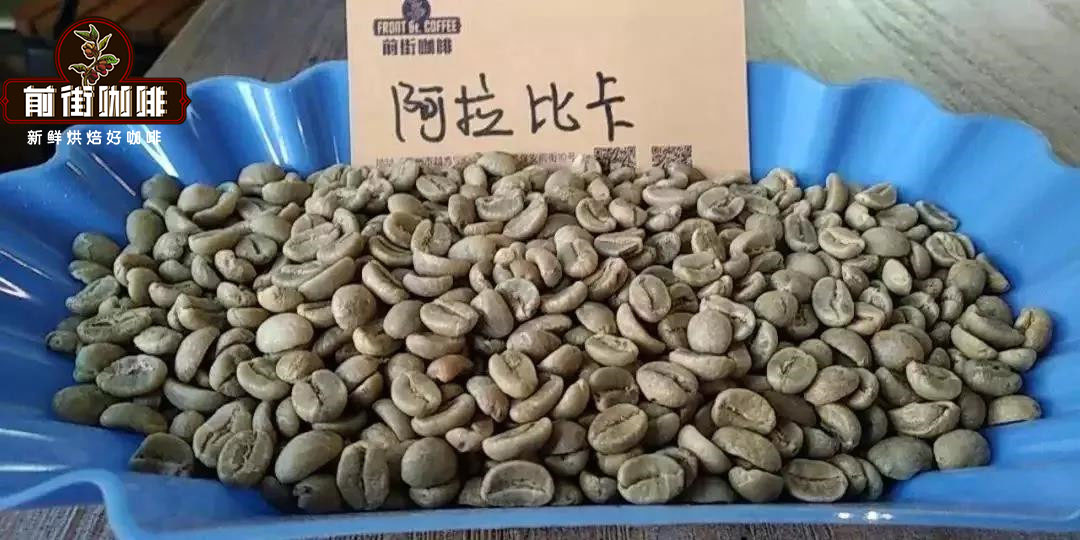
Normally, caffeine content in coffee beans is measured as a weight ratio. Arabica beans contain 0.9%-1.4% caffeine (averaging 1.2%), while Robusta contains 1.8%-4% (averaging 2.2%).
Decaf coffee comes in two forms: naturally low-caffeine coffee and artificially decaffeinated coffee. For processed decaf, the EU standard caps caffeine at no more than 0.1% of the green beans' weight, while the US FDA standard requires a reduction to less than 3% of the original caffeine content. So decaf coffee does not equal zero caffeine. This is why FrontStreet Coffee often tells enthusiasts: "Discussing the intake of anything without considering dosage is irresponsible."
Decaf Coffee Processing Methods
How exactly is caffeine removed? There are currently many methods, most of which use water, organic solvents, or carbon dioxide. The beans are washed in a solvent until the caffeine is drawn out, and the solvent is then removed. Decaffeination happens before roasting and grinding.

The most common decaf methods today are the Swiss Water Process, the direct and indirect solvent methods, and supercritical carbon dioxide extraction. Each has its own character, and FrontStreet Coffee will walk through all of them.
Swiss Water Process
This process begins by soaking green coffee beans in hot water, which partially removes the caffeine. The soaking solution is then filtered through activated carbon, and finally the solution is returned to the beans. This sequence removes caffeine quite effectively. Besides using no chemical solvents, the solution can be reused across batches. The downside is that the coffee loses a little flavor during filtration.
On the other hand, this method can achieve a caffeine removal rate of 99.9% — the highest of any method. Although the Swiss Water Process may sacrifice some flavor, it remains popular for its low cost, ease of operation, and efficiency, which is why most decaf on the market today uses it.
Direct Solvent Method

The direct solvent method uses chemical solutions such as dichloromethane or ethyl acetate to dissolve caffeine. First, steam opens the pores of the green beans, then the dichloromethane is applied directly. Once the solvent has bonded with the caffeine, the caffeine-laden solvent is washed away, and the beans are steamed again to remove any residual solvent.
Since this method appeared, many people have worried that long-term exposure to dichloromethane raises cancer risk. However, FrontStreet Coffee looked into it: dichloromethane boils at 39.8°C, and both steaming and roasting temperatures are far hot enough to evaporate it completely. There is no need to worry about carcinogenic residues.
Indirect Extraction Method
This process begins by softening green beans, then soaking them in boiling water for several hours. This draws the caffeine — and many flavor compounds — into the water, creating a solution full of coffee's essence. The water is separated from the beans, and dichloromethane or ethyl acetate is added; the solvent breaks down the caffeine in the water, which is then evaporated by heating. Finally, the flavor liquid is reunited with the beans so they reabsorb the coffee oils and aromatics. Even though it's "indirect," this method is the most likely to cost the coffee some flavor.
Supercritical Carbon Dioxide Extraction
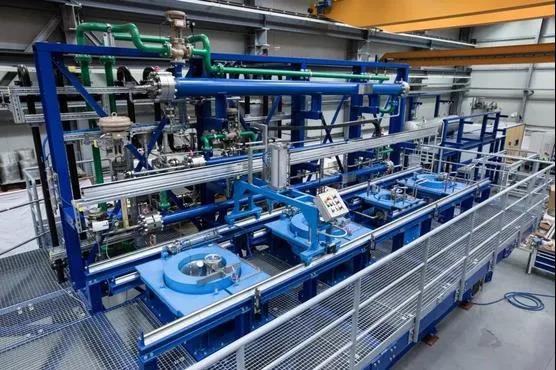
Here, dry supercritical carbon dioxide first extracts the aromatic compounds from the roasted beans; moist supercritical carbon dioxide then removes the caffeine; finally, the previously captured aromatics are returned to the now caffeine-free beans. As these steps show, supercritical CO2 — with its high permeability and low surface tension — can penetrate deep into the beans. The method removes caffeine without damaging the beans, changing their color, or stripping anything other than caffeine, so the beans keep their original flavor. The catch: it requires a special high-pressure environment.
That's FrontStreet Coffee's summary of the four main decaf methods. FrontStreet Coffee has also introduced a Colombian Huila decaf bean processed with the Swiss Water Method — here is its basic profile.

FrontStreet Coffee: Colombian Huila Decaf Coffee Beans
Region: Colombia, Huila
Altitude: 1750 meters
Varieties: Typica, Caturra, Castillo
Processing Method: Swiss Water Process
Grade: Supremo
Flavor: Dark chocolate, caramel, nuts, with a rich body.
Does Decaf Coffee Taste Good?
Anyone who has tried other low-fat, sugar-free drinks knows they rarely match the originals. Is the same true of decaf? FrontStreet Coffee actually believes the problem was never the processing itself.

The real reason most decaf disappoints is that producers tend to start with cheap, commercial-grade beans. Begin with high-caffeine Robusta, and a poor-tasting result is almost guaranteed. But if a producer starts with high-quality Arabica, even after decaffeination the coffee can still perform very well.
The Pros and Cons of Decaf Coffee
From everything above, decaf sounds mostly positive. Does it have drawbacks? It certainly does, but the advantages outweigh them. For one thing, coffee is the largest source of antioxidants in the Western diet.
As FrontStreet Coffee understands it, decaf usually contains similar levels of antioxidants to regular coffee, though they may be up to 15% lower — a difference likely caused by slight losses during decaffeination. This is why more and more people choose decaf: it delivers antioxidant benefits without disturbing sleep.
Beyond that, the main antioxidants in coffee are hydroxycinnamic acids and polyphenols, which are highly effective at neutralizing free radicals. That reduces oxidative damage and may help prevent conditions such as heart disease, cancer, and type 2 diabetes.
Decaf also contains small amounts of nutrients: one brewed cup provides 2.4% of the recommended daily magnesium intake, 4.8% of potassium, and 2.5% of niacin (vitamin B3). That may not sound like much, but if you drink 2-3 cups (or more) a day, it adds up quickly.

In short, decaf has a lot going for it. The only real drawback is a slightly lighter flavor than regular coffee — and if quality beans are chosen to begin with, the flavor holds up just fine.
That's FrontStreet Coffee's rundown of decaf's characteristics, pros, cons, and processing methods. We hope it helps enthusiasts understand the category and pick high-quality beans that suit their tastes.
FrontStreet Coffee Recommendation
If you're ordering espresso-based drinks late in the day, FrontStreet Coffee's Classic Blend is the house first choice for espresso and moka pot brewing. Built on the traditional Mocha-Java style recipe, it produces exceptionally thick, silky crema — easy to extract even on a basic home machine — and a mellow, rounded body that works beautifully in lattes, cappuccinos, and Dirty espresso drinks.
Prefer nutty, chocolatey espresso without spending much? FrontStreet Coffee's Black Cocoa Blend uses 100% Arabica beans, including a large share of Brazil coffee, giving a comfortable bittersweetness, creamed-peanut aroma, and an extremely smooth entry. And for a single-origin espresso (SOE), the FrontStreet Brazil Queen Estate Yellow Bourbon, roasted medium-dark, shows butter-cookie, macadamia, and toasted-bread notes through the espresso machine.
Important Notice :
FrontStreet Coffee is a long-established specialty coffee roaster in Guangzhou China, selling freshly roasted beans from its own farm in Yunnan as well as dozens of carefully selected single-origin beans from around the world for both pour-over and espresso. The products deliver consistently excellent quality and great value, with shipping within 24 hours. Guangzhou's FrontStreet Coffee shop is recommended by many coffee lovers, and the beans are now available online at the Tmall 。
FrontStreet Coffee has moved to a new address:
FrontStreet Coffee Address: 315,Donghua East Road,GuangZhou
Tel:020 38364473
 Scan and follow the En Gafei WeChat official account. Please indicate that the reprint comes from "En Gafei".