How Expensive is Blue Mountain Coffee? Grade Classification? Flavor Profile and Variety Characteristics? What Does It Taste Like?
How Expensive is Blue Mountain Coffee? What Are Its Grade Classifications? Flavor Characteristics and Varieties? How Does It Taste?
Blue Mountain Coffee is the "Oscar-winning actor" of the coffee world. Like Marlon Brando, it holds the position of a legend in the hearts of its fans - truly the "Godfather of Coffee"!
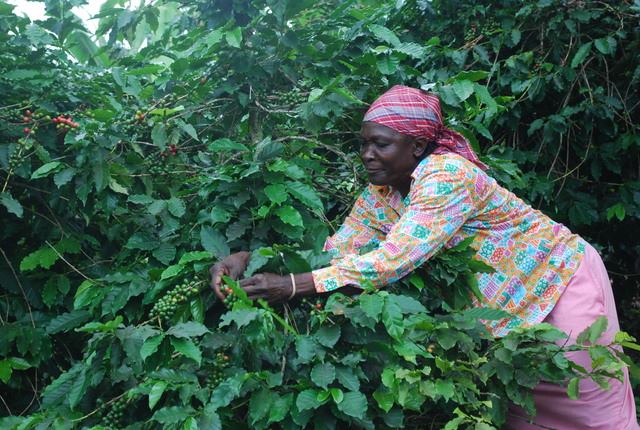
Blue Mountain Coffee grows in Jamaica, and its superior growing environment made this superstar possible. The Blue Mountains sit in eastern Jamaica, surrounded by the Caribbean Sea. On clear days, when direct sunlight hits the azure sea, the peaks reflect the brilliant blue glow of the water - hence the name. The highest peak of the Blue Mountains reaches 2,256 meters above sea level. The area lies within the coffee belt, with fertile volcanic soil, fresh unpolluted air, and a humid climate of year-round fog and rain - conditions that created the world-renowned Jamaican Blue Mountain Coffee.
When it comes to balancing the three core flavors of coffee - sweetness, acidity, and bitterness - nothing surpasses Blue Mountain. Its aroma is remarkably rich and balanced, with fruity acidity and nutty notes, extremely low bitterness, and a moderate yet perfect sweet-sour balance. Every taste sensation lands right where it should.
Blue Mountain beans are full and plump, and a medium roast shows them at their best. Blue Mountain also has very low caffeine content - less than half that of other coffees - which aligns well with modern ideas of healthy drinking.
Jamaican Coffee Classification and Grades
Jamaican coffee has strict classification and grading systems. It is generally divided into three main categories: Blue Mountain Coffee, High Mountain Coffee, and regular Jamaican Coffee.
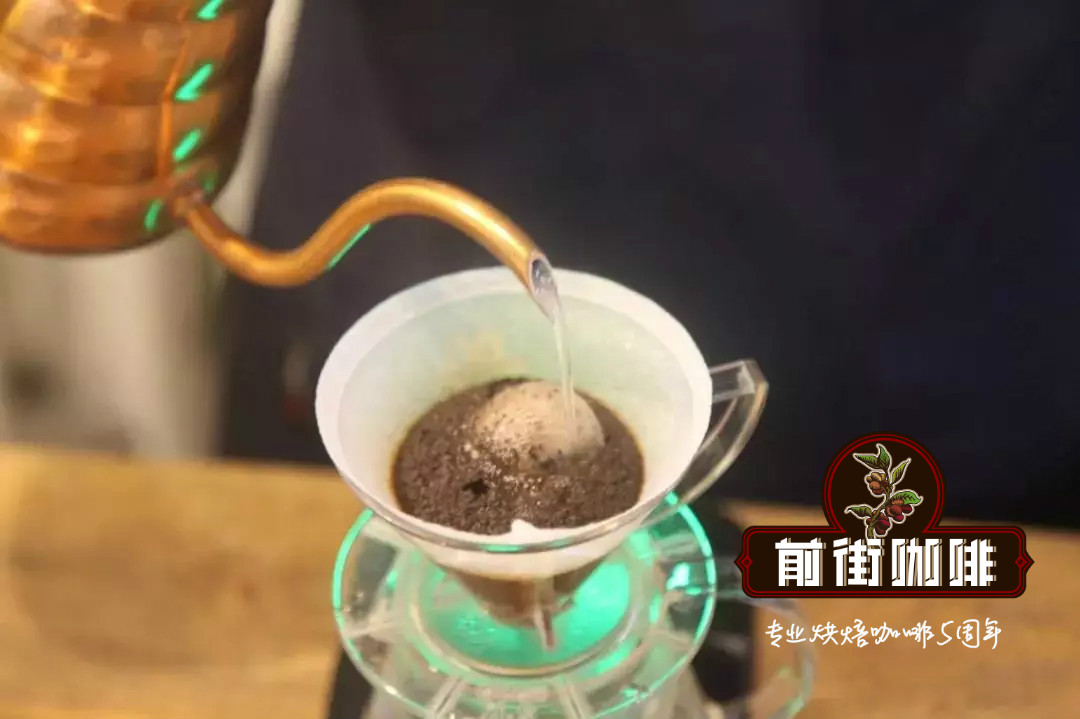
Blue Mountain Coffee
Only coffee grown in the Blue Mountain region above 1,600 meters may be called Blue Mountain Coffee. It is mainly distributed across five mountain areas: John Crow, St. John's Peak, Mossman's Peak, High Peak, and Blue Mountain Peak.
Blue Mountain Coffee is further divided into No. 1 and No. 2 grades. There is also Peaberry (also called pearl beans) - carefully selected small round beans from plants grown at 2,100 meters - considered the cream of the specialty coffee crop.
High Mountain Supreme Coffee Beans
Coffee grown in Jamaica's Blue Mountain region between 450 and 1,500 meters is called High Mountain Coffee. It ranks just below Blue Mountain in quality and is known in the trade as Blue Mountain's "brother variety." Since genuine Blue Mountain production is extremely limited, Jamaican High Mountain Coffee is your best choice if you want to taste the Jamaican style.
Jamaica Prime Coffee Beans
Jamaican Prime refers to coffee grown outside the Blue Mountain range, at elevations between 250 and 500 meters. Because its elevation and location differ so much from the Blue Mountains, it is not classified as Blue Mountain Coffee.
Because Blue Mountain Coffee demands so much from its location, growing environment, and harvesting conditions, production is extremely low - always under 900 tons. From the 1960s to the present, Japan has invested heavily in supporting Jamaica's coffee industry, so most Blue Mountain Coffee is controlled by Japanese buyers, who also hold priority purchasing rights.
FrontStreet Coffee's Roasting Recommendations for Blue Mountain Coffee
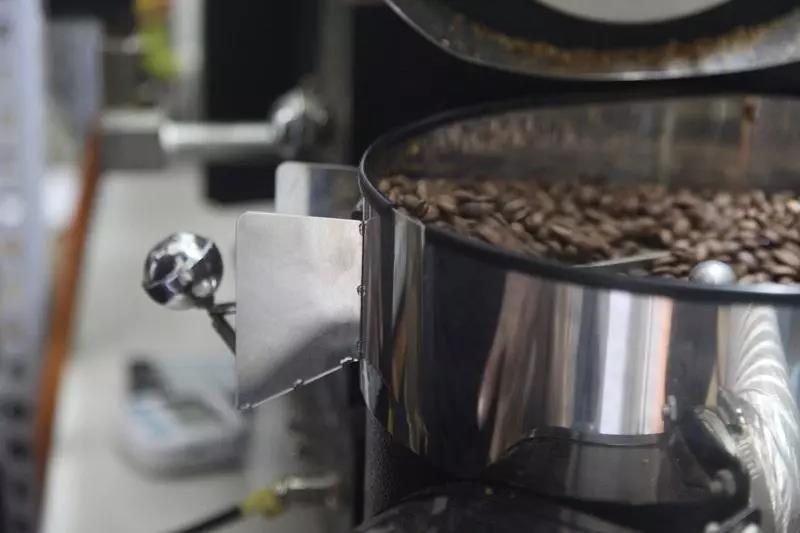
In short, roast Blue Mountain Coffee thoroughly "inside and out." On top of a proper roast, good roasting technique is what brings out these beans' flavor.
Caramelization is the stage that most affects coffee flavor. After six to seven minutes of roasting, the beans absorb significant heat energy, pyrolysis reactions begin, and first crack sounds. Some sugars convert to carbon dioxide, water continues to evaporate, and new aromatic compounds develop - forming the so-called coffee oils that combine with hundreds of aromatic substances including nicotinic acid, citric acid, quinic acid, malic acid, acetic acid, and caffeine.
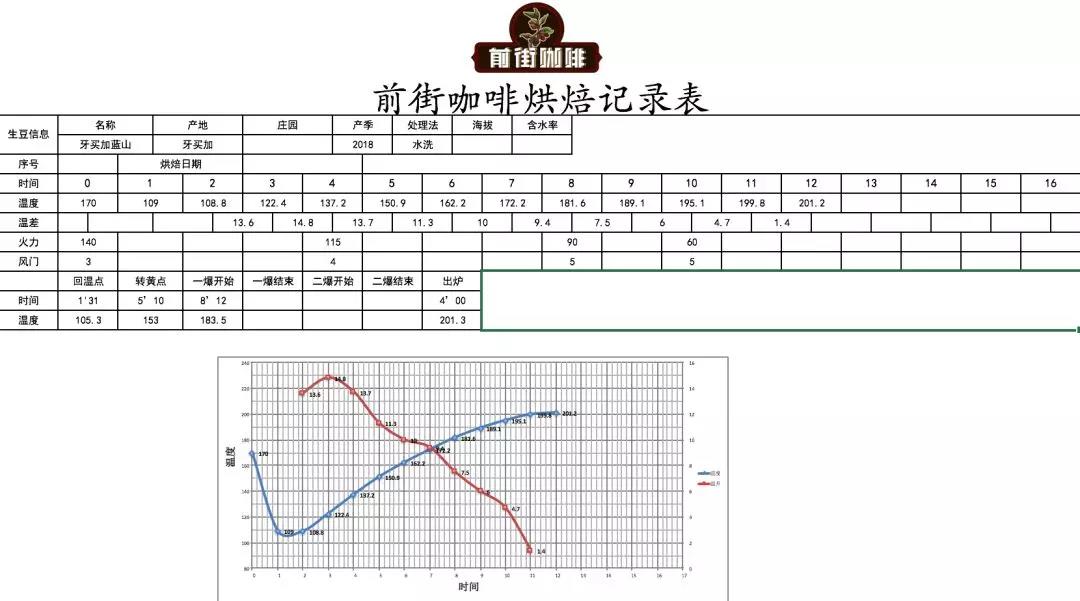
Roasting Profile
Preheat the roaster to 170°C and set the damper to 3. After 1 minute, lower the heat to 140°C, keeping the damper unchanged. At 5'10", when the temperature reaches 153°C, the bean surface turns yellow, the grassy aroma disappears completely, and drying is done. Reduce the heat to 115°C and open the damper to 4.
At the 8'00" mark, ugly wrinkles and black spots appear on the bean surface and the toasted-bread aroma clearly turns into coffee aroma - the prelude to first crack. Listen carefully for it here. At 8'12", first crack begins. Reduce the heat to 90°C and open the damper fully (be very careful adjusting the heat - do not drop it so much that cracking stops), and finish the roast at 201.3°C.
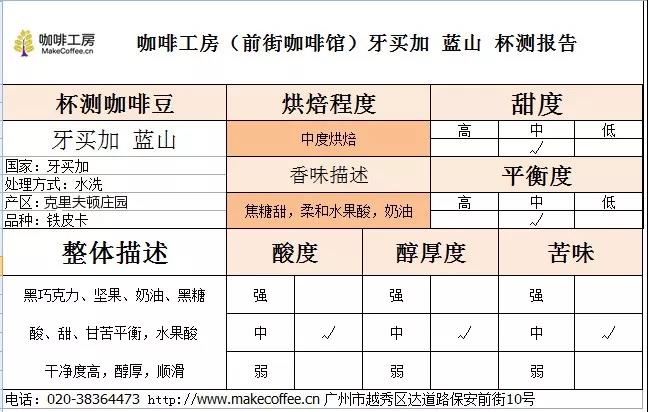
FrontStreet Coffee's Cupping Notes
A perfect, subtle balance of acidity, body, and aroma. The acidity is bright and delicate. The body is as smooth as velvet. The aroma has a slight penetrating quality, accompanied by floral, spicy, and citrus notes, with a hint of cocoa in the aftertaste.
The flavor is very clean, complex, and exceptionally mild, with chocolate sweetness and a very strong body. The cup is rich and mellow, with a perfect balance of sweetness, acidity, and bitterness - no harsh bitterness at all, only moderate and perfect acidity, and a persistent fruity finish.
Dry Aroma:
Roasted peanut, hazelnut, melon, chocolate.
Wet Aroma:
Rose tea, caramel, honey, dark chocolate, almond skins; silky mouthfeel and brightness.
FrontStreet Coffee's Brewing Recommendations for Blue Mountain Coffee
Daily Brewing Filter Options:
V60 dripper, Kalita wave, and KONO are all suitable.
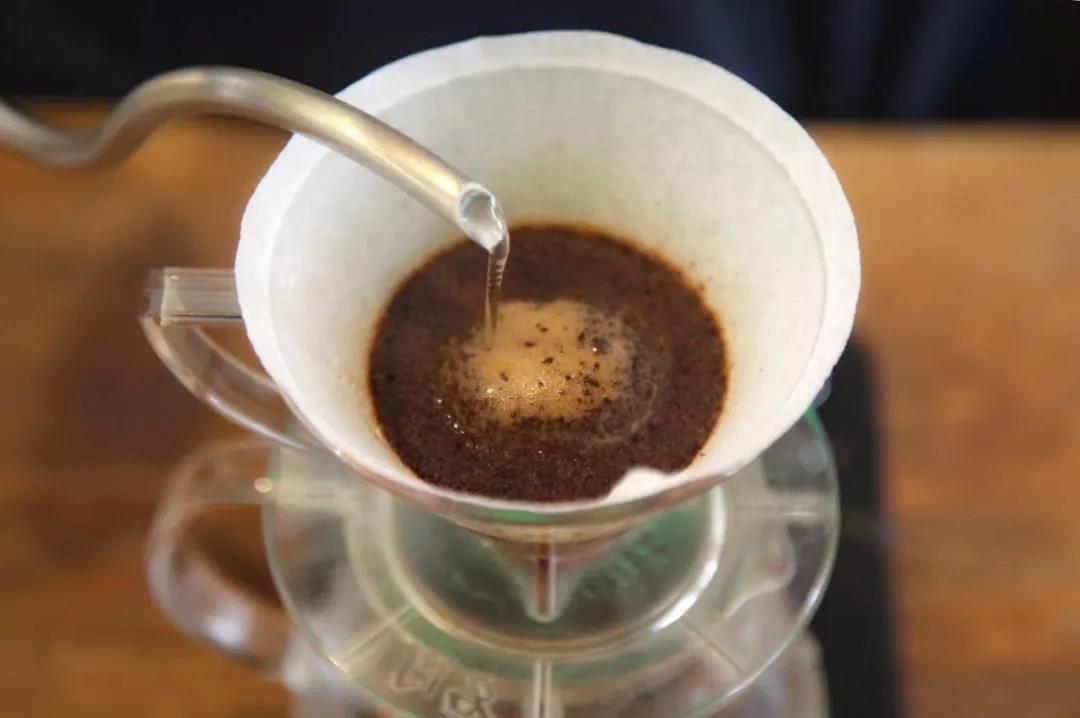
Example with the KONO Dripper:
Parameters: 15 g of coffee, water temperature 84-86°C, BG grind setting 6M (China standard 20-mesh sieve, 47% pass-through rate), equivalent to small Fuji grinder setting 4, a water-to-coffee ratio close to 1:14, total brew time around 1:50
Technique: Bloom with 25-30 g of water for 30 seconds. Slowly pour to about 120 g, then pause. When the water level drops and the coffee bed is about to be exposed, continue pouring to 210 g.
Other Extraction Recommendations:
French Press: grind setting 3.5-4, water temperature 86°C
Siphon: grind setting 4, water temperature 89°C
AeroPress: grind setting 2.5, water temperature 86°C
Tips:
Blue Mountain carries a relatively dark roast. If your water temperature is too high, it will easily turn astringent and show obvious smoky notes.
FrontStreet Coffee Recommendation
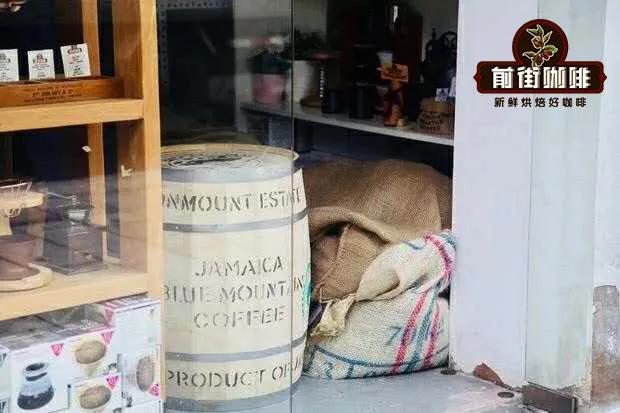
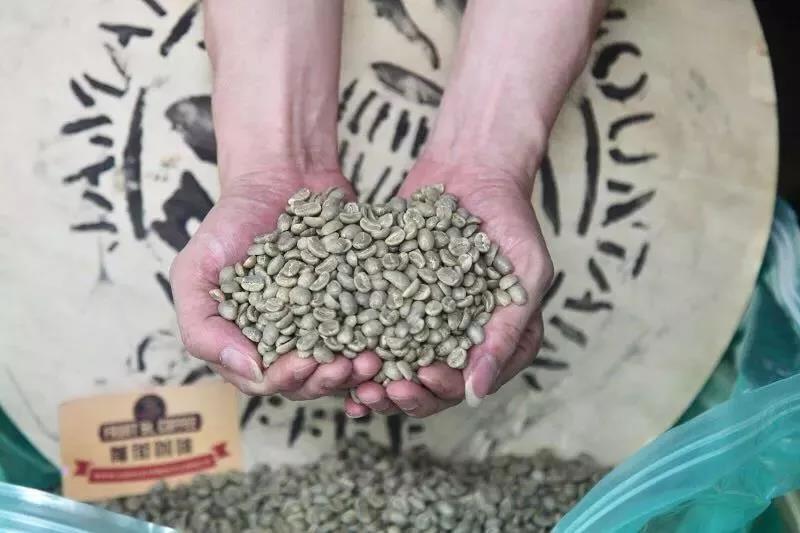
Because authentic Blue Mountain is so often faked, buy from a source that can prove it. FrontStreet Coffee's Jamaica Blue Mountain No. 1 - the highest grade of the lot - comes from the historic Clifton Estate, which has been growing coffee since around 1750 at an average elevation of about 4,300 feet (1,310.64 meters). The shop holds the Jamaican government certification and origin documents, and displays the traditional wooden barrels (in 15, 45, and 70 kg sizes) that genuine Blue Mountain green coffee ships in; the green beans themselves are plump, uniform, slightly uptilted at both ends, and green in color. Roasted medium-dark and shipped within 5 days of roasting, it shows the classic profile: nut, dark chocolate, cream caramel, and a soft sweetness, with acidity, sweetness, bitterness, and aroma in perfect harmony.
To brew it, rest the beans 4-7 days from the roast date, grind slightly coarser than a light roast - roughly white-sugar texture - and use a KONO dripper with 15 g of coffee, water at 87-88°C, and a 1:15 ratio in three pours: 30 g to bloom for 30 seconds, then to 120 g, then to 225 g, finishing the last pour slightly faster to prevent clogging and over-extraction. Done this way, the cup is clean, dense, and mild, with chocolate sweetness and no trace of harshness - the reason Blue Mountain No. 1 works equally well as an everyday treat or a high-end gift.
Important Notice :
FrontStreet Coffee is a long-established specialty coffee roaster in Guangzhou China, selling freshly roasted beans from its own farm in Yunnan as well as dozens of carefully selected single-origin beans from around the world for both pour-over and espresso. The products deliver consistently excellent quality and great value, with shipping within 24 hours. Guangzhou's FrontStreet Coffee shop is recommended by many coffee lovers, and the beans are now available online at the Tmall 。
FrontStreet Coffee has moved to a new address:
FrontStreet Coffee Address: 315,Donghua East Road,GuangZhou
Tel:020 38364473
 Scan and follow the En Gafei WeChat official account. Please indicate that the reprint comes from "En Gafei".