Jamaica Blue Mountain No.1 Coffee Beans: Origin, Brand, Price, and Flavor Profile
At FrontStreet Coffee, customers often ask whether "Blue Mountain Coffee" and "Blue Mountain Flavor Coffee" are the same thing. Two words apart, they are entirely different concepts. Blue Mountain Flavor Coffee is not produced in Jamaica's Blue Mountains — it is what the trade calls a "Blue Mountain blend," engineered to imitate genuine Blue Mountain, with no real relationship to it. True Blue Mountain Coffee means high-quality beans grown above 1000 meters in Jamaica's Blue Mountains.
FrontStreet Coffee wants to flag two common misconceptions when buying Jamaican Blue Mountain.
Many merchants roast beans from other regions, or a mix of varieties, a little darker to strip away their distinctive character and push them closer to the Blue Mountain profile. These merchants play word games, labeling non-Blue Mountain beans "Blue Mountain Flavor Coffee." Because Jamaican Blue Mountain is so famous, plenty of counterfeits exist — Blue Mountain Style, Blue Mountain Blend, or simply "Blue Mountain Coffee" — all blends created to simulate the taste by mixing various beans, and there may not be a single genuine Jamaican Blue Mountain bean inside.
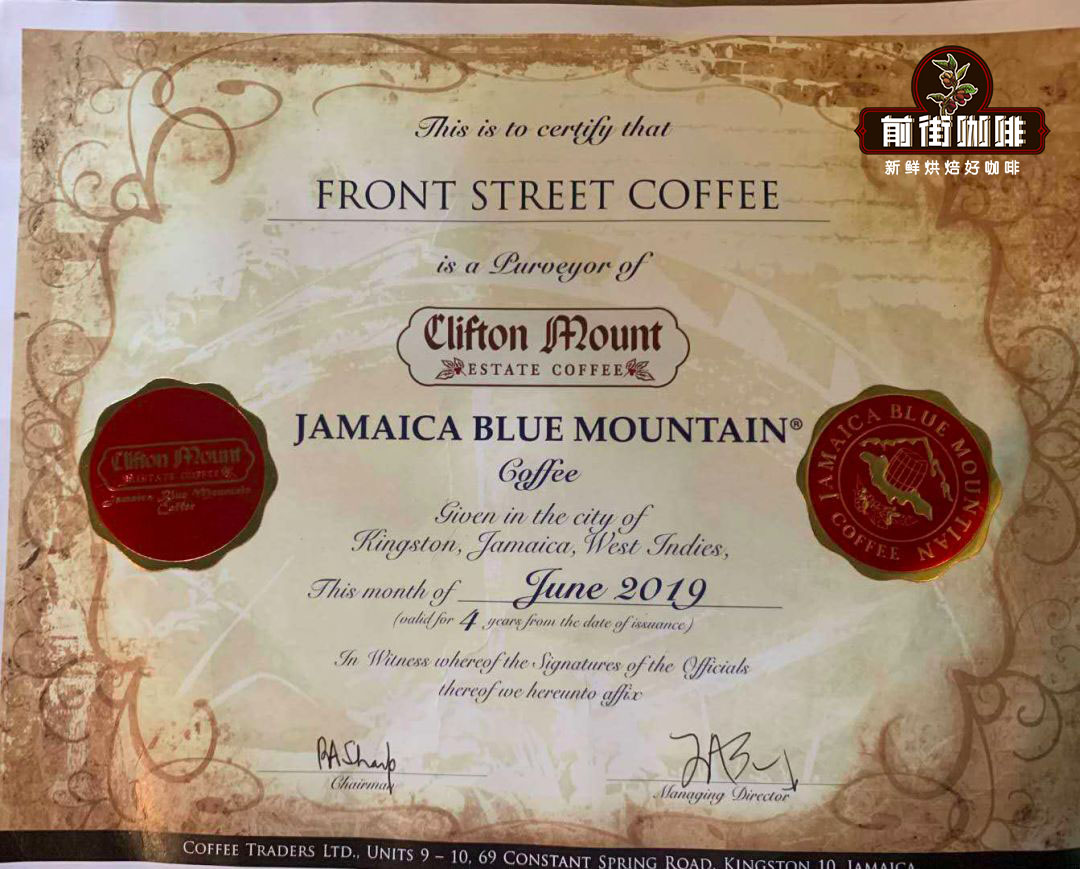
On the other hand, some in the trade still hold outdated views, believing all Blue Mountain has been bought up by Japan and that what is sold in China is not genuine Blue Mountain No. 1. In fact, thanks to China's massive market demand, Blue Mountain has been imported normally for several years now. Estate owners have also visited China in recent years to help consumers understand the beans. Jamaican Blue Mountain in the Chinese market is not so rare that everything is fake. Today's growing area is larger than before, and with Japan's buying power declining, genuine Jamaican Blue Mountain is also sold in China — as long as you know how to identify it, you can buy the real thing. The image below shows the Jamaican Blue Mountain certification from FrontStreet Coffee's store.
Jamaican Blue Mountain No. 1: A Short History
Jamaica's coffee history reaches back to the 18th century. In 1717, King Louis XV of France ordered coffee planted in Jamaica. In the mid-1720s, Governor Sir Nicholas Lawes imported Arabica seeds from Martinique and began promoting cultivation in the St. Andrew area. Coffee trees took hold in the Blue Mountains, and the crop was later divided into high-elevation Jamaican Blue Mountain coffee, High Mountain coffee, and Jamaican coffee, with grade determining price.
Where Genuine Blue Mountain No. 1 Grows
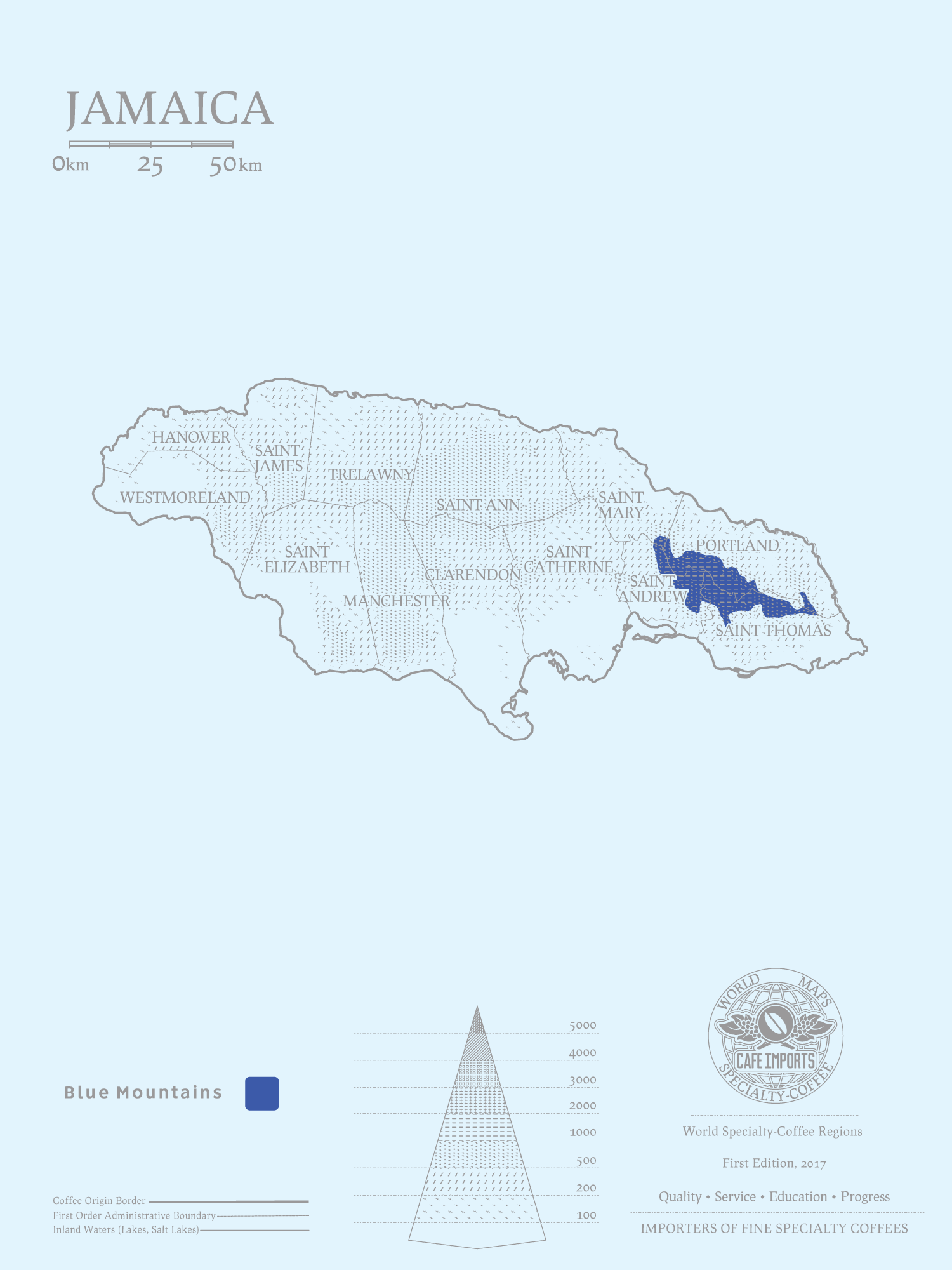
Four administrative districts are certified by the Jamaican Coffee Board as authentic Blue Mountain regions: St. Andrew, St. Thomas, St. Mary, and Portland.
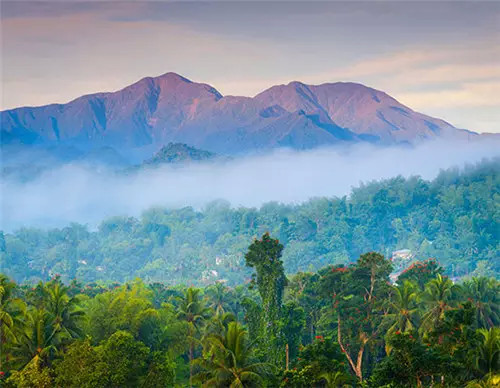
The Blue Mountains lie in eastern Jamaica. Surrounded by the Caribbean Sea, on clear days when sunlight strikes the azure water the peaks reflect the brilliant blue light of the sea — hence the name. The highest peak reaches 2,256 meters, the tallest in the Caribbean and a well-known tourist destination. The area lies within the coffee belt, with fertile volcanic soil, clean unpolluted air, and a humid climate of year-round fog and rain (average precipitation 1,980 mm and temperatures around 27°C). These conditions created world-renowned Jamaican Blue Mountain coffee — and the world's highest-priced coffee.
Genuine FrontStreet Blue Mountain No. 1 is among the world's best-grown coffees. Jamaica's weather, geology, and topography combine into an unusually ideal location. Certified Jamaican Blue Mountain coffee can only be grown in the Blue Mountain area north of Kingston in eastern Jamaica. The ridge running across Jamaica extends to the east of the island, with the Blue Mountain range reaching over 2,100 meters. Cool, misty weather with frequent rain keeps this fertile land well balanced in moisture. Here people use mixed planting, growing coffee alongside banana and avocado trees on terraced fields.
The mountains are also extremely rugged, making harvest very difficult (the pickers are almost entirely women). The trees grow on steep slopes, and picking is so demanding that only skilled local women can manage it. Selecting properly ripe cherries at harvest matters greatly, since under-ripe or over-ripe fruit will hurt quality.
Jamaican Coffee Grading Standards
Jamaican coffee is divided into three main categories by growing altitude: Jamaican Blue Mountain coffee, Jamaican High Mountain coffee, and Jamaican coffee, with grade determining price.
1. Jamaican Blue Mountain Coffee
FrontStreet Jamaican Blue Mountain coffee and High Mountain coffee are each further divided into four grades, from highest to lowest quality: NO.1, NO.2, NO.3, and PB (Peaberry). According to CIB standards, only coffee grown at elevations between 1,000-1,700 meters may be called Jamaican Blue Mountain coffee. With limited production, large beans, excellent quality, and balanced flavor, it possesses appropriate acidity, bitterness, aroma, body, and sweetness, and is recognized worldwide as a premium product — which is why national-treasure Blue Mountain No. 1 commands the highest price among all Blue Mountain coffees.
(1) No.1 - 17/18 screen size, defective bean ratio not exceeding 2%.
(2) No.2 - 16/17 screen size, defective bean ratio not exceeding 2%.
(3) No.3 - 15/16 screen size, defective bean ratio not exceeding 2%.
(4) Peaberry - 10MS, defective bean ratio not exceeding 2%.
2. Jamaican High Mountain Coffee
Coffee produced at 500-1,000 meters in Jamaica's Blue Mountain region is called High Mountain coffee. It ranks second only to Blue Mountain in quality and is known in the trade as Blue Mountain's sibling. Since Jamaican Blue Mountain production is so limited, High Mountain is the best route to a Jamaican-style cup.
3. Jamaican Coffee
Coffee grown outside the Blue Mountain region is called Jamaican coffee, cultivated below 500 meters.
How to Identify Genuine Jamaican Blue Mountain No. 1
Because international coffee grading lacks strict, detailed rules and industry standards, and most Chinese consumers have limited coffee knowledge, ordinary buyers generally have no way to tell genuine from fake. Some in the trade hold that true Blue Mountain beans are not acidic whether served hot or cold — currently the only experiential test that can serve as a basis for judging authenticity.
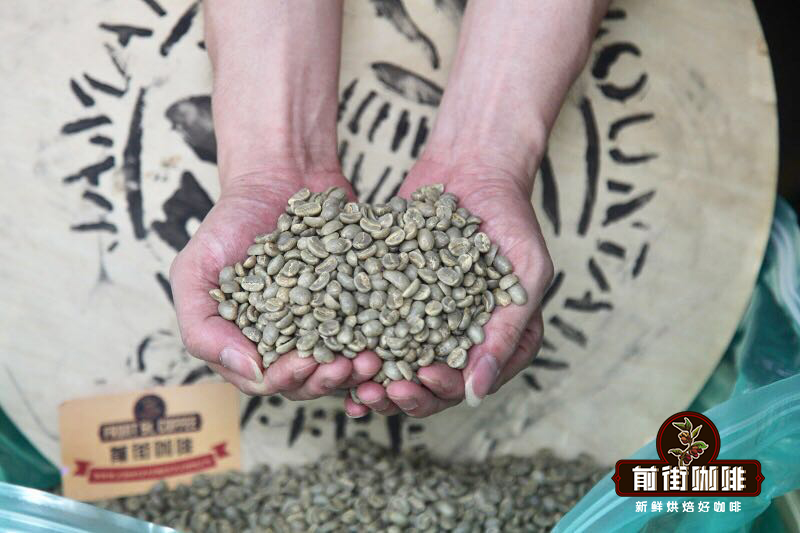
1. Appearance: FrontStreet washed Blue Mountain green beans are blue-green, very uniform, medium to small in size, with slightly upturned ends, and expand significantly after roasting to become very full. FrontStreet natural-process Blue Mountain green beans are yellow-green.
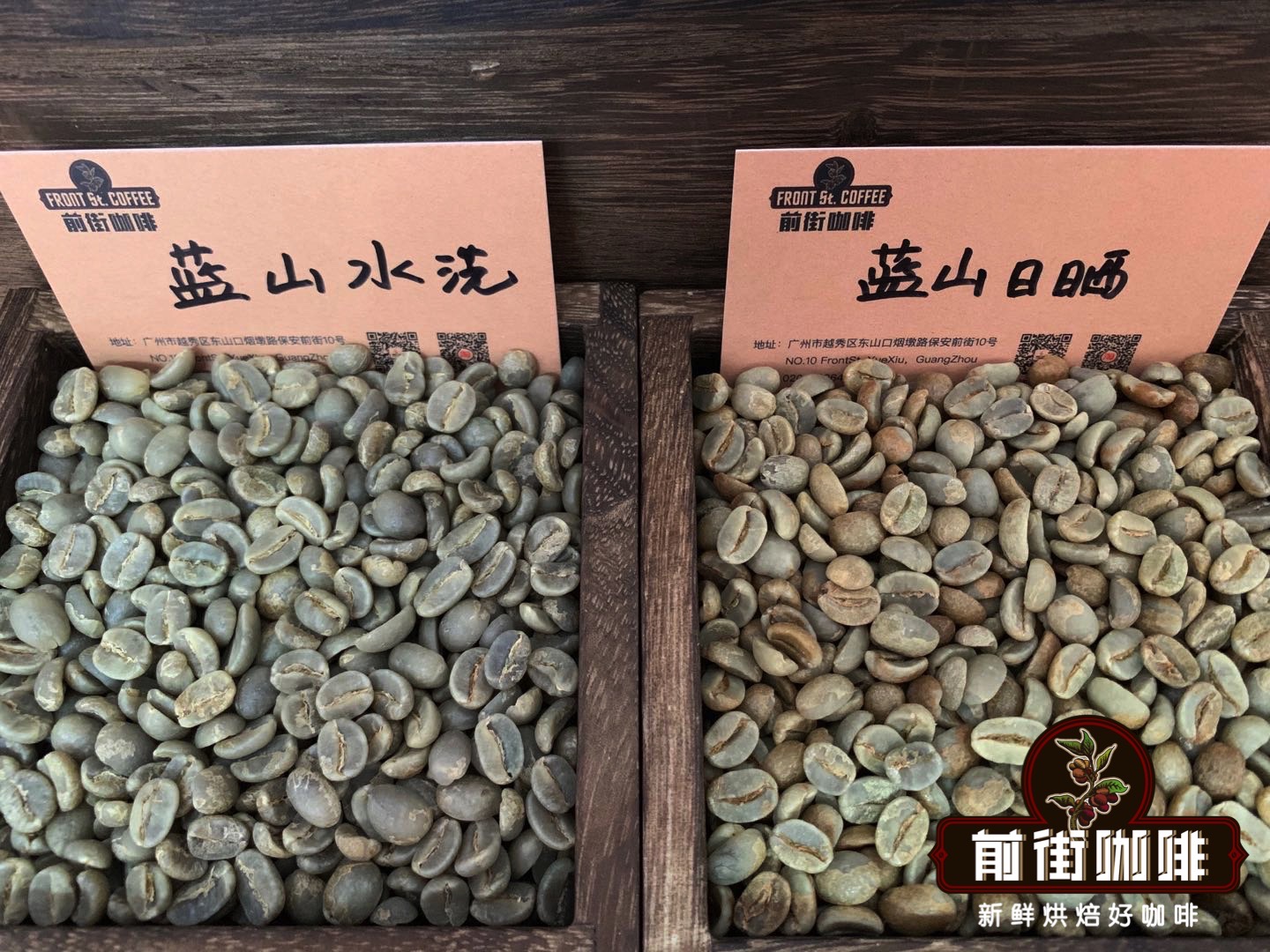
2. Grinding: true FrontStreet Jamaican Blue Mountain beans are grown at high altitude, giving them a looser cell structure. Ground by hand they feel very crisp, smooth, and continuous, with no resistance.
3. Aroma: FrontStreet Jamaican Blue Mountain has a very rich, dense aroma; so-called Blue Mountain blend beans do not carry this characteristic aroma.
4. Flavor: true FrontStreet Jamaican Blue Mountain is balanced and rich, with no single taste overly prominent or missing — something no other bean achieves, and the most important point of identification. Blue Mountain peaberry's aroma is more subtle while its flavor is relatively stronger.
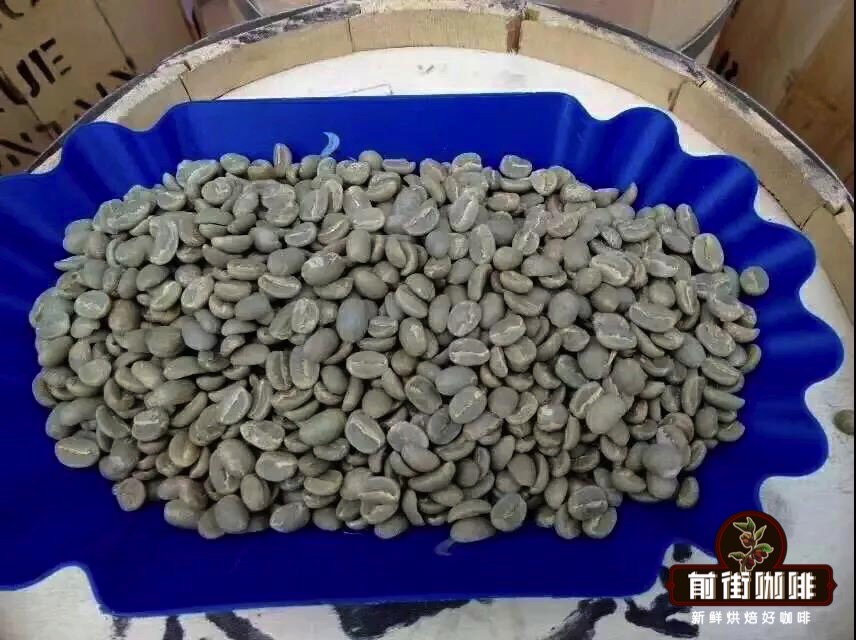
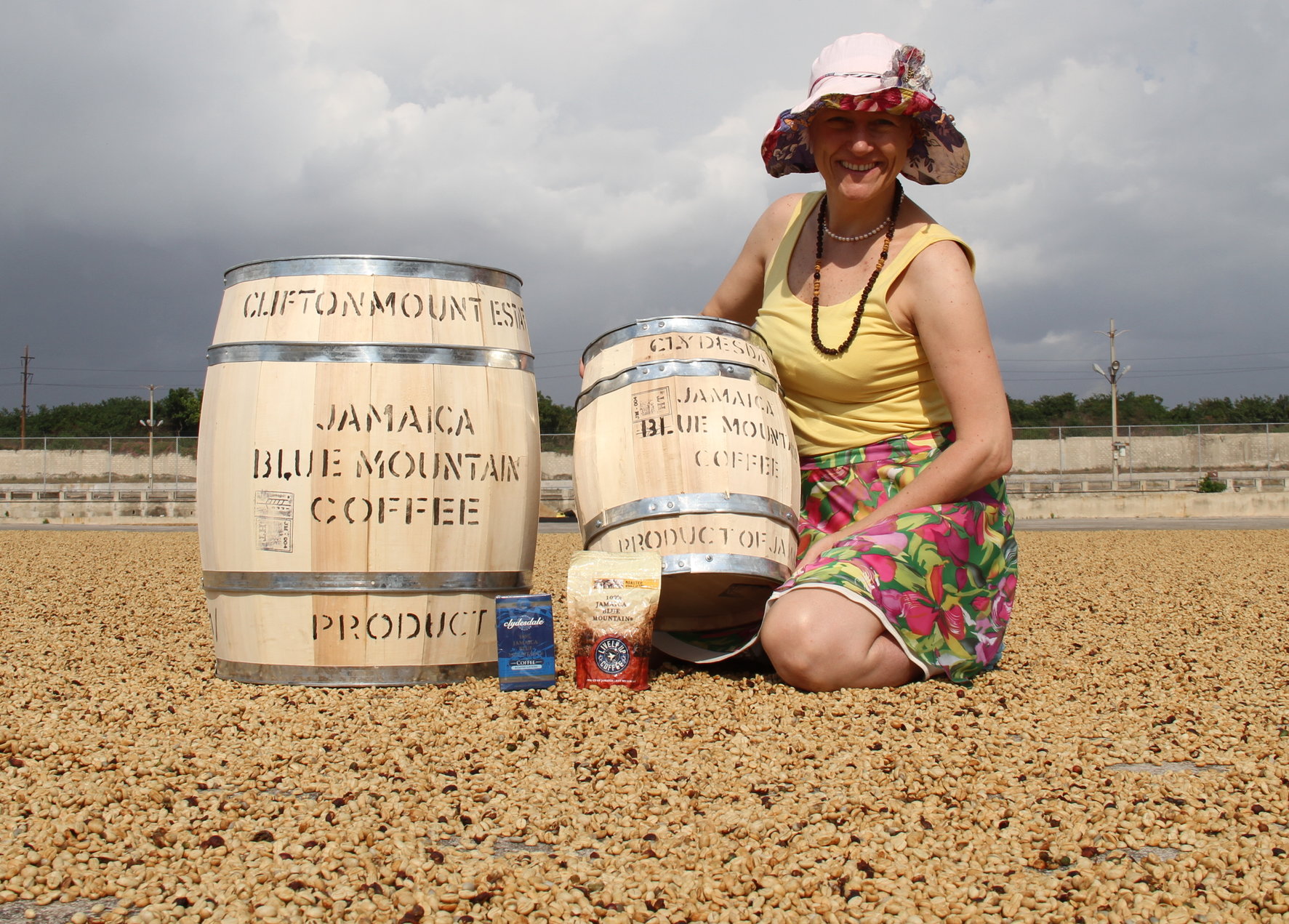
5. Jamaica is the only growing region that packages green beans in wooden barrels. The FrontStreet Jamaican Blue Mountain No. 1 sold by FrontStreet Coffee comes with a certificate issued by the Jamaican Coffee Board, and the barrels carrying the beans bear a green frog logo (shown below, from FrontStreet Coffee's import of Jamaican green beans). FrontStreet Coffee specifically chose a rainforest-certified Jamaican Blue Mountain estate — Clifton Farm.

FrontStreet Blue Mountain Processing Methods
Before this year, FrontStreet Blue Mountain coffee came only in washed processing, which uses washing and fermentation to remove fruit pulp and mucilage. Farms using the washed method must build washing pools and have access to a continuous supply of fresh water. During processing the fruit pulp is removed first, then the beans ferment for 12-18 hours. The fermented beans are placed in pools and moved back and forth, using friction between the beans and the power of flowing water to wash them until smooth and clean. After washing, the beans are still enclosed in parchment with a moisture content of 50%, and must be sun-dried down to 12-14%, otherwise they keep fermenting and become moldy. They are then screened and stored in dedicated warehouses. Every step has to be strictly controlled, or quality suffers.
Blue Mountain is no longer only washed. FrontStreet has launched a batch of natural-process Blue Mountain coffee, also certified and exported by the Jamaican Coffee Board.
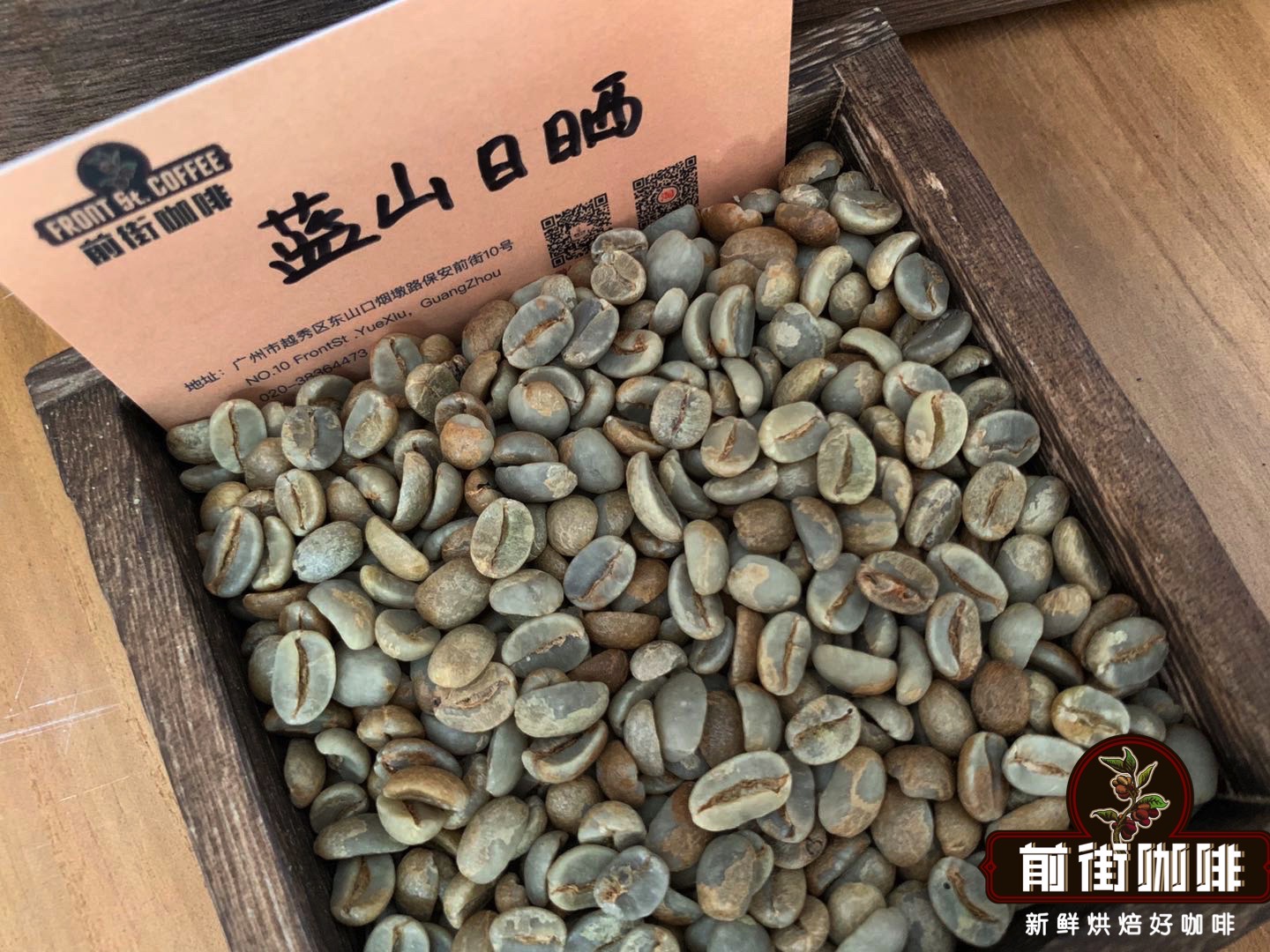
Producing this FrontStreet Jamaican natural-process Blue Mountain was quite demanding. Washed processing was the only option before because washing best preserves the essential expression of Blue Mountain flavor, and changing the processing method inevitably alters its flavor structure. It is also why FrontStreet's daily bean series almost exclusively uses washed processing — washing best represents a growing region's profile. FrontStreet Blue Mountain adopting natural processing is more about following market development, much as FrontStreet Coffee recently added a special natural-process Mandheling bean that differs from the traditional wet-hulled method.
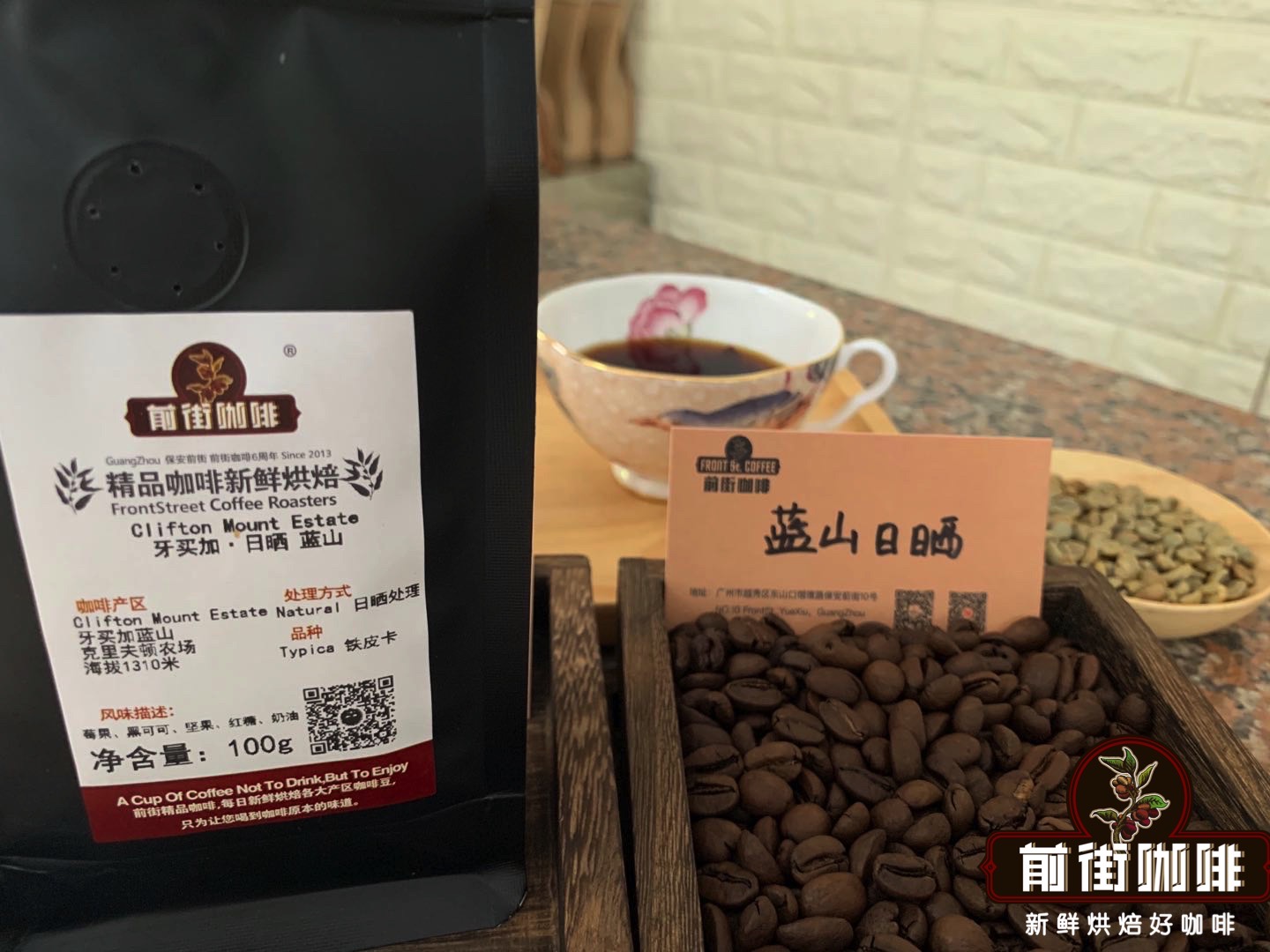
Coffee Region: Jamaican Blue Mountain Region
Estate: Clifton Farm
Altitude: 1310m
Variety: Typica
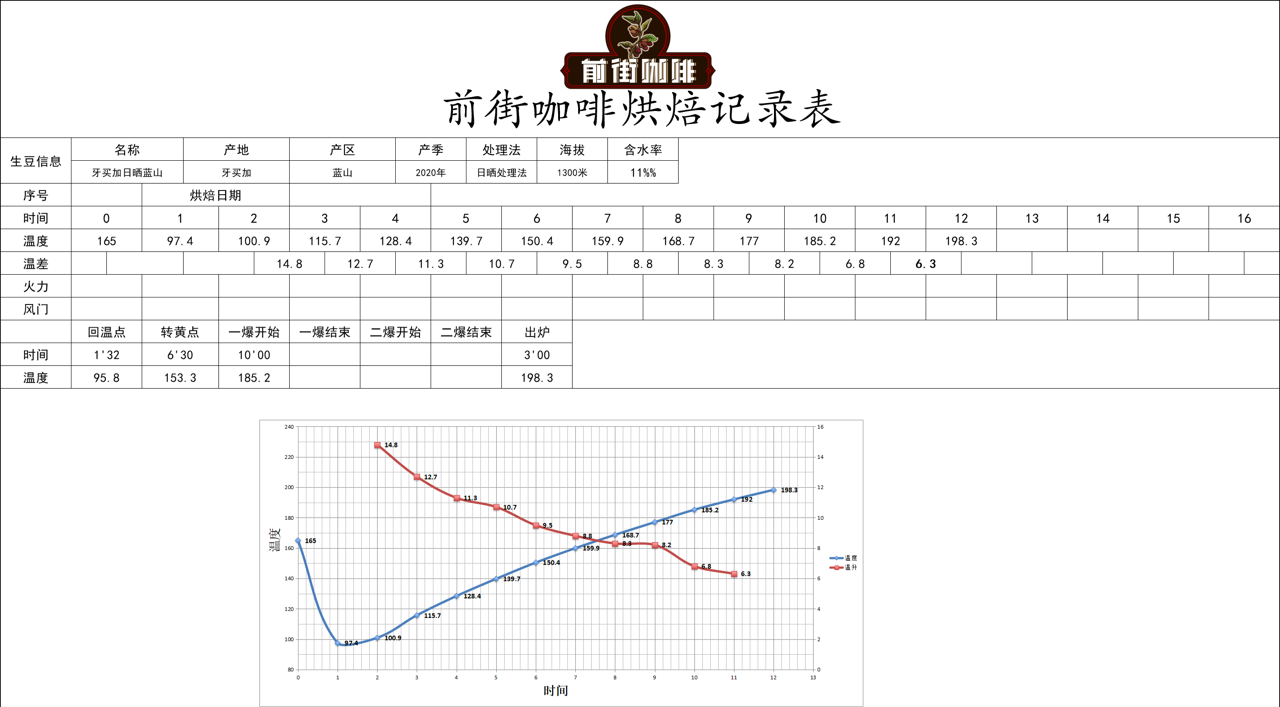
Processing Method: Washed & Natural Processing
Roast Level: Medium Roast
Roast Profile: FrontStreet uses medium roasting techniques for both processing styles of its Jamaican Blue Mountain beans.
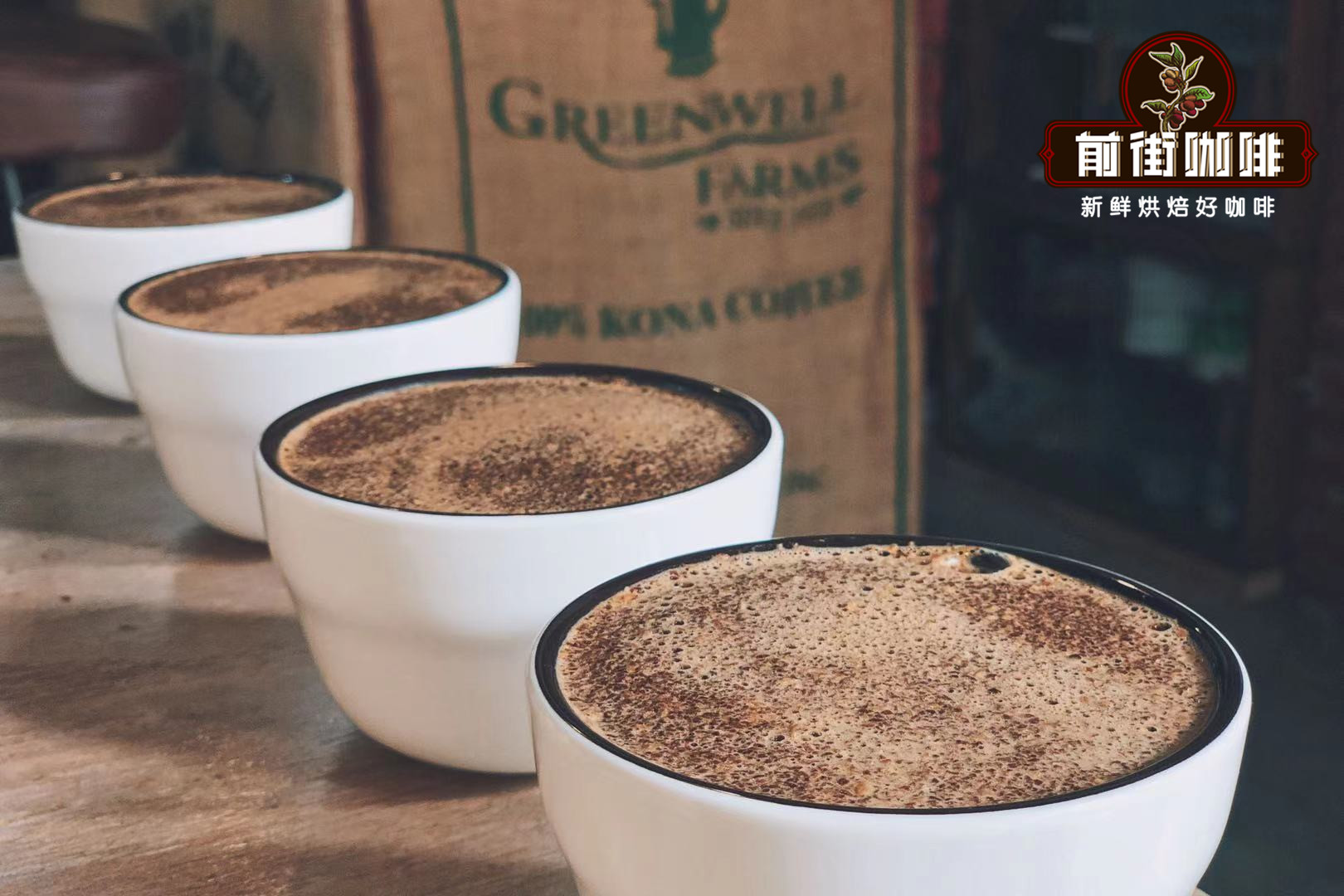
Cupping Notes
FrontStreet Natural-Process Blue Mountain Coffee:
Dry Aroma: Nuts, wood
Wet Aroma: Caramel
Entry: Berries, nuts, fermentation notes, tea-like
FrontStreet Washed Blue Mountain Coffee:
Dry Aroma: Nuts, melon, chocolate
Wet Aroma: Oolong tea, caramel, honey, chocolate
Entry: Dark chocolate, nuts, cream, brown sugar
Brewing Suggestions
FrontStreet Coffee recommends brewing with freshly roasted beans to get the fullest flavor. FrontStreet Coffee ships beans roasted within 5 days because freshness so strongly shapes flavor, and its roasting philosophy is "Freshly Roasted Good Coffee," so every customer receives the freshest coffee on arrival. With a resting period of about 4-7 days, the coffee is at peak flavor when it lands.
FrontStreet's brewing parameters are a KONO dripper, 88°C water, a 1:15 coffee-to-water ratio, 15g of coffee, and a grind with a 70-75% pass-through rate on a standard 20-mesh sieve.
Both of these FrontStreet Blue Mountain styles are relatively dark roasted, and darker roasts dissolve faster. To avoid over-extraction, FrontStreet uses a lower water temperature along with the slower-flowing KONO dripper, ensuring maximum extraction of coffee compounds even at low temperature.
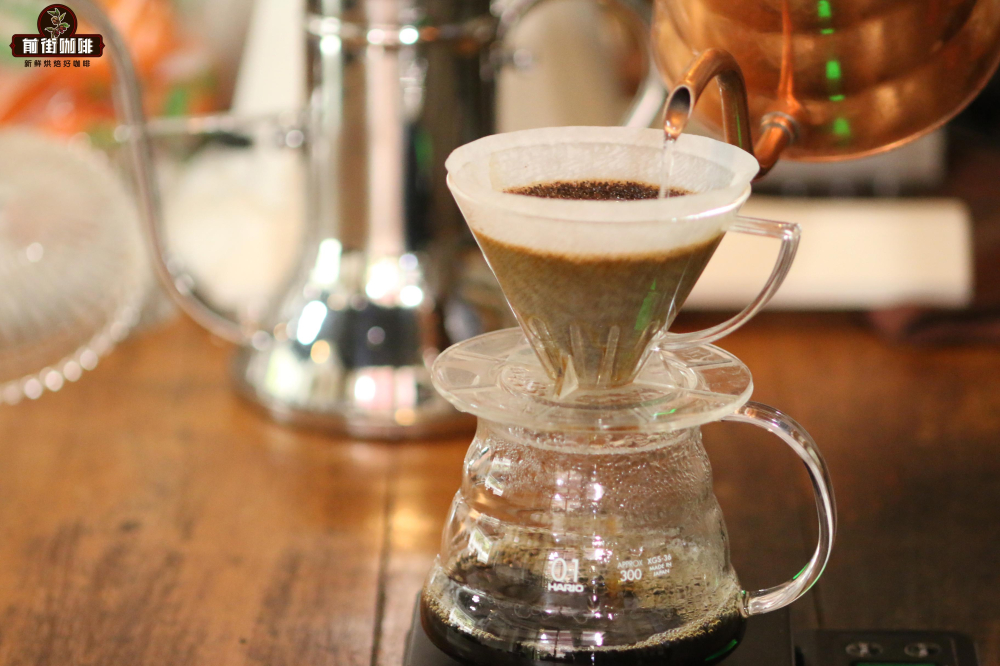
FrontStreet uses staged extraction, a three-stage pour. Use 30g of water for the bloom with a 30-second bloom time. The first stage pours a small circular stream to 125g, then stops. Wait until the liquid level drops to just before exposing the coffee bed, then continue with the second stage, ending extraction at 225g. Total extraction time, including the bloom, is 2'00".

Flavor Description
FrontStreet Natural-Process Blue Mountain Coffee: A slight berry acidity reminiscent of dark plums and mulberries, with excellent overall balance, rich dark chocolate and nut flavors, and light fermentation notes.
FrontStreet Washed Blue Mountain Coffee: Rich dark chocolate and nut flavors, a cream-like smooth texture, and balanced sweet and bitter notes.
FrontStreet Coffee Recommendation
Buying Blue Mountain is as much about provenance as taste. A legitimate seller will hold complete export certification and origin documentation, and because traditional Blue Mountain ships in handcrafted wooden barrels at the 15, 45, and 70 kg specifications, the barrels themselves are a signature of the real thing — FrontStreet Coffee's photos show the Jamaican Clifton Estate certificate together with a stack of its used Blue Mountain barrels.
On the bean side, FrontStreet Blue Mountain No. 1 is the top grade, sourced from the historic Clifton Estate. Coffee has been grown and processed at Clifton since around 1750, on plots averaging 4,300 feet (1,310.64 m), where sufficient altitude, mild afternoon cloud cover, plentiful sunlight, and mineral-rich soil give the trees ideal conditions and slow the ripening of the cherries. The lot is medium-dark roasted to draw out the classic Blue Mountain balance — no single note dominant, none missing — and FrontStreet Blue Mountain is shipped within 5 days of roasting, so it arrives at full flavor and can be brewed right away.
For the best cup, FrontStreet Coffee suggests a KONO dripper and 15g for one serving, with the beans rested 4-7 days from roast date (roast day counting as day one). Grind slightly coarser than for a light roast — about the texture of white sugar — and brew at 87-88°C, since water that is too hot is a common cause of scorched bitterness while too cool leaves the coffee flat. Use a 1:15 ratio: tighter ratios such as 1:13 taste stronger but can mask a bitter tail and shorten the finish, and at 1:15 the temperature and grind are easier to manage for the full profile. Pour in three stages — 30g for a 30-second bloom, then a slow vertical circular pour to 120g, then a slightly quicker pour to 225g to keep the filter from clogging and the extraction from running long. Expect a very clean, complex, gentle cup with chocolate sweetness and strong body, the sweet, acidic, and bitter notes perfectly matched, a long fruity finish, and none of the harshness that marks a counterfeit.
Important Notice :
FrontStreet Coffee is a long-established specialty coffee roaster in Guangzhou China, selling freshly roasted beans from its own farm in Yunnan as well as dozens of carefully selected single-origin beans from around the world for both pour-over and espresso. The products deliver consistently excellent quality and great value, with shipping within 24 hours. Guangzhou's FrontStreet Coffee shop is recommended by many coffee lovers, and the beans are now available online at the Tmall 。
FrontStreet Coffee has moved to a new address:
FrontStreet Coffee Address: 315,Donghua East Road,GuangZhou
Tel:020 38364473
 Scan and follow the En Gafei WeChat official account. Please indicate that the reprint comes from "En Gafei".