Colombian Coffee Cauca Region - Flavor Profile & Pour Over Brewing Guide
Colombia Coffee Region Introduction

What was once the most widely cultivated crop in Colombia? You might not guess it. FrontStreet Coffee will tell you: it was drugs. Yes, drugs. That, however, is in the past. Today Colombia has become a world-renowned coffee-producing country, ranking third globally in coffee production. What is more, it grows only Arabica beans, which makes Colombian coffee exceptionally high in quality.
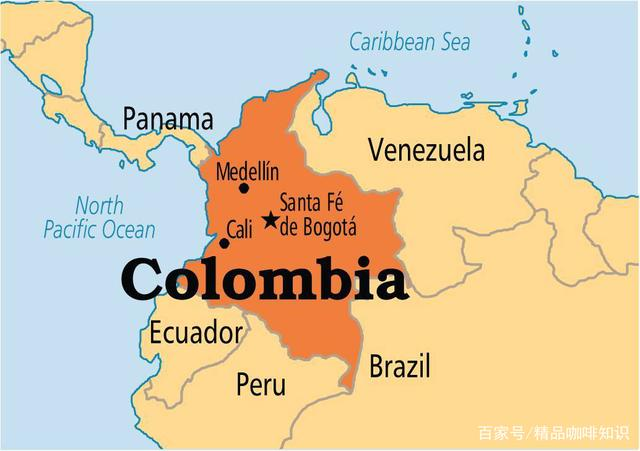
Coffee beans are produced in many parts of Colombia, but the central "Coffee Zone" is the most famous, and it is the second most visited tourist destination in the country after Cartagena. Beyond coffee, there is also the local century-old coffee farm culture, which has been listed as a UNESCO World Cultural Heritage site.
The so-called "Coffee Zone" lies about 7 hours' drive west of the capital Bogotá and about 7 hours' drive south of Medellín. It includes three provinces, Caldas, Risaralda, and Quindío, with respective capitals Manizales, Pereira, and Armenia. Locals tend to call this area the "Coffee Axis" (Eje Cafetero).
The region has about 24,000 coffee farms, mainly small-scale but also including large plantations, many of which are open to tourists and even offer hotel accommodation. Coffee trees are everywhere here; even while driving, you can see mountains covered with coffee trees along the roads.
Cauca Province: A Premium Coffee Origin
Cauca Province is a Colombian coffee origin certification region, with an average altitude of 1758m and a maximum altitude reaching 2100m. Between the eastern and western mountain ranges of Cauca lies the Popayán plateau, and to the south is the Patia basin. The Patia River flows from north to south into Narino Province. The main coffee-producing areas of Cauca are located on the north side of the Patia River.
The biggest climatic difference between Cauca and other producing regions is the significant temperature variation. The average nighttime temperature is 11°C, while the average daytime temperature is 18°C. This day-night temperature difference is an important factor in creating high-quality coffee. The lower nighttime temperatures and relatively higher altitude slow the growth rhythm of coffee, allowing the seeds and beans to absorb more nutrients from the cherries, which also creates better acidity and a special sweetness in Cauca coffee. The varied mountainous terrain and climate result in slower production, but create this rich, balanced Colombian coffee.
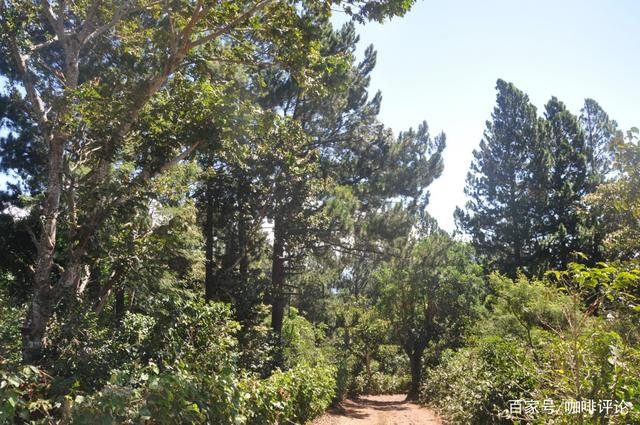
Sotara is a small town in central Cauca, and Sotara Volcano belongs to the Andes mountain system, providing the nutrient-rich soil coffee needs. The coffee cultivation area in this region spans about 911 hectares, consisting of mountainous areas and three famous rivers: the Caueta River, the Cauca River, and the Magdalena River.
The producing area is surrounded by high mountains. The majestic peaks block air currents and moisture from the Pacific Ocean as well as trade winds from the south, thereby maintaining a stable climate in the region. Being close to the equator ensures sufficient sunlight. The stable climate and abundant sunshine provide assurance for consistent coffee quality.
Cauca coffee is hand-picked and wet-processed. While many coffee-producing regions have been replacing ancient varieties with new ones to pursue better disease resistance and higher yields, the Cauca producing region predominantly grows Caturra, along with ancient Typica and Bourbon varieties.
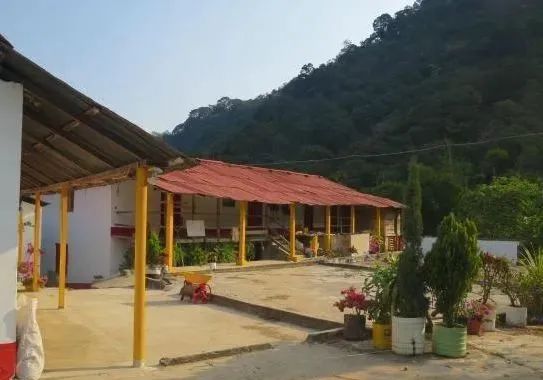
Sotara Micro-region Introduction
Local farmers grow coffee along the highlands of these mountain ranges, with diverse climatic production conditions. Because of varying altitude, a large part of Colombia's coffee industry follows a small-farm production model. The area is surrounded by high mountains that block air currents and moisture from the Pacific Ocean and trade winds from the south, maintaining a stable climate. Being close to the equator ensures sufficient sunlight, and this stable climate and abundant sunshine provide assurance for consistent coffee quality.
Altitude: 1758 meters - 2100 meters
Harvest: First harvest: October - December;
Second harvest: June - August
Variety: Caturra
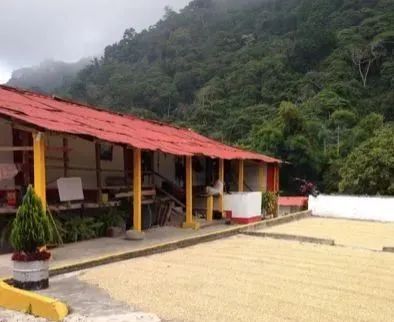
Estate Introduction
Diego Bermubez is a young coffee producer from Bolivar, Cauca. In 2006, after studying agricultural business management, he began producing coffee. From the start he decided to become a specialty coffee producer, applying everything he learned at university to coffee production. Since then he has participated in various coffee quality competitions and achieved excellent results.
Finca El Paraiso has a mild, humid climate with frequent winds from the Pacific Ocean. These conditions contribute to tropical fruit aromas in its coffee.
These coffee cherries mature very slowly and accumulate high sugar content, which greatly enhances the cup quality. At Finca El Paraiso, mechanical and sustainable methods are used to process the coffee in order to maintain consistency in quality.
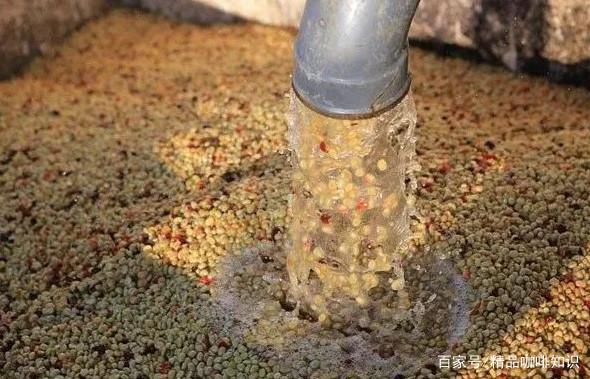
Processing Method: Fully Washed and Sun-dried on Raised Beds
1. Remove floaters: Pour coffee beans into large water tanks. Underdeveloped, low-quality beans float to the surface, while mature, full fruits sink to the bottom. Remove the floating beans from the surface to complete the removal of floaters.
2. Remove skin and pulp: Through a pulping machine, remove the outer skin and pulp of the cherries. This leaves mucilage, parchment, and silver skin.
3. Fermentation: This step uses biological methods to remove the mucilage. Place the pulped cherries in fermentation tanks for 16-36 hours, where fermentation bacteria dissolve the mucilage.
4. Washing: After fermentation and mucilage removal, fermentation bacteria and impurities remain on the beans, so they are washed again. This step consumes large amounts of clean water to ensure thorough cleaning.
5. Drying and removal of parchment and silver skin: Sun-dry the cherries until moisture content drops to 10-14%. Then use a hulling machine to remove the remaining parchment and silver skin, completing the process.
Colombia's main variety, Caturra, is a single-gene mutation of Bourbon. Its production capacity and disease resistance are both better than Bourbon, and the plants are shorter, making harvesting more convenient. Unfortunately, like Bourbon, it has the problem of biennial production cycles. Its flavor is comparable to or slightly inferior to Bourbon, but more importantly, it has extremely strong adaptability: no shade trees are needed, it can thrive directly under intense sunlight, and it adapts to high-density cultivation.
Following Colombia's fine traditions, while many producing regions have been updating ancient varieties to pursue better disease resistance and higher yields, the Cauca producing region predominantly grows Caturra, along with ancient Typica and Bourbon varieties.
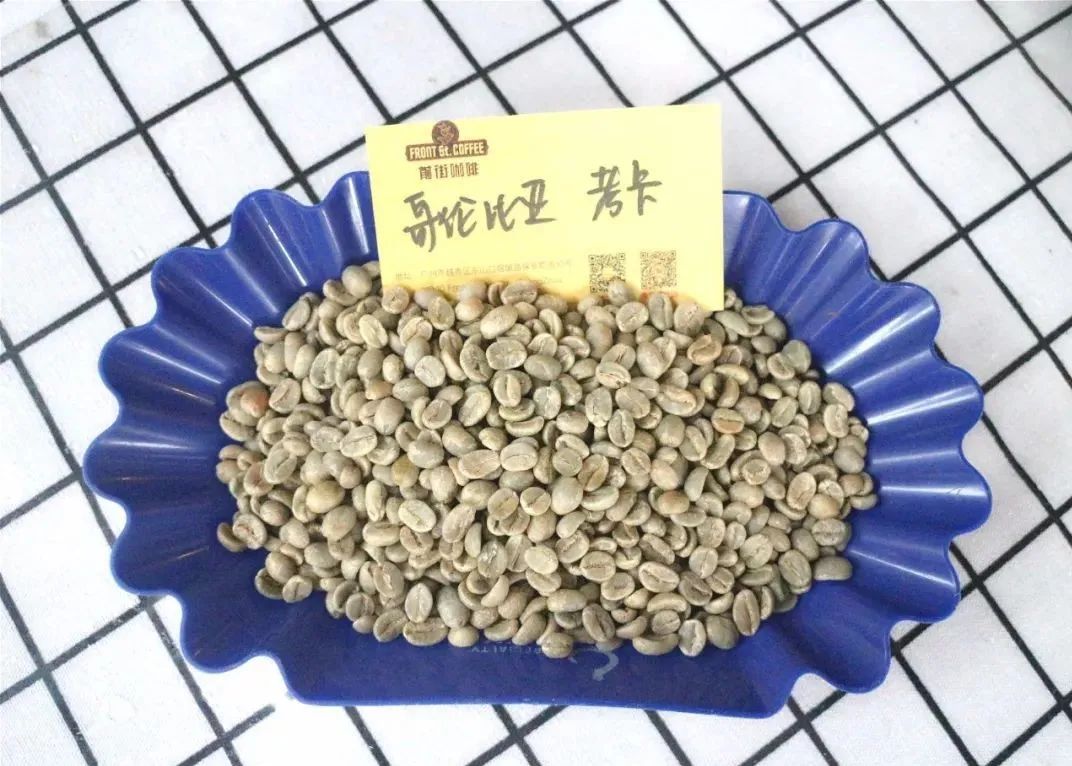
Colombia Best of Cauca
Colombia Cauca Cup of Excellence
Region: Cauca Province
Micro-region: Sotara Micro-region
Soil: Volcanic clay
Altitude: 1758 meters - 2100 meters
Variety: Caturra
Processing: Washed processing method

Cupping Analysis
This Colombia Cauca washed coffee has prominent lime acidity, grape juice acidity, rich floral aromas, high acidity, pleasant sweetness, medium body, and a nutty aftertaste in the finish. Overall it is clean and gentle, with a smooth texture and a balanced, lively, layered flavor profile.
Recommended brewing method: Pour-over
Grind size: (Japan Fuji R440) 3.5 (medium-coarse grind)
V60 dripper, 15g coffee, water temperature 91-92°C, grind 3.5, water-to-coffee ratio close to 1:15
35g water for bloom, bloom time 30s
Segmented pouring: Pour water to 125g, pause, then slowly pour to 225g
That is, 30-125-225g
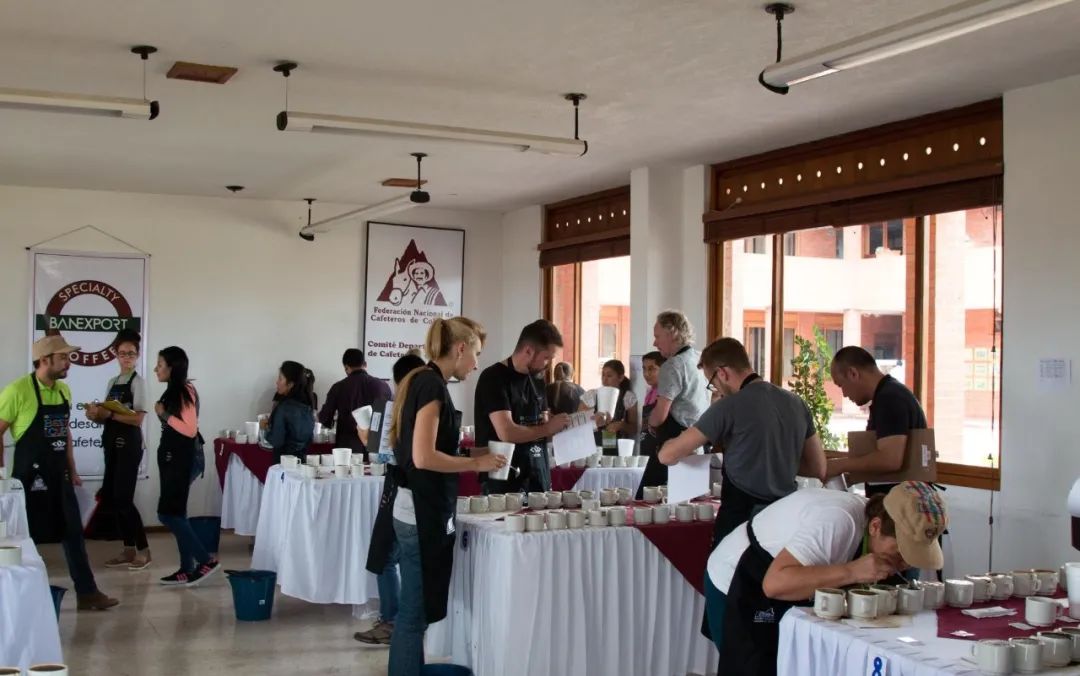
Cauca Cup of Excellence
Since 2014, the Cauca Best Cup competition has been held, jointly organized by well-known American traders, local exporters, and the Colombian Coffee Association. The first Cauca Best Cup in 2014 received about 200 participating samples, while 2015 saw more than double that number, with about 500 small farmers competing. The organizers select the top 30 from over 500 samples, then an international jury cups them to select the final top 12. On the last day of the event, green coffee buyers, roasters, and other participants from around the world bid on these coffees.
Competitions like the Cauca Cup are genuinely helpful. They significantly increase small farmers' income and give them opportunities to improve their living conditions, and they also make farmers more willing to invest and improve in coffee cultivation and production, creating higher-quality coffee.
FrontStreet Coffee Recommendation
Cauca's washed profile of soft floral aroma, bright acidity, and a medium body is well represented by FrontStreet Colombia Huila. Huila is the country's most famous specialty region, with growing altitudes above 1500 meters and mountains all around, and FrontStreet roasts it medium-dark to bring out dark chocolate, sweet nutty notes, moderate oil, and a full body that works for pour-over, French press, moka pot, and espresso alike.
For a bolder, more modern take on Colombian coffee, FrontStreet Colombia Finca La Divisa Papayo is worth seeking out. Made with an anaerobic natural process, it develops tropical fruit aromas after the oxygen-free fermentation, and when medium-light roasted it brews with complex passion fruit, grape, apricot, and dried-fruit notes in pour-over, cold brew, drip bags, or moka pot.
And if you would rather enjoy Colombia as the base of your espresso, FrontStreet Premium Espresso Blend is the barista's pick. Built for home machines and moka pots, it combines Brazil's creamy nuttiness with Colombia's dark chocolate bittersweetness and pulls with fine golden crema, making it especially friendly to beginners and ideal for a rich, smooth latte.
Important Notice :
FrontStreet Coffee is a long-established specialty coffee roaster in Guangzhou China, selling freshly roasted beans from its own farm in Yunnan as well as dozens of carefully selected single-origin beans from around the world for both pour-over and espresso. The products deliver consistently excellent quality and great value, with shipping within 24 hours. Guangzhou's FrontStreet Coffee shop is recommended by many coffee lovers, and the beans are now available online at the Tmall 。
FrontStreet Coffee has moved to a new address:
FrontStreet Coffee Address: 315,Donghua East Road,GuangZhou
Tel:020 38364473
 Scan and follow the En Gafei WeChat official account. Please indicate that the reprint comes from "En Gafei".