Starbucks Coffee Bean Varieties and Quality Levels - Which Starbucks Coffee Tastes Best? Characteristics of Kenya Coffee Beans
Starbucks keeps 13 types of coffee beans in its stores. Some are single origins, such as Kenya, Guatemala, and Ethiopia, while others are blends such as the Italian blend and Breakfast blend, each with distinct flavor characteristics. Starbucks beans are typically roasted to a darker level, whereas FrontStreet Coffee takes the opposite approach — most of the single origin beans in its store are medium to light roast.
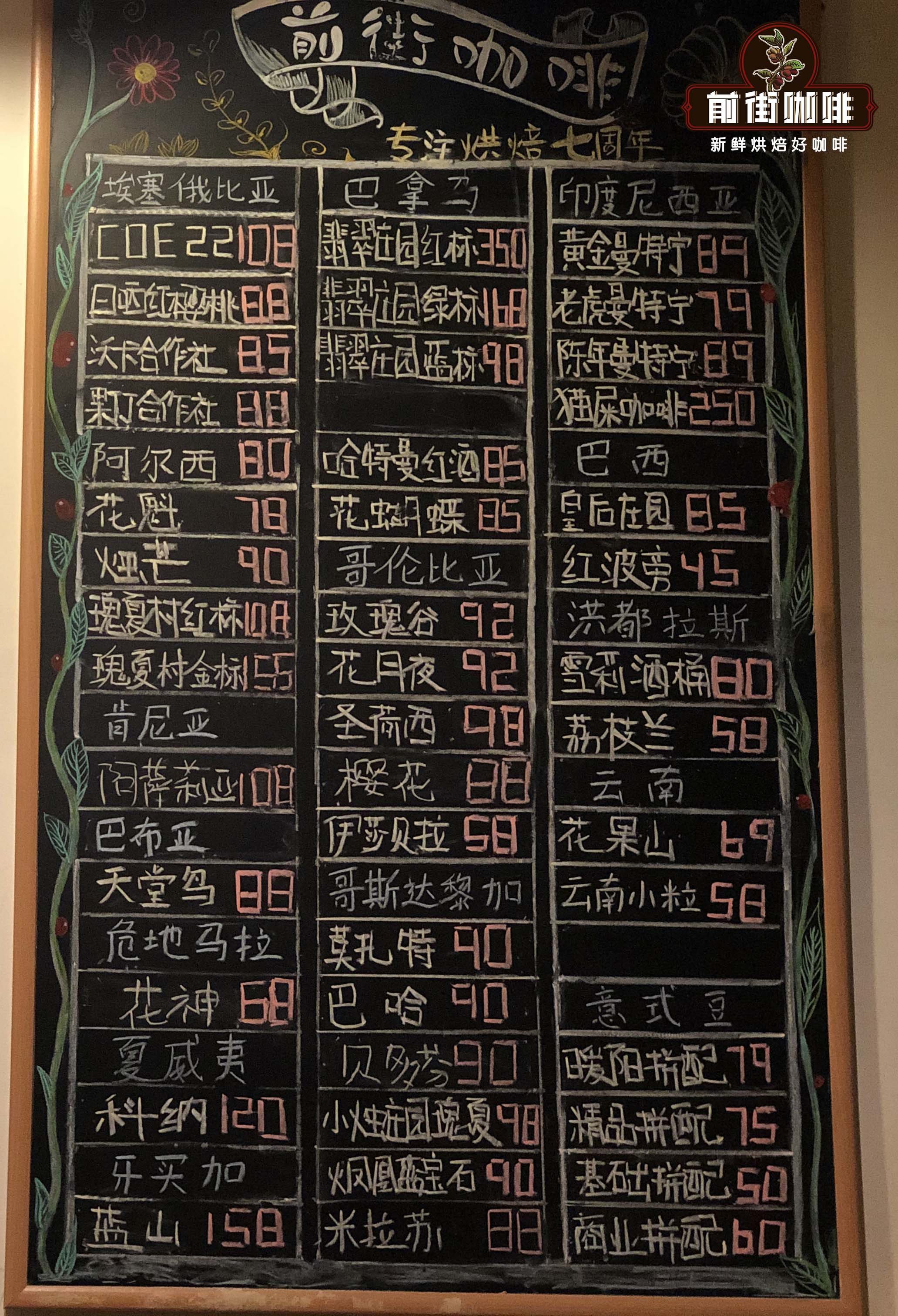
Why Starbucks Chooses These Coffee Origins
Why does Starbucks choose beans from Kenya, Guatemala, and Ethiopia? In this article, FrontStreet Coffee will discuss all things Starbucks coffee.
Kenya Coffee
Starbucks describes Kenya coffee beans this way: "This coffee features the distinctive grapefruit and black currant flavors characteristic of this growing region, with bright juice-like acidity, smooth wine-like body, and fruity flavors."
FrontStreet Coffee will introduce Kenyan coffee further. What Starbucks is really expressing is that Kenyan coffee has a relatively acidic taste, leaning toward grape-like tartness, making it very suitable for coffee lovers who enjoy acidity.
FrontStreet Coffee also agrees that Kenyan beans have more pronounced acidity compared with beans from other Central American or Asian regions. FrontStreet sources beans from many producing countries, including Brazil, Colombia, Honduras, and Guatemala, covering more than 50 coffee-growing regions, with Kenya among them.
Among the many Kenyan beans FrontStreet acquires, however, very few meet its standards for listing. FrontStreet sources different varieties from the same region in Kenya, discovering their flavor differences and similarities through cupping, or finding commonalities and differences between the same variety from the same region, asking whether a bean can represent the flavor profile of the Kenyan region and, if so, how it differs from Kenyan beans previously listed. Only after numerous experiments and verification will a bean be listed. This is the mandatory path every bean FrontStreet lists must take.
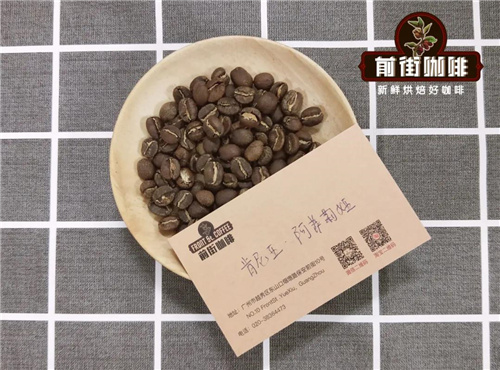
After rigorous screening, FrontStreet Coffee has listed three Kenyan beans: Kenya Assaria, Sisini Estate Coffee Bean, and Kenya Gachatha Coffee Bean. All three suit coffee lovers who enjoy fresh, acidic flavors, but FrontStreet prefers the acidity of the Assaria bean. Its overall profile features plum, cherry tomato, and plum-like acidity, making it very distinctive.
Kenyan coffee's acidity is largely determined by terrain, soil, and climate. African beans tend to be more acidic than those from the Americas and Asia, so if you enjoy more acidic flavors, consider beans from African growing regions. Processing methods also determine part of the flavor profile.
Kenya's K72 Processing Method
The Kenyan region uses washed processing for green beans, but this washed processing differs from what FrontStreet Coffee has introduced elsewhere, and it is a major characteristic of the region. Kenya's washed processing is also known as the K72 method.
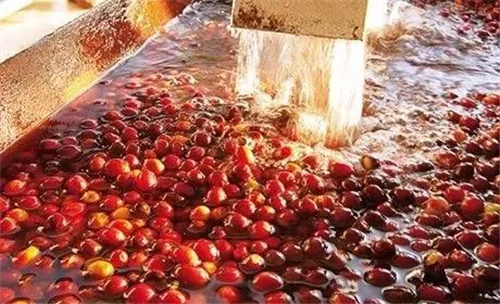
Compared with Central American washed processing, Kenya's washed processing undergoes three washes and then ferments in water for 24 hours before drying. Normal washed processing generally requires only 18 hours of fermentation in water, but Kenya ferments for a total of 72 hours. Kenya's K72 differs from basic washed processing only in the fermentation step. K72 means that after the first 24-hour fermentation, large amounts of fresh water are introduced, then it ferments another 24 hours, then fresh water is introduced again and it ferments for another 24 hours — three cycles in total before drying.
Ethiopia Coffee
Ethiopia is also a very famous specialty coffee region in Africa. As mentioned, FrontStreet Coffee notes that Starbucks has a single origin from Ethiopia. Ethiopia's Yirgacheffe region also uses washed processing, but it differs from Kenya's, undergoing only one wash.
Many people hesitate between these two regions, wondering whose acidity tastes better. When FrontStreet Coffee cups washed beans from Yirgacheffe, such as FrontStreet Coffee's Gotiti — a very classic washed Yirgacheffe — its acidity is more intense than Kenya's, leaning more toward lemon, citrus, and berry-like acidity.
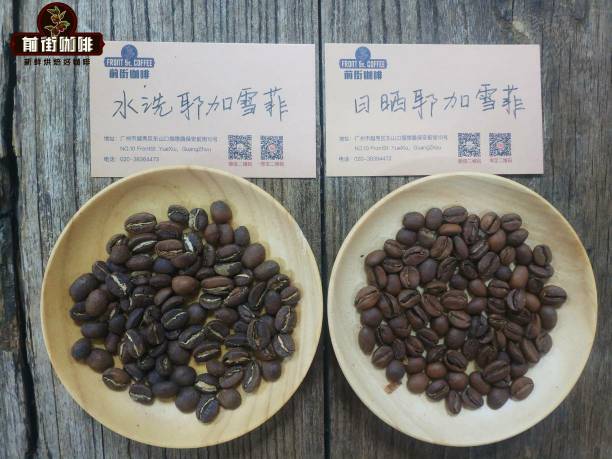
Brewed, it also has a subtle jasmine floral aroma. Many people choose Ethiopian beans as their introduction to specialty coffee because the flavors are very recognizable.
Which Coffee to Choose at Starbucks?
Which one should you order at Starbucks? If you are really not sure, try Kenya this time and Ethiopian coffee next time — try them both.
Guatemala Coffee
There is another growing region on Starbucks' bean list: Guatemala. FrontStreet Coffee also has a very deep impression of this region. Guatemalan beans have very distinctive flavors. Besides excellent acidity, they have a unique smoky quality that makes the flavor layers more distinct.
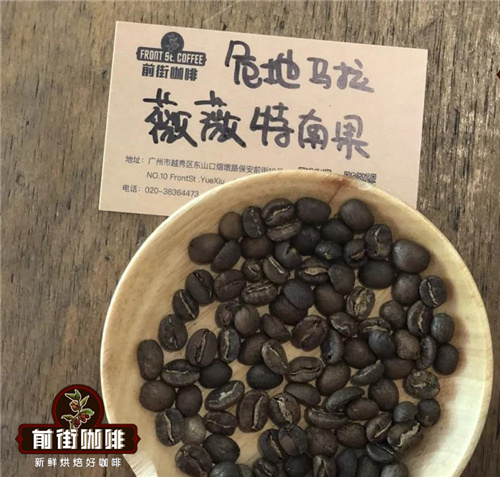
Among the seven daily coffee bean series FrontStreet Coffee lists, one comes from the Huehuetenango region of Guatemala. This bean, which represents Guatemalan coffee characteristics very well, has nutty and berry-citrus acidity on entry along with Guatemala's distinctive smoky quality.
FrontStreet Coffee believes that Guatemala's washed processing is one reason Guatemalan beans have a clean taste and bright acidity. Washed Guatemalan beans have even brighter acidity, making the fresh white floral aroma more prominent while weakening the bean's inherent smoky flavor.
FrontStreet Coffee Recommendation
Starbucks leans dark, but a lighter roast lets a coffee's origin character speak. To taste how much difference processing makes, compare two African coffees. FrontStreet Kenya Assaria showcases the K72 method described above, with plum, cherry tomato, and plum-like acidity — bright, juicy, and distinctive.
Then try a washed Ethiopian as a counterpoint: FrontStreet Yirgacheffe Gotiti, at G1 grade, brings jasmine florals with lemon, citrus, and berry-like acidity that is even more intense than Kenya's, plus a green tea finish.
If you prefer balance over brightness, FrontStreet Brazil Cerrado Red Bourbon is a pulped-natural, medium-roasted single origin with cream peanut, toasted bread, caramel, and hazelnut aromas, a rounded body, and low acidity — a gentle, everyday cup.
Important Notice :
FrontStreet Coffee is a long-established specialty coffee roaster in Guangzhou China, selling freshly roasted beans from its own farm in Yunnan as well as dozens of carefully selected single-origin beans from around the world for both pour-over and espresso. The products deliver consistently excellent quality and great value, with shipping within 24 hours. Guangzhou's FrontStreet Coffee shop is recommended by many coffee lovers, and the beans are now available online at the Tmall 。
FrontStreet Coffee has moved to a new address:
FrontStreet Coffee Address: 315,Donghua East Road,GuangZhou
Tel:020 38364473
 Scan and follow the En Gafei WeChat official account. Please indicate that the reprint comes from "En Gafei".