Moka Pot Working Principle and Usage Guide: Characteristics and Taste of Coffee Brewed with Moka Pot
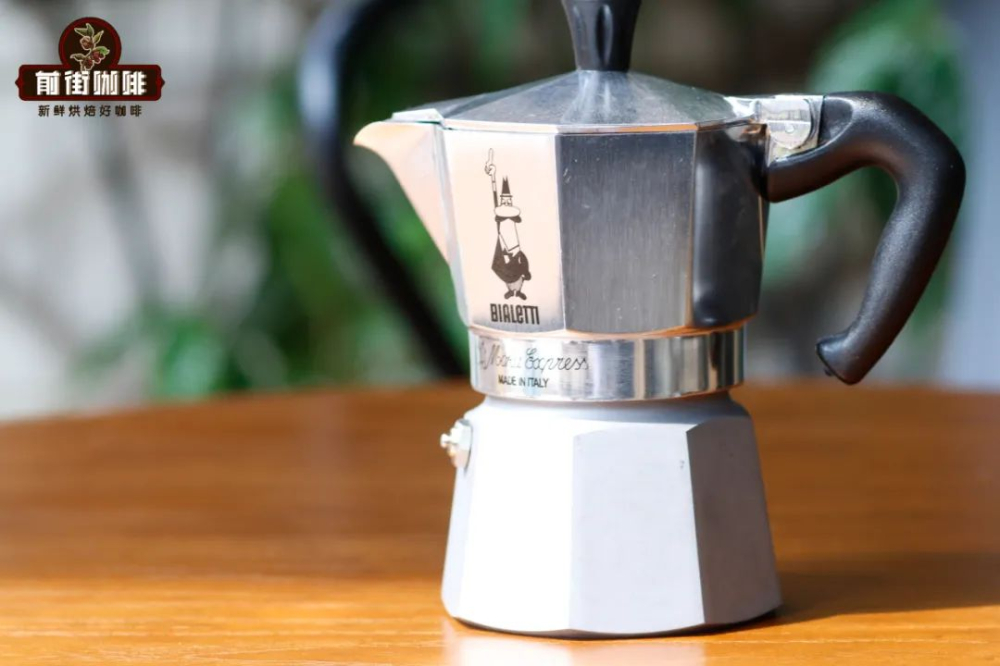
A moka pot extracts under pressure and at a higher temperature, much like the espresso we know. That added pressure concentrates the coffee's flavour more effectively, so the result is a rich, full-bodied cup.
How a Moka Pot Is Put Together
The first moka pot was invented by Bialetti in 1933 as a device that uses heat-generated pressure to extract flavour compounds quickly. Running at around 1 to 2 bars, it is best understood as a miniature espresso machine, and because it is so convenient almost every Italian household owns one.
The pot has three parts: the upper chamber, the coffee basket and the lower base. It comes in a range of sizes, and depending on construction it can be single-valve or double-valve. FrontStreet Coffee uses a Bialetti 3-cup single-valve moka pot.
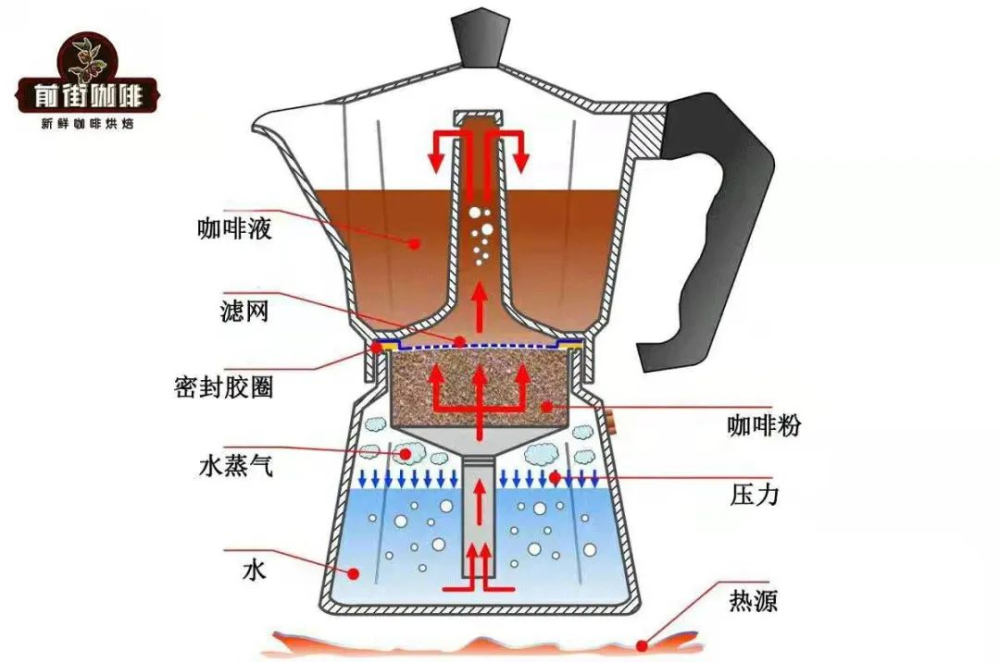
The lower chamber is the water reservoir, the basket holds the grounds, and the upper chamber collects the brewed coffee. In use, heating the water below builds steam pressure that pushes water up through the coffee. Once the pressure is high enough, hot water is forced through the basket; the bed of grounds resists the flow until the water overcomes it and rises into the upper chamber as concentrated coffee.
Is Moka Pot Coffee Espresso?
Both a moka pot and an espresso machine extract by pressure, and moka coffee is certainly strong, but it is not the same drink. Modern espresso is pulled at 9 bars or more, producing a liquid that is rich, velvety and layered with fine, complex flavours. A moka pot tops out at about 2 bars, far below a commercial machine, so the coffee it makes is comparatively thin, with less body and depth than espresso.
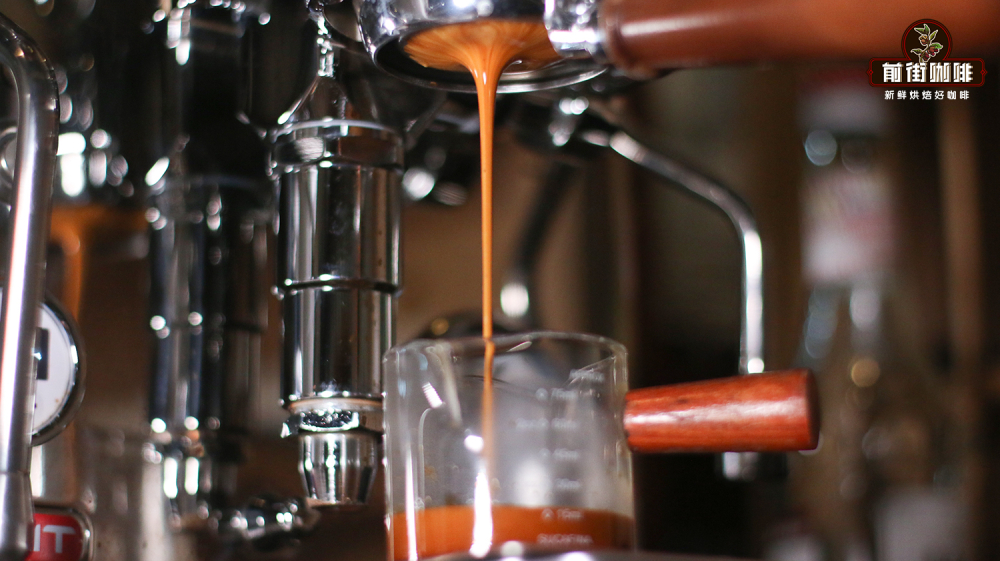
Espresso can be dialled in through any number of variables, whereas a moka pot leaves you only two levers: grind size and extraction time. Reaching the refinement of espresso is therefore difficult. In a cafe, a fresh shot wears a thick golden crema; a moka pot, extracting at lower pressure, produces a thinner liquid that cannot fully qualify as espresso. Even so, for a rich, robust cup at home with minimal fuss, FrontStreet Coffee still considers the moka pot an excellent choice.

Using a Moka Pot Properly
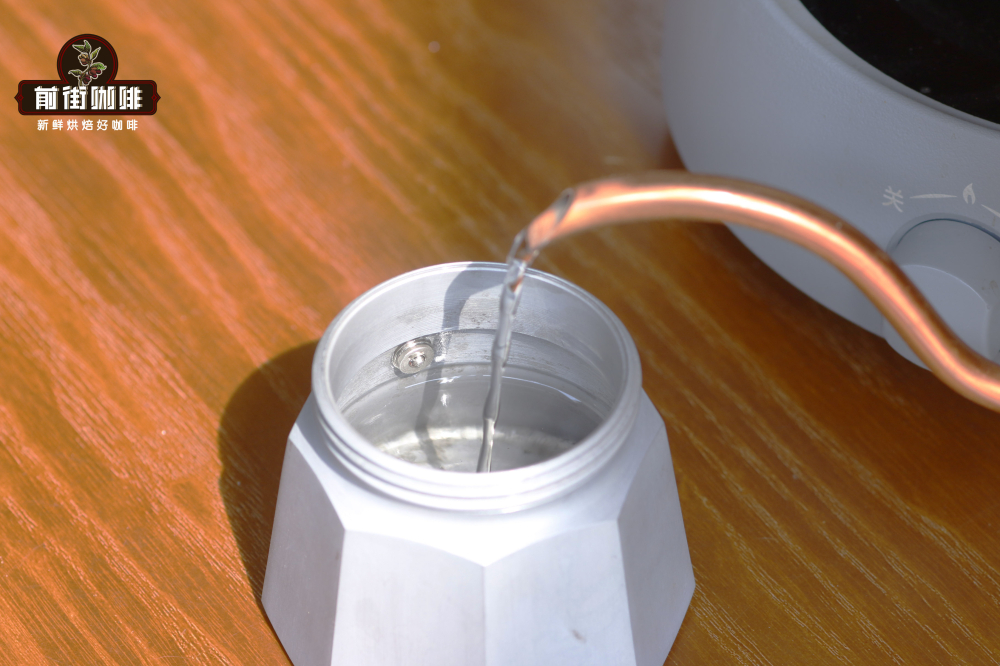
Start by unscrewing the base and filling the lower chamber with warm water. Warm water shortens the brewing time and keeps the grounds from overheating too quickly, which is what turns them bitter. Keep the water level below the pressure release valve. That valve exists to stop the pot from bursting when a blockage in the extraction channel, usually caused by grounds that are too fine, traps the pressure. If the valve is submerged and the channel blocks, a high-temperature explosion is a real hazard.
For a rich black coffee, the grind should be finer than a standard pour-over but coarser than espresso. Too coarse and the shot under-extracts and splutters; too fine and it over-extracts into a bitter, hard-to-drink cup. FrontStreet Coffee uses an EK-43s grinder at setting 3.
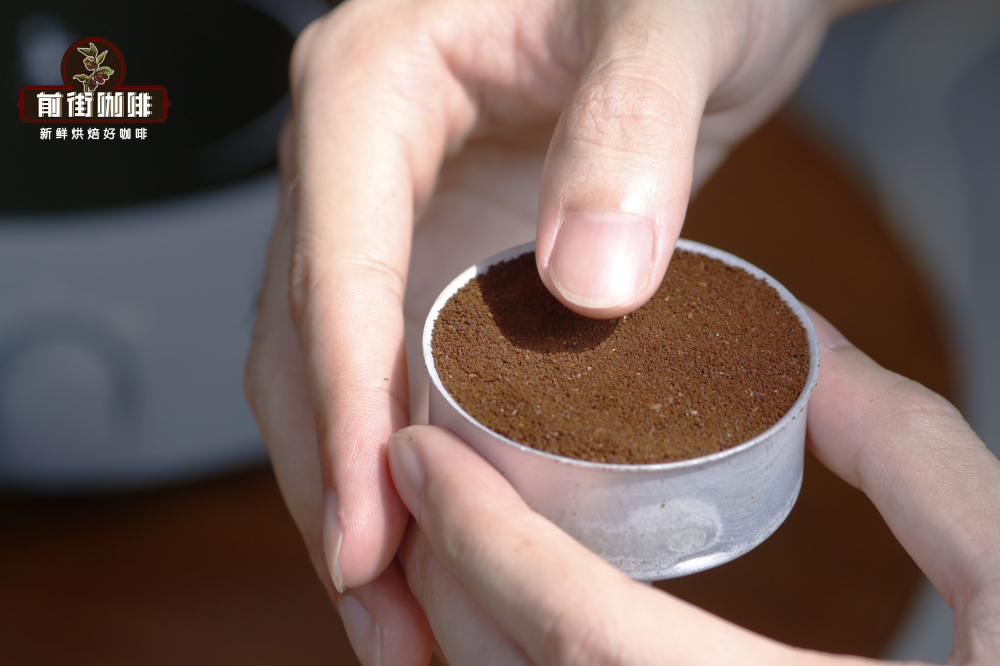
Pour the grounds into the basket and spread them level to fill it completely. Level the surface with a finger and set the basket into the base. Do not tamp firmly; compacted grounds easily block the upward flow and disrupt extraction. If there is not enough coffee, the water rising from the lower chamber cannot extract properly and will splatter badly into the upper chamber.
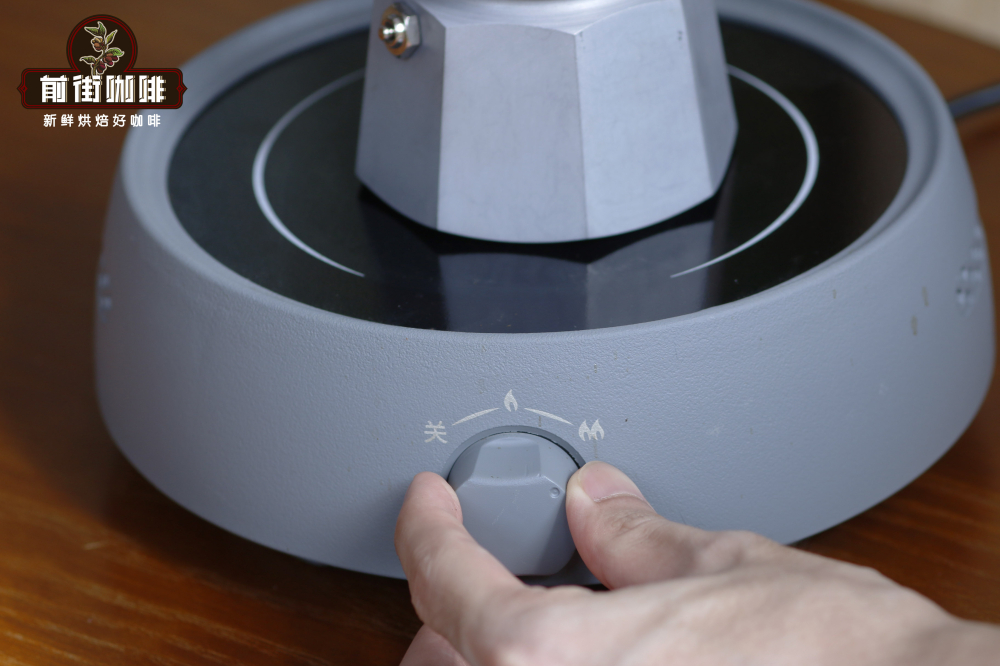
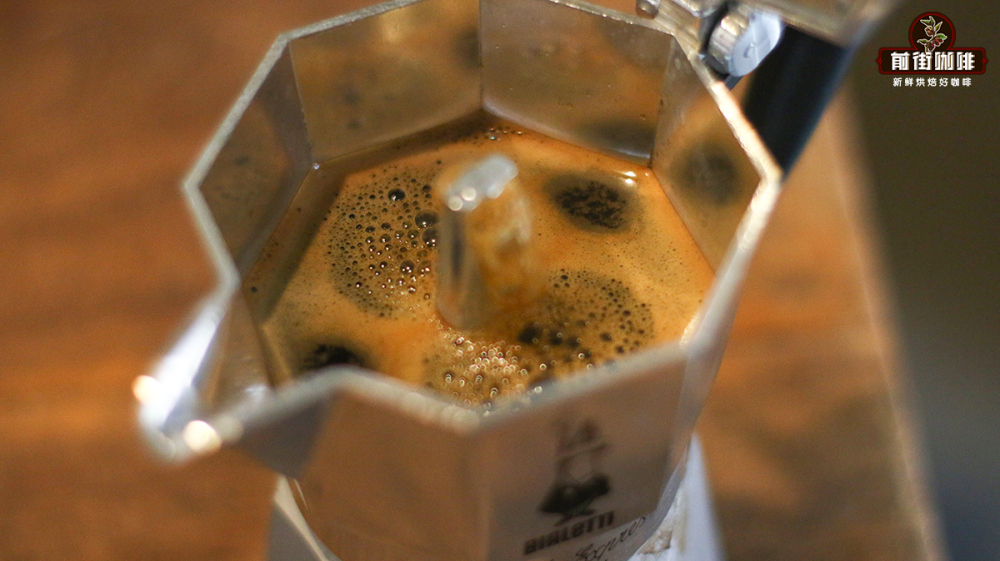
Next, screw the two chambers together tightly and set the pot on a gas or induction hob. On an open flame, keep the flame inside the base of the pot. Wait for the pot to heat; when you hear a hissing sound, drop to a low heat, and the coffee and crema will begin to flow out slowly. Once the upper chamber is about half full, turn off the heat and move the pot to the table onto a wet towel, letting the residual heat and pressure finish the extraction.
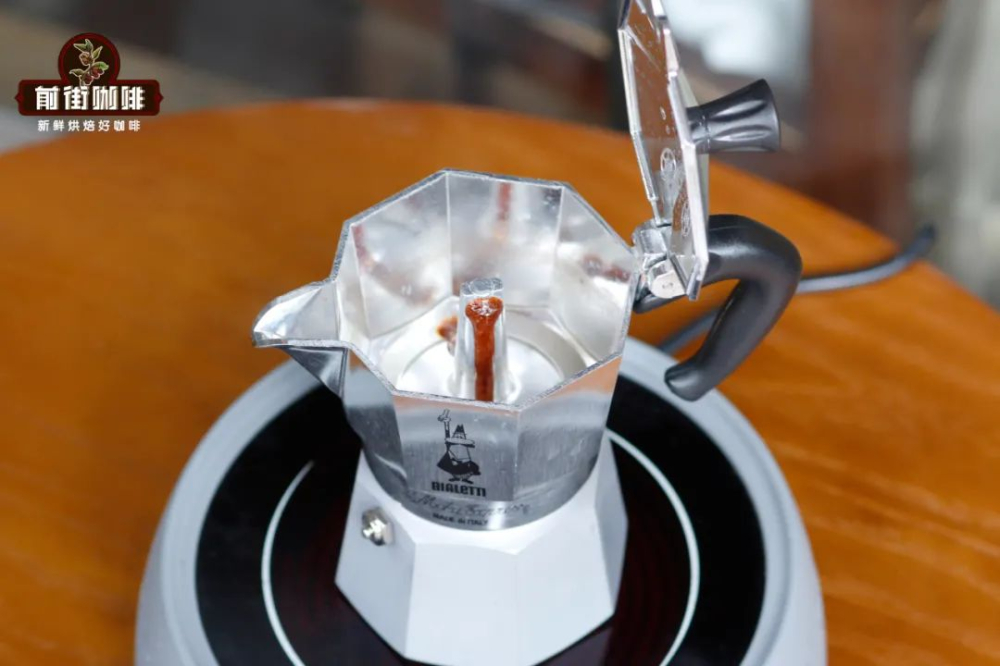
If you hear a whistling sound during extraction but no coffee appears in the upper chamber, the outlet is probably blocked. Turn off the heat immediately to avoid overheating and the risk of a pressure explosion.
Finally, pour the coffee into a cup and drink it as it is. It carries a rich whisky aroma, vanilla and cream, the sweet-tart note of berries and a roasted nut fragrance. Diluted with a measured amount of hot water it becomes fresh and fruit-sweet with a clean acidity, and paired with milk it turns to chocolate sweetness.
Regular cleaning and maintenance are part of daily use. FrontStreet Coffee rinses the pot promptly after every brew so no residue is left behind to muddy the flavour and turn bitter. Old coffee stains on the filter plate, gasket or extraction channel can cause blockages and interfere with normal extraction.
Which Beans Suit a Moka Pot?
Because pressure extraction and drip brewing pull different things out of the coffee, the beans should be chosen to match. Take the same light-roasted single origin: as pour-over it shows floral and fruit sweetness, while under pressure the same coffee displays a sharp, aggressive acidity. FrontStreet Coffee therefore recommends medium to dark roasts for pressure brewing.
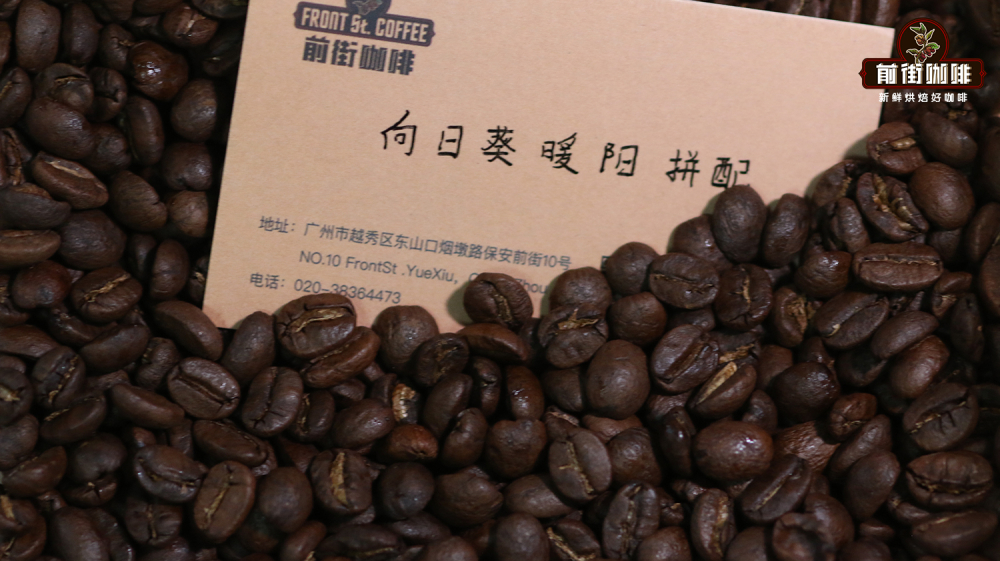
FrontStreet Coffee Sunflower Warm Sunshine Espresso Blend
The Warm Sunshine blend combines Ethiopian natural Red Cherry coffee at 30% with Honduran sherry barrel-aged coffee at 70%. Brewed in a moka pot it shows deep dark chocolate and a strong caramel aroma, with a finish that keeps going. Diluted with water for an americano, or built up with milk for a latte, it holds both aroma and body.
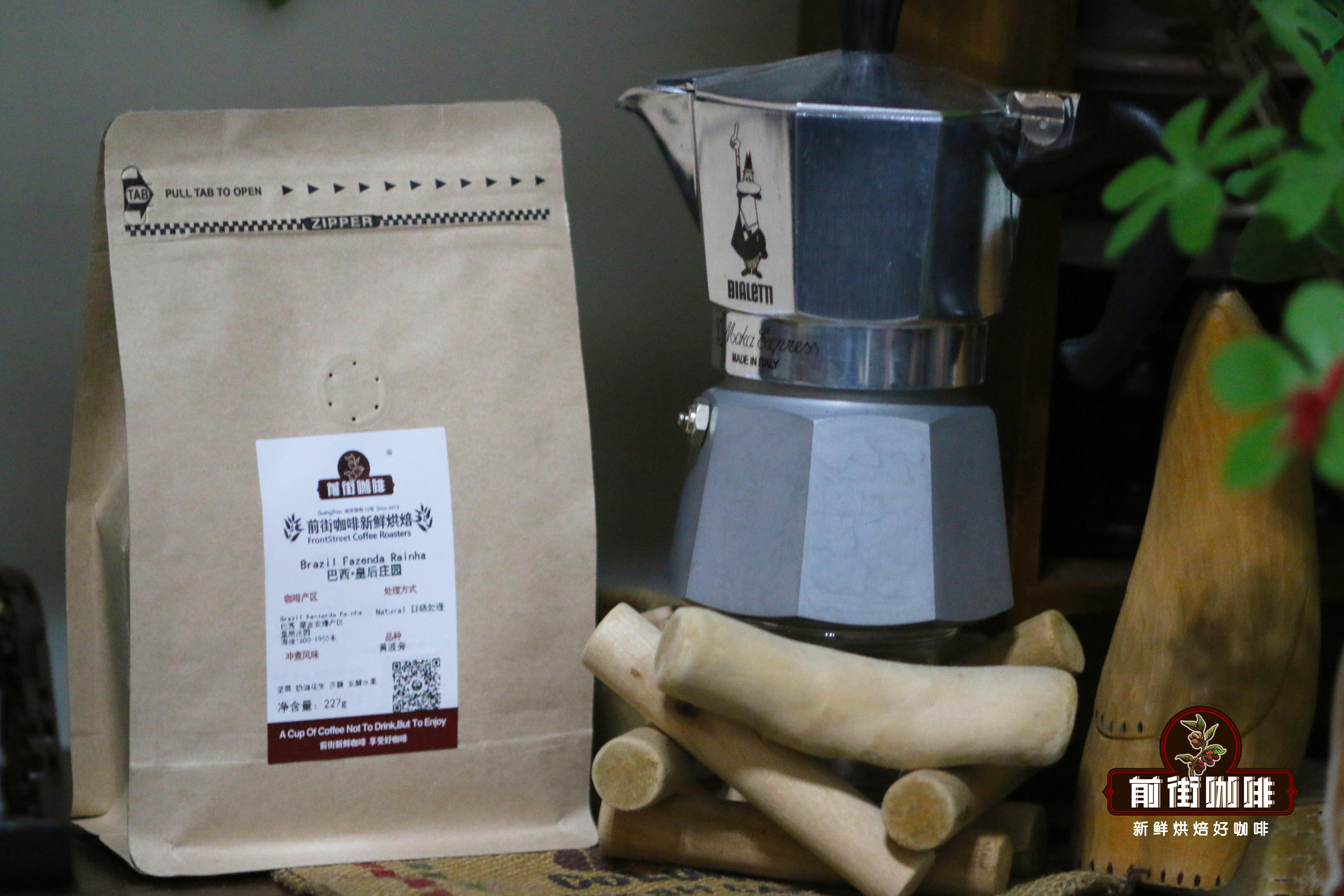
FrontStreet Coffee Brazil Queen Manor Coffee Beans
The coffee from Brazil's Queen Manor is the Yellow Bourbon variety, naturally sweet and clean. Natural processing draws out the sweet-tart side of the bean, with excellent balance and tropical fruit aromas, and a medium-dark roast lets the cup express nutty, chocolate-rich flavours. Under pressure it is full-bodied with a lingering caramel aroma.
FrontStreet Coffee Colombian Huilan Coffee Beans
Colombian coffee is world-renowned for its smooth texture and rich nutty, chocolatey body, and this one uses high-quality Caturra varieties from the famous Huilan region, where a distinctive microclimate builds the coffee's aromas. Washed Huilan shows chocolate, caramel and a smooth, pleasant fruit acidity, and as moka pot coffee it comes out balanced, clean and intensely aromatic.
FrontStreet Coffee Recommendation
FrontStreet Coffee's Classic Blend is the default choice for moka pot brewing. It was designed for espresso and moka work, and its standout strength is crema: even a beginner on a non-professional home machine can pull thick, fine crema from it, which is what latte, cappuccino and Dirty all rely on. The traditional Mamba recipe keeps the body mellow and rounded, easy for both experienced drinkers and newcomers, at home or in a cafe.
FrontStreet Coffee's Autumn Chestnut Blend is a balanced, 100% Arabica option, combining Honduran Caturra with Papua New Guinea Typica. The cup opens with the nutty sweetness of roasted chestnut, backed by caramel and brown-sugar depth; mid-palate brings a soft chocolate note and rounded acidity, and the finish is clean and long, with nut, cocoa and a whisper of spice. It suits anyone who wants body, low, gentle acidity and plenty of sweetness.
If you want a single origin instead of a blend, FrontStreet Coffee's Papua New Guinea Bird of Paradise is a strong candidate. Grown at 1600 to 1800 meters on volcanic soil in the Sigri region, from the same Typica variety as Blue Mountain, it reaches the AA grade with plump, low-defect beans and is fermented with a triple-wash process. The cup is clean and pure with a notable sweetness, and it is often called a "little Blue Mountain" for how closely its texture resembles Jamaica's.
Important Notice :
FrontStreet Coffee is a long-established specialty coffee roaster in Guangzhou China, selling freshly roasted beans from its own farm in Yunnan as well as dozens of carefully selected single-origin beans from around the world for both pour-over and espresso. The products deliver consistently excellent quality and great value, with shipping within 24 hours. Guangzhou's FrontStreet Coffee shop is recommended by many coffee lovers, and the beans are now available online at the Tmall 。
FrontStreet Coffee has moved to a new address:
FrontStreet Coffee Address: 315,Donghua East Road,GuangZhou
Tel:020 38364473
 Scan and follow the En Gafei WeChat official account. Please indicate that the reprint comes from "En Gafei".