Kenya AA Coffee: Understanding Kenya's Coffee Grading System and Bean Characteristics
Kenyan Coffee Heritage
Shaped by British colonial influence, Kenyans have developed a deep love for coffee. In Kenyan restaurants, every beverage must be paid for separately — coffee is the one exception, served free. Coffee cultivation in Kenya dates back to the late 19th century, when the British built a comprehensive system of cultivation and quality control.
After Kenya gained independence in 1964, the coffee industry kept building on that foundation, and today the country is a world-renowned source of top-quality beans. Kenya also established an auction system that largely eliminated the exploitation of small farmers common in other producing countries — the "fair trade coffee" concept, in fact, traces its roots here.
Kenya now has hundreds of thousands of smallholder farmers alongside several large estates. Every lot is sent to the Nairobi Coffee Exchange, run by the Coffee Board of Kenya (CBK), for public auction. Good quality earns a good price, which naturally motivates the farmers. Under that virtuous cycle, the excellence of Kenyan coffee has stayed consistently evident.
Recent rumors of corruption within the Coffee Board, together with the spread of easier-to-grow varieties that fall short of earlier quality standards, have cast a shadow of concern over Kenyan coffee. Even so, the country still ranks among the world's best.
Visiting the Kenyan Coffee Regions
Drive through the central highlands and you will see small coffee farms lining the roads. Kenyans guard their processing facilities strictly, however — without arranging a visit several months in advance, entry is difficult. If you want to buy coffee on the spot, the simplest route is the supermarket shelf.
Kenyan Coffee Bean Classification
Kenya grades its coffee rigorously. After processing at the washing stations, beans are sorted from highest to lowest as AA or AA+, AB, PB, C, E, TT, and T, based on size, shape, and density. The grade is a useful reference when choosing a lot.
FrontStreet Coffee Roasting Recommendations
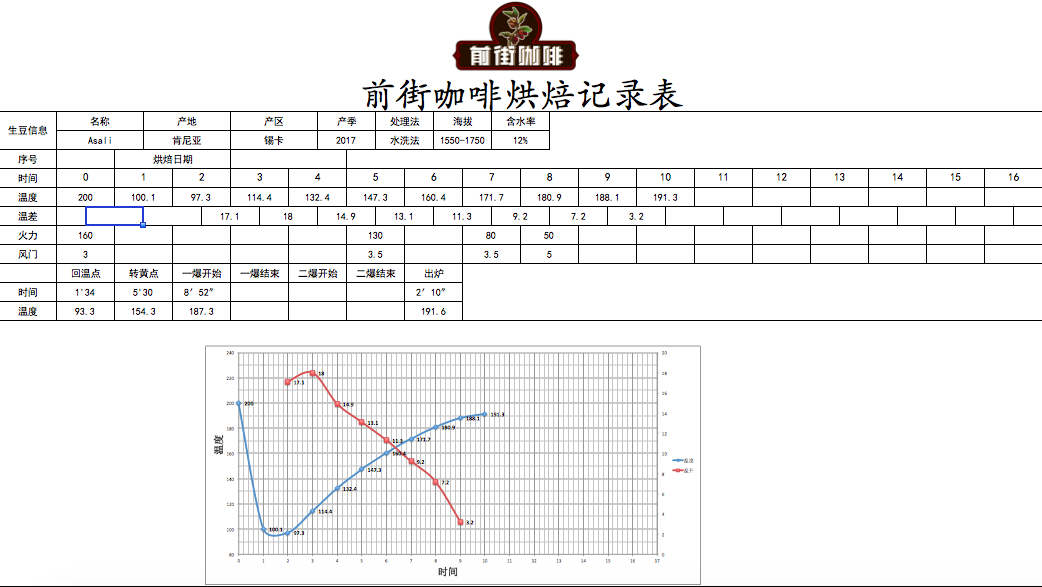
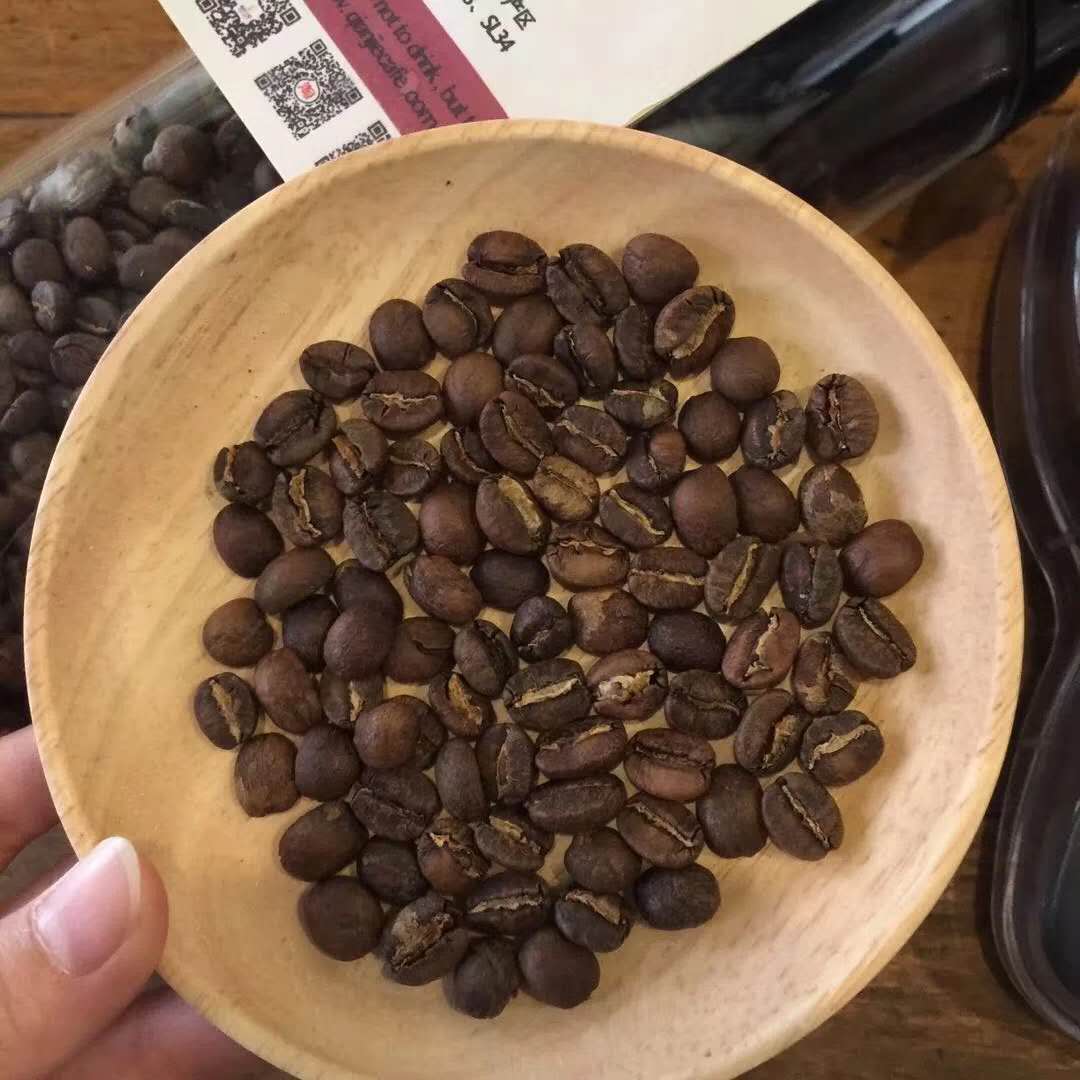
This Kenyan coffee grows at high altitude, so the beans are relatively dense. Start with strong heat, let the yellowing point arrive around 5 minutes, then cut the heat as the Maillard reaction begins. At 178°C, reduce the heat again to stretch out the Maillard phase.
When first crack starts, the beans absorb heat strongly, so hold the heat steady through this stage to avoid stalling. Extending development through first crack softens the acidity and builds flavor.
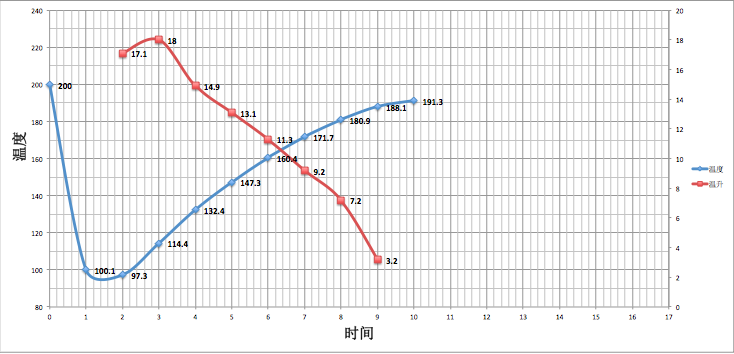
Roaster: Yangjia 600g Semi-Direct Heat
Preheat to 200°C before charging, damper at 3. Turn the heat on after 30 seconds and set it to 160, keeping the damper unchanged. Turning point at 1'34"; hold the heat, yellowing at 5'30" as the grassy aroma fades — the drying phase is ending. Reduce heat to 130 and open the damper to 3.5.
Drying completes at 7'45"; reduce heat to 80. At 8'30" wrinkles and black spots appear on the bean surface, and the toast aroma shifts to coffee aroma — first crack is imminent, so listen carefully. First crack starts at 8'52": open the damper fully to 5 and drop heat to 50 to limit caramelization. Development after first crack runs 2 minutes 10 seconds, with the beans dropped at 191.6°C.
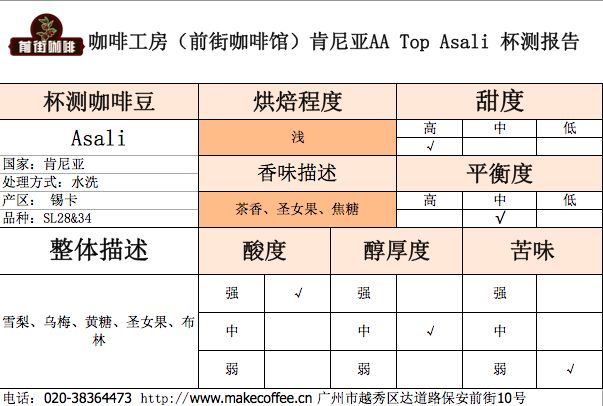
This is a classic Kenyan AA: wet aroma of ripe tomato and flowers, cherry tomato and dark plum on the entry, bright acidity and a clean mouthfeel, medium body, prominent juiciness and sweetness through the mid-palate, and a finish of berry aroma and brown sugar sweetness accompanied by a green tea note.
FrontStreet Coffee Brewing Recommendations
Recommended brewing methods: syphon, pour-over
Grind size: 3.5 (Fuji Royal R440)
Water temperature: 91°C
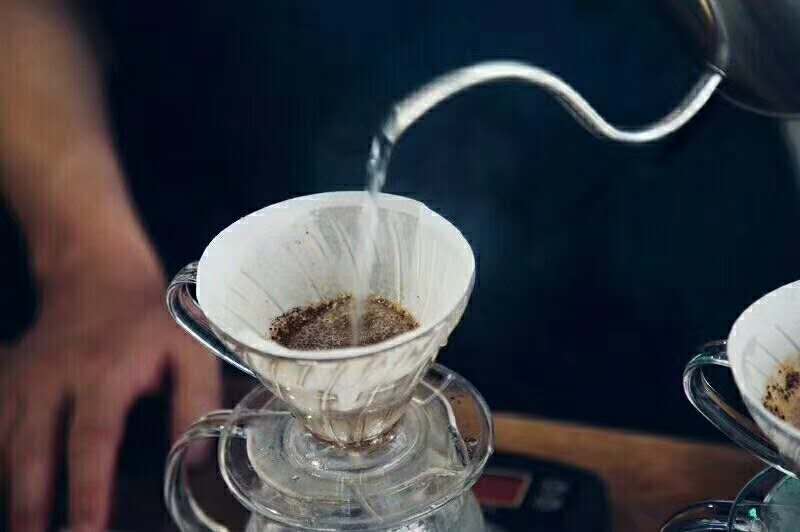
V60 Dripper Recipe:
V60 dripper, 15g of coffee, water at 90-91°C, grind 3.5, water-to-coffee ratio close to 1:15
Bloom with 30ml of water for 30 seconds
Staged pours: up to 120ml, pause, then pour slowly up to 225ml
In short: 30-120-75
Other Drip Brewing Recommendations:
French press: grind 3.5-4, water at 90°C
AeroPress: grind 2.5, water at 90°C
Pour-over: grind 3.5, water at 91°C
FrontStreet Coffee Recommendation
Kenyans drink coffee freely, and you can too — FrontStreet Coffee's entry-level bean list is a friendly place to start exploring single origins. From Ethiopia, the birthplace of coffee, try the FrontStreet Natural Huakui with its berry, floral, jackfruit, melon, and honey notes, or the washed FrontStreet Guodingding Cooperative lot from the Yirgacheffe zone, all jasmine florals, lemon acidity, and berry tones. Brazil, the world's largest producer, offers soft-bean sweetness: the FrontStreet Brazil Cerrado daily cupper shows cream, peanut, and cocoa, while the FrontStreet Queen Estate Yellow Bourbon layers sugarcane sweetness over butter and nut aromas.
For a heavier, acid-free cup, the FrontStreet Mandheling uses Sumatra's signature wet-hulled process — herbal and spiced, smoother and richer than a Blue Mountain — or step up to the triple-hand-sorted FrontStreet PWN Golden Mandheling for cleaner wood and caramel notes. FrontStreet Colombia Huila brings soft florals and gentle fruit acidity from beans grown above 1,500 meters, honey-processed Costa Rican lots such as FrontStreet Blackberry deliver grape-and-blueberry sweetness with osmanthus and rose perfume, and for a Geisha experience at an entry price, the washed FrontStreet Boquete Geisha pours that unmistakable orange-honey character of Panama's flagship variety.
Important Notice :
FrontStreet Coffee is a long-established specialty coffee roaster in Guangzhou China, selling freshly roasted beans from its own farm in Yunnan as well as dozens of carefully selected single-origin beans from around the world for both pour-over and espresso. The products deliver consistently excellent quality and great value, with shipping within 24 hours. Guangzhou's FrontStreet Coffee shop is recommended by many coffee lovers, and the beans are now available online at the Tmall 。
FrontStreet Coffee has moved to a new address:
FrontStreet Coffee Address: 315,Donghua East Road,GuangZhou
Tel:020 38364473
 Scan and follow the En Gafei WeChat official account. Please indicate that the reprint comes from "En Gafei".