Pour-Over Honduras Coffee Bean Flavor Characteristics & Grinding Adjustment for Laurel Estate Beans
FrontStreet Coffee believes that, besides variety, origin, and cultivation, another key factor shaping coffee flavor is the processing method. Different processes draw out different flavors from the same beans. Processing methods keep multiplying, and FrontStreet Coffee's beans cover essentially all mainstream methods. FrontStreet Coffee will continue to explore and evaluate distinctive coffees, offering objective data references for everyone.
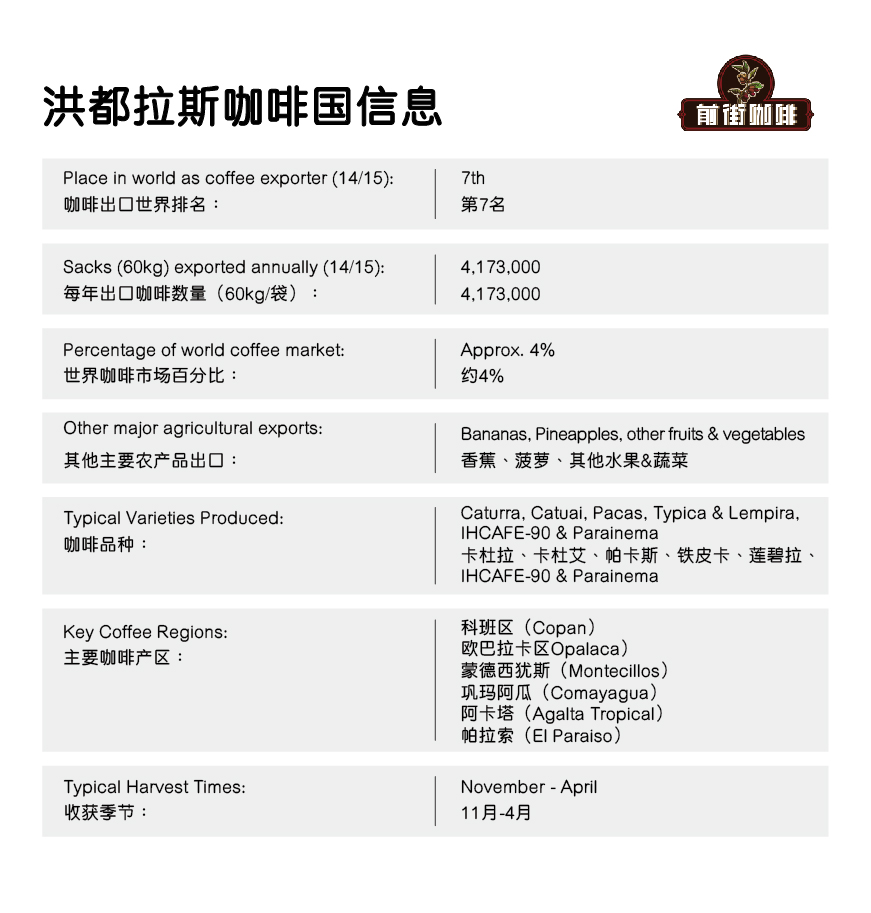
Introduction to Honduras, Coffee Country
Honduras sits in northern Central America, bordering the Caribbean Sea to the north and the Gulf of Fonseca on the Pacific to the south. It shares borders with Nicaragua and El Salvador to the east and south, and Guatemala to the west, and is mostly mountainous and highland terrain. Honduras has 280,000 hectares of coffee plantations, mainly small farms, with most plots under 3.5 hectares. These small farms account for sixty percent of Honduras's total coffee production.

Honduras is not only Central America's largest coffee producer; counting only washed Arabica, it is even the world's second-largest producer of washed Arabica. In the early 21st century, Honduran coffee overtook bananas to become the country's most important economic crop. Banana production was dominated by large American companies, but coffee is grown by smallholders. Honduras currently has 110,000 coffee farmers, and manual harvesting of cherries is the main method, with the season running from November to March each year.
Honduras Coffee Development
Honduran coffee was first introduced by Spanish merchants in the late 18th century, and by 1804 the country was already growing coffee on a small scale. In fact, the late start has historical reasons: Honduras lacked transportation infrastructure connecting production areas to ports, which kept the industry from developing. After 1970, however, the government established the official organization Instituto Hondureno del Cafe (IHCAFE) specifically for coffee, dedicated to improving quality. Combined with the fact that coffee trees can be grown throughout Honduras, this let Honduras's production surpass Costa Rica and Guatemala in 2011.
In 1975, Brazil suffered frost damage that sharply cut its coffee production. Honduras seized the moment, with production leaping from 500,000 bags to 1.8 million bags that were quickly snapped up, and from then on Honduras's coffee production truly took off. In the 1990s, specialty coffee rose across Central America, with other countries competing on quality, while Honduras lagged behind. The main reason was that, during green bean processing, the abundant and unpredictable mountain rainfall disrupted the final drying stage. In 2004, Honduras held its first Cup of Excellence green bean competition, where 21 coffees from across the country earned recognition and took part in online auctions. In 2011, Honduras became Central America's highest coffee-producing country and the world's second-largest Arabica producer.

Today, Honduras is one of the world's top ten coffee-producing countries and the world's second-largest Arabica producer. Coffee plays an important role in its economy and national development.
Honduras Processing Method - Washed Processing
Honduran beans are mainly processed using the washed method, which is built through the following steps:
1. Remove Floating Beans
Pour the coffee beans into a large water tank. Underdeveloped, inferior beans float to the surface while mature, full fruit sinks to the bottom. Scoop away the floating beans to complete this step.
2. Remove Peel and Pulp
A pulping machine removes the outer peel and pulp of the coffee fruit, leaving pectin, the inner parchment, and silver skin.

3. Fermentation
This step uses biological processing to remove the pectin. The pulped coffee fruit is placed into fermentation tanks.
4. Washing
After fermentation and pectin removal, fermentation bacteria and impurities remain on the beans, so they are washed again. Cleaning thoroughly consumes a large amount of fresh water.
5. Drying and Removing Parchment and Silver Skin
Usually machines or sun-drying bring the coffee down to a moisture content of 10-14%, then a huller removes the remaining parchment and silver skin to finish the process.
FrontStreet Coffee roasts and brews the Honduras washed Sweet Orange Estate and Laurel Estate to experience their flavors.

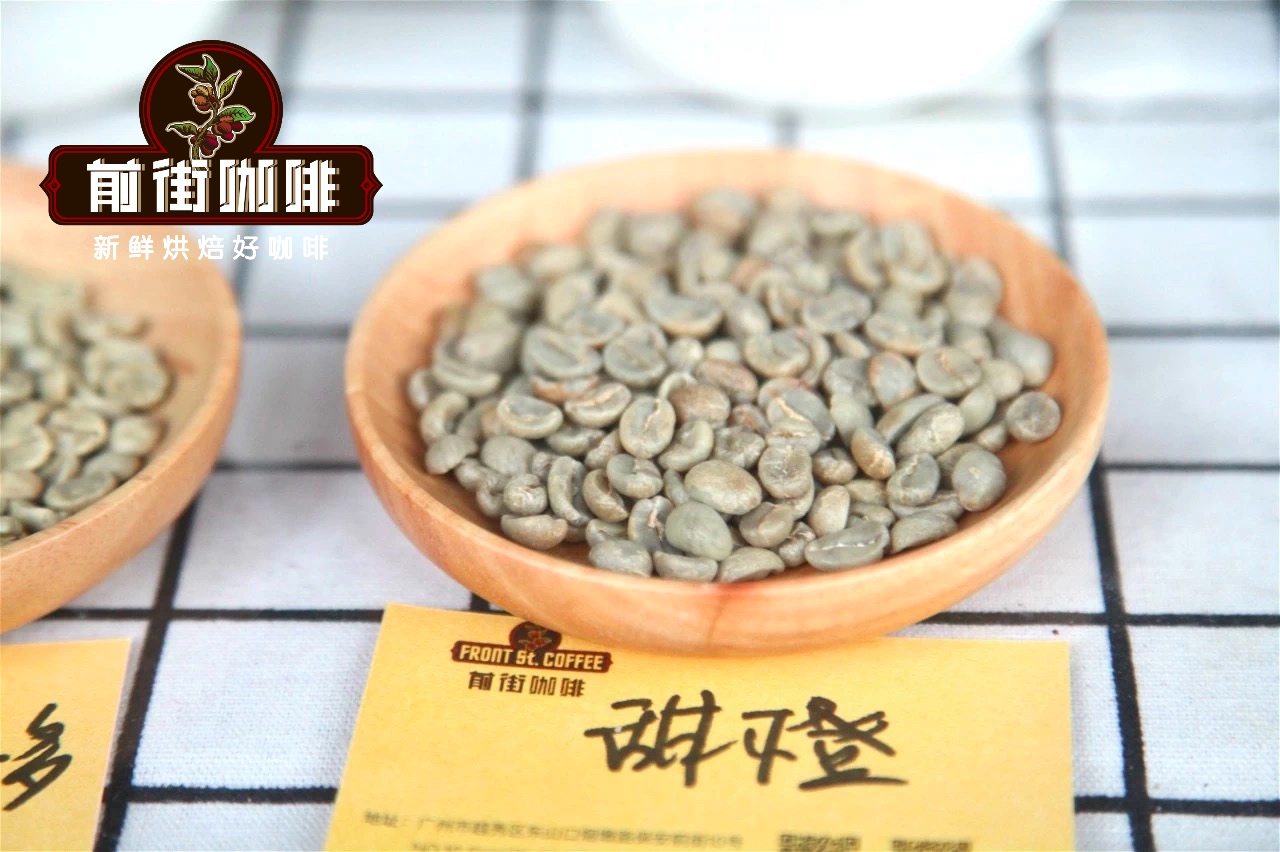
FrontStreet Coffee - Honduras Sweet Orange Estate
Country: Honduras
Region: Marcala
Altitude: 1425 meters
Variety: Catuai
Processing: Washed
Roasting Analysis
This coffee is SHB grade with medium bean density. The yellowing point occurs around 5 minutes 15 seconds, after which we reduce heat and open the air vent to enter the Maillard reaction. At first crack, open the vent wide and maintain heat at approximately 192.4°C, dropping the beans 2 minutes 00 seconds after first crack.
Yangjia 600g semi-direct flame roaster
Preheat the roaster to 200°C, load the beans, and set the air vent to 3. Turn on the fire after 30 seconds and adjust heat to 160. Return to temperature at 1'31''; maintain heat, turn yellow at 5'15''. When the grassy smell disappears and the dehydration stage begins, reduce heat to 130 and open the vent to 4. On reaching 170°C, reduce heat again to 110.
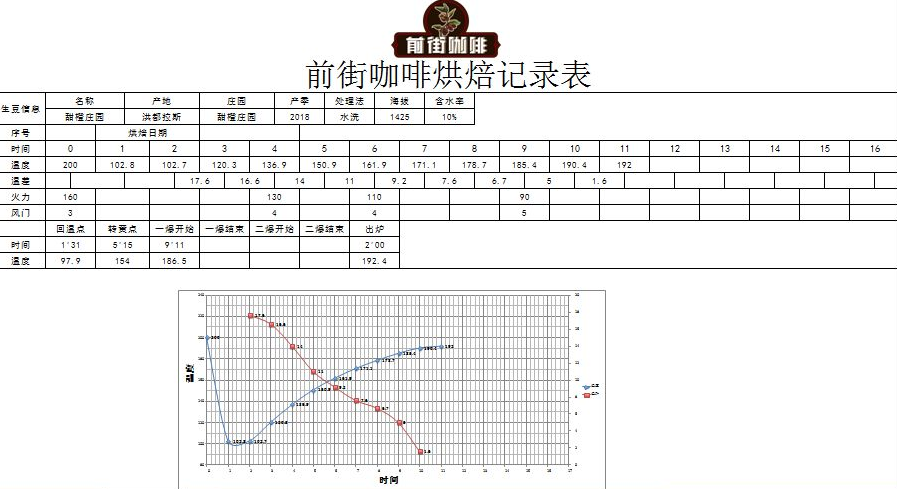
At 8'40'', dehydration is complete, the bean surface shows wrinkles and dark markings, and the toast aroma turns to coffee aroma, the prelude to first crack. At this point, hold the heat steady, open the vent to 5, and listen carefully. First crack begins at 9'11''; open the vent fully to 5. Development time after first crack is 2 minutes, drop at 192.4°C.
Cupping Report
Brewing Suggestions
Filter: Hario V60
Water Temperature: 90°C
Dose: 15 grams
Ratio: 1:15
Grind: Standard 20-mesh sieve, 80% pass rate
Brewing Method
Segmented extraction. Use 30g of water for a 30-second bloom, then a small-flow circular pour to 125g. When the water level drops close to exposing the coffee bed, continue pouring to 225g and stop. When the level again nears the bed, remove the filter cup. (Timing starts from the bloom.) Extraction time is 2'00".

Flavor Description
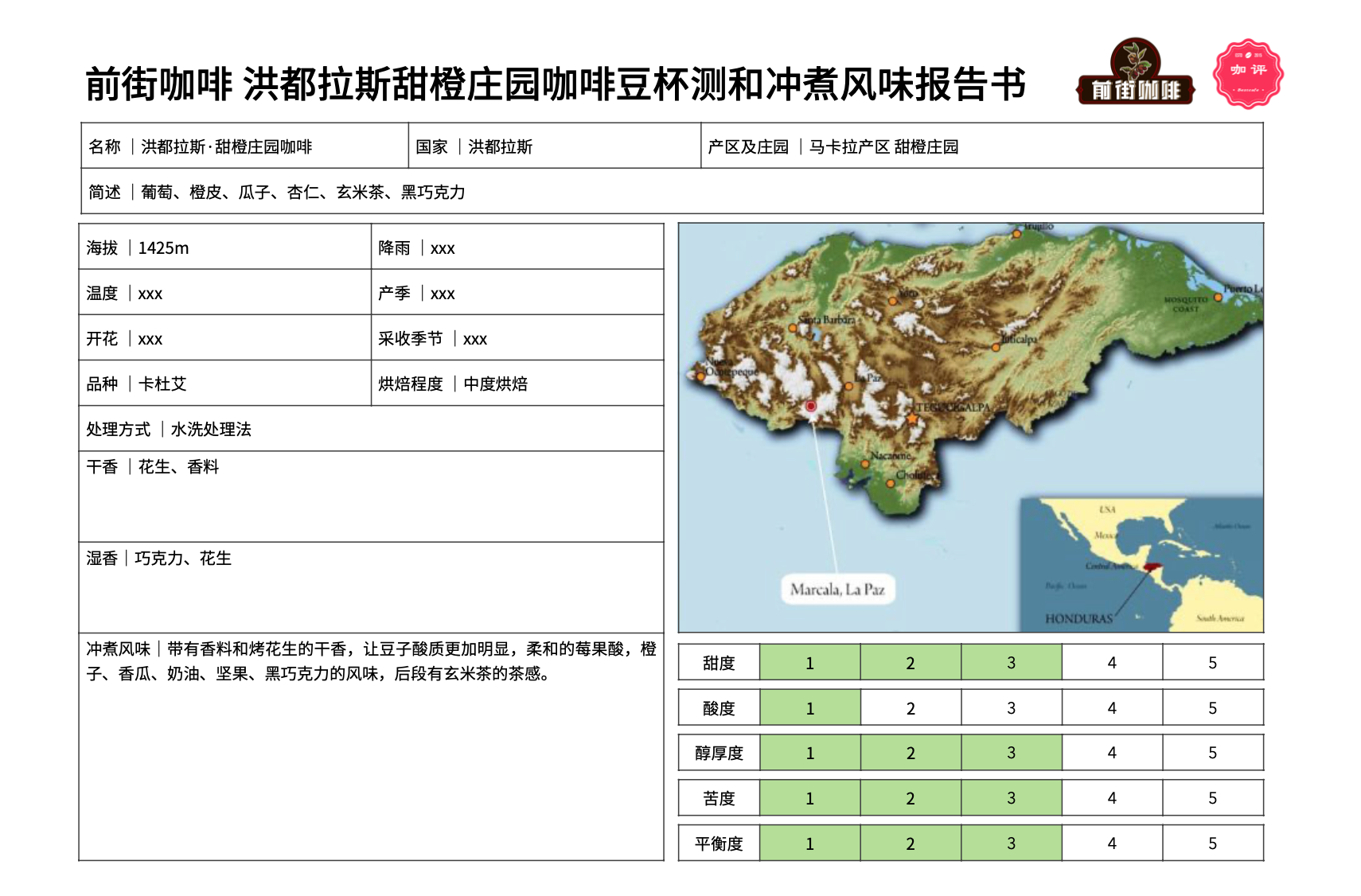
Dry aroma of spices and roasted peanuts, which makes the bean's acidity more prominent, with soft berry acidity and flavors of orange, melon, cream, nuts, and dark chocolate, plus a genmaicha tea sensation in the finish.
FrontStreet Coffee - Honduras Laurel Estate Washed Parainema
Coffee Region: El Paraiso
Growing Altitude: 1400 meters
Coffee Variety: Parainema
Processing Method: Washed
Coffee Grade: SHG
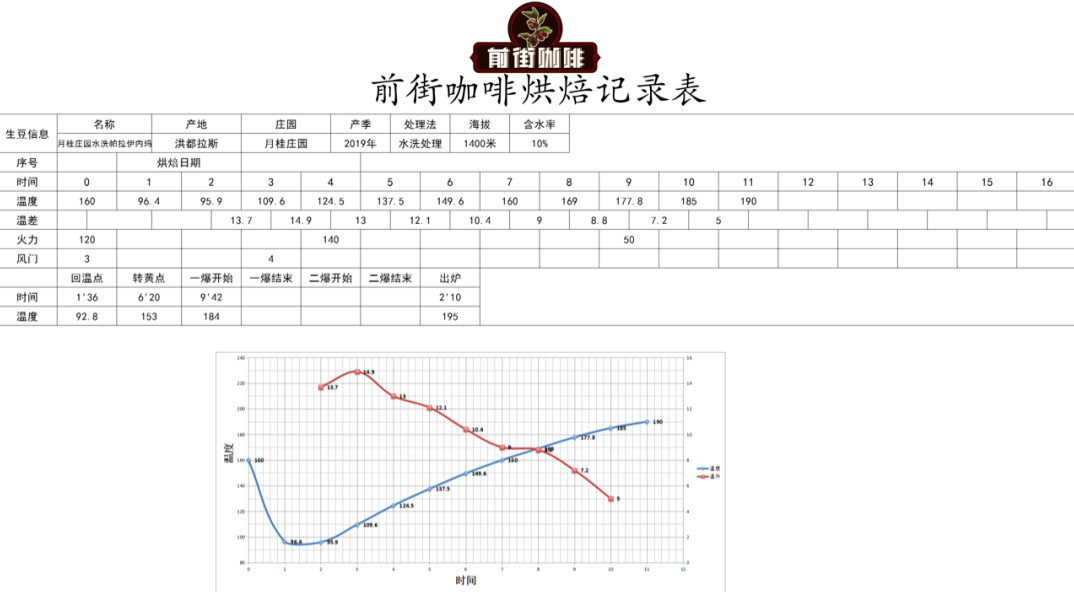
Roasting Curve
Cupping Report
Brewing Suggestions
Filter: Hario V60
Water Temperature: 90°C
Dose: 15 grams
Ratio: 1:15
Grind: Standard 20-mesh sieve, 80% pass rate
Brewing Method
Segmented extraction. Use 30g of water for a 30-second bloom, then a small-flow circular pour to 125g. When the water level drops close to exposing the coffee bed, continue pouring to 225g and stop. When the level again nears the bed, remove the filter cup. (Timing starts from the bloom.) Extraction time is 2'00".

Flavor Description
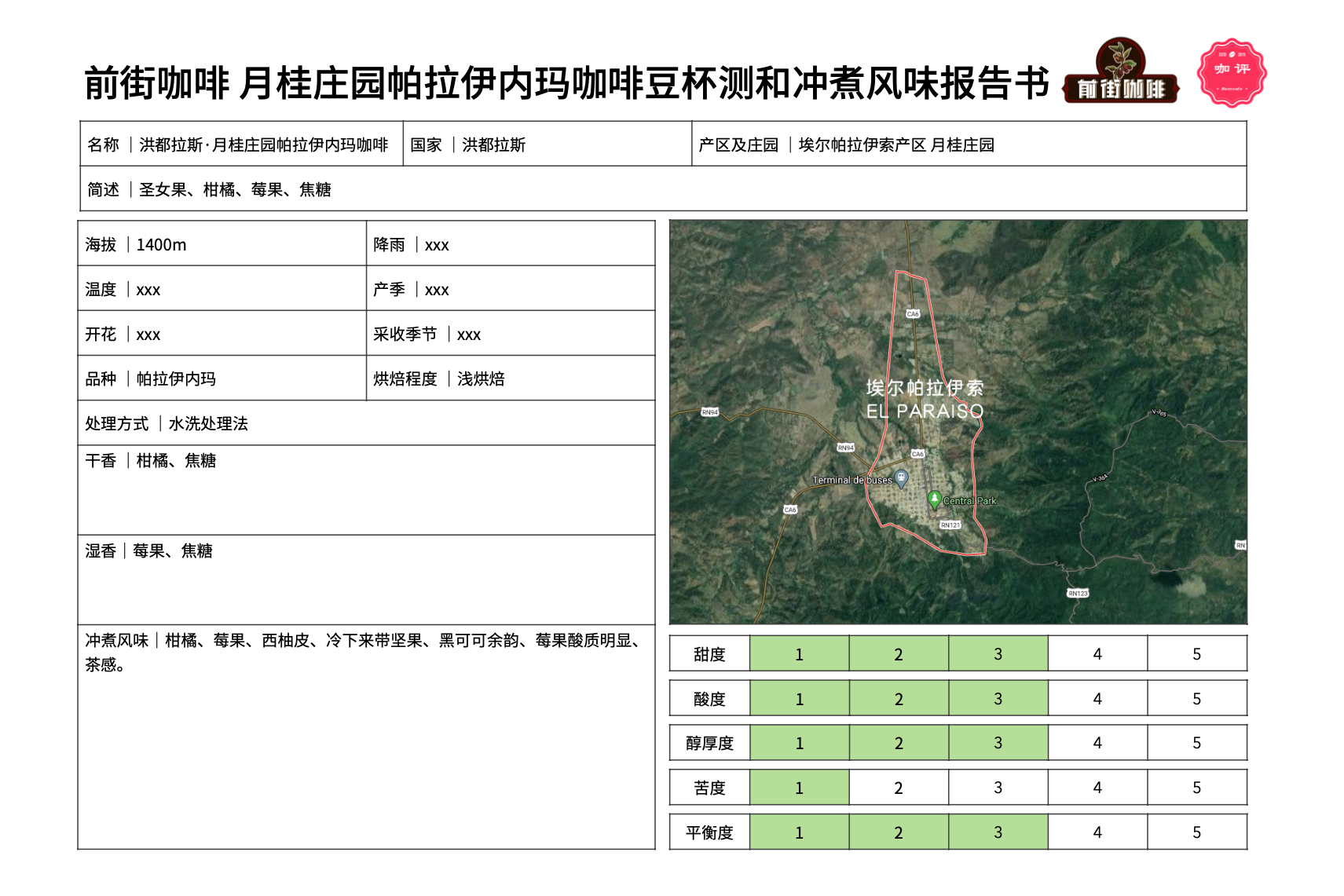
Citrus, berries, and grapefruit peel, with a nutty and dark cocoa finish as it cools, prominent berry acidity, and a tea-like sensation.
Honduras Flavor Profile
Average growing altitude is above 1,100 meters. The main variety is Arabica, chiefly Caturra, Catuai, Pacas, and Typica, and processing is mainly washed. Honduran coffee has quite diverse aromas, with the best lots showing complex fruit notes and vibrant, juice-like acidity. Body and sweetness are quite high, with fruity characteristics, but sometimes nutty and toffee aromas as well, making for a rather multi-layered coffee.
Honduras Coffee Grading System:
Strictly High Grown (SHG): over 1200 meters
High Grown (HG): above 1000 meters
Central Standard (CS): growing altitude over 600 meters

Honduras Varieties:
The vast majority of coffee varieties grown in Honduras are Arabica, mainly Bourbon, Caturra, Catuai, Typica, and Pacas-derived varieties.
Typica
Locally called arebigo or criollo, its branches usually form a 60-degree angle with the main stem. The fruit is excellent and widely favored by buyers.
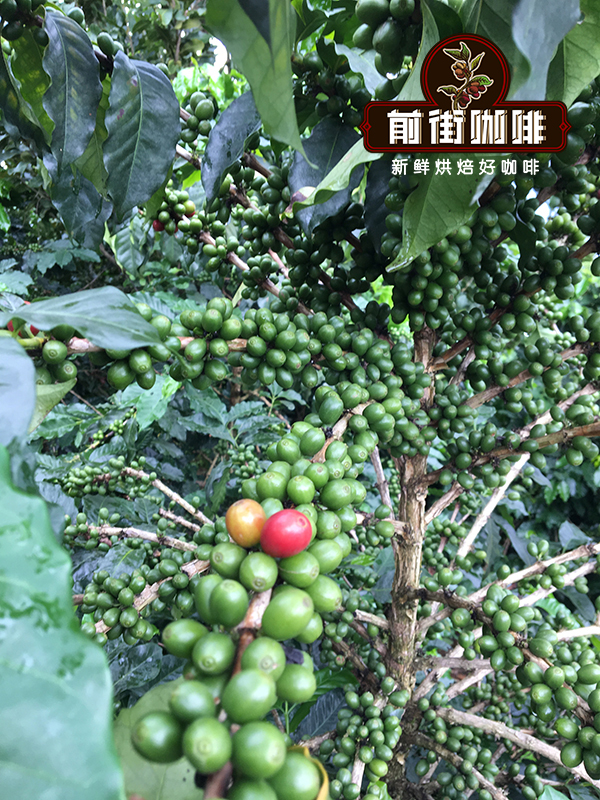
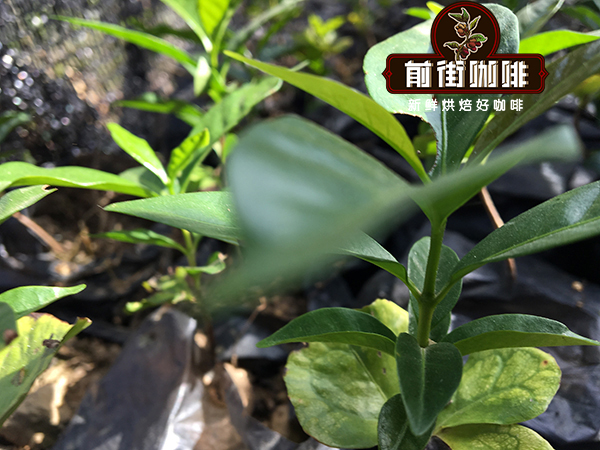
Bourbon
Widely grown in high-altitude mountain areas. Branches form a 45-degree angle with the main stem, and new leaves appear light green. Bourbon is also considered a taller variety that often needs pruning and care during initial planting, and individual plants require larger planting areas.
Caturra
Originating in Brazil as a Bourbon variant, Caturra is a dwarf, compact variety that is easier to harvest and care for. Its branches also form a 45-degree angle with the main stem, and its leaves are rounder and quite glossy. Fruit shape is similar to Bourbon, but individual plant yield is higher, the harvest period is later, and the main stem is more wind-resistant.

Catuai
Also from Brazil, a cross between Mundo Novo and Caturra. Catuai is dwarf as well but taller than Caturra. Branch angle and leaf shape match Caturra, only lighter in color. Yield is high, similar to Caturra, and the dwarf plant suits intensive planting, with better resistance to natural disasters, especially wind and rain, low plant height, and solid fruit set.
Maracatu
A cross between Maragogype and Caturra, with larger bean size.

Pacas
A Bourbon variant discovered in El Salvador, a new variety formed by a single gene mutation. Plants can be densely planted further, with shorter internodal spacing and larger fruiting areas, ultimately giving higher unit yield.
Villa Sarchi
A natural mutation of Bourbon with a relatively dwarf form. Discovered in Costa Rica in the 1950s and named after the discovery site, Sarchi.
Honduras Coffee Growing Regions
Honduran coffee can be divided into six major regions, mainly Copan, Opalaca, Montecillos, Comayagua, Agalta Tropical, and El Paraiso in the west and south. The average growing altitude for specialty coffee in these areas is above 1,100 meters. Of the coffee grown there, 69% is HG grade, 12% SHG, and 19% CS.
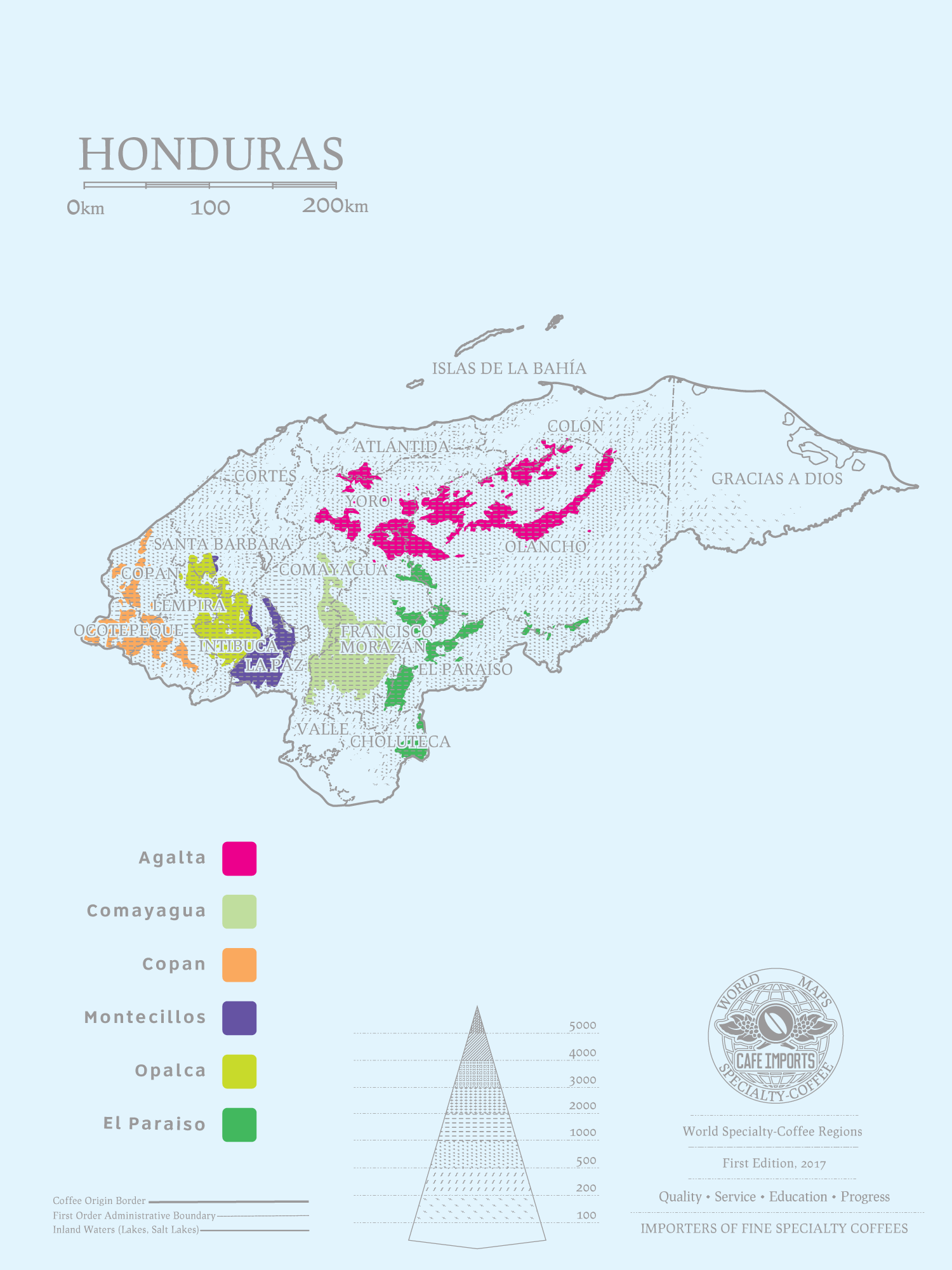
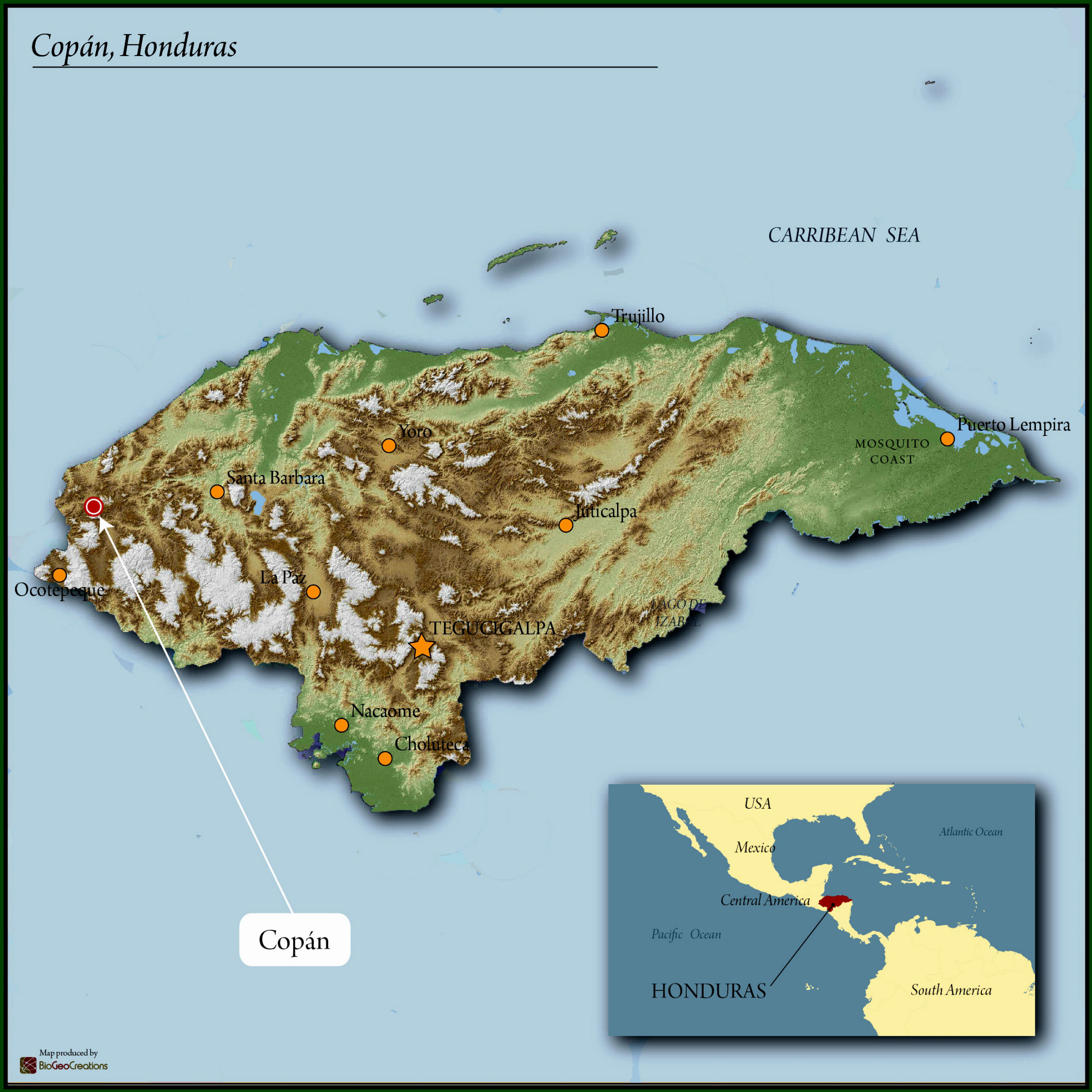
Copan Region:
Located between Copan, Ocotepeque, and Lempira, it shows a strong chocolate flavor with honey and caramel sweetness, while fruit flavors are relatively light.
Altitude: 1,000 - 1,500 meters
Temperature: 11.5-22.5°C
Precipitation: 1300-2300 mm
Harvest: November - March
Opalaca Region:
Located between Santa Barbara, Intibuca, and Lempira, it has very delicate acidity and balanced overall performance, with tropical fruit flavors like grapes and mulberries, a sweet and sour finish, strong lemon flavor, balanced honey and caramel sweetness, and prominent fruit.
Altitude: 1100-1500 meters
Temperature: 11.5-22.5°C
Precipitation: 1400-1950 mm
Harvest Season: November - February
Varieties: Bourbon, Typica, Catuai, Pacas
Montecillos Region:
Located between La Paz, Comayagua, Santa Barbara, and Intibuca, it is full of rich fruit and sweet aromas paired with lemon and floral notes. Lemon and fruit aromas are its key characteristics, especially peach and orange, with lively, bright acidity, a velvety texture, and a persistent finish.
Altitude: 1200-1600 meters
Temperature: 12-21.2°C
Precipitation: 1300-2300 mm
Harvest Season: November - April
Varieties: Bourbon, Catuai, Typica

Comayagua Region:
Located between Comayagua and Francisco Morazan, it is mainly lemon-flavored with obvious sweet fruit aroma, a creamier texture, citrus sweetness, and sweet and chocolate aromas.
Altitude: 1,000 - 1,500 meters
Temperature: 14.0 - 22.0°C
Precipitation: 1350 - 1700 mm
Varieties: Bourbon, Caturra, Typica, Pacas
Harvest Season: December - March
Agalta Tropical Region:
Spanning parts of Olancho, El Paraiso, and Francisco Morazan, mostly in the eastern provinces, it is the most dispersed region, consisting of fourteen protected areas that increase plant diversity and balance the ecosystem, and it has high ecotourism value. Expect honey aroma and fragrance, strong citrus flavor, a subtle but distinct acidity, and a pleasant aftertaste.
Altitude: 1000-1400 meters
Temperature: 14.5-22.5°C
Precipitation: 1300-1950 mm
Harvest Season: December - March
Varieties: Bourbon, Catuai, Typica
El Paraiso Region:
El Paraiso lies in southern Honduras, bordering Nicaragua. The coffee is mainly characterized by gentle fruit acidity, caramel aroma, and balanced taste.
Altitude: 1100-1500 meters
Temperature: 16-22.5°C
Precipitation: 1000-1400mm
Harvest Season: December - March
FrontStreet Coffee Recommendation
Honduras washed coffee, with its clean body and restrained acidity, is a great everyday pour-over, and it also anchors many of FrontStreet Coffee's house blends because of the chocolate and cream it contributes. If you want to taste the region's fruit-forward side, a natural-process African bean makes an interesting counterpoint: FrontStreet Coffee's Gediding washed cooperative coffee, for instance, shows jasmine and bright citrus acidity, and a light-medium roast brings out green tea and honey notes that suit pour-over, cold brew, and espresso alike.
For a V60 specifically, FrontStreet Coffee's straw-bright tropical options work well. The Huakui natural leans hard into ripe tropical fruit, with strawberry, passion fruit, jackfruit, and even lychee aromas, a clear sweetness, and almost no bitterness, so it fits those who find traditional coffee too bitter. A medium-fine grind, a 1:15 ratio, and a gentle three-pour routine keep the cup clean and juicy.
Important Notice :
FrontStreet Coffee is a long-established specialty coffee roaster in Guangzhou China, selling freshly roasted beans from its own farm in Yunnan as well as dozens of carefully selected single-origin beans from around the world for both pour-over and espresso. The products deliver consistently excellent quality and great value, with shipping within 24 hours. Guangzhou's FrontStreet Coffee shop is recommended by many coffee lovers, and the beans are now available online at the Tmall 。
FrontStreet Coffee has moved to a new address:
FrontStreet Coffee Address: 315,Donghua East Road,GuangZhou
Tel:020 38364473
 Scan and follow the En Gafei WeChat official account. Please indicate that the reprint comes from "En Gafei".