Yirgacheffe Kebel Aricha - The Proper Way to Enjoy Yirgacheffe Coffee
FrontStreet Coffee Yirgacheffe Kebel Aricha - The Proper Way to Enjoy Yirgacheffe
Origin
Country: Ethiopia
Estate: Aricha
Grade: Grade 1
Altitude: 1950-2100 meters
Aroma: Strawberry, passion fruit, orange, mango
Flavor: Berries, cocoa, pomelo, rich oily sensation, hawthorn, mango, pineapple
Yirgacheffe is one of Ethiopia's most precious coffees, cultivated in lush, misty highland valleys. This particular lot is naturally processed: the beans are dried with the fruit intact rather than after removal. Thanks to the region's clay-like soils and their distinctive reddish tone, Ethiopian Yirgacheffe shows a characteristic brightness in the cup, with delicate red-fruit aromas hinting at citrus, berries, peaches, and pineapple.
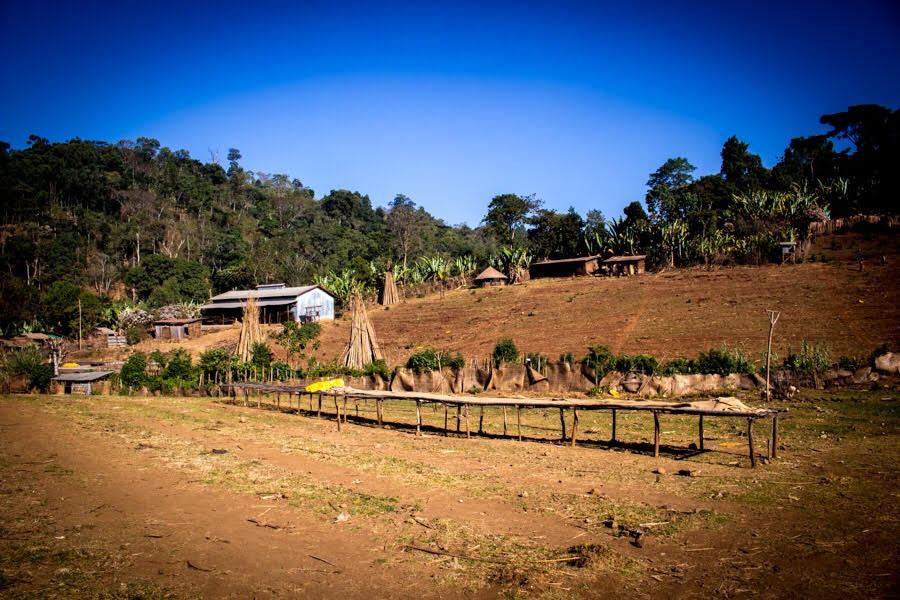
This specialty lot from southern Ethiopia comes from the town of Aricha Keble in the Yirgacheffe region. Sitting at 1,950 meters on the eastern slopes of densely green mountains, it is a superb growing area. The farm covers 1,400 hectares, the Aricha Keble area employs 700 farmers, and a 2-hectare facility is dedicated to sorting and cupping. This natural coffee is sun-dried on raised racks, where over time the cherry's skin and mucilage dry in the sunlight — the process that creates this unique coffee. Whether enjoyed as pour-over or espresso, it highlights the sweetness of strawberry, chocolate, and roasted hazelnuts, combined with a rich, creamy texture and citrus acidity.
Although washed and semi-dry methods are common today, coffee was originally processed differently — a method requiring no machines, produced this way for centuries. In fact, after coffee was first discovered in Ethiopia, this natural drying process has been used for at least the past nine centuries.
Rather than pulping and crushing, the drying process lets the entire cherry dry in the sun, allowing the beans to absorb fruit flavors and every taste from the mucilage and inner layers. When natural drying is complete, the moisture content drops to 10-12%. This is essentially a manual method using very few (if any) machines at any stage, which means natural drying carries more risk, with greater room for human error.
After drying and hulling, the beans are separated from the cherries and sent for shipping. The main challenge of this method is that flavor is often uneven across beans, so strict tasting and testing are required to ensure uniformity. Beans from the same batch are typically separated so that only the higher-quality beans remain in the higher-quality lot.
Natural (or "dry") processing also has a variant called the "pasa" technique: instead of drying the cherries on raised racks, the cherries are left on the branches to ripen and dry there. This produces slightly different flavors while remaining distinctly characteristic of dry-processed coffee.
FrontStreet Coffee's naturally processed Yirgacheffe Aricha G1 features apricot blossom and jasmine florals, with flavors of apricot, red wine, mango, and pineapple, honey-like and brown-sugar sweetness, and a persistent finish carrying hints of cardamom and cocoa. As the coffee cools, it reveals lively, bright citrus and blueberry acidity — soft yet full of charm, like soaking in an early-autumn sea gently caressed by cool water: powerful yet soothingly gentle.
Coffees made through these methods show interesting, unusual flavors, a heavier body, and more richness with somewhat less acidity. They are also more environmentally friendly, since less waste is generated in producing the final product.
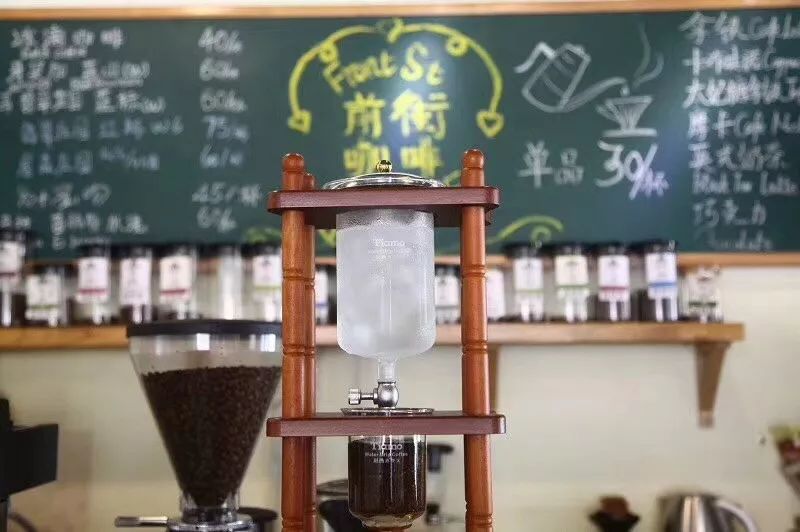
Recommended Brewing Method: Cold Brew
The best way to enjoy uniquely flavored beans like these is cold brew. Steep the grounds in cold water for 12-20 hours, then filter through paper to create a coffee concentrate. The low temperature and long contact time extract only the small molecular flavor compounds — florals and fruit notes — while larger compounds such as smoky flavors are left behind, perfectly preserving the unique fruity aroma of this natural Yirgacheffe.
FrontStreet Coffee Recommendation
If Aricha has you hooked on Yirgacheffe, FrontStreet Coffee's classic washed Yirgacheffe is the perfect counterpoint: white jasmine flowers, bright citrus and lemon acidity, and a tea-like sweetness at an accessible price, making it an ideal first specialty bean. Yirgacheffe itself lies in Ethiopia's Sidamo province at roughly 1,700-2,100 meters, with coffee grown above 1,800 meters — among the highest coffee regions in the world — and its fame grew so great that in 2010 the Ethiopian Commodity Exchange split it from Sidamo as its own name.
For a step up, try FrontStreet Coffee's washed Gedingding co-op lot from the Worka region at Yirgacheffe's southeastern edge — traditional washed processing with no trace of heavy bitterness, just fresh, bright citrus and lemon acidity wrapped in jasmine. And if you love the natural style of Aricha, FrontStreet Coffee's Red Cherry is the match: only fully ripe cherries, dried whole on raised beds for three to five weeks and turned every 2-3 hours early on, delivering classic Yirgacheffe citrusy acidity plus tropical fruit, berry juiciness, honeyed sweetness, and creamy smoothness. For pour-over, FrontStreet suggests a V60 at 90-91°C, 15g of coffee at a fine-granulated-sugar grind (80% through a #20 sieve), a 1:15 ratio, and a three-stage pour: 30g bloom for 30 seconds, to 125g by about 1 minute, then to 225g by about 1:35, drawing down in 2:00-2:10.
Important Notice :
FrontStreet Coffee is a long-established specialty coffee roaster in Guangzhou China, selling freshly roasted beans from its own farm in Yunnan as well as dozens of carefully selected single-origin beans from around the world for both pour-over and espresso. The products deliver consistently excellent quality and great value, with shipping within 24 hours. Guangzhou's FrontStreet Coffee shop is recommended by many coffee lovers, and the beans are now available online at the Tmall 。
FrontStreet Coffee has moved to a new address:
FrontStreet Coffee Address: 315,Donghua East Road,GuangZhou
Tel:020 38364473
 Scan and follow the En Gafei WeChat official account. Please indicate that the reprint comes from "En Gafei".