Ice Drip Coffee Water-to-Coffee Ratio Techniques and Methods: Single-Origin Bean Selection and Grind Recommendations
What makes a good cup of ice drip coffee? There are no hard standards — everyone has their own methods and criteria. What details matter when making ice drip coffee? Bean selection, grind size, coffee-to-water ratio, drip speed, storage, and shelf life all play a part. This article walks through the operational details one by one.
1. Coffee Beans for Ice Drip
Cold brew and ice drip both belong to the low-temperature family of brewing methods, with the water meeting the grounds at 0-7°C. The benefit of low-temperature extraction is that it exploits low extraction efficiency to suppress the release of large-molecular bitter compounds. That's why ice drip coffee tastes refreshing, with rich sweet-and-sour flavors.
Since ice drip can't use hot water to pull the full range of aromatic substances out of the grounds — especially the large-molecular aromatics dominant in medium-dark roasts, which barely dissolve in ice water — light to medium roast beans with distinct floral and fruit aromas, noticeable sweetness and acidity, or fermented notes are typically used.
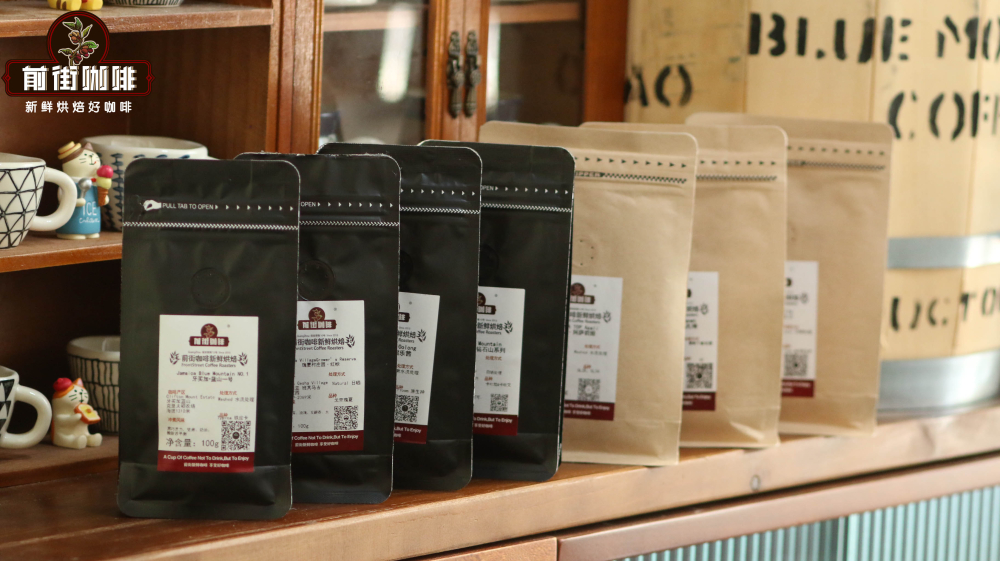
Distinctive single-origin beans are the first recommendation. If you prefer high sweetness in your iced coffee, use beans rich in mature fruit flavors like FrontStreet Coffee's Sidra, FrontStreet Coffee's Strawberry Candy, or FrontStreet Coffee's Elto. If you lean toward brighter, more acidic coffee, start with FrontStreet Coffee's Little Tomato, FrontStreet Coffee's Guodingding, or FrontStreet Coffee's Huakui. Of course, FrontStreet Coffee sometimes blends two beans to build more complex ice drip flavors. Today's recipe, for example, uses 20g of FrontStreet Coffee's Strawberry Candy + 40g of FrontStreet Coffee's Red Cherry, producing an iced coffee with dried fruit, sweet orange, and rose floral aromas, followed by refreshing lemon and berry notes on the finish.

FrontStreet Coffee suggests using beans roasted about 20 days earlier. Freshly roasted beans release large amounts of carbon dioxide; when ice water drips onto the grounds, the escaping gas makes the coffee bed swell and channel, causing uneven extraction and a noticeable loss of flavor.
2. Why Leveling the Grounds Matters
Ice drip coffee requires tamping, and many people don't understand why.

Note that tamping for ice drip isn't about compressing firmly. First, tap the grounds gently so they settle evenly in the filter cylinder, then use a flat tamper to level the surface with a light touch. Level gently — never press down the way you would for espresso. If you tamp too hard, and since ice drip has no machine pressure to push the water through, water can pool on the coffee bed and stop the drip entirely. Also, ice drip filter paper or discs sit flat at the bottom, without the air-permeable convex ridges of a pour-over dripper, so when the grounds are soaked, gas can't escape efficiently and extraction across the coffee bed turns uneven.
3. Pre-wetting
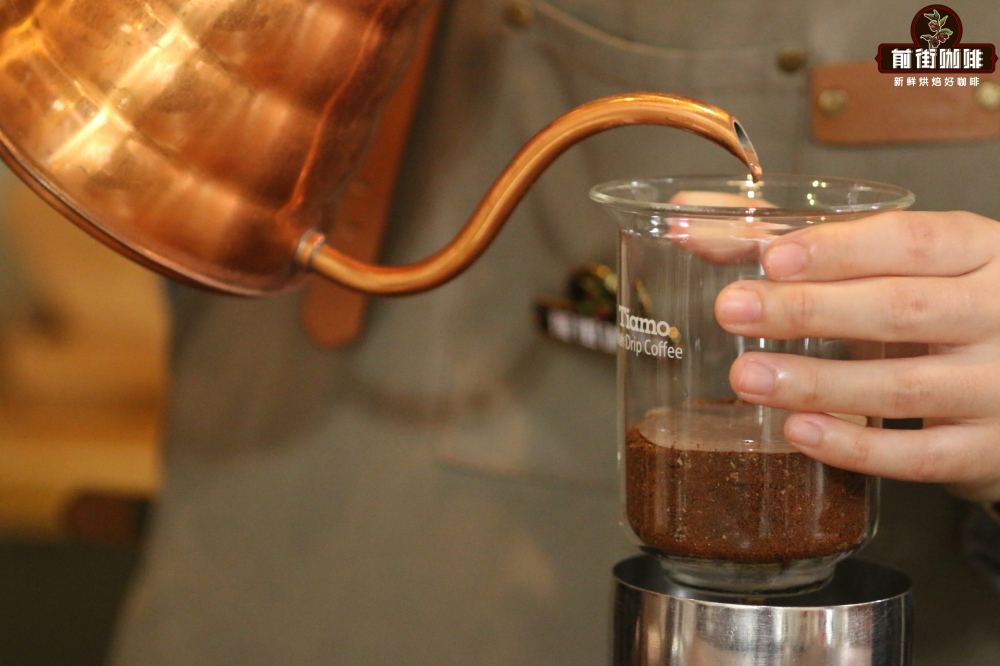
Pre-soaking with ice water is much like the bloom in pour-over: it improves extraction efficiency and consistency. In ice drip's cold, filtration-style extraction, dripping straight onto dry grounds can wet the bed unevenly — some grounds over-extract while others never participate at all. Pre-wetting also saves production time.

4. Lay a Circular Filter Paper on Top of the Grounds
To give the coffee sufficient pre-wetting and breathing space — ensuring more complete, cleaner flavors — we place a filter paper over the leveled grounds. This spreads the contact between water droplets and coffee, keeping extraction uniform. When droplets hit a bare coffee surface, a small pit gradually forms, and the water funnels down through that pit instead of spreading outward, leaving parts of the bed under-extracted. A layer of filter paper prevents exactly that.
5. Find the Right Grind Size
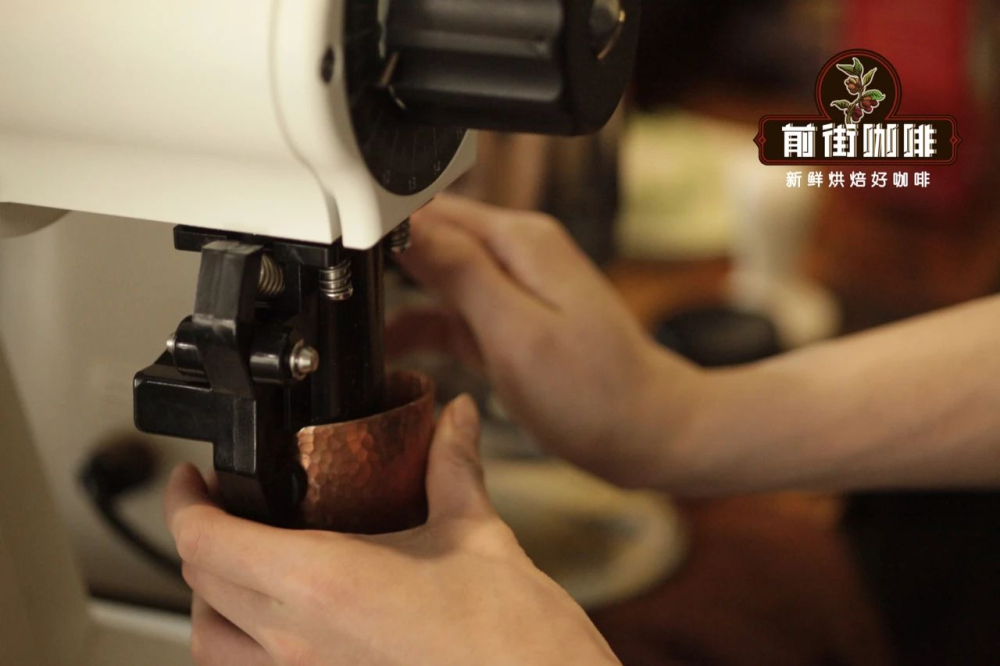
FrontStreet Coffee's ice drip grind has an 80-85% pass rate through a China standard #20 sieve. Everyone knows the rule: too coarse and the coffee turns out weak; too fine and it turns bitter and strong. Overly coarse grounds give you nothing, while overly fine grounds can clog the bed, stall the drip, and make the coffee bitter. Choosing the right grind is crucial.

This time we're using the refreshing Kenya Little Tomato. Low temperatures mean lower extraction rates, so FrontStreet Coffee recommends a grind slightly finer than pour-over. Here we use an 82% pass rate through the #20 sieve — corresponding to 9.5 on the EK43S grinder in our stores, or 20-22 clicks on a C40 hand grinder.
6. Control the Drip Speed and Ratio
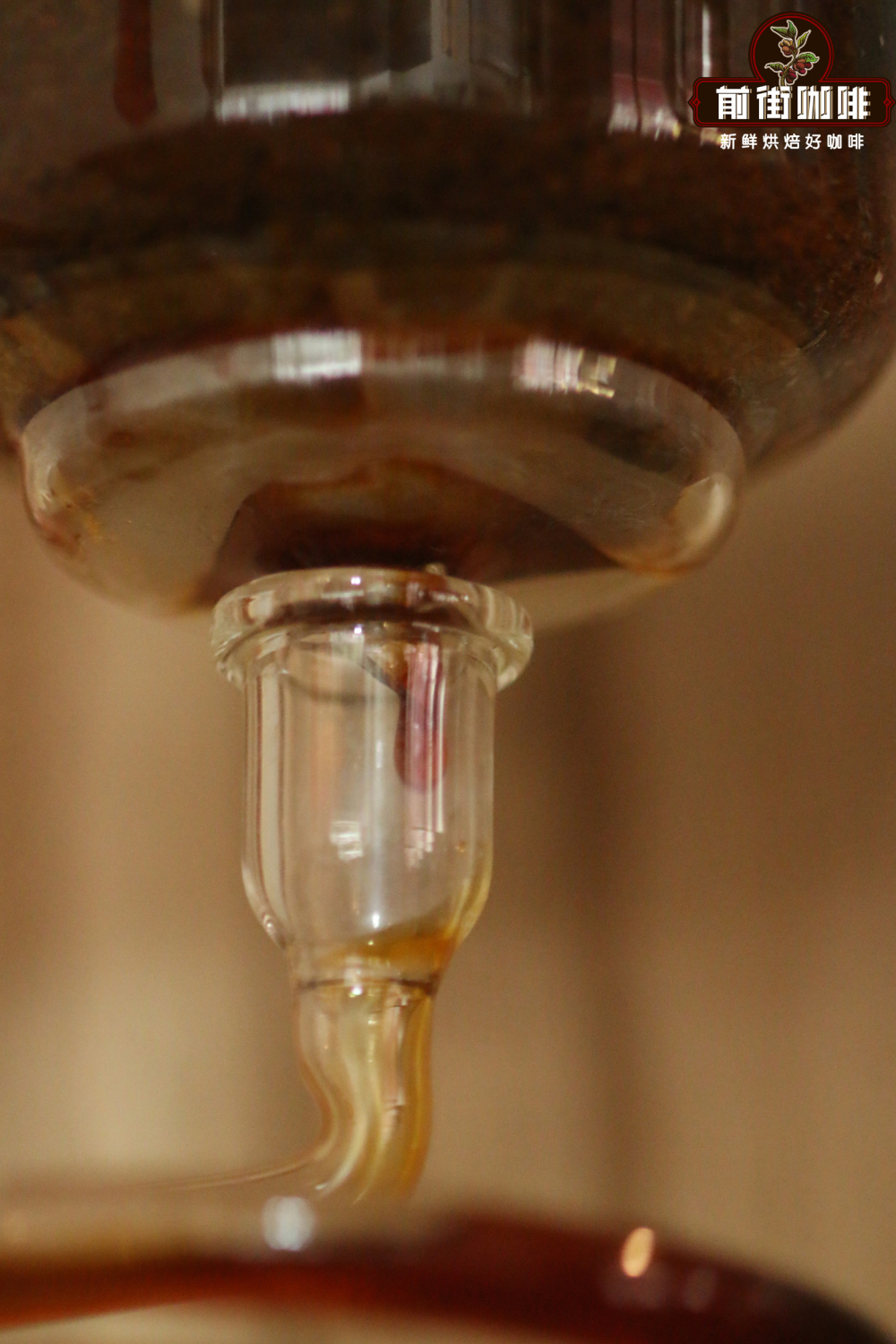
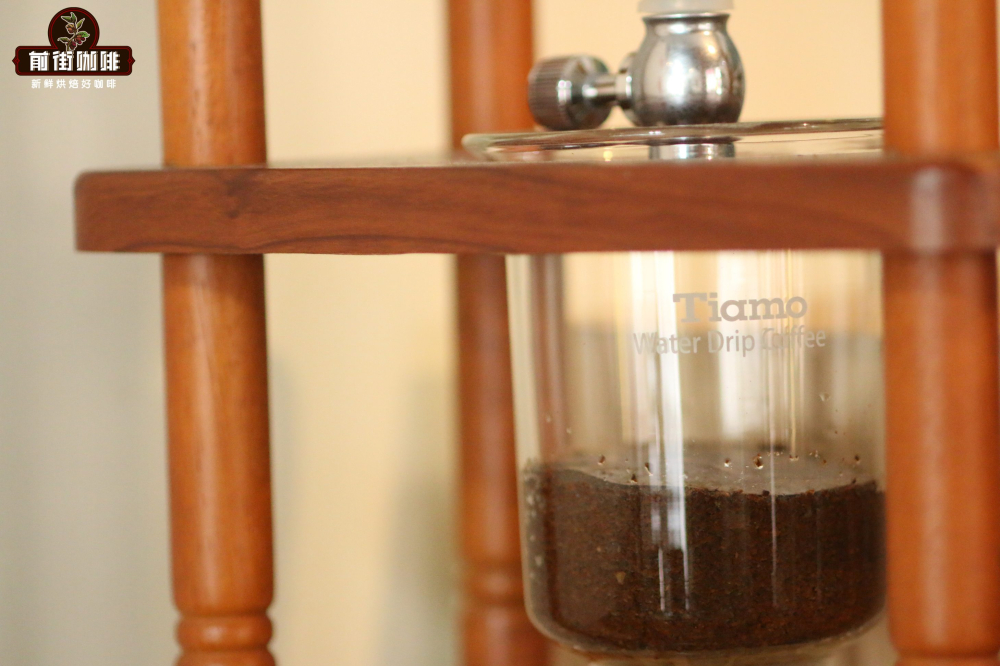
Similar to pour-over flow rate, but ice drip speed is counted in drops per second. Too slow a rate stretches the total time and easily over-extracts. FrontStreet Coffee typically drips at 7 drops every 10 seconds; the rate can be adjusted to taste. The coffee-to-water ratio is 1:10. Because FrontStreet Coffee serves its ice drip over ice, we brew at a higher concentration; for home brewing, 1:12 to 1:14 works well.
FrontStreet Coffee grinds 60g of coffee beans, places a circular filter paper in the filter cup, pours in the grounds, sets another filter paper on top, then wets the grounds. This shortens the dripping time and avoids uneven extraction. Fill the upper chamber with an ice-water mix (1:1 ice to water) and extract a total of 600g of coffee liquid.
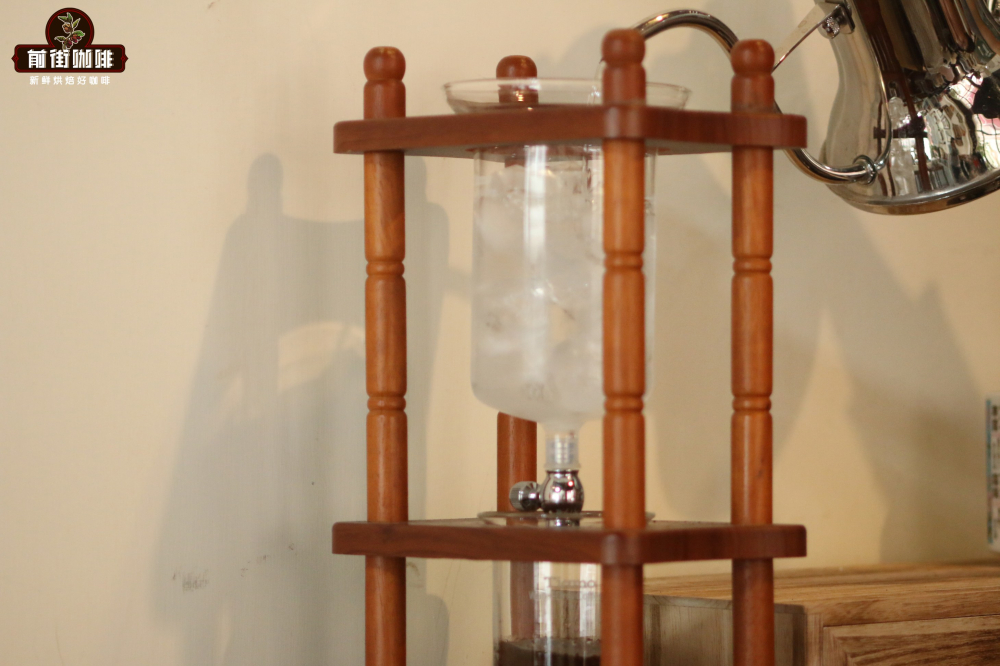
7. Chill Before Serving
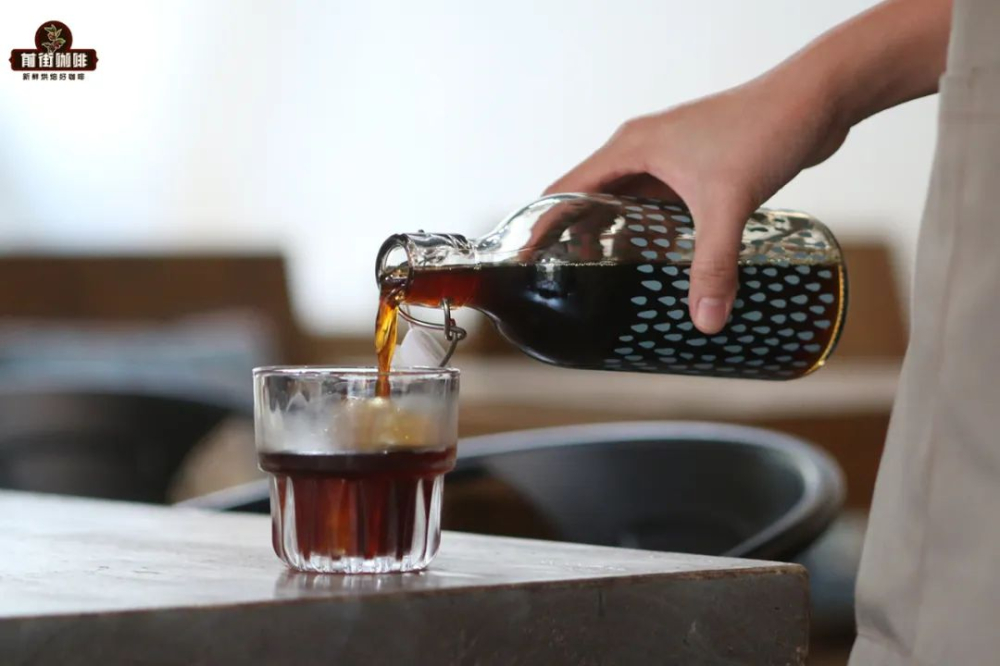
FrontStreet Coffee typically pours the finished ice drip into sealed glass bottles and refrigerates it for 12 hours before serving. The pouring mixes the unevenly concentrated coffee, and a well-sealed container keeps out contamination — refrigerator surfaces may look clean, but they harbor countless microorganisms invisible to the naked eye.
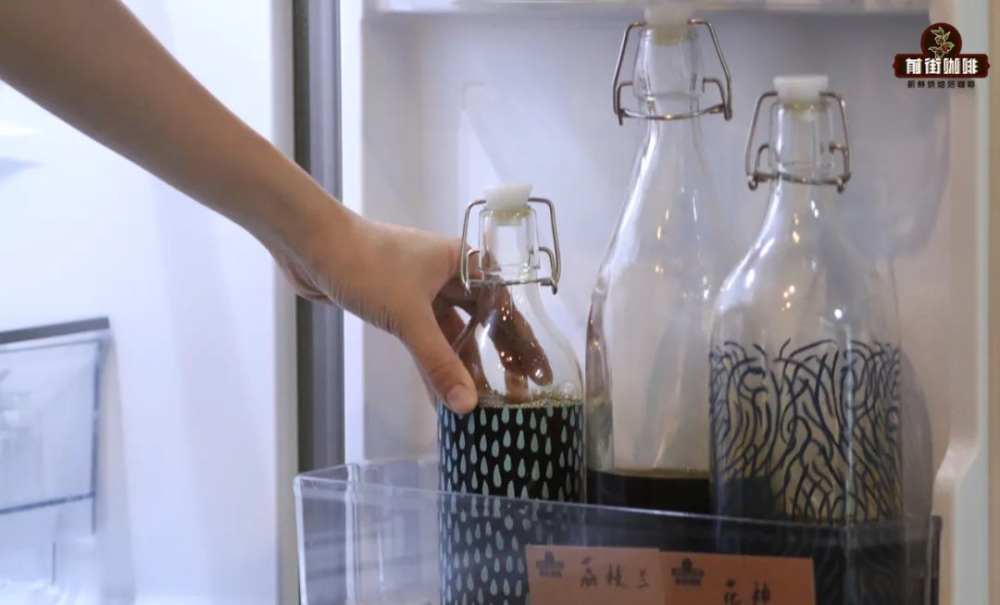
Twelve hours of low-temperature resting lets the ice drip develop aromatic fermented notes while the original flavors concentrate. Fermentation is everywhere in daily life — uncontrolled, it spoils food, but in a cold environment the process slows to a graceful pace. FrontStreet Coffee has verified again and again that ice drip made from most beans tastes best after 12 hours of chilling.
FrontStreet Coffee Recommendation
For juicy, fruit-forward ice drip, FrontStreet Coffee's Kenya Little Tomato is the go-to bean. Grown in Kenya's Thika region at 1550-1750 meters from the classic SL28 and SL34 varieties, it reaches AA TOP grade and undergoes Kenya's distinctive K72 double-washed fermentation — 72 hours — to unleash its fruit character. Lightly roasted, it shows dried cherry-tomato and floral aromas in the dry fragrance, then bright cherry tomato and dark plum acidity with full juice-like body, snow pear and black plum notes mid-palate, and a clean finish of yellow sugar and green tea. At low extraction temperatures, those sweet-tart tones shine.
If high sweetness is your goal, choose FrontStreet Coffee's Strawberry Candy — a Geisha blend combining Panama Geisha with Costa Rican honey-process coffee: rose and orange from one side, grape, dried blueberry, and strawberry-candy sweetness from the other. Left to rest and ferment slightly, a cold-brewed batch even takes on a fruit-wine character. And for a value everyday option, the washed Ethiopia Yirgacheffe Guodingding Cooperative lot delivers sweet berry, layered florals, and honey — ideal for cold brew as well as pour-over, siphon, or French press.
Important Notice :
FrontStreet Coffee is a long-established specialty coffee roaster in Guangzhou China, selling freshly roasted beans from its own farm in Yunnan as well as dozens of carefully selected single-origin beans from around the world for both pour-over and espresso. The products deliver consistently excellent quality and great value, with shipping within 24 hours. Guangzhou's FrontStreet Coffee shop is recommended by many coffee lovers, and the beans are now available online at the Tmall 。
FrontStreet Coffee has moved to a new address:
FrontStreet Coffee Address: 315,Donghua East Road,GuangZhou
Tel:020 38364473
 Scan and follow the En Gafei WeChat official account. Please indicate that the reprint comes from "En Gafei".