Honduran Coffee Grading and Flavor Profile What Are the High-Quality Estate Coffee Beans from Honduras?

For more premium coffee knowledge, follow our official WeChat account: FrontStreet Coffee.
Among Honduran coffees, the one drinkers know best is without question the Sherry, also FrontStreet Coffee's best-selling variety. Its rich wine character, drawn from barrel processing, combined with an excellent cost-performance ratio, is what turned so many consumers into devoted fans of Honduran coffee.
Honduras is one of many Central American countries, yet its coffee has long lagged behind. Honduran beans have always been positioned as a "medium-quality blended coffee." Its neighbors El Salvador, Guatemala and Nicaragua all run Cup of Excellence (COE) competitions and their finalist lots show outstanding flavor. FrontStreet Coffee's view is that national borders are drawn by people, and the flavor characteristics of a growing region do not shift just because the country does. If the coffee next door performs so well, then Honduras simply has not been discovered yet.
In 2004 Honduras held its own first national COE competition, and buyers from around the world watched to see what outstanding qualities its coffee possessed. That year's champion estate, El Pezote, proved that Honduras does indeed have high-quality beans.
In the 2021 Honduran COE competition, the Geisha beans from Finca Santa Lucia in the Comayagua region took the championship with a score of 90.67.
Honduran Coffee Growing Regions
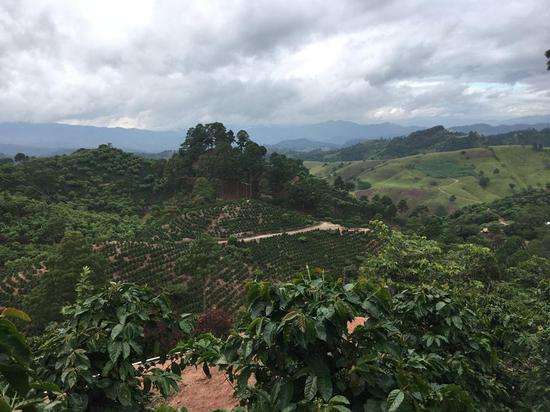
Honduras has 6 main coffee growing regions: Copán, El Paraíso, Comayagua, Opalaca, Montecillos and Agalta.
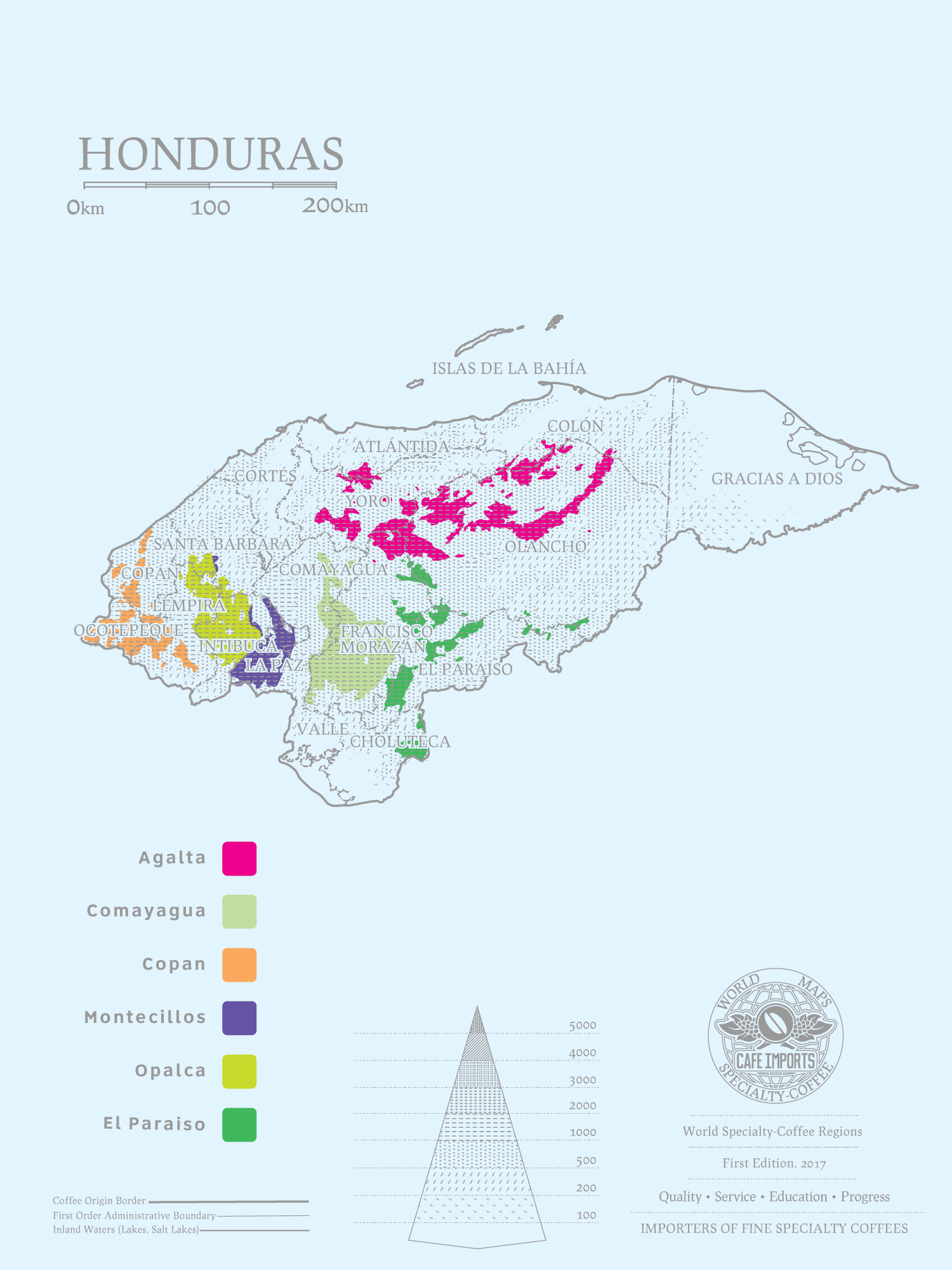
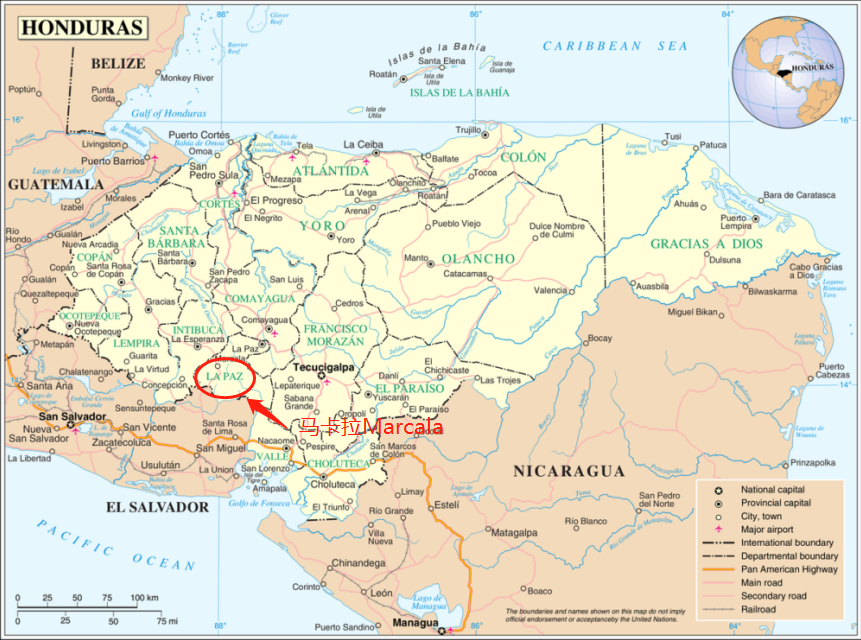
Beyond those 6 regions there are smaller growing areas as well. Next, FrontStreet Coffee introduces the Sweet Orange Estate from the La Paz region in southwestern Honduras and the Mocha Estate from the Marcala region. FrontStreet Coffee chose to carry the Sweet Orange Estate's beans for its excellent location, which preserves Honduras's main regional character while also bringing out the estate's distinctive orange aroma.
Honduras Sweet Orange Estate
Region: Marcala
Altitude: 1425 meters
Variety: Catuai
Processing: Washed
Flavor: Citrus, melon, floral, sugarcane, orange peel, nuts, tea-like sensation
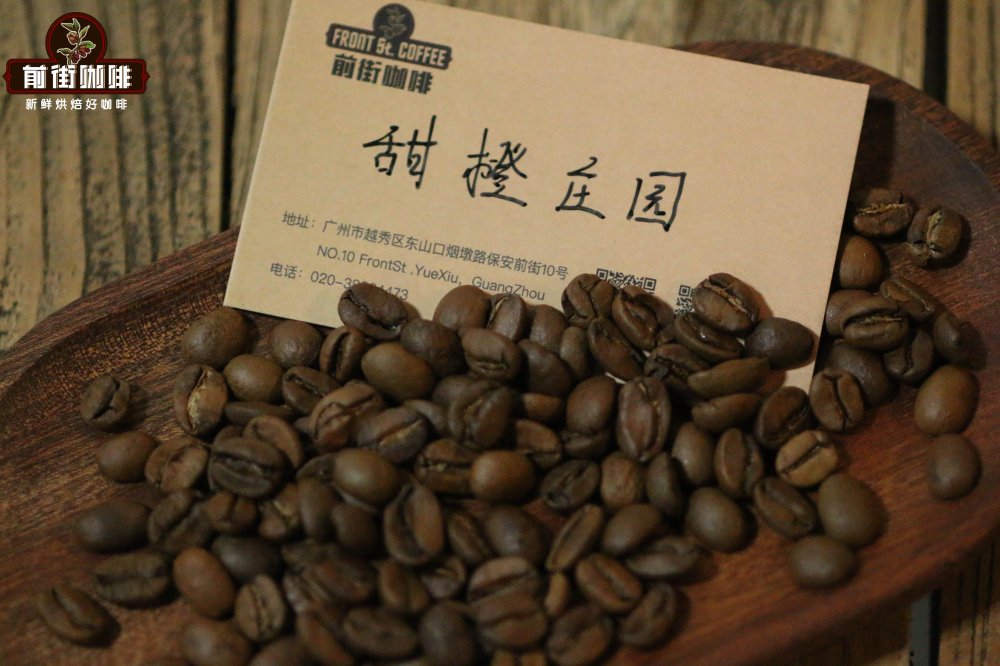
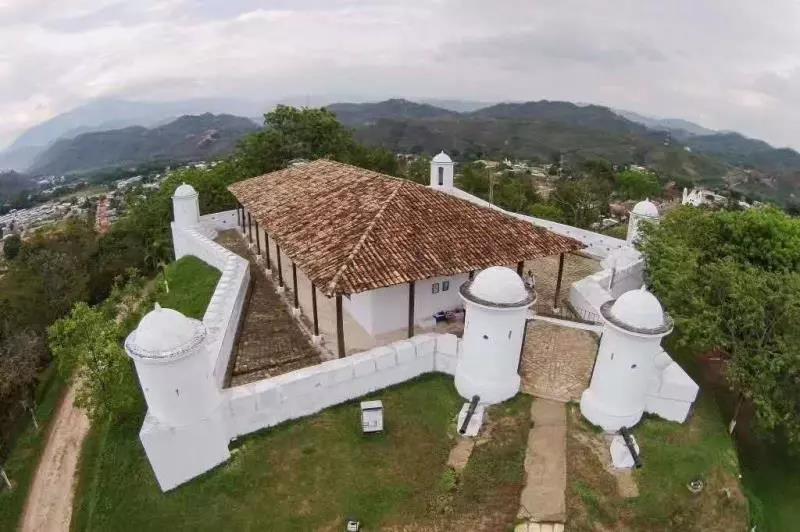
Marcala belongs to the La Paz region, and its coffee production rivals that of another Honduran area, Santa Bárbara. Marcala is famous for coffee and was the first city to earn a "Coffee Protection Origin" designation. With an average annual temperature of 27°C, humid air, growing areas at 1200-1600 meters and mineral-rich soil, it is extremely well suited to coffee.
The Sweet Orange Estate (El Naranjo) sits in Marcala and takes its name from its shade trees, tall wild orange trees. Because of those trees, the beans carry a subtle orange flavor. The washed process expresses the coffee's regional character effectively.
FrontStreet Coffee's cupping notes for this bean pick up light floral aromas and a sunflower seed fragrance. Sipped, it shows orange peel, sugarcane, nuts and a tea-like sensation.
FrontStreet Coffee's other two Honduran coffees are the Sherry and the Lychee Lan, both from Mocha Estate.
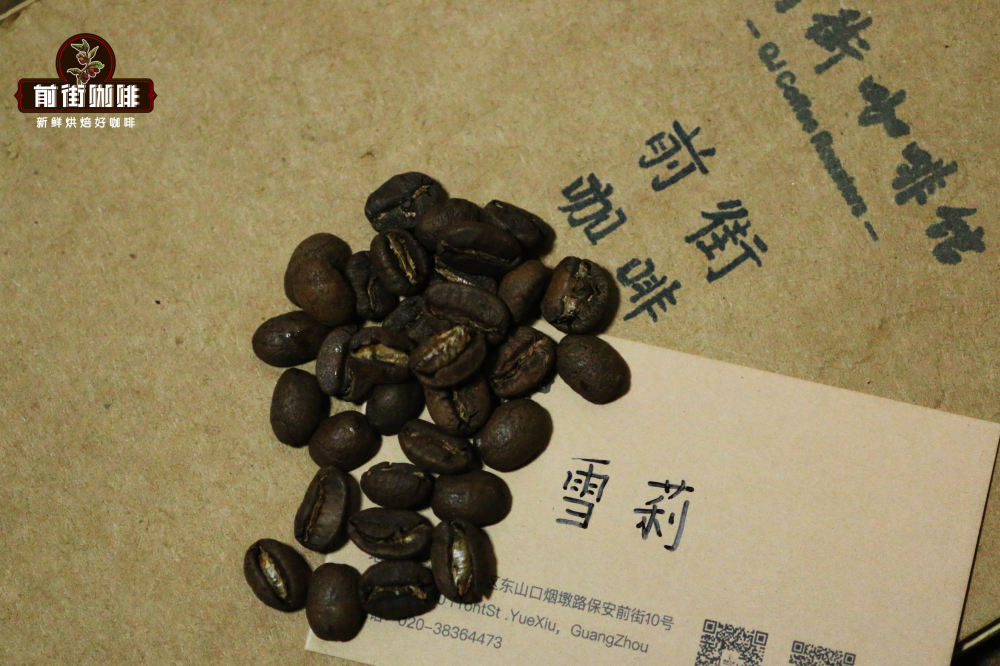
Honduras Mocha Estate Sherry
Region: Marcala
Estate: Mocha Estate
Altitude: 1500-1700 meters
Variety: Caturra, Catuai, Pacas
Processing: Fine washed whiskey sherry barrel fermentation
Flavor: Wine aroma, vanilla cream, dark cocoa, nuts, liquor-filled chocolate
Honduras Mocha Estate Lychee Lan
Region: Marcala
Estate: Mocha Estate
Altitude: 1500-1700 meters
Variety: Caturra, Catuai
Processing: Fine washed + brandy barrel fermentation
Flavor: Fermentation notes, wine aroma, light cream, nuts, chocolate
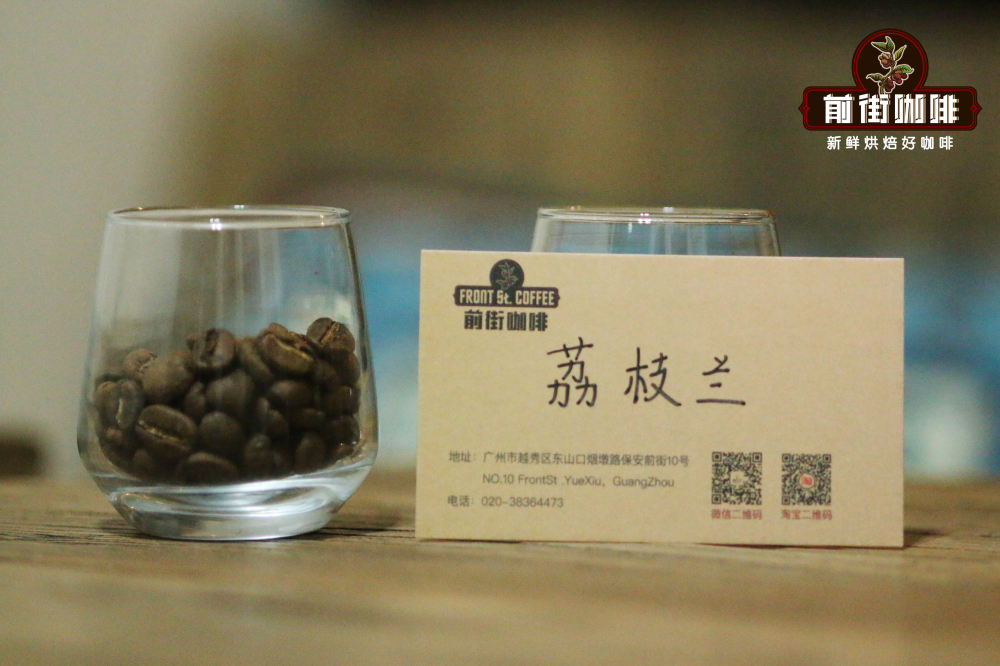
Mocha Estate is in fact not a large estate, and its reputation does not match that of Cup of Excellence-winning farms. But when it began putting its beans through barrel processing 4 years ago, it caught the attention of Chinese coffee hunters. After some back-and-forth, the Sherry and the Lychee Lan made their way to China and became extremely popular.
Fine Washed + Barrel Fermentation Processing
The barrel fermentation method borrows from winemaking. Its greatest effect on wine is that moderate oxidation through the barrel stabilizes the wine's structure and infuses barrel flavors into it, and it plays a similar role in coffee fermentation.
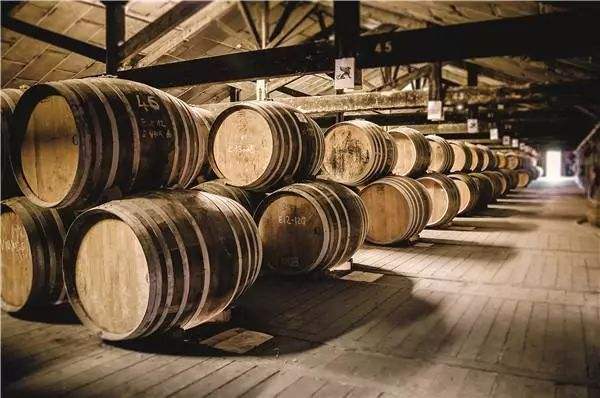
Wine barrels let tiny amounts of air pass through the staves and into the barrel, causing the coffee beans to oxidize moderately. That measured oxygen intake also speeds fermentation, smooths tannins and gradually transforms fresh fruit aromas into rich, complex, mature wine flavors. The moderate hardness of wine barrels guarantees good waterproofing and safe storage. Barrels also hold a certain amount of tannins, and while green beans are stored, the barrel's tannins permeate into them, giving the coffee layered character and a rich wine aroma.
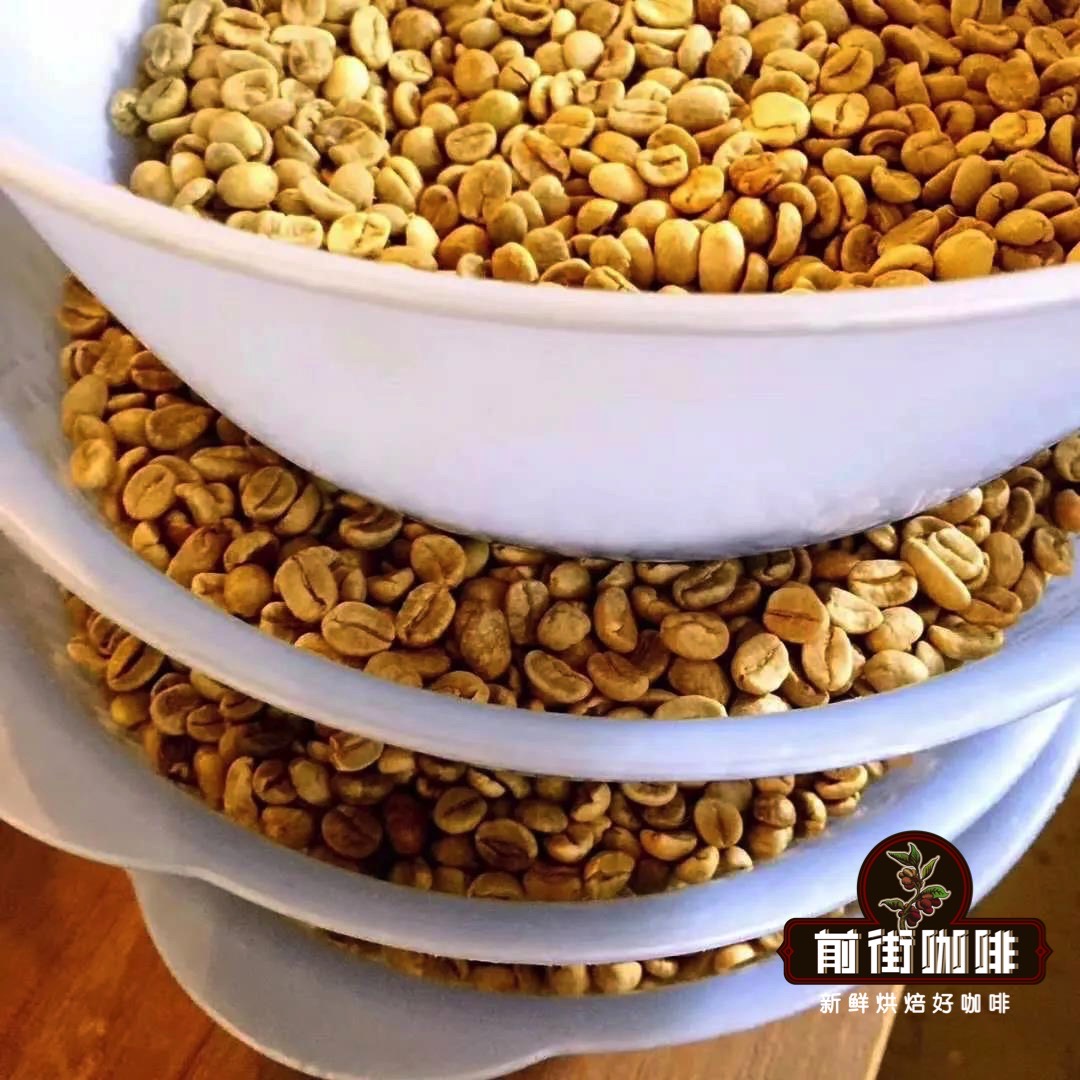
The fine washed whiskey sherry barrel fermentation process begins with a fine wash of freshly harvested cherries, which are then placed in whiskey oak barrels that previously matured sherry wine. There they ferment at low temperature for 30-40 days (roughly 15-20°C), followed by shade drying.
Fine Washed + Brandy Barrel Fermentation
The Lychee Lan, processed with fine washed brandy barrel fermentation, first undergoes a fine wash of freshly harvested cherries, then goes into brandy oak barrels for low-temperature fermentation lasting 30-40 days (roughly 15-20°C), allowing the green beans to absorb the barrel's flavors, before finishing with shade drying.

Beans processed through brandy barrel fermentation carry a soft lychee and honey sweetness, blended with a rich brandy wine aroma and oak barrel fragrance.
Roasting Recommendations
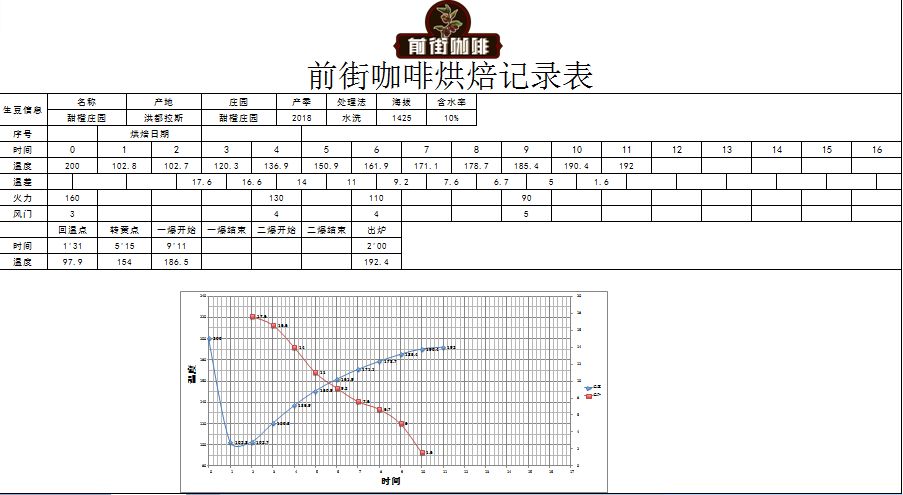
The roaster is a Yangjia Pegasus 800N from Taiwan, running a 300-gram batch size. FrontStreet Coffee uses a light-to-medium roast approach, which preserves the bright fruit acidity while enhancing the classic rich chocolate and nutty notes characteristic of Honduran coffee.
Charge temperature: 200°C
Yellowing point: 5'15", 154°C
First crack: 9'11", 186.5°C
Development after first crack: 2 minutes, dropped at 192.4°C
FrontStreet Coffee Brewing Recommendations
The brewing parameters used by FrontStreet Coffee are:
Dripper: Hario V60
Water temperature: 90°C
Dose: 15 grams
Ratio: 1:15
Grind size: Standard #20 sieve, 80% pass-through

FrontStreet Coffee uses segmented extraction. Start with 30g of water for a 30-second bloom. Using a small flow, pour in a circle to 125g, then break. When the water level drops and the coffee bed is about to be exposed, continue pouring to 225g and stop. When the level drops and the bed is about to be exposed again, remove the dripper. (Timing starts at the beginning of the bloom.) Total extraction time is 2'00".
FrontStreet Coffee Recommendation
Honduras spent years being underestimated, and the 2021 Cup of Excellence result, where a Geisha from Finca Santa Lucia in Comayagua scored 90.67, was the moment the world stopped treating it as a blending component. That result also points to something worth exploring next. Geisha is the variety that reshaped modern specialty coffee, and while it is planted at altitude, its yield is low, the plant is fragile and it is unusually demanding about its environment, all of which keep prices high. If you want to understand what the hype is about without starting at the top of the market, FrontStreet Coffee suggests the Panama Boquete Geisha, an entry-level Geisha that still delivers the classic Panamanian orange-blossom honey character, an oolong-tea sensation and delicate fruit acidity with clear layering.
For a step up, the FrontStreet Coffee Esmeralda Green Label Geisha, officially named Private Collection, is a blend of lots from multiple plots rather than a single designated parcel, which reflects Hacienda La Esmeralda's signature high-altitude Geisha profile at a friendlier price. And for a different expression of the variety, the Ethiopia Grana Geisha comes from a single-variety farm at the border of the Kochere and Grana Abaya areas, where cherries are hand-picked fully ripe and dried on raised beds for 14-20 days. Roasted medium-light, it shows bright citrus acidity, elegant ginger-flower aromatics and ripe fruit sweetness with a refined Geisha finish. Between the barrel-aged Sherry that made Honduras famous and these Geisha lots, there is a whole spectrum of fruit and floral character to work through.
Important Notice :
FrontStreet Coffee is a long-established specialty coffee roaster in Guangzhou China, selling freshly roasted beans from its own farm in Yunnan as well as dozens of carefully selected single-origin beans from around the world for both pour-over and espresso. The products deliver consistently excellent quality and great value, with shipping within 24 hours. Guangzhou's FrontStreet Coffee shop is recommended by many coffee lovers, and the beans are now available online at the Tmall 。
FrontStreet Coffee has moved to a new address:
FrontStreet Coffee Address: 315,Donghua East Road,GuangZhou
Tel:020 38364473
 Scan and follow the En Gafei WeChat official account. Please indicate that the reprint comes from "En Gafei".