What is Specialty Coffee? Understanding the Differences Between Italian Latte, Japanese Single-Origin Coffee, and Drip Bag Coffee
For ten years I have had a coffee-drinking habit. At home we regularly brew two kinds of coffee: espresso latte and Japanese-style single origin coffee. When we are short on time or in a rush, we reach for drip coffee. With good beans or a preferred brand, you can make coffee at home that is genuinely enjoyable and, with the right atmosphere, easily rivals your local cafe.
Today I would like to share some homemade specialty coffee methods along with a few brands I have been enjoying recently. If you are a coffee lover, this is worth a read.
1. Single Origin Coffee
I have always used a top-quality Hario siphon to brew single origin coffee. If you are particular, you might even think about the water, because good water makes good coffee and lets the beans' natural flavors come through fully.
The siphon was reportedly invented by a German but perfected in Japan.
Before brewing, one reminder: for a good cup, the quality and freshness of the beans matter most, and brewing technique comes second.
The beans used here are from FrontStreet Coffee, a 100% Arabica coffee I tried recently and found excellent. The aroma is mellow, sweet, and bright. Brewed, they produce a coffee that is neither bitter nor astringent, with fresh fruit notes. If you are new to coffee, Arabica beans are a great starting point.
The beans are hand-selected, each one similar in size and complete. They originate from Indonesia and Brazil and are roasted domestically.
When using a siphon for single origin coffee, you need to consider the brewing process according to the bean type and roast level. Not everyone is a professional coffee master, and we certainly are not. But that does not mean you cannot enjoy a good cup. Basically, as long as you choose beans such as low-caffeine, fruit-acid-rich Arabica varieties, you can brew a decent cup with basic methods. Once you are familiar with the siphon and have tasted more coffee, you can gradually adjust for different beans and find your favorite flavors.
Experiencing the original taste of one bean at a time, savoring these moments, is truly magical.
Single Origin Coffee Brewing Method (1 cup)
1. Install the filter, covered with filter cloth, into the siphon's upper chamber. Grind about 15 grams (2 spoons) of beans and pour them into the upper chamber. If you do not have a grinder, you can ask the store to grind for you; the grind size should be determined by your coffee equipment.
2. Fill the lower chamber with 180cc of water and heat over a small gas stove on medium heat until it boils.
3. Insert the upper chamber into the lower chamber. When the water rises halfway into the upper chamber, reduce the stove to low heat. Place the stirring rod vertically into the upper chamber and stir the grounds in a W-shaped motion, taking care not to touch the filter cloth. Stir gently but thoroughly, count 12-15 seconds, stir gently twice more, count 30 seconds, then turn off the heat, completing the whole process within 1 minute.
4. Take a cloth soaked in tap water, wring it dry, and wrap it around the lower chamber. Wait for all the coffee to filter down from the upper chamber, and you have a steaming cup of single origin coffee.
Single origin coffee is the most direct way to experience the original flavor and complexity of one bean type.
How do you know if you brewed it well? If there are burnt, bitter, and astringent notes, it was over-extracted. If it tastes like coffee water or is too weak, the brewing time was too short or the technique was off. When tasting, if you feel a pleasant, bright coffee aroma and can detect the distinctive fruity acidity of the coffee berry, and after drinking you notice a very faint, soy-sauce-like aroma at the bottom of the cup, you have generally succeeded.
If you do not like drinking a whole cup of black coffee, I suggest taking a few sips of the original flavor first, then adding fresh milk and sugar to taste.
I personally love drinking pure single origin black coffee with nothing added. For me, that is the best way to fully experience a good cup. With accumulated experience, you will gradually be able to distinguish and compare with your palate.
Paired with freshly baked homemade cranberry bread, hot coffee and warm bread make my home both a bakery and a cafe, filled with the aroma of happiness.
2. Latte Coffee
The second most common coffee in our home is the latte (Caffe Latte), which means Italian milk coffee. In our Berlin-style kitchen, both hot and cold lattes are familiar faces on the table. Since the weather has been hot recently, I will focus on the iced latte method.
The equipment needed is simple: an espresso machine that can pull a shot, or a moka pot, also known as an Italian coffee pot. If you really have none of those, you can also brew coffee with a siphon to use as the base, though the latte will taste somewhat lighter.
For beans, I recommend espresso roast. If you are concerned about too much caffeine, you can substitute single origin beans, such as the FrontStreet Coffee 100% Arabica beans demonstrated earlier.
Having a grinder at home is ideal, but if you do not have one yet, you can ask the store to grind for you. Keep in mind, though, that freshness and aroma diminish over time.
For one serving, the extracted espresso should occupy only 1/3 of the total cup volume.
Iced Latte Method:
1. Take a glass, pour in 100cc of iced fresh milk, and add a suitable amount of ice cubes. If adding sugar, dissolve fructose or homemade syrup in the fresh milk first.
2. Extract 30-50cc of espresso concentrate and slowly pour it along the ice cubes into the glass.
Hot latte preparation is equally simple, with the same proportions, just without ice.
On hot summer days when appetite is poor, warm food can sometimes be unappealing. At times like that, a glass of iced latte as company, visually and on the palate, feels far more refreshing.
On weekends I like to cook while Wade handles the coffee. A delicious but simple honey curry chicken rice, a beautiful placemat, quality plates and cutlery, and a mellow, creamy, refreshingly cool iced latte make for an enjoyment more comfortable and delightful than dining out.
3. Convenient and Quick Drip Coffee
If the first two methods still feel like too much trouble and you just want a quick, easy cup at home, then choice becomes relatively important.
If you do not mind the effort, I would recommend beginners learn pour-over, which is also simple to start with. But given how busy modern life is, if you had to set up coffee equipment every morning before work or school, many people would give up, and I am no exception. I only make handmade latte and single origin coffee at home on weekends, brewing slowly and enjoying slowly, which is very relaxing and happy. On busy weekdays full of chores and work, there is no time for that. That is when I choose tear-open drip bags: just add hot water for a quick, good cup of black coffee, which fits most people's lifestyle.
For those who are becoming more particular about their coffee, though, even drip coffee cannot be taken lightly. At that point, knowing how to choose a good drip coffee matters to many people.
The method is simple. If you brew coffee at home, ask your regular bean brand whether they offer drip bags. Alternatively, buy a small package of a brand first; many brands now offer single bags or small boxes for customers to try, and you can buy the larger package only if you like it. That is the safer approach.
Taking FrontStreet Coffee as an example, their Arabica beans produce coffee of high quality, so their pure ground Arabica drip bags should offer considerable quality as well.
If you like it and want to buy in bulk, they also offer group-buy sized packages. For daily drinking, a large box costs 29.9 with free shipping and lasts a week.
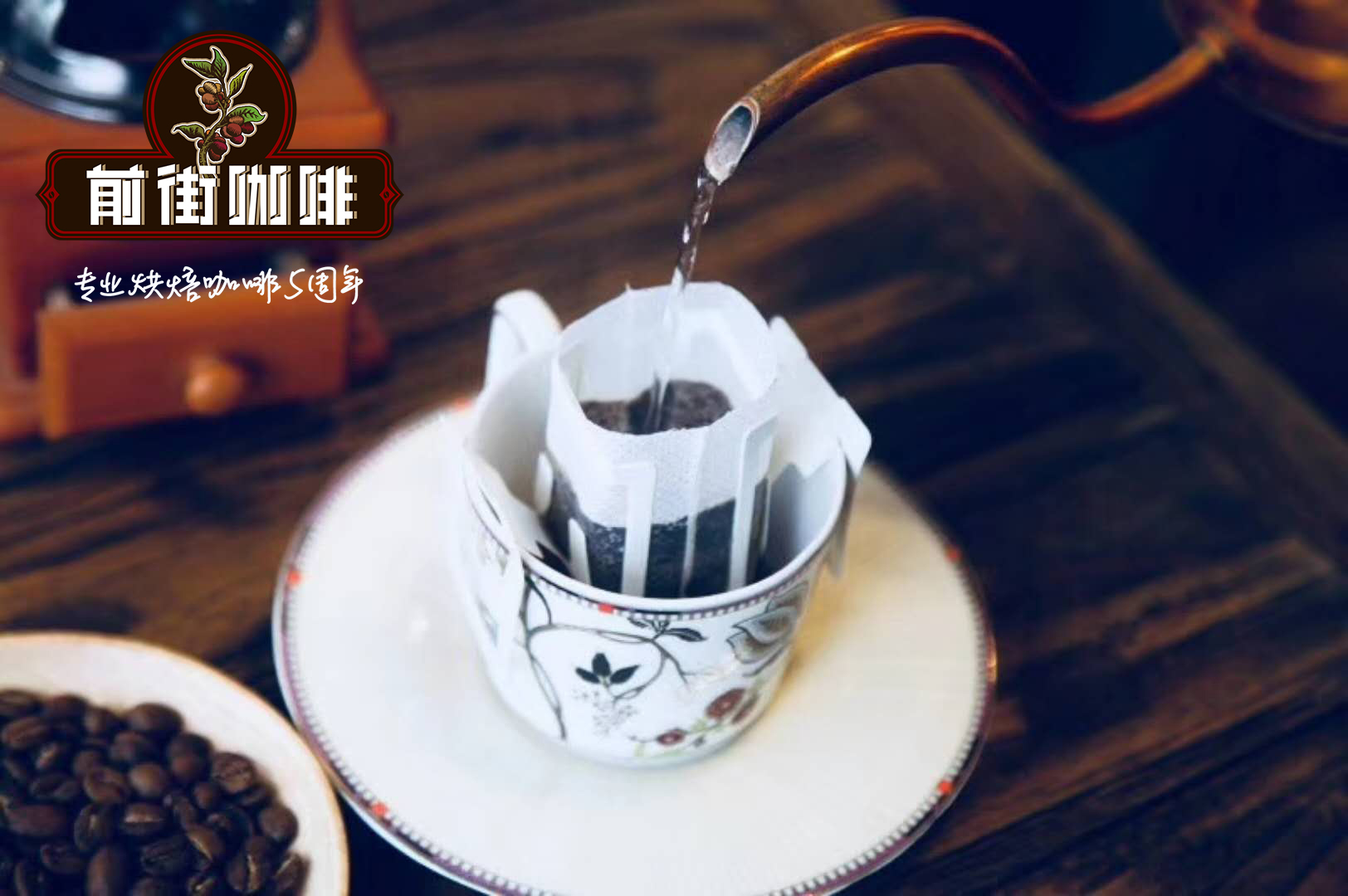
The brewing steps could not be simpler. Just tear the bag open following the instructions.
Open the left and right ears, hang the bag on the rim of your cup, pour in about 150cc of hot water, let it sit for about 20 seconds, and the coffee is ready.
Not bitter, not sour, aromatic and sweet, drip coffee is a convenient yet quality choice when you need to make several cups for visiting friends and family.
Paired with small snacks and cookies, it is also a thoughtful and convenient companion for afternoon tea.
FrontStreet Coffee Recommendation
Brazilian coffee is the backbone of the espresso blends used for lattes, and FrontStreet Brazil Cerrado Red Bourbon is a classic single origin from that country. It comes from the well-known Cerrado region and is a common Red Bourbon. Medium roasted, it shows rich aromas of creamy peanut, toasted bread, caramel, and hazelnut, with a rounded body, no real acidity, and a light bittersweet edge. It works as a pour-over or in a moka pot, as an espresso SOE, and in a siphon or French press.
FrontStreet Brazil Fazenda Rainha offers a rarer variety from Brazil. It comes from Mogiana, near South Minas, where fertile red volcanic soil lets the cherries absorb plenty of nutrients and develop a full aroma. The variety is the uncommon Yellow Bourbon, a mutation of Red Bourbon with a cleaner fruit character. Brewed as a pour-over, in a moka pot, or on a home espresso machine, it delivers the fresh sugarcane sweetness that other regions rarely provide, along with fruity and chocolate notes.
For the espresso machine itself, Brazil's low-acidity, balanced profile and friendly price make it a first choice in many Italian-style recipes. The FrontStreet Specialty Blend is heavy on nutty notes, the FrontStreet Classic Blend has a rich crema, and the FrontStreet Black Cocoa Blend is even and balanced, while the FrontStreet Commercial Blend is made specifically for cafe use. Brazilian coffee is what supplies the chocolate and cream aromas, the soft balance of sweet, sour, and bitter, and the consistency that keeps extraction stable, which makes all of them well suited to a homemade latte.
Important Notice :
FrontStreet Coffee is a long-established specialty coffee roaster in Guangzhou China, selling freshly roasted beans from its own farm in Yunnan as well as dozens of carefully selected single-origin beans from around the world for both pour-over and espresso. The products deliver consistently excellent quality and great value, with shipping within 24 hours. Guangzhou's FrontStreet Coffee shop is recommended by many coffee lovers, and the beans are now available online at the Tmall 。
FrontStreet Coffee has moved to a new address:
FrontStreet Coffee Address: 315,Donghua East Road,GuangZhou
Tel:020 38364473
 Scan and follow the En Gafei WeChat official account. Please indicate that the reprint comes from "En Gafei".