What is the correct English term for hand pour coffee? Hand Drip or Pour Over Coffee?
What is the correct English term for hand-poured coffee? A literal translation like "hand coffee" is definitely wrong, and "hand punch" is another common mistake. The correct term is "pour over coffee." So what are the fundamentals of pour-over brewing, and how can you make a delicious cup at home? In this article, FrontStreet Coffee walks through everything step by step.
What is Pour Over Coffee?
Pour over coffee refers to brewing at atmospheric pressure: appropriately ground coffee is held in a dripper lined with filter paper, and the brewer pours water of the right temperature and volume over the grounds in a steady, controlled stream to extract the coffee. Because grind size, water temperature, pouring technique, and brew time all affect extraction, this is a method that rewards technique and coffee knowledge in equal measure.

Pour Over Coffee Basics - Seven Essential Elements
What do you need besides equipment to brew well? Drawing on years of experience, FrontStreet Coffee has distilled the fundamentals into seven essential elements.
1. Fresh Coffee Beans
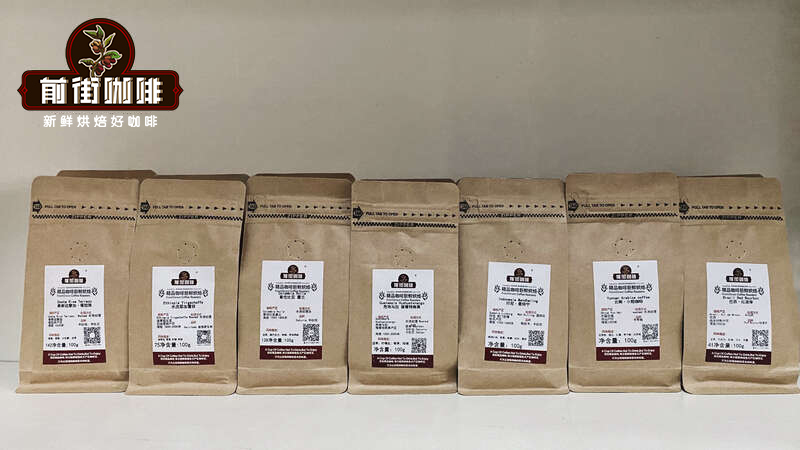
FrontStreet Coffee considers the optimal tasting window for coffee beans to be 30 days. Beyond that, the aromatic compounds diminish as carbon dioxide escapes, and coffee brewed from older beans can taste dull and flat. That is why we always insist on "freshly roasted beans" before any discussion of brewing technique.
2. Pour Over Grind Size Standard
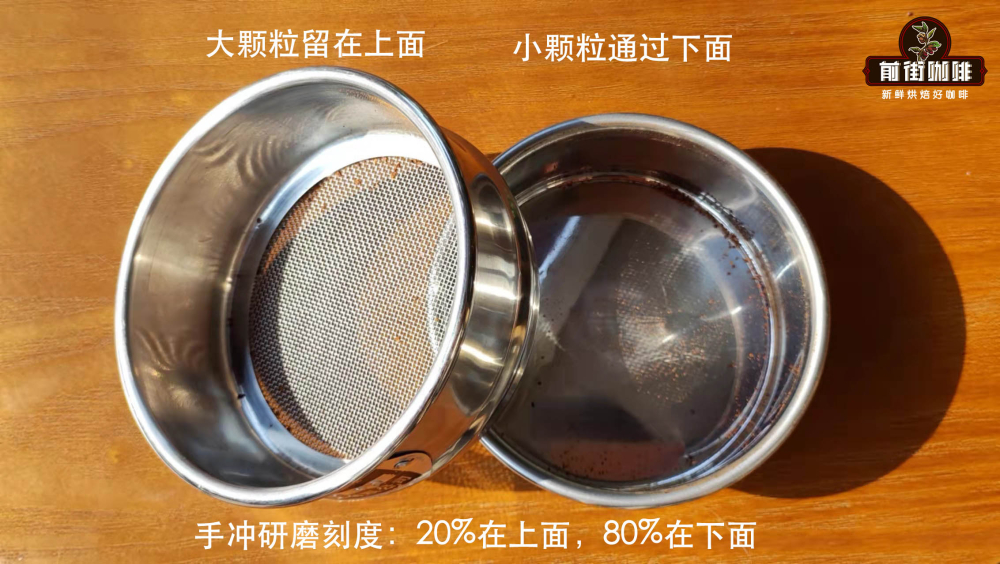
To find the right grind for each bean, FrontStreet Coffee recommends using a #20 cupping calibration sieve with a 0.85mm aperture. Take 10g of beans, grind at an approximate setting, and pour the grounds into the sieve. Shake until no more coffee passes through, then weigh what remains on top. If 80% passes through (10g of grounds yields 8g), that grind suits light to medium roasts. If 70%-75% passes (7-7.5g from 10g), that suits medium to dark roasts. If the pass rate is above the target range, grind coarser; if below, grind finer.
3. Brewing Water Temperature
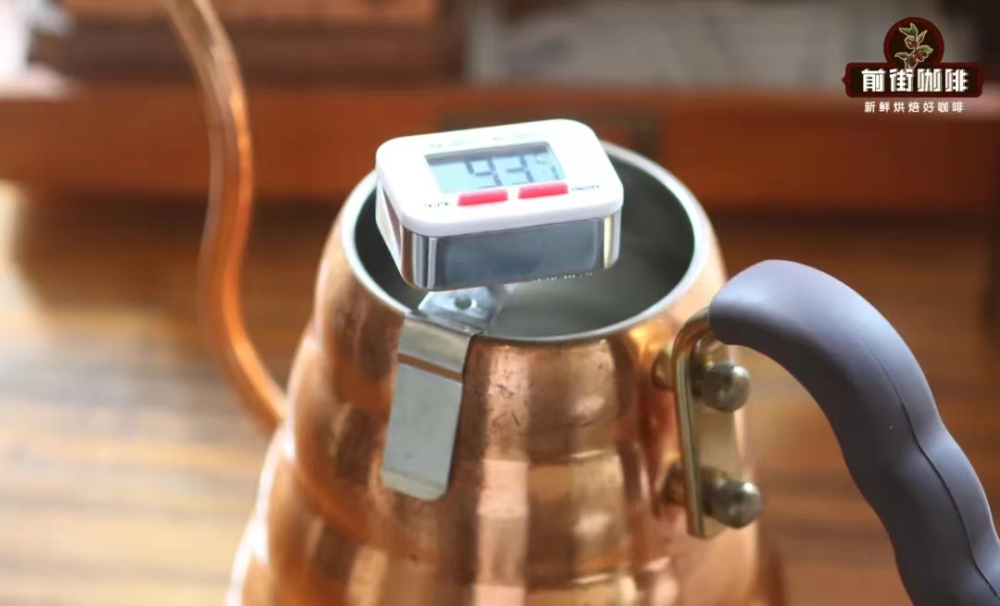
FrontStreet Coffee uses different water temperatures for different roast levels. As the roast deepens, some of the compounds in the bean are lost, so darker roasts are brewed cooler to avoid pulling out too many unwanted flavors. We recommend 90-93°C for light to medium roasts, and 86-88°C for medium to dark roasts.
4. Water Quality

The mineral ions in water—calcium, magnesium, sodium, potassium—affect extraction, and with it flavor. FrontStreet Coffee does not recommend brewing with straight tap water: it carries too many impurities, and the resulting cup can easily be unpleasant.
5. Choosing a Dripper
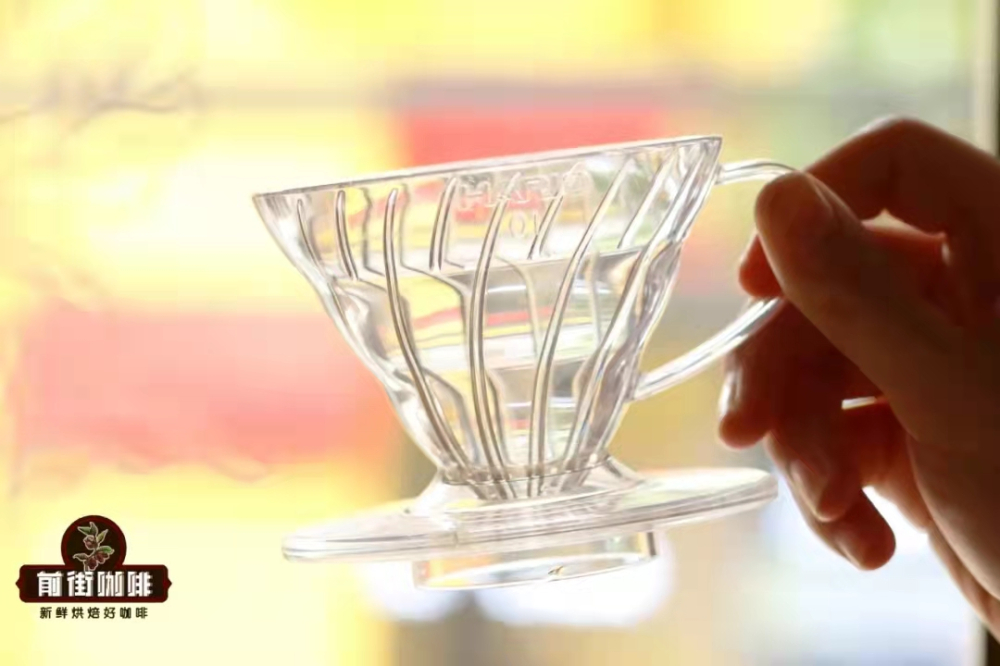
For beginners, FrontStreet Coffee recommends the V60 01. The conical V60 has a large outlet, and its distinctive spiral ribs vent air easily, improving extraction quality. The body may not be as heavy as some drippers, but its high extraction concentration brings out acidity and sweetness with crisp aromatics—that is its signature.
6. Coffee-to-Water Ratio
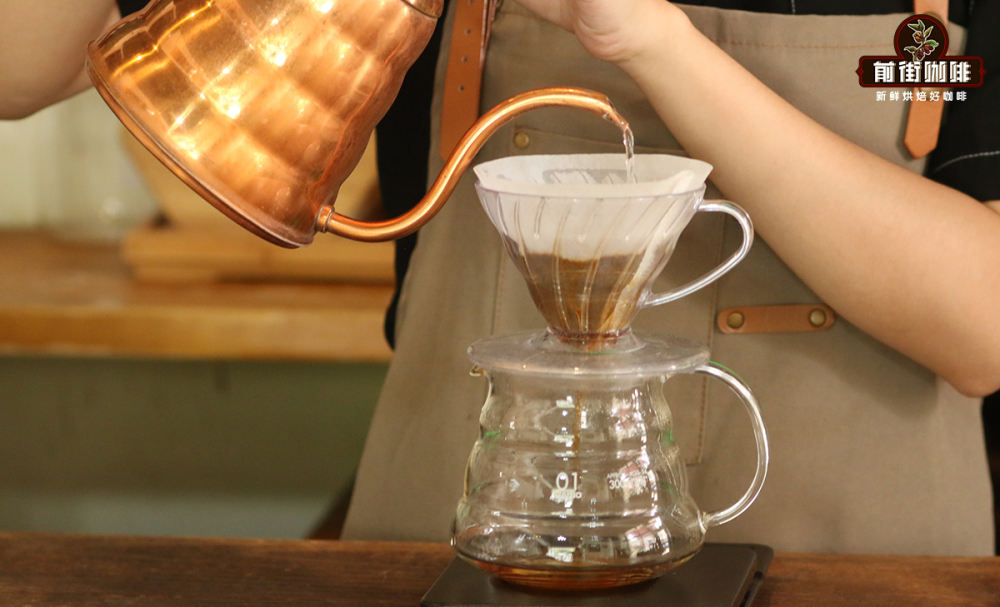
Here are the pour-over ratios for different taste preferences that FrontStreet Coffee derived from SCA Golden Cup extraction theory:
[Bold flavor] 1:10~1:11 (equivalent to a Golden Cup ratio of 1:12.5~1:13.5)
[Medium flavor] 1:12~1:13 (equivalent to a Golden Cup ratio of 1:14.5~1:15.5)
[Light flavor] 1:14~1:16 (equivalent to a Golden Cup ratio of 1:16.5~1:18.5)
A coffee-to-water ratio of 1:14.5~1:15.5 most easily lands in the golden range of an 18%~22% extraction rate and 1.15%~1.35% concentration—which is why FrontStreet Coffee has always recommended brewing at 1:15. Summarizing what these SCA ratio parameters tell us:
(1) The larger the coffee-to-water ratio, the lighter the brew; the smaller the ratio, the stronger the brew.
(2) Adding more water to raise the ratio touches more flavor compounds but yields a lighter cup; using less water lowers the ratio, touches fewer compounds, and yields a stronger cup.
(3) Adding more coffee to lower the ratio reduces extraction of the large molecular compounds from the late stage of the brew while producing stronger flavor; using less coffee to raise the ratio extracts the flavor compounds more completely before hitting limiting conditions, at the cost of intensity.
7. Brewing Time

In coffee extraction, aroma and flavor come through strong and concentrated early on, then gradually fade as the brew proceeds. The volume of water poured also affects extraction time. FrontStreet Coffee typically uses 15 grams of grounds; depending on the bean, at a 1:15 ratio the total brew time lands within 2 minutes to 2 minutes 30 seconds, which rarely leads to over- or under-extraction.
Pour Over Coffee Basics - Grind Size and Extraction
Grind size has an enormous effect on extraction. Even with a perfect coffee-to-water ratio, grounds that are too coarse or too fine will throw off the cup. The finer the grind, the more the particles compact in the filter paper, raising extraction resistance; the flow slows, contact time lengthens, more substances dissolve, and the brew comes out stronger.

Conversely, the coarser the grind, the larger the gaps between particles, the less surface area touches the hot water, resistance drops, the coffee drains faster, the extraction rate falls, and the cup tastes lighter. Simply changing the grind can transform the flavor—which is why grinding matters so much.
Pour Over Coffee Basics - Pouring Technique
Finally, the pouring technique. Coffee shops use a variety of methods—three-pour, single-pour, pulse pouring, and more. For beginners, FrontStreet Coffee recommends the three-stage pour, which suits light, light-medium, and medium roasts alike. Brewing in stages keeps the front, middle, and back phases of the extraction clearly separated and gives a more faithful rendering of the coffee's flavors.

As noted above, a steady hand and water of the right temperature and volume are what make a great cup. Pour-over coffee really is a craft: cooking a dish takes fresh ingredients, heat control, and skill, and pour-over is no different. Here is how FrontStreet Coffee performs a three-stage brew.
The Three-Stage Pour, Step by Step:
First Pour: The Bloom (Releasing Gas)
Many brewers don't fully understand why we bloom. During roasting, coffee beans undergo a series of chemical reactions and physical changes, and once sufficiently roasted they accumulate a great deal of gas—mostly carbon dioxide—inside.
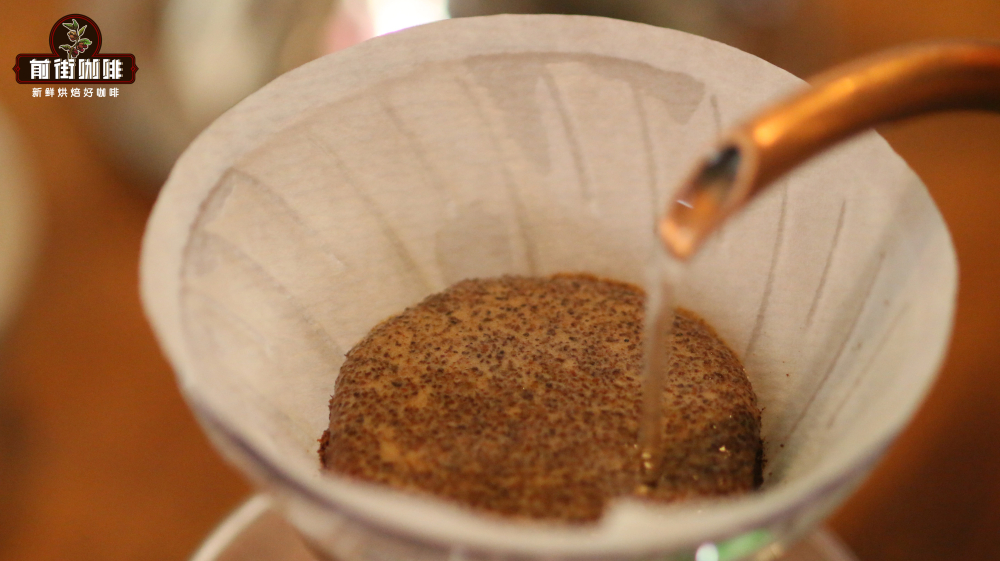
Generally, the fresher the beans, the more they bubble during the bloom, and dark roasts degas more vigorously than light roasts. Since FrontStreet Coffee's beans are all freshly roasted, we recommend letting them rest for about three days first, so some carbon dioxide escapes before brewing—this avoids instability and under-extraction in the cup.
Once the bloom releases the gas, the grounds can absorb water evenly and extract uniformly afterward. A good bloom lets the coffee degas quickly, fully, and evenly while saturating the grounds completely—the whole point of the step.
Four Things to Watch During the Bloom:
1. Before pouring, level the coffee bed.
2. Pour gently during the bloom.

3. As little liquid as possible should drip through during the bloom. If too much collects below, reduce the water or check your grind. (If you use too much bloom water and a lot of coffee drips through, the water isn't soaking in—it's washing compounds straight off the outside of the grounds, dissolving surface bitterness and astringency. The resulting cup is weak yet carries over-extracted off-flavors. If you use too little and nothing drips at all, the grounds haven't absorbed enough water and some coffee hasn't finished degassing, causing under-extraction.) Based on repeated bloom experiments, FrontStreet Coffee found that using twice the weight of the coffee in bloom water is ideal.
4. Bloom for about 30 seconds. When the surface expansion stops and the coffee bed shrinks and wrinkles slightly, the bloom is done and you can start pouring. (Bloom too long and the coffee picks up bitterness and astringency; too short, and the grounds may be under-extracted or never fully open up.)

Exact bloom time varies from bean to bean, but that nuance isn't beginner-friendly—new brewers need standardization. So, provided the beans are still fresh, FrontStreet Coffee recommends a 30-second bloom. Experienced brewers can adjust to taste.
Second Pour
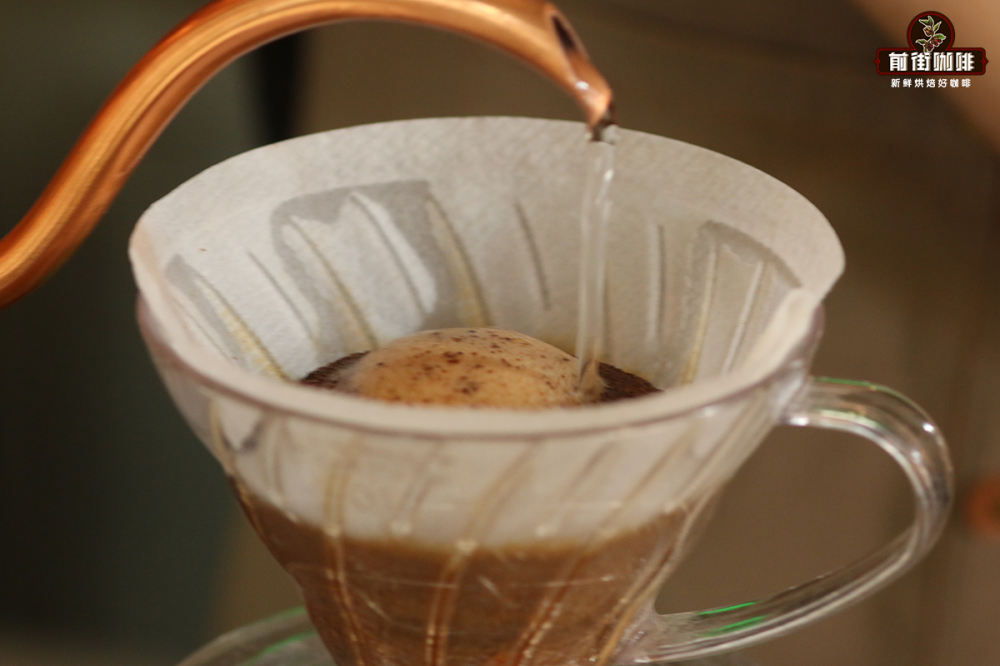
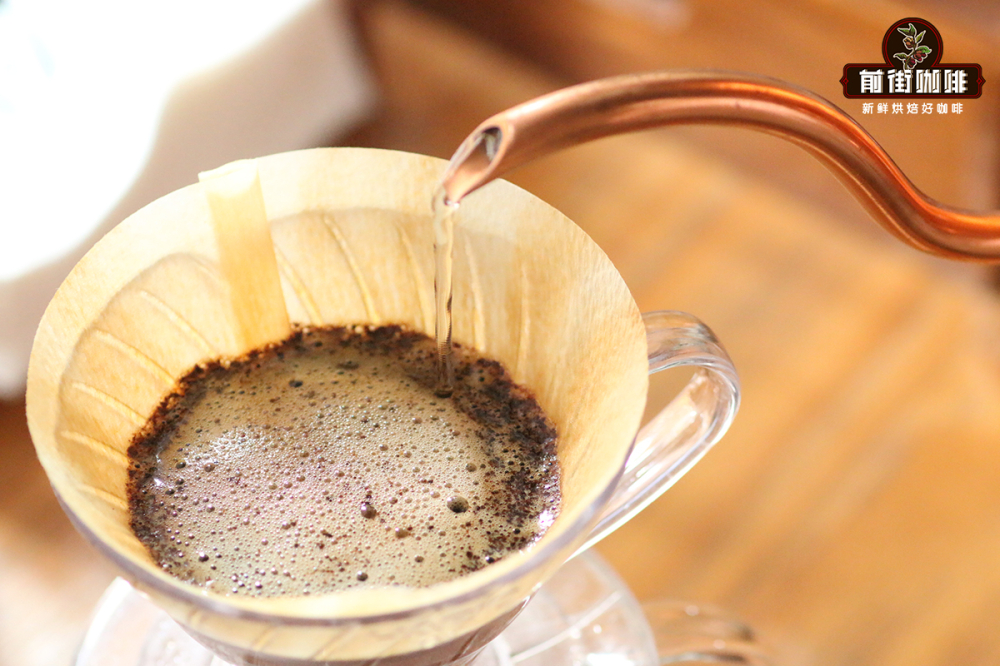
Begin the second pour at the center, sending a small stream down to the base of the bed. To concentrate the stream's penetrating power, keep the circular motion tight—about the width of a coin—before spiraling outward. From the second pour onward, watch the water level and try not to exceed the height of the coffee bed. In other words, stop pouring as the water approaches the filter paper.
Third Pour

As the thicker ring of grounds against the filter paper absorbs water, it grows heavier, slides down, and thins as the water level drops. When the level falls to about halfway, make the third pour.
Again pour from the center outward in circles, watching how far the level drops, and keep the water below the bed's height. By now foam will have spread across the surface. This pour should agitate the grounds, tumbling the settled particles so their soluble compounds dissolve.
The tumbled particles begin to settle as soon as pouring stops, so rely on the flow created by the falling water level to keep friction between the particles. When pouring stops entirely, the grounds sink and can clog the bed—so watch your pouring rhythm closely. Too many interruptions, and the grounds simply soak, drawing out astringency and off-flavors in the late stage of the brew.
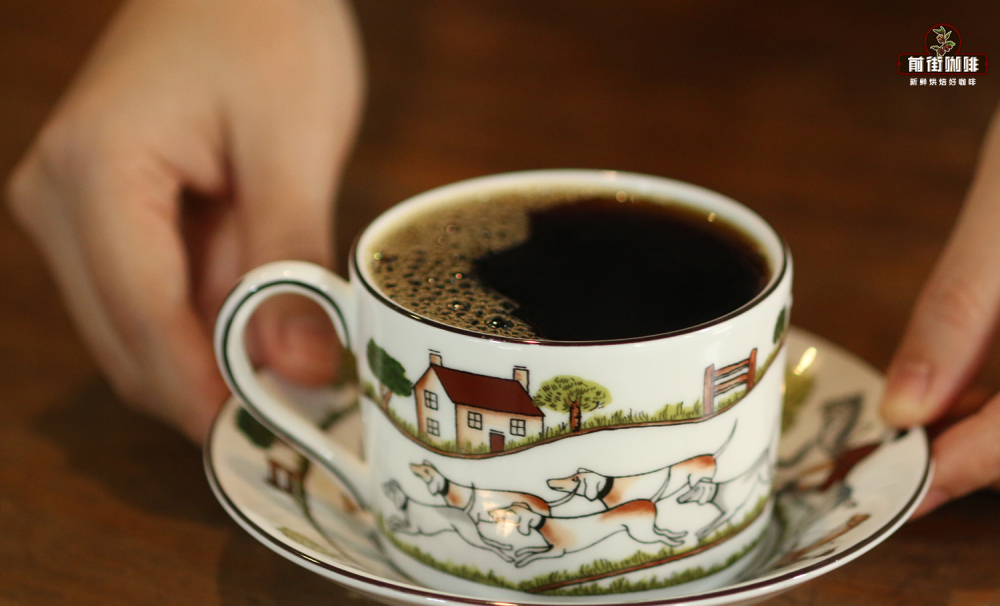
Follow these steps and you'll have a fragrant cup of pour-over coffee.
That's FrontStreet Coffee's guide to brewing pour-over. We hope it helps coffee lovers who have their equipment ready and want to put it to good use at home.
FrontStreet Coffee Recommendation
Of the drippers mentioned above, the Hario V60 remains FrontStreet's favorite. Hario was founded in Tokyo in 1921 as a maker of heatproof laboratory glassware, and the V60 as we know it—named for its distinctive 60° cone—was redesigned in 2004 and launched the following year. The cone and single large outlet channel the water toward the center, extending contact between water and grounds for a fuller extraction, while the fast, unobstructed flow rewards a controlled pour with three-dimensional aromatics and lively acidity. FrontStreet's own preference is the resin version: it holds heat well, and in mass production resin molds hold the tightest tolerances.
As for beans, the V60's quick extraction is made for floral-and-fruit coffees: FrontStreet's washed Gelana cooperative lot from Yirgacheffe (jasmine, bright citrus, lemon, and a green-tea finish), the tropical-fruit-forward natural Huakui (strawberry, passion fruit, jackfruit, and lychee with a distinct sweetness and virtually no bitterness), and raisin-toned lots like Mozart all make superb V60 brews. Use the three-stage pour and the 1:15 ratio described above, and these coffees will show you exactly why pour-over earned its name.
Important Notice :
FrontStreet Coffee is a long-established specialty coffee roaster in Guangzhou China, selling freshly roasted beans from its own farm in Yunnan as well as dozens of carefully selected single-origin beans from around the world for both pour-over and espresso. The products deliver consistently excellent quality and great value, with shipping within 24 hours. Guangzhou's FrontStreet Coffee shop is recommended by many coffee lovers, and the beans are now available online at the Tmall 。
FrontStreet Coffee has moved to a new address:
FrontStreet Coffee Address: 315,Donghua East Road,GuangZhou
Tel:020 38364473
 Scan and follow the En Gafei WeChat official account. Please indicate that the reprint comes from "En Gafei".