What are COE Coffee Beans? Differences Between COE and SOE, Coffee Characteristics, SOE Coffee Full Name, Meaning, and Flavor Profile
As more people drink specialty coffee, many friends delve deeper into it, only to encounter numerous abbreviated English terms that make it difficult to continue their study. For example, people often cannot distinguish between COE and SOE.
In fact, COE and SOE are two completely different concepts. The full name of COE is Cup of Excellence, also known as the "Excellence Cup" - it is the world's most important competition for specialty green coffee beans. It was first held in Brazil in 1999 by the Alliance for Coffee Excellence (ACE) and is currently the world's most renowned and authoritative specialty green coffee competition, as well as the most credible competition for judging specialty coffee.
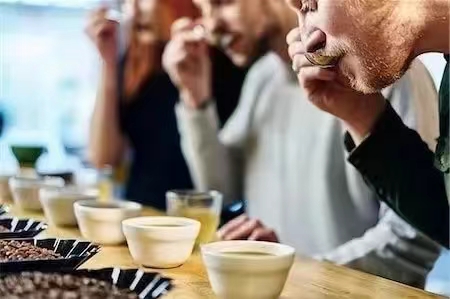
The competition features a jury composed of international cuppers. During the three-week competition period, coffee beans must participate in at least five cupping evaluations, with the top 10 advancing to an additional round. Coffee farmers selected as COE winners not only gain recognition for their excellent coffee quality but also receive considerable auction proceeds. Good auction revenue enables coffee farmers to have more opportunities to improve quality, and also gives consumers more opportunities to drink good coffee, creating a virtuous cycle.
This competition system was first adopted by coffee production groups in Brazil in 1999 and is now widely used in places like Colombia, Guatemala, Panama, Costa Rica, and Nicaragua, showing a trend toward popularization. It must be mentioned that 2020 marked Ethiopia's first-ever COE Excellence Cup competition and auction.
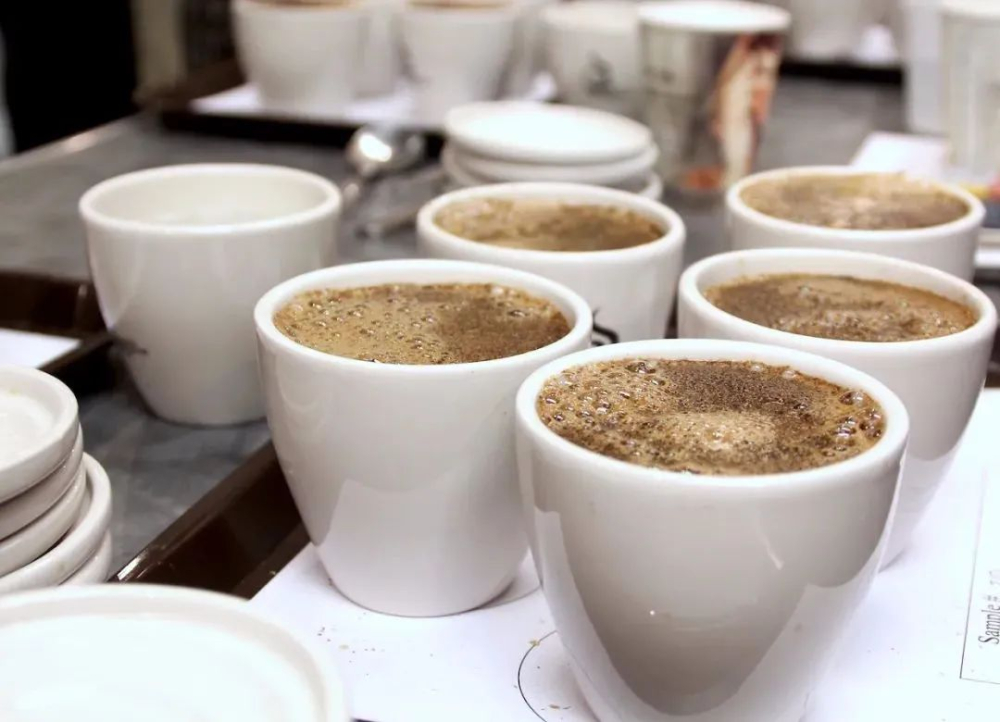
The entire COE Excellence Cup competition is divided into three stages: Pre-selection, National Jury, and International Jury.
1. Pre-selection Stage
All judges are domestic professional judges, with no participation from any ACE judges. The domestic jury typically consists of 12-18 people who have very strict requirements for every aspect, including the roast degree of the coffee beans and the cupping process flow. Each coffee bean undergoes rigorous review.
In the pre-selection stage, only coffee beans with cupping scores of 85 points or above are eligible to advance to the national competition stage. In this pre-selection stage, 1,459 coffee beans participated, and after the first round of cupping screening, 150 coffee beans were selected to advance.
2. National Jury Stage
The judges are the same as in the pre-selection stage - all are domestic professional cupping judges. In this stage, two rounds of cupping are conducted. In the first round, 90 coffee beans scoring 85 points or above are retained from the pre-selection's 150 coffee beans for the second round of cupping.
The second round of cupping then selects 40 coffee beans scoring 85 points or above from these 90 coffee beans to advance to the international competition stage.
Therefore, COE is a green coffee competition with relatively high international authority.
In 2020, during Ethiopia's first COE green coffee competition, FrontStreet Coffee participated in the auction for the first time and jointly acquired the 22nd-ranked coffee bean with other coffee merchants. The flavor profile includes citrus, lychee, honey, cream, and fermentation notes.

Understanding SOE
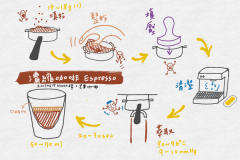
SOE stands for Single Origin Espresso, meaning single-origin espresso coffee. It refers to espresso made from coffee beans from a single origin, which differs noticeably from traditionally used Italian blend beans.
Many coffee shops now offer SOE, usually requiring only a few extra dollars on top of the original price to switch. The characteristic of SOE is its slightly lighter roast degree, which can express the flavor characteristics of a single origin.
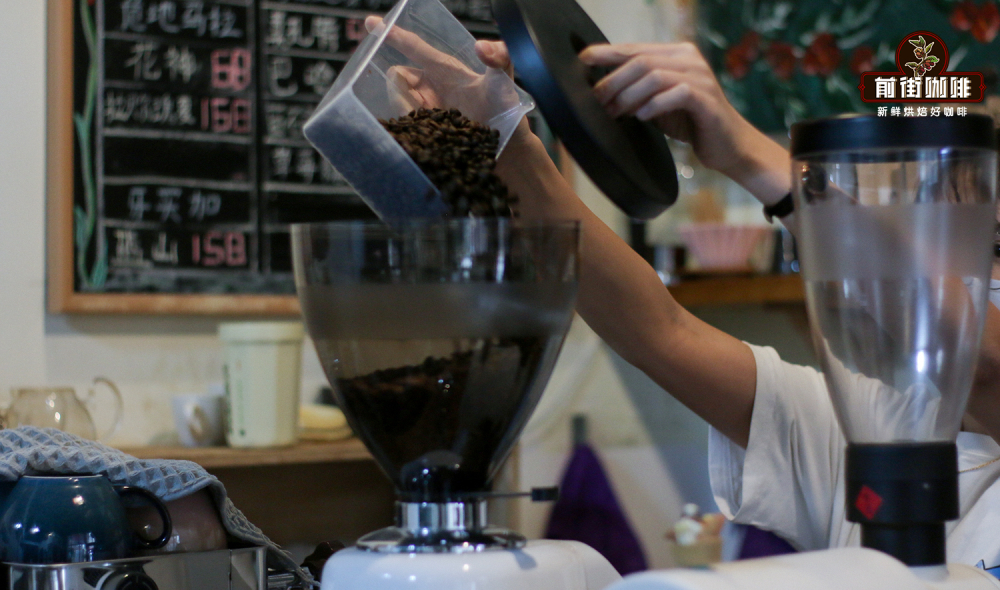
As the concept of specialty coffee becomes increasingly popular, from single-origin pour-over to single-origin espresso, it all reflects coffee enthusiasts' pursuit of coffee flavor. This has also led many people to form a habitual assumption that SOE flavors are better than blended coffee.
Is SOE Always Better Than Blend-based Espresso?
Not necessarily! Some SOEs can indeed achieve both flavor and richness, showing special performance when milk or water is added. However, in most cases, after trying a coffee beverage with an SOE base, people will feel: "Actually, it's not that amazing - it's not even as good as that made from blended coffee beans." Why does this happen?
First, coffee is an agricultural product: even the same coffee bean can differ in flavor due to climate, soil, cultivation, or roasting approach. If you drink a very good SOE at a cafe and return after some time to find the same beans no longer taste as good, perhaps the coffee is from a new harvest season or the roasting approach has changed, so the bean's flavor itself is different.
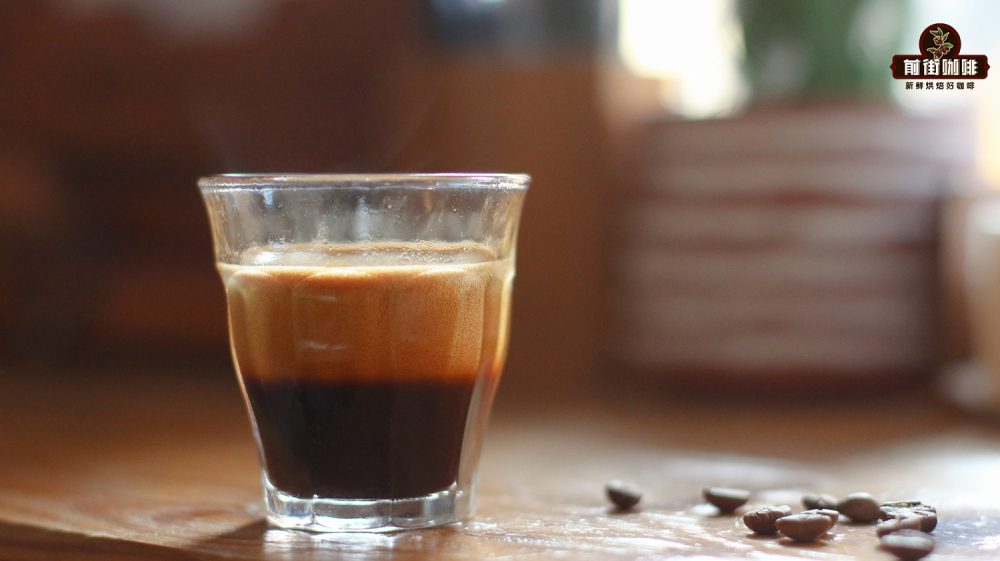
Previously, people thought single-origin beans had average quality and that espresso flavors were too erratic, so they improved flavors by blending. Blending solves problems where espresso at the same shop varies too much due to different harvest times, slightly different roasting approaches, or crop failure of a particular bean.
Second, to express clear coffee flavors, many choose light-roasted single-origin beans. Although light roasts have distinct flavors, they often lack richness. A bean that tastes balanced with good body in pour-over may, as espresso, fail to release its rich substances in the short extraction time, resulting in a thin cup. After adding milk or water, the coffee flavor becomes indistinct and rather ordinary.
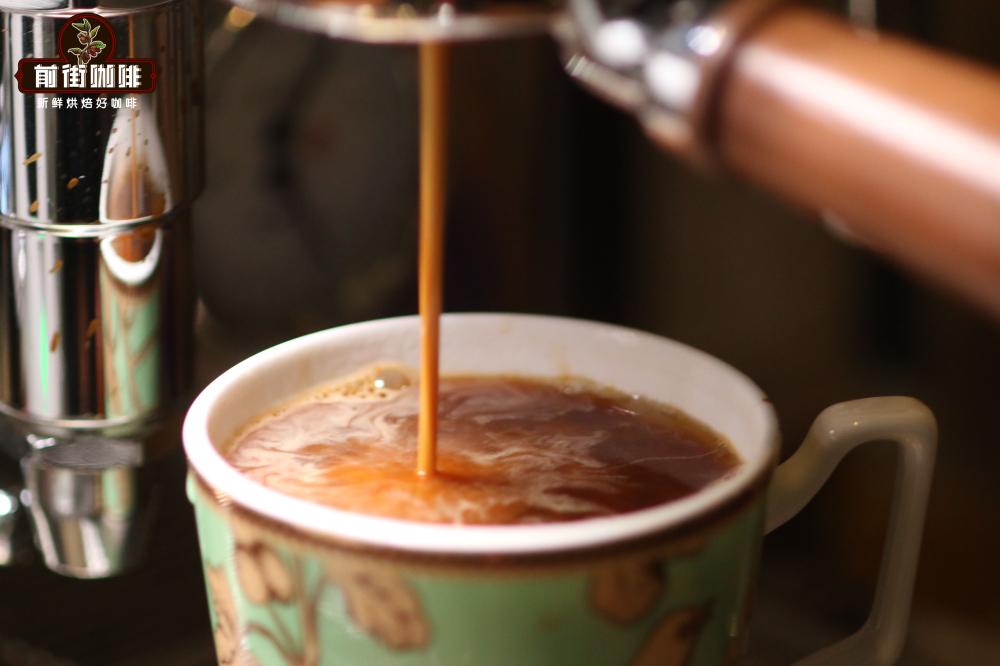
So now everyone should stop confusing COE with SOE.
FrontStreet Coffee Recommendation
If you want to try an SOE without the usual thinness, Brazil is the classic answer. As the world's largest coffee producer, Brazil grows beans with moderate acidity and an excellent balance of sweetness, bitterness, and body - qualities that suit medium roasting beautifully and fill the cup with nutty aroma.
FrontStreet Coffee's Cerrado Red Bourbon, from Brazil's celebrated Cerrado region, is a classic single-origin choice: medium roasted, it shows cream, peanut, toasted bread, caramel, and hazelnut, with a round, non-acidic cup and a light bitterness. It works for pour-over but also shines as an espresso SOE, in a moka pot, siphon, or French press.
For blends, Brazil is also the backbone of FrontStreet Coffee's espresso lineup: the crema-rich classic blend, the nutty premium blend, and the balanced black cocoa blend all include Brazilian components that contribute chocolate and cream notes plus gentle sweet-sour-bitter balance, making extraction more stable - exactly why blends remain the dependable choice for everyday espresso.
Important Notice :
FrontStreet Coffee is a long-established specialty coffee roaster in Guangzhou China, selling freshly roasted beans from its own farm in Yunnan as well as dozens of carefully selected single-origin beans from around the world for both pour-over and espresso. The products deliver consistently excellent quality and great value, with shipping within 24 hours. Guangzhou's FrontStreet Coffee shop is recommended by many coffee lovers, and the beans are now available online at the Tmall 。
FrontStreet Coffee has moved to a new address:
FrontStreet Coffee Address: 315,Donghua East Road,GuangZhou
Tel:020 38364473
 Scan and follow the En Gafei WeChat official account. Please indicate that the reprint comes from "En Gafei".