Costa Rica La Minita La Magnolia Washed Single Origin Coffee Beans Flavor Profile & Brewing Guide

Costa Rica Coffee Growing Region Introduction: Costa Rica Coffee Beans, Estate Flavor, and Taste
Product Details
Name: Costa Rica La Minita La Magnolia Washed
Flavor Description: A balanced cup with honey nut, plum, and passion fruit aromas, a sugar-like wet aroma, and a gentle yet unforgettable mouthfeel.
Region: Tres Rios
Producer: La Minita Group, Hacienda La Minita Estate
Varieties: Caturra, Catuai
Altitude: 1300 to 1800 meters
Grade: SHB (Strictly Hard Bean)
Processing Method: Washed
Introduction
La Minita International Coffee Export Company takes its name from its flagship estate, Hacienda La Minita, in Tarrazú, Costa Rica. Beyond the Costa Rican flagship, La Minita also supplies green beans from growing regions around the world. The company vertically integrates its farms and processing plants across locations, which is how it delivers consistent, stable quality and flavor, and it stations staff in world-class growing regions and at origin to ensure the coffee meets La Minita's high export standards.
Hacienda La Minita sits within Costa Rica's famous Tarrazú region. The excellent geography and microclimate of the estate give La Minita's beans a more balanced, aromatic taste than other Tarrazú coffees. Although altitude and temperature vary across the property, the large river surrounding the estate minimizes those differences through its cooling effect, and the farm faces west, warming gradually in the morning and cooling slowly in the evening. This unusual geography creates exceptionally favorable conditions.
About 680 acres of La Minita Estate are planted with four coffee varieties: Caturra, Caturra red, Caturra yellow, and Hibrido. After years of experimental statistical analysis and cupping tests, the estate decided to rely mainly on Caturra while keeping small quantities of the older Hibrido. Each acre of La Minita holds about 2500 coffee trees, though planting density is still set according to the regional geography and the species in question.
La Minita currently has roughly 1.7 million trees planted, and it runs a 5-year rotation system. After three rounds of pruning (15 years), the trees' resources are nearly spent, at which point La Minita transplants new trees from its own nursery. The nursery sits in a well-protected part of the estate, where the young trees spend a year before being moved to the production farm. La Minita uses fast-growing, broad-leaved "Pror" trees as shade, planted at densities that vary with each production area's sunlight and temperature-control needs. All estate soils are tested twice a year, and fertilization is decided from the results, with roughly three applications a year, balancing economic and environmental factors. Thanks to the estate's climate and altitude, pest populations are limited, so apart from using no pesticides, the most important tools are proper planting and weeding.
La Minita decides harvesting by the ripeness of the fruit on each tree, with up to five separate passes. The harvest season ends after the final picking, around late February. After the season, all remaining fruit, ripe or not, is stripped completely so the trees are ready for the next year's production.
La Magnolia coffee is produced in the area neighboring Irazu Volcano. This volcanic-nurtured specialty coffee is considered Costa Rica's "Bordeaux." The region sits on the Pacific watershed, with distinct dry and wet seasons, average rainfall of 2250 mm, and around 155 rainy days a year. Beans produced under these conditions are harder and have extremely small voids. As one of the most renowned coffee estates in the Tres Rios region, La Magnolia has long enjoyed high recognition worldwide while maintaining consistently careful attitudes and excellent traditions in green bean processing.
Coffee Flavor: A balanced cup with an elegant charm that runs through honey nut, plum, and passion fruit aromas, carrying a sugar-like wet fragrance and leaving a gentle yet unforgettable impression on the palate.
Costa Rica Coffee Bean Characteristics, Regional Flavors, and Coffee Varieties
FrontStreet Coffee's Costa Rica Coffee Brewing Parameters, Using a Siphon Brewer as the Example
Siphon Brewer
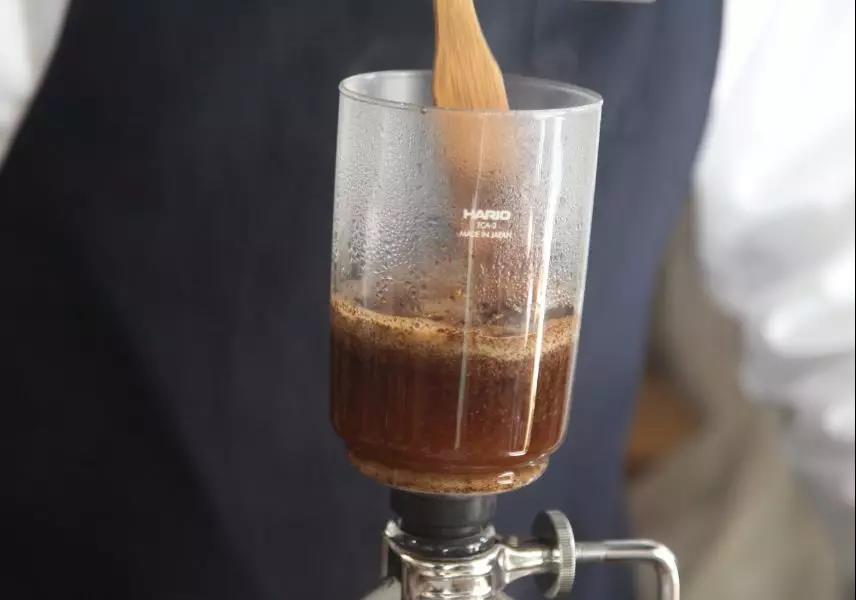
Unlike the V60 dripper, the siphon works mainly by immersion, so the brewed coffee comes out more balanced in flavor with a richer body.
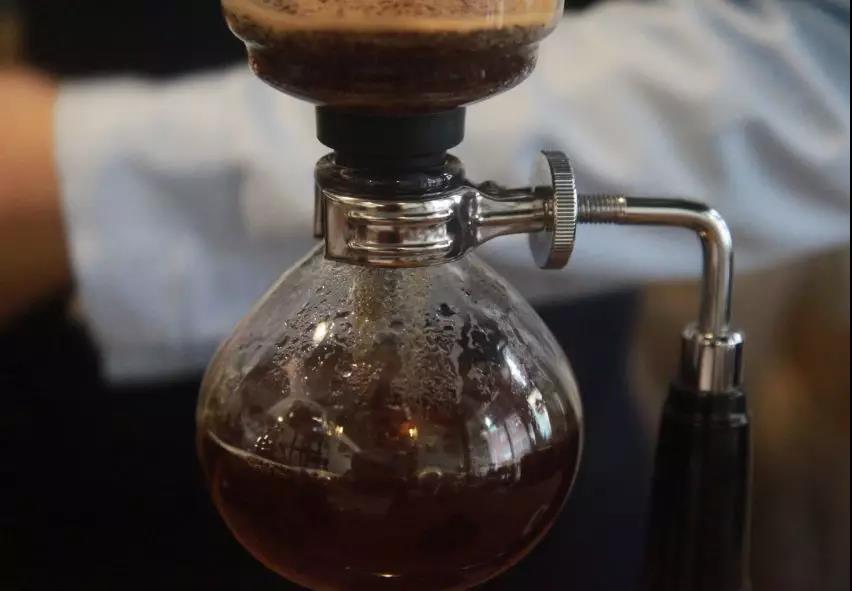
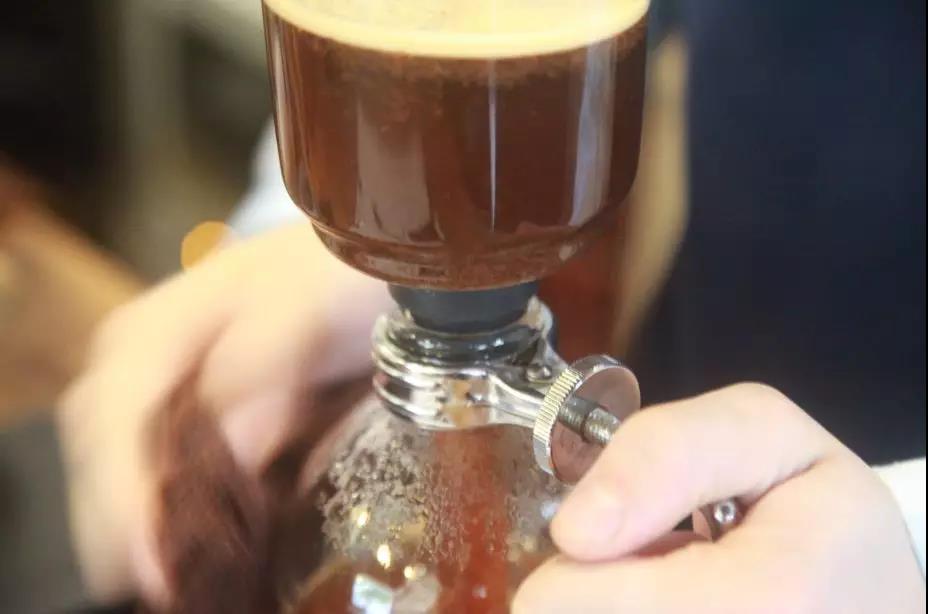
The main principle behind siphon extraction is pressure difference. The water in the lower chamber is heated to boiling, then the upper chamber is inserted, creating a high-pressure state in the lower chamber. Because of the pressure difference between the two chambers, hot water rises to mix with the grounds in the upper chamber for extraction. Once extraction is complete, the heat source is removed from the lower chamber, instantly reducing the pressure difference. The siphon effect then pulls the coffee extract back down into the lower chamber.
Parameters & Technique: Grind size: BG 5R (China standard #20 sieve 58% pass rate), Water temperature: 91°C, Coffee-to-water ratio: 1:13.
Use the delayed-addition method: wait until the water rises into the upper chamber, then pour in 20g of grounds and stir to ensure the grounds and hot water make full contact. At 35 seconds, stir three times to increase extraction. At 55 seconds, remove the heat source and stir twice. The coffee then takes 1 minute 38 seconds to return to the lower chamber.
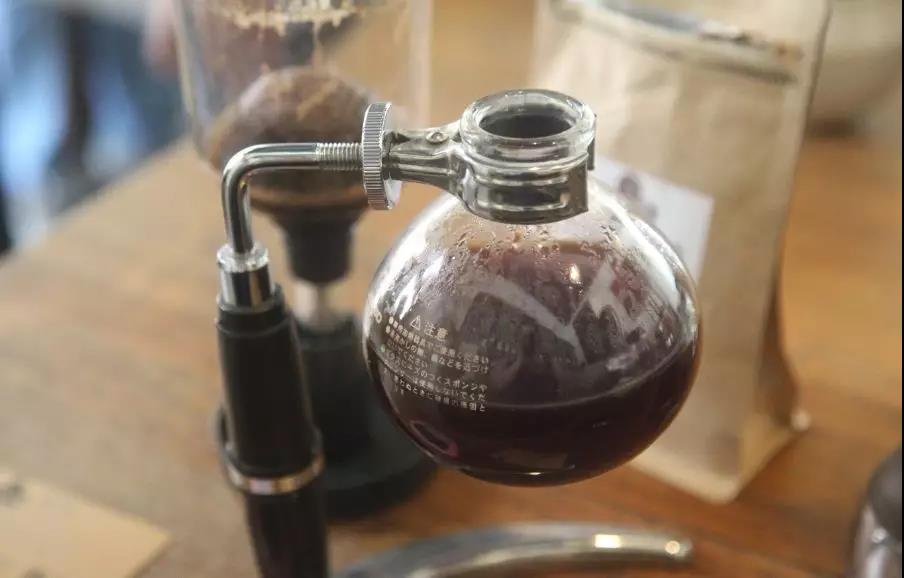
Flavor: The aroma has clear fermented fruit notes. On the entry there is citrus, blueberry, grapefruit, and raspberry, with chocolate liqueur sweetness in the middle and a brown rice tea fragrance in the aftertaste. As the temperature drops, the sour note of smoked plum becomes obvious, with a persistent sugar-like sweetness.
FrontStreet Coffee Recommendation
If you enjoy the clean, transparent character of a well-made washed coffee, FrontStreet Coffee's Gedingding Cooperative is an excellent place to begin. It comes from Gedingding village in the Worka area on the southeastern edge of Ethiopia's Yirgacheffe, where smallholders deliver fruit to a village-level washing station; Gedingding was once part of the Worka cooperative under the Yirgacheffe Coffee Farmers Cooperative Union and became a single-origin lot in 2012 with around 300 members. Traditional washed processing pushes jasmine florals and bright citrus acidity to the front, and a light-medium roast layers in green tea and honey, making it equally good as pour-over, cold brew, or espresso.
For a bolder, juice-forward washed cup, FrontStreet Coffee's Kenya Little Tomato is one of the clearest examples around. Kenya has long excelled at double washing, running the beans through a second full wash cycle: floating, soaking, scrubbing off any mucilage left on the surface, soaking again, drying, and hulling. All that rinsing and soaking pulls the juice forward, giving a cup full of cherry tomato, smoked plum, snow pear, black plum, and brown sugar, sweet and tart with a mouth-watering finish. It comes from Kenya's Thika region, grown at 1550-1750 meters from the classic SL28 and SL34 varieties, and FrontStreet roasts it light to preserve the lively acidity and layered fruit.
At the balanced, low-acid end of the washed spectrum sits FrontStreet Coffee's Jamaica Blue Mountain No. 1. Jamaica's island climate delivers less sunlight than most origins, and washing was adopted precisely to cut the risk of spoilage: removing skin, pulp, and mucilage before drying shortens the drying time and produces beans with a translucent color and a low defect rate. That processing is what gives Blue Mountain its concentrated aroma and its pure hazelnut, cream, chocolate, and caramel notes, in a balance where no single flavor dominates or goes missing.
Important Notice :
FrontStreet Coffee is a long-established specialty coffee roaster in Guangzhou China, selling freshly roasted beans from its own farm in Yunnan as well as dozens of carefully selected single-origin beans from around the world for both pour-over and espresso. The products deliver consistently excellent quality and great value, with shipping within 24 hours. Guangzhou's FrontStreet Coffee shop is recommended by many coffee lovers, and the beans are now available online at the Tmall 。
FrontStreet Coffee has moved to a new address:
FrontStreet Coffee Address: 315,Donghua East Road,GuangZhou
Tel:020 38364473
 Scan and follow the En Gafei WeChat official account. Please indicate that the reprint comes from "En Gafei".