Is Pour-Over Yunnan Coffee Delicious? Yunnan Coffee Origin Stories, Small Bean Variety Characteristics, Flavor, and Taste
Introduction
Coffee may be best known as an exotic import. The crop originated in Ethiopia, Africa, and Brazil is now the largest producer of Arabica. When people discuss the finest coffee, they once reached for Jamaica Blue Mountain; today the answer might be Panamanian Geisha.
So, is coffee grown in China? Absolutely! The recent film "Coffee or Tea?" has brought wider awareness and recognition to China's most important coffee-growing region—Yunnan.
Unlike the already celebrated FrontStreet Ethiopian Yirgacheffe or Panamanian Geisha, Yunnan coffee has been emerging gradually alongside the growth of China's domestic coffee market. Many people have grown curious about it, and its air of mystery contrasts sharply with coffees whose reputations are established. We know that washed Yirgacheffe typically shows citrus fruit notes, Panamanian Geisha evokes white florals, and classic Indonesian Mandheling rests on herbal and spicy foundations. But what about Yunnan coffee? What does it taste like—and is it any good?
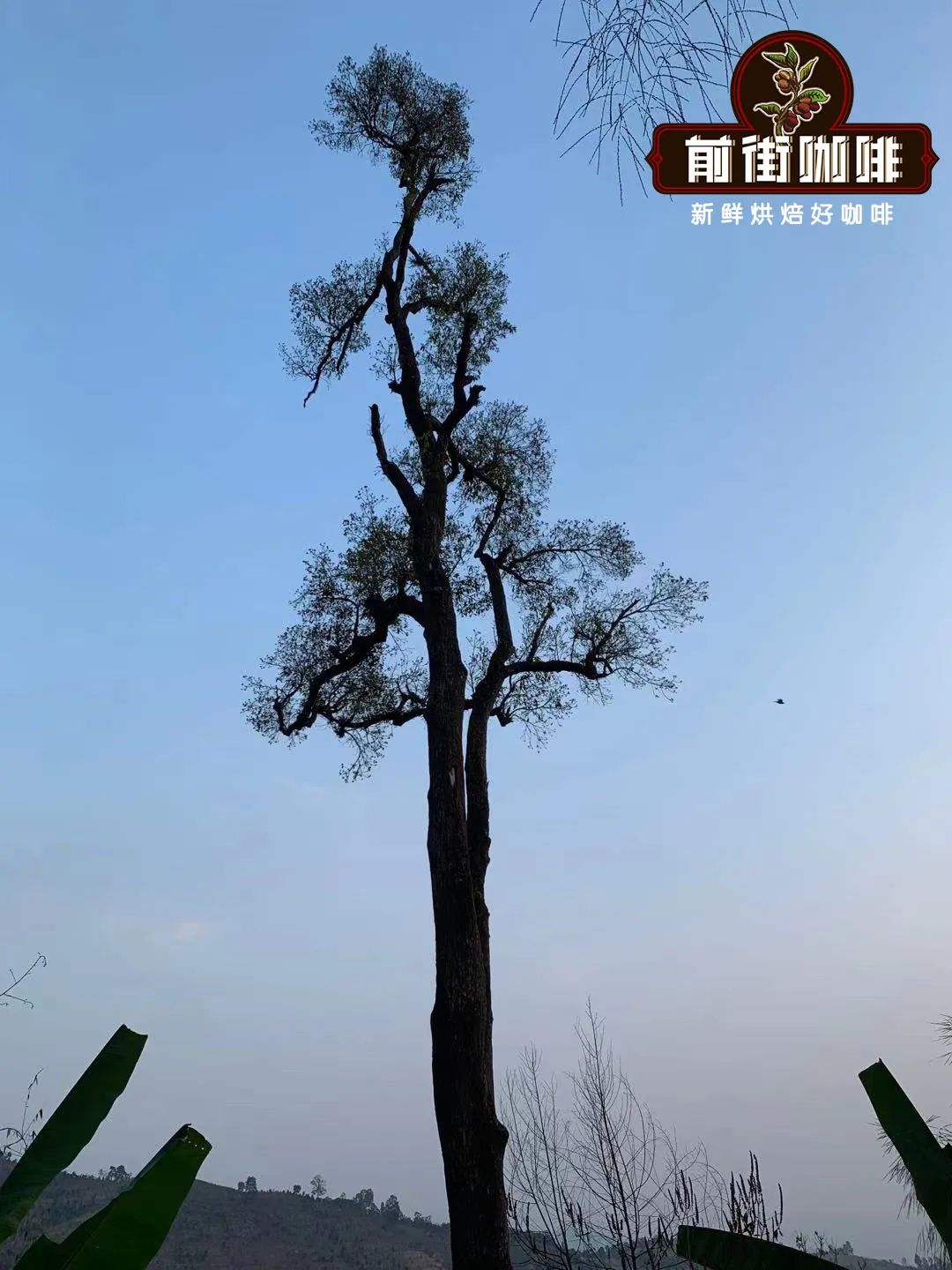
Yunnan's Coffee Regions
Coffee flavor is shaped by many factors. To judge whether Yunnan coffee is good, let's start with several of them.
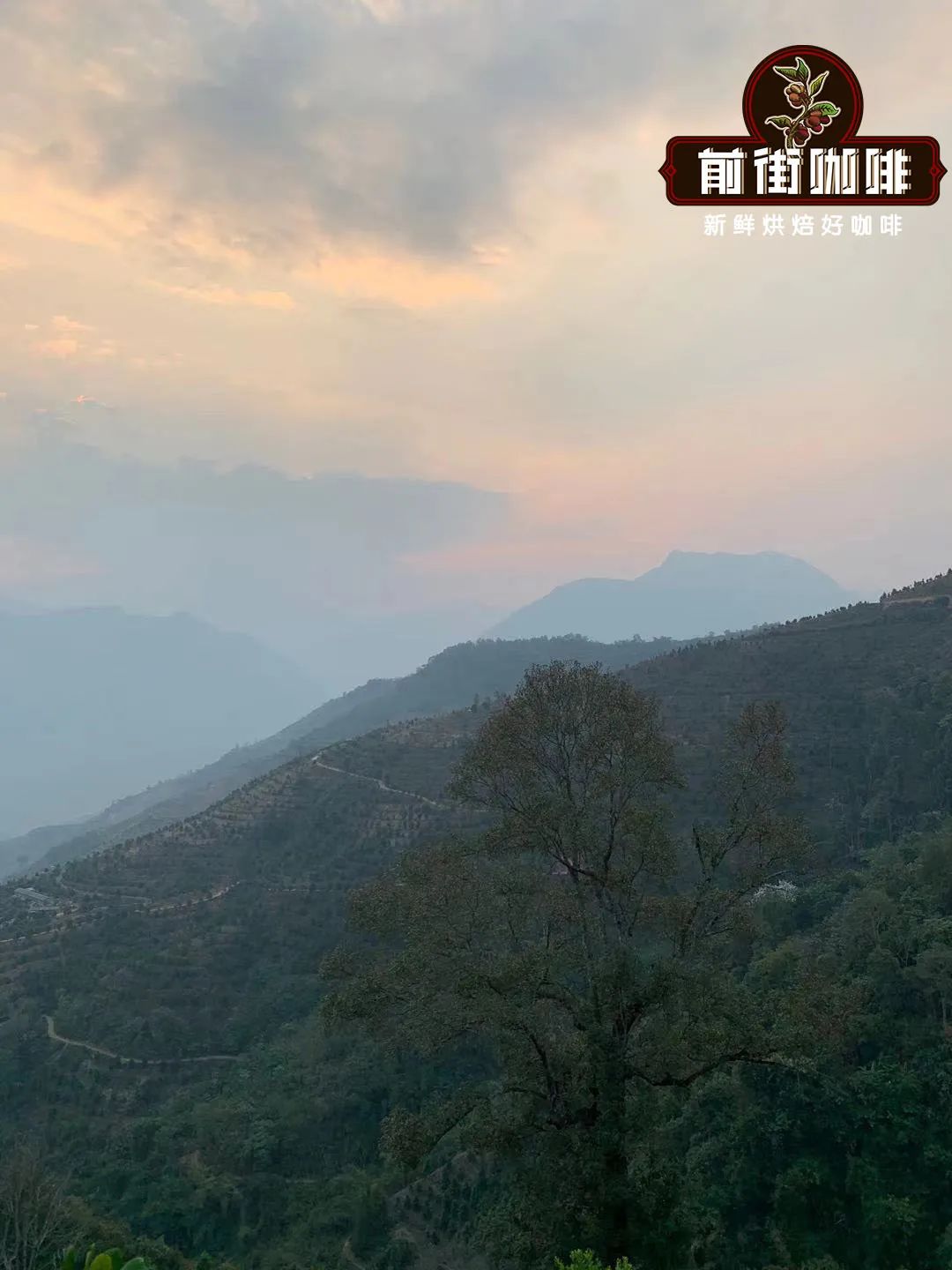
Coffee grows between the Tropics of Cancer and Capricorn—the so-called "coffee belt." Fortunately, western and southern Yunnan Province sit between 15°N and the Tropic of Cancer. On top of that, most of the area has the high altitudes coffee needs: mountainous, sloped terrain with big elevation swings, fertile soil, abundant sunshine, plentiful rainfall, and substantial day-night temperature differences.
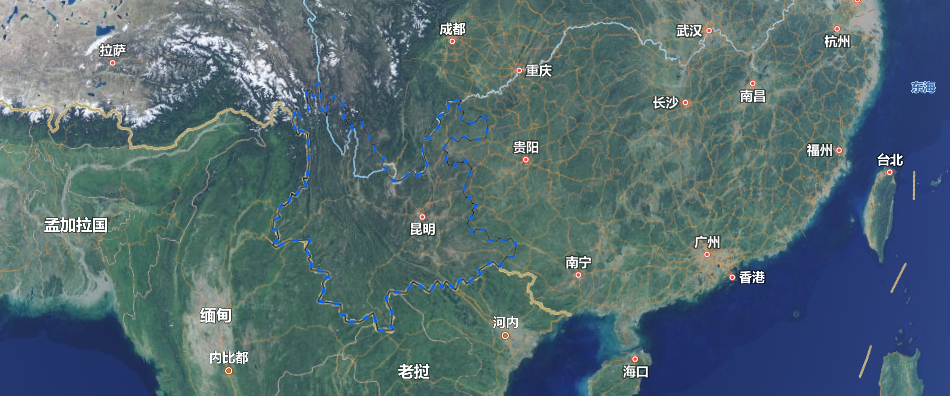
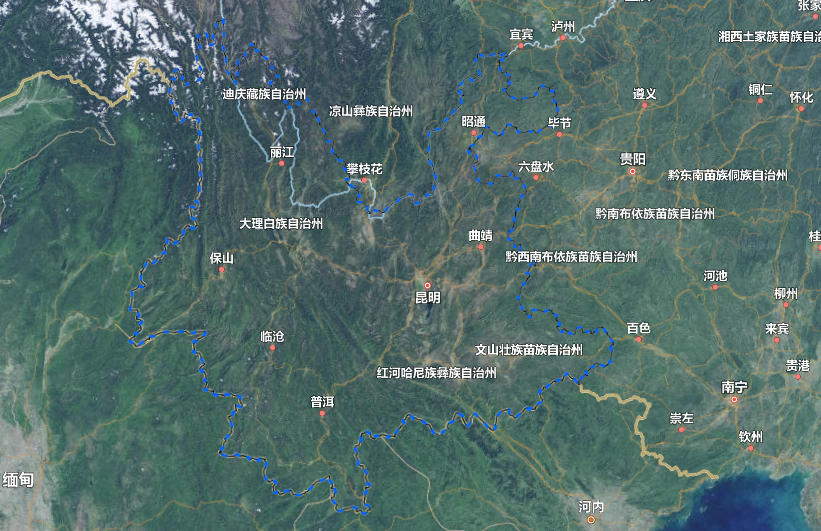
Yunnan coffee is grown mainly in Pu'er, Xishuangbanna, Wenshan, Baoshan, Dehong, and Lincang.
Dehong
Dehong enjoys its own climatic advantages. The whole prefecture lies near the Tropic of Cancer at low latitude, and the Indian Ocean's southwest monsoon gives it a subtropical monsoon climate.
The Gaoligong Mountains to the northeast block the cold, dry air from Siberia, while in summer warm, moist air from the Indian Ocean rises along the southwest-facing windward slopes, producing abundant natural precipitation. Add the high sun angle of this low-latitude plateau and its excellent air transparency, and Dehong ranks among China's best solar radiation zones.
Annual solar radiation runs 137-143 calories/cm², annual rainfall 1400-1700mm, average annual temperature 18.4-20°C, annual sunshine 2281-2453 hours, accumulated temperature 6400-7300°C, annual land evaporation 1400-1900mm, and an aridity index of 0.4-1.2.
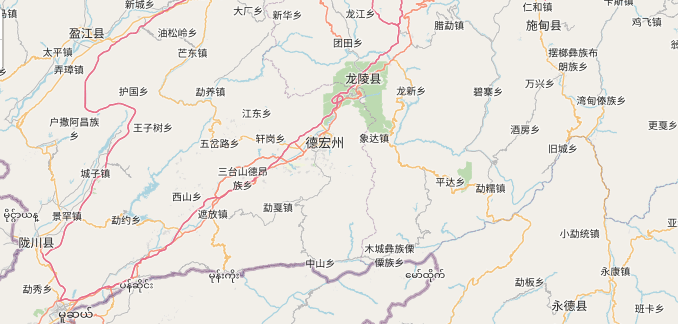
The result: no severe winters or scorching summers, abundant rain arriving together with heat, dry and cold seasons overlapping, small annual temperature swings but large daily ones, and a short frost season with few frost days—excellent conditions for growing coffee and for the trees to overwinter.
Baoshan
Coffee cultivation in Baoshan began in the mid-1950s, when the late patriotic overseas Chinese Mr. Liang Jinshan introduced the first seedlings from Southeast Asia. In recent years, as international trade expanded, the small-bean coffee of the Lujiang Basin has made its name.
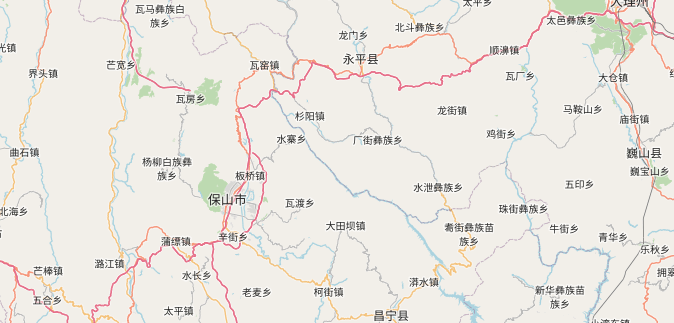
Baoshan has a low-latitude mountainous subtropical monsoon climate. Its low-latitude plateau setting and complicated terrain create a vertical climate where "one mountain has four seasons, and ten li have different weather."
Its hallmarks: small annual temperature variation but large daily variation, average annual temperature of 14-17°C, abundant but unevenly distributed precipitation with distinct wet and dry seasons, and annual rainfall of 700-2100mm.

Lincang
Lincang's unique geography and climate have made it a magnet for coffee companies. Quality seedling bases of 200 mu and 100 mu have been established in Mengding Town of Gengma Autonomous County and at Xingfu Farm respectively, with cultivation under way in Gengma, Zhenkang, Yun County, Cangyuan, and Yongde.
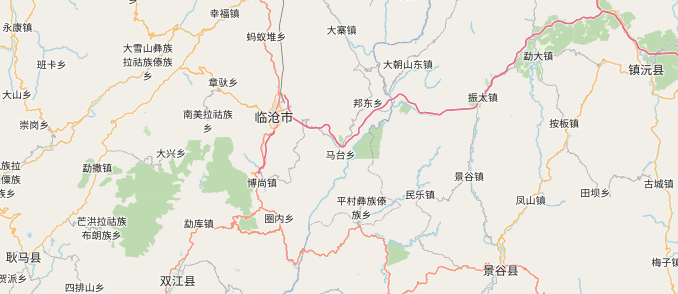
Lincang has a subtropical low-latitude plateau mountainous monsoon climate; its complex terrain makes it a region of multiple climate types.
Lincang is influenced mainly by warm, moist air from the Indian Ocean and the southwest monsoons. The four seasons blend into one another, but dry and rainy seasons are clearly separated. Rainfall is plentiful, sunshine is long—annual average exceeds 2000 hours—frost periods are short, and some regions see no frost at all. The vertical climate is pronounced, with mountain areas averaging 13-15°C a year.
Pu'er
Pu'er, the hometown of tea, has grown coffee for 150 years. In the early 1990s the city began developing coffee as a pillar industry, restructuring the local economy and raising farmers' incomes.
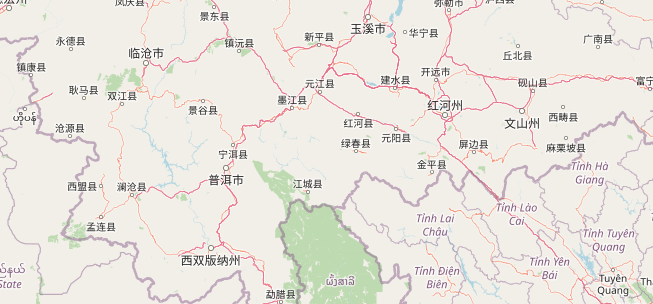
Under the subtropical monsoon climate, most of the area is frost-free year-round, with no severe winters or extreme summer heat. Pu'er's average annual temperature is 15-20.3°C, the frost-free period exceeds 315 days, and annual rainfall runs 1100-2780mm.
Yunnan's Coffee Varieties
Variety shapes Yunnan's flavor too. FrontStreet's baristas like to say that variety is the primary foundation of a coffee's flavor profile—Geisha being the perfect example. Grown in Panama, Geisha delivers refined tea and floral aromas; after winning the Best of Panama green coffee competition in 2004 it became a global sensation. Growing regions everywhere began experimenting with it, and you can even find Geisha in Yunnan, with small batches released to the domestic market in 2020.

Still, FrontStreet believes Yunnan's signature flavor comes from the variety it has cultivated most extensively over the years—Catimor. FrontStreet has therefore chosen a Yunnan Catimor as the entry-level daily bean for the region, with flavors of nuts and brown sugar, high body, and overall balance.
Though classified under Arabica, Catimor is not entirely of Arabica lineage: it is a hybrid of the Timor variety and Caturra. Caturra is a natural Bourbon variant, while Timor carries Robusta genes. That Robusta heritage gives Catimor higher disease and pest resistance and better yields—but also a less refined flavor.
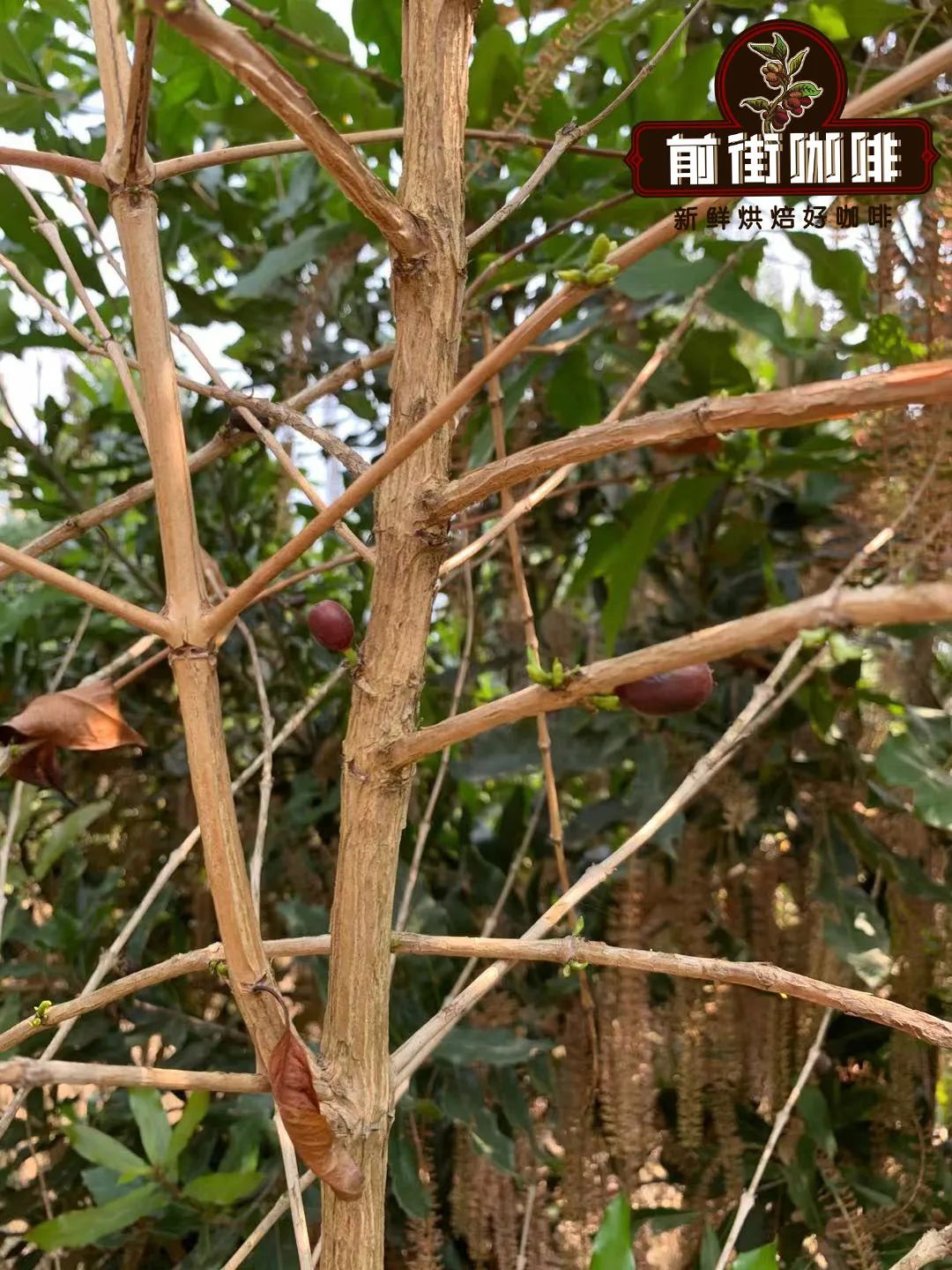
Besides Catimor, Yunnan also grows Typica and Bourbon. FrontStreet lists a Typica as another representative Yunnan coffee. Compared with Catimor, Yunnan Typica leans on the same nut and brown sugar notes, but the variety lends the coffee slightly more refined acidity, lower body, and better balance.
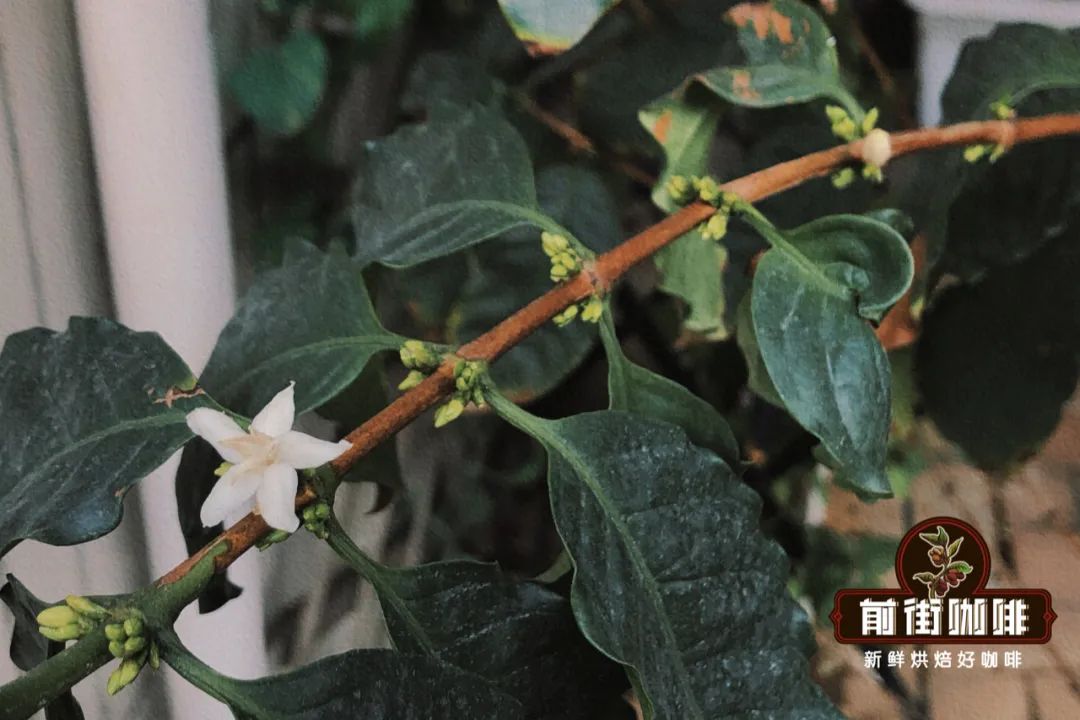
Right outside FrontStreet's shop, one pot of Typica and one pot of Catimor are planted side by side. The Typica has tall trees, long internodes, low yield, and brown new leaves; the Catimor has abundant foliage, short internodes, dense branches, high yield, and a shorter growth cycle than Typica.
Yunnan Coffee Processing Methods
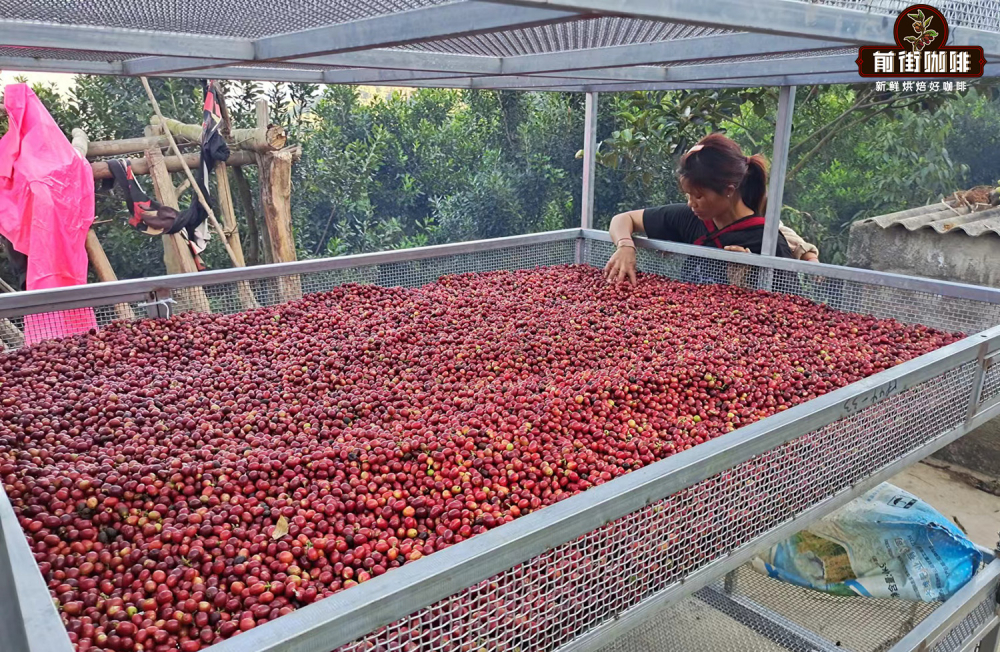
Finally, flavor depends on processing. Yunnan coffee is mainly washed and natural. Washed coffee is clean, stable, and brighter in acidity; natural-processed coffee shows high sweetness, rich layers, and full body.

What is washed processing? After harvest, cherries are machine-processed to remove skin and pulp. The depulped beans go into fermentation tanks, where microbes break down the mucilage layer; the fermented beans are then repeatedly rinsed in clean water to wash away the decomposed mucilage and finally sun-dried. Once dry, they can be stored and shipped wherever they are bound.
FrontStreet holds that washed processing best expresses a region's fundamental flavor character, so it selected a washed Catimor from Baoshan as the daily bean for Yunnan.

FrontStreet's other Yunnan coffee is the 2013 Natural Process Typica from Lincang, grown on FrontStreet's own plantation there. Natural-processed, it displays plum, blackberry, brown sugar, and nuts.
So, is Yunnan Coffee Good to Drink?
Now we understand Yunnan's origins, varieties, and processing methods—the factors that combine into Yunnan coffee's nutty, brown sugar, aromatic profile. So is it good? For those who enjoy balance and nutty flavors, absolutely!
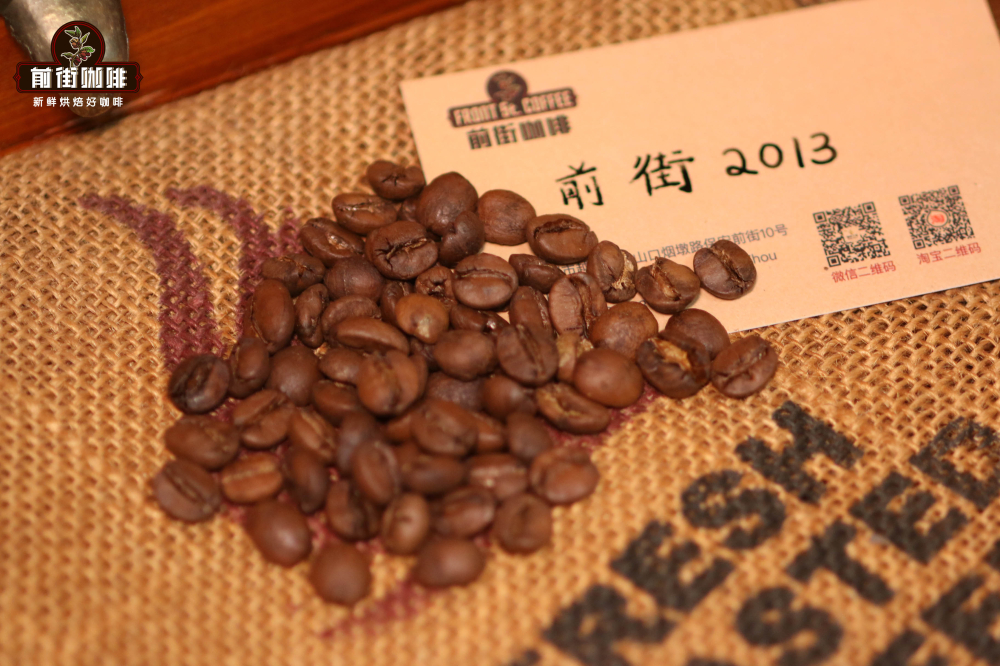
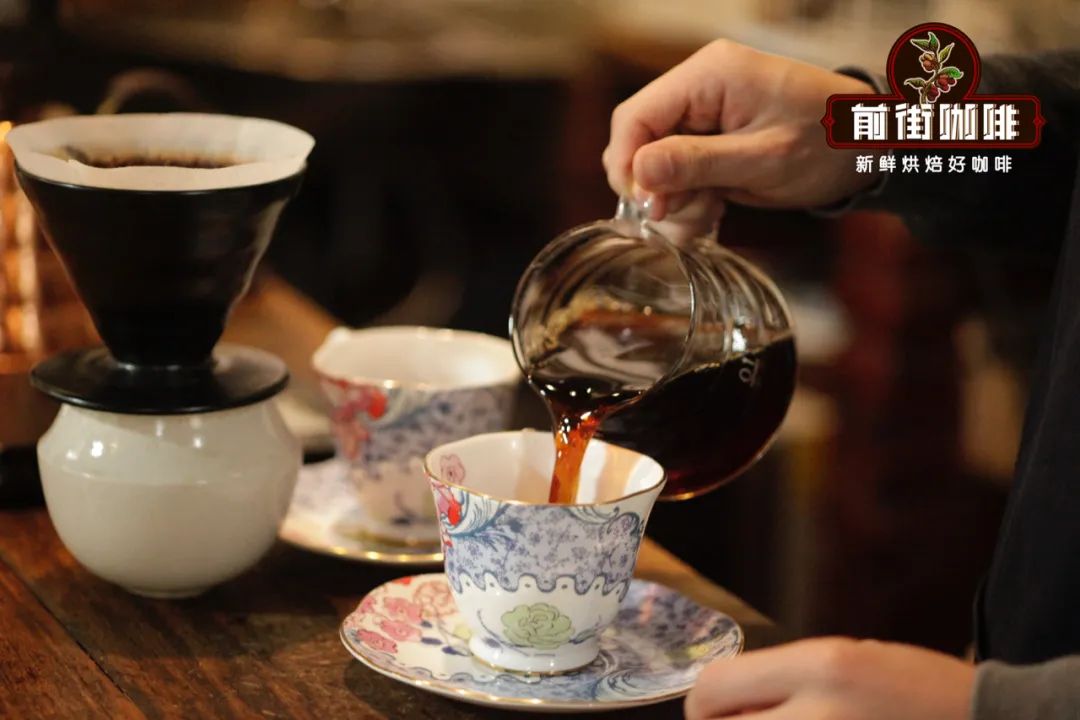
Coffee is a subjective pleasure. Tastes differ, so naturally the coffees people love differ too. FrontStreet's shop menu carries more than fifty different coffees, and different origins combined with different varieties and processes create distinctly different flavors.
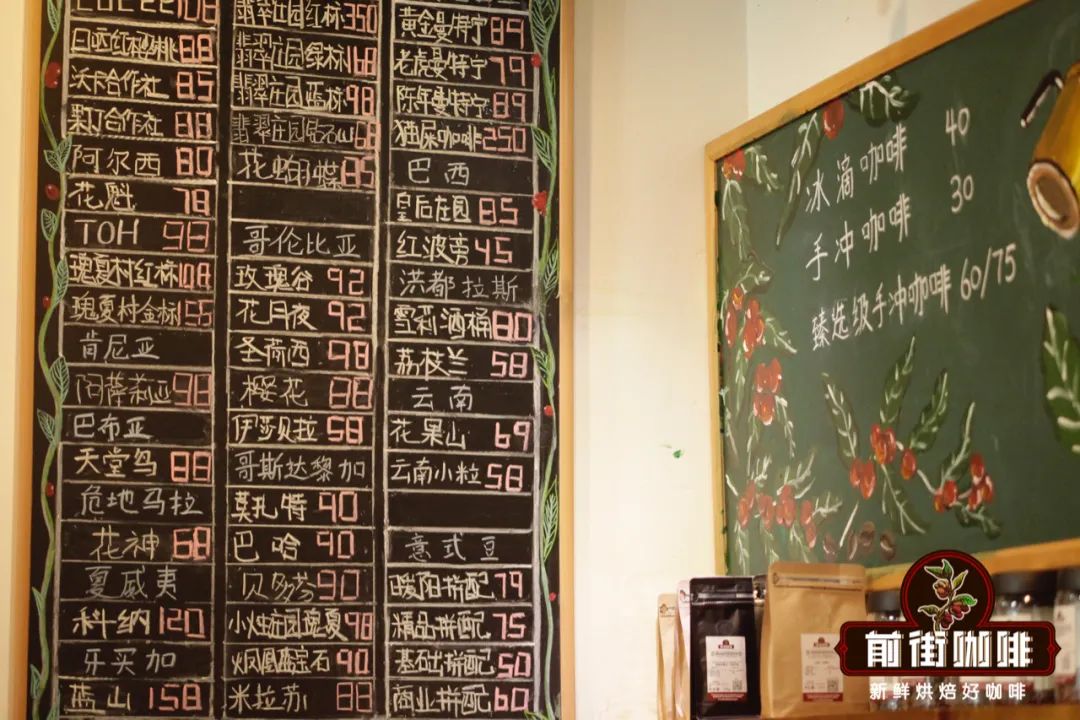
For more specialty coffee beans, FrontStreet Coffee is always glad to share.
FrontStreet Coffee Recommendation
If Yunnan's gentle nut-and-brown-sugar profile has whetted your appetite for something fruitier, FrontStreet's Yirgacheffe lineup makes a fine next stop. FrontStreet Washed Yirgacheffe Daily is the classic starting point for exploring Ethiopia: white jasmine florals, bright citrus and lemon acidity, and a tea-like finish, at a wallet-friendly price that has made it many drinkers' first specialty bean. Yirgacheffe itself is a small town in Ethiopia's southern Sidamo region at roughly 1,700-2,100m with coffee grown above 1,800m—one of the highest coffee regions on earth and historically a wetland; its signature white florals and lemon-citrus acidity became so famous that in 2010 the Ethiopian Commodity Exchange formally separated it from Sidamo.
FrontStreet Guodingding Cooperative, from Worka at Yirgacheffe's southeastern tip, was once part of the Worka cooperative under the Yirgacheffe Union (YCFCU) before being unearthed by coffee hunters worldwide as a "single-origin" zone as traceability came into demand. Using the most traditional washed process, it shows none of the conventional bitterness—just fresh, bright citrus and lemon acidity plus jasmine fragrance that wins people over at first sip.
FrontStreet Natural Red Cherry, from the same region, is fully-red-cherry natural processed: only ripe, defect-free cherries are picked and screened at the station, then laid on raised beds, turned every 2-3 hours in the first days to prevent uneven heating and over-fermentation. After three to five weeks of sun-drying—weather and temperature permitting—workers machine-scrape off the outer pulp and send the beans to the warehouse. Because the fruit dries with the pulp on, the cup keeps classic Yirgacheffe character while adding tropical fruit: citrus-like acidity, a berry-juice feel, honeyed sweetness, and creamy smoothness.
Brewing suggestion: V60 dripper, 90-91°C water, 15g dose, 1:15 ratio, EK43s setting 10 (fine-granulated-sugar, 80% pass on a No. 20 sieve). Pour 30g to bloom for 30 seconds, then pour to 95g (about 125g on the scale) finishing near 1 minute; when the water falls to two-thirds of the bed, pour the last 100g (about 225g on the scale), finishing around 1:35, with drawdown complete at 2:00-2:10.
Important Notice :
FrontStreet Coffee is a long-established specialty coffee roaster in Guangzhou China, selling freshly roasted beans from its own farm in Yunnan as well as dozens of carefully selected single-origin beans from around the world for both pour-over and espresso. The products deliver consistently excellent quality and great value, with shipping within 24 hours. Guangzhou's FrontStreet Coffee shop is recommended by many coffee lovers, and the beans are now available online at the Tmall 。
FrontStreet Coffee has moved to a new address:
FrontStreet Coffee Address: 315,Donghua East Road,GuangZhou
Tel:020 38364473
 Scan and follow the En Gafei WeChat official account. Please indicate that the reprint comes from "En Gafei".