Coffee Bean Grade Classification Understanding the Quality Levels of Arabica and Canephora Coffee Beans
What is Arabica Coffee
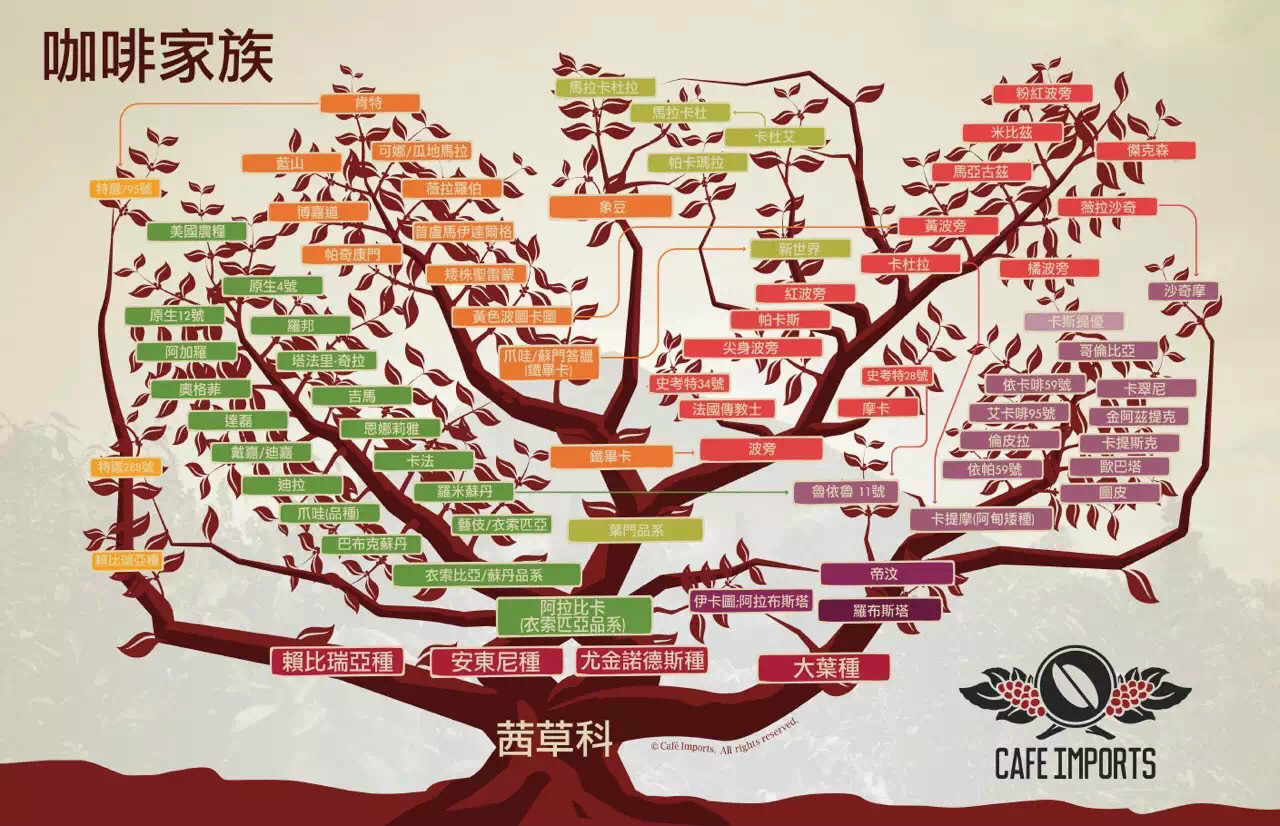
In plant taxonomy there are at least a hundred coffee species, with about eighty confirmed coffee tree varieties. Among them, three are cultivated for drinking: Arabica, Robusta and Liberica.
Arabica is generally used for single-origin or specialty coffee, while Robusta goes into instant coffee. Although Arabica can be framed as premium and Robusta as secondary, that ranking is not really necessary; it is better to choose by personal taste. In flavor terms, the United States and Japan tend toward the lighter coffee brewed from Arabica, while Europe prefers espresso made from a blend of Arabica and Robusta.
Arabica
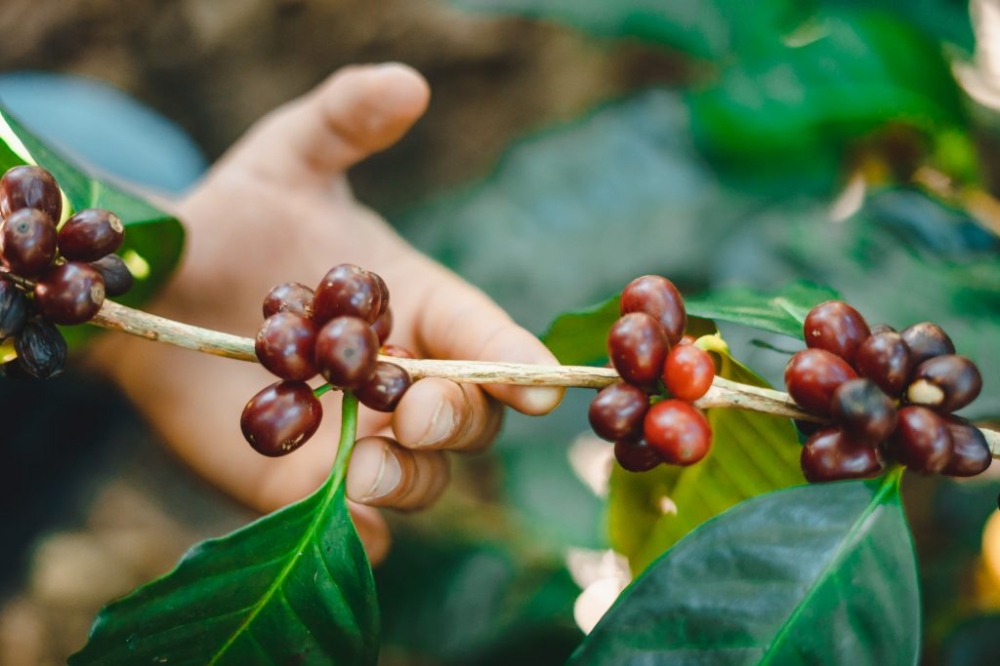
Arabica is a representative variety that originated in Ethiopia and is also grown in southern Africa, other African countries and across Asia, accounting for 70%-75% of global coffee production. Arabica has weaker resistance to pests and disease, which makes high-altitude regions better suited to it. Beans grown above 1,500 meters are the best quality but demand higher investment.
Arabica beans have balanced flavor, mouthfeel and aroma, and are used mainly for single-origin or specialty coffee. The three famous coffees, Hawaiian Kona, Jamaican Blue Mountain and Yemen Mocha, all belong to the Arabica species.
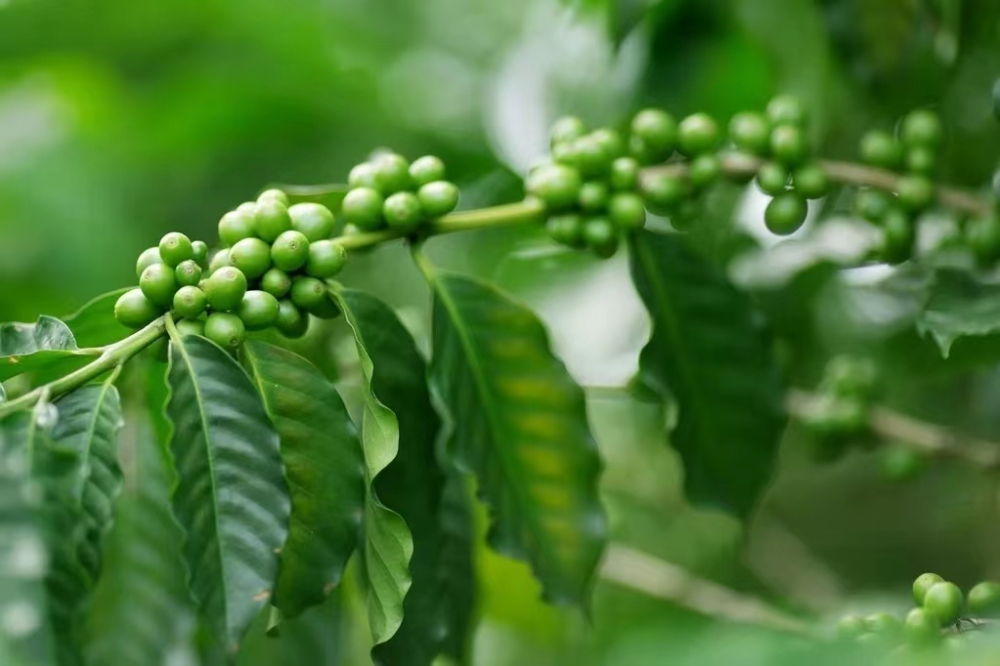
Arabica coffee has a pure, elegant flavor. The Typica subvariety in particular has excellent acidity and, as one of the oldest coffee varieties, outstanding genetic qualities.
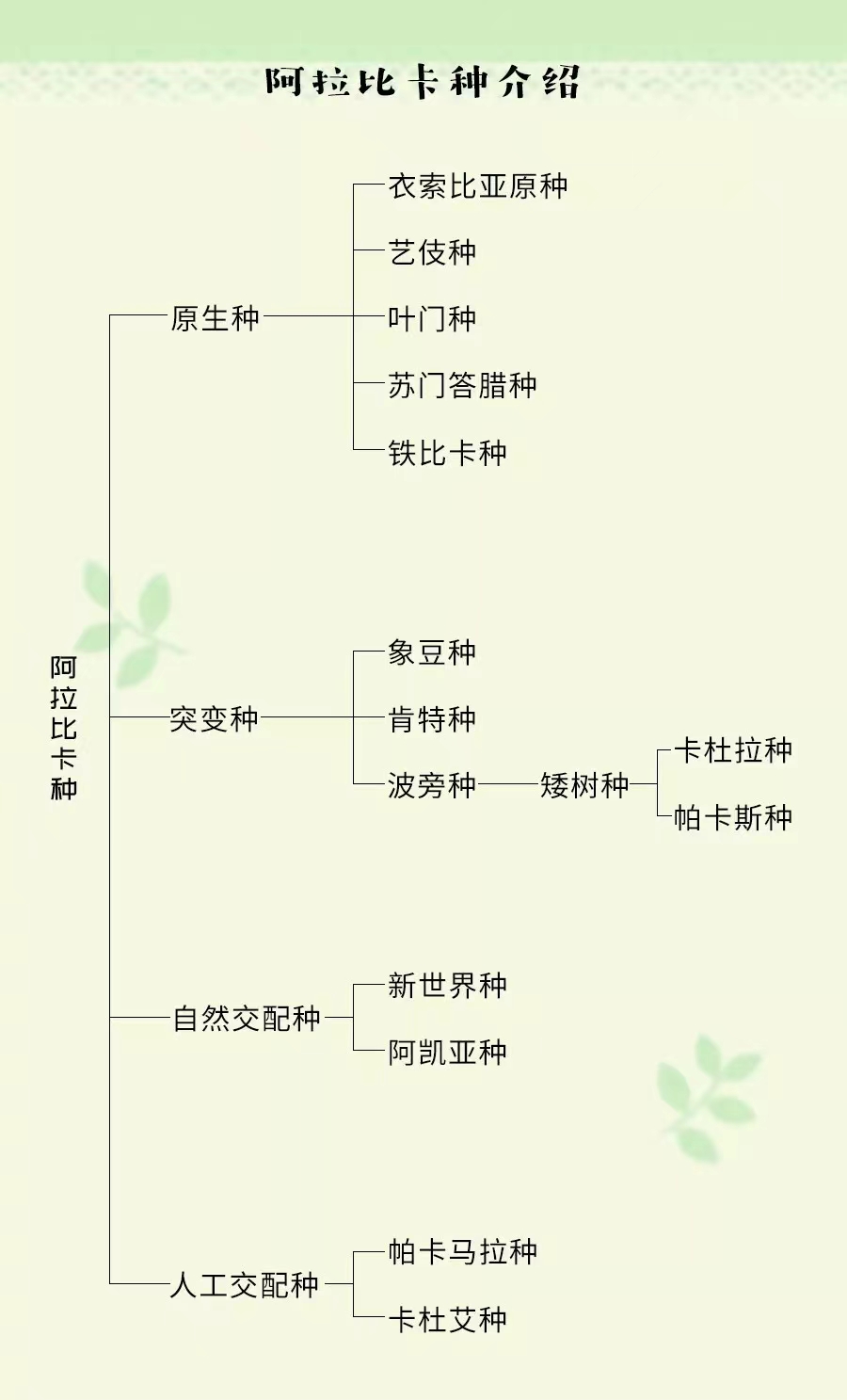
Arabica makes up seventy percent of total coffee production but resists pests and disease poorly, which led to the development of many disease-resistant varieties. Arabica also has many natural mutations and hybrid subvarieties, such as Typica, Bourbon and Gesha. FrontStreet Coffee stores carry no shortage of these Arabica subvarieties; for single-origin and specialty coffee, more than 50 different beans from a range of regions are available to suit different tastes, and there are still more beans in the store beyond the shelves that can be sampled.
Famous Arabica Coffee Origins
The rise of specialty coffee has drawn attention not only to coffee's distinctive character but also to cultivation and processing at origin. Below, FrontStreet Coffee introduces some representative specialty Arabica origins.
Brazil
Brazil is the world's largest coffee producer and grower of Arabica, with total production accounting for about one-third of global output, giving it a major position in the world coffee trade. To a large extent, Brazil's production and market trends directly affect international coffee prices; a drought disaster in Brazil, for example, can send global prices higher.

Brazil began producing coffee in 1727. Its climate suits coffee trees and its fertile soil is vast, with the main growing regions in the southeastern states of Minas Gerais, Sao Paulo and Parana. In recent years the southern regions have suffered frost damage, and cultivation has gradually migrated north. Large estates in the Cerrado region of Minas Gerais are now actively introducing irrigation and mechanized equipment and planting a more diversified mix of coffee trees.
Brazil widely plants the ancient Arabica variety Bourbon, mainly Red Bourbon with small amounts of Yellow Bourbon and the hybrid Pink Bourbon. Many disease-resistant varieties have also been bred, such as Mundo Novo and Catuai, which are widely cultivated too.
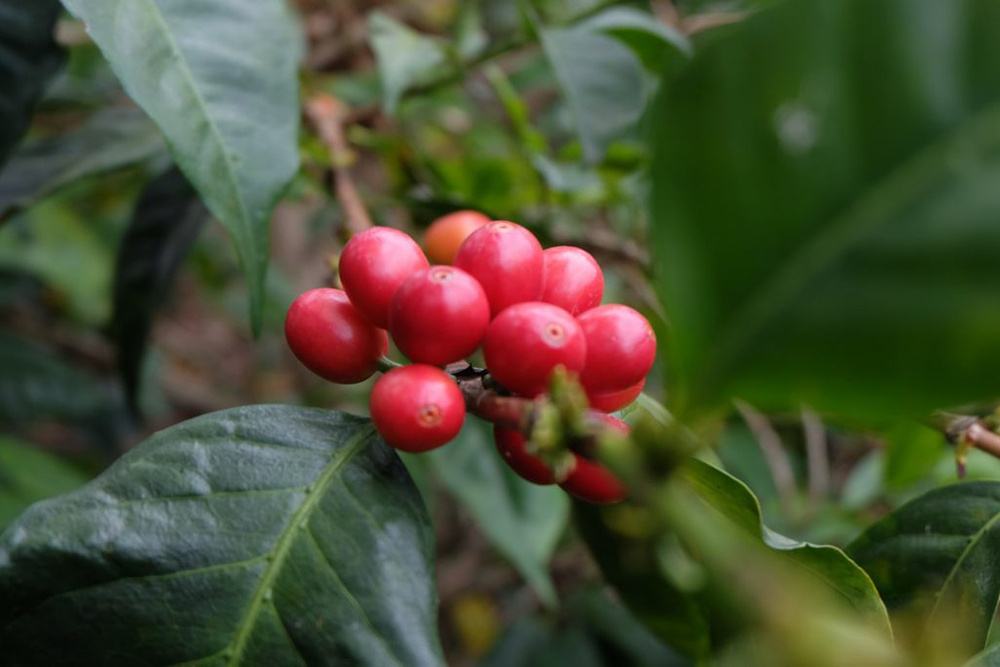
Bourbon is a natural mutation of Typica. It spread from southwestern Ethiopia to Yemen, and its bean shape changed from slender and pointed to round. In 1715, France transplanted the round beans of Yemen Mocha to Bourbon Island off the east coast of Africa, renamed Reunion Island after the French Revolution, hence the name Bourbon. Bourbon round beans were brought to Brazil in 1727. Because the trees bear fruit more densely, production runs 20-30% higher than Typica.
Most Brazilian coffee has lower acidity, combined with a rich aroma, making it extremely smooth on the palate with a refreshing aftertaste. FrontStreet Coffee has selected a semi-washed Red Bourbon as Brazil's representative, with distinct nutty and chocolate flavors, moderate caramel sweetness and a smooth, balanced mouthfeel, and has added it to the daily bean series. FrontStreet Coffee's daily beans represent each major producing region and present the region's basic flavors, so beginners can taste these regional profiles at the most affordable price and then branch out to other regions according to preference.
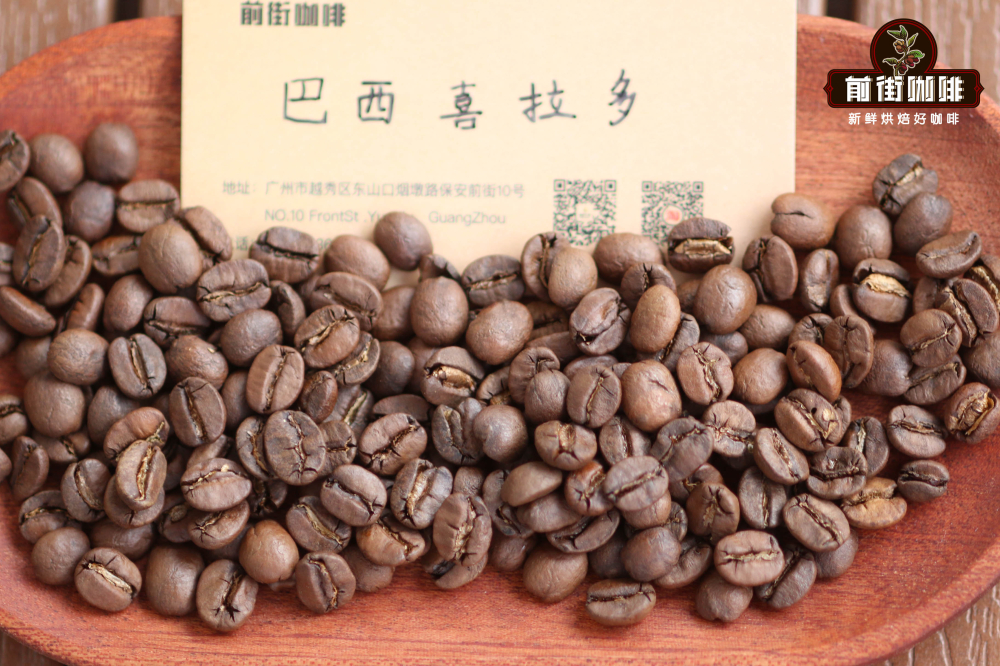
FrontStreet Coffee: Brazil Cerrado Coffee Beans
Region: Cerrado region, Minas Gerais, Brazil
Altitude: 1000 meters
Variety: Red Bourbon
Processing: Semi-washed
Flavor: Nuts, Chocolate, Cream, Peanuts, Caramel
Colombia
Colombia has the Andes, with an average altitude of 3660 meters, and its coffee is mostly grown on mountain slopes around 1300 meters. The varied terroir and climate allow coffee fruit to be harvested year-round. Colombia is currently the world's third-largest Arabica producer, behind only Brazil and Vietnam.
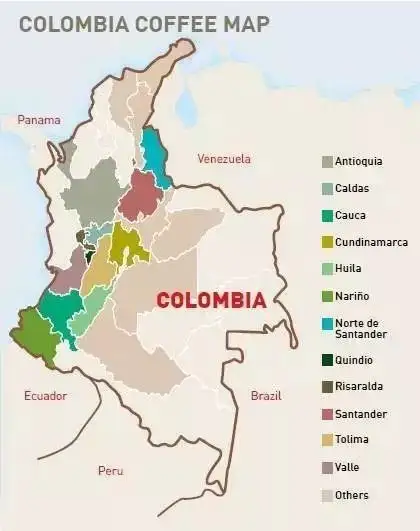
Colombia's largest official coffee producers' organization, FNC, works to improve local cultivation quality and protect growers' rights on every front. From production to distribution and sales, everything is managed, and specialty coffee is actively promoted. Growers plant shade trees and hand-pick the fruit. To use less water, the organization brings in the latest equipment suited to small estates and adopts production methods different from neighboring Brazil to turn out distinctive, high-quality beans.
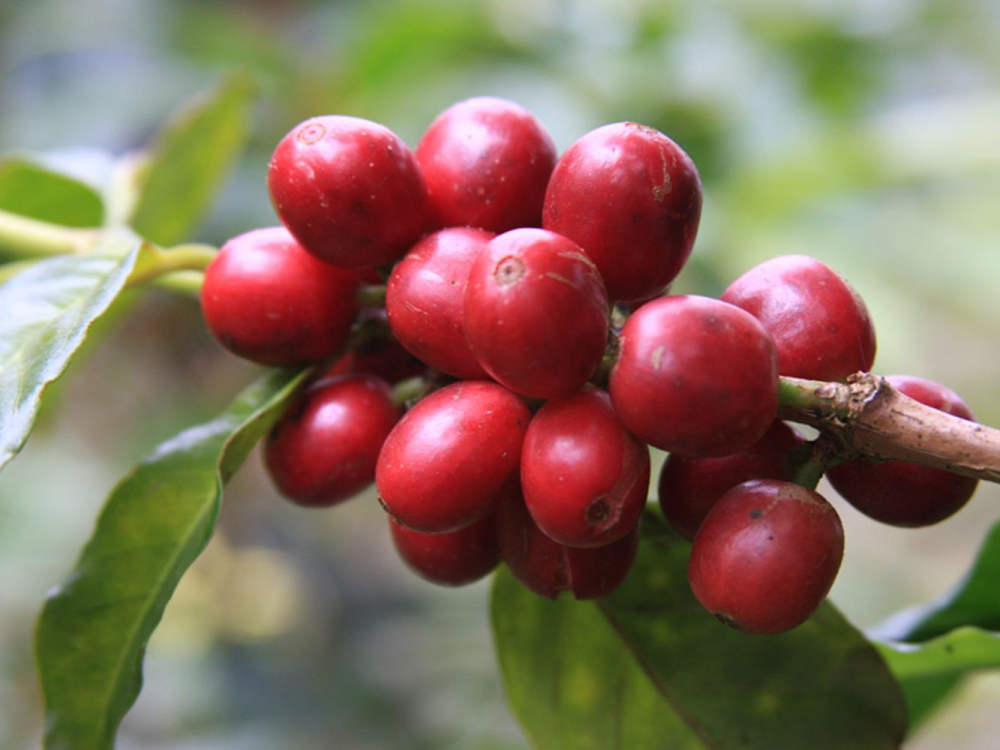
Caturra is the most widely planted variety in Colombia, a natural variant of Bourbon with similar flavors. Caturra trees need no shade, have many branches and high yields, and are compact and easy to pick. Colombia introduced Caturra in 1952 and began widespread planting in the 1960s. It grows well from low altitudes of 700 meters up to 1700 meters and adapts easily, but higher altitudes give better flavor at the cost of somewhat lower production. Caturra's taste is full of fruity and berry notes, and a medium roast can bring out more nutty and cocoa aromas.
FrontStreet Coffee believes washed Caturra from Huila best represents Colombian specialty bean flavor: nutty and dark chocolate aromas, caramel sweetness, soft fruit acidity, a clean taste and a moderate body.
FrontStreet Coffee: Colombia Huila Coffee Beans
Region: Huila
Altitude: 1500-1800 meters
Processing: Washed
Variety: Caturra
Flavor: Nuts, Dark Chocolate, Caramel, Soft Fruit Acidity
Ethiopia
Ethiopia is one of the most popular Arabica-producing countries. As the birthplace of coffee it holds an enormous number of varieties and can be called a treasure trove. Variety identification is time-consuming and laborious, though, and most coffee is grown by smallholders; after harvest the mixed processing makes it hard to subdivide varieties, so Ethiopian export beans are generally grouped together as "Heirloom."
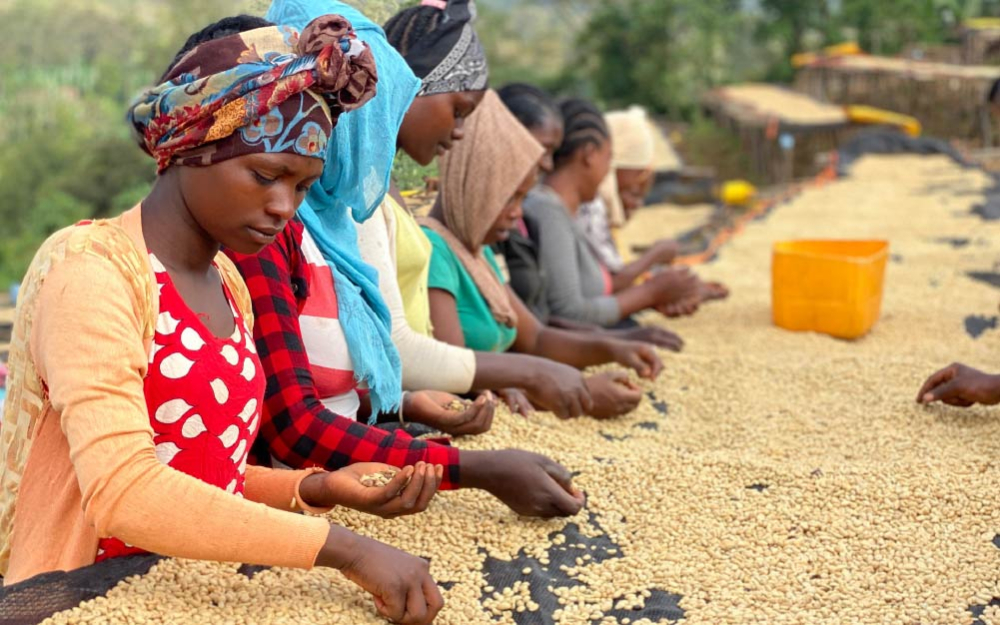
Speaking of the floral and fruity aromas of African coffee, FrontStreet Coffee's menu carries nearly ten different flavor types as daily store options. The Ding Ding Cooperative with its bright, fresh lemon acidity, the sun-dried Red Cherry with its fermented sweet-and-sour character, and the flower queen coffee with its rich tropical fruit are all popular with customers. Among so many styles of Ethiopian coffee, FrontStreet Coffee believes the most representative is undoubtedly washed Yirgacheffe.
Coffee in Yirgacheffe town is grown as high as 2100 meters. The altitude creates a wide day-night temperature swing, letting the fruit grow and ripen slowly, absorb more nutrients and develop a richer aroma.
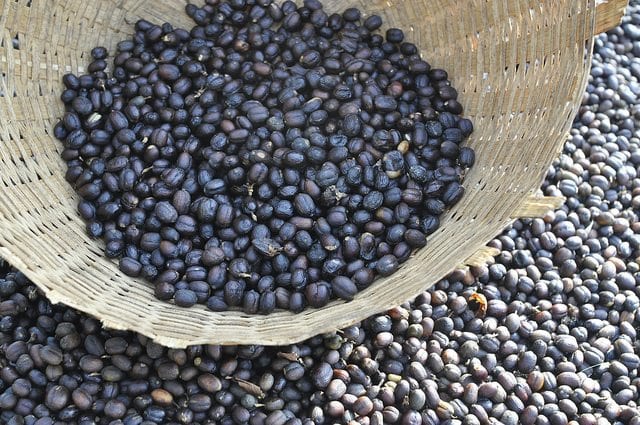
Traditionally Ethiopia used sun-dried processing, but the common sun-dried methods were crude and prone to defective flavors. In the last century, the Yirgacheffe region therefore introduced washed processing from the Americas. The many steps of washing remove defective beans and present cleaner, fuller flavors. The so-called Yirgacheffe flavor features bright citrus and lemon acidity, a rich jasmine aroma and honey-like sweetness, with an aftertaste that lingers.
One of FrontStreet Coffee's daily beans is a classic washed Yirgacheffe. Unlike the stereotype of deep-roasted coffee dominated by bitterness, lightly roasted Yirgacheffe tastes fresh and bright, with unique aromas that feel like drinking a cup of floral, fruity tea.
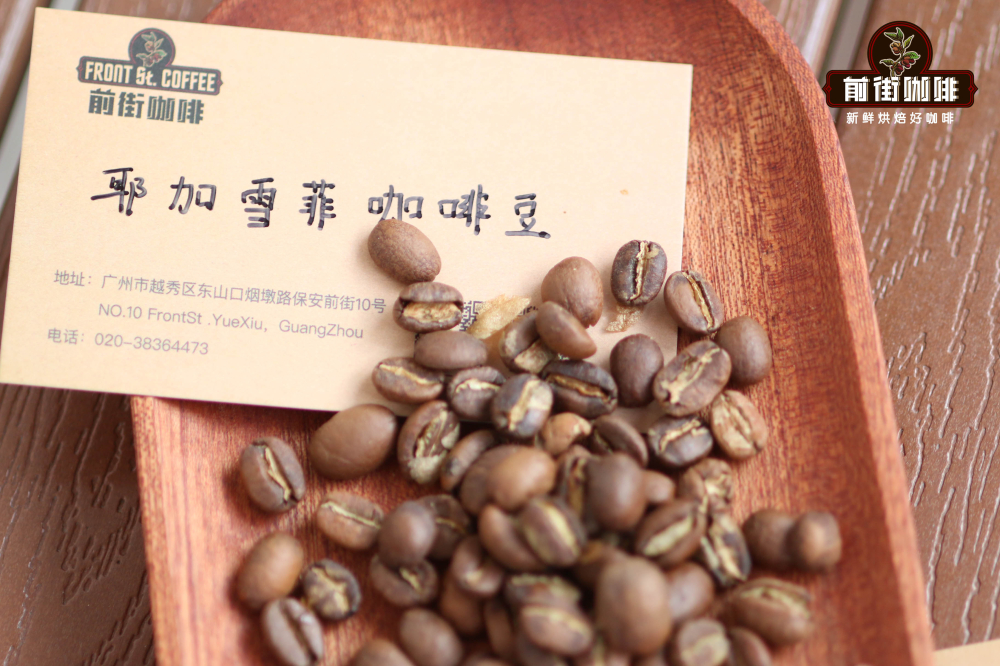
FrontStreet Coffee: Washed Yirgacheffe Coffee Beans
Region: Yirgacheffe region, Ethiopia
Altitude: 1800-2000m
Processing: Washed
Variety: Heirloom
Flavor: Jasmine, Citrus, Lemon, Berries
Kenya
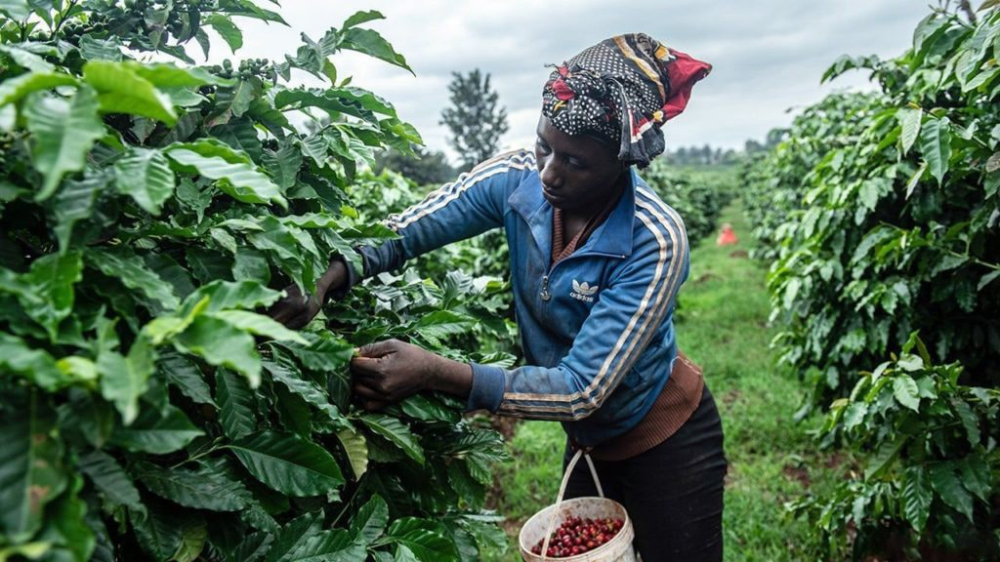
Kenya is another of Africa's most representative coffee-producing countries, with highly recognizable berry notes reminiscent of grapefruit, blackberries and plums. Its extremely high acidity makes Kenyan coffee one of the most popular iced coffees at FrontStreet Coffee stores in summer, its saturating juice sensation especially refreshing. Kenya's flavor profile comes largely from its SL28 and SL34 varieties and its mature washed processing.
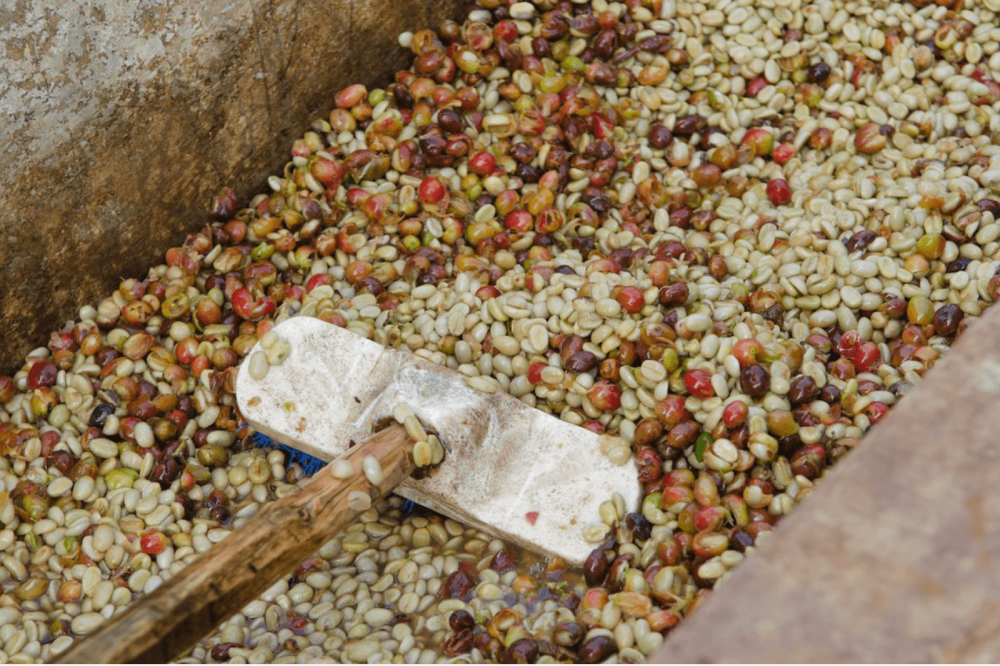
SL stands for Kenya's Scott Laboratories. In the 1930s Kenya suffered a massive outbreak of coffee berry disease, so Scott Laboratories was commissioned by the government to breed new disease-resistant varieties. Among the results, varieties No. 28 and No. 34 showed stronger disease resistance and outstanding flavor.
SL28 has Bourbon, Yemen Typica and Mocha lineage, is easy to grow without special care, and has large beans and high yields. It was first cultivated in Kenya, then spread to Uganda, and is now widely noticed even in Central America. The variety suits medium to high altitudes and tolerates drought, but remains susceptible to the major coffee diseases. Only SL28 grown in Kenya shows the original Bourbon's bright notes, Mocha's rich acidity and other more complex flavors and textures.
SL34 has Bourbon and more Typica lineage, with elongated oval beans that look flatter from the side. In flavor it has complex, varied acidity and a high-quality sweet aftertaste.
When customers come to FrontStreet Coffee stores saying they prefer clear acidity, the baristas recommend this bean, with its cherry tomato, plum and plum notes.
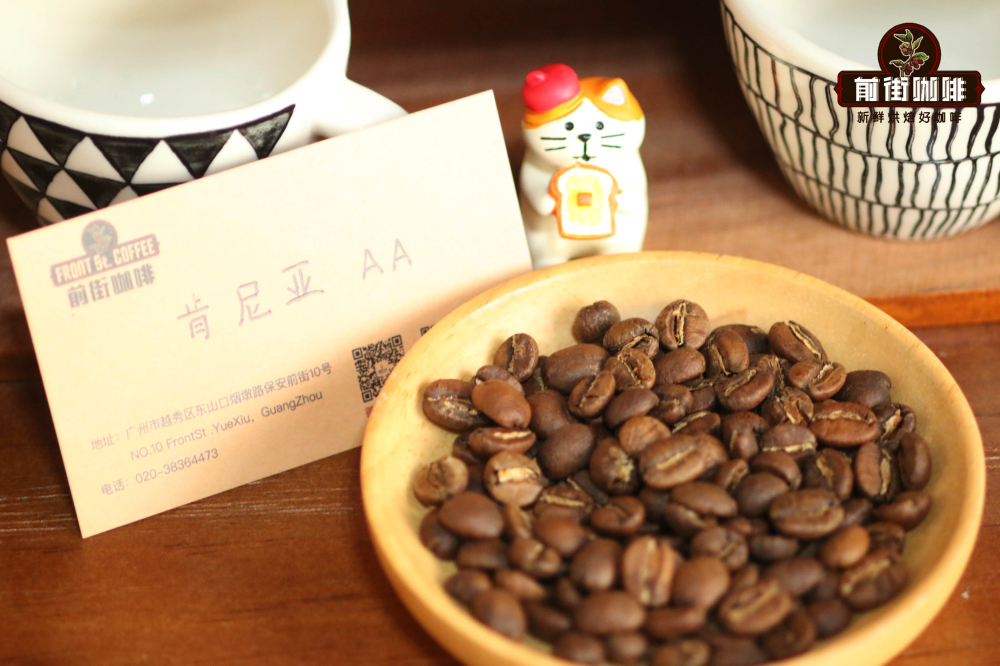
FrontStreet Coffee: Kenya Asalia Coffee Beans
Region: Thika region, Kenya, Asali Processing Station
Altitude: 1550-1750m
Processing: Washed
Variety: SL28 & SL34
Flavor: Snow Pear, Plum, Brown Sugar, Plum, Cherry Tomato
Panama
Panama may be the most popular specialty coffee-producing country today, with numerous estates; Hacienda La Esmeralda, Finca Deborah and Elida Estate are all famous estates that have won multiple competition championships. Panama's most noteworthy variety is the uniquely flavored Gesha, alongside quality varieties such as Caturra and Catuai.
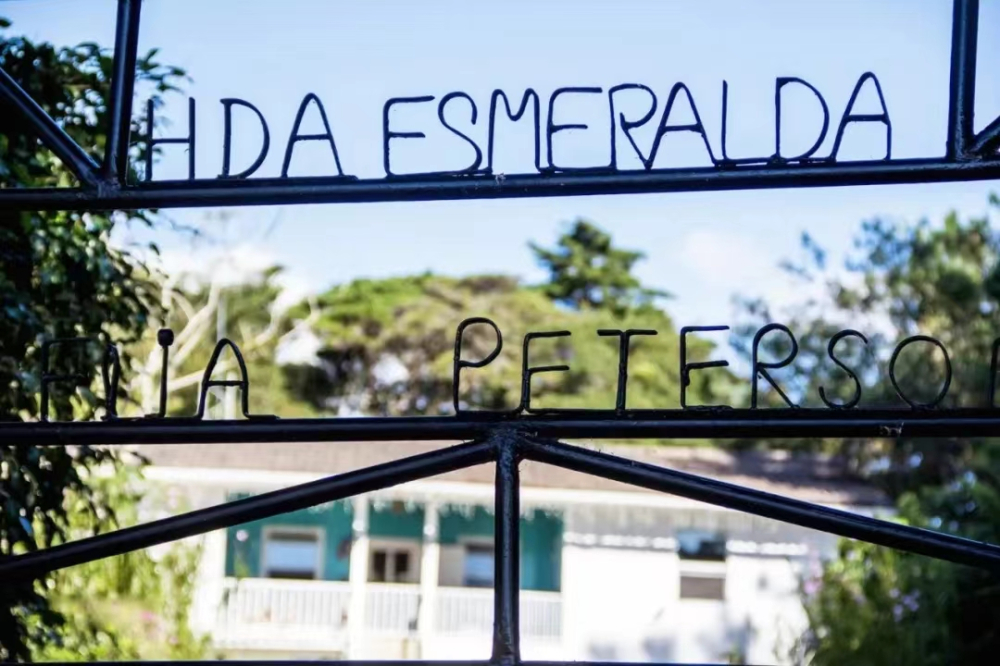
The Gesha variety was discovered in the Gesha forest of Ethiopia in 1931 and sent to Kenya's Coffee Research Institute next door. In 1936 it reached Uganda and Tanzania, and in 1953 Costa Rica. It was not until 1970 that Panama, aiming to improve coffee genetic diversity and disease resistance, saw Mr. Don Pachi receive Gesha seeds from Costa Rica's coffee research institution CATIE and bring them back to Panamanian estates to begin cultivation.
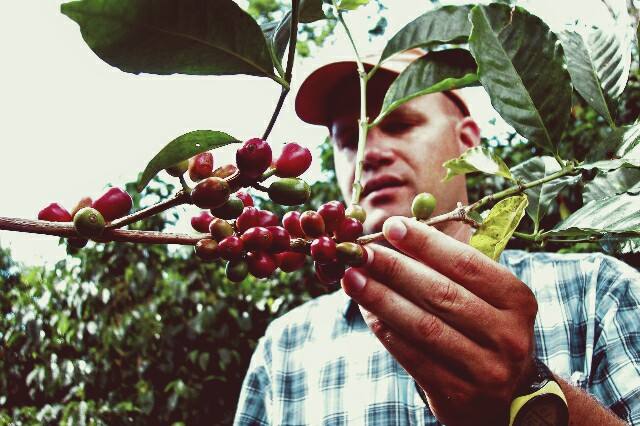
Gesha is demanding about its environment, needing high altitude, cloud or plant shade, no direct strong sunlight, and fertile soil. The higher the altitude where Gesha is planted, the longer the fruit takes to mature and the more complex and unique its flavor.
At first, because it resists disease poorly and yields very little, Gesha was not valued by Panamanian growers. It was only in 1998 that the third-generation owner of Hacienda La Esmeralda, Daniel Peterson, recognized the special qualities of the Gesha trees and moved them to higher ground. In 2004 the Peterson family decided to enter mass-produced Gesha in the local green bean competition, Best of Panama (BOP), where it defeated multiple quality varieties and took that year's championship. Since then many estates in Panama have begun producing Gesha with their own character, and the variety has become the ever-victorious champion of the coffee world.
Among the many estates growing high-quality Gesha, FrontStreet Coffee believes Gesha's talent scout, Hacienda La Esmeralda, deserves much of the credit. Their Esmeralda Special (Red Label Gesha) has fragrant florals, rich fruit, a delicate mouthfeel and a lasting aftertaste.
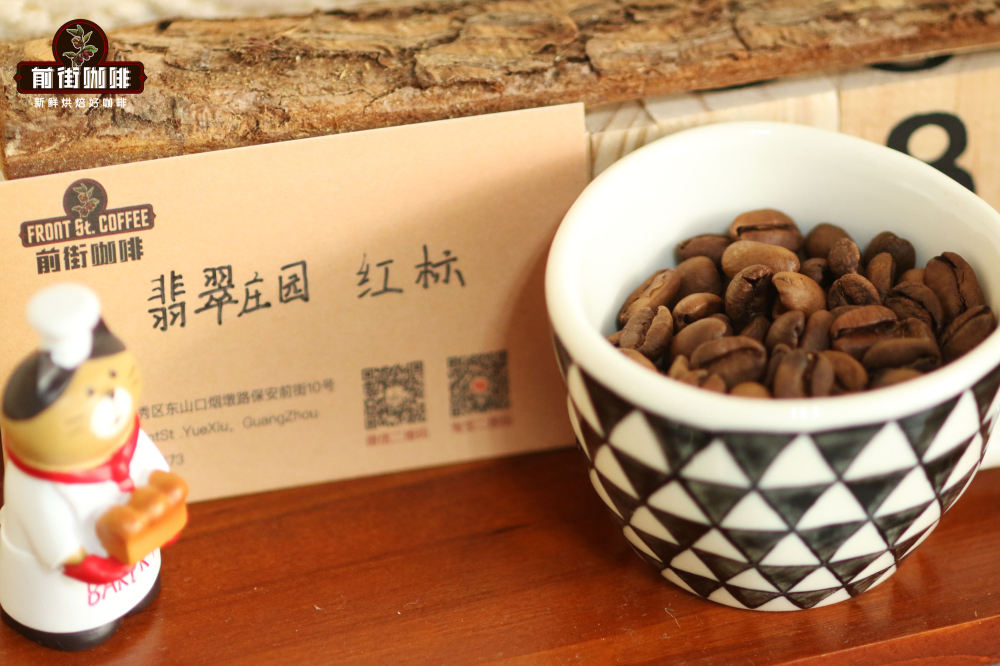
FrontStreet Coffee: Red Label Gesha Coffee Beans
Region: Boquete region
Estate: Hacienda La Esmeralda, Canas Verdes
Altitude: 1700+ meters
Variety: Gesha
Processing: Natural Processing
Flavor: Lemon, Honey, Berries, Orange Peel, Mango, Cream, Citrus
Guatemala
Guatemala is a very typical volcanic country in Latin America. Its famous Antigua region is ringed by three volcanoes, and volcanic ash soil supplies plenty of nutrients for the trees. Along with Antigua, Guatemala has several coffee-producing regions, each with different growing conditions that create different regional flavors.
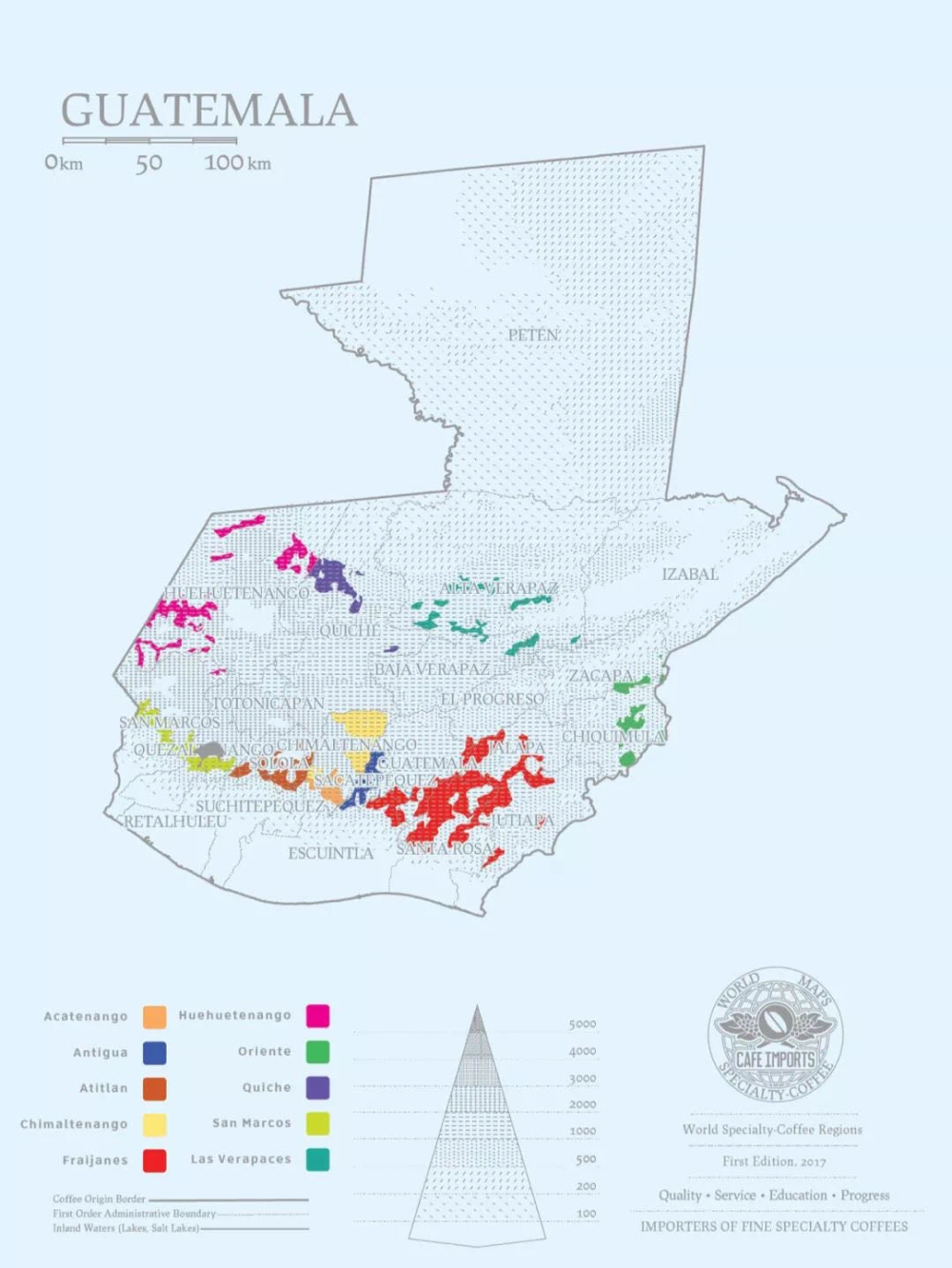
The Huehuetenango highlands lie in Guatemala's western, non-volcanic region, the driest and highest part of the country. Sitting at the edge of active tectonic plate junctions, the high-mountain basin's constantly shifting terroir creates rich, varied coffee flavors. Like Antigua it has rich volcanic soil, with altitudes reaching 2000m; dry hot winds from Mexico's northwest let the trees grow on slightly high plateaus at 2000 meters.
Guatemala's varieties are mainly Bourbon, Typica, Catuai and Caturra, with small amounts of Yellow Bourbon, Gesha and Pacamara plus the newly bred Maracaturra, making for considerable diversity.
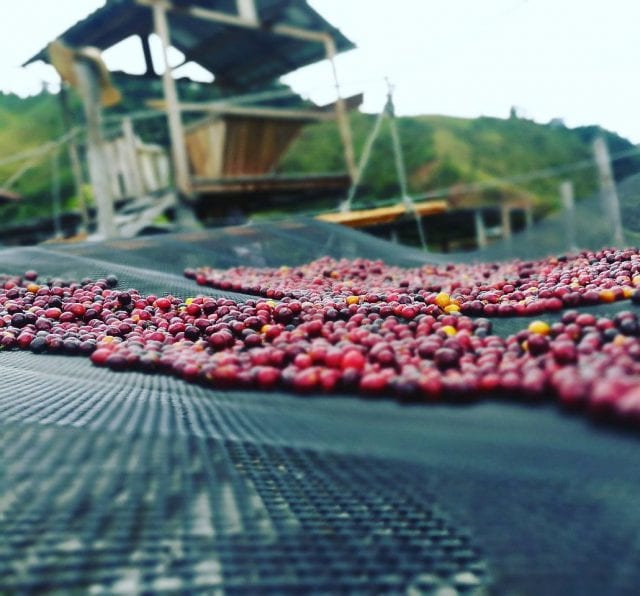
FrontStreet Coffee has selected washed Huehuetenango beans as Guatemala's flavor representative. The batch FrontStreet Coffee chose includes Bourbon, Caturra and Catuai. Catuai is a hybrid of Caturra and Mundo Novo, adapting to the harsh climate of high altitudes with high yields; it was first produced in Brazil and is now widely grown in Central America, with bright acidity but thinner layers and a lower body than Mundo Novo. Huehuetenango has rich berry and citrus acidity, lemon peel and nut aromas, and a tea-like aftertaste.
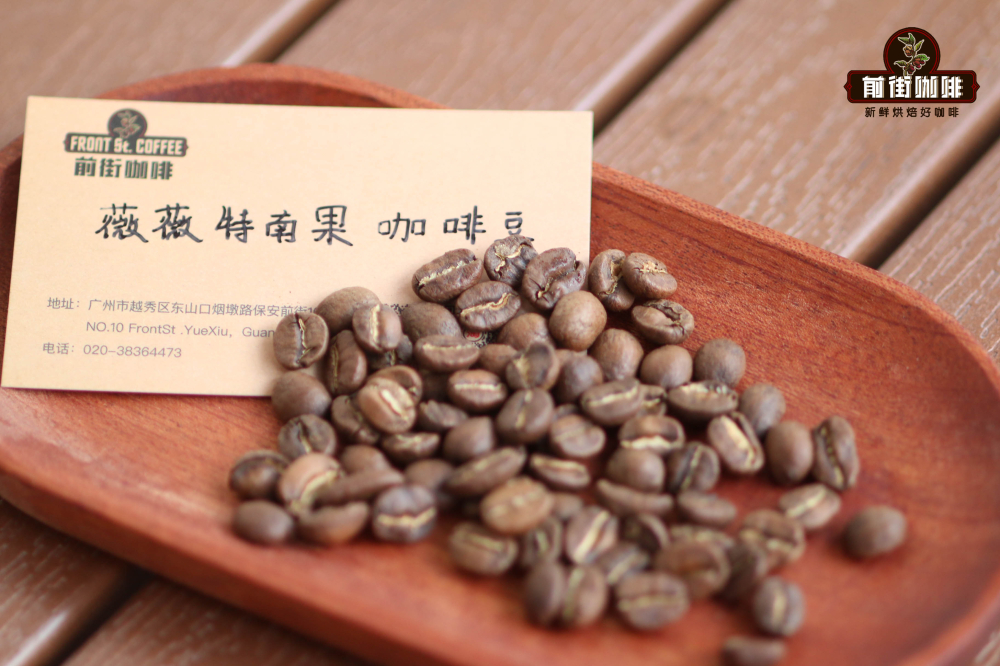
FrontStreet Coffee: Guatemala Huehuetenango Coffee Beans
Region: Huehuetenango, Guatemala
Altitude: 1500-2000m
Variety: Bourbon, Typica, Catuai
Processing: Washed
Flavor: Citrus, Lemon Peel, Berries, Nuts
Costa Rica
Costa Rica has grown coffee for more than two hundred years and has a very mature industry. It is also one of the few countries that bans the cultivation of Robusta varieties, even Catimor, making it a country that prizes coffee quality highly.
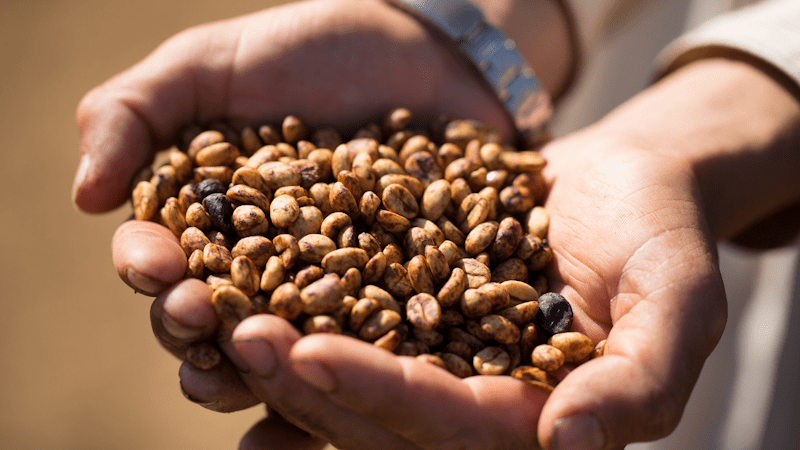
Costa Rica's main varieties are Caturra and Catuai. The Bourbon variant Caturra yields better and resists disease better than Bourbon, has a shorter tree convenient for harvesting, and grows well without shade. Its bean shape is similar to Bourbon's, with bright flavors and a comfortable sweetness overall. Catuai is a hybrid of Caturra and Mundo Novo and inherits Caturra's low tree habit; its fruit is firmer than Caturra's and does not fall easily in strong wind. In flavor it foregrounds fresh fruit aromas.
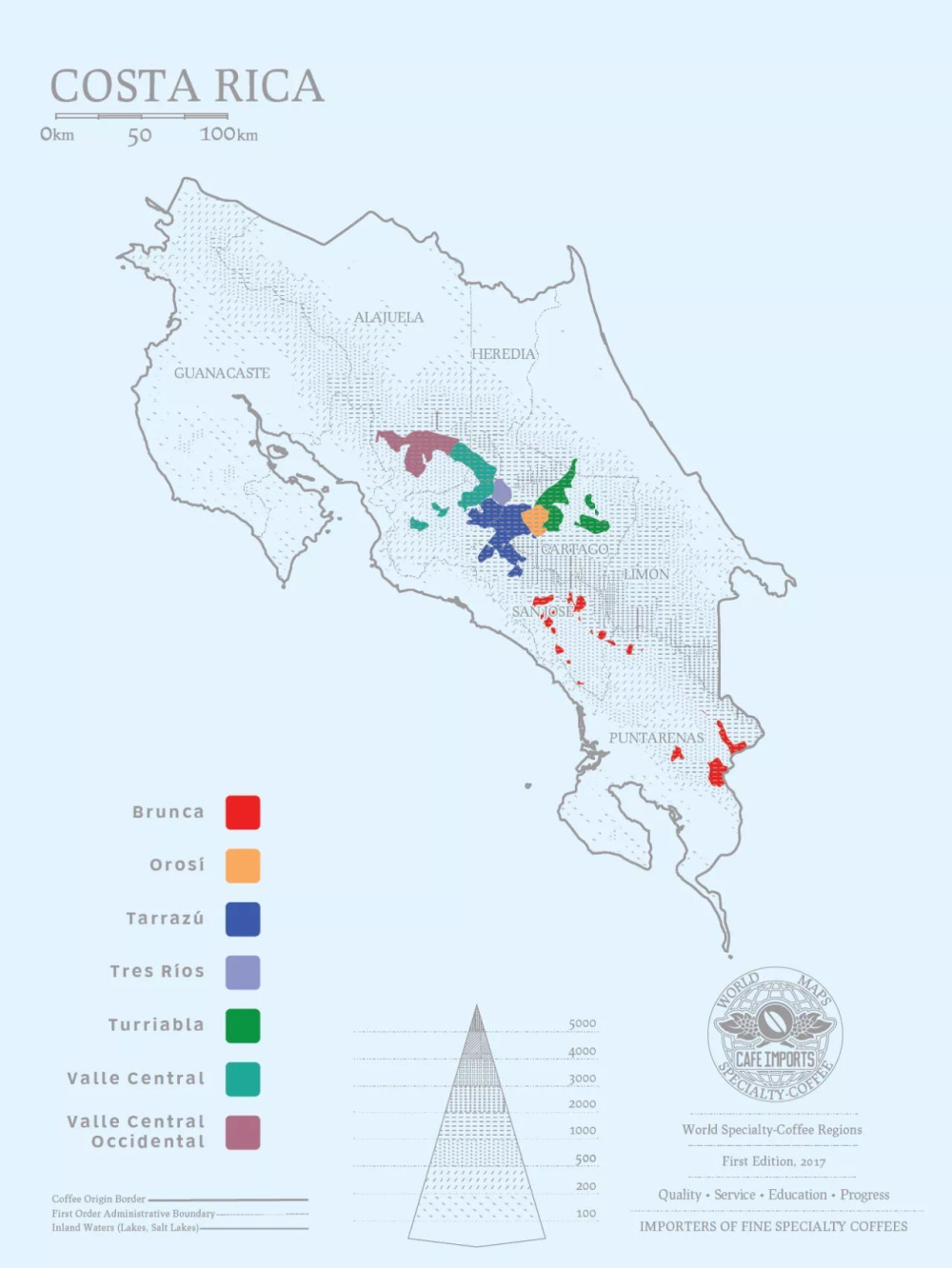
Costa Rica has eight main coffee-producing regions, each with different altitude, climate and soil that produce different flavors. Among them Tarrazu, the highest in altitude, is also the most famous. What sets Tarrazu coffee apart is its high altitude, roughly 1200-1700 meters, which creates a wider day-night temperature swing. The fruit takes longer to mature and absorbs more nutrients. The harvest runs from December to March of the following year. Beans from high altitude are hard and full, with high acidity and prominent fruit flavors.
FrontStreet Coffee believes washed Tarrazu best represents Costa Rican coffee, so it has been added to the high-value daily bean series. Tarrazu shows distinct sweetness, with honey, toffee and nut aromas, moderate acidity and a soft, balanced mouthfeel.
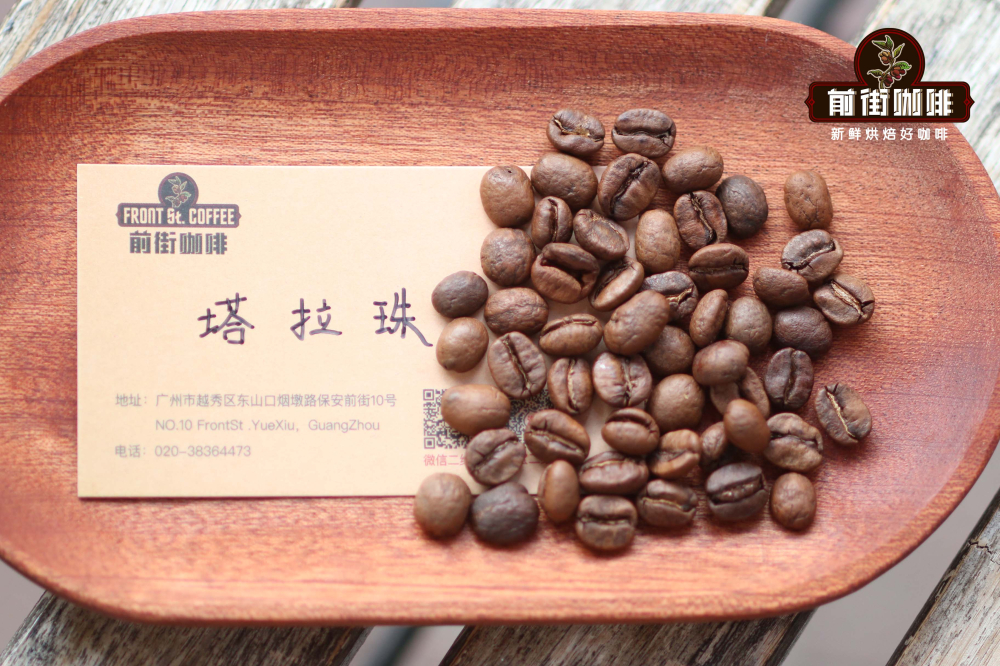
FrontStreet Coffee: Costa Rica Tarrazu Coffee Beans
Region: Tarrazu, Costa Rica
Altitude: 1500 meters
Variety: Caturra, Catuai
Processing: Washed
Flavor: Sweet Orange, Honey, Toffee, Nuts
Jamaica
When it comes to balanced specialty coffee, Jamaica's Blue Mountain is the most classic of all.
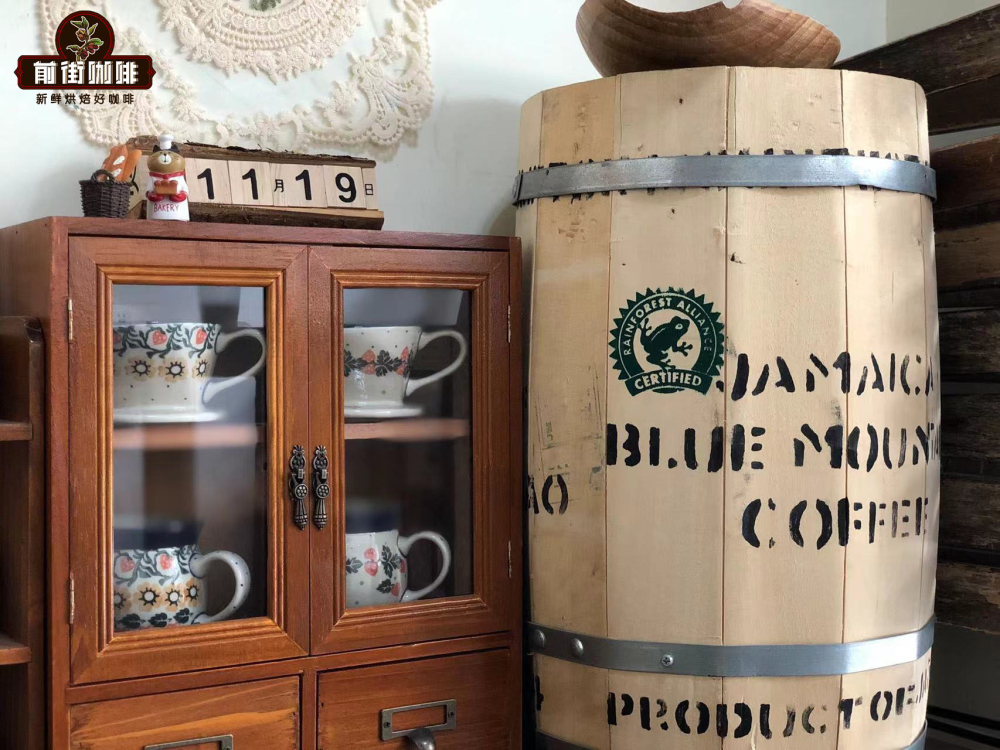
The Blue Mountains lie in the eastern part of Jamaica. Ringed by the Caribbean Sea, on clear days when sunlight strikes the azure water the peaks reflect the sea's brilliant blue light, which is how they got their name. The vast majority of coffee grown in Jamaica is the ancient Typica variety, with pure flavor, high viscosity, elegant acidity and a sweet aftertaste. Typica resists leaf rust poorly and yields little, demanding more hands-on care to produce high-quality batches. Jamaica Blue Mountain No. 1 is that elegant-flavored Typica.
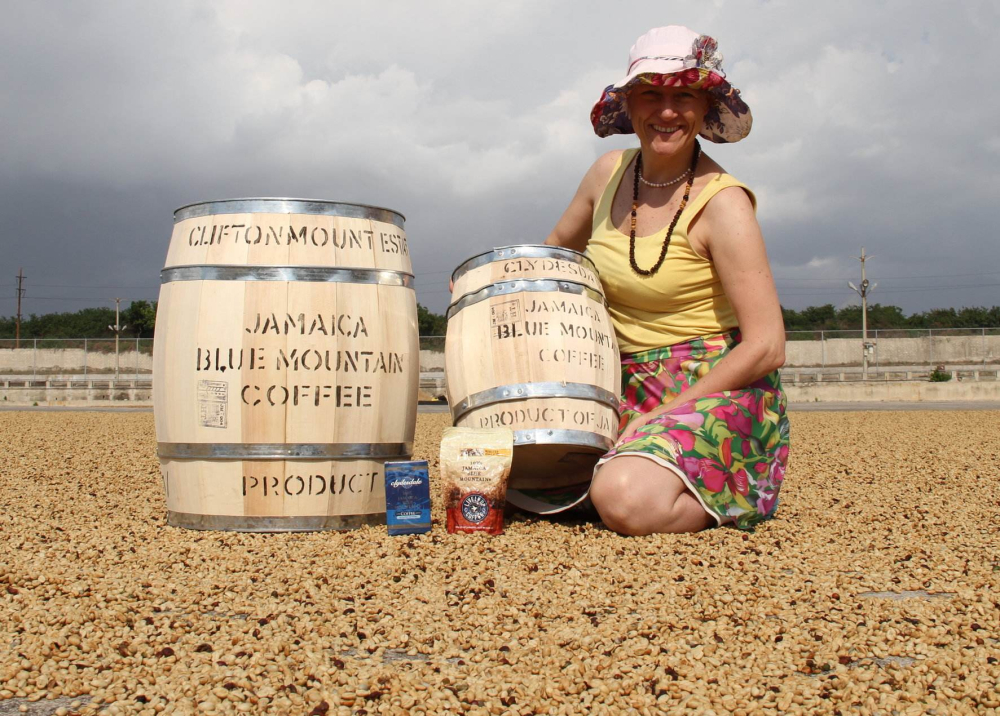
For many years Blue Mountain coffee has been subject to strict export controls, traditionally shipping only washed Typica to countries such as Japan. With the specialty coffee market now booming, Clifton Farm has begun producing small batches of sun-dried Blue Mountain, adding a slight berry acidity and mild fruit fermentation notes. FrontStreet Coffee has always believed, however, that washed Typica best represents Blue Mountain coffee. Washed Blue Mountain has citrus acidity but a strong overall balance, a nutty and dark cocoa mid-palate, a lasting aftertaste and a rich mouthfeel.
The Jamaica Blue Mountain No.1 FrontStreet Coffee acquires uses green beans with basic standards of beans above 17 mesh, a defect rate below 2% and moisture around 13%, appearing as uniformly sized, full blue-green green beans. In flavor it brings together comfortable acidity, sweetness, bitterness, aroma and richness.
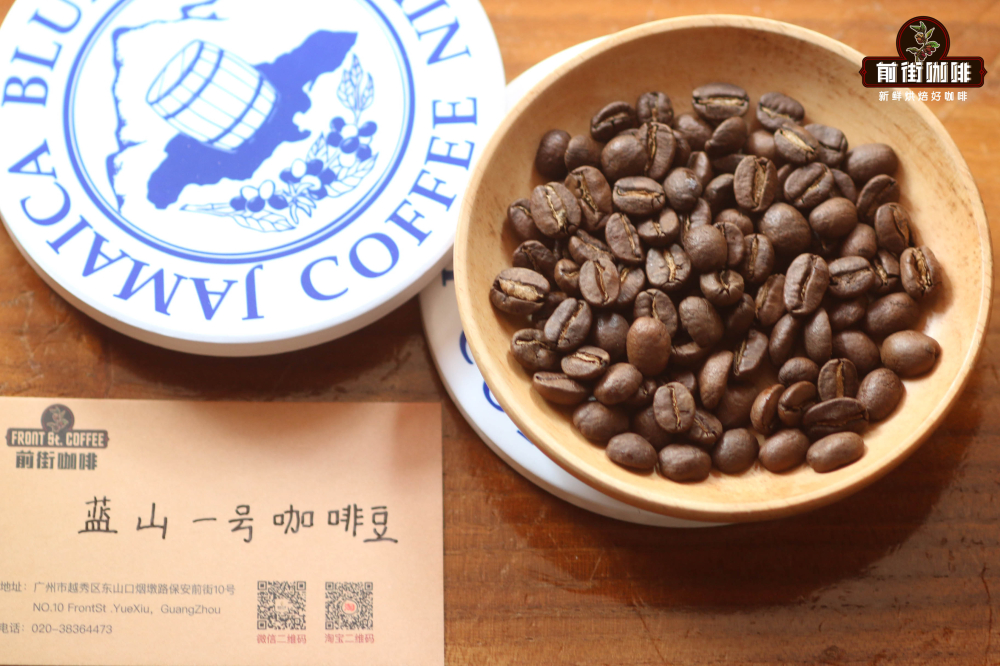
FrontStreet Coffee: Jamaica Blue Mountain No. 1 Coffee Beans
Region: Blue Mountains, Jamaica
Estate: Clifton Farm
Altitude: 1310m
Processing: Washed
Variety: Typica
Flavor: Chocolate, Nuts, Cream, Cocoa
Indonesia
Indonesia is made up of more than seventeen thousand large and small islands, with Java the main coffee-producing region. Long a coffee grower, Indonesia suffered a coffee leaf disease outbreak in the 1980s that nearly destroyed all of its Arabica varieties. It then shifted to disease-resistant Robusta and has become the world's fourth-largest coffee-producing country.
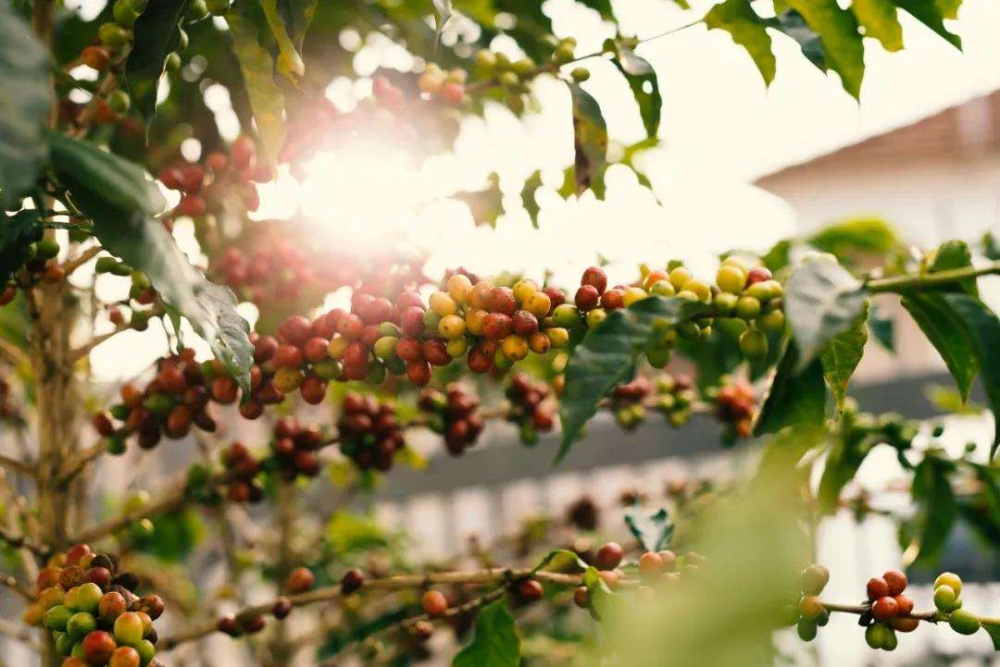
Today, 90% of Indonesia's coffee production is Robusta, with only 10% Arabica, mostly Ateng and TimTim. TimTim is a hybrid of the ancient Arabica variety Typica and Robusta, while the Ateng series is a hybrid of Caturra and TimTim that still carries Robusta genes, the type commonly known as Catimor. Both Ateng and TimTim resist coffee leaf rust and coffee berry disease, and yield well.
Mandheling is practically synonymous with Indonesian specialty coffee. Its main production area sits around Lake Toba in northern Sumatra. The local rainy season means green bean processing cannot rely on the long sun-drying used in African regions, so growers developed their own method, wet hulling. This unique Sumatran semi-washed process is largely what creates Mandheling's characteristic low acidity and high body.
FrontStreet Coffee selected Mandheling beans from Lintong as the representative daily bean for this region, with rich herbal and spice aromas.
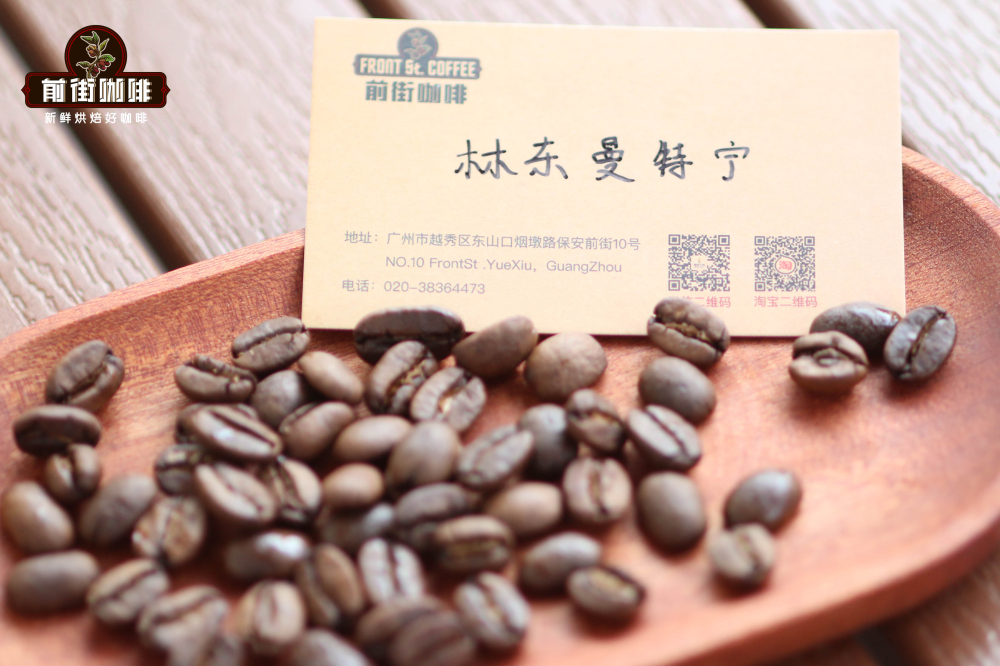
FrontStreet Coffee: Indonesia Lintong Mandheling Coffee Beans
Region: Sumatra, Indonesia
Grade: G1
Altitude: 1100m-1600m
Variety: Ateng TimTim
Processing: Wet Hulling
Flavor: Nuts, Spices, Chocolate, Caramel
FrontStreet Coffee Recommendation
Grading is the thread running through this article, and among the origins covered, Jamaica's Blue Mountain No. 1 is a good illustration of how a strict grade standard shapes a cup. Certified Blue Mountain coffee can only come from a defined part of Jamaica's Blue Mountains, and No. 1 ranks among the highest in the Jamaican system, held to strict standards for bean size, defect rate and overall quality. FrontStreet's Jamaica Blue Mountain No. 1 comes from the historic Clifton Mount estate, which has grown and processed coffee since around 1750, on land averaging 4300 feet (1310.64 meters). The altitude, the mild afternoon cloud that shades the wooded slopes, the plentiful sunshine and the mineral-rich soil all favor the slow ripening of the cherries.
Roasted to a medium-dark level that draws out the bean's classic balance, the cup opens in layers of nut, dark chocolate, creamy caramel and soft sweetness, with acidity, sweetness, bitterness and aroma all in harmony and no single note dominating. Because Blue Mountain is balanced enough to suit any brewer, FrontStreet suggests a simple pour-over routine: a Kono dripper, 15g of coffee per serving, and letting the beans rest 4-7 days from the roast date for the best flavor. Grind a little coarser than for a light roast, roughly the texture of granulated sugar, and brew with water at 87-88°C, since water that is too hot is the usual cause of a scorched, bitter cup. A 1:15 ratio brings out the coffee's full character, and the result is a very clean, complex and gentle cup with chocolate sweetness, a strong body and a long, persistent fruit note.
Important Notice :
FrontStreet Coffee is a long-established specialty coffee roaster in Guangzhou China, selling freshly roasted beans from its own farm in Yunnan as well as dozens of carefully selected single-origin beans from around the world for both pour-over and espresso. The products deliver consistently excellent quality and great value, with shipping within 24 hours. Guangzhou's FrontStreet Coffee shop is recommended by many coffee lovers, and the beans are now available online at the Tmall 。
FrontStreet Coffee has moved to a new address:
FrontStreet Coffee Address: 315,Donghua East Road,GuangZhou
Tel:020 38364473
 Scan and follow the En Gafei WeChat official account. Please indicate that the reprint comes from "En Gafei".