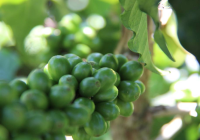
Three Major Types of Coffee Beans - Differences Between Main Coffee Growing Regions and Coffee Bean Varieties' Flavor Characteristics

Arabica beans today make up about seventy percent of world coffee production, and they are widely regarded as the best-tasting coffee beans money can buy. But Arabica is not alone: the other species humans have "domesticated" for the cup are Robusta and Liberica. In this piece, FrontStreet Coffee walks through these three species of coffee bean.
A quick search will surface the standard identification tips for Arabica, Robusta, and Liberica. Arabica beans are said to be oval, relatively slender and flat, with an "S"-shaped center crease. A typical Arabica cherry holds two beans, which is why each flat bean has one flat side. There are exceptions, though: some cherries contain a single, round, plump bean that looks a bit like a Robusta. These are peaberries, and they are usually smaller than flat beans — where a normal flat bean grades 17-18 screen size, a peaberry comes in at roughly 14-15 screen size.

Arabica Coffee Varieties
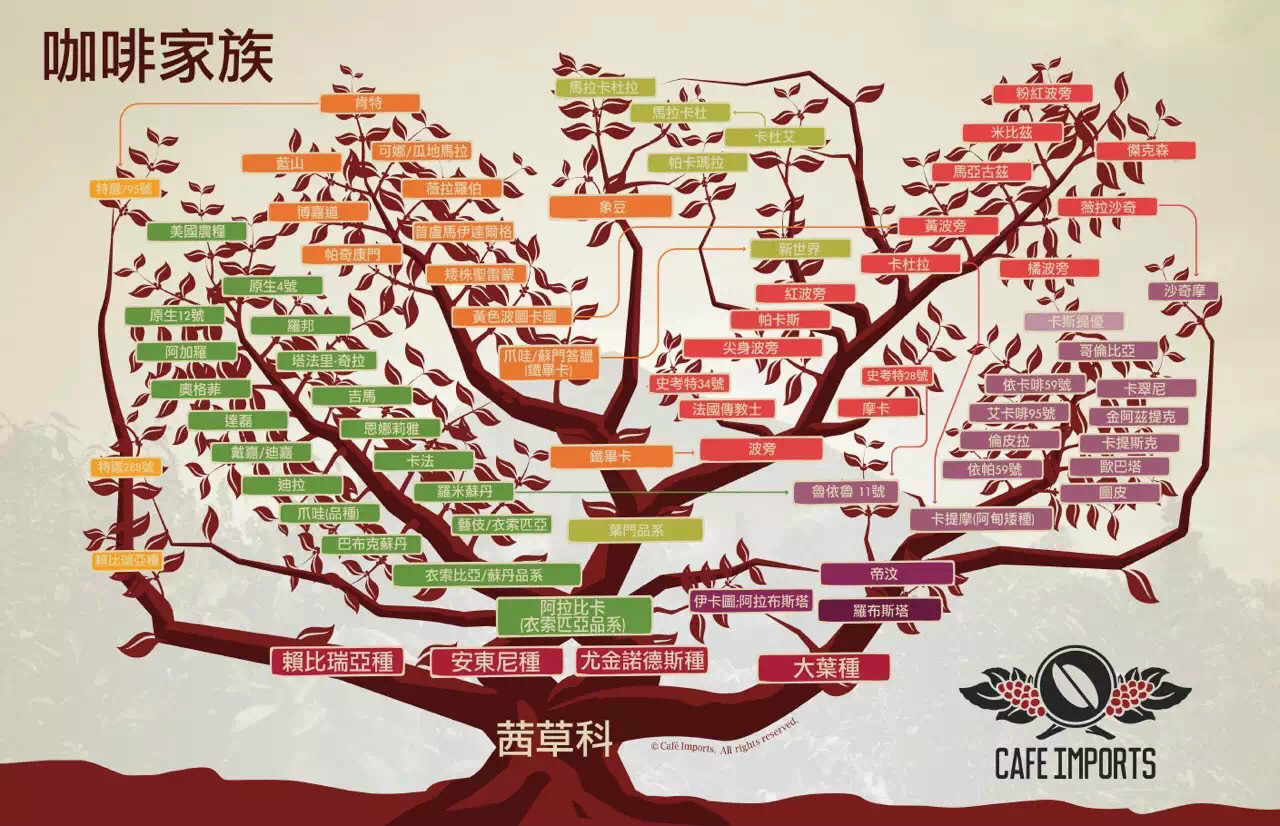
Arabica is the broadest classification you will encounter in specialty coffee. Customers often ask FrontStreet Coffee whether Typica or "Arabica" is better — a question that reveals how, once people discover specialty beans, they tend to equate the familiar word Arabica with Typica. In fact, Typica is just one branch of Arabica, albeit one of its most foundational varieties. Every other famous variety you can name — Bourbon, Gesha, SL28 & SL34, Caturra, Catuai, and so on — is likewise a branch of the Arabica family tree. Since the family is enormous, FrontStreet Coffee will focus on the varieties just named.
Typica
As the most ancient of these varieties, Typica's physical traits serve as the template for the whole species: oval, slender, flat, with that "S"-shaped center line. Processing can alter the look of a bean, too. Indonesia's wet-hulled method is the classic example — its defining feature is that the parchment is stripped off mid-way through drying, after initial washing. Hulling parchment by machine puts the beans under mechanical pressure, which can crack them into a distinctive cloven-hoof shape. From years of cupping, FrontStreet Coffee has found that Typica consistently delivers a sweet, clean flavor profile no matter the growing region.

Bourbon
Bourbon is a natural mutation of Typica, and the most visible change in the beans is a shift from elongated to round — hence "round Bourbon," with a particle size similar to Typica. Its direct single-gene mutants, such as Yellow Bourbon, Pink Bourbon, Caturra, Pacas, and Villalobos, all inherit the look of Bourbon beans (though some Caturra, Pacas, and Villalobos lines, after repeated artificial breeding, can come out slightly more elongated). Outwardly, the big difference from Typica is that Bourbon has broader leaves, smaller cherries, and denser production — so compared to Typica, its fruit runs smaller and rounder. Bourbon is a frequent champion in American specialty coffee cupping competitions.

SL28 & SL34
SL28 was selected in 1935 from the drought-resistant Tanganyika variety population. Suited to medium and high altitudes, it tolerates drought well but is susceptible to major coffee diseases. SL28 beans resemble Bourbon — round and thick — and recent genetic testing has confirmed that SL28 belongs to the Bourbon genetic group.

SL34 was first selected in the late 1930s at Scott Agricultural Laboratories in Kenya, drawn from a single tree on the Kabete Loresho estate — a tree known as the "French Missionary." SL34 beans look like Typica: slender, oval, and relatively flat in side view, which is exactly what FrontStreet Coffee looks for when sorting Kenyan lots. Recent genetic testing links SL34 to the Typica genome. In FrontStreet Coffee's cupping experience, SL34 shares SL28's complex, layered acidity and excellent sweet finish, but with a heavier, more intense body — and a cleaner cup.
Gesha
Gesha beans need to be described in two parts: American Gesha, exemplified by Panama's Hacienda La Esmeralda, and African Gesha, exemplified by Ethiopia's Gesha Village estate. La Esmeralda built its fame on Gesha, and the variety's most distinctive physical trait is a bean that is slender, pointed at both ends, and plump through the middle. Top-quality Gesha beans can even reach Pacamara dimensions (18-19 screen size), which makes them easy to identify. Cupped blind, FrontStreet Coffee finds Gesha's floral and citrus aromas genuinely captivating.

Caturra
Caturra is a Bourbon variant discovered in Brazil in 1937. It out-yields Bourbon and resists disease better, and its compact plants make harvesting easier. It is highly adaptable and needs no shade trees, growing anywhere from low altitudes of 700 meters up to 1700 meters. That said, the higher it grows, the better the flavor — and the lower the yield.

Catuai
Catuai is an artificial hybrid created in 1949 from yellow Caturra and Mundo Novo, originally designated "H-2077." It stands up well to weather stress, particularly wind and rain. Its small stature allows double-density planting, and the short plants make pest and disease control relatively simple. Catuai grows vigorously and stays low, but it is vulnerable to leaf rust.

Robusta
Both Arabica and Robusta grow inside the coffee belt, between 45 degrees north and south latitude — yet we usually say Arabica is cultivated at altitudes above 800 meters. Arabica demands a great deal of its growing conditions and has weak resistance to pests and diseases; Robusta grows below 800 meters and is remarkably hardy. Those are the two questions worth exploring: disease resistance, and environmental adaptability.
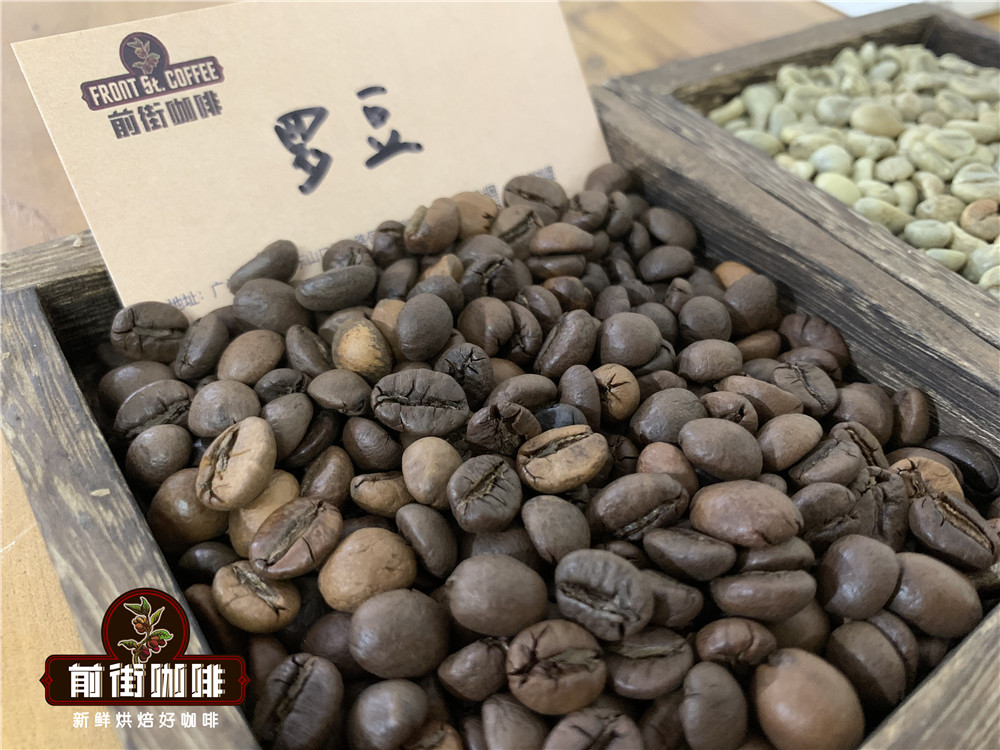
The global coffee belt runs between the Tropics of Cancer and Capricorn, and Robusta is no exception. But its requirements are far less strict: Robusta tolerates lower altitudes and higher temperatures, grows faster than Arabica, and shrugs off extreme weather. It is cross-pollinated, and pollination is where genetics come in. Cross-pollinating species typically produce higher-quality offspring, because progeny inherit traits from both parents and can develop new characteristics that help them survive in changing environments. Robusta's strength is precisely this ability to keep reshuffling its genes to fit its surroundings.
Main Differences Between Robusta and Arabica
Robusta's caffeine content runs from 2.7% to 4% — twice that of Arabica. Caffeine is the plant's natural pesticide, shielding it from most insect damage. For humans, caffeine is the world's most widely consumed psychoactive substance; in nature, it is a natural insecticide that can paralyze the insects that chew on caffeine-bearing plants.
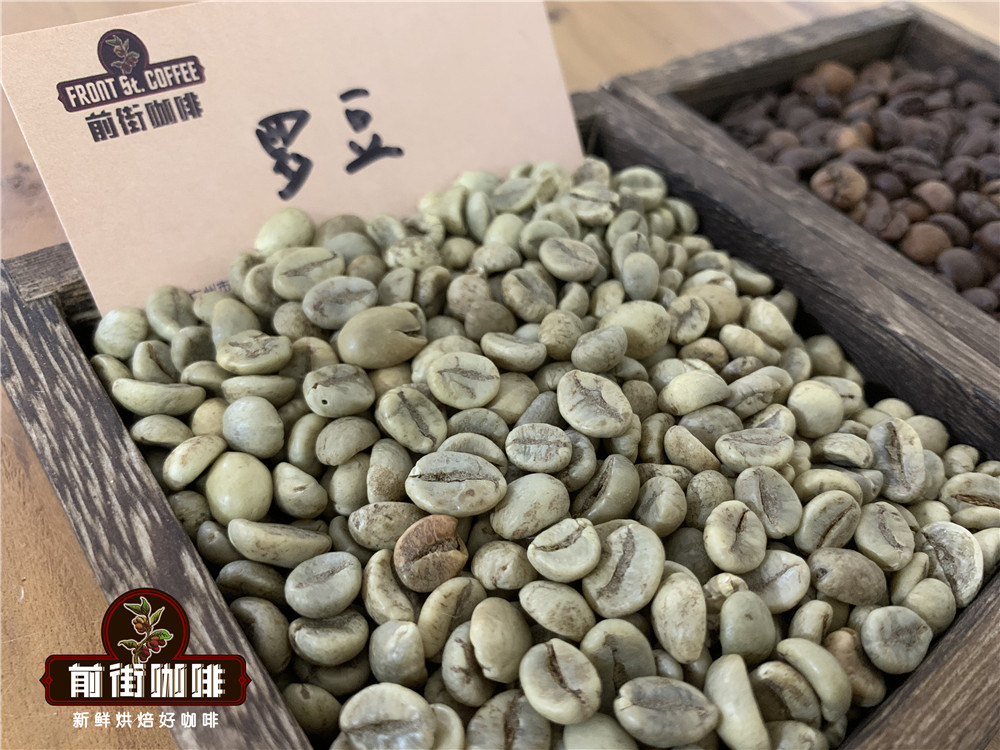
That extra caffeine, however, comes at the cost of flavor. Robusta carries higher levels of caffeine, amino acids, and chlorogenic acid — and chlorogenic acid is where bitterness comes from — so Robusta naturally lacks the elegant aromatics unique to Arabica. Cupping Robusta, FrontStreet Coffee finds a profile that is heavier-bodied and more forceful than Arabica, with flavors of walnut, peanut, hazelnut, wheat, and grain, sometimes even pungent earthy and rubbery notes.
Liberica
Liberica first grew wild in the low-altitude coastal forests of Liberia in West Africa, and the species takes its name from that homeland. Liberica trees tower over both Arabica and Robusta, reaching 6-20 meters in height, and its cherries are larger than the other two species' — which is why Liberica is also called the large-fruit species. Its flavor is famous for intense woody and smoky notes. Liberica, Arabica, and Canephora (Robusta) together make up the three great commercial coffee species, but Liberica accounts for just 2% of world consumption — a rounding error next to Arabica's roughly 75% and Robusta's roughly 20%.
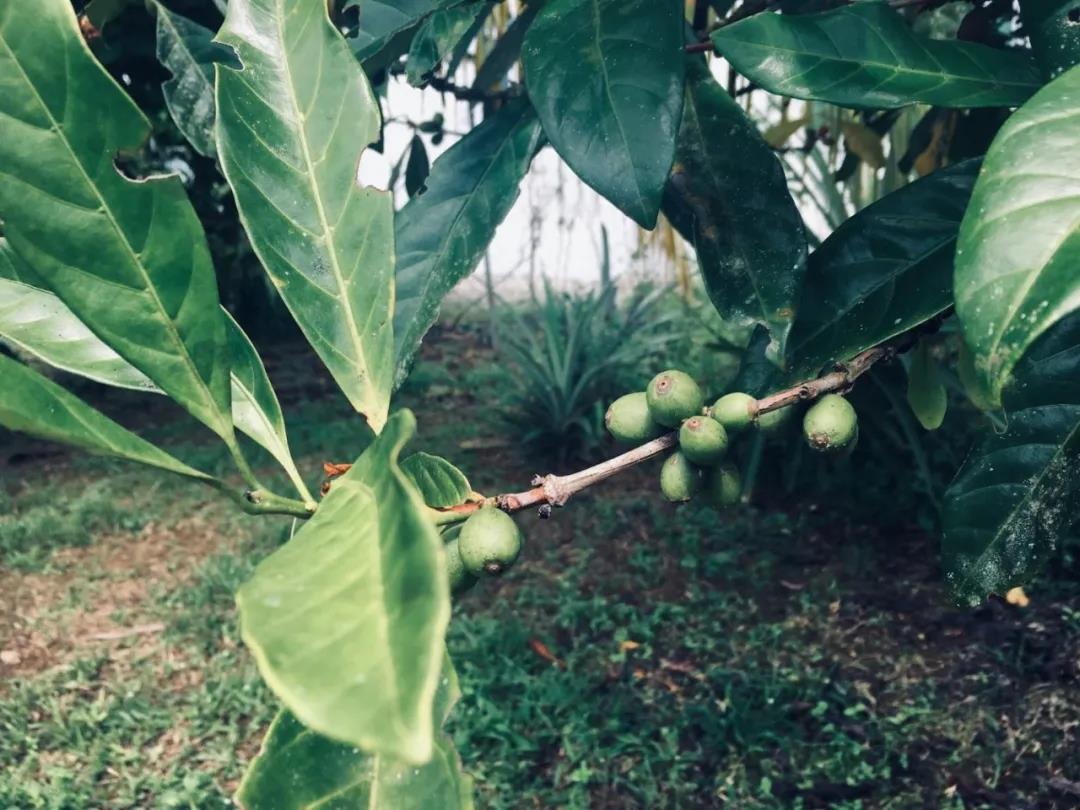
Among all coffee species, Liberica has the lowest caffeine content, while Robusta has the highest: 2.26 grams of caffeine per 100 grams of beans, against 1.61 grams for Arabica and just 1.23 grams for Liberica. Even with less caffeine than its rivals, Liberica's flavor is the least approachable — dominated by heavy nuts and dark chocolate, a smoky aroma, an intense and robust character, and even earthy, woody tones. Measured against Arabica's bright and pleasant cup, Liberica reads heavier and more substantial all around.
FrontStreet Coffee Recommendation
Reading about Gesha is one thing; drinking it is another. If you want to taste the legendary Gesha profile without paying auction prices, FrontStreet Coffee recommends starting with the entry-level FrontStreet Boquete Gesha from Panama — at a friendly price it delivers the classic orange-blossom honey sweetness, an oolong tea-like body, delicate fruit acidity, and clean layering. For adventurous drinkers, the FrontStreet Granana Gesha Estate lot from Ethiopia's Yirgacheffe, medium-light roasted, offers bright citrus acidity, elegant ginger-flower fragrance, and the full sweetness of ripe fruit, while competition-grade options include the FrontStreet Gesha Village Gold Label (Gesha 1931, refined natural process, just 10% of the estate's output) and Red Label (Gori Gesha, scoring 88+ on the SCA 100-point scale, with full traceability for every lot).
Important Notice :
FrontStreet Coffee is a long-established specialty coffee roaster in Guangzhou China, selling freshly roasted beans from its own farm in Yunnan as well as dozens of carefully selected single-origin beans from around the world for both pour-over and espresso. The products deliver consistently excellent quality and great value, with shipping within 24 hours. Guangzhou's FrontStreet Coffee shop is recommended by many coffee lovers, and the beans are now available online at the Tmall 。
FrontStreet Coffee has moved to a new address:
FrontStreet Coffee Address: 315,Donghua East Road,GuangZhou
Tel:020 38364473
 Scan and follow the En Gafei WeChat official account. Please indicate that the reprint comes from "En Gafei".