What is Espresso Extraction Channeling? What are the Consequences of Perforated Espresso Pucks?

When pulling espresso, a common problem is an unstable flow rate—sometimes it just keeps getting faster and faster. The coffee feels thin when you swirl it, and the crema is pale. That means the puck has been perforated.
What is "perforation"?
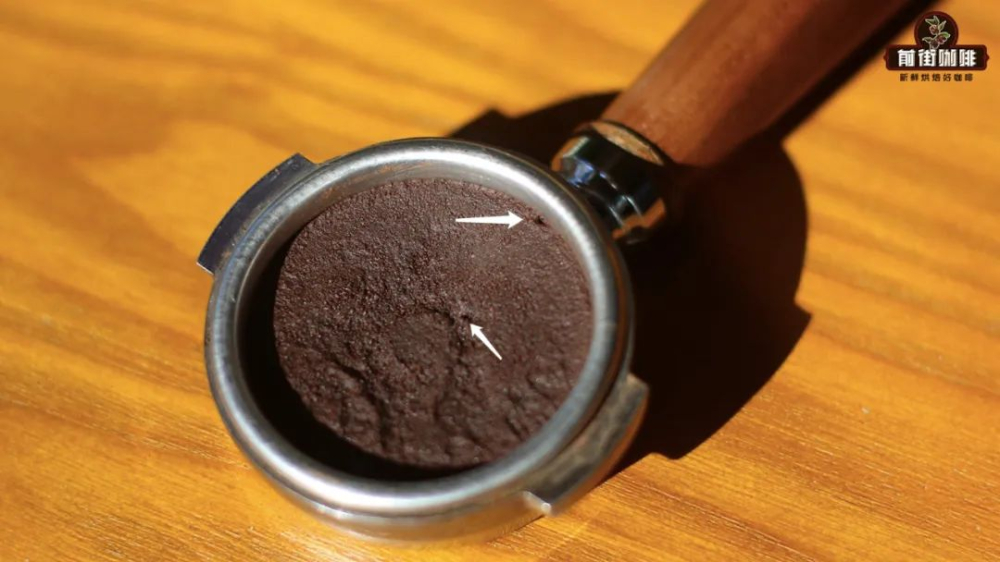
Once extraction finishes and you knock out the portafilter, you'll see that the puck's surface is uneven, pocked with small holes—like this ⬇️
More severe cases look like this ⬇️
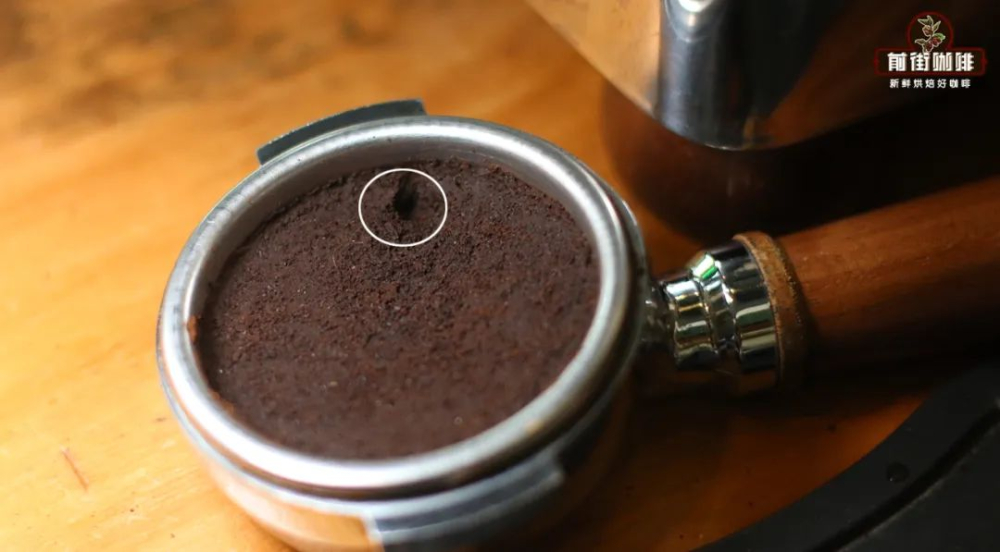
Those holes are created when water breaks through the coffee layer mid-extraction. Once a hole opens, the puck's resistance to water becomes uneven, and more water rushes through the breach, which is why the flow appears to speed up. Because that water hasn't fully extracted the grounds it passes through, the whole shot turns thin and the crema goes pale. This phenomenon is generally called "channeling."
How to Detect Channeling?
A bottomless portafilter makes channeling easiest to spot. Compare a normal extraction with a channeled one. In the normal shot below, the flow is steady—no speeding up or slowing down—and the crema develops in an orderly gradient from dark to light.

Now the channeled shot: the flow runs fast and keeps accelerating, with two bursts of spraying. The spray points are exactly where the puck broke through. Notice how much faster the flow is at those spots, and how much paler the crema there compared with the rest.
Why Does Channeling Happen?
Three main culprits: uneven distribution, an insufficient dose, and a blocked or misdirected water flow.

Uneven puck density is the most frequent cause. Where density varies, water finds the path of least resistance and punches through the looser areas.
That's why distribution and tamping come before extraction. Distribution gets the grounds roughly even across the basket, preventing extreme density differences between layers; tamping then compresses the evenly distributed grounds into a puck that won't scatter when hit by high-pressure water.

Many people know they're supposed to distribute and tamp, yet they end up with useless distribution—the bed is still uneven afterward, and channeling happens anyway.
The problem usually traces back to how the grounds are collected in the first place, or to overworking the bed afterward until it packs tighter and tighter. An easy way to even things out: shape the grounds into a small mound (high in the middle, low at the edges), place the distributor vertically over the basket, and rotate it a few times. If distribution is right, tamping only needs to be level.
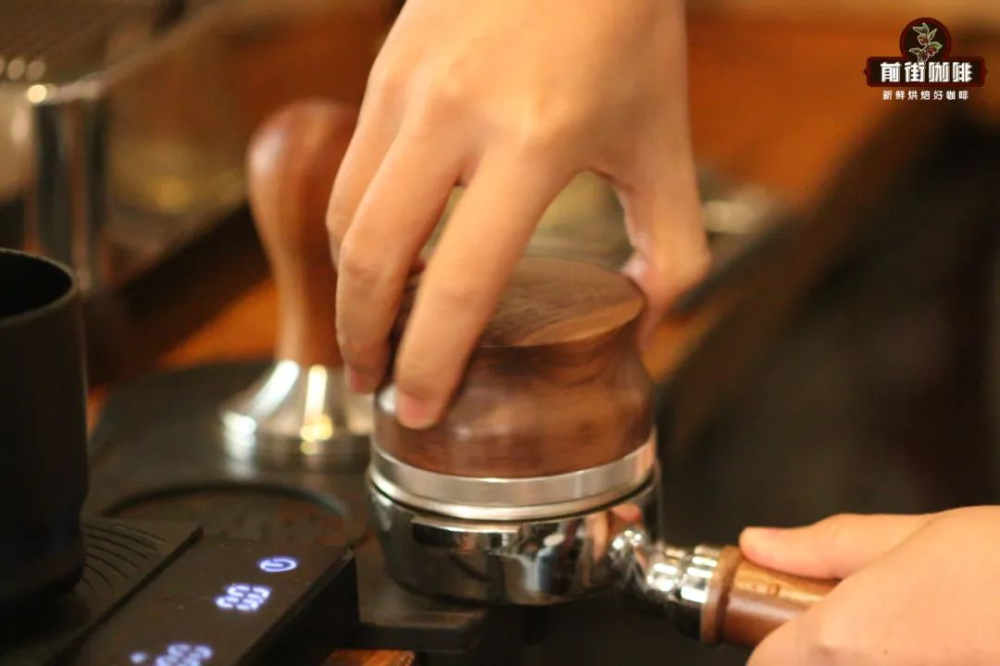
With an insufficient dose, the shower screen sits farther from the puck, and during extraction the surface grounds can be churned up by the water impact—surface resistance becomes inconsistent, and channeling becomes more likely. That's why some people increase the dose or switch to a smaller basket to avoid the risk.
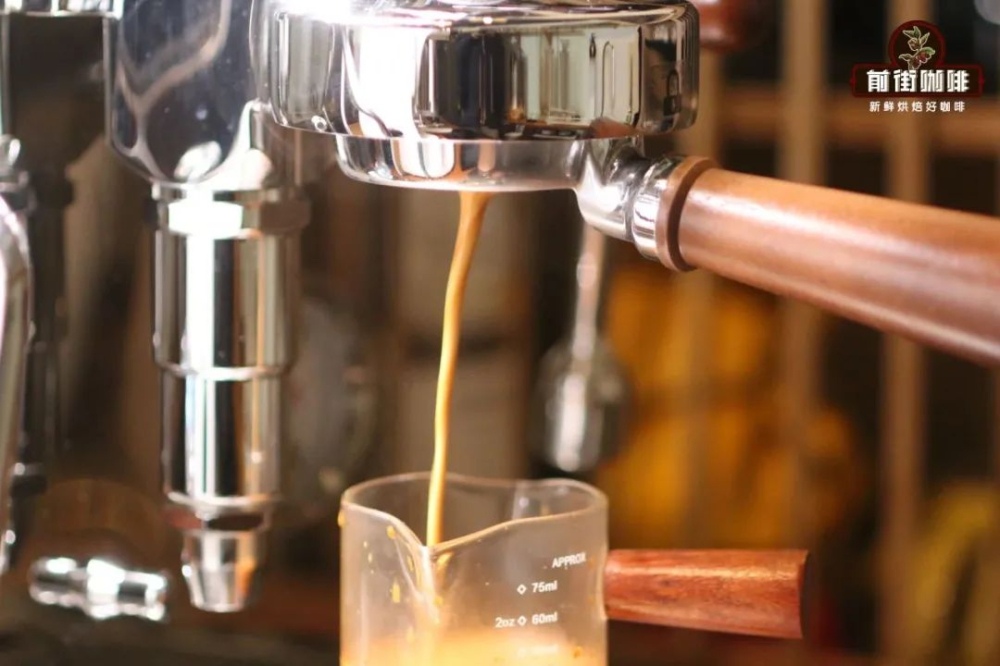
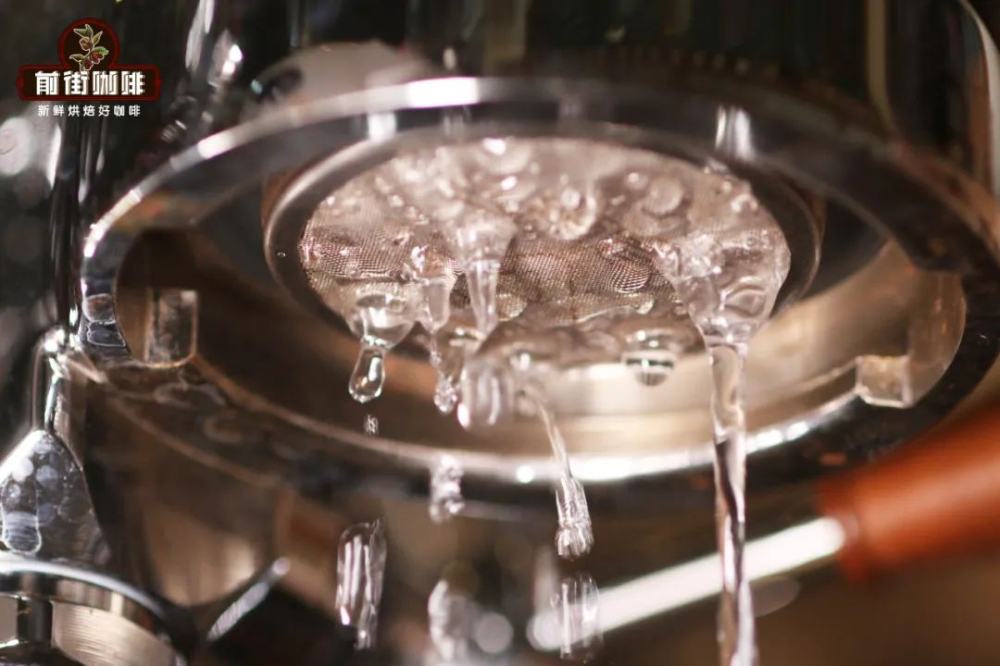
The shower screen's job is to break the high-pressure water column into evenly distributed streams. If it gets clogged with coffee residue sucked back up from the puck, the water spreads unevenly, and one side of the basket can take excessive pressure and blow through the coffee layer. This fault is easy to spot: a healthy shower screen disperses water into 4-5 even streams; a blocked one lets the water converge into a single jet. If you see that, remove and clean the screen.
FrontStreet Coffee Recommendation
Stable channeling-free extraction starts with a forgiving coffee. Espresso beans generally come in two camps: blends, which most cafés reach for first, and single origins (SOE), chosen to showcase one specific flavor. Blends let the roaster combine beans from different origins so one bean's strengths cover another's weaknesses—a silky but muted bean gets a fragrant partner, and the whole cup improves.
For traditional-style Americanos and lattes, FrontStreet's Classic Blend and Commercial Blend both build on a classic Italian formula with a touch of Robusta, delivering butter, nut, spice, dark chocolate, and toast aromatics, a wild and hefty body, and a thick golden crema that makes latte art effortless. If nutty notes are what you crave, the Signature Blend and FrontStreet Coffee's Black Cocoa Blend lean on a large share of Brazil for a comfortable bittersweetness and creamy peanut smoothness; the Signature adds Colombia's chocolate, caramel, and gentle acidity, while the Black Cocoa—100% Arabica—blends in the ripe-plum acidity of Yunnan beans and a cream-chocolate aroma, balancing quality and cost for café owners.
Important Notice :
FrontStreet Coffee is a long-established specialty coffee roaster in Guangzhou China, selling freshly roasted beans from its own farm in Yunnan as well as dozens of carefully selected single-origin beans from around the world for both pour-over and espresso. The products deliver consistently excellent quality and great value, with shipping within 24 hours. Guangzhou's FrontStreet Coffee shop is recommended by many coffee lovers, and the beans are now available online at the Tmall 。
FrontStreet Coffee has moved to a new address:
FrontStreet Coffee Address: 315,Donghua East Road,GuangZhou
Tel:020 38364473
 Scan and follow the En Gafei WeChat official account. Please indicate that the reprint comes from "En Gafei".