The Ultimate Coffee Experience: Building a Relationship with Your Coffee
Black coffee is truly a lifestyle choice.
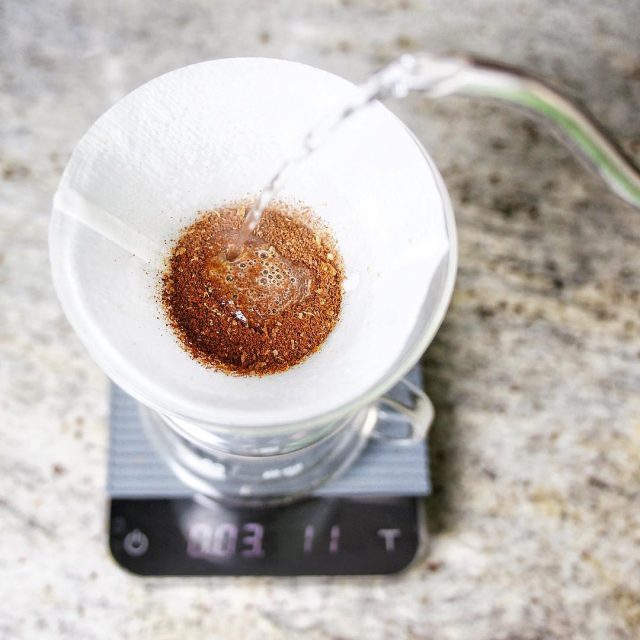
Many people who love drinking coffee inevitably fall for pour-over, because everyone brews a slightly different cup, letting you experience something unique and personal. As long as you have filter paper, a dripper and a pour-over kettle, you can easily brew a good cup.
Understanding Black Coffee Better
We still know too little about black coffee, often assuming it is no different from ordinary coffee. But every cup has its own flavor. Let us take a brief look.
1. Distribution
Coffee origins are mainly divided into Africa, Central and South America, and Asia and the islands.

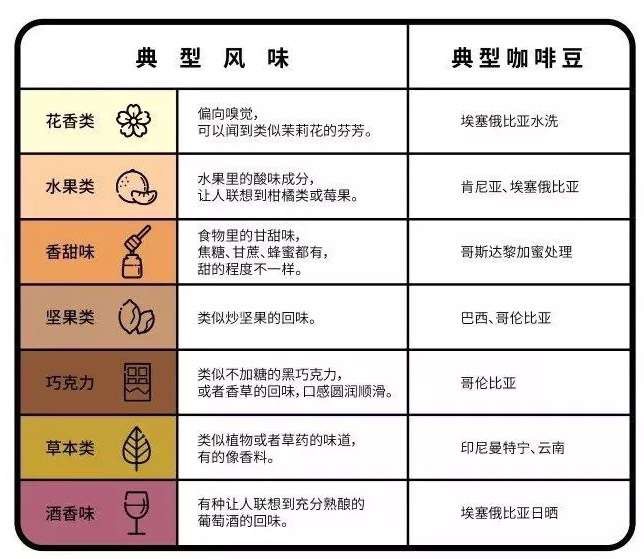
African Coffee Flavors: Ethiopian coffee has prominent citrus aromas, while Kenyan coffee features rich berry notes, along with the sour aromas of plum juice and grapefruit and the refreshing sweetness of sugarcane. The citrus aroma of Ethiopian coffee and the berry fragrance of Kenyan coffee are the greatest hallmarks of African beans, and what captivates coffee lovers most.

Central and South American Coffee Flavors: Generally speaking, these are relatively balanced and conventional. Brazilian coffee is smooth and refreshingly sweet; Costa Rican coffee is gentle and smooth, with sour, sweet and chocolate aromas blended in extreme balance. Panamanian coffee has rich citrus aromas, jasmine florals, almond and mango flavors and nectar sweetness, with bright and varied fruit acidity remarkably similar to Ethiopia's national treasure, Yirgacheffe. Pacamara coffee carries pleasant spicy notes with a slight ginger undertone, plus sour aromas and fruit flavors. Nicaraguan coffee's most distinctive feature is its charming almond flavor, giving a relatively mellow aroma when tasted.
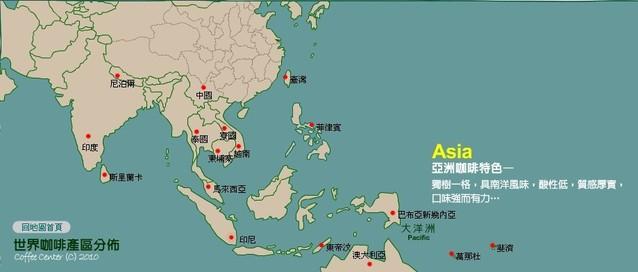
Asian and Island Coffee Flavors: These have more body than Central and South American and African beans but lower acidity, with flavors hinting at aged wood, herbs, spices and earth. Their deep, mellow aromas stand out more than any bright sour fragrance. Island beans are relatively light and gentle, with an elegant, subtle tone.
2. Processing Methods
Turning coffee cherries into green beans generally involves three processing approaches:
Traditional natural processing
Traditional washed processing
Methods that sit between natural and washed, including semi-washed (wet-hulled), Brazilian pulped natural and honey processing.
Natural Processing: the natural method exposes whole coffee cherries directly to sunlight.
Washed Processing: the washed method removes the skin, pulp and mucilage before drying.
Pulped Natural Processing: pulped natural and honey processing are intermediate methods. In the 1990s, Brazil used its unique dry climate to invent the pulped natural method, which needs less equipment and water than traditional washed processing while producing better quality than traditional natural processing.
Honey Processing: also called Honey Process or Miel Process, honey processing removes the pulp and then dries the cherries with the parchment still attached.
When Brazil's pulped natural method spread to Central American countries such as Costa Rica and El Salvador, it was improved and became known as honey processing.
Wet-Hulled Processing: this is common in Indonesia and differs from regular washed and natural methods. In washed, honey or natural processing, the parchment stays on until the beans dehydrate and harden, moisture drops to 12%, or they are stored for 1-3 months of maturation before removal. Wet-hulled processing, by contrast, removes the parchment while the beans are still moist and soft, with moisture content as high as 30-35%, exposing the green beans directly before drying continues. The method was developed to adapt to Sumatra's humid climate, with the goal of accelerating drying.
3. Flavor Profiles
Brazil: Strong flavor with a chocolate aftertaste.
Colombia: Relatively light taste, good balance, nutty flavors, with fruity acidity in the aftertaste.
Indonesia Mandheling: Earthy aromas or smoky flavors, with a bitter cocoa aftertaste and rich body.
Ethiopia: Citrusy sweet-and-sour notes with a strawberry or blueberry aftertaste.
Kenya: Clean taste, berry flavors, with some tomato-like acidity.
Jamaica Blue Mountain: Balanced sweet, sour and bitter notes, gentle, aromatic and smooth, with dark chocolate flavors.
4. Brewing
Practical Water-to-Coffee Ratio Parameters
Strong Taste: 1:10 to 1:11
Medium Taste: 1:12 to 1:13 (equivalent to the Golden Cup Standard's 1:14.5 to 1:15.5)
Light and Fresh: 1:14 to 1:16 (equivalent to the Golden Cup Standard's 1:16.5 to 1:18.5)
Practical Bloom Time Parameters
20 seconds, for medium-dark and dark roast beans
25-30 seconds, for moderate-strength medium and light-medium roast beans
30 seconds or more, for light roast beans

When brewing by hand, start from the center and slowly expand in circles, letting the hot water spread horizontally through the grounds to extract rich coffee flavor.
5. Storage
Three Major Storage Principles
Dry, away from light, sealed.
Bean Resting Period
The process of waiting for the optimal tasting window is called bean resting (generally 3-4 days for single-origin beans and 7-10 days for espresso beans). This is similar to how red wine needs a little oxidation after opening to become smoother and more layered. Freshly roasted beans sometimes carry grassy or pea-like flavors, which disappear after a night. New beans also have a fresh-baked bread aroma, and resting makes them taste better.
6. Health Benefits
1. Improves memory
2. Helps with weight loss
3. Beneficial for liver health
4. Cleanses the digestive system
5. Promotes cardiovascular health
6. Prevents gout
7. Reduces the risk of cancer
8. Relieves stress and depression

Drinking coffee is an enjoyment. Approach it with a mindset of enjoyment and relaxation, and you will understand coffee more and more with every cup.

FrontStreet Coffee
20% off all single-origin beans.
FrontStreet Coffee Recommendation
If you are building your first pour-over routine, FrontStreet Washed Yirgacheffe is the ideal everyday bean. It is well known for white jasmine, bright citrus and lemon acidity and a tea-like body, and its friendly price makes it the first specialty coffee for many people. Yirgacheffe is a small town in southern Ethiopia's Sidama region, at about 1700-2100 meters, with most coffee grown above 1800 meters, making it one of the highest coffee regions in the world; the distinctive white florals and lemon-citrus acidity have turned its name into a byword for Ethiopian specialty coffee.
For a step up, FrontStreet Gedeb Cooperative comes from the Gedeb village in Yirgacheffe's Worka area and uses the traditional washed process. Nicknamed Yirgacheffe's last untouched corner, it has no traditional bitterness, with fresh, bright citrus and lemon acidity and jasmine fragrance. Its processing method is straightforward and repeatable: V60 dripper, water at 90-91°C, 15g of coffee, a 1:15 ratio and a grind at EK43s setting 10 (fine sugar, 80% passing a No. 20 sieve). Bloom with 30g for 30 seconds, pour 95g over about a minute, then add the remaining 100g when the water drops to two-thirds of the bed; the drawdown finishes around 2:00-2:10, after which you remove the dripper.
Important Notice :
FrontStreet Coffee is a long-established specialty coffee roaster in Guangzhou China, selling freshly roasted beans from its own farm in Yunnan as well as dozens of carefully selected single-origin beans from around the world for both pour-over and espresso. The products deliver consistently excellent quality and great value, with shipping within 24 hours. Guangzhou's FrontStreet Coffee shop is recommended by many coffee lovers, and the beans are now available online at the Tmall 。
FrontStreet Coffee has moved to a new address:
FrontStreet Coffee Address: 315,Donghua East Road,GuangZhou
Tel:020 38364473
 Scan and follow the En Gafei WeChat official account. Please indicate that the reprint comes from "En Gafei".