What are the characteristics and flavor profiles of coffee made from SOE beans? What makes a perfect SOE latte?

What is SOE Coffee?
SOE coffee refers to Single Origin Espresso, which translates to "Single Origin Espresso Coffee." The key focus is to highlight the unique flavor characteristics of a specific coffee growing region. This means using single-origin coffee beans to make espresso, as opposed to espresso made from Italian blends.
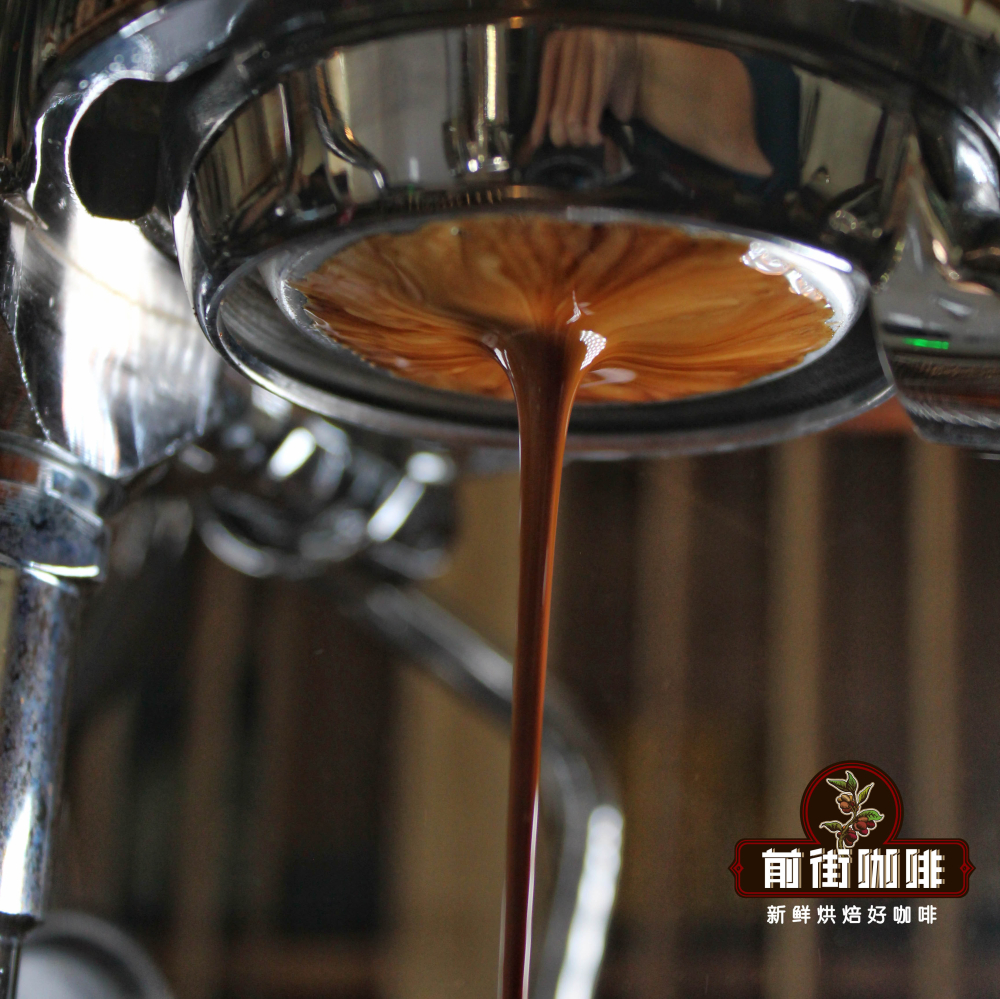
The SOE we see on coffee shop menus is typically made from lightly roasted coffee beans, aiming to present the unique floral and fruit flavor profiles of the growing region. For example, FrontStreet Coffee's Ethiopian Yirgacheffe offers jasmine aroma and citrus acidity, while FrontStreet Coffee's Kenya small tomato washed coffee has black plum and dark berry acidity. Some coffee shops also offer deeper roasted, nutty-toned SOE, such as Colombian coffee's dark chocolate sweetness and Brazilian coffee's creamy, caramel richness. With a distinctive SOE as the base, many coffee drinks can be created, such as lattes, Americanos, flat whites and more.

What are the characteristics of SOE?
Traditionally, coffee suppliers would blend coffee beans from two or more regions to create a new blend, achieving flavor balance, more stable extraction and cost reduction. Unlike blended coffee, SOE emphasizes origin, and both roasting and extraction need to present the unique flavors of the growing region.
The flavor of a coffee bean is determined by many factors: the growing terroir, processing methods, roast level, brewing methods, and brewing parameters and techniques. To achieve better flavors in the cup, suppliers need to use higher-quality coffee batches, which increases cost and selling price.
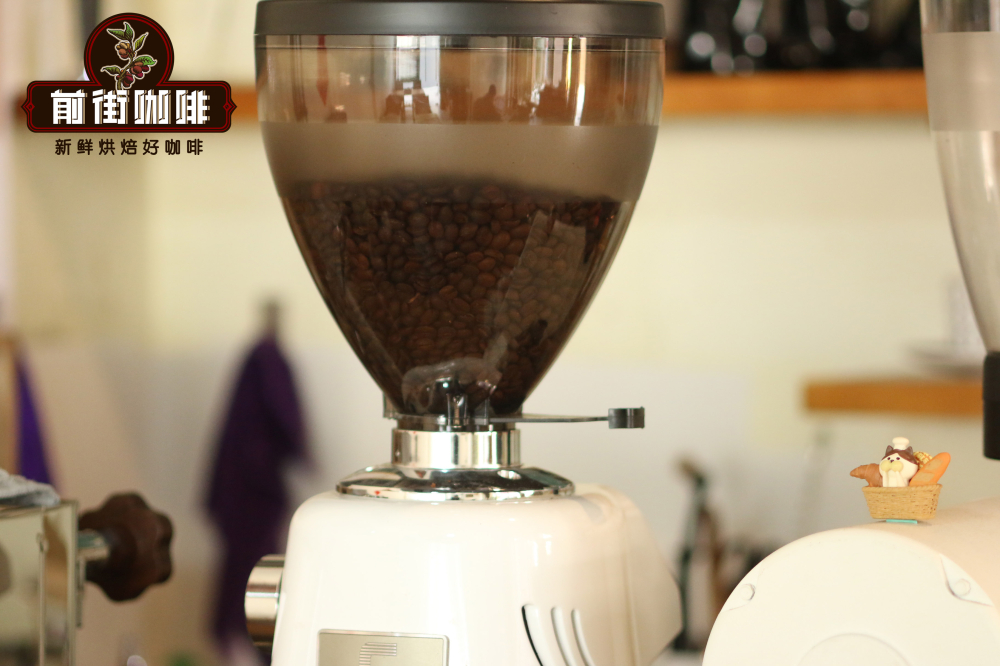
When creating blended coffee, roasters deepen the roast level to balance the coffee's flavors and mask some quality defects in the beans. SOE, however, needs to express outstanding flavor characteristics, so the roast level is generally not too deep; otherwise the extracted espresso flavors won't be convincing. At the same time, it differs from the light roast of pour-over single-origin coffee, since high concentrations can easily produce irritating acidity and astringency. SOE therefore requires specific roasting curves and corresponding extraction parameters to bring out the quality flavors of the growing region.
Where did SOE come from?
With the arrival of the specialty coffee era, various high-quality single-origin coffee beans gradually appeared on coffee shop menus, such as FrontStreet Coffee's bean list on a large blackboard. Some competition baristas, when making Italian-style coffee, were no longer satisfied with the balanced taste of blended beans, so they began selecting premium single-origin coffee as raw material and, combined with repeatedly tested brewing parameters, extracted extremely distinctive espresso that greatly enhanced their competition performance. With media coverage through videos and images in recent years, espresso made from single-origin coffee has become a new trend.
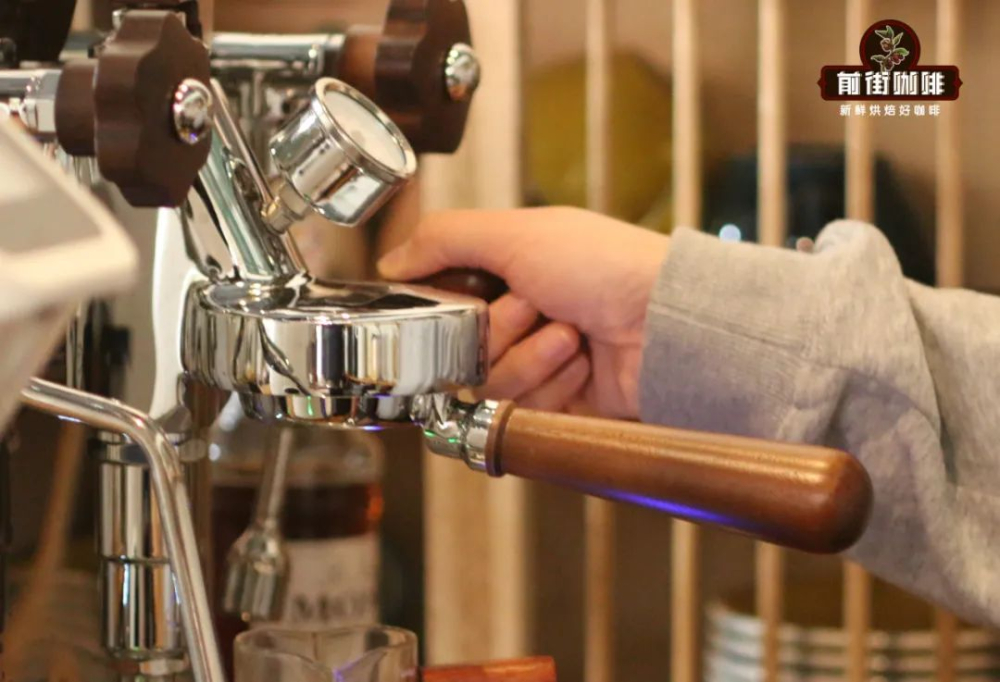
In fact, SOE did not originate in recent years. In the early days when Italian-style coffee became popular, coffee shops worldwide all used single-origin coffee beans, though this wasn't heavily emphasized. As coffee consumption demand continued to increase, coffee from various major growing regions showed inconsistent quality, with unstable flavors. To avoid the impact of this low-quality coffee, some suppliers began blending beans from different regions to make coffee taste more stable. In recent years, as the specialty coffee atmosphere has grown stronger, coffee professionals have begun emphasizing traceability, hoping to drink Italian-style coffee made from beans from well-known specialty coffee growing regions, and thus SOE became popular again.
Which coffee beans make good SOE?
FrontStreet Coffee believes that drinking coffee is a very subjective experience, and everyone has different taste preferences. FrontStreet Coffee here recommends three different flavor types of coffee beans, and you can choose according to your preferred flavor profile.
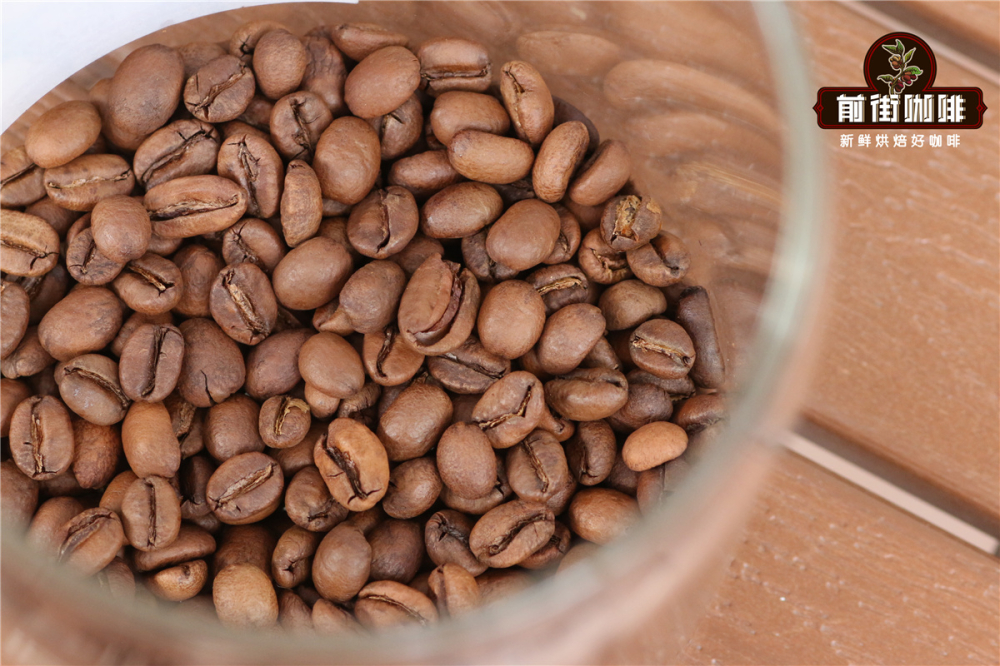
If single-origin coffee with fruit acidity is the focus, a medium-light roast level will be used, and the SOE flavor will manifest as the bright sweet-and-sour flavors of various fruits. For example, FrontStreet Coffee's Ethiopian sun-dried Yirgacheffe Red Cherry coffee beans offer tropical fruit and berry sweet-and-sour taste.
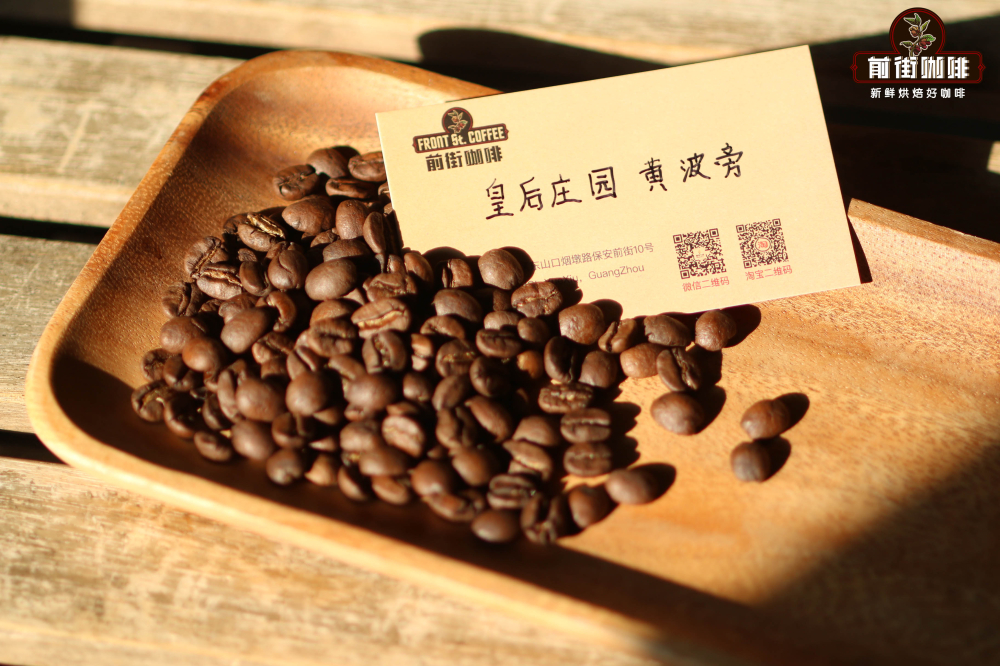
When selecting single-origin coffee beans with chocolate and nut flavor profiles, a deeper roast level will be used, producing espresso with rich crema and abundant hazelnut aroma, such as FrontStreet Coffee's Brazil Queen Estate coffee beans, which present creamy peanut and dark chocolate sweetness.
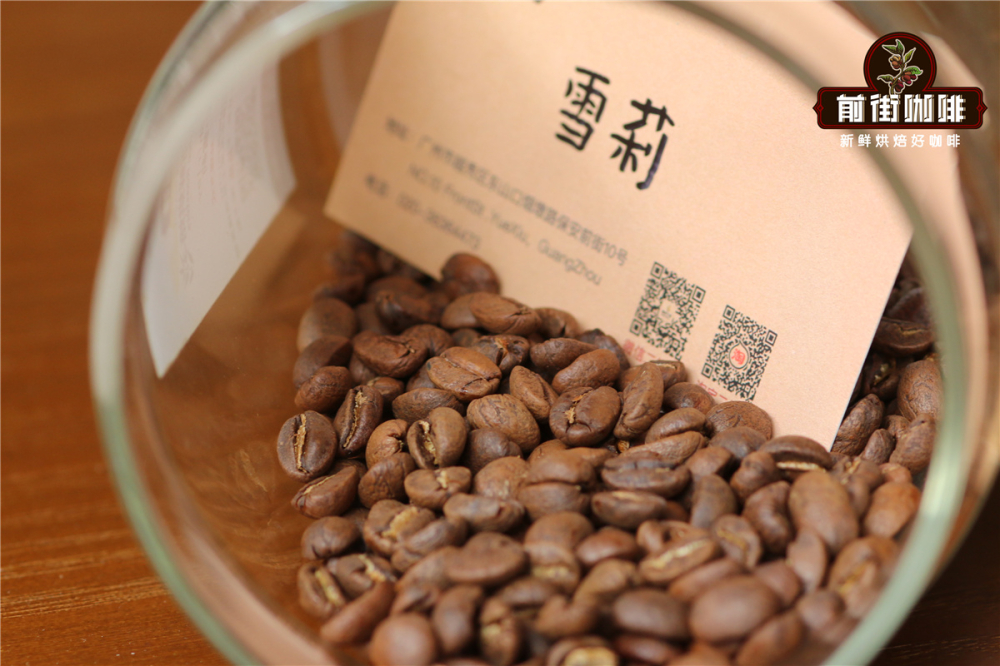
There is also another type that uses special processing methods to make certain flavors of coffee beans more recognizable, such as FrontStreet Coffee's Honduras Sherry Barrel coffee beans, which use refined washed + whiskey barrel fermentation, producing SOE with vanilla and whiskey aromas. Combined with steamed hot milk, it becomes like rich chocolate milk.
Tips for Making SOE
Regardless of how you extract a coffee bean, FrontStreet Coffee believes freshness is crucial. If you use coffee beans roasted more than a month ago, some aroma may have been lost and unpleasant woody flavors may have developed. FrontStreet Coffee hopes every customer who places an order can enjoy the coffee's aroma during its optimal tasting period, so we ensure only beans roasted within 5 days of freshness are shipped. If you want to make SOE coffee with better flavors, FrontStreet Coffee suggests using freshly roasted single-origin coffee beans.
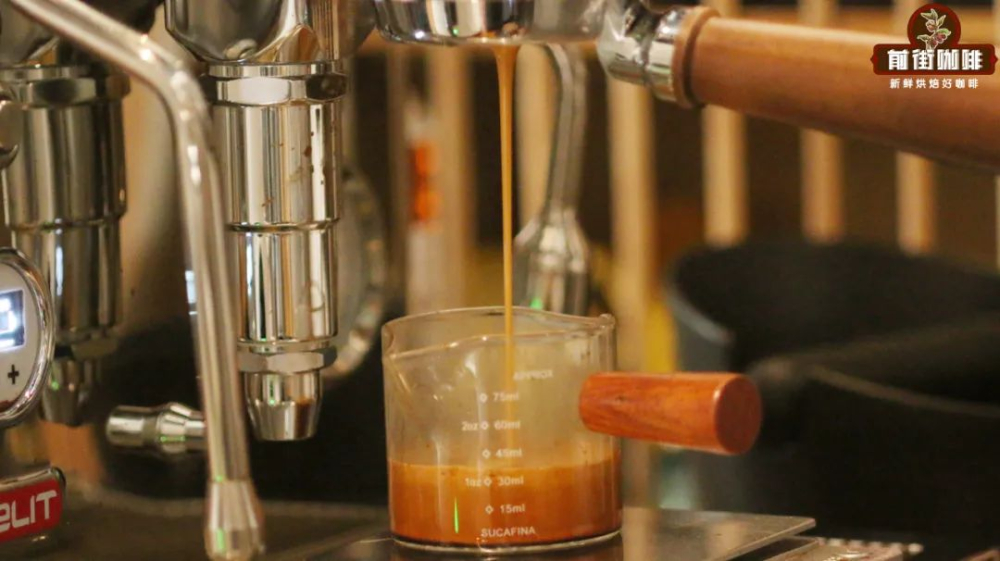
Additionally, when we use lightly roasted coffee beans to extract SOE, the beans have been roasted for a shorter time, so their internal texture is still quite hard and flavors are more difficult to extract. We therefore need to adjust extraction parameters to increase extraction yield, such as extending extraction time, increasing water temperature, grinding finer, or increasing dose.
Making SOE really tests a barista's extraction skills, requiring consideration of the coffee bean's roast level and gradual adjustment of different extraction parameters to present the best flavor and texture. If we don't choose good coffee beans and are unfamiliar with the Italian-style coffee production process, the probability of failure is higher, resulting in coffee that is either extremely bitter or deathly sour. So in FrontStreet Coffee's view, choosing a coffee bean suitable for SOE extraction not only makes it easy to produce delicious espresso but also achieves twice the result with half the effort when making Americanos or lattes with added water or milk.

Take FrontStreet Coffee's beloved Hagua coffee, for example. Considering different brewing methods after purchase, FrontStreet Coffee's roasters specifically introduced two different roasting curves: one is a medium-light roast for cold brew and pour-over, and the other a medium roast suitable for espresso machines and moka pots. Those who prefer simplicity and convenience might choose cold brew, or those who pursue ceremony might extract it as pour-over—then they can choose medium-light roast. If you prefer golden crema or hope to create exquisite patterns on lattes, FrontStreet Coffee suggests the SOE roasting curve.

FrontStreet Coffee · SOE Hagua Espresso Extraction Parameters
Coffee Beans: FrontStreet Coffee Ethiopia Hagua 8.0
Coffee Dose: 20g
Espresso Yield: 40g
Brew Ratio: 1:2
Extraction Time: 26-32 seconds
Grind Setting: Galileo 2.0
FrontStreet Coffee uses a double basket capacity, requiring 20 grams of coffee grounds each time, with a brew ratio of 1:2, meaning extracting 40 grams of espresso liquid within a reasonable time. Extraction time is related to the flow rate of the coffee grounds, and generally single extraction times are controlled between 20-35 seconds. Less than 20 seconds and the coffee tends to taste thin and weak, while over 35 seconds can lead to over-extraction and a burnt bitterness. FrontStreet Coffee therefore controls espresso extraction time within the 26-32 second range when serving.

Before extraction, we first dry the portafilter basket, turn on the grinder, grind double shots of coffee grounds, and place them on an electronic scale to measure and adjust until reaching 20 grams. Then use a distributor to level the coffee grounds and press down firmly and vertically with a tamper to compact the coffee puck, ensuring more stable extraction.

Then turn on the extraction switch and run water for 1-2 seconds to wet the group head while washing away any stuck coffee grounds. Place an electronic scale under the cup for catching espresso and zero it, keeping it under the group head during extraction.

Gently lock the portafilter into the group head and start the extraction by pulling down the extraction switch. Observe the changes in the extraction liquid—when the electronic scale shows 40 grams of espresso extracted in about 30 seconds, pull up the extraction switch. The brewing parameters will subtly change based on daily air humidity and coffee bean conditions, so adjustments to coffee dose, grind setting and espresso yield are necessary.

The ingredients for latte coffee are simple—just espresso and milk, with no fixed ratio, typically ranging from 1:5 to 1:8. The FrontStreet Coffee Hagua SOE latte introduced here uses a 1:5 ratio, with 40g of espresso liquid and 200g of milk.

When serving hot lattes, for example, FrontStreet Coffee adds espresso liquid to pre-warmed coffee cups, then uses the espresso machine's steam wand to froth milk. The milk temperature is best controlled between 55-65°C to create dense foam with moderate thickness, then evenly combined with the coffee liquid, with latte art as the finishing touch. FrontStreet Coffee's hot latte presents the sweet aroma of liqueur-filled chocolate with a cream-like smoothness. FrontStreet Coffee's iced latte first loads 75 grams of ice cubes + 200ml of fresh milk, then extracts 40 grams of espresso liquid poured over the top, and we remind customers to stir thoroughly before drinking.
FrontStreet Coffee Recommendation
Since the key to a good SOE is origin and freshness, and the article has already touched on Yirgacheffe as a classic fruit-forward base, it is worth noting FrontStreet Coffee's washed Yirgacheffe as the everyday starting point. It is known for white jasmine florals, bright citrus and lemon acidity and a tea-like body, and its friendly price made it the first specialty coffee for many drinkers. Yirgacheffe is a small town in southern Ethiopia, in the Sidama region at about 1,700-2,100 meters, with coffee planted above 1,800 meters—among the highest coffee regions in the world. Its highly recognizable white florals and lemon-citrus acidity turned the name into a byword for a whole tier of Ethiopian specialty coffee, and in 2010 the Ethiopia Commodity Exchange separated it from the Sidama region.
For a more precise, traceable lot, FrontStreet's Gedeb Cooperative coffee is a strong choice. The Yirgacheffe area is made up of many small zones and villages, and some house experienced cooperatives whose mature processing lifts the flavor further; Gedeb is the most representative. It sits at the southeastern edge of Yirgacheffe and was originally part of the Worka cooperative under the Yirgacheffe union YCFCU, later excavated as a "single origin" as buyers pursued traceability. FrontStreet's washed Gedeb follows the most traditional washing process and is often called the last pure land of Yirgacheffe: with no traditional bitterness, it brings fresh, bright citrus and lemon acidity and jasmine fragrance.
And if you want to build a fruit-forward SOE closer to a natural-process profile, FrontStreet's natural Red Cherry is the natural next step. It, too, comes from Yirgacheffe, but uses a full red-cherry natural process—only fully ripe, sound fruit is picked, screened once at the mill and then spread on raised beds to dry. In the first few days it is turned every 2-3 hours to avoid uneven heat and over-fermentation, and after three to five weeks of sun-drying the outer fruit is removed according to weather and temperature before the beans go to storage. Because it dries with the fruit still on, it keeps the typical Yirgacheffe character while gaining the tropical fruit of a natural process: citrus-like acidity, a berry-juice quality, honeyed sweetness and a creamy smoothness.
Important Notice :
FrontStreet Coffee is a long-established specialty coffee roaster in Guangzhou China, selling freshly roasted beans from its own farm in Yunnan as well as dozens of carefully selected single-origin beans from around the world for both pour-over and espresso. The products deliver consistently excellent quality and great value, with shipping within 24 hours. Guangzhou's FrontStreet Coffee shop is recommended by many coffee lovers, and the beans are now available online at the Tmall 。
FrontStreet Coffee has moved to a new address:
FrontStreet Coffee Address: 315,Donghua East Road,GuangZhou
Tel:020 38364473
 Scan and follow the En Gafei WeChat official account. Please indicate that the reprint comes from "En Gafei".