Flavor Extraction Differences: Coffee Grind Size for Various Brewing Methods | How Coffee Grinding Affects Flavor
After roasting, a coffee bean's cellular structure loosens, but the cell walls remain packed with carbon dioxide, oils, and the aromatic compounds produced by pyrolysis, and the bean expands as a result. Brew whole roasted beans directly and the aroma and water-soluble flavors stay locked inside—delicious coffee is nearly impossible. Grinding exists to break those hard cell walls open so hot water can get in and do its work.
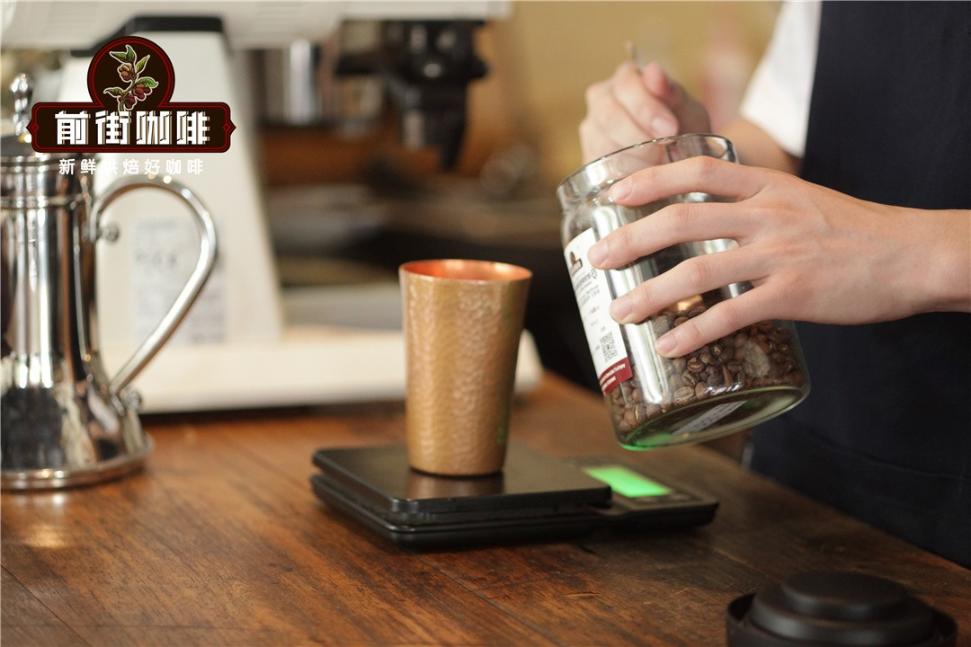
How you grind—and when—is the first step that shapes the final cup. You can have superb beans, a flawless roast, pure water, excellent filters, and a top-tier machine, and still ruin everything with a bad grind. The fix is basic knowledge, and it goes a long way.
Why We Grind
Whatever the brewing method, the goal of grinding is the same: break the roasted beans apart and expose their interiors so flavor can be extracted. Ground coffee has vastly more surface area than whole beans, so water contacts more coffee and extraction improves. But the grind must suit the beans. FrontStreet Coffee, for example, typically grinds Mandheling at setting 11 on the EK43S, because Mandheling's flavor is already very rich—grind it fine and the cup turns bitter. African beans usually run a notch finer: for the classic Yirgacheffe, FrontStreet Coffee uses around 9.5 on the EK43S to highlight its florals and fruit acidity while preserving the bean's original character.
Why Grind Size Matters
Grind size is critical no matter how you brew. The finer the grind, the more surface area is exposed and the faster extraction runs. That's why espresso coffee is ground fine—water crosses the puck in seconds under pressure—while cold brew uses a coarse grind, since cold extraction keeps coffee and water in contact for hours rather than the roughly 30 seconds of an espresso shot.
One more note: once ground, coffee's expanded surface area exposes it to air, oxidation accelerates, and volatile aromatics drift away. Grind immediately before brewing—always.
If you own a grinder, experiment to find what suits your beans and palate. To start you off, FrontStreet Coffee offers four standard grind sizes.
Standard Grind Sizes
Extra Fine Grind
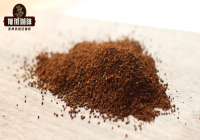
Particle size: like MSG powder
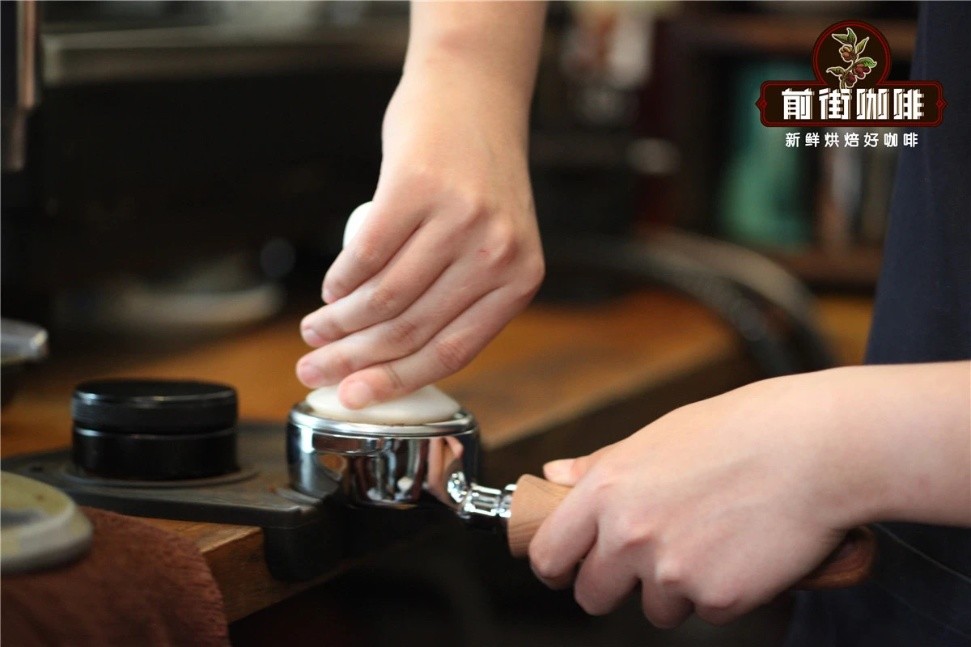
Best for: espresso machines
Fine Grind
Particle size: between MSG and sugar
Best for: moka pots, espresso machines
Medium Grind
Particle size: like pepper and sugar
Best for: drip machines, pour-over, siphon
Coarse Grind
Particle size: like sesame seeds
Best for: French press, cold drip brewers
The Levers That Shape Flavor
FrontStreet Coffee sees three main levers on any cup:
Grind size: finer grind, more intense cup; coarser grind, lighter flavor.
Brew time: longer, more intense; shorter, lighter.
Water temperature: hotter, more intense; cooler, lighter.
Sour and thin? Your grind is probably too coarse—go finer. Overly bitter? You're likely grinding too fine—go coarser. (Time and temperature move the needle too.)
Why does fineness matter so much? It directly controls extraction rate and strength. Every bean has its ideal grind, and beyond trial and error, a good anchor is the Golden Cup benchmarks: an extraction rate of 18%-22% and a strength of 1.15%-1.55%. Fine-tune within that range and the flavor stays on track—no wild swings, no botched cups. It also makes brewing good coffee far easier for beginners. Take the time to learn each bean's ideal setting; a half-notch difference on the scale can change the whole cup.
FrontStreet Coffee Recommendation
To put grind theory into practice, start with a forgiving, distinctive bean. FrontStreet Coffee's PWN Golden Mandheling is brewed at EK43S setting 11 precisely because its flavor is so rich: G1 grade, screen size 18 and up, three rounds of hand-sorting, and a medium-dark roast that shows caramel sweetness, chocolate, and nuts in a thick, full-bodied cup.
For the traditional side of the style, FrontStreet Coffee's Lintong Mandheling from around Lake Toba in North Sumatra—G1 grade, wet-hulled, dark roasted—brings palm sugar, spice, herbs, nuts, and dark chocolate in a thick, low-acid cup. Espresso machine owners can try the high-repurchase FrontStreet Coffee classic blend instead, which layers Mandheling's body and sandalwood-herbal spice notes over Brazil's creamy nuttiness for rich crema in a latte or Dirty.
Important Notice :
FrontStreet Coffee is a long-established specialty coffee roaster in Guangzhou China, selling freshly roasted beans from its own farm in Yunnan as well as dozens of carefully selected single-origin beans from around the world for both pour-over and espresso. The products deliver consistently excellent quality and great value, with shipping within 24 hours. Guangzhou's FrontStreet Coffee shop is recommended by many coffee lovers, and the beans are now available online at the Tmall 。
FrontStreet Coffee has moved to a new address:
FrontStreet Coffee Address: 315,Donghua East Road,GuangZhou
Tel:020 38364473
 Scan and follow the En Gafei WeChat official account. Please indicate that the reprint comes from "En Gafei".