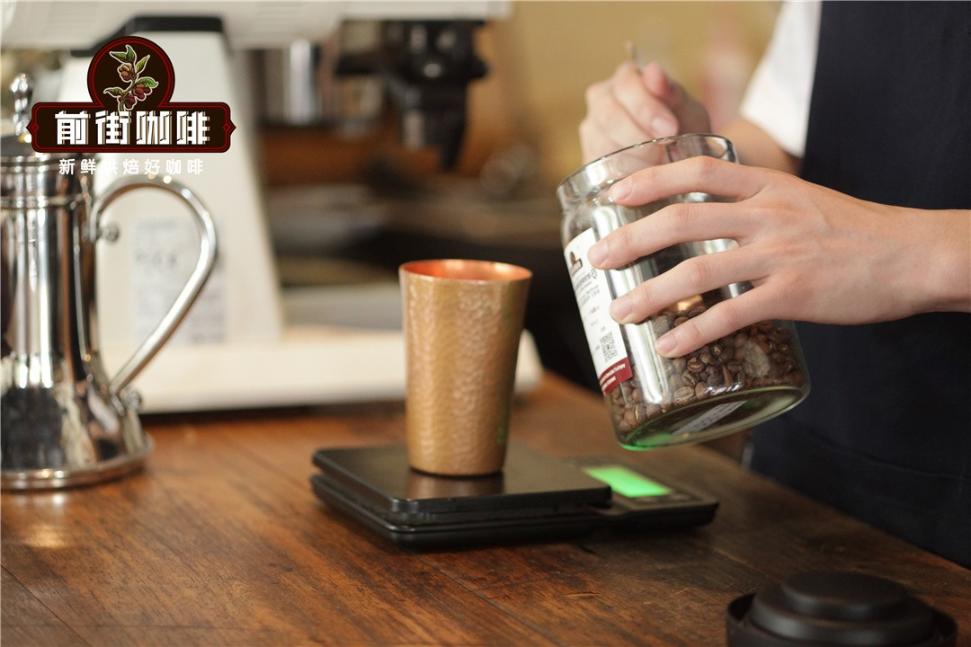
How to Determine Coffee Grind Size? Can Coffee Grounds Be Brewed Directly?

Whenever FrontStreet Coffee explains pour-over coffee, we return to the key variables that govern extraction and flavor: water temperature, grind size, and coffee-to-water ratio. Grind size determines the size and uniformity of the coffee particles, which directly controls how efficiently water extracts flavor compounds from the grounds. So how do you set the right grind for different coffees? In this article, FrontStreet Coffee explains how to dial in grind coarseness for pour-over.
How Grind Coarseness Affects Extraction
Through many brewing experiments, FrontStreet Coffee has shown that the finer the grind, the more the grounds pack against the filter paper, raising extraction resistance—flow slows, contact time lengthens, extraction rate climbs, and the cup grows more intense. The coarser the grind, the larger the gaps between particles, the less coffee touches the hot water, and the weaker the resistance: coffee drips through faster, extraction rate drops, and flavor turns milder. So what actually happens in the cup when beans are ground too fine versus too coarse?

What Happens When Pour-Over Coffee Is Ground Too Fine?

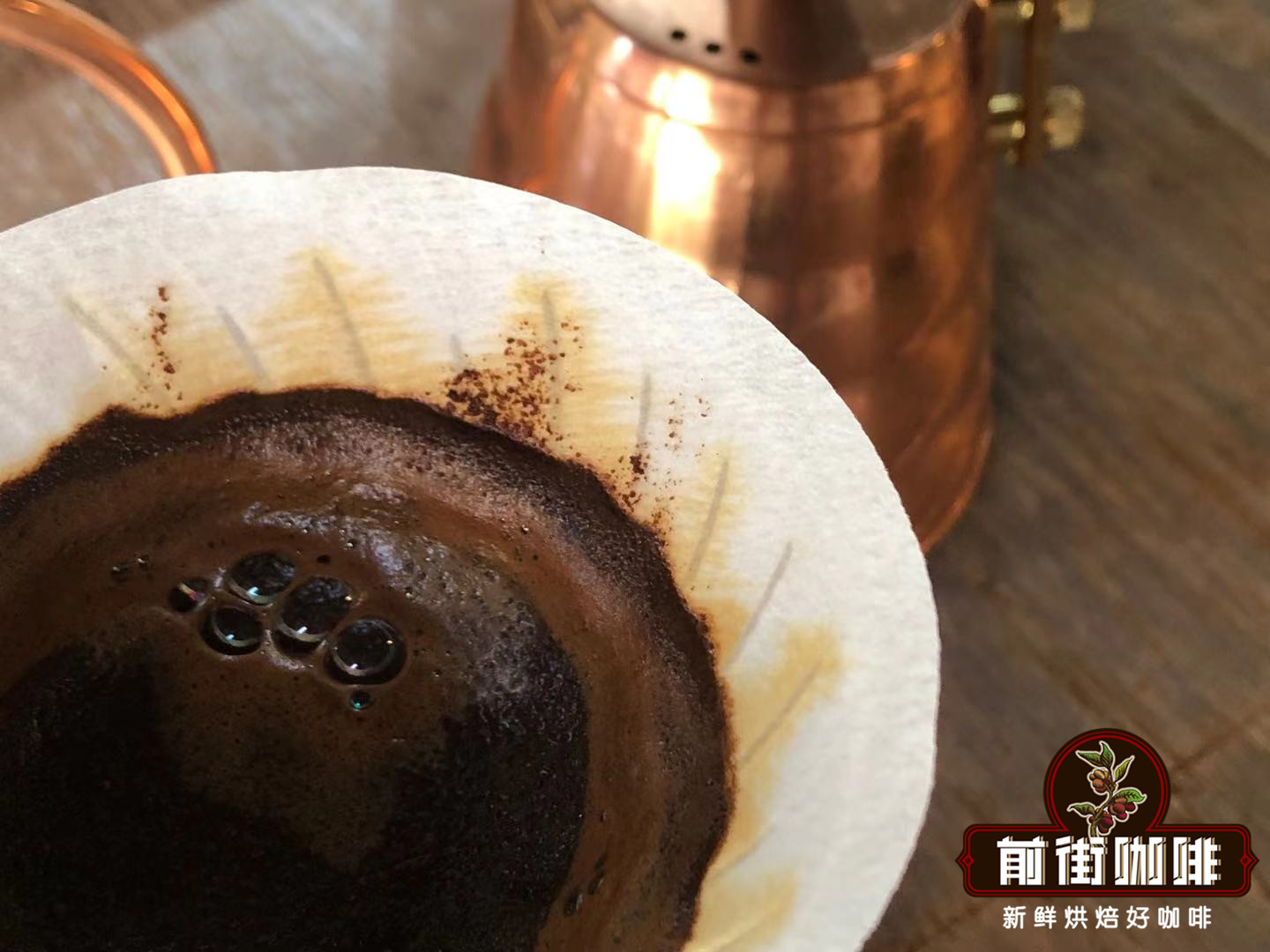
The particles are visibly smaller. With smaller particles, the gaps between them shrink, water struggles to pass through, and drip times stretch. Wetted, the grounds turn paste-like, and after brewing the coffee bed shows no individual particles—just an obviously muddy mass.
What Happens When Pour-Over Coffee Is Ground Too Coarse?
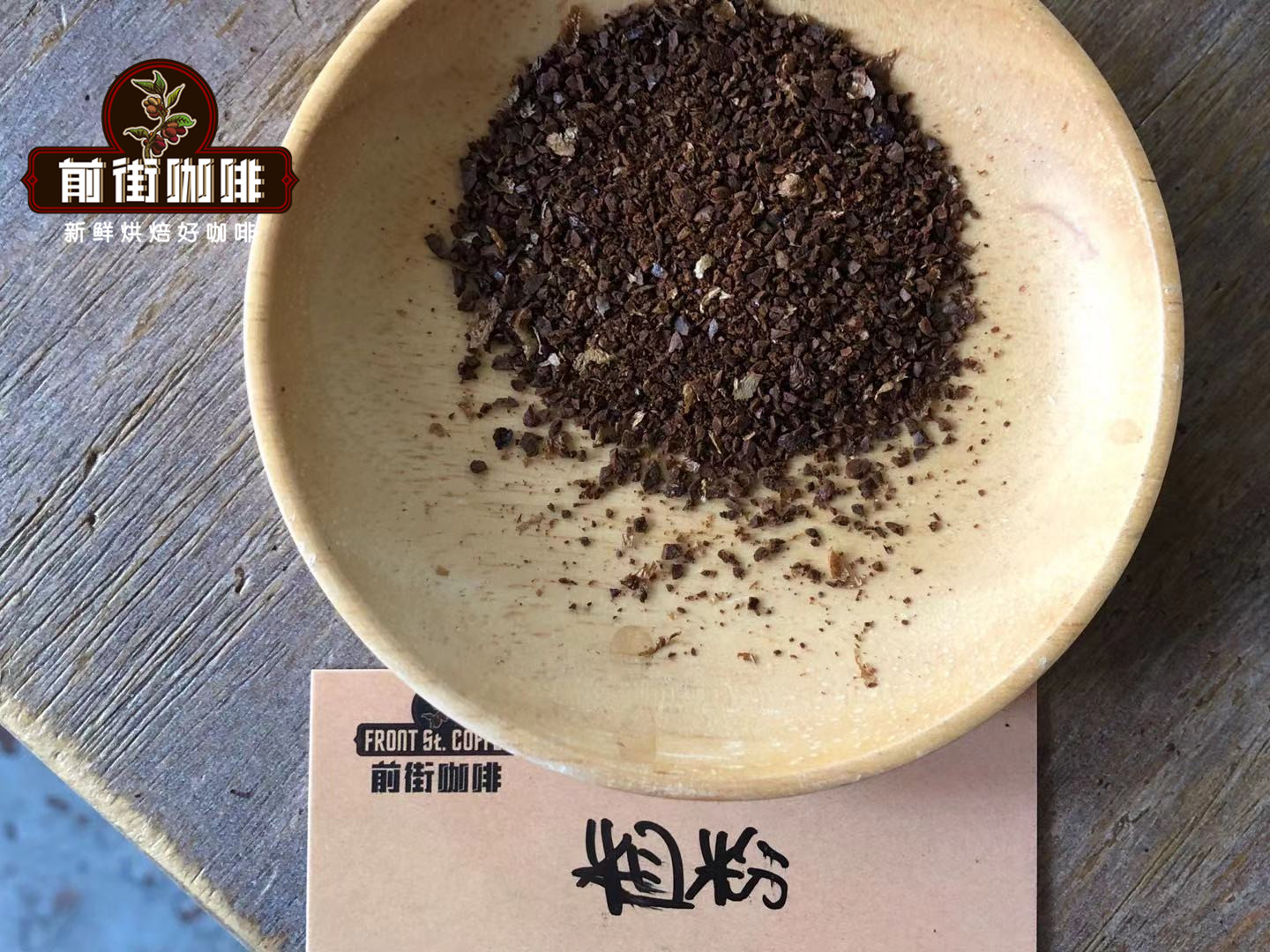
The particles are visibly larger, the gaps between them wider, water passes through easily, and filtration times shorten. After brewing, individual particles are clearly visible in the bed; a complete coffee bed fails to form, leaving gaps and fractures.

The Impact of Grind Size on Coffee Extraction
Grind size is not just about particle size and shape—it is about surface area. The finer the grind, the larger the surface area, and the more contact between water and coffee, the more compounds get extracted. The larger surface area also gives carbon dioxide inside the beans more places to escape.

How We Adjust Pour-Over Grind Size
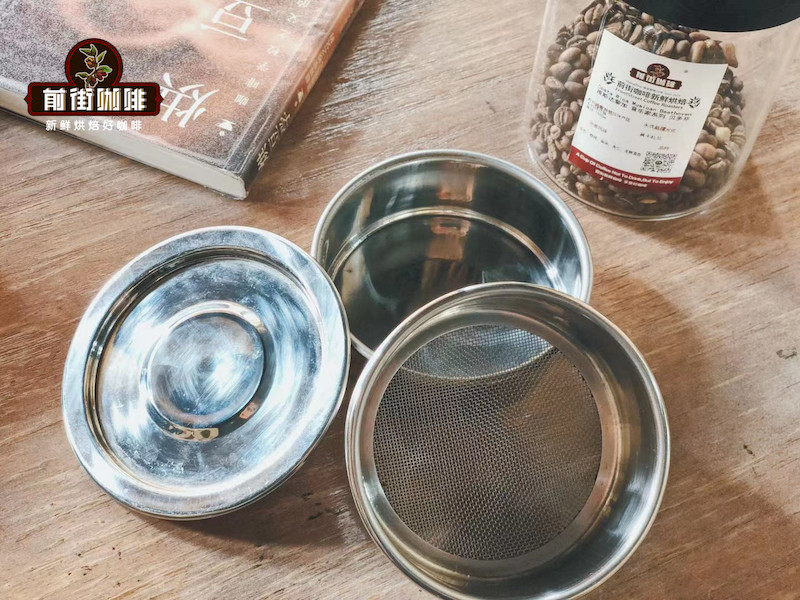
In everyday grinding, even grounds that look uniform differ by at least 0.6mm between the largest and smallest particles. Particles larger than 0.85mm count as "coarse grounds," and particles smaller than 0.25mm as "very fine grounds." If those two extremes together make up more than 40% of your total grounds, they are not suitable for pour-over coffee. Confused? No problem—FrontStreet Coffee recommends buying a 0.85mm aperture test sieve.
How to Use a Sieve to Determine Coffee Grind Size?
Weigh 10g of coffee beans, grind at an approximate setting, and pour the grounds into the sieve. Shake until nothing more passes through, then weigh the fines that made it. A pass rate of 75%-80% (7.5-8g through the sieve from 10g of grounds) is the right grind for light to medium roast beans. A pass rate of 65%-70% (6.5-7.0g through) suits medium to dark roasts. Above the target rate, grind coarser; below it, grind finer.
FrontStreet Coffee Recommendation
Once your grind is dialed in, the beans matter just as much. For light to medium roasts that reward a finer, faster V60 extraction, FrontStreet Coffee's Yirgacheffe Idido Cooperative is the classic daily bean: citrus, berry, and floral notes with a green-tea-like sweetness, its acidity soft and bright rather than sharp—very forgiving for newcomers to pour-over.
For a fuller natural, the FrontStreet Ethiopia Huakui shows extraordinary tropical fruit—strawberry, passionfruit, jackfruit, even lychee—with obvious sweetness, almost no bitterness, and a juicy, smooth entry; drinkers who dislike traditional coffee bitterness often call it "the coffee for people who don't like coffee."
And for medium-dark roasts that call for the coarser 65%-70% pass rate, the FrontStreet Brazil Queen Estate Yellow Bourbon keeps its balance effortlessly: low acidity, nut and cocoa aromas with clear caramel sweetness, smooth and never astringent—whether you brew it by hand, through a moka pot, or as espresso.
Important Notice :
FrontStreet Coffee is a long-established specialty coffee roaster in Guangzhou China, selling freshly roasted beans from its own farm in Yunnan as well as dozens of carefully selected single-origin beans from around the world for both pour-over and espresso. The products deliver consistently excellent quality and great value, with shipping within 24 hours. Guangzhou's FrontStreet Coffee shop is recommended by many coffee lovers, and the beans are now available online at the Tmall 。
FrontStreet Coffee has moved to a new address:
FrontStreet Coffee Address: 315,Donghua East Road,GuangZhou
Tel:020 38364473
 Scan and follow the En Gafei WeChat official account. Please indicate that the reprint comes from "En Gafei".