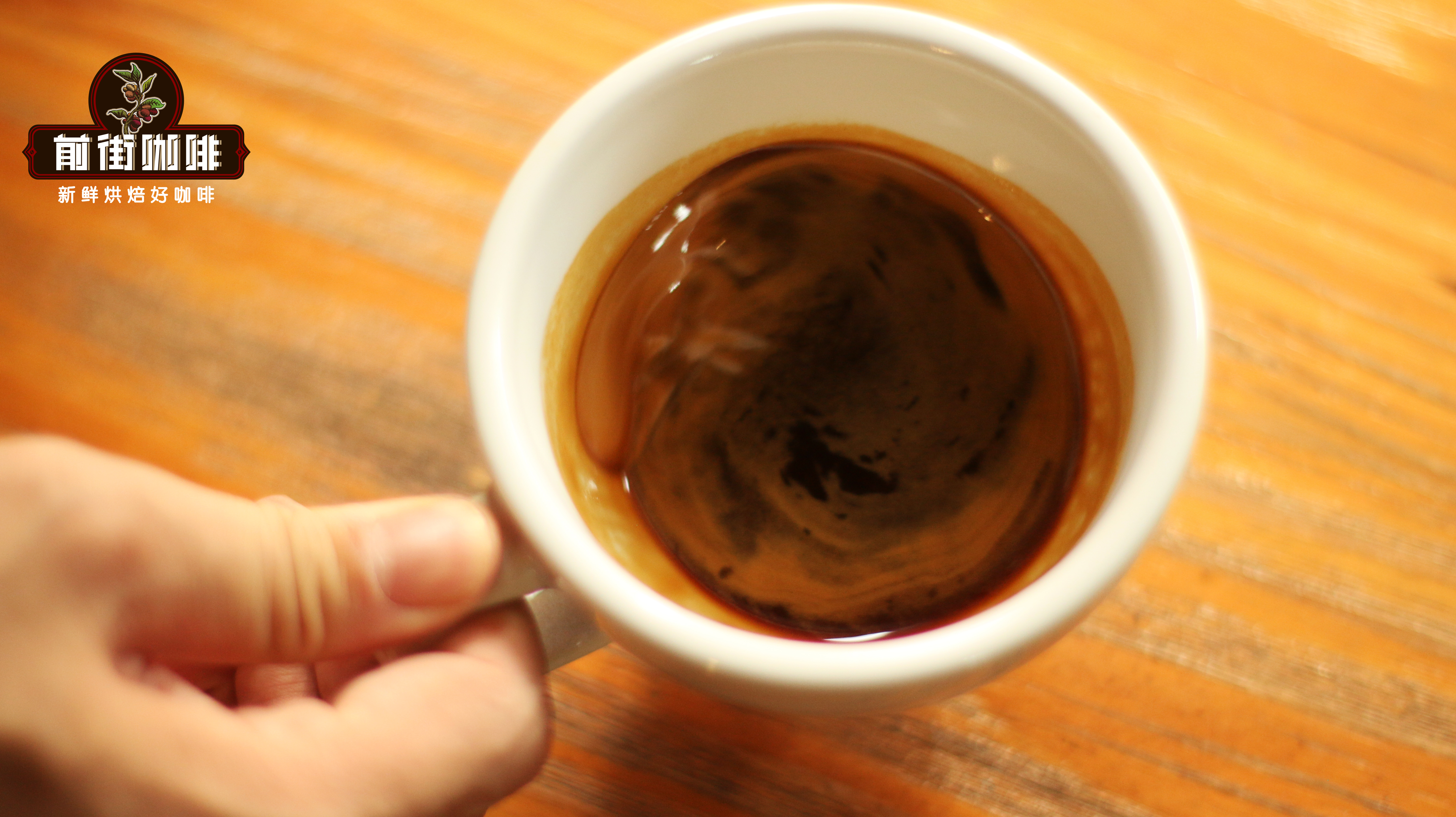
Why is Water Served with Espresso? The Right Cups and Proper Drinking Methods
Regular readers of FrontStreet Coffee's articles, and anyone who has visited our locations, know that our lattes carry a distinct wine-like aroma. That comes from the espresso blend we use, which is the result of careful formulation. Once people learn about this characteristic wine note, many become curious and eager to taste our espresso.
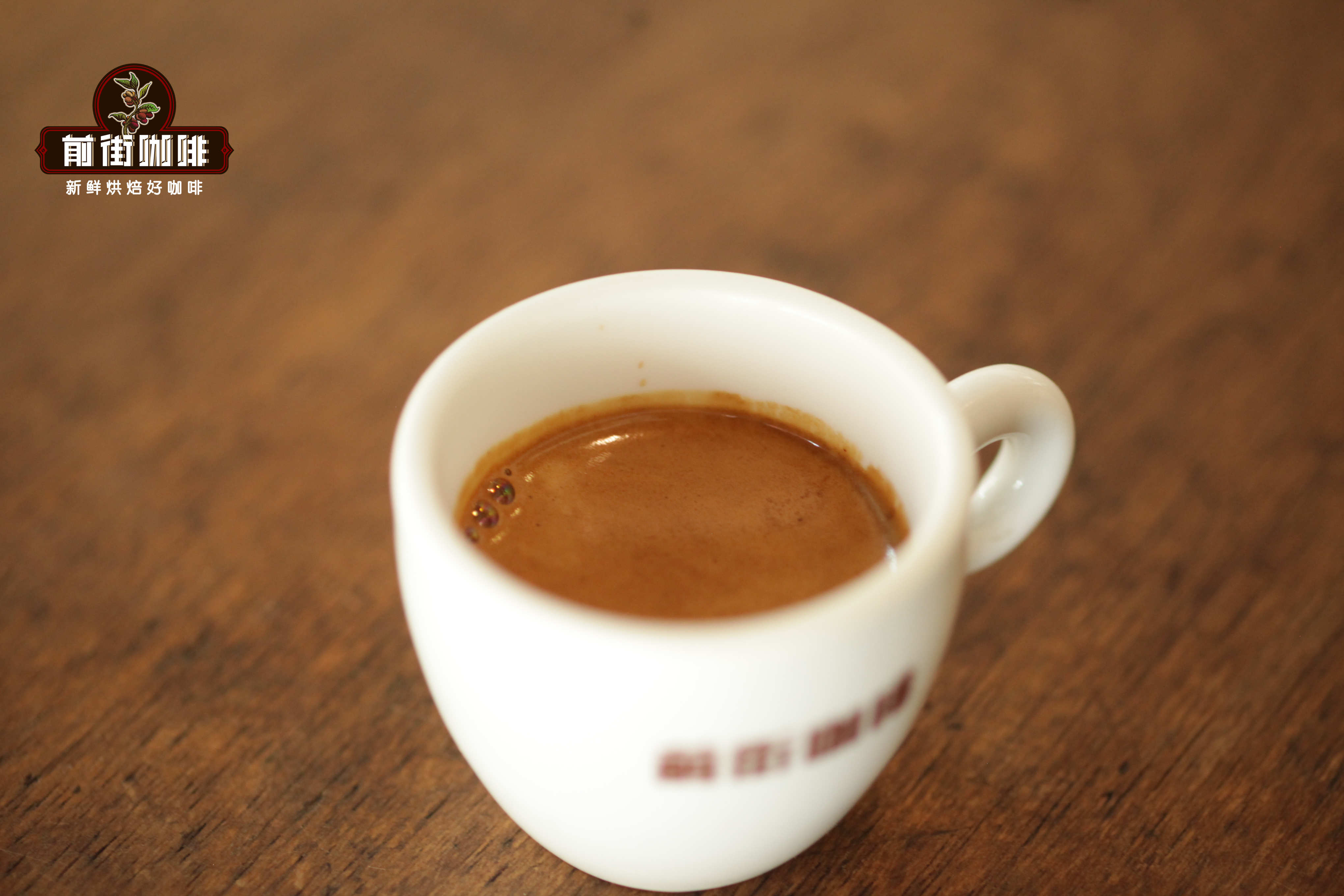
First-timers are often surprised to see a barista serve espresso in a small, heavy cup of about 50 milliliters. They immediately wonder: why so little? Is this some kind of insult?
FrontStreet Coffee assures you: no such intention.
Observant customers also notice that we serve espresso with a glass of ice water. Why ice water, and how should one drink espresso? Here is the proper way to enjoy it.
Understanding Espresso's Intense Character

Everyone knows that cappuccinos, lattes, and Americanos are all based on espresso and are diluted with substantial amounts of milk or water. Even after that dilution the coffee flavor stays intense, which means pure espresso itself is extremely concentrated and can be challenging for many people to accept.
This is tied to how espresso is made. Since 1961, when Faema introduced the world's first semi-automatic espresso machine, the Faema E61, the key parameters such as extraction pressure and time could be freely controlled. Since then, standard espresso extraction has been set at 9 bar and roughly 93°C. Espresso beans are typically dark roasted, and combined with such high pressure and temperature, the resulting shot naturally has intense flavor and a thick, viscous texture.
The Art of Serving Espresso

In any coffee shop, an espresso is usually served with a glass of ice water and a small spoon. The ice water cleanses your palate before tasting, removing residual flavors and sharpening your senses so you can better appreciate the espresso's flavor and texture. The small spoon is for stirring the espresso before drinking or for checking its condition. You can also choose not to stir and enjoy the different sensations as the top layer of crema and the lower layer of espresso touch your tongue. After tasting, take another sip of clean water to rinse your mouth and better perceive the coffee's sweetness.
Key Factors in Perfect Espresso Extraction
To pull a qualified espresso there are many important factors: dose, extraction yield, grind size, extraction rate, time, and pressure.

Dose Amount: Generally determined by the basket capacity. FrontStreet Coffee's basket is 20 grams. Too much coffee can prevent the portafilter from locking into the group head and can push pressure past safe limits; too little can cause uneven extraction.
Extraction Yield: Generally the coffee-to-liquid ratio is around 1:2, meaning 20 grams of coffee yields 40 grams of espresso liquid.
Grind Size: The finer the grind, the smaller the particles, allowing more thorough contact with water and extracting more substances, which can lead to over-extraction; the opposite is true for coarser grinds. The right grind size is therefore crucial.

Extraction Rate: A proper extraction rate produces liquid that flows like thick caramel. If the flow is too fast, the water will not adequately extract the soluble coffee, leaving a flat aroma and watery texture; if too slow, it can cause excessive concentration and even over-extraction.
Time: The soluble substances in coffee increase over time, and these can include bitter compounds.
Pressure: The ideal pressure is around 9 bar. Too low and fewer oil components are extracted, giving inferior flavor and texture; too high and too much of the coffee structure is damaged, and the vigorous interaction between powerful water and the grounds increases the extraction of insoluble substances, making bitterness more pronounced.
FrontStreet Coffee's Espresso Preparation Method

FrontStreet Coffee's Espresso Preparation Method:
- Coffee Machine: Lelit Bianca V3
- Pressure: 9 bar ± 2
- Temperature: 90.5~96°C
- Time: 20~30 sec
- Coffee-to-Water Ratio: 1:1.7~1:2
- Dose: 12g (single shot) 20g (double shot)
- Extraction Yield: 20ml (single) 40ml (double)

FrontStreet Coffee uses Sunflower Warm Sunshine Blend beans for making espresso. This blend consists of 70% Honduras Sherry and 30% Ethiopia Natural Red Cherry.
Among these, the 70% Honduras Sherry coffee beans are fermented in sherry whiskey barrels, providing intense whiskey aroma along with vanilla, cream, and chocolate flavors to the final product. The 30% Ethiopia Natural Red Cherry provides berry acidity and fruit aromas.

FrontStreet Coffee: Sunflower Warm Sunshine Blend Coffee Beans
- Origin: Honduras & Ethiopia
- Varieties: Caturra, Catuai, Pacas, Local Heirloom
- Processing: Washed & Natural
The espresso produced from FrontStreet Coffee's espresso blend shows distinct fruit acidity, with subtle berry aromas lingering throughout, intense wine and chocolate flavors, and a comfortable sweet aftertaste.
Alternative Espresso Blends at FrontStreet Coffee
If you don't prefer wine-like aromas, FrontStreet Coffee has also developed three other espresso blends for your selection.
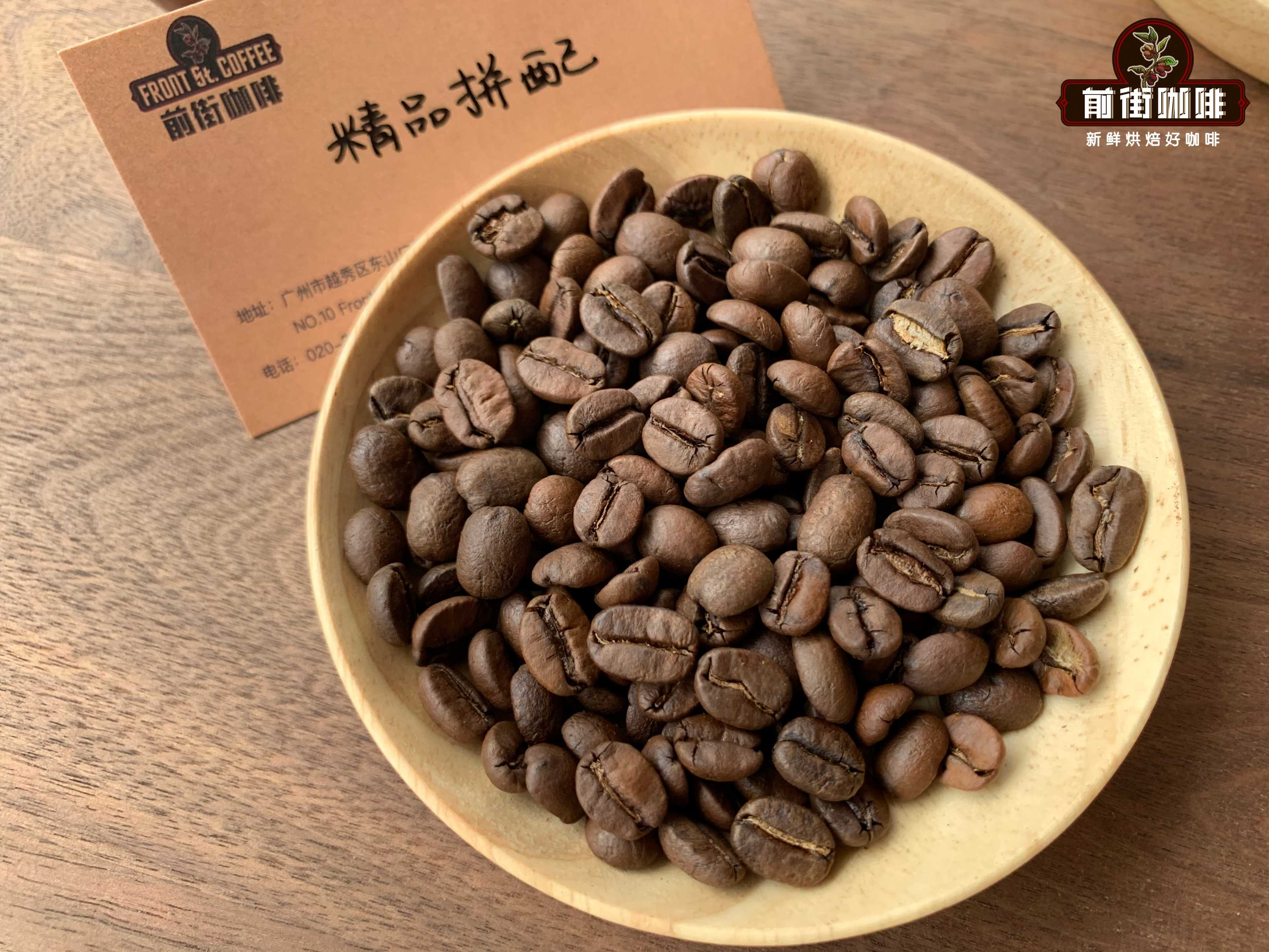
FrontStreet Coffee: Fine Blend Coffee Beans
- Origin: 30% Colombia & 70% Brazil
- Variety: Arabica
- Processing: Washed Processing
FrontStreet Coffee's Fine Blend features nutty and chocolate notes as the main profile, with soft and subtle acidity, and a sweet nutty aftertaste.
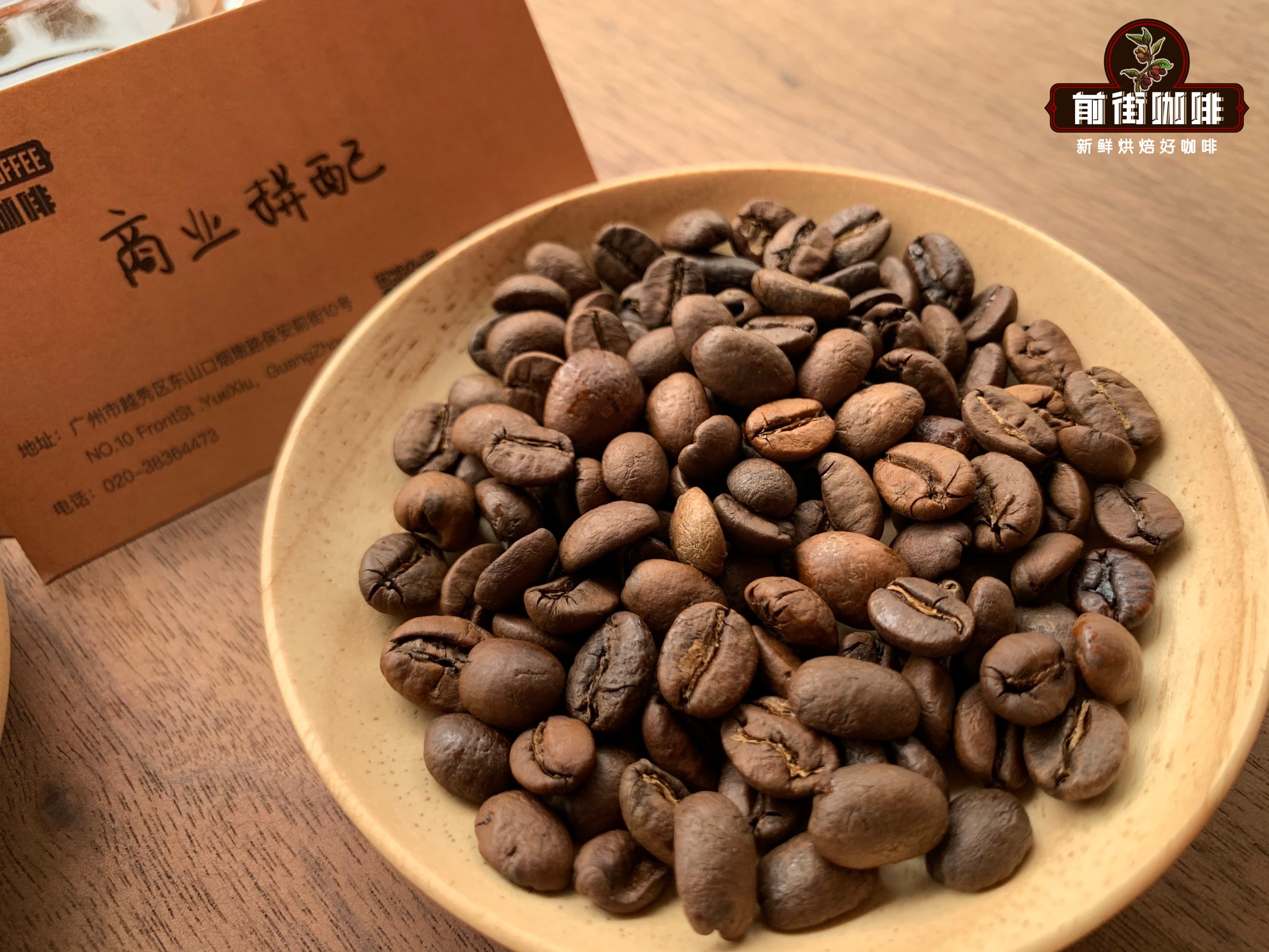
FrontStreet Coffee: Commercial Blend Coffee Beans
- Origin: 30% Colombia & 60% Brazil & 10% Robusta
- Variety: Arabica & Robusta
- Processing: Washed Processing
FrontStreet Coffee's Commercial Blend has caramel sweetness, nutty and cocoa notes, dark chocolate flavors, balanced sweet and sour, slight bitterness due to Robusta inclusion, persistent aftertaste, and rich crema.
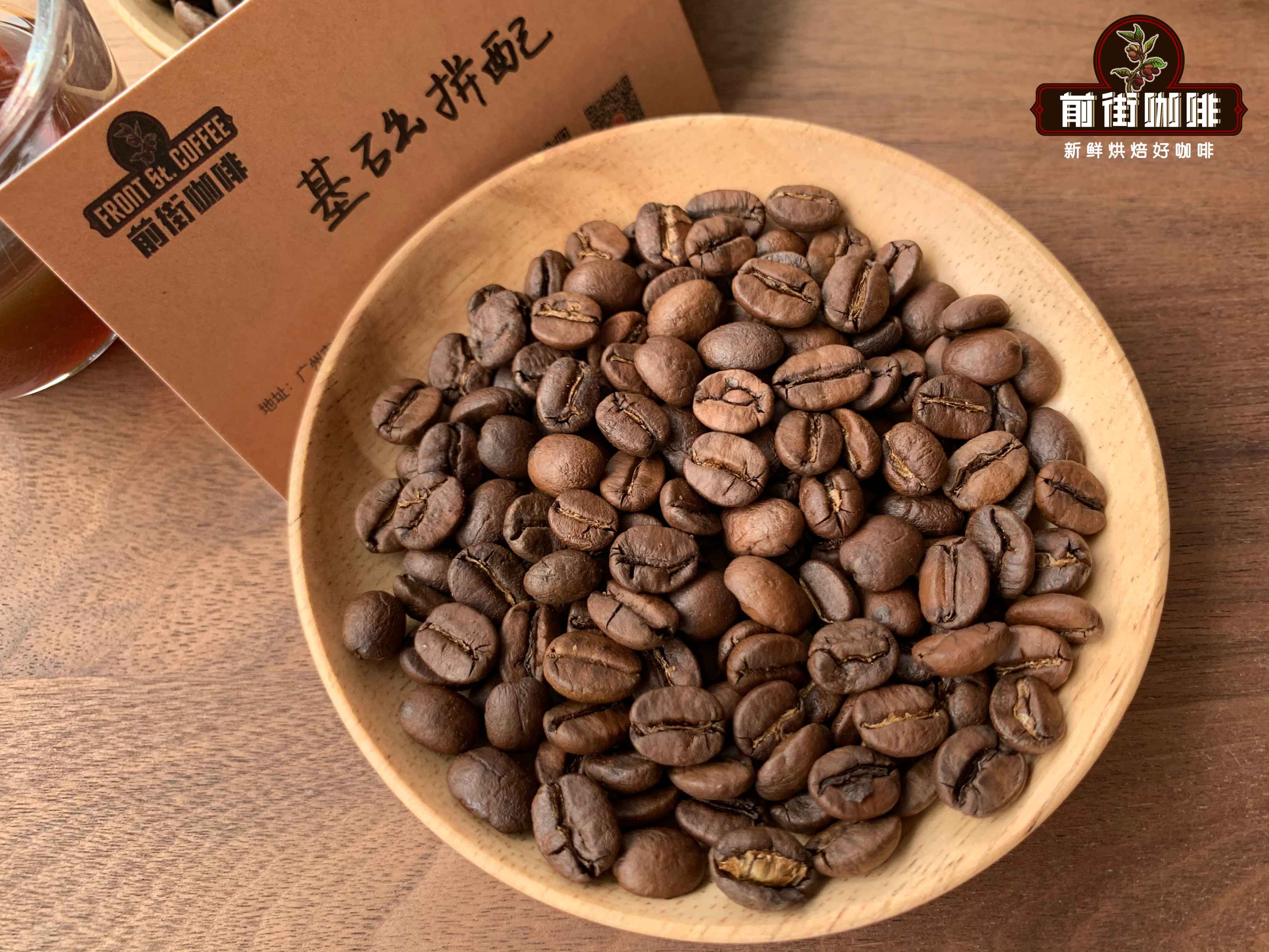
FrontStreet Coffee: Basic Blend Coffee Beans
- Origin: 30% Yunnan & 70% Brazil
- Variety: Arabica
- Processing: Washed Processing
FrontStreet Coffee's Basic Blend has soft fruit acidity, caramel sweetness, nutty and dark chocolate flavors, smooth and viscous texture, but with a milder taste.
FrontStreet Coffee Recommendation
For pulling espresso at home, FrontStreet Classic Blend is the workhorse. It is built for café use, and it is often called a "crema bomb" for the fine golden crema it produces. The Brazilian base brings creamy nuttiness, and the cup is rich, smooth, and very forgiving for beginners. It is the natural choice for a latte, and it also works as the base for Americano, cappuccino, and mocha. Pull it with 20g of coffee at a 1:2 ratio over about 30 seconds for a shot that is both concentrated and fully extracted.
If you prefer a cleaner, fruit-forward espresso, FrontStreet Strawberry Candy is worth trying. This espresso blend combines a Costa Rican honey process with a Panamanian washed Geisha, so it carries berry, rose, raisin, and fruit-candy aromas alongside a rounded sweetness. It is a little sweeter and more aromatic than a classic blend, and it makes an especially distinctive cappuccino.
For a single-origin option, FrontStreet Genlana Geisha SOE brings the Geisha character into the cup. It is a naturally processed Ethiopian single origin roasted medium, so it keeps the berry, orange, and persimmon notes of a Geisha while staying clean and not bitter. Combined with milk it takes on a milk-candy sweetness, which makes an especially lovely cappuccino.
Important Notice :
FrontStreet Coffee is a long-established specialty coffee roaster in Guangzhou China, selling freshly roasted beans from its own farm in Yunnan as well as dozens of carefully selected single-origin beans from around the world for both pour-over and espresso. The products deliver consistently excellent quality and great value, with shipping within 24 hours. Guangzhou's FrontStreet Coffee shop is recommended by many coffee lovers, and the beans are now available online at the Tmall 。
FrontStreet Coffee has moved to a new address:
FrontStreet Coffee Address: 315,Donghua East Road,GuangZhou
Tel:020 38364473
 Scan and follow the En Gafei WeChat official account. Please indicate that the reprint comes from "En Gafei".