Which Region Has the Best Coffee in Indonesia: A Flavor Comparison Between West Java Coffee and Mandheling Coffee

When people think of Indonesian coffee, two names usually come to mind: Mandheling and Java. FrontStreet Coffee currently carries 5 different Mandheling coffee beans, and some may wonder, "Aren't all Mandhelings the same? Why does FrontStreet Coffee list 5 of them?" Before we add any new bean, we do extensive research, from regional information and roast curve adjustments to cupping and brewing evaluations, building a complete picture of each coffee. The most crucial factor for listing a bean is whether its regional flavor character is distinct and noteworthy. Mandheling coffee indeed has such a signature: intense herbal notes with high sweetness and body. FrontStreet Coffee's 5 Mandhelings all possess these hallmark traits yet each develops them further, so every bean shares the family character while showing its own personality.

The History of Indonesian Coffee
Indonesia, in Southeast Asia, has a coffee history stretching back to 1696, when the Dutch introduced coffee seedlings to the country. After successful trial cultivation, Java Island became the primary site for large-scale planting. However, in 1877, nearly all of Indonesia's coffee trees were infected by leaf rust disease, and Arabica could not resist it, resulting in devastating losses.
Indonesia subsequently imported Robusta beans from Africa, whose strong disease resistance helped the country's coffee economy recover. Today Indonesia is the world's leading producer of Robusta, while Arabica accounts for only 6-10% of total coffee production, including the famous Mandheling. Robusta is cultivated mainly in southern Sumatra, Arabica in the north.

Indonesia's Coffee Growing Environment
Indonesia has a typical tropical rainforest climate with average annual temperatures of 25-27°C, no distinct seasons, and annual precipitation of 1600-2200mm. Sitting on the volcanic belt, its soil is fertile and mineral-rich, ideal for coffee. Elevations range from 900-2100 meters, with the main coffee zones concentrated around 1200 meters.
Indonesian coffee has two harvest seasons: the primary season from September to October and a secondary season from May to June.

Today, Indonesia's coffee cultivation area exceeds 1 million hectares, about 24% of the total arable land. The average plantation is 1.7 hectares, with roughly 2.7 billion coffee trees, of which 66% are grown with modern methods on plantations, while the rest come from traditionally managed small farms.
Indonesian Coffee Varieties
Indonesian coffee falls into three main categories: Arabica, Robusta, and Liberica. Within these there are over 20 major varieties, including common ones like Catuai, Catimor, Timor, Typica, S288, S795, and Sidikalong.
Indonesian Coffee Processing Methods
The main processing methods for Indonesian coffee are natural (dry), washed, and wet-hulled. Because the climate is humid with frequent rainfall, washed processing and wet-hulling are preferred since they dry more efficiently.
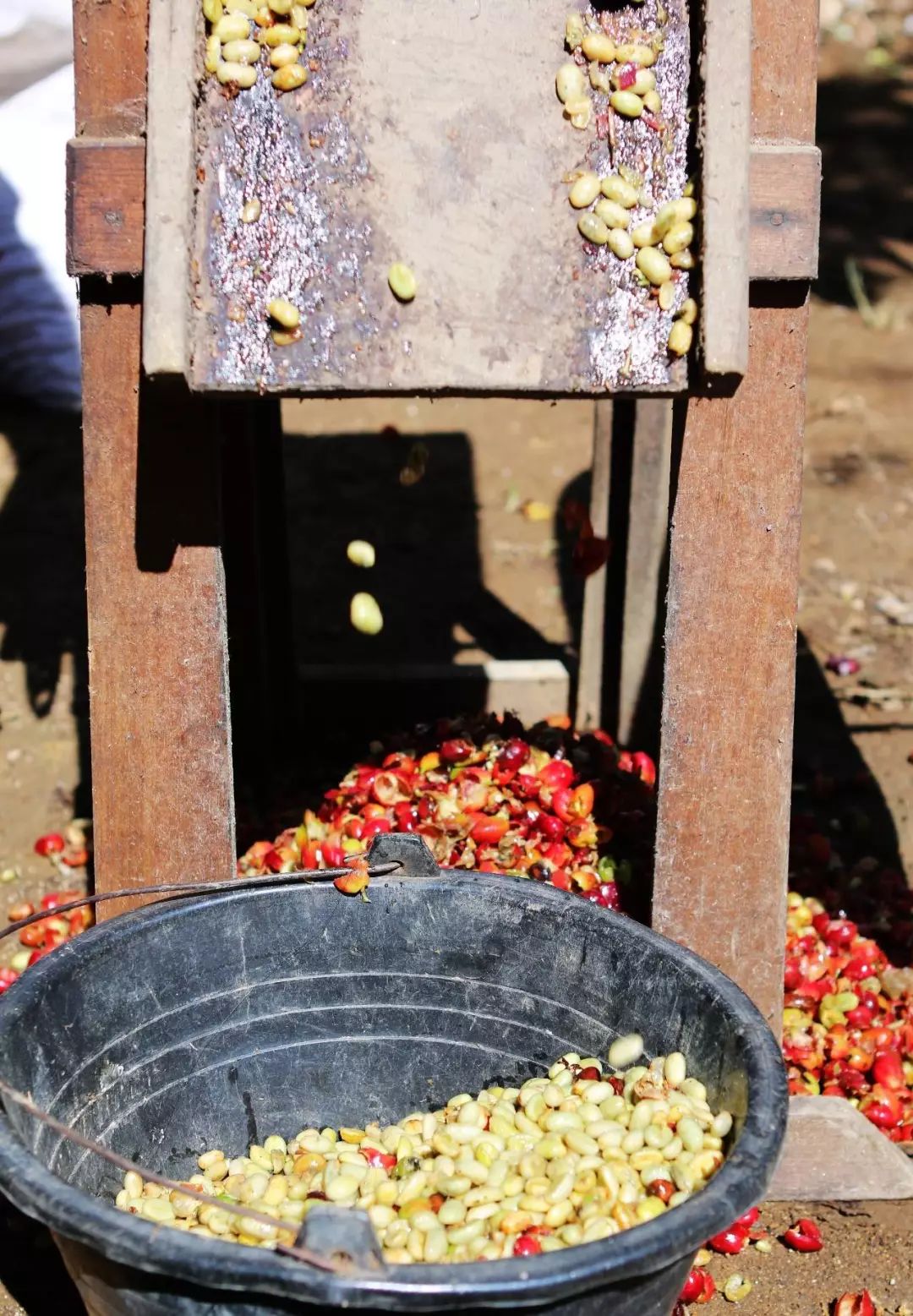
Indonesia's most famous processing methods are wet-hulling and civet digestion fermentation. Both produce beans with special flavors that people around the world seek out and love.
Sumatran Mandheling is processed primarily by wet-hulling, which has two main stages. In the first, a wooden de-pulper removes the skin and pulp, followed by about 3 hours of fermentation and drying to bring the beans to a semi-dry 30-50% moisture. In the second stage, the mucilage and parchment layer are stripped away, and drying continues for 2-4 days until moisture reaches 12-13%.
Beyond regular wet-hulling there is also aged wet-hulling: the beans are first wet-hulled as usual, then sealed in warehouses for 2-3 years, during which their acidity gradually fades and converts to sugars. Mandheling processed this way is known as aged Mandheling.
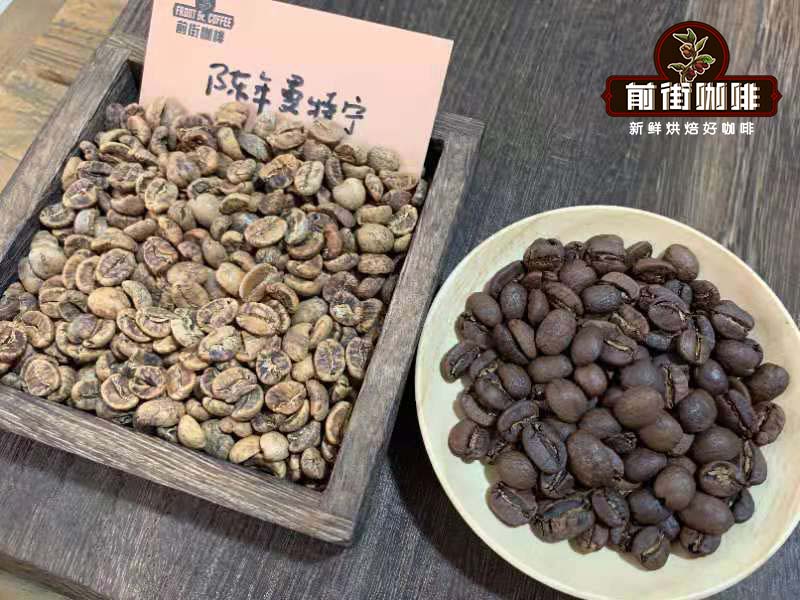
Sumatran Mandheling Coffee Beans
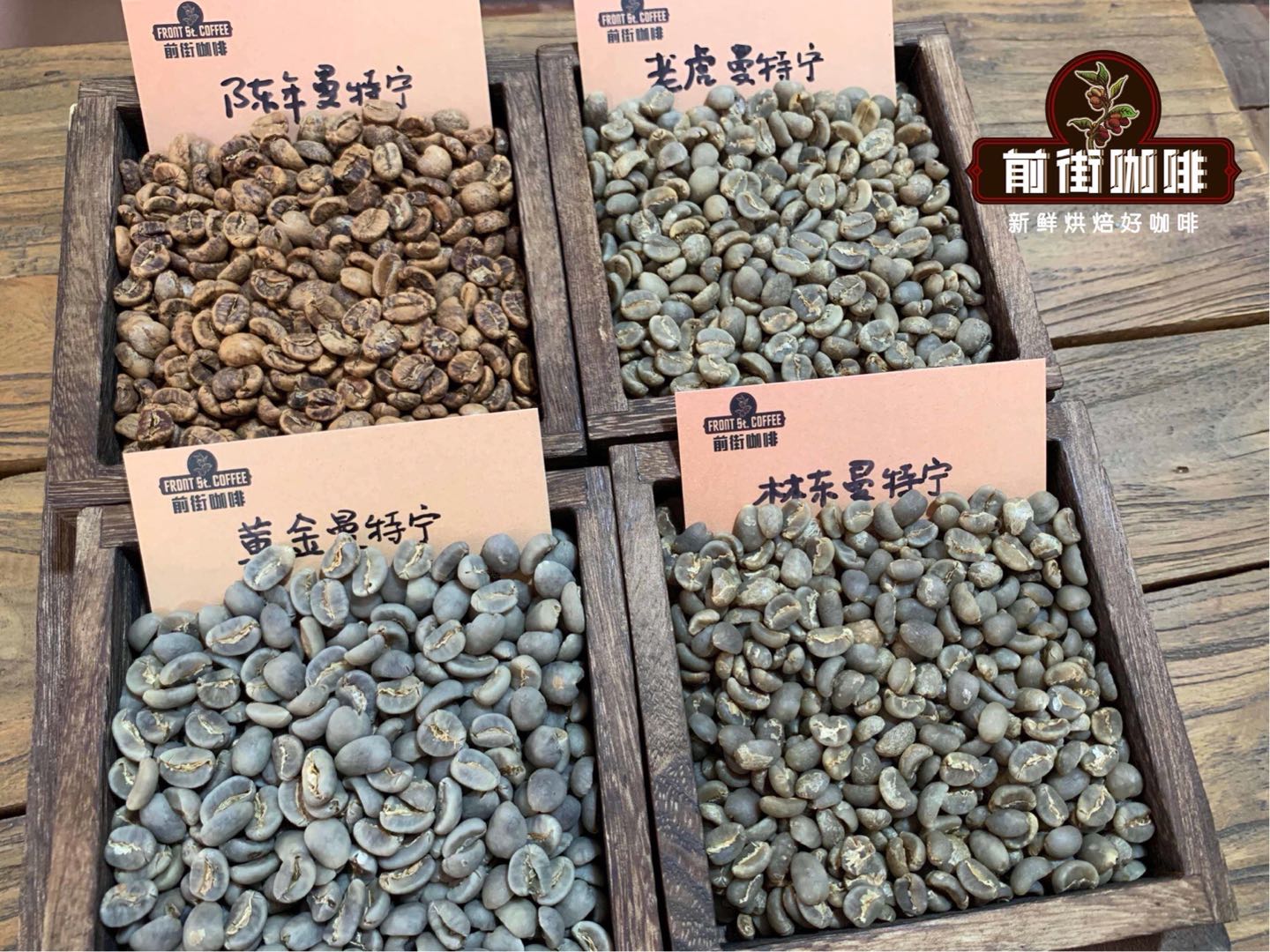
When Sumatran coffee is mentioned, Mandheling inevitably follows. Mandheling is produced mainly in the Lake Toba region of northern Sumatra, and the common types include Golden Mandheling, Lintong Mandheling, and Aged Mandheling.
The differences: Lintong Mandheling represents the most authentic Mandheling flavor with strong herbal notes. Golden Mandheling is a premium grade selection, with uniform bean sizes all above 18 mesh and hand-sorted more than 4 times; its flavor is clean and bright yet with excellent body. Aged Mandheling, as described above, uses a different wet-hulled process that yields richer, wilder flavors not everyone will embrace.
FrontStreet Coffee's Indonesian Lintong Mandheling
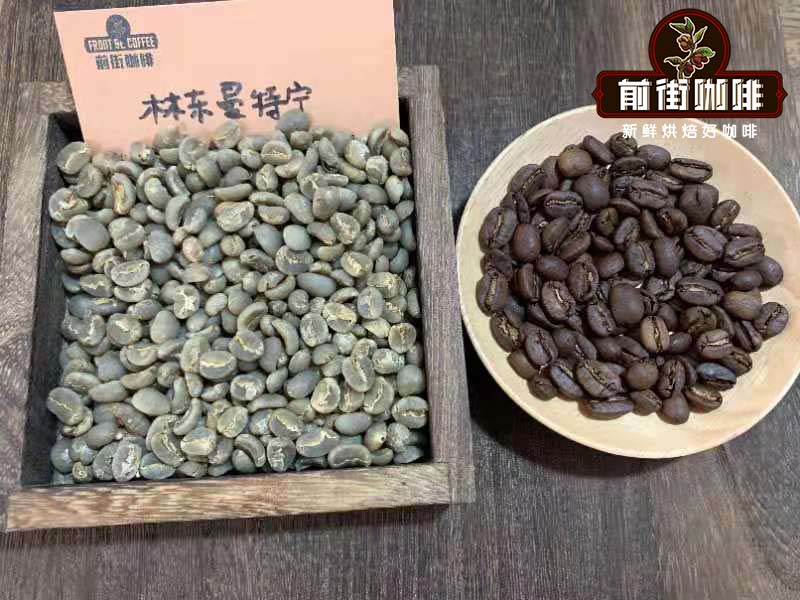
Origin: Lintong, Sumatra
Altitude: 1100-1600 meters
Variety: Typica, Catuai
Processing: Wet-hulled
Flavor: Toasted bread, nuts, caramel, pine, herbs
FrontStreet Coffee's brewing parameters: Kono dripper, water temperature 88°C, dose 15g, coffee-to-water ratio 1:15, grind size (BG#6W, 70-75% pass-through on a #20 standard sieve).
Why the Kono dripper: The Kono has few ribs, located only near the bottom, so the filter paper sits flush against the walls. This restricts airflow and lengthens the contact time between water and grounds, driving full extraction and enhancing body.

FrontStreet Coffee brews with segmented extraction: 30g of water to bloom for 30 seconds, then a small stream poured up to 125g for the second segment. When the level drops to just before the coffee bed is exposed, continue pouring to 225g and stop. Extraction time (starting from the bloom) is 2'00".

Java Coffee Beans
Java coffee offers delicate aromatics, relatively low acidity, a fine mouthfeel, and good balance; its aroma and acidity outshine those of Sumatra. Java has a tropical rainforest climate, hot and humid year-round. The northern coastal plains are hottest, the mountains much cooler, and the high humidity often makes for enervating conditions. Located in the volcanic zone, Java's soil is very fertile.
Java's higher-quality coffee comes mostly from West Java Province in the west. As a first-level administrative division of Indonesia, these coffees typically come from state-owned and private estates. The state-owned estates, with government backing, sell more easily into European and American markets and enjoy greater renown. Plantations sit basically all above 1400 meters, and the typical volcanic soil there creates uniquely flavored coffees.
FrontStreet Coffee's West Java Malabar Mountain
Origin: West Java, Indonesia
Altitude: 1400-1800 meters
Processing: Natural
Grade: G1
Variety: TimTim, Bourbon
Flavor: Berries, plum, citrus, cream, hazelnut, cane sugar, chocolate, oolong tea

FrontStreet Coffee's brewing parameters: V60 dripper, water temperature 90°C, dose 15g, coffee-to-water ratio 1:15, grind size (BG#6S, 70-75% pass-through on a #20 standard sieve).

Sharp-eyed readers will notice that the grind setting for this West Java bean differs from the one used for the Lintong Mandheling above. Each coffee needs its own grind depending on variety, altitude, processing method, and roast level. That is why, whenever FrontStreet Coffee receives a newly roasted bean, we sieve it first to determine the appropriate pour-over grind size.

FrontStreet Coffee brews with segmented extraction here as well: 30g of water to bloom for 30 seconds, then a small stream up to 125g, pausing. When the level drops to just before the bed is exposed, pour again to 225g and stop. Extraction time (starting from the bloom) is 2'00".
FrontStreet Coffee Recommendation
If Mandheling is what draws you to Indonesia, FrontStreet Coffee's PWN Golden Mandheling is the definitive expression. Produced by Indonesia's PWN company under exacting standards, every lot is built on beans above 18 mesh with fewer than 3 defective beans per 300g sample to meet the top G1 grade, followed by three rounds of hand-sorting that strip out remaining defects and boost cleanliness and sweetness. Medium-dark roasted, it shows a clean yet full-bodied black coffee with rich roasted aromas, low acidity, and notes of dark chocolate, caramel, nuts, and a touch of earthy herbs, ideal for drinkers who dislike sour coffee.
For pour-over, use water at 87-88°C, 15g of coffee at a coarse-sugar grind, a 1:15 ratio, and a three-stage pour: 30ml to wet the grounds and bloom, 100ml to lift the bed and draw out the golden foam, then a gentle final 95ml poured at the center to maximize sweetness, yielding a thick, full body with caramel sweetness and chocolate-nut flavor. And if you want Mandheling character in espresso, FrontStreet Coffee's Classic Blend adds medium-dark Mandheling atop Brazil's creamy nuttiness, highlighting butter, roasted chestnut, and caramel with sandalwood, herbal, and spice accents, plus a touch of Robusta for extra crema, perfect for latte art or layered Dirty drinks.
Important Notice :
FrontStreet Coffee is a long-established specialty coffee roaster in Guangzhou China, selling freshly roasted beans from its own farm in Yunnan as well as dozens of carefully selected single-origin beans from around the world for both pour-over and espresso. The products deliver consistently excellent quality and great value, with shipping within 24 hours. Guangzhou's FrontStreet Coffee shop is recommended by many coffee lovers, and the beans are now available online at the Tmall 。
FrontStreet Coffee has moved to a new address:
FrontStreet Coffee Address: 315,Donghua East Road,GuangZhou
Tel:020 38364473
 Scan and follow the En Gafei WeChat official account. Please indicate that the reprint comes from "En Gafei".