Differences in Taste and Flavor Between Colombian Decaf Coffee and Regular Coffee - Characteristics of Swiss Water Decaffeination Process

For more premium coffee knowledge, follow our WeChat official account: FrontStreet Coffee.
In modern society, coffee is no longer just a way to stay alert; it has become more of a lifestyle choice. Decaf coffee appeared on the market to meet the needs of people whose sleep is affected by caffeine, or who love coffee but want to avoid caffeine. It is undoubtedly an excellent choice.
After decaf coffee appeared, many people questioned whether it affects health. FrontStreet Coffee believes that questioning anything without considering the quantity consumed is nonsense. Whether it is regular coffee with caffeine or decaf, if your daily intake exceeds what the body can handle, even water will cause problems. So FrontStreet Coffee wants to remind all coffee lovers: coffee is delicious, but do not overdo it. Now, back to the main topic: what is decaf coffee, how is it made, and why FrontStreet Coffee sourced and launched a decaf coffee bean from Colombia to explore it together.

What is Decaf Coffee? Is Decaf Coffee Really Caffeine-Free?
Under normal circumstances, the caffeine content of coffee beans is measured as a percentage of weight. Arabica beans contain 0.9%-1.4% caffeine (average 1.2%), while Robusta contains 1.8%-4% (average 2.2%). Decaf coffee is divided into naturally low-caffeine coffee and artificially decaffeinated coffee. The most common naturally low-caffeine coffee is Laurina (Coffea Laurina), which has half the caffeine of regular Arabica, at 0.6%.
Unlike other artificially processed decafs, Laurina has a genetic degeneration that lowers its caffeine content compared with typical Arabica trees, while keeping a superior flavor. For artificially processed decaf, the EU standard requires that the processed caffeine content not exceed 0.1% of the green bean, while the US FDA standard requires reducing caffeine to below 3% of its original content.
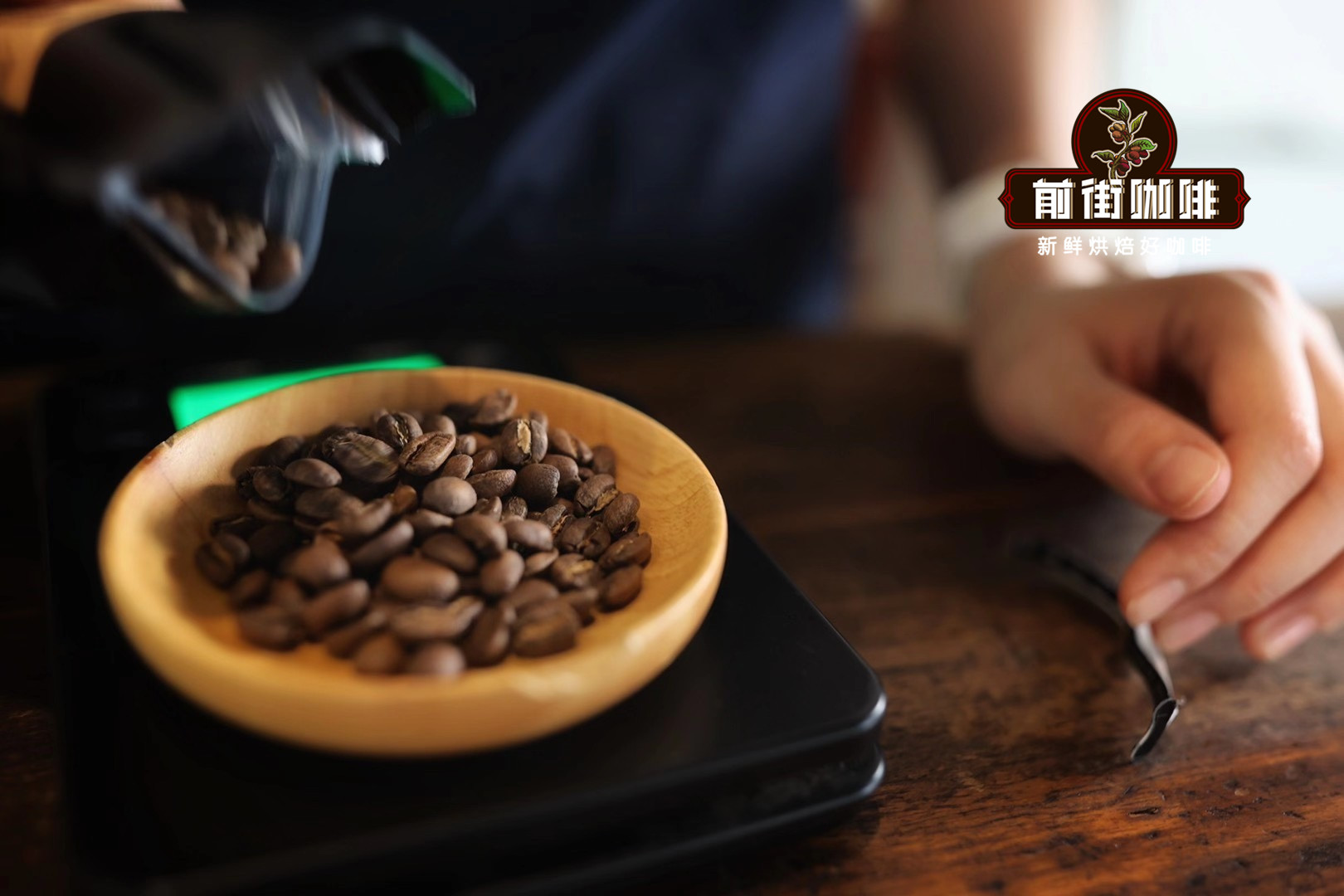
Does decaf mean completely caffeine-free? Not necessarily. FrontStreet Coffee notes that although decaf has had most of its caffeine extracted, it still retains 2%-3% caffeine residue, meaning each cup of decaf espresso contains about 0-7 milligrams of caffeine. Although caffeine is still present, compared with regular espresso, the caffeine in decaf will not affect most people.
How is Caffeine Extracted from Decaf Coffee?
As the coffee market has developed, there are many methods for removing caffeine, roughly divided into direct and indirect solvent processing, supercritical carbon dioxide processing, Swiss water processing, and mountain spring water processing.

Direct Solvent Processing Method (Direct Contact Method)
The direct solvent method uses chemical solutions such as dichloromethane and ethyl acetate to dissolve out the caffeine. First, steam opens the pores of the green beans, then dichloromethane solvent is added directly to the coffee beans. Once the solvent binds with the caffeine, the caffeine-laden solvent is rinsed away, and the beans are steamed again to remove all residual solvent. Because dichloromethane is suspected of raising cancer risk with long-term exposure, there are concerns about using it. In reality, however, the FDA limits dichloromethane content in decaffeinated coffee to 0.001%, and it is lower still in practice, so the side effects are minimal.
The process using ethyl acetate as the solvent is the same. Ethyl acetate usually comes from sugarcane, so when it is used, the direct solvent method is sometimes called the sugarcane decaffeination method. Colombian decaffeination usually uses this method. However, ethyl acetate is highly flammable, which makes it more dangerous.
Swiss Water Processing Method
This is the most traditional method for extracting caffeine, and the commercially developed high-efficiency version of it.
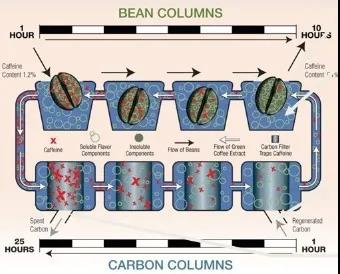
The steps of the Swiss Water method: green coffee beans are soaked in hot water, which in this process is called "flavor-charged water." This water contains a saturated load of the flavor compounds that should be present in green coffee, lacking only caffeine. This special water is the most important medium in the decaffeination that follows. Once the flavor-charged water is formed, the beans are filtered out, and the flavor-charged water is passed through activated carbon filters to remove the caffeine, leaving hot water filled with pure flavor compounds. The filtered-out beans are then re-soaked in that hot water, allowing them to reabsorb the coffee flavor.
Supercritical Carbon Dioxide Processing Method
This method first lets the coffee beans absorb water and expand, loosening the caffeine molecules inside. Liquefied carbon dioxide is added, creating pressure greater than 100 atmospheres in water. Carbon dioxide is highly selective, dissolving caffeine without "harming" the carbohydrates and proteins in the bean, so the flavor is not damaged. The liquid carbon dioxide that carries off the caffeine can also be recycled after the caffeine is removed.
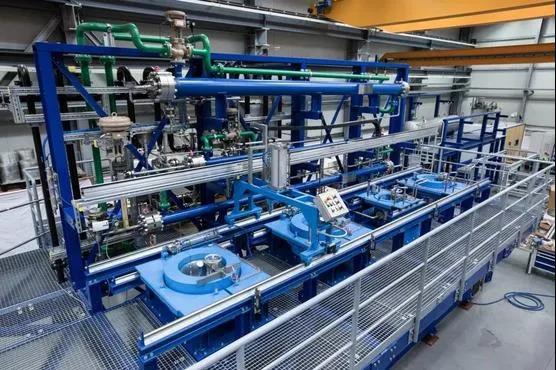
Coffee made with carbon dioxide decaffeination places a lower burden on the body, and according to research this method extracts more caffeine than the direct solvent method, though it costs much more than the direct solvent method.
Mountain Spring Water Processing Method
Similar to Swiss Water processing, this uses another special water, drawn from glaciers, to extract caffeine. The company Descamex states that it uses some kind of special filtration device to remove the caffeine. After processing, a water-based solution without caffeine is obtained, which also dissolves coffee solids and can be reused in the decaffeination process.
Is Low-Caffeine Coffee Difficult to Drink?
After analyzing the decaf methods above, FrontStreet Coffee believes that decaf coffee does not taste bad because of the processing. Most decaf uses inexpensive, commercial-grade coffee beans as its raw material. Modern decaffeination technology is quite complex, and in most cases, companies producing decaf prefer bean varieties with higher caffeine content, such as Robusta. Before those beans are decaffeinated, they were already not particularly tasty. Like any other coffee, if a decaf bean starts life as a high-quality Arabica green bean, then even after decaffeination it can still perform very well.
FrontStreet Coffee's Representative Coffee Bean - Colombian Huila Swiss Water Process Decaf

Country: Colombia
Region: Huila
Altitude: 1750 meters
Varieties: Typica, Caturra, Castillo
Processing Method: Swiss Water Process
Grade: Supremo
Harvest Season: 2020
Colombian Huila Region
Colombian coffee beans are extremely well known worldwide, and their high-quality washed beans have always represented premium coffee. Beans exported from Colombia undergo specific gravity checks and manual removal of defective beans, and are bagged only after layers of strict inspection, which ensures quality.
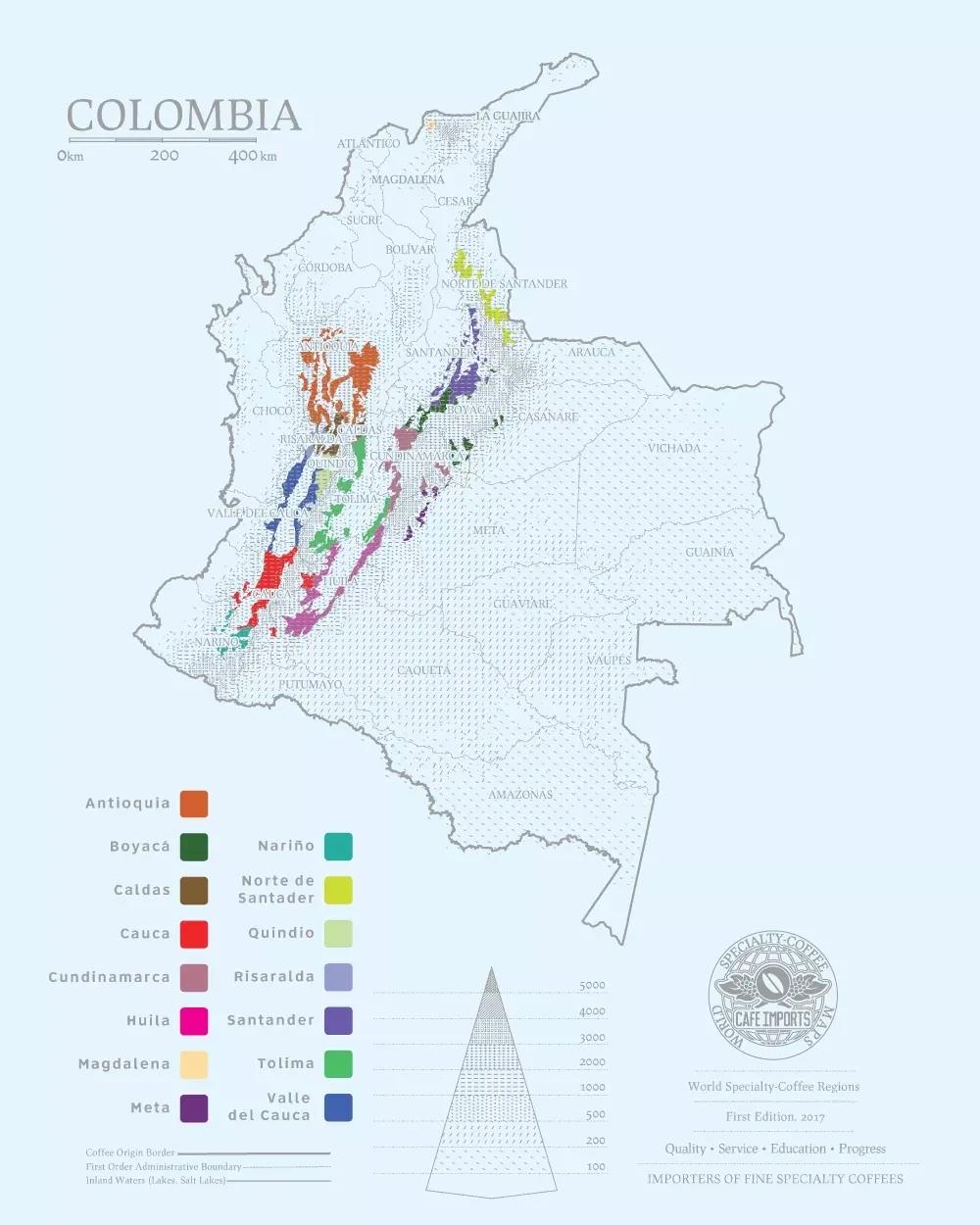
Colombian Huila belongs to the specially selected high-altitude beans of the Colombian national company, known as Colombia's national treasure. Relying on superior geographical and climatic conditions, Colombian coffee has always maintained high quality. Typically, Colombian beans without a special market trademark come from the National Federation of Colombia Coffee Growers, long known for its strict quality control and active promotion.
Colombian Decaf Coffee Varieties
This batch of decaf includes three varieties: Typica, Caturra, and Castillo. Typica, one of the oldest Arabica varieties in the world, is loved for its delicious sweetness, but because of its low yield per unit it has been replaced in Colombia by many high-yield varieties. Caturra is a natural mutation of Bourbon, with flavor comparable to or slightly inferior to Bourbon beans. More importantly, it has strong adaptability, needs no shade trees, and can thrive directly under harsh sun, which is why it is commonly known as Sun Coffee, and it can tolerate high-density planting.
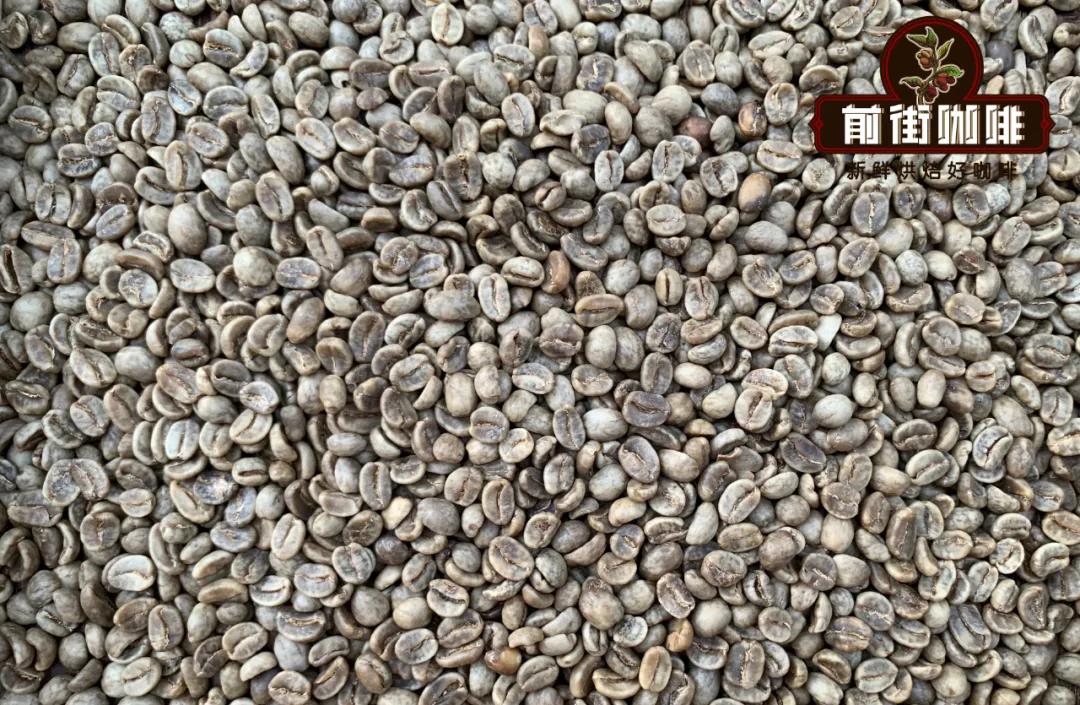
Castillo was developed from Colombian varieties and hybridized with Caturra over ten generations. Although it was not favored by industry practitioners when first introduced, in recent years there have been batches with elegant and delicate flavors on the market.
Green Bean Grade
This batch of green coffee beans is graded Supremo. In the Colombian system, Supremo is the highest grade, while the preferred grade Excelso has smaller and more common beans. Colombian coffee shows a balanced flavor profile, a rich taste, and distinctive character with a relatively full body. At medium roast, the flavor carries a sweetness of vanilla and dark chocolate.

How FrontStreet Coffee Roasts Colombian Decaf Coffee Beans
FrontStreet Coffee's roaster uses medium heat and increases it steadily, with the yellowing point at around 6 minutes 15 seconds, then reduces heat and opens the air damper to enter the Maillard reaction. At first crack, the air damper is opened wide, the heat is maintained at approximately 183.2°C, and the beans are removed 2 minutes 30 seconds after first crack.
The roaster is preheated to 200°C for loading, with the air damper set to 3. After 30 seconds, heat is applied, adjusted to 130. The temperature recovery point is at 1'32", and the heat is maintained. Yellowing comes at 6'15" as the grassy smell disappears and the beans enter the dehydration stage. Heat is increased to 140, and the air damper opened to 4. When the temperature reaches 151°C, the heat is reduced again to 110.

Dehydration is complete in 8 minutes. Wrinkles and black spots appear on the bean surface, and the toast aroma turns to coffee aroma, signaling the prelude to first crack. At this point the heat remains unchanged, the air damper is opened to 5, and the roaster listens for the first crack. At 9'57" first crack begins, and the air damper is fully opened to 5. Development time after first crack is 2 minutes 30 seconds, and the beans are removed at 194.2°C.
FrontStreet Coffee Cupping Report
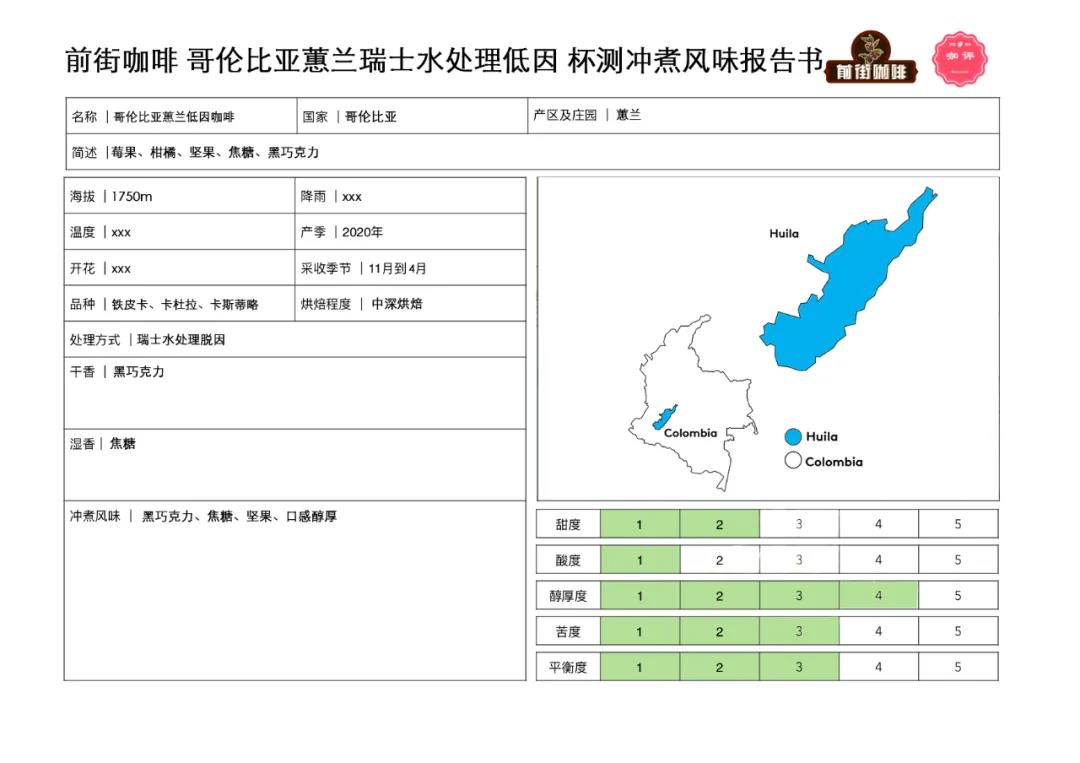
FrontStreet Coffee Brewing Recommendations
Dripper: Kono dripper
Water Temperature: 90°C
Coffee Amount: 15g
Coffee-to-Water Ratio: 1:15
Grind Size: Medium-coarse grind (Chinese standard #20 sieve, 70% pass rate)

Brewing Method: Three-stage extraction. Use 30g of water for a 30-second bloom, then pour with a small water flow in a circular motion to 125g for the first stage. When the water level drops and is about to expose the coffee bed, continue pouring to 225g and stop. Wait for the water level to drop and again approach the bed, then remove the dripper. Total brewing time is 3 minutes.
Brewing Flavor: Dark chocolate, caramel, and nuts, with a rich, full-bodied texture.
FrontStreet Coffee Recommendation
If the Swiss Water process above has you curious about what a well-made Colombian decaf can taste like, the same origin is just as rewarding without the decaffeination step. FrontStreet Colombia Huila is a washed bean from Huila province, the country's most famous specialty region, where the mountains rise above 1,500 meters and the country's most important rivers converge, bringing abundant water and humidity. Roasted medium-dark, it emphasizes dark chocolate, sweet nuts, moderate oils, and a full body, and it suits pour-over and French press as well as moka pot and espresso, so it handles an Americano or a latte with ease.
FrontStreet Colombia Frontera Estate Sidra takes a more modern route. In recent years Colombia has embraced innovative processing, and this Sidra uses an anaerobic natural fermentation, which unlocks more tropical fruit aroma. Roasted medium-light, it works as pour-over, cold brew, drip bag, or moka pot, and delivers complex passion fruit, grape, apricot, and dried-fruit notes.
Finally, for a milk-based drink, FrontStreet Specialty Blend is built for home espresso machines and moka pots. It pairs Brazil's creamy nut aroma with Colombia's dark chocolate bittersweetness, extracts with a fine golden crema, and makes a rich, smooth latte that is very forgiving for beginners, while also working as the base for an Americano, cappuccino, or mocha.
Important Notice :
FrontStreet Coffee is a long-established specialty coffee roaster in Guangzhou China, selling freshly roasted beans from its own farm in Yunnan as well as dozens of carefully selected single-origin beans from around the world for both pour-over and espresso. The products deliver consistently excellent quality and great value, with shipping within 24 hours. Guangzhou's FrontStreet Coffee shop is recommended by many coffee lovers, and the beans are now available online at the Tmall 。
FrontStreet Coffee has moved to a new address:
FrontStreet Coffee Address: 315,Donghua East Road,GuangZhou
Tel:020 38364473
 Scan and follow the En Gafei WeChat official account. Please indicate that the reprint comes from "En Gafei".