Guatemala Coffee Regions - Huehuetenango Introduction & Pour-Over Guatemala Coffee Brewing Methods
FrontStreet Coffee's Introduction to Guatemala Huehuetenango Region
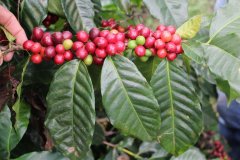
Guatemala sits on the Central American isthmus, with many high mountains and plateaus formed by volcanoes. It is the world's 9th largest coffee bean producer of Central American high-altitude extremely hard beans. The country divides into eight major coffee production regions: Antigua, Acatenango, Atitlán, San Marcos, Nuevo Oriente, Cobán, Fraijanes, and Huehuetenango. Among them, the Huehuetenango region in the north stands out. Its uniqueness lies in its sandy limestone soil, whereas volcanic soil is more common elsewhere in Guatemala. Perhaps for this reason, Huehuetenango coffee has fruit acidity, nutty aroma, and clear layered variation, with a hint of mineral-like undertones.
Huehuetenango is one of the excellent specialty coffee regions of Central and South America, mainly because of its unique geography. With fertile soil, abundant rainfall, high-altitude continuous mountains (2000 meters), steep slopes, and special valley terrain, each area has unique natural resources creating microclimates, so coffees from different estates vary widely in flavor.
Guatemalan coffee is highly praised for its rich flavor and cupping results, and the country has many uniquely advantageous growing areas. Most high-altitude coffee is washed-processed, with good fruit acidity and complexity. Among them, Antigua and Huehuetenango beans are of better quality. FrontStreet Coffee's Huehuetenango comes from the northern highlands, with distinctive fruit flavors that are never confused with other coffees. The medium-roasted FrontStreet Coffee Huehuetenango has a light caramel flavor and a gentle sweetness.
Its initial taste may not be as striking as Kenyan coffee, but as the temperature drops, its slight lemon peel fragrance makes the flavor more refined. Its classification divides into seven grades according to altitude, and those produced in the highlands (SHB, 1300 meters and above) have mellower flavors. PALHU Estate is located in the mountains of the Huehuetenango region in northwestern Guatemala, an area famous for producing high-quality specialty coffee. The mountains here are Central American peaks, and with volcanic rock soil, the region is a frequent winner in Guatemala's COE competitions.
FrontStreet Coffee's Huehuetenango
FrontStreet Coffee Guatemala · Huehuetenango · Finca La Providencia SHB
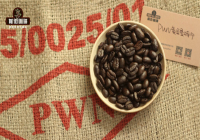
Guatemala Huehuetenango Finca La Providencia Palhu
Finca La Providencia is owned by the Anzueto family and has now passed to the third generation, managed by Maximiliano Palacios (Max). The Anzueto family owns two estates, both in the Huehuetenango region: one is Finca La Providencia, and the other is Finca La Providencia Palhu (Palhu combines the Palacios family name with Huehuetenango).
PALHU Estate Information
Palhu Estate is located in the mountains of the Huehuetenango region in northwestern Guatemala. The estate sits in the Huehuetenango region, famous for producing high-quality specialty coffee. The mountains here are Central American peaks, and with volcanic rock soil, the area is a frequent winner in Guatemala's coffee industry COE competitions. What makes this batch of FrontStreet Coffee's Huehuetenango Highland PALHU 1550M washed beans distinctive is that the coffee is grown in sandy volcanic limestone soil. High altitude, fertile soil, a rich ecosystem, clean water sources, and human skill together created its famous unique style, making it representative of excellent Huehuetenango coffee.
What makes this batch of FrontStreet Coffee's Huehuetenango Highland Finca La Providencia Palhu 1550M washed beans distinctive is that the coffee is grown in sandy volcanic limestone soil. High altitude, fertile soil, a rich ecosystem, clean water sources, and human skill together created its famous unique style.
Flavor Description
Temperate fruit flavors, nuts, stone fruit notes, orange peel, honeydew melon, dark chocolate, a smooth mouthfeel, and a balanced sweet-and-sour sensation.
Guatemala Huehuetenango Finca La Providencia Palhu
Country: Guatemala
Grade: SHB
Region: Huehuetenango Region
Altitude: 1550 meters
Harvest Period: October to February of the following year
Processing Method: Washed
Varieties: Bourbon, Caturra, Mundo Novo
Estate: Finca La Providencia
Flavor: Fruit flavors, nuts, stone fruit notes, orange peel
FrontStreet Coffee's Huehuetenango - Finca La Providencia PALHU
Detailed Introduction
Product Name: FrontStreet Coffee Guatemala Huehuetenango Highland Finca La Providencia Palhu 1550M
Region: Huehuetenango
Estate: Finca La Providencia PALHU Estate
Varieties: Bourbon, Caturra, Catuai, Mundo Novo
Altitude: Average 1550 meters
Grade: European Standard Washed Strictly Hard Bean (SHB)
Processing Method: Traditional Washed Processing
Harvesting Method: Hand-picking
Flavor Characteristics: Roasted walnuts, cane sugar, peaches, cherries, dark chocolate, orange peel, citrus, and a balanced sweet-and-sour sensation.
FrontStreet Coffee's Guatemala Coffee Brewing Parameters
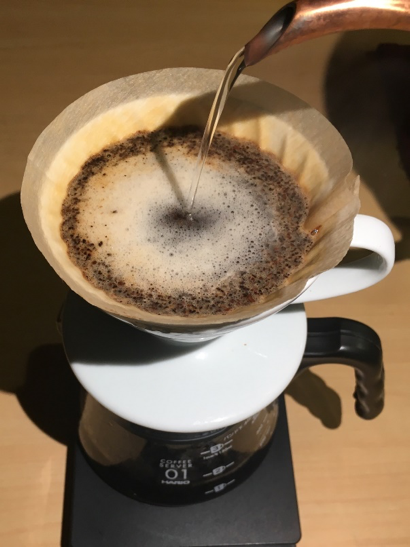
Hand-pour Guatemala coffee. 15g of powder, medium-fine grind (Fuji Royal grinder at setting 3.5), V60 dripper, 89-90°C water. First infusion with 30g of water, bloom for 27 seconds. Pour to 105g and pause. Wait until the water level drops to half before continuing to pour. Slowly pour until reaching 225g total. Avoid the tail section. Water-to-coffee ratio 1:15. Extraction time 2:00.
Brewing Key Points
- For one serving, use about 15g of coffee powder and 225g of hot water.
- For those who prefer lighter coffee, about 14g of powder per serving is enough.
- For those who prefer a strong, bitter taste, use about 16g of powder per serving, fully steam it, then slowly pour the hot water.
- When pouring hot water, filling the kettle about 70-80% full makes it easier to handle. Prepare the water amount according to the number of servings, and measure the beaker volume while dripping the required amount of coffee liquid.
- Do not let the filtered extract drip to the very last drop; stop while some liquid remains (if it all drips through, there may be off-flavors or impurities).
- Warm the serving cup without letting it boil before pouring the coffee in.
- As with the siphon method, technique matters a great deal. Initially the brewed coffee might be too acidic; besides poor water flow control, the coffee's own quality (freshness and the like) and grind size are also important factors.
Brewing Method
- Fold the filter paper along the seam line and place it in the dripper.
- Use a measuring spoon to pour medium-ground coffee into the dripper, then tap gently to level the surface.
- Boil water in a kettle, pour it into a narrow-spouted kettle, and gently, steadily pour hot water (about 89-90°C) from the center point, slowly in a spiral until the water permeates and covers all the coffee powder. Be sure to pour slowly.
- To extract delicious components, let the bloomed coffee steam for a while (about 30 seconds).
- For the second pour, slowly inject from the surface of the coffee powder. The amount of water poured must match the amount of coffee extract, keeping the water level in the filter paper constant.
- Stop when the extracted liquid reaches the desired serving amount, and discard the filter paper while some water remains inside.
FrontStreet Coffee Recommendation
Huehuetenango's balance of nut, caramel, and fruit acidity makes FrontStreet Coffee's Brazil Queen Estate an easy companion. A rare Yellow Bourbon, it is given a medium roast that brings out cream, peanut, toast, caramel, and hazelnut, with a clean, rounded body that is low in acidity and carries a mild, gentle bitterness, working equally well as a pour-over, in a moka pot, or as an espresso.
For the brighter, fruit-forward end of the Latin American spectrum, FrontStreet Coffee's Kenya Little Tomato is a lively choice. A washed Kenyan single origin from the Sika region, grown at 1,550-1,750 meters with the classic SL28 and SL34 varieties, it was given a 72-hour double washed fermentation and a light roast. The dry aroma shows dried cherry tomato and florals, and the cup opens with clear cherry tomato and smoked plum, a bright, solid acidity like fresh fruit juice, with snow pear and black plum mid-palate, a clean, long finish of brown sugar and light green tea, and a very high level of definition.
Important Notice :
FrontStreet Coffee is a long-established specialty coffee roaster in Guangzhou China, selling freshly roasted beans from its own farm in Yunnan as well as dozens of carefully selected single-origin beans from around the world for both pour-over and espresso. The products deliver consistently excellent quality and great value, with shipping within 24 hours. Guangzhou's FrontStreet Coffee shop is recommended by many coffee lovers, and the beans are now available online at the Tmall 。
FrontStreet Coffee has moved to a new address:
FrontStreet Coffee Address: 315,Donghua East Road,GuangZhou
Tel:020 38364473
 Scan and follow the En Gafei WeChat official account. Please indicate that the reprint comes from "En Gafei".