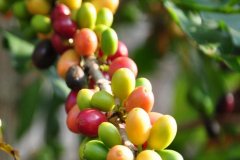
Costa Rica Red Honey Process Coffee Beans Flavor Profile | Characteristics of La Hacas Coffee
For more coffee bean information, explore our other guides to origins and brewing.
Costa Rica's honey process has been an unforgettable experience for FrontStreet Coffee. While FrontStreet also offers black honey, today we want to discuss a Costa Rican red honey coffee. This red honey comes from the Central Valley, one of Costa Rica's famous specialty coffee regions, and FrontStreet Coffee has selected the red-honey lot from Costa Rica's Las Lajas Estate. The estate is world-renowned, with many green-bean suppliers importing its coffee each year. Its excellent natural conditions and exquisite processing give this red honey coffee balanced sweetness and acidity, prominent fruit aromas, and a chocolate-like viscous mouthfeel — which is why FrontStreet Coffee chose these beans!
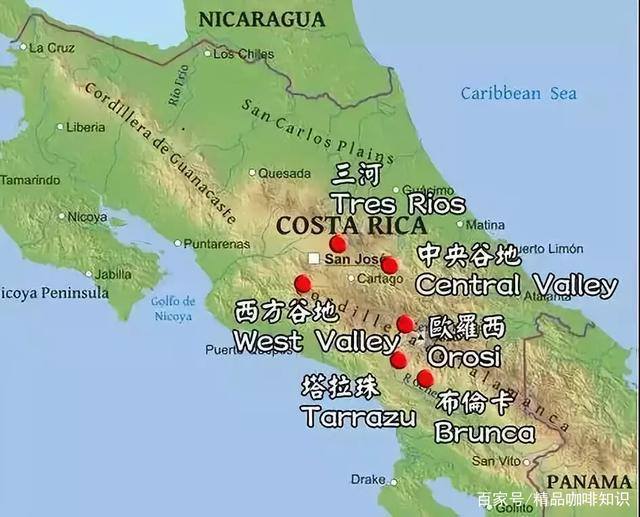
Costa Rica was the first country in Central America to cultivate coffee. Located on the Central American Isthmus, its volcanic soil is exceptionally fertile and well drained, with a suitable climate, producing high-quality beans. All cultivated coffee is Arabica, generally large green-colored beans of superior quality. Costa Rican coffee is generally balanced and gentle, with good fruit acidity and an aromatic, rich mouthfeel.
Central Valley Region
The Central Valley is one of Costa Rica's more famous coffee-producing areas. Costa Rica has seven major coffee regions: Turrialba Valley, Central Valley, Western Valley, Tres Ríos, Brunca, Orosi, and Tarrazú. The Central Valley spans an altitude of 1,200–1,600 meters with a harvest season from November to March, and contains three sub-regions: San José, Heredia, and Alajuela. It is also Costa Rica's earliest coffee-growing area, rich in volcanic soil. Coffee from here often shows bright, smooth fruit acidity, rich aroma, and sometimes chocolate notes.
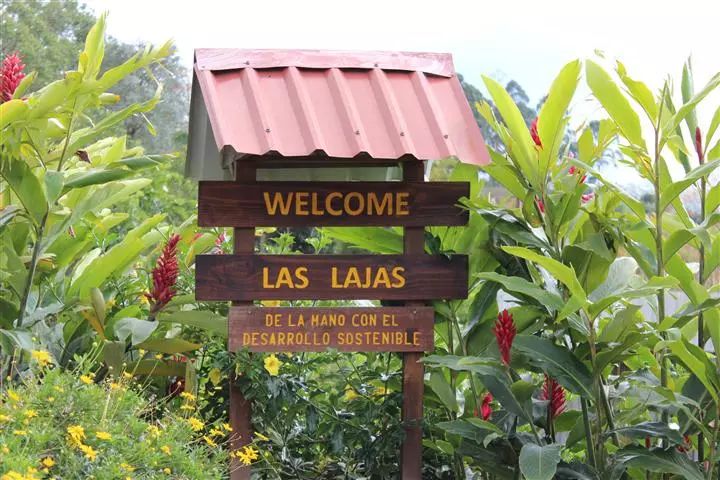
Las Lajas Estate
Las Lajas Estate lies in the Central Valley region, not far from the capital and quite close to Poas Volcano. It sits at an altitude between 1,300 and 1,500 meters, with an annual production of approximately 55,200 kilograms.
The estate is currently managed by third-generation owner Francisca Cubillo and her husband Oscar. It is one of the first estates to undertake systematic research and processing, and has been a favorite among global buyers for many years.
At Las Lajas, the owners divide their honey- and natural-processed coffees into quality levels based on flavor. For honey processing, they take a distinctive approach: retaining 100% of the fruit pulp — the highest proportion — while controlling drying time and turning frequency on African beds to achieve different expressions. The estate categorizes its honey coffees into yellow honey, red honey, and black honey.
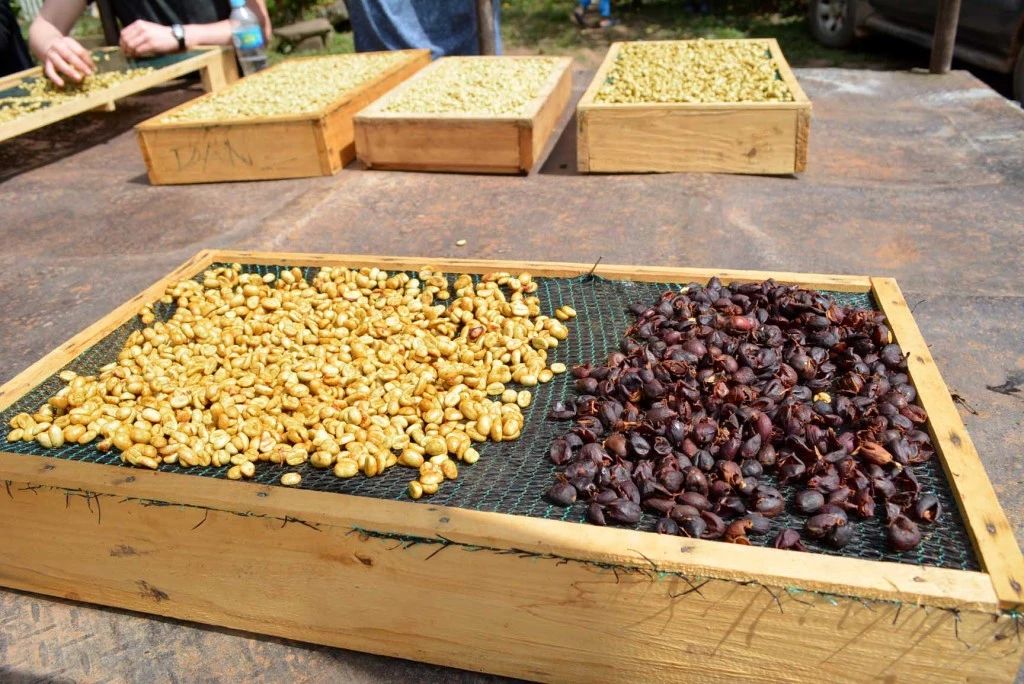
Honey Processing Methods
Honey processing removes the fruit skin and pulp while leaving the mucilage intact during sun-drying.
Yellow Honey: Removes 40% of the mucilage, dried with maximum sun exposure for about 8 days.
Red Honey: Removes 25% of the mucilage (methods vary by estate), sun-dried for about 12 days, possibly with shading during the process.
Black Honey: Almost no mucilage removed, requiring the longest drying time of over 14 days. Coverings block intense sun to prevent too-rapid drying, allowing more complete sugar conversion.
This red honey coffee features the Caturra and Catuai varieties, both common among American coffees.
Caturra is a natural variant of Bourbon, while Catuai is a hybrid created by crossing Caturra with Mundo Novo. Both often show bright, gentle fruit acidity and good sweetness.
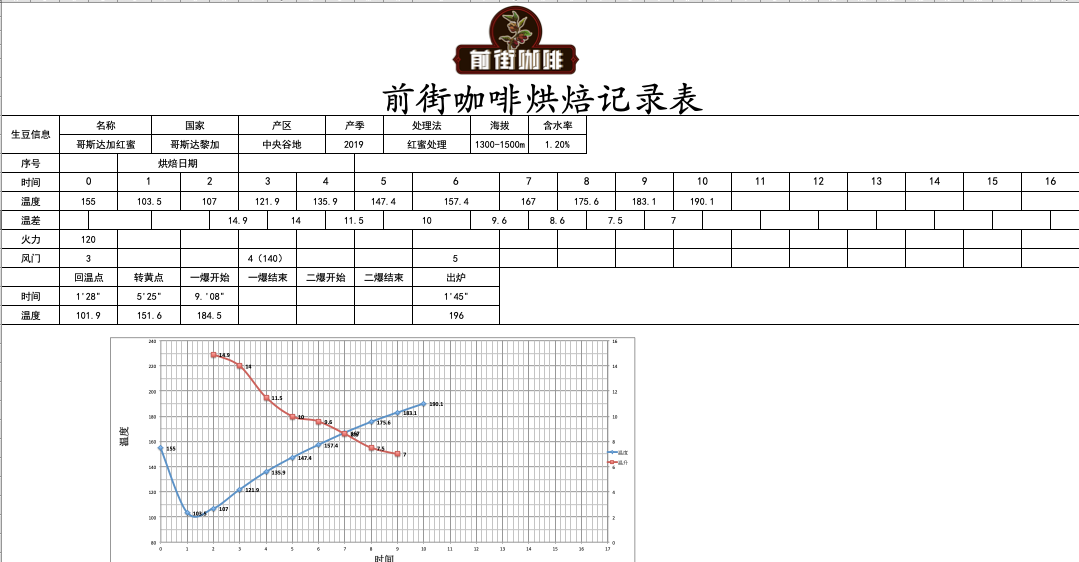
Roasting Profile
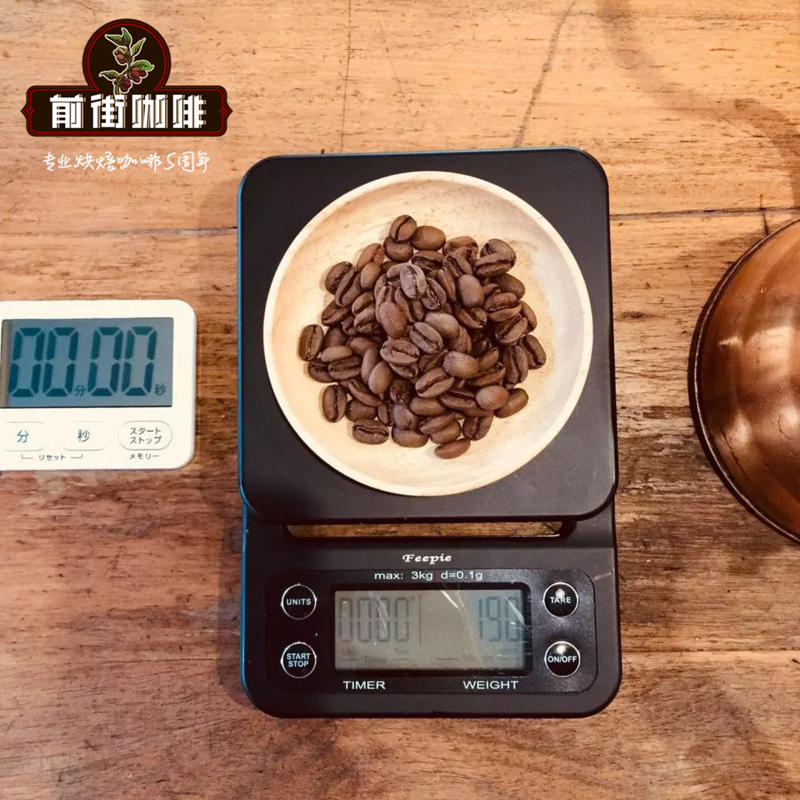
For this FrontStreet Costa Rican red honey coffee, we chose a relatively low starting temperature and a fast roast, setting the level to medium to express the solid, viscous mouthfeel typical of honey-processed coffee. Heat to 155°C, set power to 120, damper to 3. The turning point comes at 1'28". When the temperature reaches 140°C, open the damper to 4. At 8'30", the beans show ugly wrinkles and black spots, with the toast aroma clearly turning to coffee aroma — the prelude to first crack. Listen carefully for the crack, which begins at 9'08". Open the damper to 5, develop for 1'45" after first crack, and drop at 196°C.
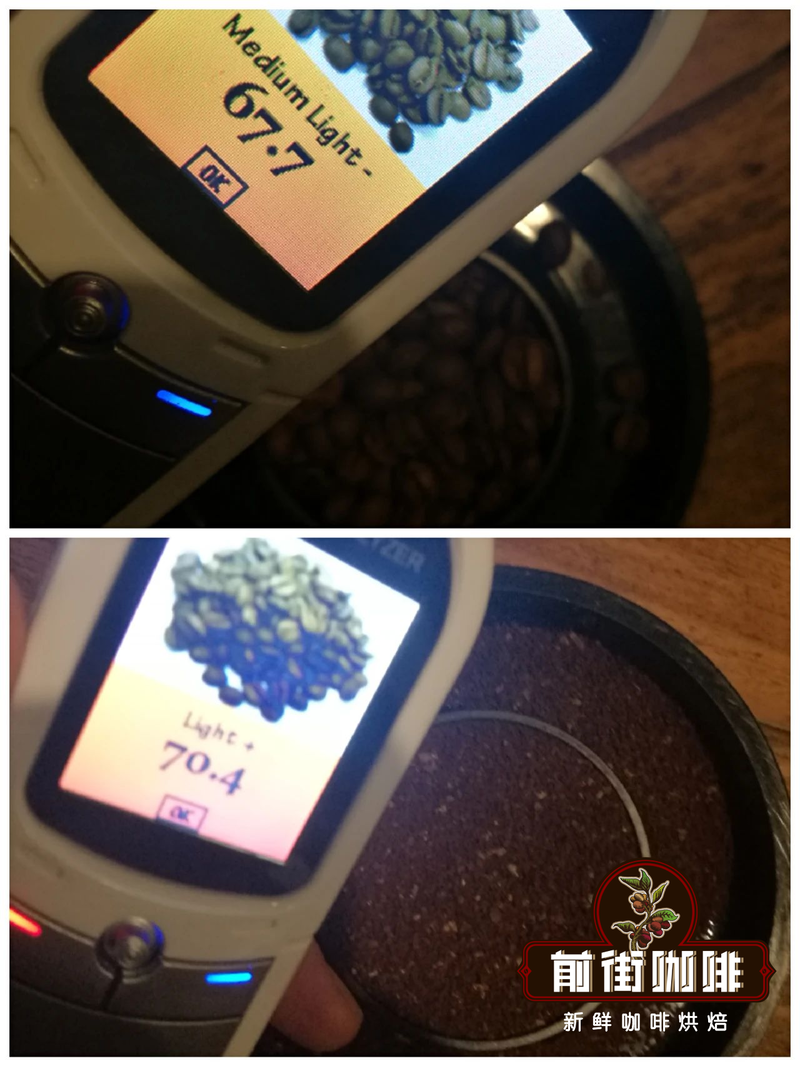
The Agtron bean color value is 67.7 (image above), the Agtron pink value is 70.4 (image below), and the Roast Delta is 2.7.
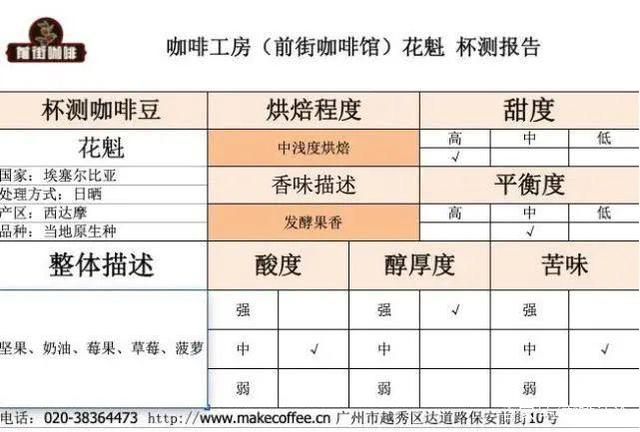
Cupping Notes
When hot, slurping reveals chocolate and caramel. As the temperature changes, slurping reveals nectarine and green grape acidity.
FrontStreet Coffee · Costa Rica Central Valley Las Lajas Estate Red Honey Process
- Region: Central Valley
- Altitude: 1,300–1,500 m
- Processing: Red Honey Process
- Grade: SHB
- Variety: Caturra, Catuai
FrontStreet Coffee Costa Rica Las Lajas Estate Red Honey Brewing Parameters
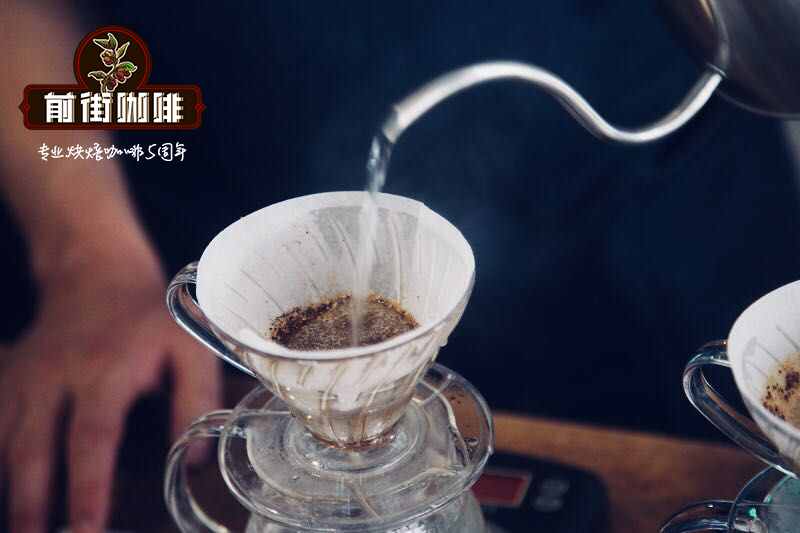
Recommended Brewing Method: Pour-over
Dripper: Hario V60
Water Temperature: 90°C
Coffee-to-Water Ratio: 1:15
Grind Size: BG 6S (Chinese standard #20 sieve, 80% pass rate)

Brewing Technique: Segmented extraction
First segment: pour 30 g of water and bloom for 40 seconds. Second segment: continue pouring to 126 g. When the water level drops and is about to expose the coffee bed, continue with the third segment to 225 g. When the water level drops and is about to expose the bed again, remove the dripper (timing starts with the bloom pour). Extraction time is 2'06".
Flavor: The entry shows the acidity of yellow peach and grape with a dark chocolate aroma. As the temperature changes, the sweet-and-sour fruit flavors gradually emerge, and the finish carries a light brown-sugar aroma.
FrontStreet Coffee Recommendation
Honey processing began as an offshoot of the semi-dry method — depulping the cherry before drying, which shortens drying time and avoids the off-flavors of poor fermentation. FrontStreet's Brazil Cerrado is a classic semi-dry coffee with clear cream, peanut, nut, and chocolate notes, and Brazil's success drew Costa Rica's attention: Costa Rican producers borrowed the semi-dry approach and refined it by varying how much mucilage remains on the bean and how long it dries, splitting it into black, red, yellow, and white honey.
FrontStreet's Costa Rica Blackberry uses a distinctive black honey process, in which almost no mucilage is removed and drying lasts at least 2 weeks under cover to keep the sugar conversion thorough, with the beans turned regularly to avoid uneven fermentation — a method that demands more care. Roasted medium-light, the Blackberry gives off an intense floral aroma when ground and brews with grape, berry, and ripe blackberry notes. The Strawberry Candy Geisha blend, meanwhile, pairs Panama Geisha with a raisin-honey processed Costa Rican coffee that keeps 100% of the mucilage and uses zero water; after flotation and at least three days on raised beds, the fruit is depulped with the mucilage left on and dried with constant turning, for Geisha's floral-tea character plus raisin and dried blueberry, soft fruit acidity, an almond finish, and clear sweetness.
Beyond the familiar honey methods, some estates have introduced the innovative raisin-honey process, a variation that departs from traditional yellow, red, and black honey: the whole cherries are pre-dried on raised beds for at least three days before being depulped and finished as a normal honey. Keeping 100% of the mucilage makes it even harder than black honey, requiring strict control of time, and it brings richer hot-fruit sweetness — FrontStreet's Mozart shows it well, with osmanthus, pineapple, and raisin aromas whether you brew it as pour-over, cold brew, or in a moka pot.
Important Notice :
FrontStreet Coffee is a long-established specialty coffee roaster in Guangzhou China, selling freshly roasted beans from its own farm in Yunnan as well as dozens of carefully selected single-origin beans from around the world for both pour-over and espresso. The products deliver consistently excellent quality and great value, with shipping within 24 hours. Guangzhou's FrontStreet Coffee shop is recommended by many coffee lovers, and the beans are now available online at the Tmall 。
FrontStreet Coffee has moved to a new address:
FrontStreet Coffee Address: 315,Donghua East Road,GuangZhou
Tel:020 38364473
 Scan and follow the En Gafei WeChat official account. Please indicate that the reprint comes from "En Gafei".