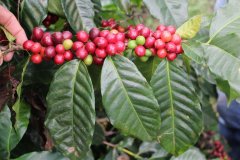
Yirgacheffe Konga Coffee Bean Characteristics - Comparison of Washed vs Natural Yirgacheffe Coffee Flavor Profiles
For professional barista discussions, follow Coffee Workshop.
FrontStreet Coffee's Yirgacheffe was originally just a sub-region of Sidamo, but it was separated out because of its unique flavor profile. The Konga Cooperative washed Yirgacheffe that FrontStreet Coffee cupped is made up of 1556 smallholder coffee-farming families and sits 5 kilometers south of Yirgacheffe. It was established in 1994 and joined the YCFCU cooperative union in 2002.
FrontStreet Coffee Yirgacheffe Washed Konga
- Country: Ethiopia
- Estate: Konga Cooperative
- Region: Yirgacheffe
- Altitude: 1800-2000m
- Variety: Ethiopian Indigenous Varieties
- Processing: Washed Processing Method
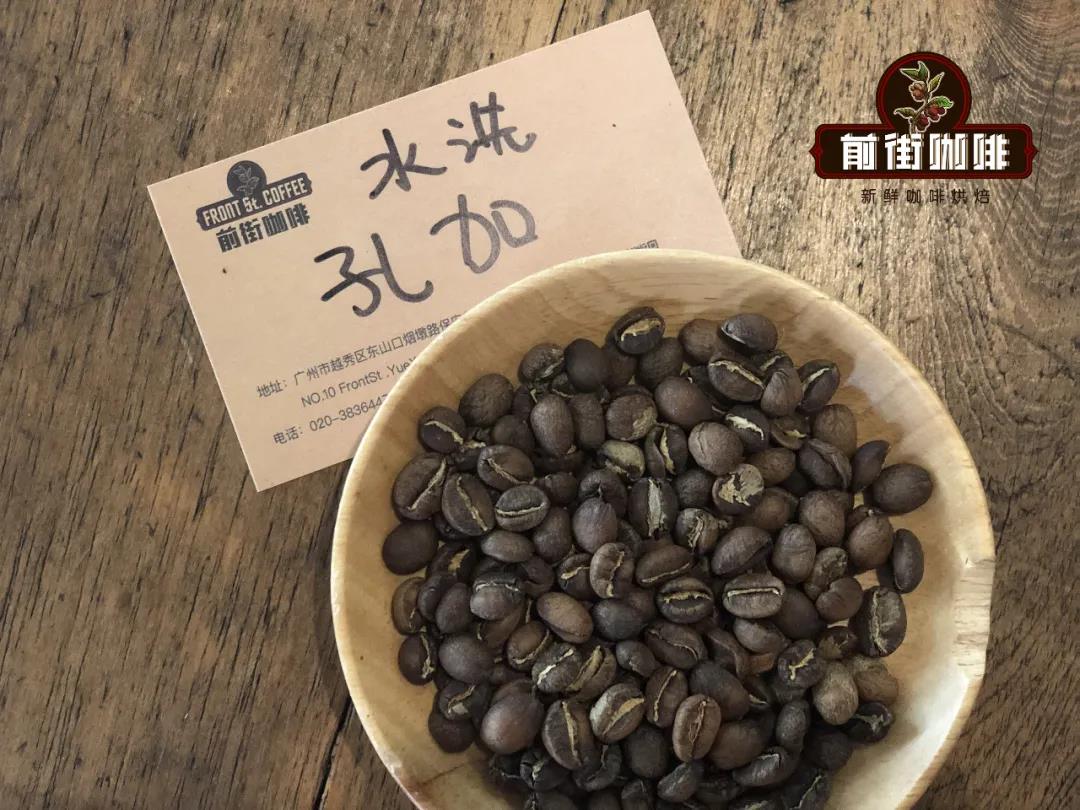
Region Introduction
Coffee trees originated in Ethiopia, where they first grew as wild plants. The word "coffee" itself comes from the Ethiopian town of Kaffa. In fact, many coffee trees in Ethiopia still grow wild today, and the beans from those trees are full-bodied with a faint wine aroma.
Yirgacheffe is a small town in Ethiopia at an altitude of 1700-2100 meters, and its name is practically synonymous with Ethiopian specialty coffee. This area has been wetland since ancient times. In the local language, "Yirga" means "settle down" and "Cheffe" refers to "wetland." So Yirgacheffe means "let us settle and thrive in this wetland."
FrontStreet Coffee believes Yirgacheffe's flavor is defined by rich jasmine aroma, bright lemon-citrus fragrance, and the sweetness of peach and almond layered with tea notes. Everyone who has tried FrontStreet Coffee's Yirgacheffe comes away with the same feeling: when the coffee hits your mouth, a hundred flowers bloom. It's as if the blossoms brush against your taste buds and the olfactory cells in your nose at once. Beyond the florals, the delicate body feels like silk moving through the mouth—a wonderful tactile experience.
Konga Cooperative
The Konga Cooperative is made up of 1556 smallholder coffee-farming families and sits 5 kilometers south of Yirgacheffe. It was established in 1994 and joined the YCFCU cooperative union in 2002. These smallholders farm an average of less than 1.25 hectares each, with growing altitudes ranging from 1800 to 2000 meters. The coffee varieties are mainly a mix of Typica and Heirloom (local indigenous varieties).
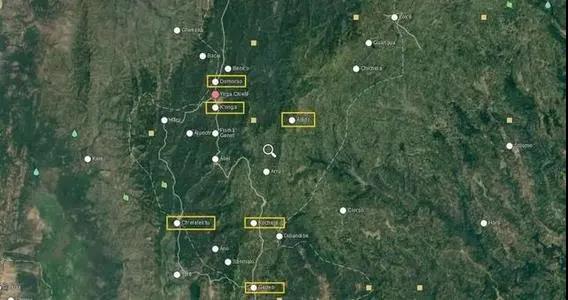
Every one to two years, cooperative members hold elections to choose an executive committee. The committee can decide on purchasing new equipment, exchange business information among members, and set the payment methods for transactions. YCFCU also assigns professional managers to the cooperatives to guide and advise on harvesting and production, which raises yields and improves quality. Cooperatives let farmers avoid being exploited at low prices by buyers, and when farmers hit economic trouble, the cooperative can extend loan assistance—a real benefit for both the growers and coffee production overall.
Coffee Processing Method
Washed Processing
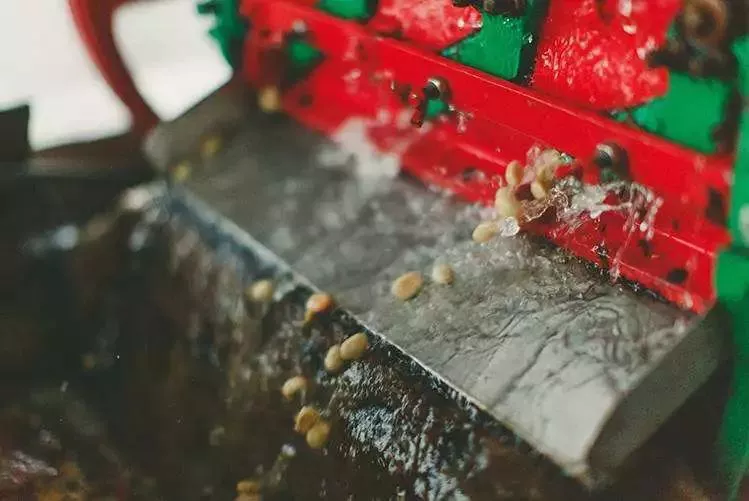
The key to washed processing is fermenting the coffee cherries after pulping, then washing the mucilage away with water. One common approach: after the cherries are picked, unripe fruit and leaves are sorted out, the outer skin is removed to release the beans, and the beans are then washed and soaked to begin fermentation. This lets microorganisms and enzymes break down compounds in the bean, creating acidity and other characteristics. Washed processing can also use dry fermentation, where the beans ferment without soaking and are then washed to remove mucilage. After fermentation, the beans are sun-dried or machine-dried to prevent mold. Properly washed coffee usually tastes milder, and depending on the environment and the fermentation, it can also develop wine-like qualities.
After processing, defective beans are sorted out, leaving only perfect ones. These then undergo varying degrees of roasting, which ultimately produces the countless variations in flavor and texture we know. From production to the final brew, subtle differences at every step shape the coffee's quality and flavor—which is exactly why the world of coffee is so deep and fascinating.
Green Bean Analysis
Most Ethiopian coffee grows in a wild or semi-wild state—in fields, backyards, or beneath forest cover. When the cherries ripen, farmers gather them for processing. The upshot is a broad blend of many different natural varieties. You find beans of every shape: long, short, thin, fat. That's why Ethiopian coffee beans so often come in inconsistent sizes.
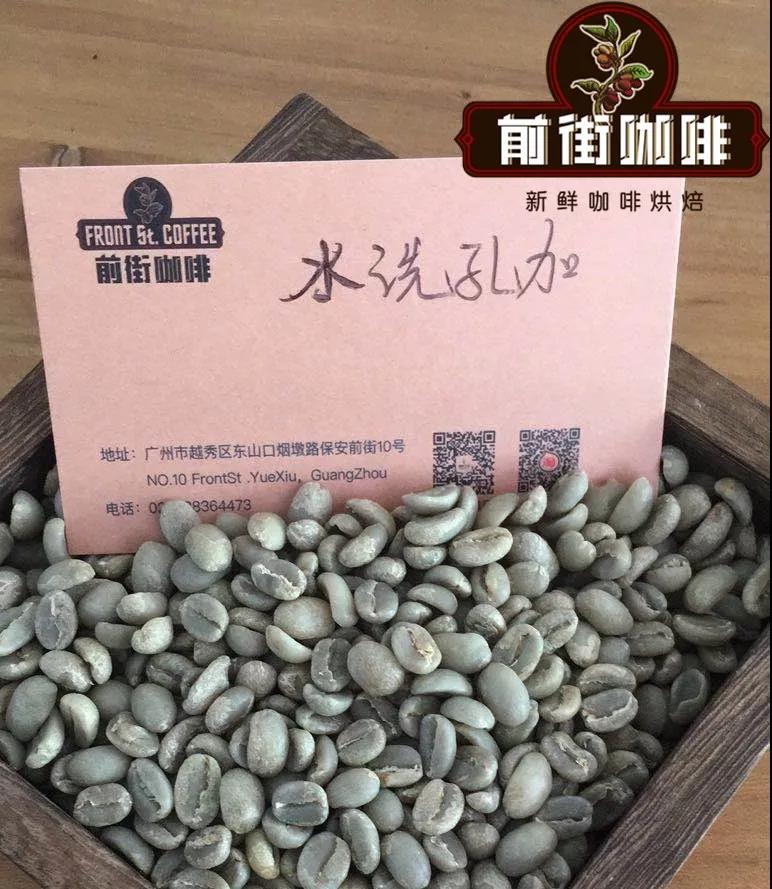
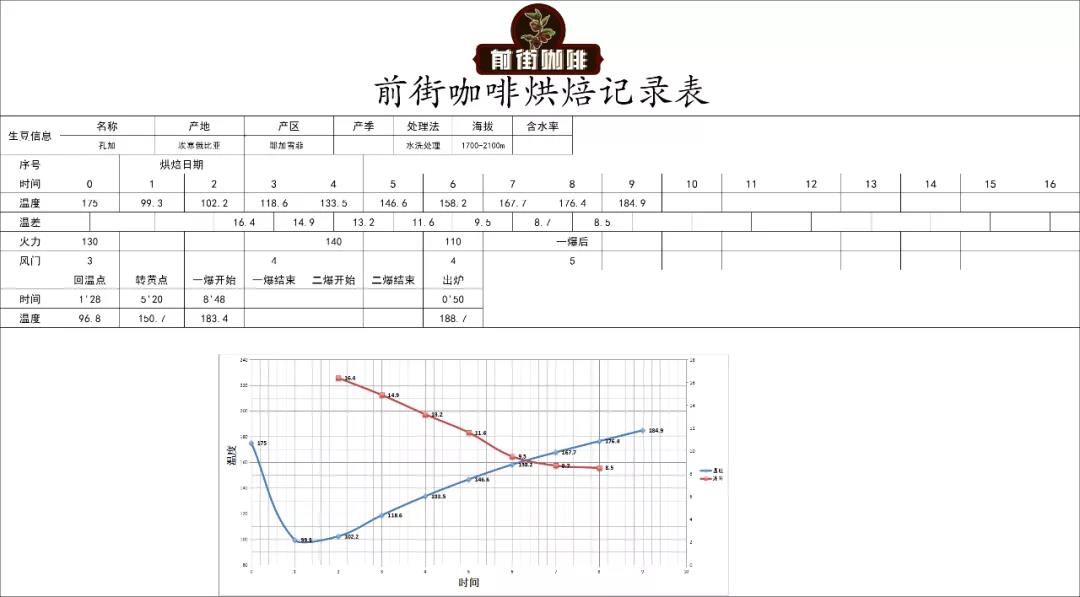
FrontStreet Coffee's Washed Konga Roasting Suggestions
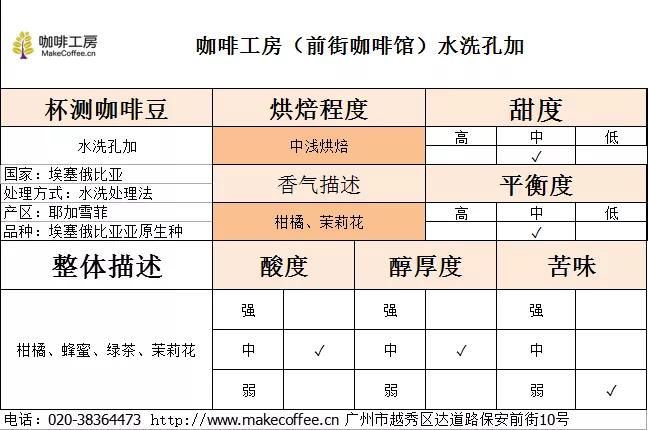
FrontStreet Coffee's Washed Konga Cupping Report
FrontStreet Coffee's Washed Konga Pour-over Suggestions
- Brewing equipment: HARIO V60
- Parameters: 15g coffee / 1:15 ratio / 90°C water temperature
- Grind size: Medium-coarse grind (80% pass-through rate on China standard #20 sieve)
Brewing technique: 30g of water for a 30-second bloom, then pour directly to 125g down the center before segmenting. Continue pouring to 225g once the coffee bed becomes visible, then remove the dripper when the bed is visible again. Total extraction time is 2'00".
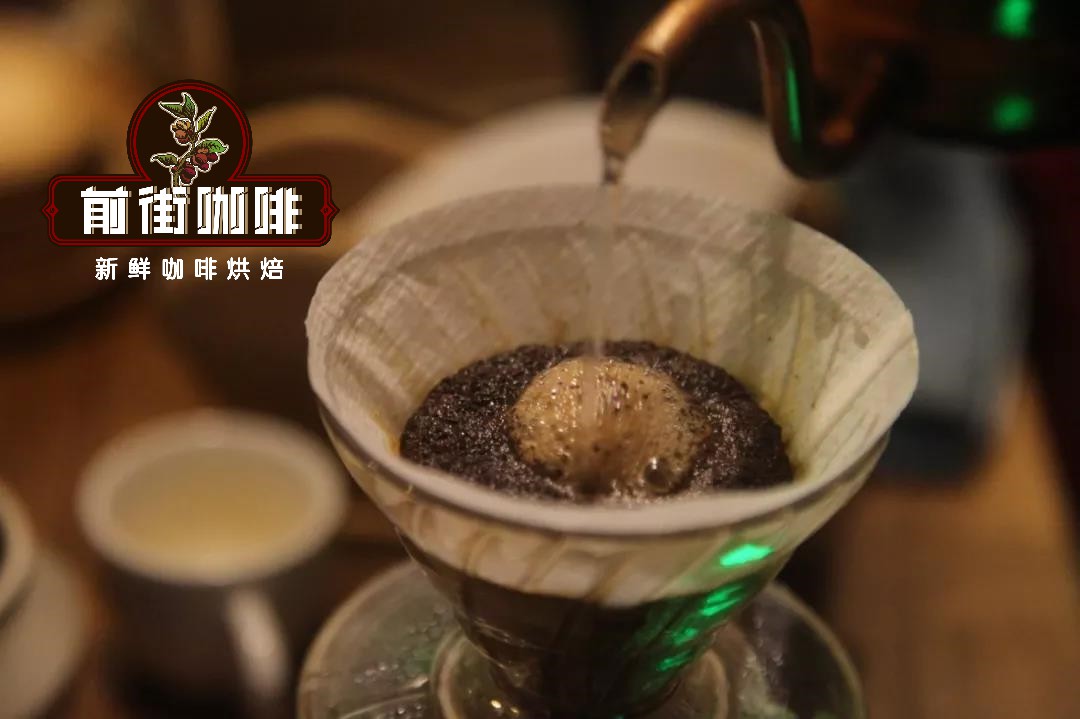
Brewing flavor: At high temperature it shows berry, cream, honey, citrus, and a juicy mouthfeel with bright acidity. As it cools slightly, berry, cream, smoothness, and citrus come forward.
FrontStreet Coffee Recommendation
If this washed Konga is your introduction to Ethiopia, FrontStreet Coffee's everyday Washed Yirgacheffe is the natural next step. It's the classic profile people mean when they say Yirgacheffe: white jasmine, bright citrus and lemon acidity, and a clean tea-like finish, all at a price that makes it an easy first bag of specialty coffee. For a step up within the same family, the Washed Gudingding Cooperative is a seasoned, traditional washed lot with the same citrus-lemon lift and jasmine blossom, just clearer and more refined.
If you'd like to compare processing styles, try the Natural Red Cherry. It's picked as fully ripe red fruit, sorted, then dried on raised beds with the fruit still intact, and turned every few hours in the early days to prevent uneven fermentation. After three to five weeks it's hulled. That gives you the classic Yirgacheffe florals plus the tropical fruit sweetness of natural processing: citrus acidity, berry-juice body, honey sweetness, and a creamy smoothness.
To brew any of these, FrontStreet Coffee suggests a V60 with 15g of coffee, a 1:15 ratio, and 90-91°C water, ground to roughly fine-sugar size (about 80% through a #20 sieve). Pour 30g for a 30-second bloom, then 95g (about 125g on the scale) over roughly a minute. When the water drops to about two-thirds of the bed, add the remaining 100g (about 225g on the scale) and finish pouring around 1'35". The brew should complete in 2'00" to 2'10".
Important Notice :
FrontStreet Coffee is a long-established specialty coffee roaster in Guangzhou China, selling freshly roasted beans from its own farm in Yunnan as well as dozens of carefully selected single-origin beans from around the world for both pour-over and espresso. The products deliver consistently excellent quality and great value, with shipping within 24 hours. Guangzhou's FrontStreet Coffee shop is recommended by many coffee lovers, and the beans are now available online at the Tmall 。
FrontStreet Coffee has moved to a new address:
FrontStreet Coffee Address: 315,Donghua East Road,GuangZhou
Tel:020 38364473
 Scan and follow the En Gafei WeChat official account. Please indicate that the reprint comes from "En Gafei".